New Cars Hit a Record $51,000 Average and a Third of Americans Are Now Completely Priced Out
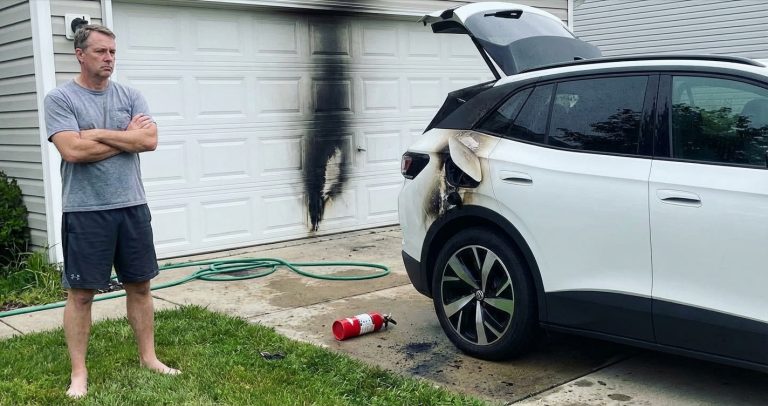
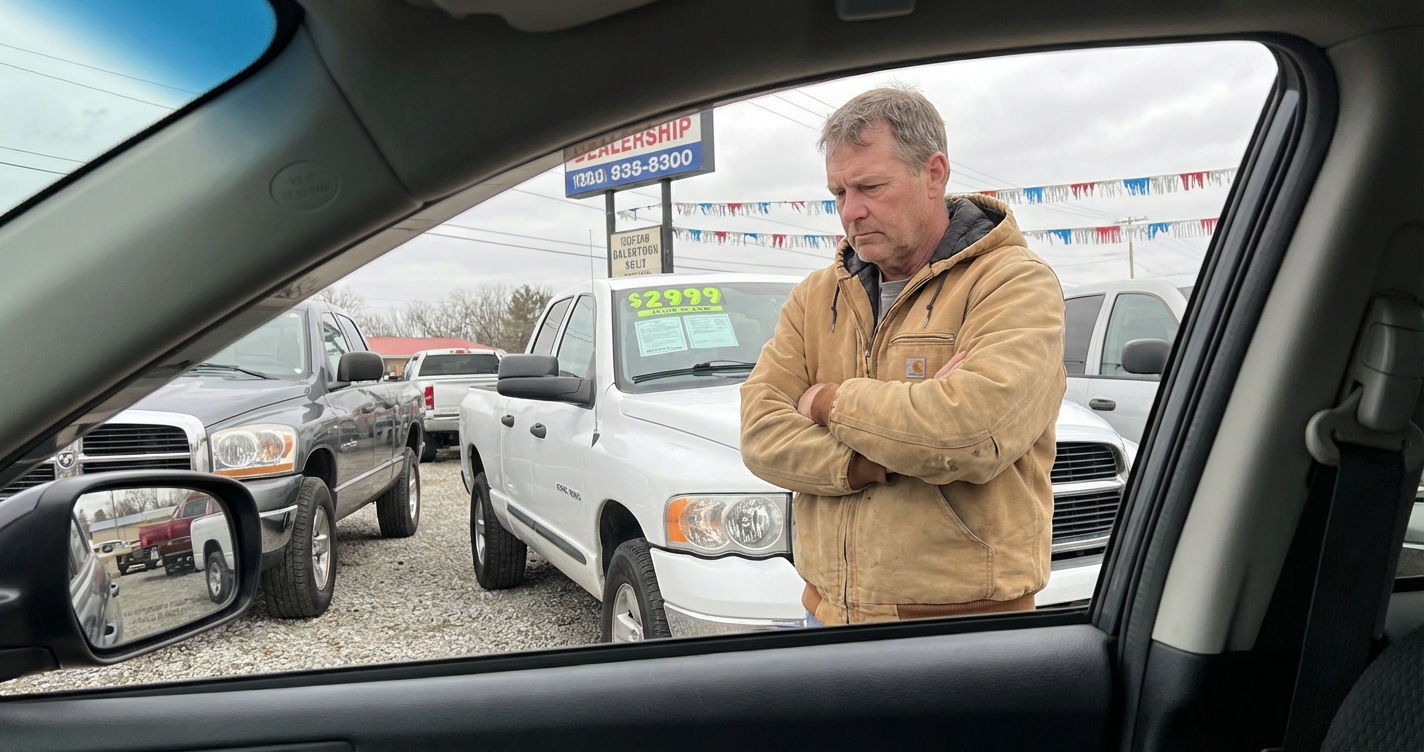
Average new vehicle transaction prices have crossed $51,000 for the first time in history, up 30% from pre-pandemic levels. That number alone rewrites the rules. But the real story is who gets left behind. One-third of Americans can no longer afford a new car at any trim level. In 2020, 38% of new vehicles were priced below $30,000. By November 2025, that number collapsed to 7.5%. The affordable car got eliminated. And the cascade from that single shift reaches further than anyone expects.
The Deliberate Product Shift

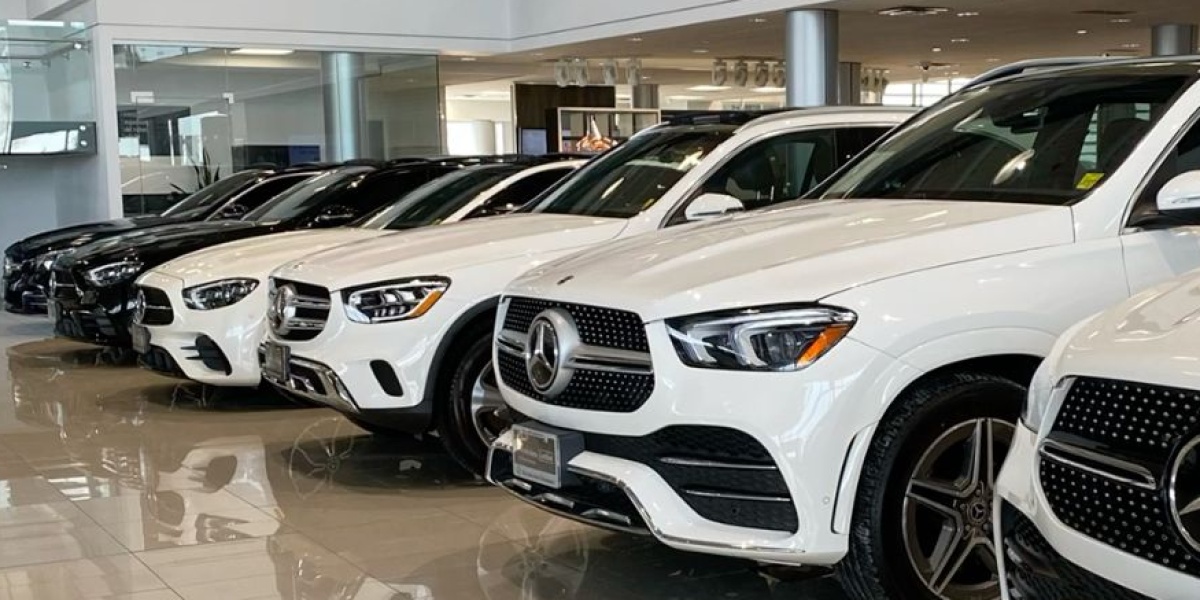
This pricing wall didn’t happen by accident. Automakers used pandemic supply constraints as cover to shift production toward high-margin SUVs and luxury models. Cars now account for just 17% of the market. Midsize sedans fell to 4.5% share. Cox Automotive executive Erin Keating confirmed the quiet part out loud: “This elevated plateau is now the new baseline.” Automakers had production capacity for affordable models. They chose not to build them. Wall Street rewarded margin-per-unit over volume, and the entire product mix followed the money. The grocery bill is next.
Your Monthly Payment Just Broke
Average monthly car payments hit $749, up 38% since 2018. Nearly one in five financed buyers now pays over $1,000 a month. That is $12,000 a year before insurance, before gas, before a single oil change. Down payments dropped to $6,020, the lowest since late 2021, while the average amount financed climbed to $42,647. Buyers are putting less down and borrowing more at 7% APR. Add 17% annual insurance increases and repair costs up 15% in the past year alone. The business response is even uglier.
Automakers Are Bleeding Quietly
Tariffs have cost automakers $35.4 billion since 2025. Toyota alone absorbed $9.1 billion. The three Detroit automakers took a combined $6.5 billion hit. Industry EBIT margins collapsed from 8.1% to 3.9% in the first three quarters of 2025 as manufacturers ate costs rather than raise prices further. Stellantis stock cratered 23.7% to $7 in a single session. Parts supplier First Brands filed for bankruptcy. And zero-percent financing dropped to just 0.9% of loans, the lowest in over 20 years. The surprise is where the pain spreads next.
The Used Car Market Didn’t Escape
Everyone priced out of new cars floods the used market. Used car prices now average $27,000, up 20% from pre-pandemic. Luxury used vehicles climbed another 4.1% in February 2026. Over 300,000 off-lease EVs are returning to dealer lots this year, and used EV prices have already dropped 40%. That sounds like relief until you realize it cannibalizes new EV sales, which plunged 30% in Q4 2025. One pricing decision at the top created a chain reaction across every segment. Think about that for a second. The mechanism connecting all of this is simpler than it looks.
The K-Shaped Machine

Buyers earning over $200,000 grew from 18% of new car purchasers to 29%. Buyers under $100,000 dropped from 50% to 37%. Luxury owners show 64.2% brand loyalty. The wealthy sustain the market while everyone else gets pushed down a tier. Automakers chose this. A smaller, richer buyer pool at $50,000 per unit generates more profit than a larger pool at $35,000. Global production peaked at 97 million vehicles in 2017. Now it sits at 89 million. The industry shrank on purpose. And the people paying the price have names.
Forty Percent of a Paycheck, Gone
UCLA professor Evelyn Blumenberg put it plainly: “If people can’t afford a decent car, they sacrifice huge amounts of time, job opportunities, and upward mobility.” The lowest-income households now spend 40% of their after-tax income on transportation. The average American household pays $13,174 a year. Ownership costs jumped 40.6% since January 2020. Plante Moran consultant Mark Barrot added, “We’re now relying on the extremely wealthy to generate the sales. That’s a structural problem.” Seventy-two percent of consumers say it is a bad time to buy. The rules are changing to match.
Regulators See the Rot
On March 13, 2026, the FTC sent warning letters to 97 auto dealer groups for deceptive pricing practices. Prior investigations found 75% of targeted dealers engaged in deception. The CARS Rule, which would have saved consumers $3.4 billion annually in hidden fees, was killed in January 2025. So dealers face shrinking demand, margin pressure, and a regulator cracking down simultaneously. Meanwhile, 22.4% of car loans now stretch to 84 months. Seven-year financing on a depreciating asset. The highest proportion in modern lending history. Same mechanism, different victims. And someone is profiting from every layer.
Winners, Losers, and What to Watch

Winners: used car dealers, independent repair shops, capturing the 12% of service visits dealerships lost since 2018, and hybrid manufacturers seeing 15% market share. Losers: rural franchise dealers serving lower-income buyers, Tier 2 suppliers watching orders flatten, and the 62% of Americans who believe new vehicles are unaffordable. The average vehicle on American roads is now 12.8 years old, the highest ever recorded. Repair costs have risen 189% since 1997. Older cars cost more to fix, insure, and fuel. The trap tightens from both directions. And the forward picture is worse.
The Cascade Is Accelerating
Tariff absorption runs out in Q2-Q3 2026, pushing another round of price increases onto stickers. Waymo already logs 200,000 rides per week across 1,500 vehicles, scaling to 2,000 by year-end, offering urban commuters an alternative to ownership entirely. Job growth has slowed to 80,000 per month since mid-2024, quietly eroding the buyer pool further. U.S. sales peaked in 2016 and have declined every year since. The $50,000 price floor is permanent. The market built for the wealthy is working exactly as designed. Knowing that is the first step to navigating what comes next.
Sources:
“Kelley Blue Book Report: As Affluent Households Drive the Auto Market, November New-Vehicle Prices Remain Near Record Highs.” Cox Automotive / Kelley Blue Book, 10 Dec 2025.
“A Third of Americans Are Priced Out of New Cars, and It’s Getting Worse.” CarScoops, 6 Feb 2026.
“The Affordability Crisis Conversation Can’t Leave Out the Cost of Cars.” Streetsblog USA, 7 Jan 2026.
“Affordability Concerns Slow the Road to an Electrified Future: 2026 Global Automotive Consumer Study.” Deloitte, Feb 2026.