New Cars Hit 204 Problems Per 100 Vehicles Amid Worst Reliability In 4 Years—6 Worst Brands
Your infotainment screen freezes mid-navigation. The climate control ignores your input. Your phone refuses to pair for the third time this month. Somewhere in a corporate office, an engineer pushes another over-the-air update to your vehicle, promising improvement. JD Power just finished surveying the newest cars on American roads, covering 184 specific problem areas across nine major vehicle systems. The results landed like a wreck on the industry’s doorstep. The number attached to that wreck rewrites everything automakers promised about modern vehicles.
Reliability hits a four year low
The industry average reached 204 problems per 100 vehicles in JD Power’s 2026 U.S. Vehicle Dependability Study, now in its 37th year. That is the highest failure rate since the study was redesigned in 2022, and a jump from 202 PP100 in 2025. The trend line is climbing, not flattening. These are 2023 model-year vehicles, the cars millions of Americans drove off dealer lots as brand-new purchases three years ago. Their warranties are expiring right about now, and the repair bills are about to land in owners’ laps.
The broken promise of smart cars

Automakers spent years selling a vision: software-defined vehicles that improve themselves over time through over-the-air updates. Buy the car once, and it gets better while you sleep. That was the pitch. Infotainment systems now rank as the single most-reported problem category across the entire industry. Mobile phone integration failures sit right alongside them. The technology that was supposed to eliminate trips to the dealership became the reason for them. Premium brands, which invested most aggressively in software complexity, now underperform mass-market competitors in seven of nine reliability categories.
Updates with little to no benefit
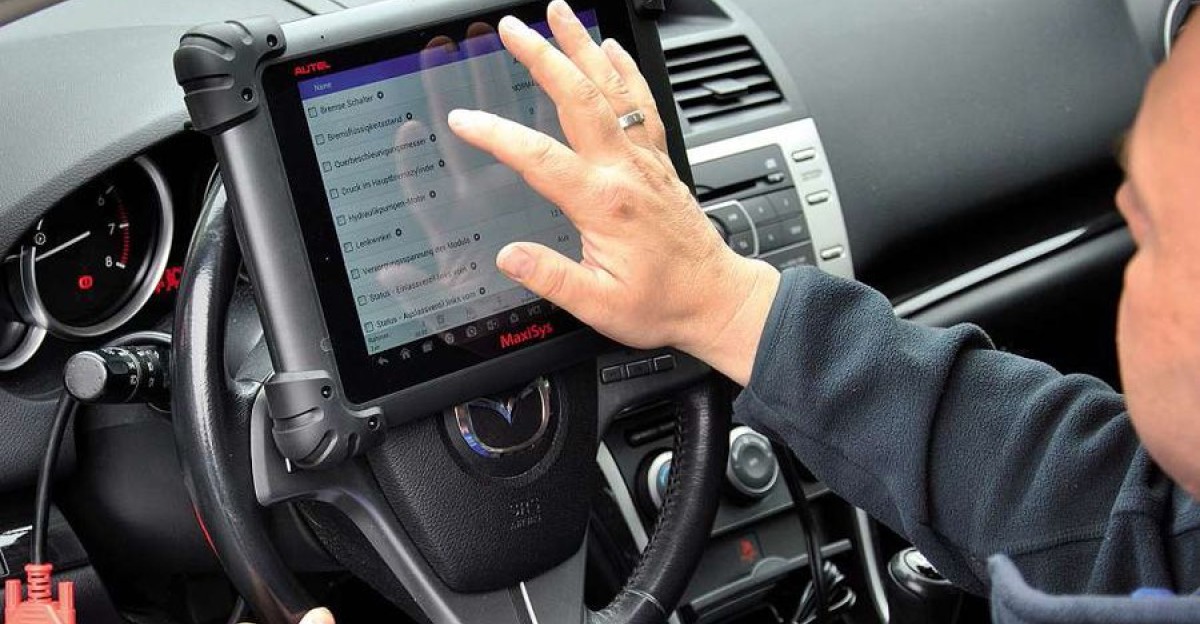
JD Power Director Jason Norton put it plainly: “Software updates and new technologies should enhance the ownership experience over time, yet many vehicle owners cite ongoing mobile phone integration problems and little to no benefit after an update is performed.” The industry’s own benchmarking authority reports that 58 percent of owners who received a software update—whether over-the-air or performed at a dealership—noticed no improvement to their vehicle. More tech created more failure. OTA updates promised remote fixes. Instead, they introduced new defects faster than traditional recalls ever did, and owners became unpaid beta testers for manufacturer software.
When one glitch breaks everything

The hidden mechanism is architectural. Old cars had isolated systems: engine, transmission, climate. One broke, the rest worked. Modern vehicles route everything through software. Infotainment architecture now touches climate controls, driving assistance, and in-vehicle electronics simultaneously. When that software glitches, failures cascade across multiple categories at once. That is why JD Power tracks 184 problem areas across nine systems and still cannot contain the spread. One bad code push can disable your navigation, your Bluetooth, and your seat heaters in the same afternoon. Hardware failures were local. Software failures are systemic.
The new reliability scoreboard
Volkswagen sits at the bottom: 301 PP100, nearly 50 percent above the industry average. That is roughly one extra problem for every single vehicle sold. Volvo ranks second-worst. European luxury brands including BMW, Audi, and Land Rover cluster in the bottom half. Jeep joins them. Meanwhile, Lexus leads premium brands for the fourth consecutive year at 151 PP100. Buick leads mass-market at 160. The 150-point gap between Lexus and Volkswagen is not quality variance. It is the cost of choosing touchscreens over physical controls five years ago.
The EV ripple effect
Consumer Reports analyzed approximately 380,000 vehicles spanning model years 2000 through 2025. Separately, JD Power’s 2026 study found electric vehicles report roughly 20 percent more problems than gasoline-powered cars. Asian automakers dominate the upper tier of both reliability rankings. Toyota reclaimed the top Consumer Reports reliability position for the first time since 2022. An off-lease supply surge in early 2026 will force price corrections for vehicles with documented reliability problems. Volkswagen owners face destroyed residual values. First-generation EV buyers face a market that now treats their cars as liabilities, not assets.
A new rule for buying cars
Consumer Reports Senior Director Jake Fisher confirmed the pattern: “Our surveys continue to show that the slow and steady approach to vehicle redesigns pays dividends for reliability, while more aggressive changes and the introduction of new technologies often lead to setbacks.” That is the new purchasing rule, stated by the industry’s most trusted testing authority. The 204 PP100 baseline now becomes the number against which every future year gets measured. If 2027 climbs higher, this stops being a bad year and becomes a permanent structural failure baked into how cars are designed.
The warranty time bomb

Three-year-old vehicles now average more than two problems each, emerging precisely as standard warranties expire. Owners absorb the repair costs for defects introduced by updates they never requested. If automakers continue prioritizing infotainment features over mechanical reliability in 2027 redesigns, the 204 baseline will keep climbing. Consumer class-action lawsuits over OTA update failures that create new defects could emerge by 2027. Regulatory pressure from NHTSA to mandate pre-deployment testing standards would slow software releases but might actually fix the root cause. Nobody in Detroit seems eager to volunteer for that.
The case for staying simple

Toyota and Lexus will keep their conservative design strategy and keep winning. Honda and Subaru will position themselves as alternatives to software-heavy competitors. Volkswagen and Volvo will likely announce infotainment redesigns restoring physical controls, quietly admitting the touchscreen-first philosophy failed. The premium-to-mass-market reliability gap has widened to 17 PP100, meaning luxury now buys you more complexity and worse dependability. The next time someone tells you a newer car with the latest technology is automatically more reliable, the data says the opposite. The most reliable car on the road is the one that skipped the latest update.
Sources:
“2026 U.S. Vehicle Dependability Study (VDS).” JD Power, 12 Feb 2026.
“Vehicle Software Updates Become More Routine, but Fall Short on Improving Dependability, J.D. Power Finds.” JD Power, 12 Feb 2026.
“Consumer Reports Releases Its 2026 Automotive Brand Report Card.” Consumer Reports, Dec 2025.
“Consumer Reports finds reliability issues with EVs, PHEVs.” Tech Brew, 10 Dec 2025.