Musk Uses Cybertruck’s Own Data To Flip Viral ‘Self-Driving’ Crash Into Human Fault Case
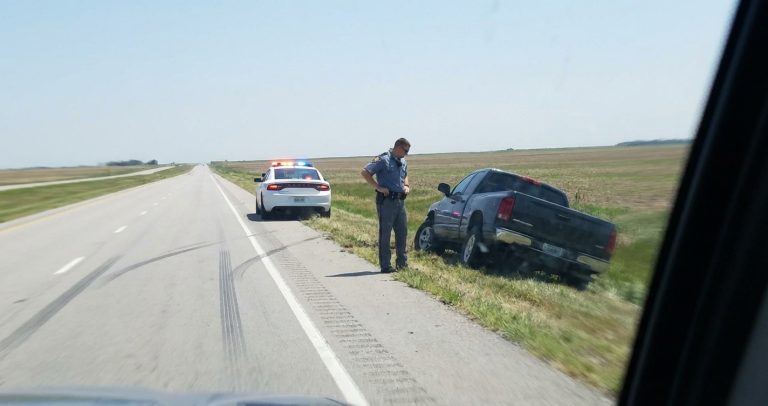
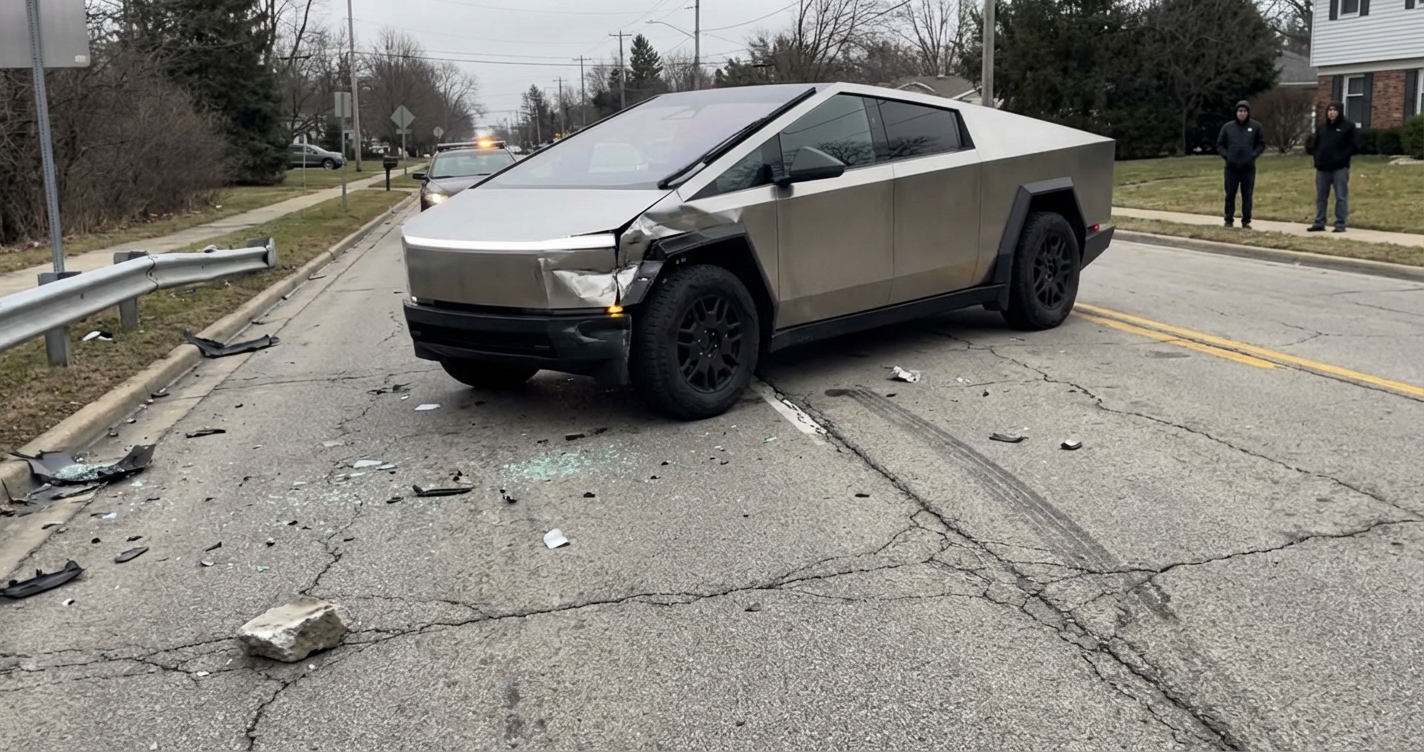
A viral Cybertruck crash video spread across social media in 2025, drawing millions of views and immediate claims of autopilot failure, until Elon Musk countered with internal driver logs pointing to human error. The clash exposed a deeper issue: how quickly public narratives form before verified evidence appears, and how much trust rests on data that only companies can access. As footage, assumptions, and unseen telemetry collided, the incident became more than a crash, raising urgent questions about responsibility, transparency, and who ultimately controls the truth when technology and human judgment intersect.
How The Internet Reached A Verdict
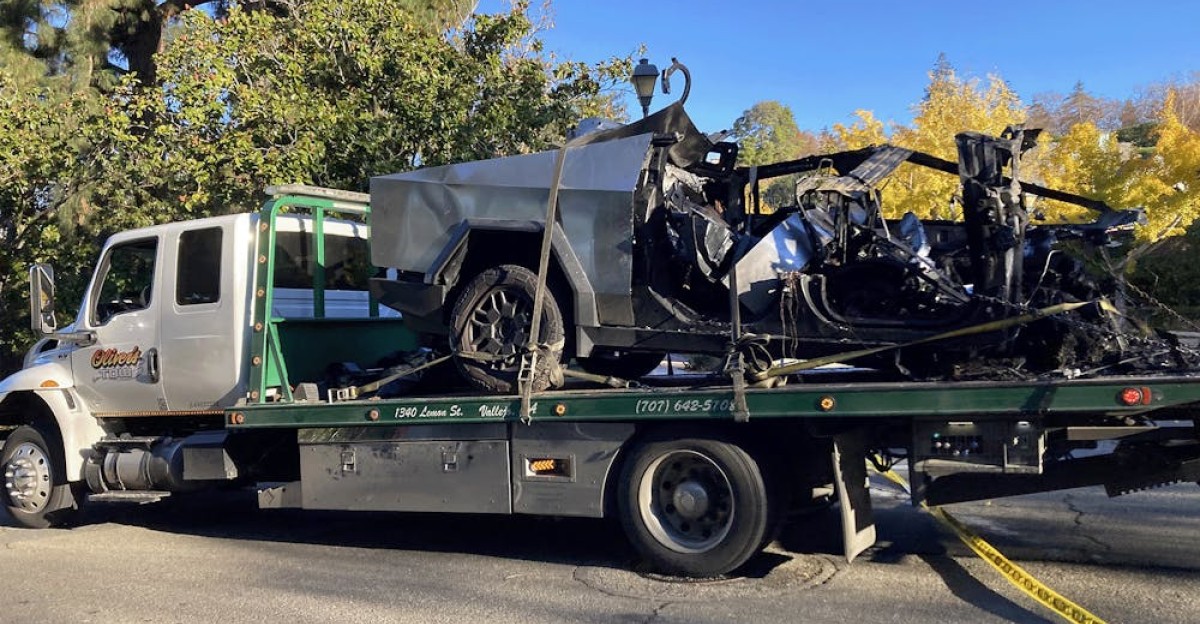
The video spread faster than any formal investigation could begin, following a familiar pattern where viral clips shape early conclusions. Public judgment formed instantly, with “self-driving” becoming the dominant accusation. Musk responded by pointing to Tesla’s internal logs as clarification. Industry standards from SAE International define most systems like this as supervised driver assistance, not full autonomy. That distinction rarely gains traction online. Once a label sticks, it shapes perception. By the time experts weigh in, the narrative often feels settled, even if critical facts remain unverified or misunderstood.
What Tesla’s Own Rules Actually Say
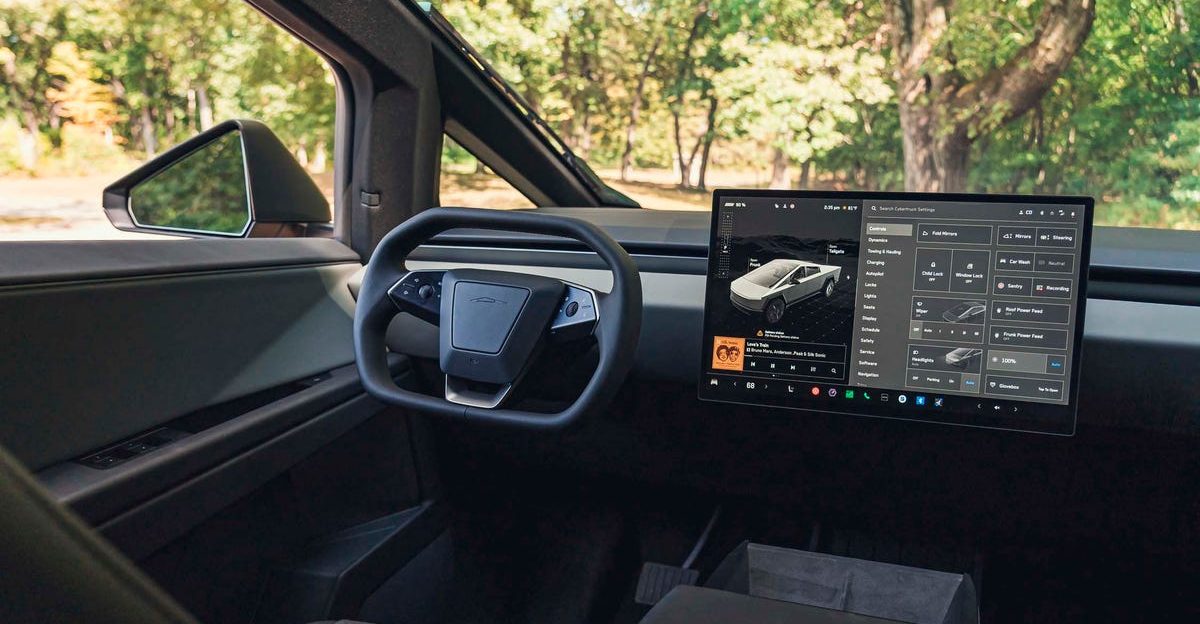
Tesla’s official guidance states clearly that drivers must stay engaged at all times. Autopilot and Full Self-Driving require hands on the wheel and attention on the road. NHTSA reinforces the same expectation across the industry. These systems assist rather than replace human control. The IIHS has warned that partial automation can encourage overreliance, especially when features appear more capable than they are. That mismatch between perception and reality often leads to confusion after crashes. It also raises a central question about how responsibility gets assigned when technology and human behavior intersect.
The Moment Musk Changed The Narrative
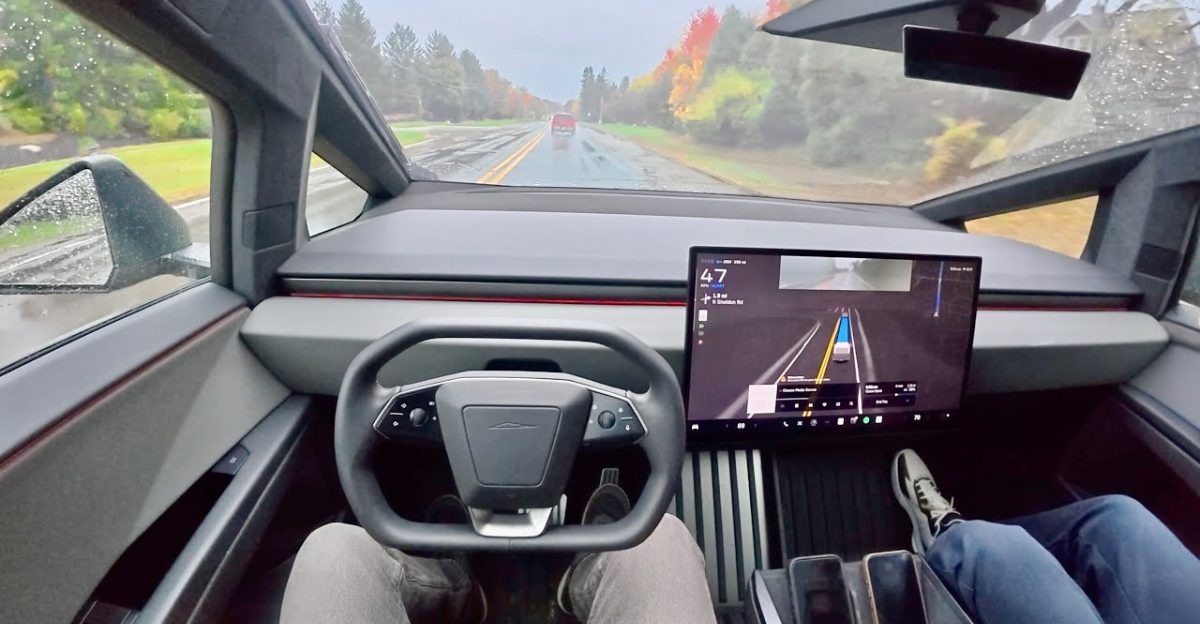
Musk shifted the discussion by pointing to Cybertruck driver logs as evidence of human error. That move reframed the crash from a possible system failure to a driver issue. The data itself includes inputs, timestamps, and system activity. However, only Tesla has direct access to that information. The public cannot independently verify what the logs show. This creates a split between visible footage and unseen telemetry. One side relies on what can be watched, the other on what must be trusted, setting up a debate shaped as much by access as by facts.
Who Controls The Evidence In Crashes
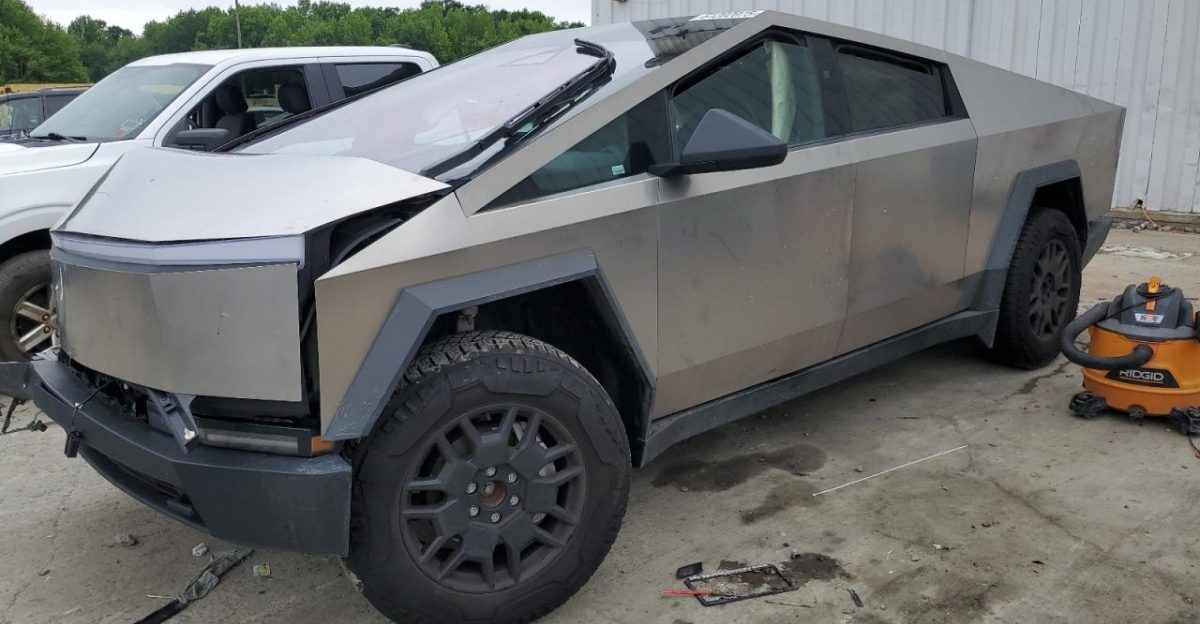
Crash analysis now often depends on who holds the data. Tesla retains detailed telemetry from its vehicles, while the public relies on video clips. Regulators like NHTSA have authority to investigate but operate on slower timelines. This creates a gap between immediate public reaction and formal conclusions. Company-controlled data can influence early narratives, especially when it is not independently reviewed. That imbalance shapes how responsibility is perceived. When evidence sits behind corporate systems, the conversation shifts from what happened to who gets to define what happened.
The Missing Details Everyone Expected
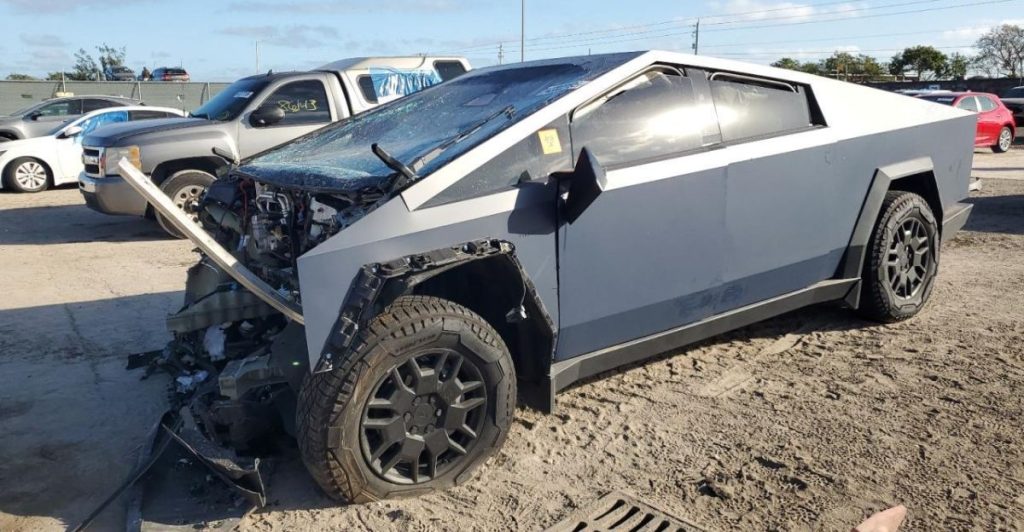
No confirmed crash metrics were released publicly in early reporting. There were no verified details about speed, impact force, or system status at the moment of the crash. The debate relied heavily on claims about unseen logs. NHTSA describes these technologies as having clear limitations and emphasizes driver responsibility. Tesla communicates similar expectations. Still, statements about responsibility do not replace evidence. Without independently confirmed data, conclusions remain uncertain. That gap leaves room for competing interpretations, each shaped more by trust than by transparent verification.
Why This Debate Spreads Beyond Tesla
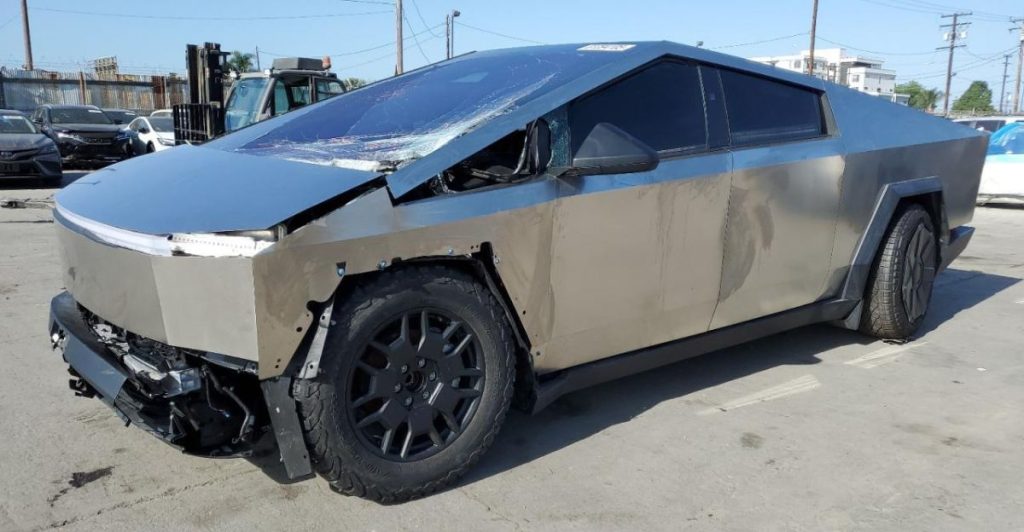
This incident reflects a wider challenge for all driver assistance systems. Automakers face growing pressure to explain how their technologies work and where they fall short. Viral crashes can influence public trust, insurance decisions, and even regulation. The risk grows when drivers assume systems handle more than they actually do. Marketing language and real-world performance do not always align clearly. As more vehicles adopt advanced assistance features, each incident adds to a broader conversation that extends well beyond a single company or crash.
A New Pattern In Crash Investigations
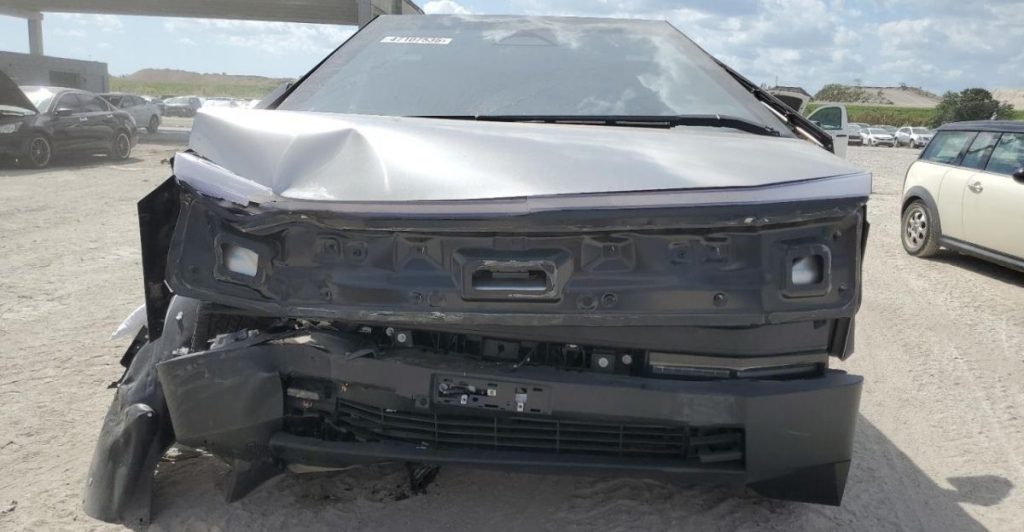
A new pattern is emerging where telemetry becomes part of public defense strategies. Companies release selected data interpretations, while the public analyzes available footage. Regulators step in later through formal investigations. NHTSA maintains a process for reviewing potential safety defects, but that process takes time. Viral moments often define early understanding before any official findings are released. When internal data enters public discussion without independent verification, it changes how people interpret crashes, creating a new dynamic between evidence, timing, and trust.
How These Cases Usually Escalate
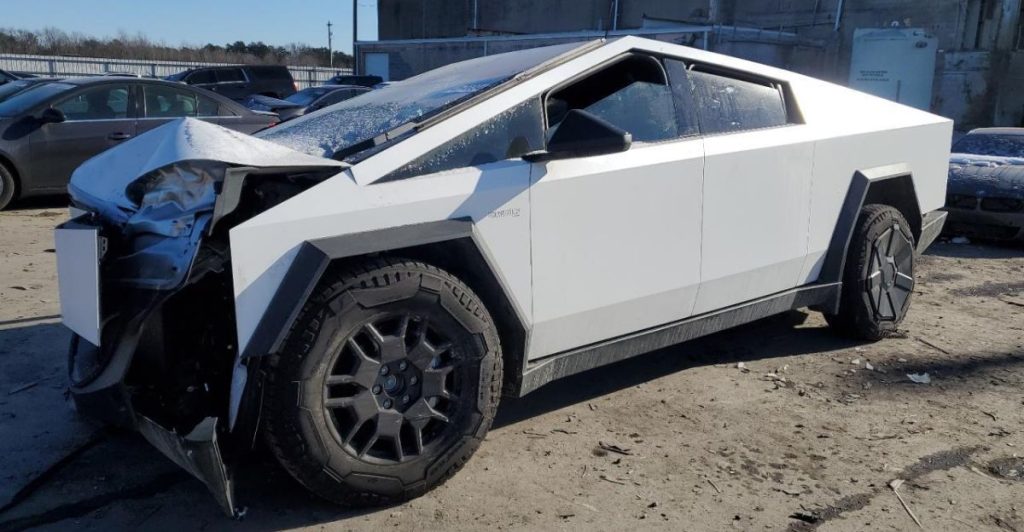
Viral incidents often trigger a chain reaction. Public attention leads to complaints, which can lead to regulatory review and eventually formal investigation. NHTSA has followed similar paths in past cases involving Tesla’s systems. Companies typically respond by emphasizing driver responsibility and reinforcing usage guidelines. At the same time, confusion persists among drivers who interpret “self-driving” differently from official definitions. That gap between expectation and reality continues to drive debate, especially when incidents highlight how differently the same system can be understood.
The Bigger Question Behind The Crash
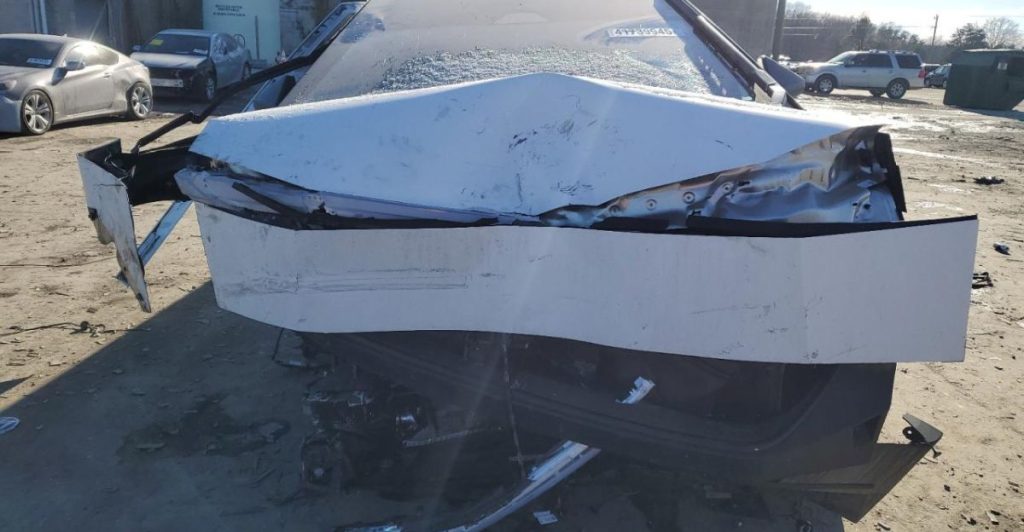
The core issue extends beyond a single incident. It centers on who controls and verifies the evidence. Internal logs can influence conclusions, but without independent access, they remain claims rather than confirmed proof. Drivers rely on systems they cannot fully examine, guided by data they cannot review themselves. Regulators provide oversight, but often after public opinion has already formed. The debate ultimately focuses on trust, not just technology. When critical evidence stays inaccessible, it leaves one lingering question about who truly gets the final say.
Sources:
Elon Musk clarifies viral Tesla Cybertruck accident with driver logs. Teslarati, March 17, 2026
Musk Says Cybertruck Driver Disengaged Autopilot 4 Seconds Before Crash. Eletric-Vehicles.com, March 17, 2026
NHTSA Opens New Investigation Into Tesla Full Self-Driving. Road & Track, October 8, 2025
Additional Information Regarding EA22002 Investigation. NHTSA Office of Defects Investigation, April 24, 2024
IIHS-HLDI research finds little evidence that partial automation prevents crashes. IIHS, July 10, 2024
Safeguards for Partial Automation Test Protocol and Rating Guidelines. IIHS, 2023
Tesla’s Autopilot systems the subject of new NHTSA investigation. ABC News, August 15, 2021