Musk’s ‘Buy Now’ Warning Backfires—$20B Pivot Axes Flagship Cars While 1.2M Sales Vanish
Elon Musk told customers to hurry. “If you are interested in buying a Model S and X, now would be the time to order it because we expect to wind down S and X production next quarter.” That sentence carried the weight of a confession dressed as a sales pitch. Two flagship vehicles, one produced since 2012, the other since 2015, headed for the factory floor one final time. The urgency in his voice told half the story, but the data told the rest.
Brand Erosion
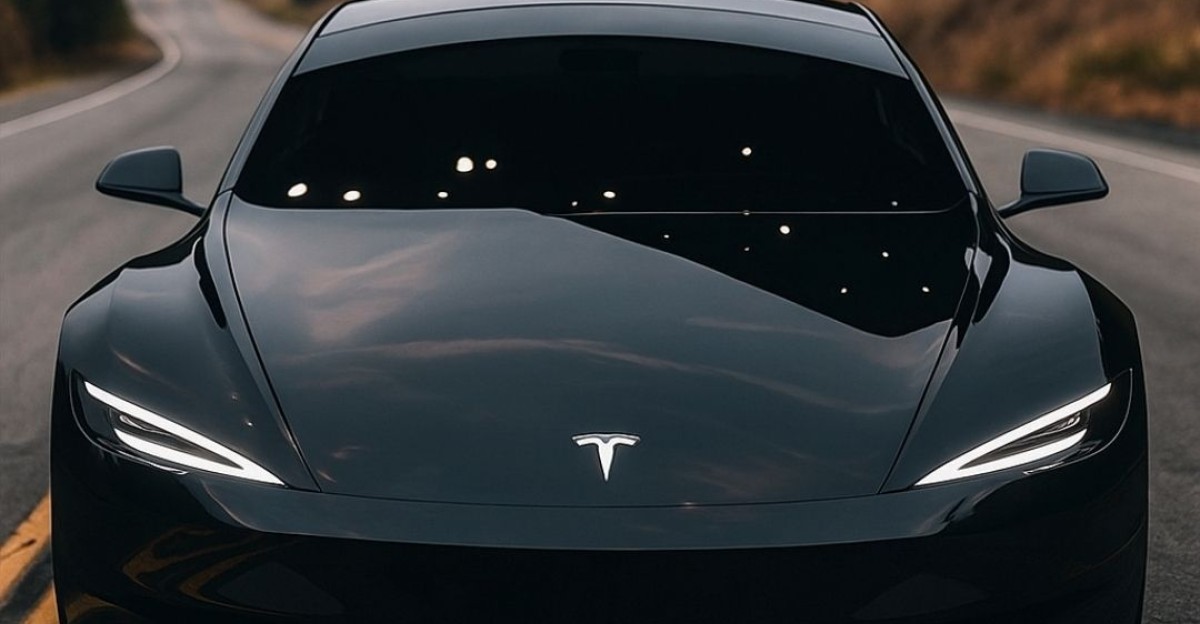
Before Musk ever said “buy now,” the customers he needed had already walked away. A Yale University study estimated that his political actions cost Tesla up to 1.2 million vehicle sales over three years, concentrated in Democratic-leaning states where early EV adoption was highest. In Germany, Tesla ranked dead last among 30 companies in a 2025 brand reputation survey, scoring 2.48 out of 5. That 0.77-point year-over-year collapse marked the largest single drop in the survey’s history since 2013. The audience for a farewell pitch was shrinking fast.
Burning Ground

Between January and March 2026, attackers hit Tesla facilities across the country with Molotov cocktails and arson. CSIS documented 15-plus incidents in 90 days, from Las Vegas to Boston to Seattle. Graffiti linked the destruction directly to Musk’s political visibility. Every attack struck outside business hours, and there were no serious casualties. Property, not people, was the target. Attorney General Pam Bondi called it domestic terrorism and launched federal investigations. The brand Musk built was literally on fire before he ever announced the Model S and X were ending.
The Real Pivot
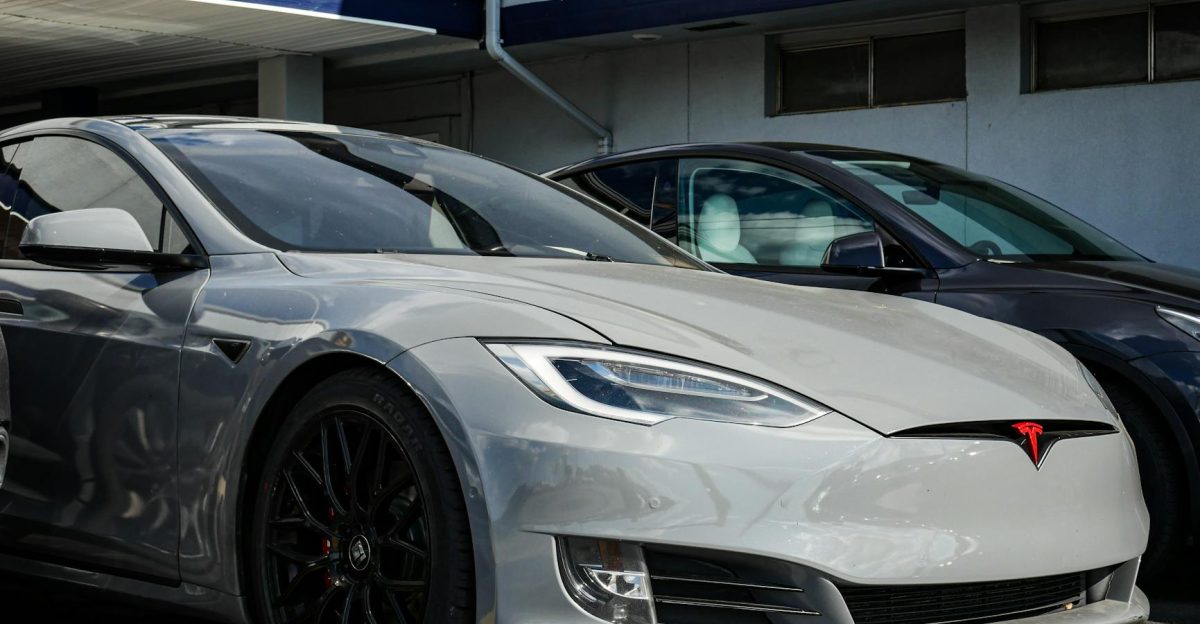
Tesla’s 2026 capital expenditure is forecast to exceed $20 billion, its largest single-year investment ever. Almost none of it went toward saving the car business. Fremont’s Model S and X lines will shut down by June, retooled for Optimus humanoid robot production, targeting one million units per year. A TeraFab chip fabrication facility. Megacharger expansion across 15 states. Megapack energy storage scaling. Twenty billion dollars flowing toward robots, batteries, and infrastructure. Zero toward the luxury sedans that made Tesla famous. The CEO who told customers to buy was already building something else entirely.
Two Companies

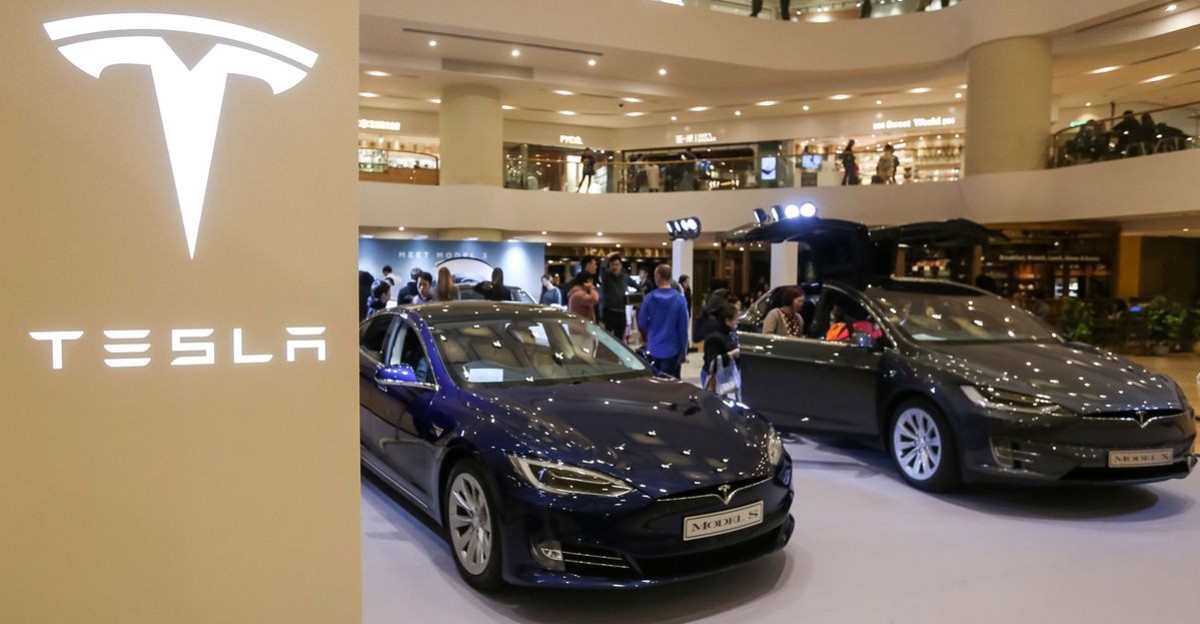
Strip away the logo, and Tesla operates two separate businesses under one name. The automotive segment bled: UK registrations fell 9% in 2025, the Netherlands down 45%, Germany, where Tesla sales cratered 48% year-over-year, and its reputation collapsed to dead last. Meanwhile, the energy storage division deployed a record 46.7 gigawatt-hours in 2025, up 48% year-over-year in volume, generating $12.8 billion in revenue at 29.8% gross margins. That margin nearly doubles the automotive segment’s. No documented attacks targeted Megapack installations. Attackers targeted showrooms and charging stations — the visible consumer brand — while Tesla’s most profitable division operated untouched.
Demand Mirage

Giga Berlin’s plant manager confirmed 250,000-plus annual production capacity with 5,000 units rolling off the line weekly. Impressive output for a country where Tesla sales fell sharply year-over-year. That mismatch between supply and demand tells the real story: Tesla built factories for a brand that no longer exists in those markets. Meanwhile, BYD opened 2026 with 18,242 European registrations, a 165% year-over-year explosion, filling the vacuum Tesla’s reputation collapse created. German luxury automakers gained the breathing room they hadn’t had in years. Musk’s politics handed his competitors a gift they never earned.
Ripple Cost
Model S and X discontinuation eliminates Tesla’s only vehicles with consistent premium positioning. Longtime owners now hold depreciating assets tied to a brand association turning negative in key markets. Environmental activists who escalated from protests to property destruction face federal terrorism charges, a precedent that could criminalize future protest tactics across movements. Optimus production at scale threatens traditional manufacturing jobs nationwide. One CEO’s political choices triggered a chain reaction touching car buyers, factory workers, activists, and competitors simultaneously. The $59,990 Cybertruck base model pushed delivery dates to 2027 within ten days, suggesting Tesla’s customer base is shifting, not shrinking.
New Rule
This story looks like a brand crisis. Zoom out, and it becomes a corporate metamorphosis. Tesla is not a car company dealing with an energy side business. The energy storage division’s 29.8% margins, its $4.96 billion in expected 2026 deferred revenue, its insulation from consumer brand damage: these numbers describe the actual company. Model S and X production ending at Fremont, while robot assembly begins in the same building, is not a retreat. It is a deliberate shedding of the segment most vulnerable to one man’s political choices. Once you see that, every headline about Tesla “struggling” misses the architecture underneath.
Unresolved Threats
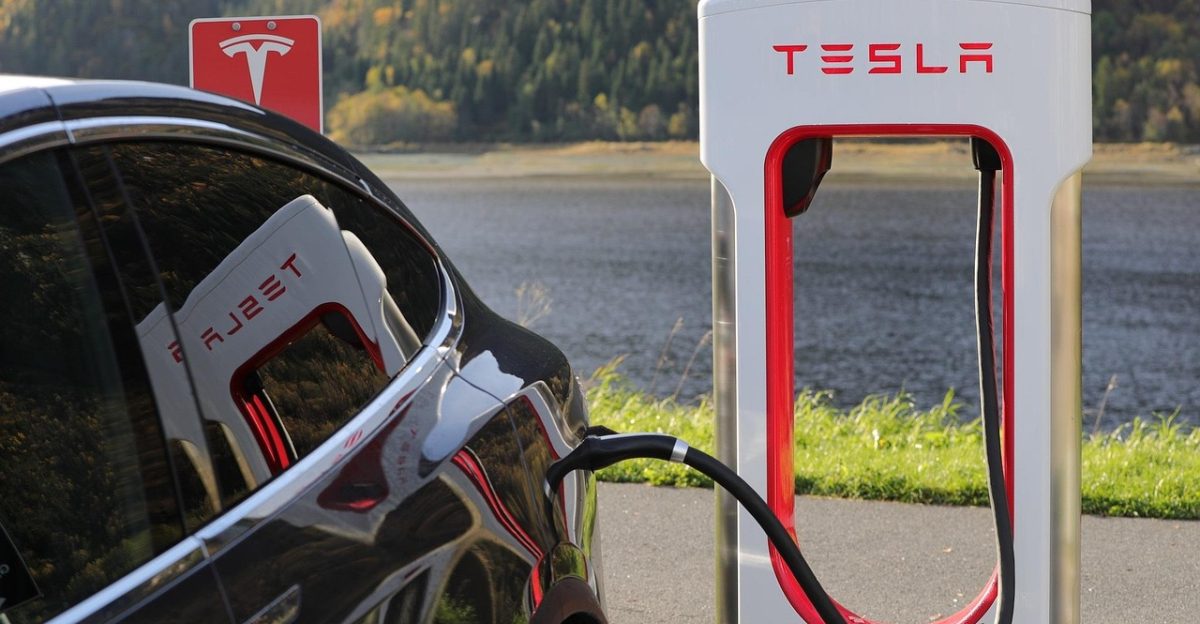
FSD Supervised completed its regulatory demonstration with the Dutch vehicle authority RDW in February 2026, with authorization expected to follow in the weeks ahead. Autonomous driving rollout depends on software, not brand loyalty, which is exactly why Tesla is betting there. Attorney General Bondi signaled pursuit of “those operating behind the scenes to coordinate and fund” the attacks, hinting at alleged foreign-funded networks that Fox Business linked to billionaire backers with geopolitical agendas. If those investigations expand, Tesla’s supply chain relationships and China exposure face scrutiny from an entirely different direction.
The Framework
Wall Street priced Tesla at $425.92 per share in February 2026 despite everything: the arson, the reputation collapse, the 1.2 million lost sales, the flagship discontinuation. Financial markets are not valuing a car company. They are valuing an energy, robotics, and autonomy platform that happens to still sell vehicles. The person at the bar who understands that distinction sees a completely different company than the one burning in the headlines. BYD, BMW, and Mercedes are circling the automotive segment that Tesla is quietly leaving behind.
Sources:
“Tesla ending Model S, X production in Q2, CEO Elon Musk says.” Ward’s Auto, 28 Jan. 2026.
“Elon Musk’s ‘polarizing and partisan actions’ hurt Tesla sales, Yale study finds.” CBS News, 29 Oct. 2025.
“Tesla dead last in Germany in Nordic reputation study — behind Temu & Nestlé.” Electrek, 5 Feb. 2026.
“Tesla’s energy storage business is growing faster than any other part of the company.” TechCrunch, 28 Jan. 2026.