Musk’s 1.9-Second Hypercar Gets First Sign Of Life In Years
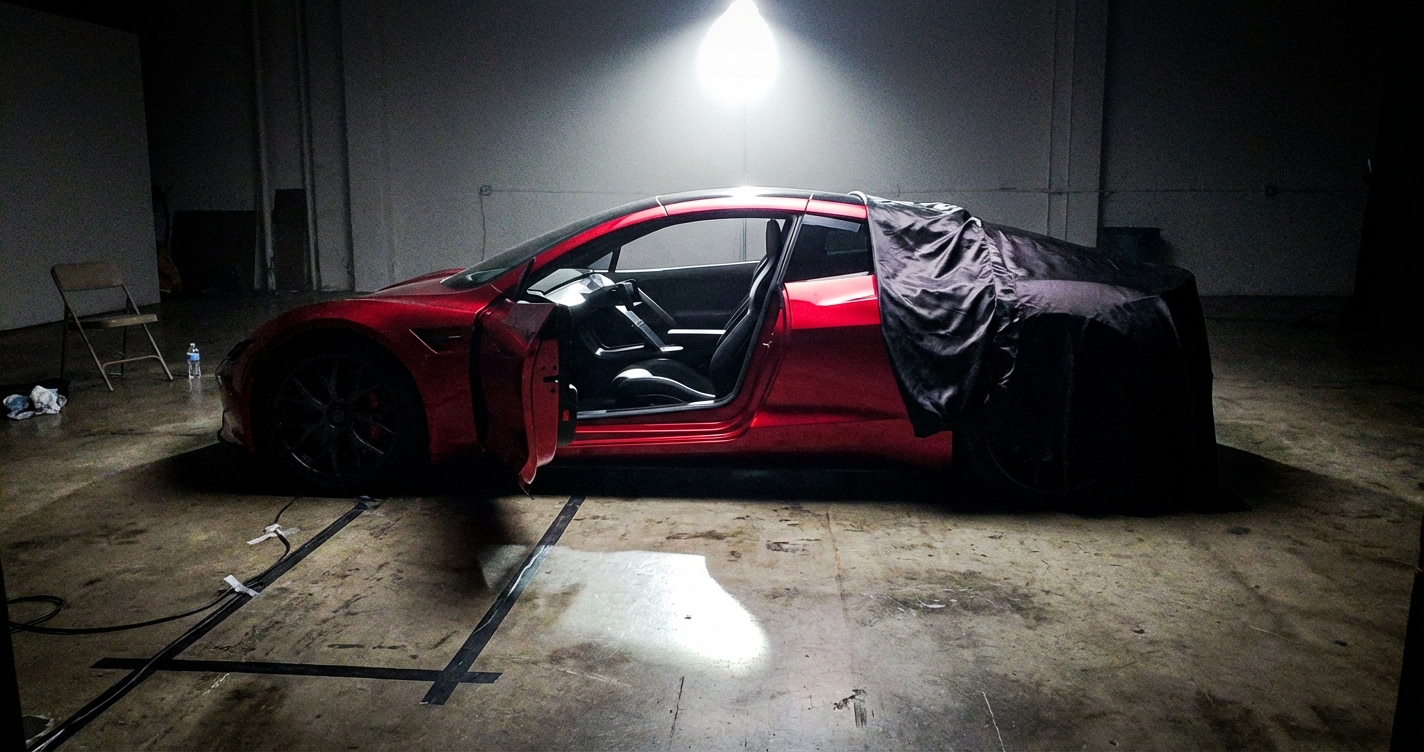
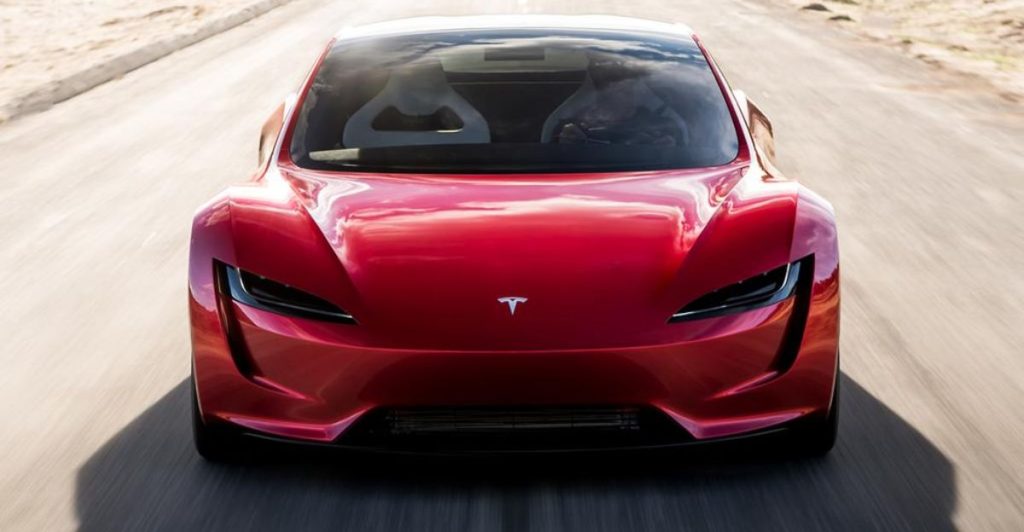
Somewhere inside Tesla’s filing system, a patent cleared. Not an engine. Not a battery. A seat. For a car that most people had forgotten was still supposedly happening. The next-generation Roadster has lived on Tesla’s website for years, specs gleaming like a showroom model nobody can buy: 0–60 in 1.9 seconds, top speed north of 250 mph, 620 miles of claimed range. Numbers that belong on a poster, not a purchase order. Then the paperwork moved, and the whole conversation restarted.
Old Promises
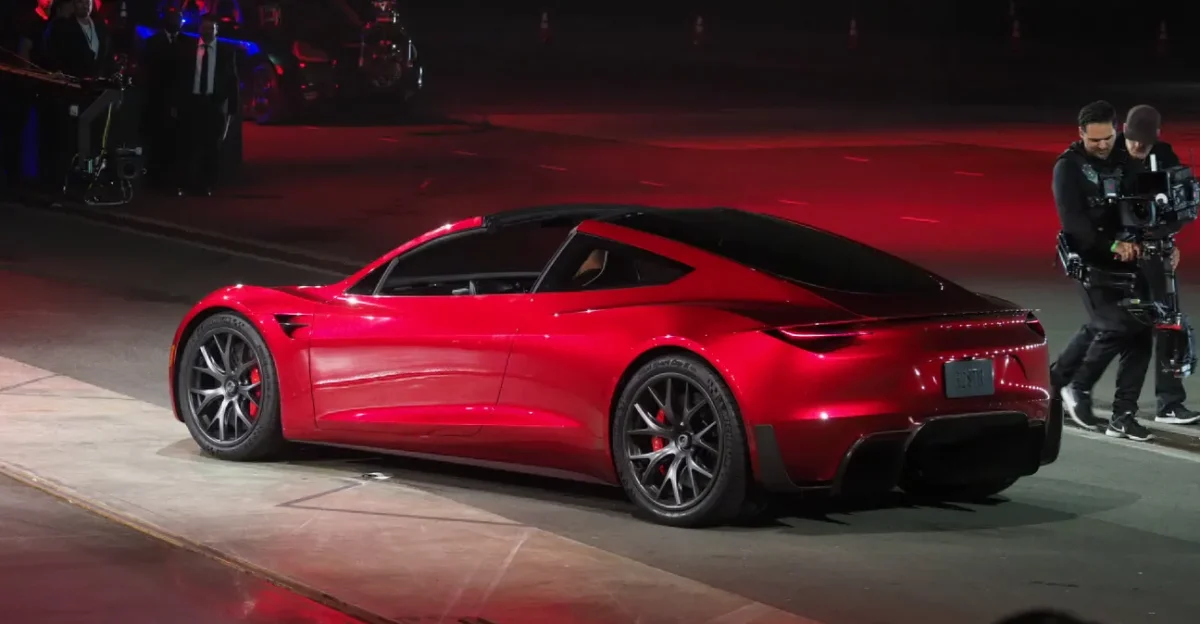
Tesla first surprised the world with a next-generation Roadster prototype at the November 2017 Semi unveil event, announcing performance figures that made Bugatti owners nervous. The concept was not explicitly mentioned in Tesla’s 2016 Master Plan Part Deux, which focused on expanding the lineup to cover “all major segments” without naming the Roadster. Then the timeline went quiet. No production updates through official investor channels for years. The specs page stayed live, which is the corporate equivalent of leaving the porch light on. Reservation holders — some of whom paid between $50,000 and $250,000 in deposits — kept waiting. The Roadster became Tesla’s most glamorous ghost, a hypercar-tier promise collecting dust in plain sight.
Paperwork Pulse
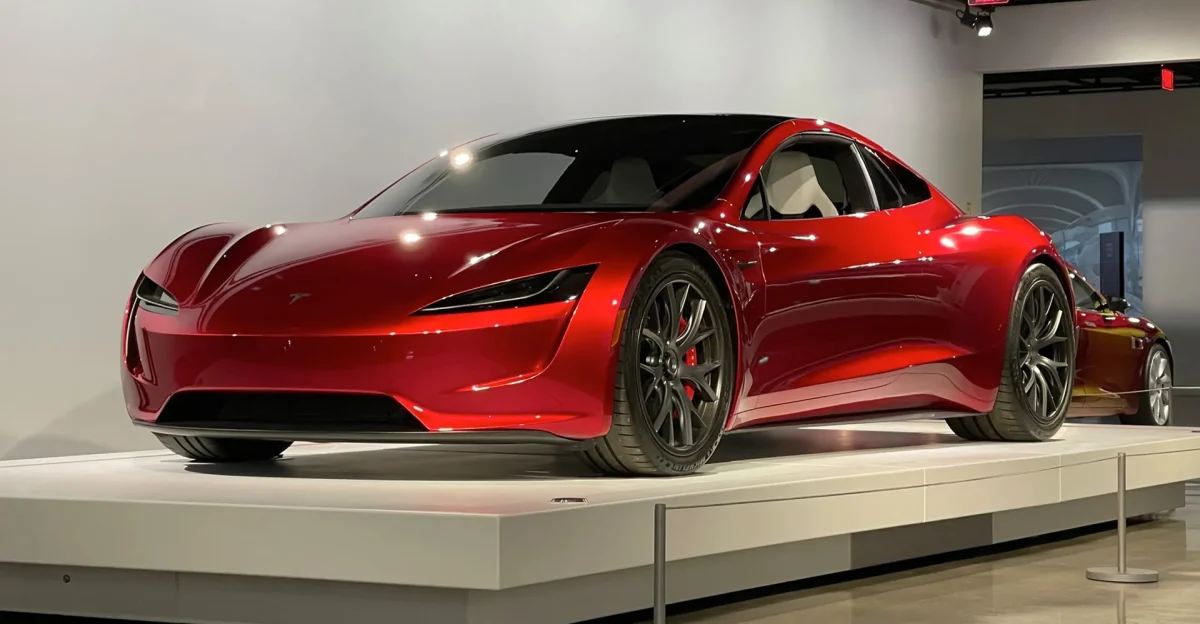
Now, a seat design patent surfaces at the USPTO — Patent No. US 20260061898 A1, published March 5, 2026 — and coverage frames it as arriving ahead of an official April reveal. That framing has a foundation: at Tesla’s Annual Shareholder Meeting on November 6, 2025, CEO Elon Musk announced the company is “tentatively aiming for April 1” of 2026 for a Roadster demo event. However, Musk himself hedged the date, joking he picked April Fools’ Day so he’d have “some deniability.” The patent is real. The April date is real but tentative. The certainty many outlets project onto both is the part to watch.
What a Patent Actually Means
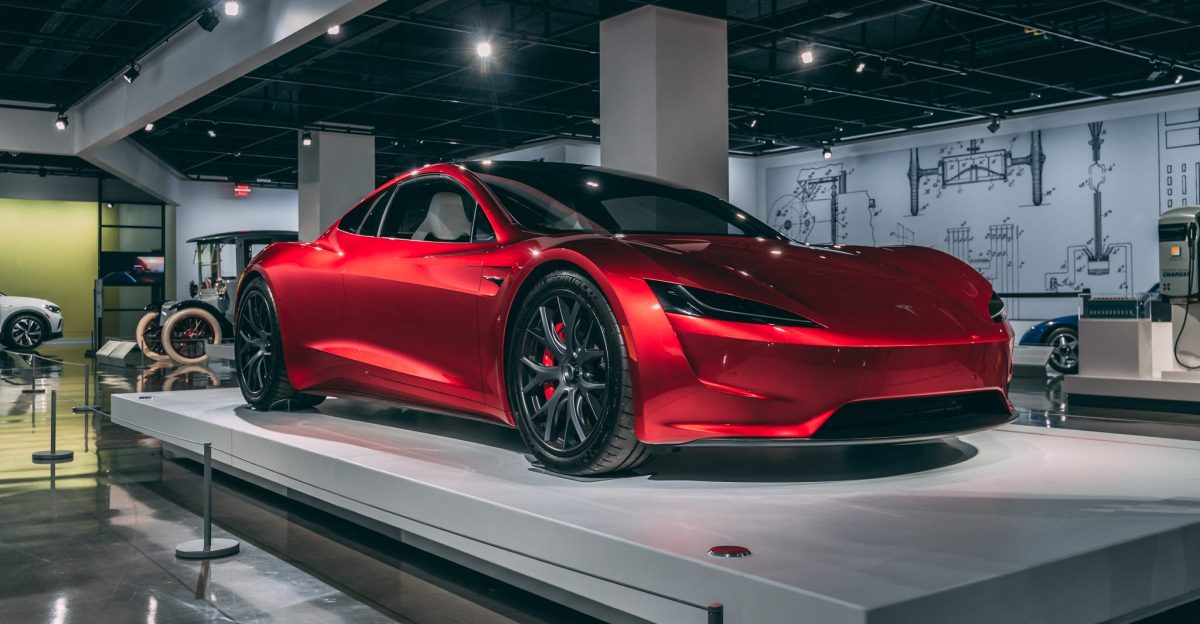
A patent filing is a disclosure-for-rights trade: Tesla shows a concept to secure legal protection. That is all. It does not confirm tooling, production timelines, or final design. The seat patent describes a monolithic composite frame replacing traditional bracket-and-hinge construction — interesting engineering, but not a delivery schedule. Meanwhile, Musk stated at the shareholder meeting that production would follow the April demo by 12 to 18 months, placing the earliest production in late 2027. That timeline has not been confirmed through SEC filings or formal investor guidance.
Blueprint vs. Calendar
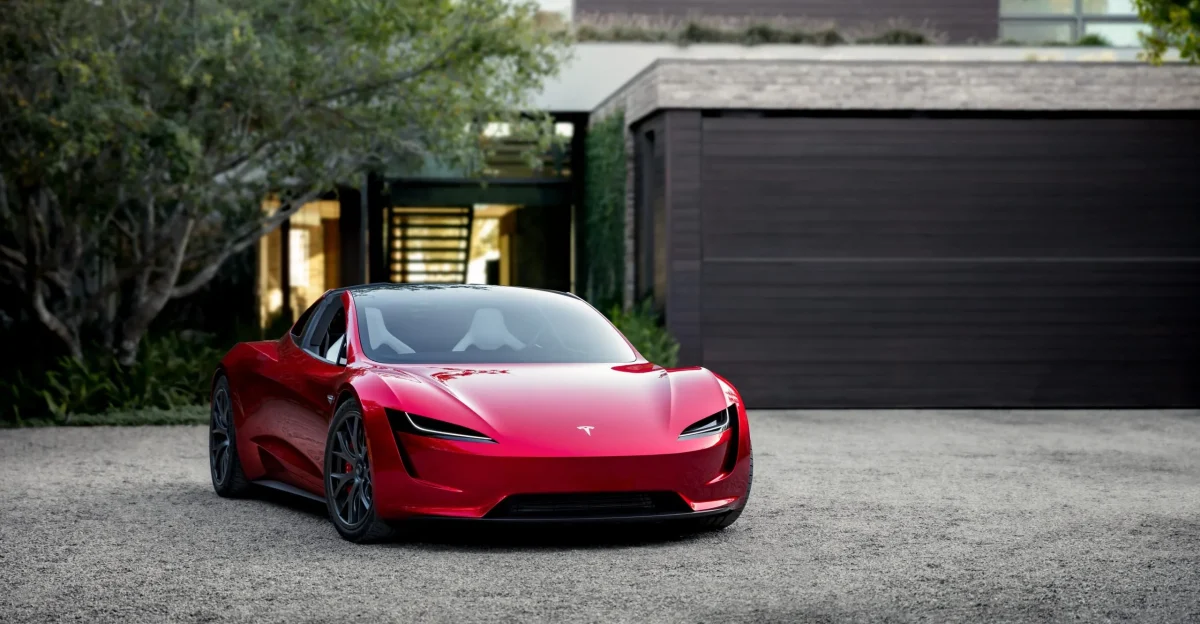
Think of it like seeing an architect update a house blueprint. The blueprint is real, but it does not set the move-in date. The patent filing and the tentative April demo date are two separate data points. Google Patents and the USPTO make filings discoverable within hours. Media outlets scrape those databases, connect dots to the shareholder-meeting announcement, and suddenly reservation holders are texting each other about April as though it were locked in stone. Musk gave a target. The patent shows active development. Neither guarantees a car in anyone’s driveway by a specific date.
Spec Sheet Theater
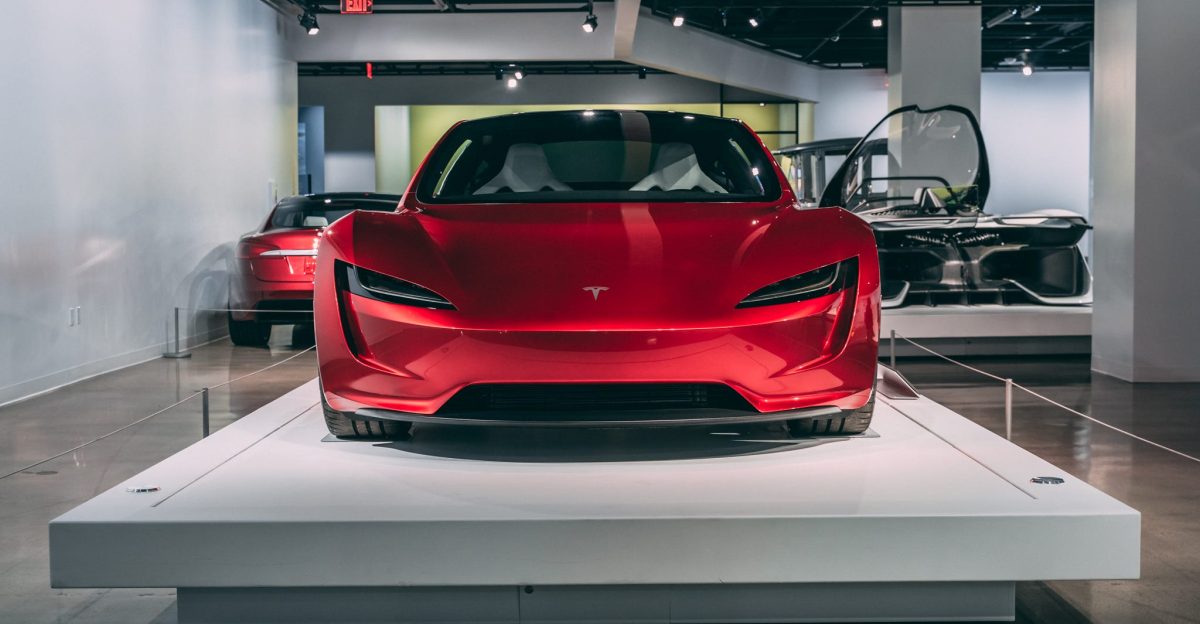
The numbers keep doing the selling. Tesla’s own Roadster page still advertises 1.9-second acceleration, 620 miles of range, and a top speed exceeding 250 mph. Those figures position the Roadster at hypercar-tier on paper, even without a single confirmed production unit. Competitors and analysts monitor patent filings for ergonomic and packaging direction, making the seat design itself a signal of intelligence. The specs create desire. The patent creates an inference. Neither creates a delivery date.
Expectation Shrapnel
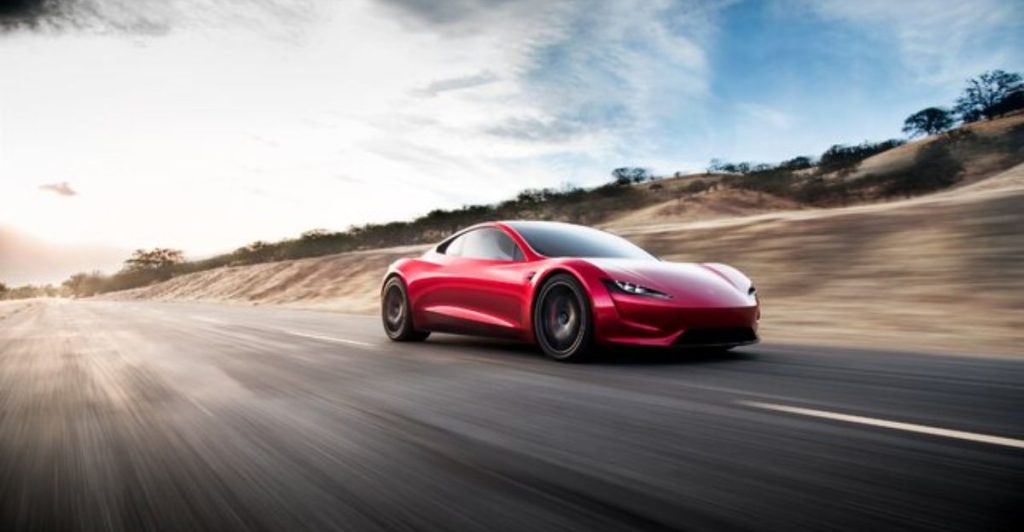
The people most exposed are reservation holders and fans who treat tentative timelines as firm commitments. Musk has a documented history of announcing Roadster timelines that slip — the car was originally supposed to enter production in 2020, and every subsequent year brought fresh “this year” promises that did not materialize. If April passes without a reveal, the backlash lands on Tesla, amplified by the fact that an official date was given this time. Hype built on a combination of patents and hedged executive statements can move perception, social media energy, and brand trust without a single car leaving a factory.
The Attention Loop
This is bigger than one car. Patent filings appearing in public databases, combined with executive statements at shareholder meetings, create a repeatable attention cycle. Tesla does not need to issue a press release — Musk’s onstage comments generate the coverage, and subsequent patent publications sustain it. The mechanism works because patents feel official and executive quotes feel like commitments, even when hedged. Once you recognize that system, every “upcoming reveal” headline built on a filing-plus-quote combination looks different. The Roadster story is the case study.
Escalation Spiral
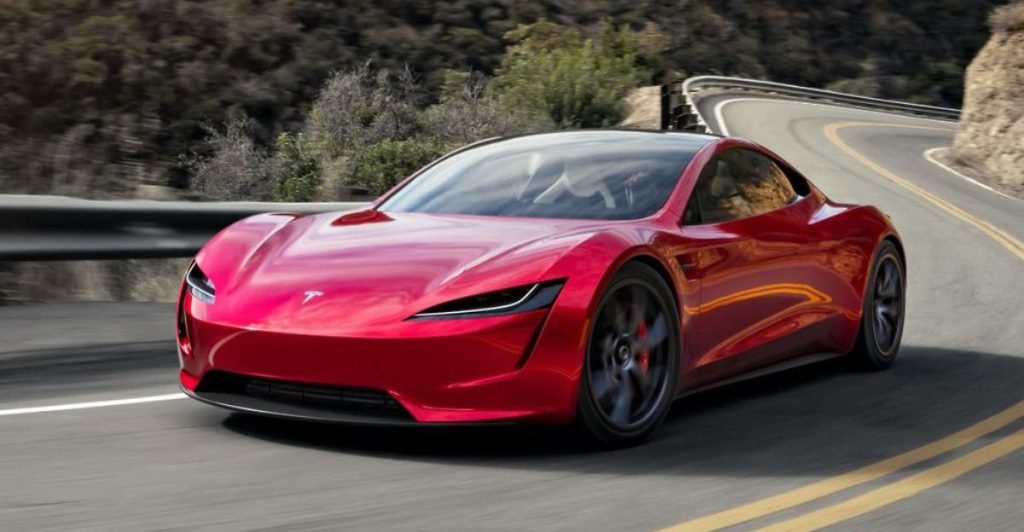
More patent-trail scraping is coming. Every new filing will trigger another wave of “Roadster is coming” coverage, each cycle raising expectations higher. Higher expectations mean sharper backlash if nothing materializes. Reservation holders who anchored to April will anchor to the next date if this one slips, continuing a pattern that has repeated since the original 2020 production target. The leak-narrative escalation path is already visible: more breadcrumbs, more hype, more exposure for people investing emotionally and financially in a timeline that remains officially tentative.
Your Move
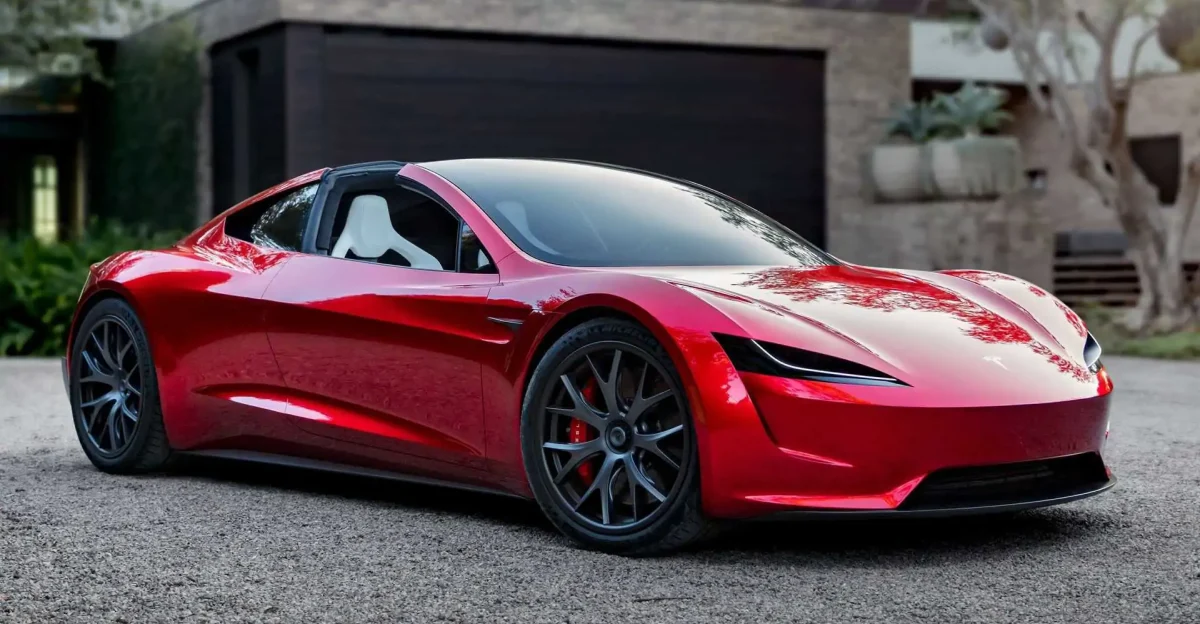
Tesla holds a powerful card: turning the tentative April date into a firm, documented commitment through investor channels or an SEC filing. The company could clarify Roadster timing beyond Musk’s onstage hedging and collapse the speculation cycle overnight. Or it could stay in tentative-target mode and let the anticipation build for free. That ambiguity is itself a strategy. The reader who understands this walks away upgraded — from fan to forensic consumer, someone who distinguishes between a hedged executive quote and a binding corporate commitment. The next breadcrumb drops, and you will read it differently now.
Sources:
Tesla 2025 Annual Shareholder Meeting, “Tesla Annual Shareholder Meeting 2025,” November 6, 2025
USPTO Patent Public Search, “US 20260061898 A1 — Seat Design Patent,” March 5, 2026
Car and Driver, “Tesla Will Reveal the Roadster and Start Cybercab Production in April,” November 6, 2025
Google Patents, “US 20260061898 A1 — Seat Design Patent,” March 5, 2026
MotorBiscuit, “Tesla Patents Innovative Seat Design for Roadster Ahead of April Reveal,” March 13, 2026
Tesla Investor Relations, “Tesla Semi & Roadster Event Page,” November 16, 2017