Musk Permanently Kills The Two Cars That Built Tesla—$20B Now Goes To Robots Instead
The farewell email arrived on March 27, 2026, with little fuss. There was no countdown clock or dramatic announcement. Instead, a simple, quiet message from Tesla reached its U.S. customers. In it, Tesla acknowledged that the Model S and Model X had “marked the beginning of the world’s transition to electric transportation.” By then, custom orders had already closed. Only leftover inventory lingered on dealership lots across the country.
This marked the end of an era. Fourteen years after the first Model S rolled out of Fremont, California, and more than a decade after the Model X joined it, the two vehicles that convinced drivers electric cars could rival BMW and Mercedes were quietly retired.
The Cars That Made Tesla Real
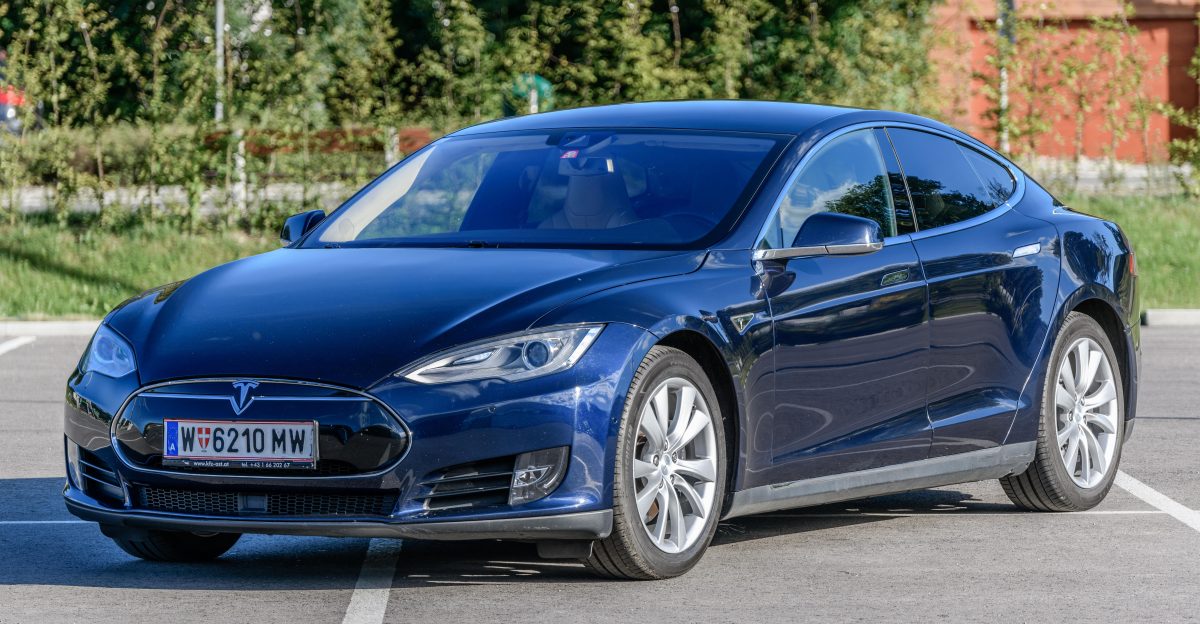
Before the Model S debuted in June 2012, most people saw Tesla as a curiosity. Once the sedan hit the streets, Tesla became a real threat. The Model S defined the luxury electric category and pushed Porsche and Mercedes to rethink their own lineups.
When the Model X arrived in September 2015, complete with its signature falcon-wing doors and seating for seven, Tesla expanded into the SUV market. For several years, these two cars made up Tesla’s entire lineup. They helped build the brand’s reputation and led to a valuation that sometimes topped $1 trillion. Their time is almost up. Production ends by June.
Three Percent That Carried Everything
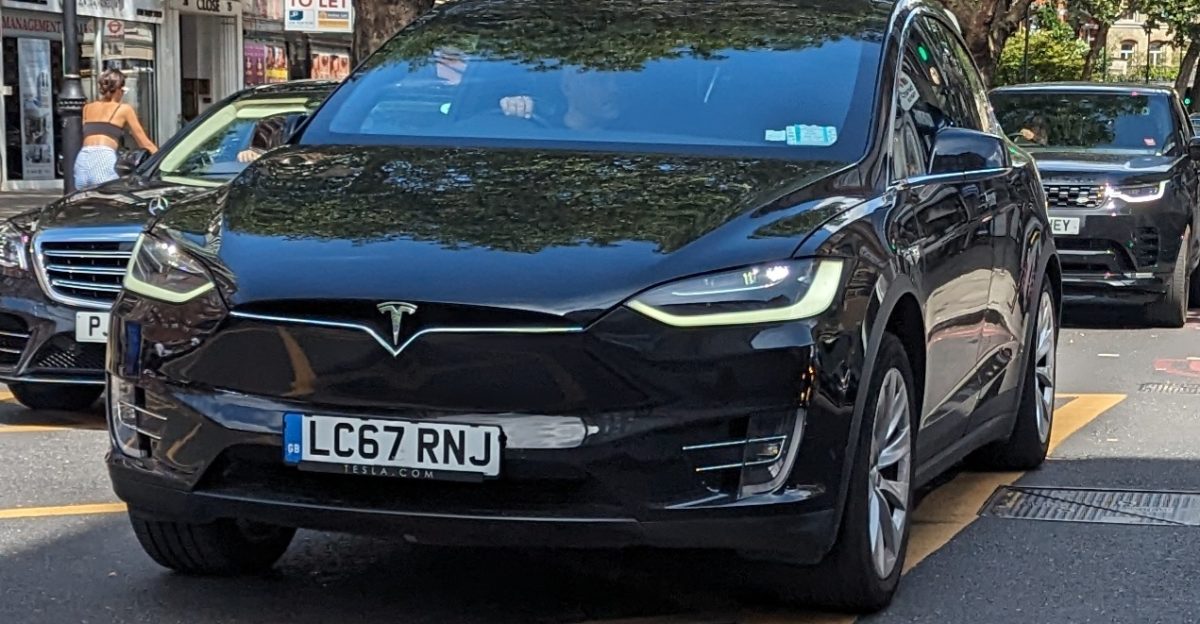
Production numbers reveal the shift. In 2025, Tesla’s “Other Models” category, including the S, X, Cybertruck, and Semi, reached about 53,900 units out of 1.65 million total. The cars most associated with the brand had become a footnote in company production.
The assumption that Tesla’s future depended on newer versions of these flagships faded quietly. Tesla had already moved forward. The ceremony Elon Musk mentioned would serve as a farewell, not a celebration.
Love Letter, Then Lethal Injection
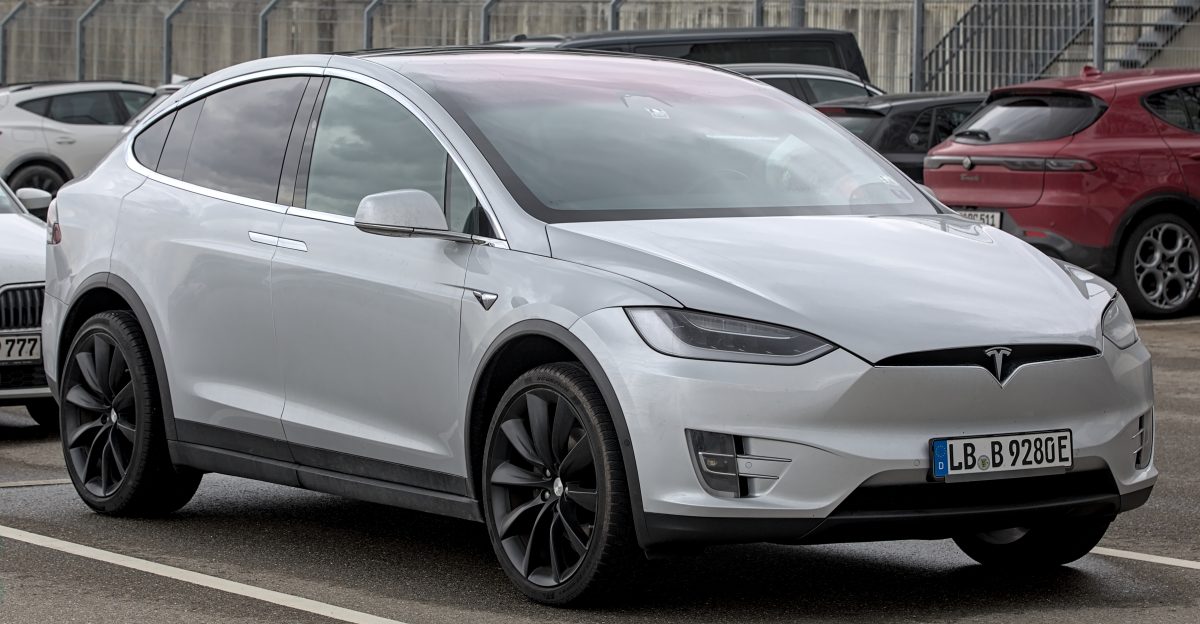
During the Q4 2025 earnings call in late January, Musk called the discontinuation an “honorable discharge.” About two months later, on X, he added: “We will have an official ceremony to mark the ending of an era. I love those cars.” Shortly after, Tesla closed custom orders. South Korea’s deadline passed on March 31, leaving only scattered inventory behind. The process resembled a military sendoff for these cars, a blend of honor and finality.
The S and X were not retired because of a lack of demand. These models always operated on aging platforms and limited volume. The decision freed resources for new priorities. Tesla’s 2025 profit dropped by 46%, but the S and X were not the cause.
The Factory Floor Tells The Truth
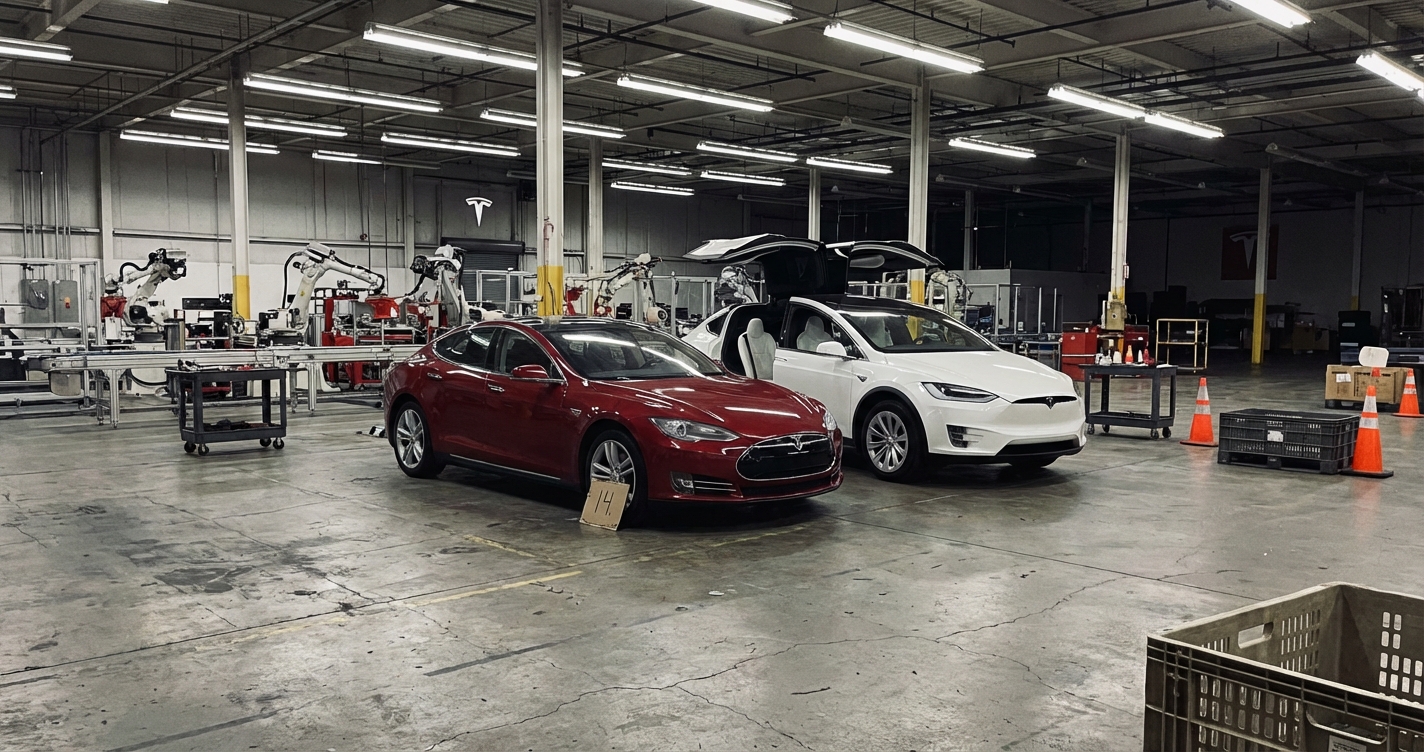
Soon, the Model S and Model X production lines at Tesla’s Fremont factory will be retooled to build Optimus humanoid robots. Elon Musk set a long-term goal to produce a million Optimus units a year at that site. Model 3 and Model Y production will continue at Fremont.
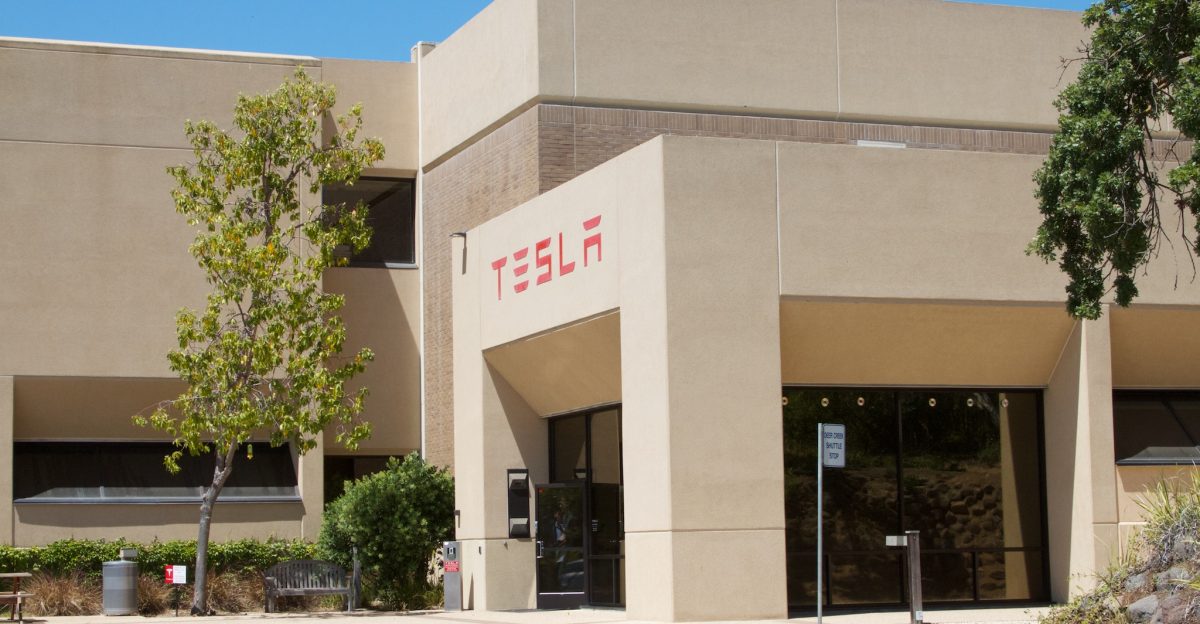
Tesla will maintain vehicle output, while converting the S and X lines to robotics at the location where the company established its identity.
Twenty Billion Reasons This Isn’t Nostalgia
Tesla is investing more than $20 billion in capital expenditures for 2026, more than double the 2025 amount. The focus is on new production lines, factory expansion, and AI computing infrastructure. Musk projects that up to 80% of Tesla’s long-term value will come from Optimus.
Goldman Sachs forecasts the humanoid robot market could reach $38 billion by 2035. Vehicles will remain part of the business, but robotics and autonomy are now central to Tesla’s future.
Who Gets Hurt Next
Model S and X owners lose access to new vehicles from the factory. Future buyers must turn to the used market, where prices may stabilize or rise due to final production. Suppliers who produced components for these vehicles must either adapt for Optimus or exit Tesla’s supply chain.
Fremont workers on the S and X lines are retraining for robot manufacturing or relocating. Service technicians will see less work as these vehicles age. Rivals such as Lucid, Porsche, and BMW will fill the market Tesla vacated.
The Precedent Nobody’s Discussing
Tesla is phasing out low-volume models without direct replacements for the first time. This decision clarifies the company’s other moves in 2026. The upcoming Cybercab, set to launch in April without a steering wheel, signals Tesla’s intention to move beyond human driving.
Delays for Optimus Gen 3 beyond the first quarter are not critical, since the factory commitment is established. Tesla now uses the label “physical AI company.” Vehicles served as a transitional step, and that transition is now complete.
The Bet That Can’t Be Unwound
If Optimus does not meet its production goals, Tesla’s reputation in robotics will suffer, and billions of dollars could be lost. If the Cybercab fails safety standards or faces regulatory barriers, the autonomous vehicle timeline will extend, opening opportunities for competitors. Chinese companies such as BYD and NIO may undercut Cybercab prices.
Legacy automakers could promote traditional cars as “human choice” and personal freedom, offering an alternative to Tesla’s autonomous future. Investors who supported Tesla’s robotics strategy may see the stock revalued downward if expectations are not met. Every path forward involves risk, and reversal is no longer an option.
What Most People Still Don’t Understand
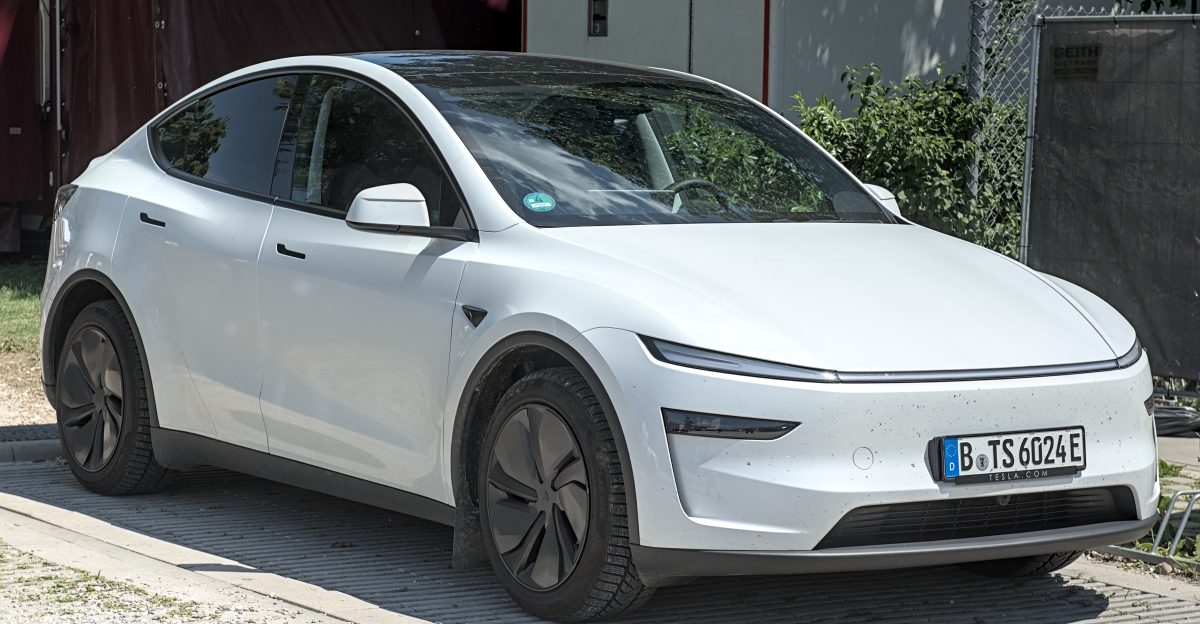
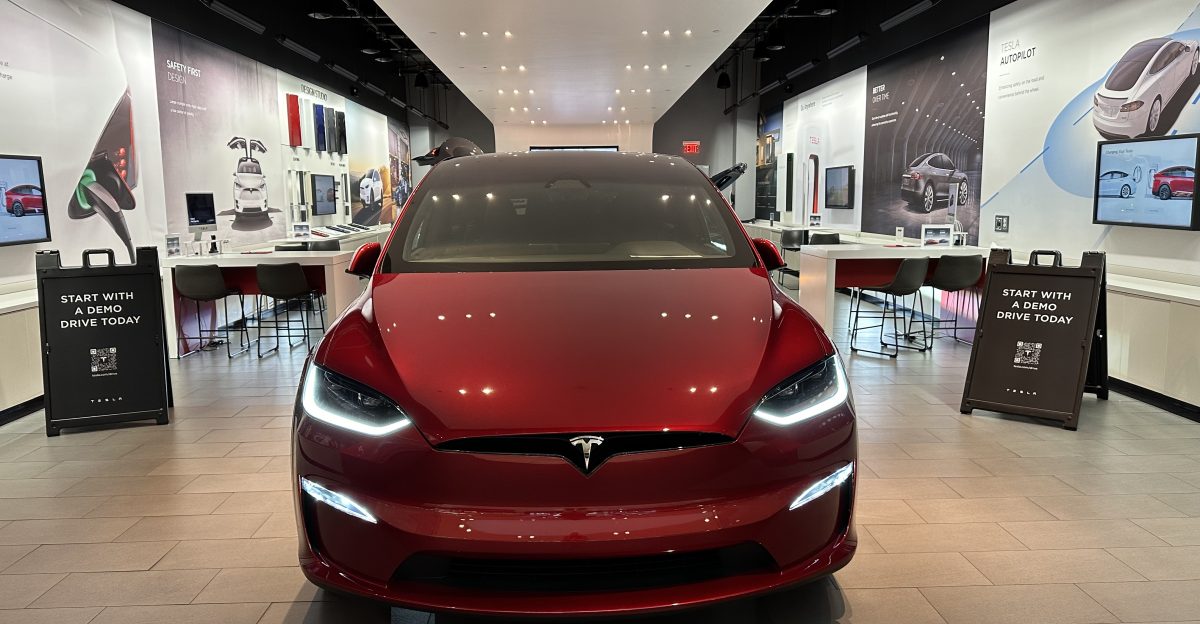
Tesla’s current lineup includes the Model 3, Model Y, Cybertruck, Cybercab, and an upcoming Roadster. This reduction from seven to five models reflects a shift in focus. The Cybercab lacks pedals, and the Roadster serves the ultra-premium segment. No next-generation driver’s car is currently in development at Tesla.
Investors may soon question the future of Model 3 and Model Y, as happened with the S and X. The company that changed expectations for electric vehicles now treats electric cars as a means to a bigger end. This shift may take years to become widely recognized.
Sources:
Tesla Investor Relations, “Tesla Fourth Quarter 2025 Production, Deliveries & Deployments,” January 2, 2026
Tesla Investor Relations, “2025 Q4 Quarterly Update Deck,” January 28, 2026
CNBC, “Musk’s $20 billion spending plan signals ‘Tesla of yesterday is gone’,” January 29, 2026
Teslarati, “Tesla makes latest announcement on Model S and Model X,” March 27, 2026
Tesla Oracle, “Tesla starts the Model S/X phaseout with a purchase deadline in South Korea,” March 25, 2026
Goldman Sachs Research, “The global market for humanoid robots could reach $38 billion by 2035,” February 26, 2024