

Millions Of Vehicles Just Got Recalled After A Massive Catastrophic Engine Failure Was Discovered
Millions Of Vehicles Just Got Recalled After A Massive Catastrophic Engine Failure Was Discovered. The automotive industry faces an unprecedented mechanical crisis affecting over five million vehicles nationwide. Major manufacturers recently issued massive safety recalls regarding catastrophic internal engine destruction occurring at highway speeds. Automakers sacrificed long term powertrain reliability to achieve incredibly strict federal fuel economy standards. Buyers expecting bulletproof transportation now face terrifying sudden propulsion loss. Understanding this massive mechanical disaster remains absolutely critical for every single vehicle owner right now.
The Industry Wide Engine Crisis
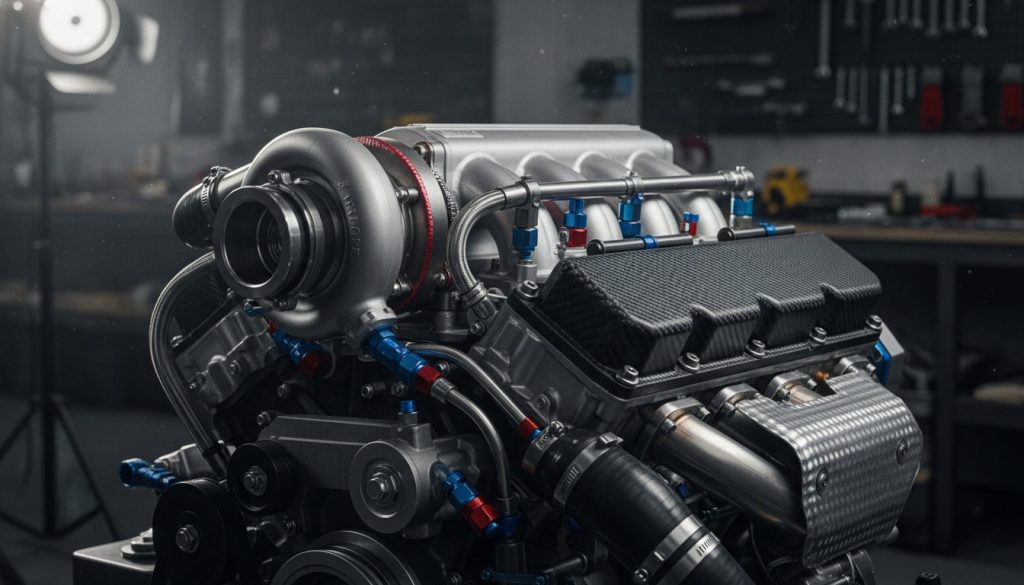
Automakers spent the last decade drastically shrinking engine displacement while forcefully adding heavy turbochargers to maximize overall fuel efficiency. This aggressive engineering strategy forces smaller internal combustion blocks to generate massive horsepower under extreme thermal stress. Pushing these highly complex modern powertrains to their absolute physical limits completely destroyed traditional mechanical longevity margins. Several distinct manufacturing brands currently experience the exact same catastrophic internal bearing failures simultaneously. This alarming pattern proves modern engineering prioritized temporary emissions compliance over permanent mechanical durability completely.
General Motors V8 Catastrophe

General Motors recently issued a massive federal recall affecting hundreds of thousands of heavy trucks and large sport utility vehicles. Their highly popular 6.2 liter V8 engine suffers from catastrophic connecting rod bearing failures that completely destroy the internal block. Drivers report sudden violent knocking noises immediately followed by total engine seizure while driving in heavy traffic. Replacing these massive powerplants requires twenty hours of specialized dealership labor. This failure completely destroys the legendary reliability reputation of traditional American pushrod engines.
Toyota Twin Turbo V6 Woes

Toyota built a flawless global reputation producing engines that easily survive decades of brutal physical abuse. They abandoned their legendary V8 platform for a highly complex twin turbocharged V6 engine inside the new Tundra. A massive factory recall confirmed microscopic machining debris was never properly cleaned from internal oil passages during initial manufacturing. This raw metal completely shreds the main engine bearings causing violent internal destruction. Toyota must now replace over one hundred thousand defective engines entirely free of charge.
Honda Bearing Failure Investigation

Federal safety regulators launched an official investigation into Honda regarding catastrophic engine failures across their most popular family haulers. Nearly one and a half million vehicles equipped with the standard 3.5 liter V6 engine are currently under intense federal scrutiny. Honda owners report sudden total engine failure caused by severe connecting rod bearing destruction. Dealerships remain completely overwhelmed by frustrated families demanding expensive engine replacements. This massive defect violently compromises passenger safety during high speed highway commuting.
Hyundai And Kia Fire Risks

Korean automakers continue battling an endless nightmare of catastrophic engine failures that frequently result in terrifying vehicle fires. Millions of vehicles equipped with older four cylinder engines suffer from severe oil starvation and premature piston ring failure. The massive internal friction generates extreme temperatures that punch heavy metal connecting rods directly through the aluminum engine block. Leaking oil instantly ignites upon touching the glowing exhaust manifold. Owners face strict factory advisories demanding they park outside to prevent massive residential garage fires.
The Danger Of Ultra Thin Oil
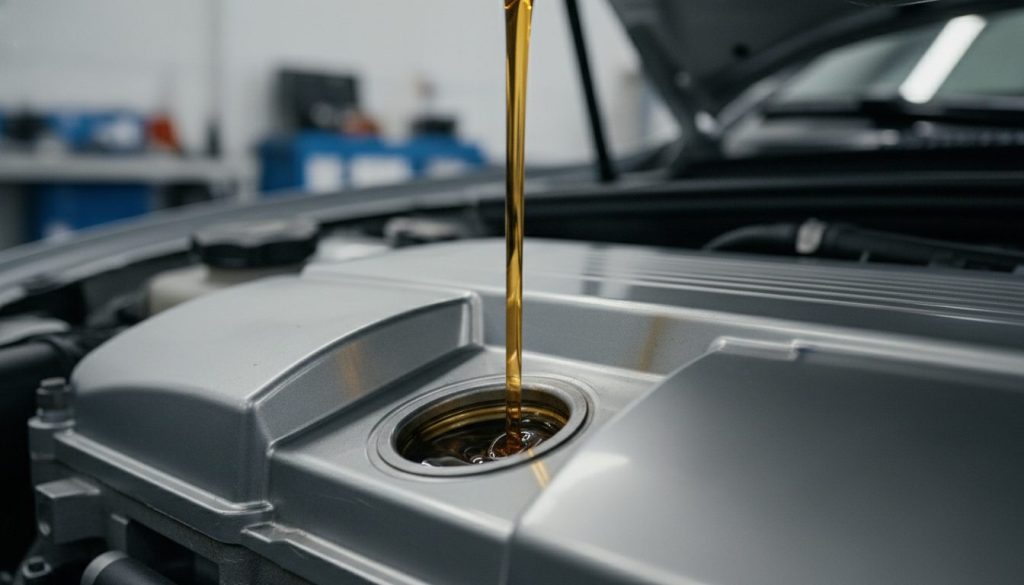
Achieving highly aggressive federal fuel economy targets requires automakers to minimize internal mechanical drag completely. Manufacturers universally abandoned traditional heavy motor oils in favor of ultra thin synthetic fluids. These watery lubricants provide absolutely zero physical forgiveness when an engine operates under extreme temperatures or heavy towing loads. The microscopic oil film collapses under massive internal pressure causing raw metal components to grind against each other violently. This dangerous engineering compromise actively sacrifices long term engine survival for a fractional highway mileage gain.
Microscopic Machining Debris
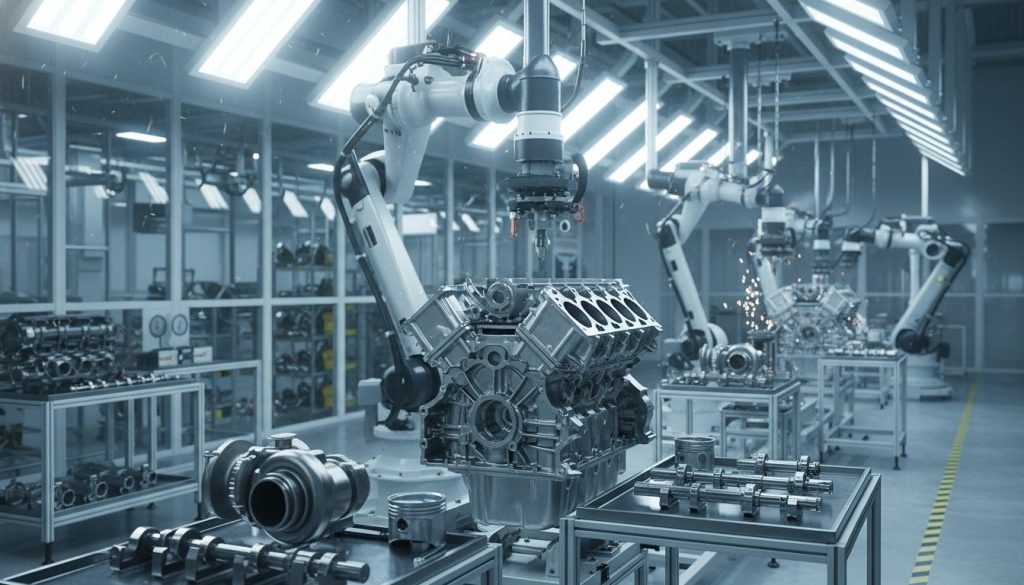
Modern engine assembly plants utilize highly automated milling machines to carve heavy metal blocks with absolute precision. These extremely rapid manufacturing processes naturally generate microscopic aluminum shavings and heavy cast iron dust. Failing to properly wash these engine blocks before final assembly creates a massive ticking time bomb. This invisible debris eventually breaks loose and circulates directly into the sensitive engine bearings. The raw metal fragments instantly score the rotating crankshaft journals causing total catastrophic engine seizure within a few thousand miles.
Soaring Dealership Repair Costs
The massive volume of defective powertrains currently overwhelms local dealership service departments nationwide. Securing a replacement engine frequently takes several months due to severe international supply chain shortages. Desperate owners find themselves completely stranded without reliable transportation while facing staggering repair estimates exceeding ten thousand dollars. Service managers routinely deny warranty claims by aggressively citing improper oil change intervals to avoid absorbing these massive corporate losses. This highly hostile repair environment completely destroys basic consumer trust across the entire retail automotive industry.
Extreme Factory Tolerance Issues
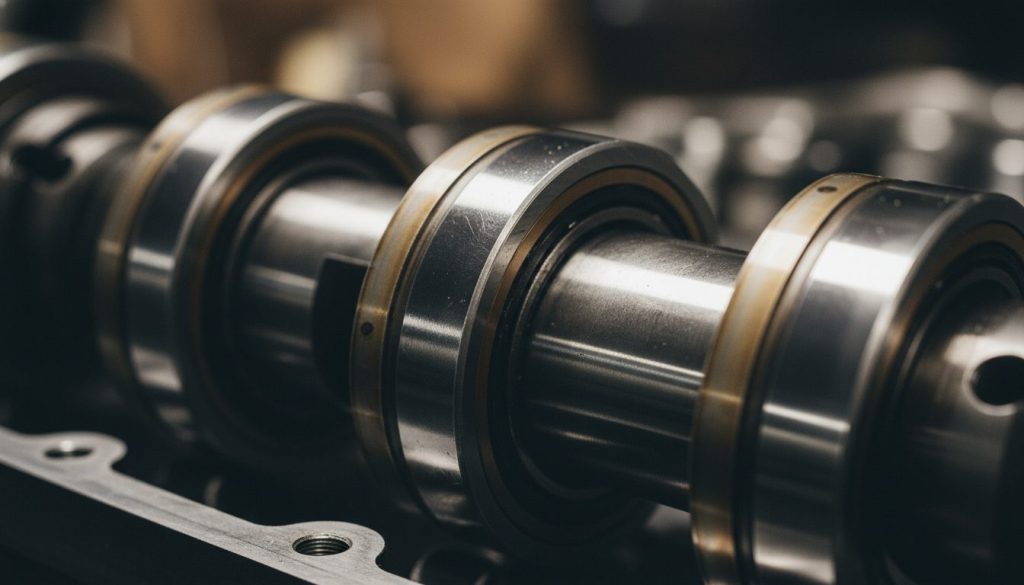
Historic engines featured loose internal tolerances that easily accommodated minor manufacturing imperfections or missed oil changes. Modern powertrain engineering completely eliminated that vital physical safety buffer. Contemporary engine builders operate utilizing microscopic measurements previously reserved strictly for advanced aerospace applications. The incredibly tight spacing between moving metal components leaves absolutely zero room for unexpected thermal expansion or minor fluid contamination. This absolute lack of mechanical forgiveness guarantees that even the slightest factory assembly error translates directly into a sudden catastrophic highway engine failure.
Protecting Your Financial Investment
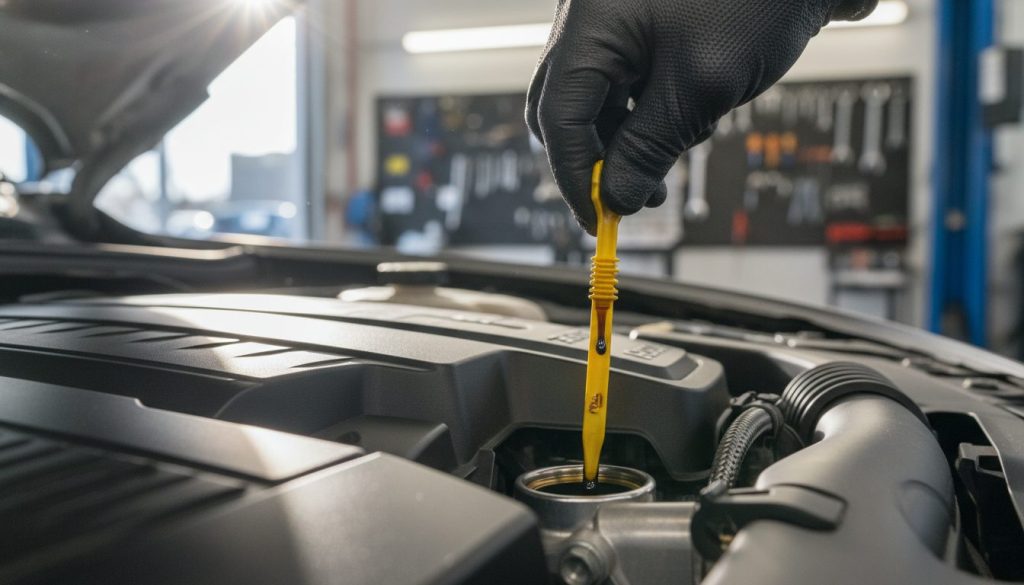
Navigating this massive industry mechanical crisis requires extreme vigilance from every vehicle owner. Buyers must obsessively monitor national safety administration databases using their specific vehicle identification numbers. Ignoring a minor factory recall notice guarantees absolute financial ruin when the engine inevitably destroys itself. Changing the synthetic oil more frequently than the manufacturer strictly recommends remains the only reliable defense against premature bearing failure. Proactive maintenance serves as the ultimate shield against these devastating corporate engineering shortcuts currently flooding the automotive market.