Millennial Car Buyers Hit With 60% Payment Spike As Dealerships Deploy ‘Disposable’ Strategy
The number on the window sticker doesn’t even register at first. Fifty thousand dollars. For a new car. Not a luxury sedan, not a loaded truck. The typical new vehicle in America now carries a sticker price around $50,000, based on early‑2026 data, a record that would have sounded fictional six years ago. Everybody in the dealership showroom feels it. The salesman feels it. The couple doing mental math in the parking lot feels it. And the financing office behind the glass wall is already calculating how to make it work.
Generation Squeezed

That couple in the parking lot is almost certainly millennial. Bank of America data shows younger millennials, those in their early‑to‑mid 30s, have watched their auto loan payments surge by nearly 60% since 2019. Vehicle costs and borrowing costs climbed sharply over the same period. Wages didn’t follow. The generation entering peak earning years can’t easily afford the assets most Americans need to get to work. Transportation now ranks as the second‑largest household expense after housing, taking up a mid‑teens share of the average budget and more than $13,000 a year for a typical household. The math stopped working years ago.
The Myth
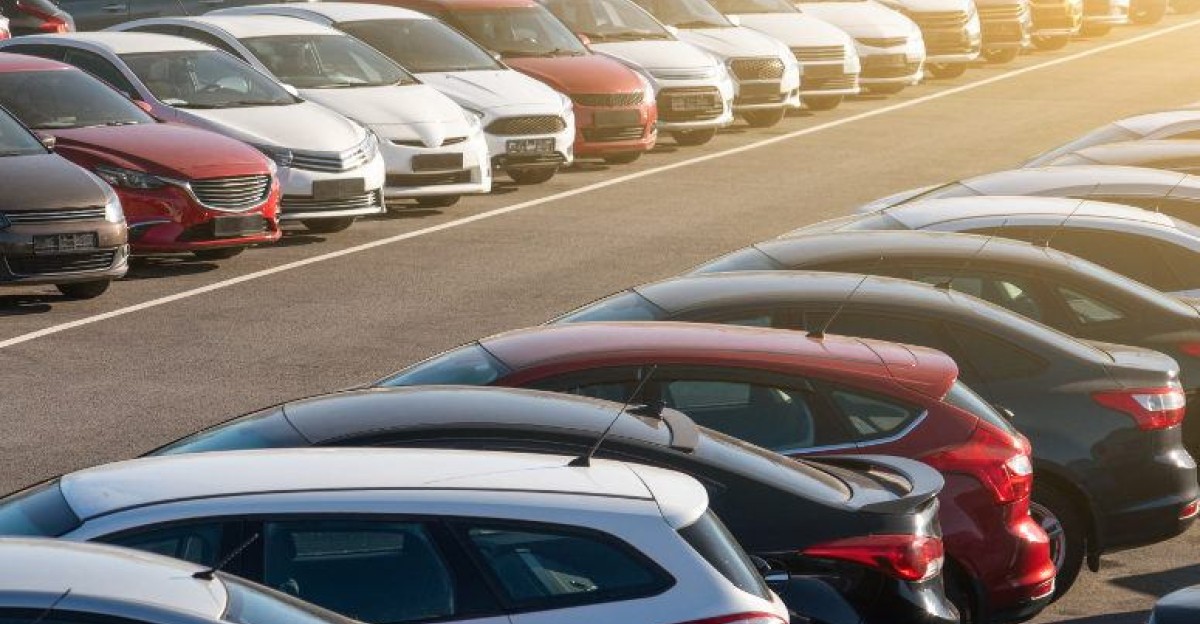
Common sense says competition fixes this. More dealers, more lenders, more choices should push prices down and rates lower. That’s the theory. The reality: at the low end, new‑car sticker prices have moved well beyond the $20,000 mark on average for remaining models, and the true entry‑level segment has withered. Automakers have steadily killed many sedans and compacts to chase higher‑margin SUVs and trucks. Industry data show midsize sedans now account for only a small single‑digit share of U.S. light‑vehicle sales. The affordable end of the showroom didn’t just shrink; it disappeared. It almost disappeared. Buyers weren’t priced out by accident. The exits were sealed before they arrived.
The Trap

So dealers offered a solution: stretch the loan. In 2025, roughly one in five new auto loans had terms of 84 months. Seven years of payments on a depreciating asset. The monthly number looks survivable. The total cost doesn’t. A $50,000 vehicle at current rates can easily cost more than $70,000 over the life of the loan. By year five, that car may be worth roughly half what the buyer still owes if they started with little or no money down. Edmunds data show that nearly a third of trade‑ins toward new purchases are underwater, and among those, more than one in four carry $10,000 or more in negative equity rolled into the next loan. Relief now. Quicksand later.
The Confession
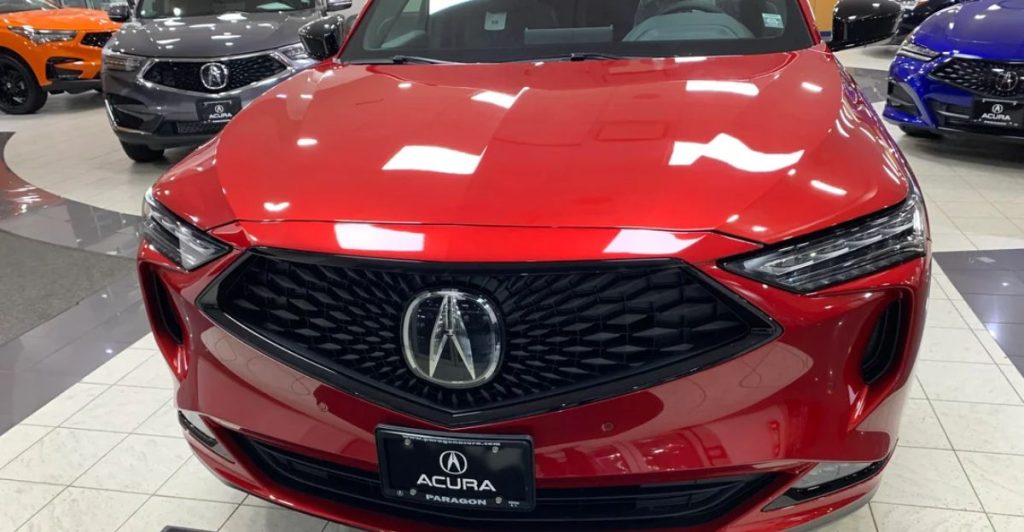
A dealership VP named Brian Benstock, who runs Paragon Honda/Acura, said the quiet part out loud: “I’d rather have multiple transactions in the same period of time. Trade cycle management every 30 months is the only way I know of geometrically increasing your customer base.” Under the old model, one customer might buy three cars over seven years. Under an 84‑month loan, that same customer is locked in for the entire stretch. One transaction. Maximum extraction. Relationship over. The industry increasingly favors a model that prioritizes transaction count and finance profit over long‑term customer equity — a strategy that treats the loan, and sometimes the customer, as disposable.
Who Profits

Deep subprime borrowers, the most financially vulnerable buyers in America, became one of the fastest‑growing auto loan segments in 2025, with balances rising by high single‑digit percentages year over year. Lenders aren’t retreating from risk. They’re chasing it. Meanwhile, luxury buyers remain relatively insulated: a clear majority of shoppers in the $70,000‑plus segment stick with premium vehicles even as prices rise. The K‑shaped divide is now structural. Wealthy buyers get choice. Everyone else gets a seven‑year note at double‑digit rates that can push toward the mid‑teens for the lowest credit tiers. Two markets wearing one industry’s name.
Repo Nation

The extraction has limits, and 2025 found them. Repossessions have surged in the last two years, rising by more than 40% from pandemic lows and reaching levels not seen since the aftermath of the Great Recession. Those seized cars flood wholesale auctions, depressing used prices and hammering dealers holding aging inventory. Some models already sit unsold for well over a year on average, including large, high‑priced SUVs and aging performance nameplates. David Tinsley, a Bank of America senior economist, confirmed it plainly: “The affordability concerns are everywhere, but they’re also particularly acute in vehicles.”
New Rules

This stopped being a pricing story three slides ago. New federal tariffs under Section 232 have added billions of dollars in costs to imported autos and parts since taking effect, quietly baking thousands of dollars of additional cost into some vehicles. Lease penetration is forecast by industry analysts to land in the low‑20% range in 2026, likely the lowest in several years, closing off another affordability escape hatch. Analysts expect roughly 38 million used vehicles to sell, compared with about 15.8 million new, a pattern that looks increasingly permanent. Automakers extract margin, dealers extract F&I fees, lenders extract yield, and the government extracts tariff revenue. Four hands in one buyer’s pocket.
What Breaks Next

Tax refund season offers a brief lifeline through April, but the structural pressure only compounds. Auto insurance premiums have posted repeated double‑digit annual increases in recent years, outpacing overall inflation and squeezing budgets further. EV adoption slumped after federal credits expired in late September 2025, with battery‑electric market share sliding into the mid‑single digits in the closing months of the year. Production is declining in key auto‑building regions; Canada alone has forecast output cuts of a few percent. Young families increasingly report delaying home purchases because car and insurance payments have swallowed the room that might have gone to a mortgage. One missed payment away from repossession, and the job that requires the car disappears with it.
The Upgrade

Everyone who didn’t read this article still thinks car prices will “come back down.” They won’t, at least not to the world most millennials remember. The system isn’t broken. It’s optimized. Four extraction layers operating simultaneously on every transaction, from the factory to the finance office to the federal tariff ledger. The buyer who understands that stops waiting for relief and starts calculating the total cost of ownership over 84 months before signing anything. Chinese automakers undercutting the $30,000 segment in other markets and vehicle subscription models circling the U.S. give consumers potential escape routes. The only question left is whether the American auto industry cannibalizes itself before the competition does it for them.
Sources:
Bank of America Institute, Autos: Stuck in a lower gear?, February 2026
Kelley Blue Book / Cox Automotive, Kelley Blue Book Report: New-Vehicle Prices Climb Higher in January, February 9 2026
Equifax, Auto Lending in 2025: What’s Really Going On? 6 Trends to Know Now, March 8 2026
Edmunds, Falling Underwater on a Car Loan Is Becoming More Common, January 14 2026
U.S. Energy Information Administration, U.S. EV Sales and Market Share Trends 2019–2025 (short-format analysis on 2025 tax credit expiry), February 8 2026
TD Economics, Canada’s Auto Sector Outlook: Production and EV Transition Risks, 2025