Michelin Embeds Tracking Chips In 100 Million Tires—Then Locks Out Used Tire Sellers
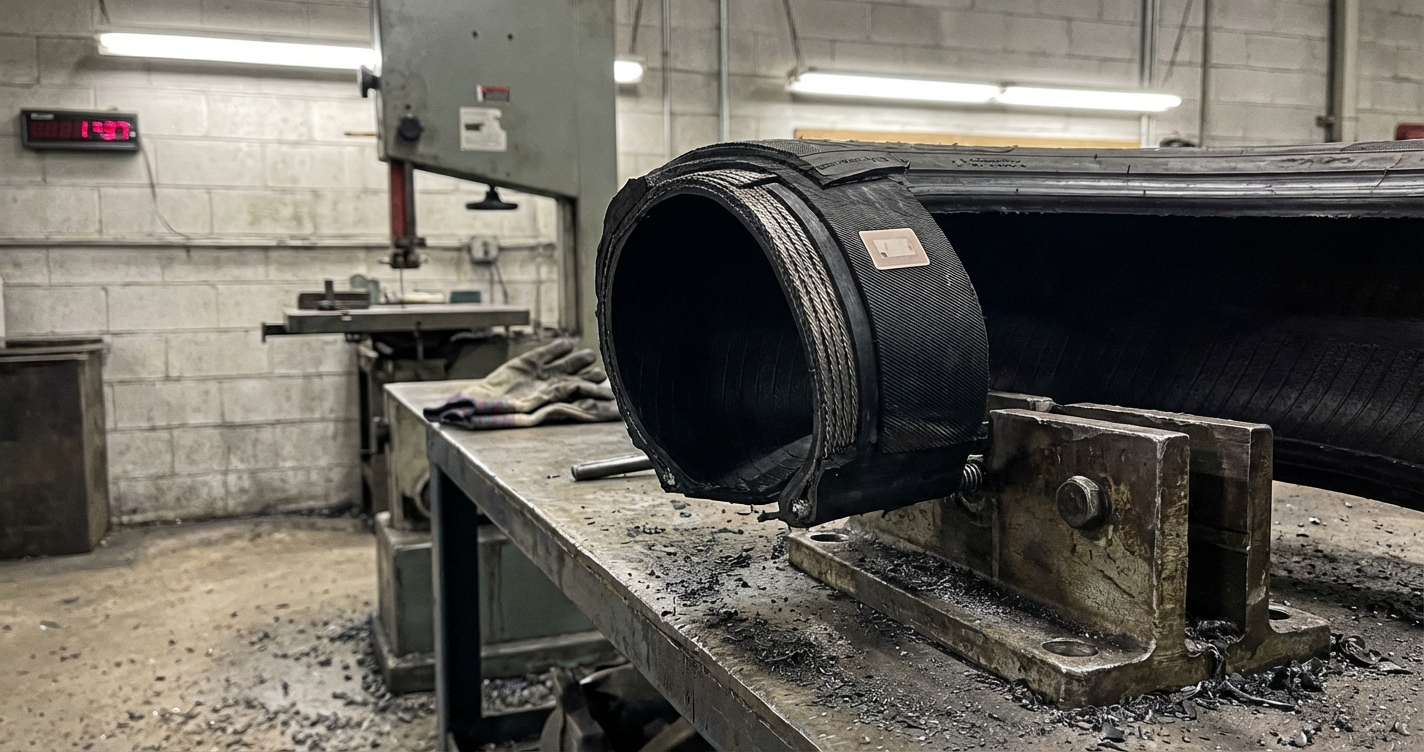
Somewhere between the rubber compound and the steel belt sits a chip smaller than a grain of rice. No battery. No blinking light. Just a silent, permanent digital fingerprint baked into the rubber during vulcanization, locked there for the entire life of the tire. Michelin says it’s about safety and efficiency. The used tire shop down the road might have a different word for it.
Counterfeit tires cost the EU automotive industry an estimated €2.2 billion every year. Fake sidewall markings. Retreads sold as new. The old defense was a Tire Identification Number molded into the rubber, a system from the early 1970s requiring a human to kneel down and read fading characters by hand. In a market moving hundreds of millions of tires annually, that was never going to hold.
The Chip That Can’t Spy on You
The assumption most people carry is simple: embedded chip equals location tracking. Technically wrong, because passive RFID operating on UHF RAIN frequency bands has no battery and cannot transmit anything on its own. It sits dormant until a scanner gets close enough to energize it.
Your phone constantly interacts with networks and apps that can log where you are. This chip literally cannot. The privacy fear everyone fixated on was always pointed at the wrong target.
What the Chip Actually Controls
Each RFID tag is uniquely linked to that tire’s identity at the factory. Manufacturing date, production location, and maintenance history can all be stored in cloud systems used by fleets, manufacturers, and authorized service partners. The tag survives vulcanization and end-of-life processing.
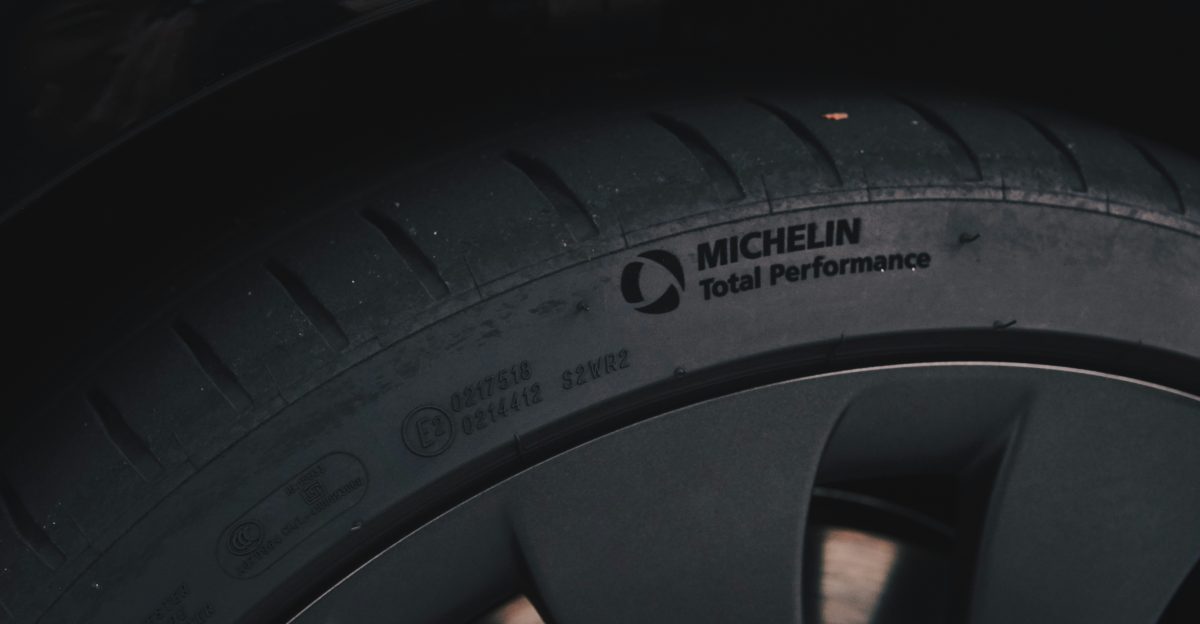
By the mid-2020s, Michelin had integrated RFID into essentially all new commercial truck and bus tires and begun expanding into passenger car lines, with tens of millions of units already tagged and public targets around 100 million. Every tagged tire becomes a trackable asset from birth to shredder.
The Tollbooth Nobody Voted For
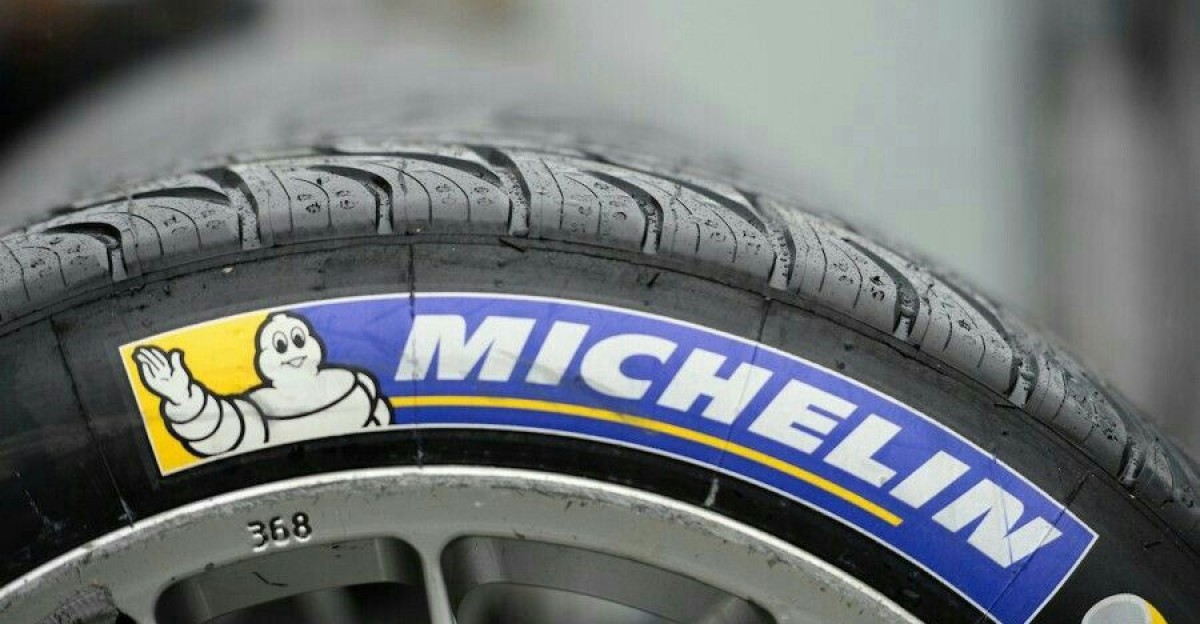
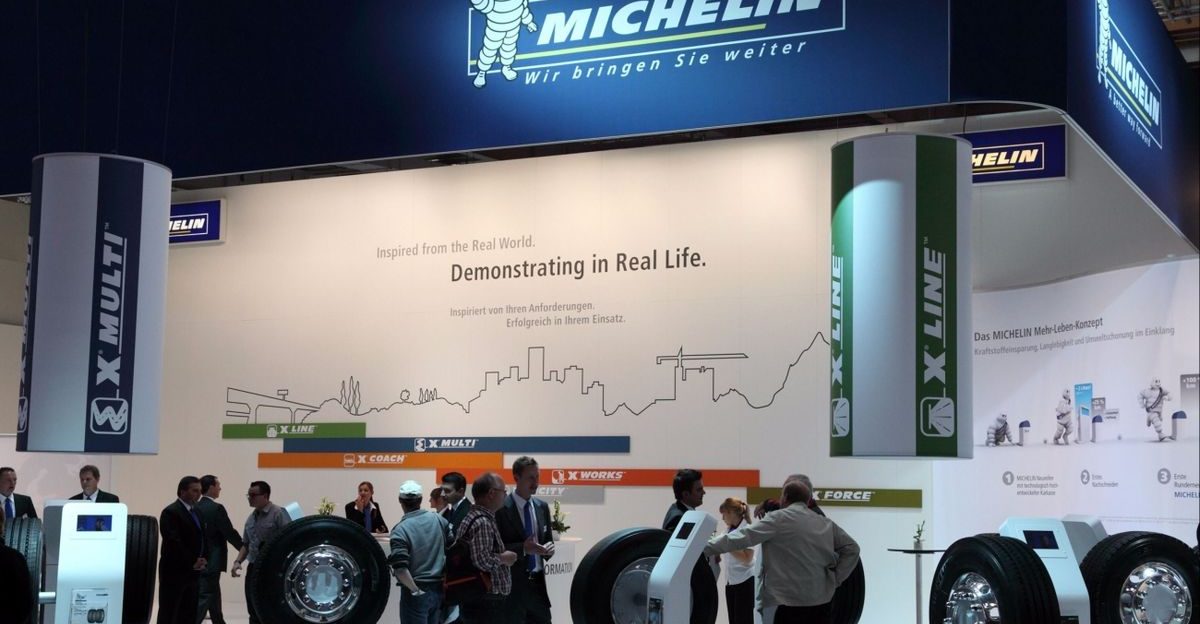
The EU is rolling out a Digital Product Passport framework under the Ecodesign for Sustainable Products Regulation, with tyres in the first working plan for 2025–2030 and requirements expected to start biting around 2027–2028. That regulation didn’t come from Michelin, but Michelin spent years developing compatible RFID technology and joined the Global Data Service Organisation for Tyres, launched in 2022.
Michelin then opened up its approach so other manufacturers could adopt compatible tags and data structures. Goodyear, Continental, and Toyo now work within the same basic architecture. The tollbooth operator doesn’t need to own every car. Just the road.
The Numbers Behind the Lock
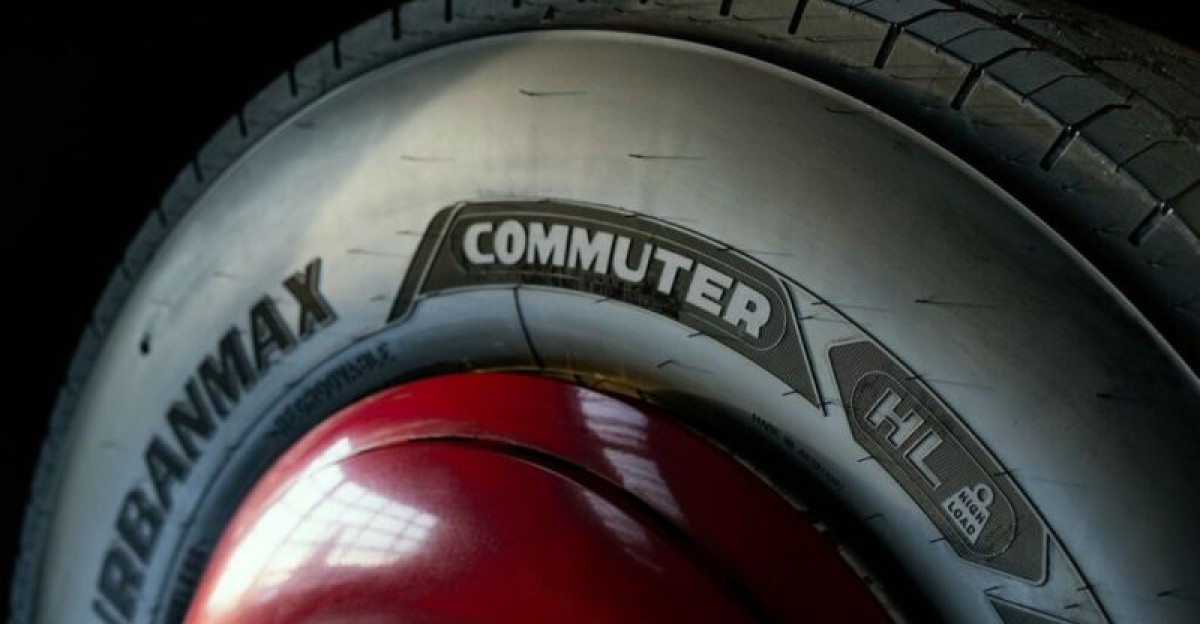
An average RFID tag inlay costs a few euro cents. Total embedded cost per tire runs approximately €0.24 to €2.00 at scale. For that price, manufacturers get lifetime performance data feeding product development and pricing power. Goodyear’s RFID-equipped URBANMAX fleet tires deliver up to 40 percent higher mileage than predecessors.
CIPAM’s motorsport system reads embedded RFID at around 99.8 percent reliability at 60 km/h. Pennies per tire. Billions in market intelligence. That ratio tells you everything about who benefits most.
Who Gets Crushed
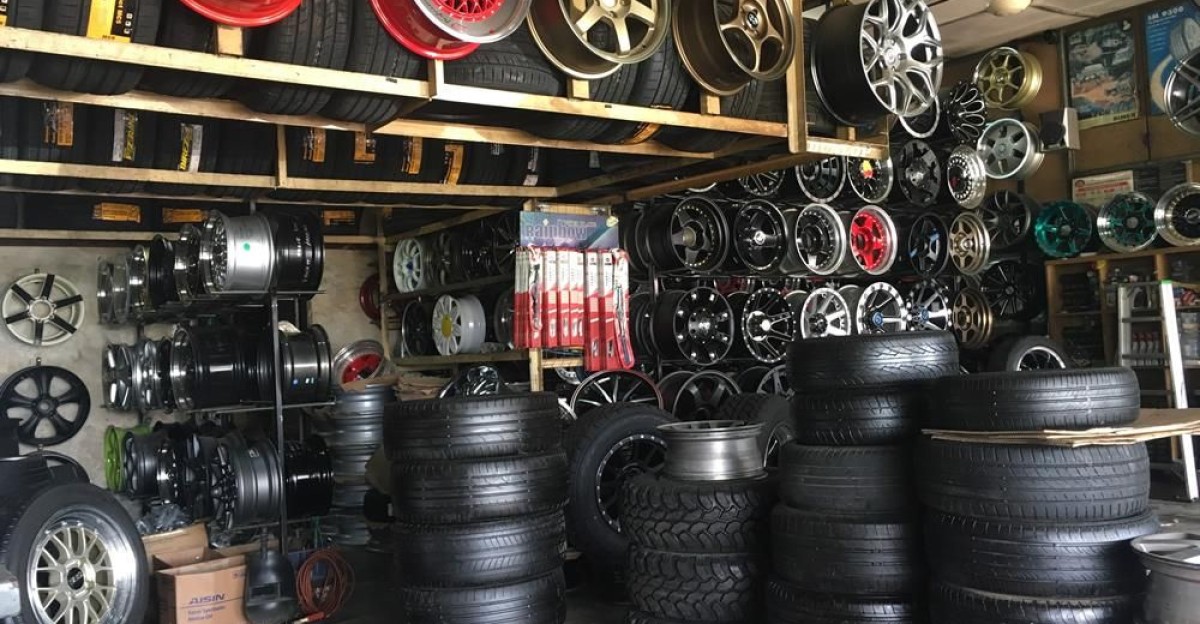
Independent tire shops that bought bulk used tires and resold affordably now face a slowly rising wall. As more information about age, mileage, and safety status lives in manufacturer cloud systems tied to RFID, access to the most granular data depends on being plugged into those ecosystems.
Grey-market resale gets squeezed. Retreading shops face more scrutiny where customers or regulators demand verifiable histories. Fleet operators save millions through predictive maintenance. The consumer buying four tires for a ten-year-old pickup navigates a thinner, more expensive used market.
The Precedent That Changes Everything
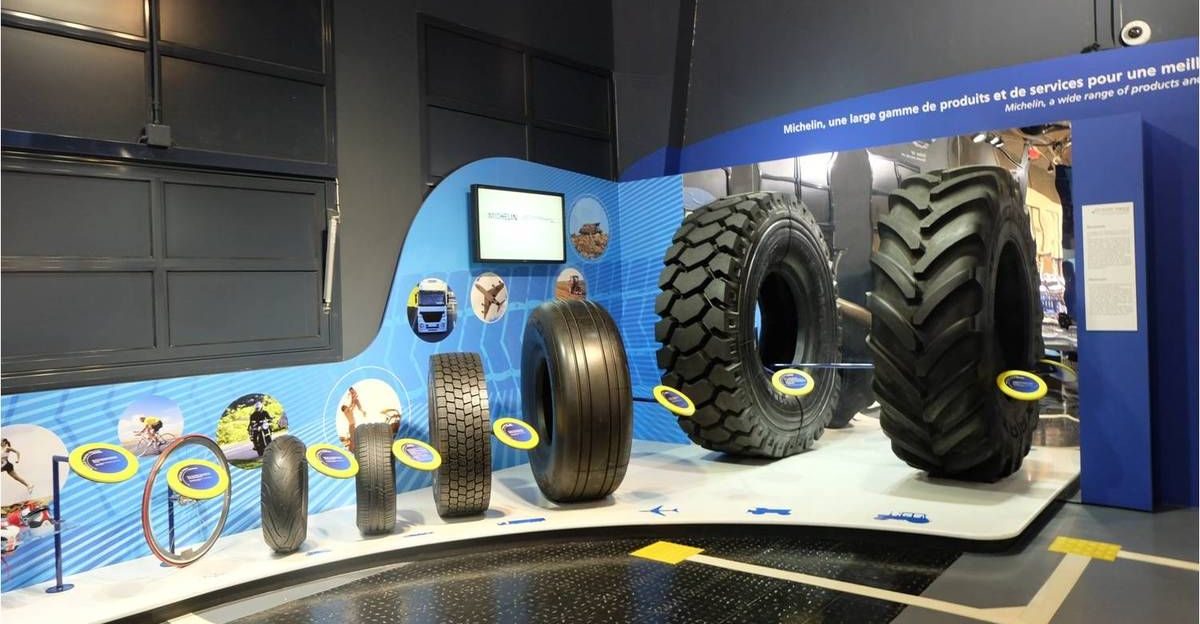
The EU’s tyre Digital Product Passport is poised to become one of the first mandatory item-level digital identification regimes for an automotive consumable, following batteries. Once it works for tires, the template extends to brake components, pharmaceuticals, and consumer electronics—all already on the DPP roadmap.
The 1970s TIN system lasted half a century. Its successor is arriving not as a switch flipped overnight but as a rapid, multi-year transition where RFID-backed digital records sit alongside those old sidewall codes. The company that helps write the compliance standard shapes the aftermarket for as long as that standard lasts.
The Countdown to 2027
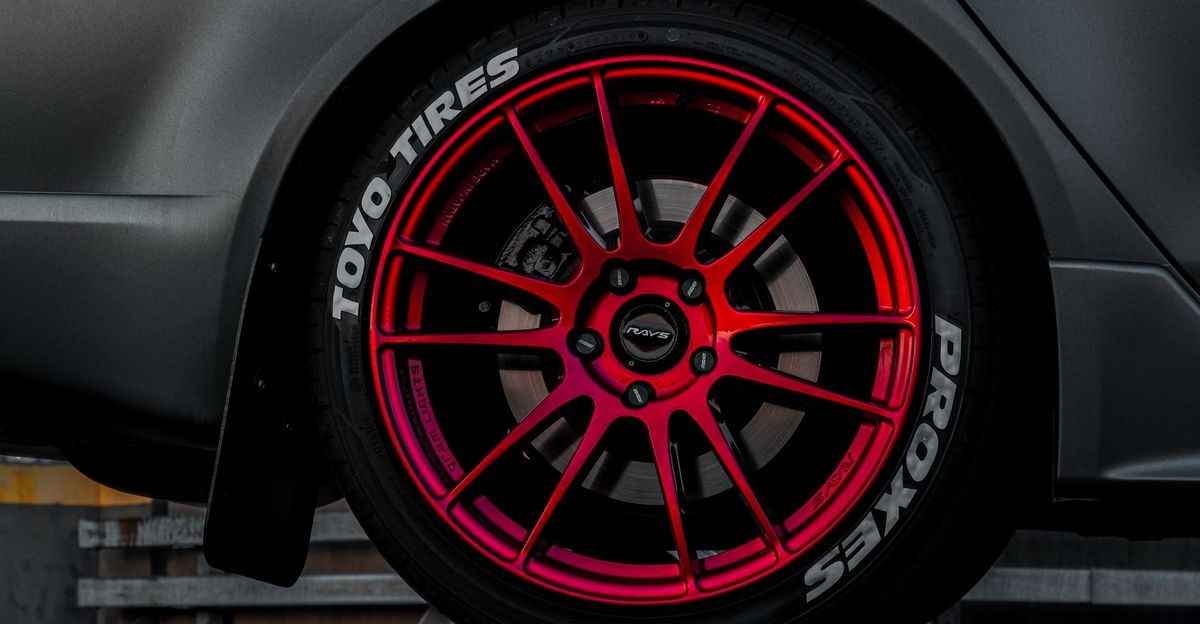
Toyo Tire joined the GDSO in November 2025. Bridgestone and Continental already embed RFID in selected tire lines. The standardization wave accelerates toward late-decade DPP enforcement deadlines, and regional manufacturers without resources for RFID and data infrastructure face serious competitive pressure.
Laurent Couturier, Michelin’s RFID system designer, framed it cleanly: this system enables precise, automated tracking of each tire from production to retreading or recycling. Independent shops are watching closely and, in some cases, exploring shared platforms to maintain access to information they used to reconstruct from physical markings alone.
The Fight You Haven’t Heard About
Right-to-repair advocates are watching tires become a test case for how far digital control over parts and data can reach into the aftermarket. Tire-as-a-service subscription models are already advancing in commercial fleets, shifting practical control over replacement decisions from drivers and small shops to manufacturers and their service partners.
The chip in your tire isn’t watching where you go. It’s helping decide who gets to replace it, and on whose terms. Michelin built the infrastructure. The EU is turning digital identification into law. And the affordable used tire market is being reshaped by standards, data, and who gets to sit at the table.
Sources:
European Union Intellectual Property Office. “The Economic Cost of IPR Infringement in the Tyres and Batteries Sectors.” Alicante, 2016.
RFID Journal. “Michelin Steers RFID Tire Tagging Ahead with Gen 4.” July 31, 2024.
ScanTexas. “Michelin Steers RFID Tire Tagging Ahead with Gen 4.” August 5, 2024.
Goodyear. “Goodyear Introduces Goodyear URBANMAX, the Next Generation Tire for City Buses and Urban Transport.” June 3, 2025.
CIPAM. “Automated Tire Detection Solution for Competition: Performance.” January 27, 2026.
InfoDPP. “Tyres & DPP: What the ESPR Working Plan Really Means.” March 5, 2026.