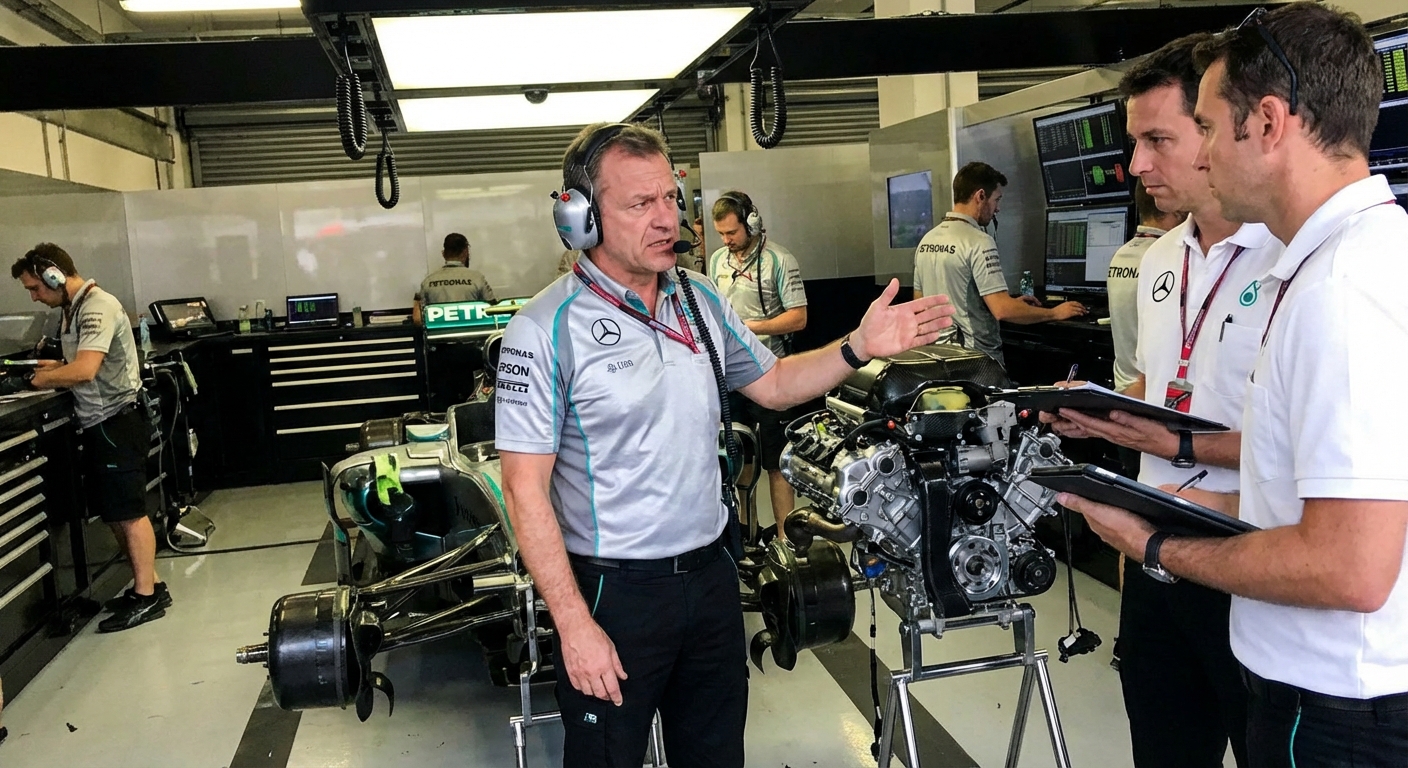
Mercedes Exploits F1’s ‘Emergency’ Engine Mode For Speed—Ferrari Demands Answers
Kimi Antonelli’s Mercedes shuddered through a high-speed corner in Japan. One moment, the engine was roaring at full tilt. The next, it sputtered and died, the car suddenly powerless. Across the paddock, Max Verstappen’s Red Bull dealt with its own “big problems” during Friday practice. Alex Albon’s Williams also suffered technical gremlins. Three cars, two practice sessions, all unraveling on one weekend.
Something hidden deep within the 2026 power unit software emerged at the worst possible time. The FIA took notice, as did every rival glued to the timing screens. Mercedes and Red Bull had kept these tricks under wraps all season. Failure put them in the spotlight.
The Trick Nobody Was Supposed to See
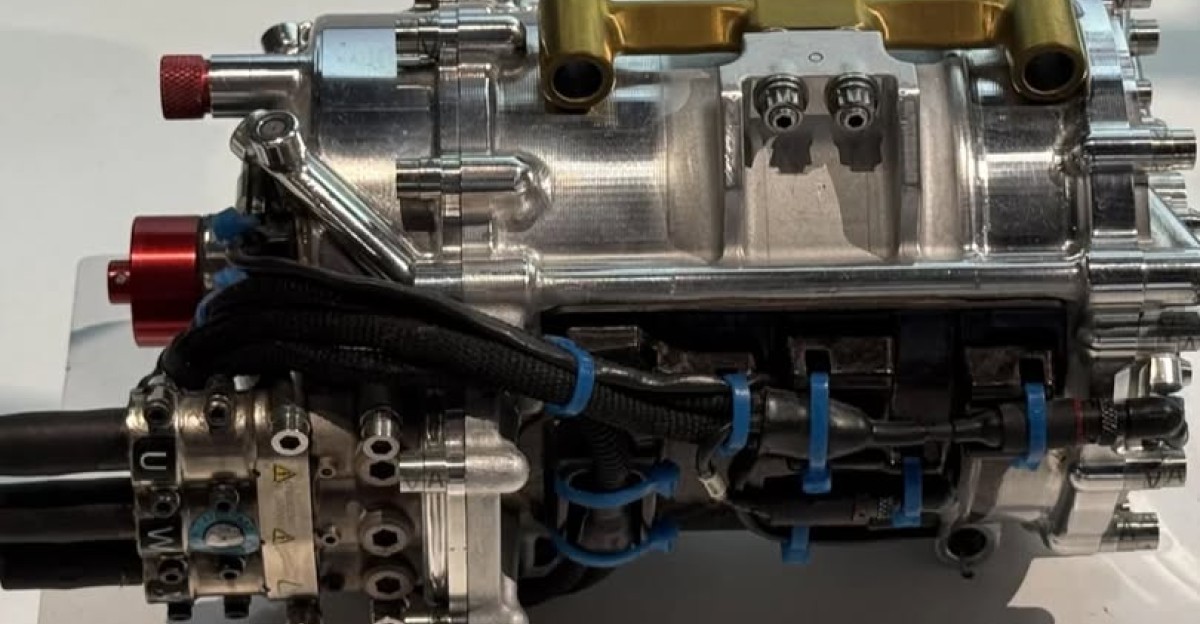
The 2026 MGU-K delivers 350 kilowatts of electric power, nearly double what the previous generation managed. With so much energy at play, teams must be careful. The rules allow teams to dial back MGU-K deployment at any moment, even shutting it down completely in an instant if something goes wrong.
That emergency feature was designed for real failures. Mercedes and Red Bull used it to zero out the system at the end of a qualifying lap, extending full electric power over the rest of the circuit. This approach produced extra speed at the most crucial moments.
A Rule Written for Emergencies, Used for Pole Position
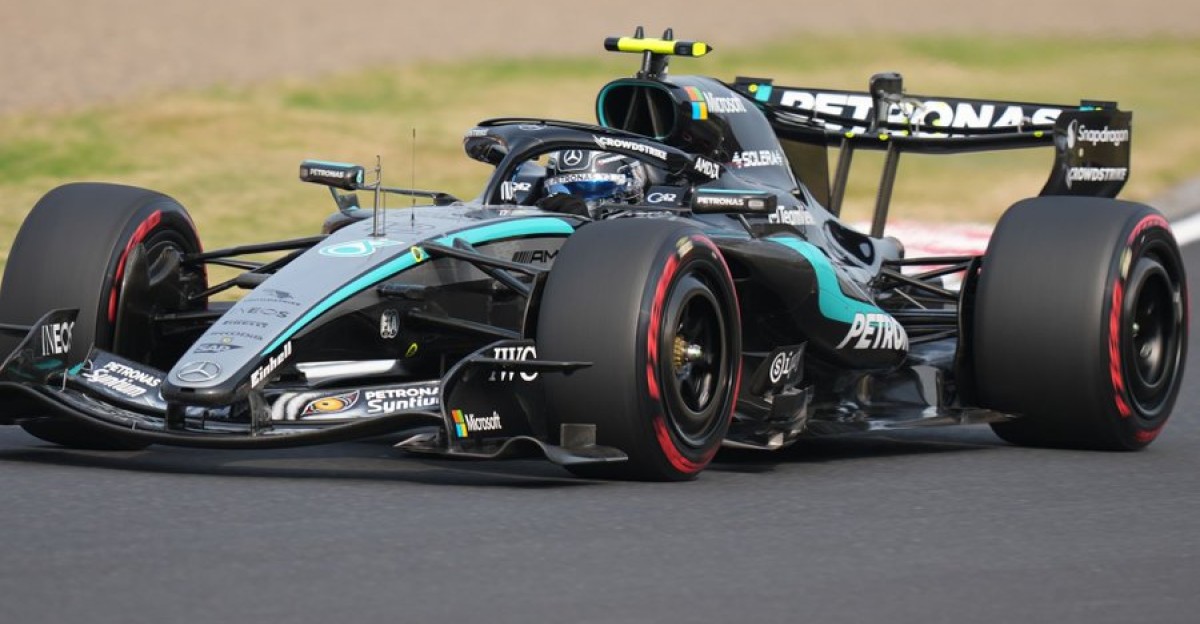
Triggering the emergency shutdown causes the MGU-K to go completely dark for 60 seconds. This is a disaster mid-race, but it has little impact in qualifying. Drivers finish their hot lap, reduce the system to zero on the way back to the pits, and sit through the lockout while stationary.
The FIA admitted the move was technically within the rules, though this was not the intended use. The loophole is now under review. Antonelli experienced a similar power drop in Australia’s first practice, but that incident slipped under the radar. In Japan, the problem became impossible to ignore.
Mercedes Killed Its Own Legal Advantage
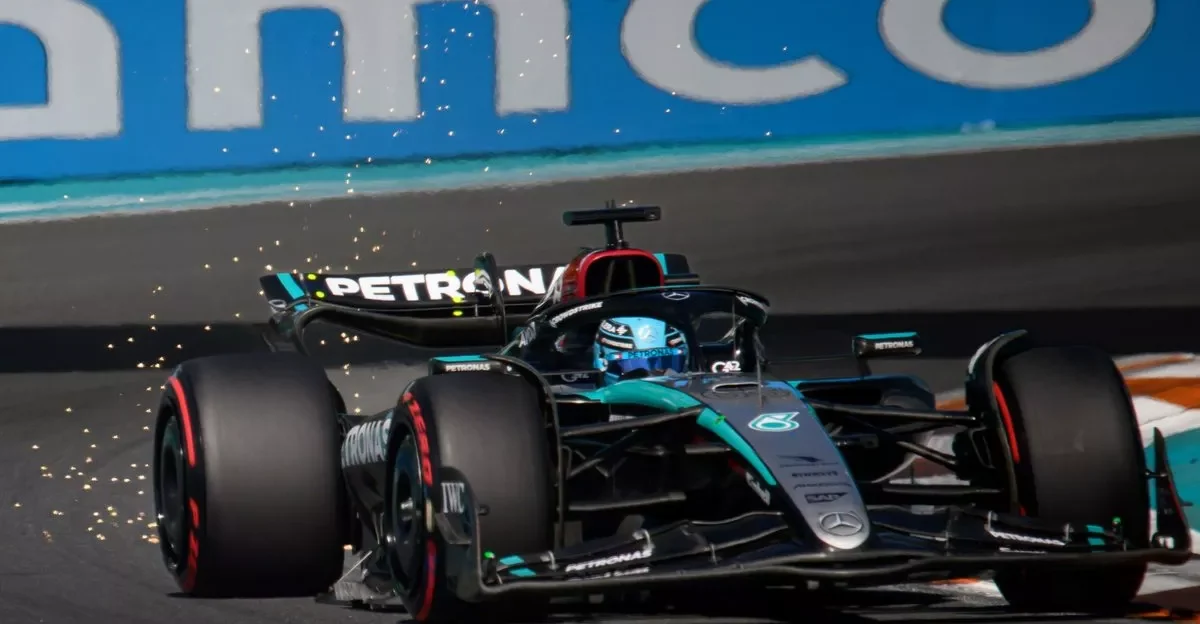
After Japan, Mercedes and the FIA had a conversation. The FIA did not force a ban, and the trick remained legal. Mercedes disabled it by their own decision. Teams competing for a title do not give up a working advantage unless the risks extend beyond the rulebook.
Reliability scares and the political pressure made the risks clear. Further use would have attracted more scrutiny. The line between legality and legitimacy was crossed. Mercedes stepped away before intervention became necessary.
The Second Loophole Hiding in the Engine Block
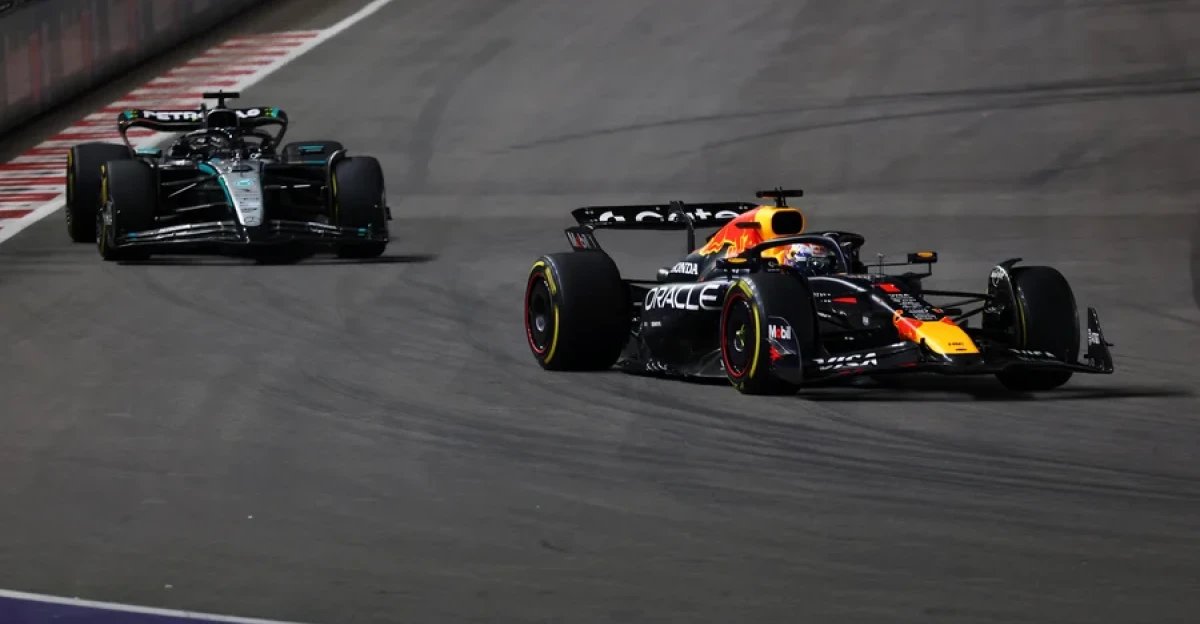
The MGU-K trick represented only part of the story. Mercedes and Red Bull also faced accusations of running engines that produced higher effective compression than the 16:1 limit. Rivals believed that certain engine parts were designed to expand under heat, so pistons traveled farther at race temperatures around 130°C than during the FIA’s cold garage inspections. This is similar to measuring a house for property tax in winter, when the walls contract from the cold.
FIA’s Nikolas Tombazis acknowledged the 16:1 rule was intended to help new teams, but the measurement method left room for interpretation. Some engineers estimated this “thermal gap” could provide an extra 10–15 horsepower, though the exact figure remained uncertain outside of the engineering teams.
Three-Tenths That Reshape a Championship
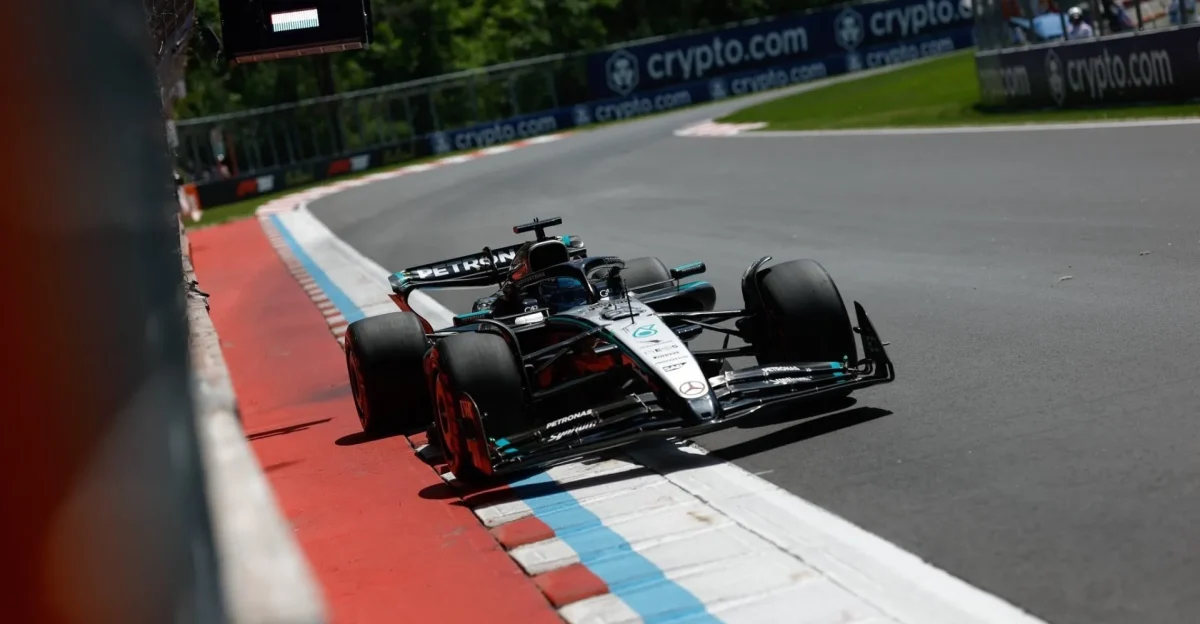
A hidden 10–15 horsepower can cut a few tenths off every lap at power tracks. In China’s sprint qualifying, Mercedes secured both front-row spots. George Russell finished comfortably ahead of Antonelli, and the rest of the field trailed by more than half a second.
Mercedes also started the year in Australia with a 1–2 finish. In F1, a few tenths separates title contenders from the midfield. Eight cars on the 2026 grid use Mercedes power. The compression ratio rule was dropped from 18:1 to 16:1 to help new teams, but the advantage remained elsewhere.
The Coalition That Filed Before Christmas
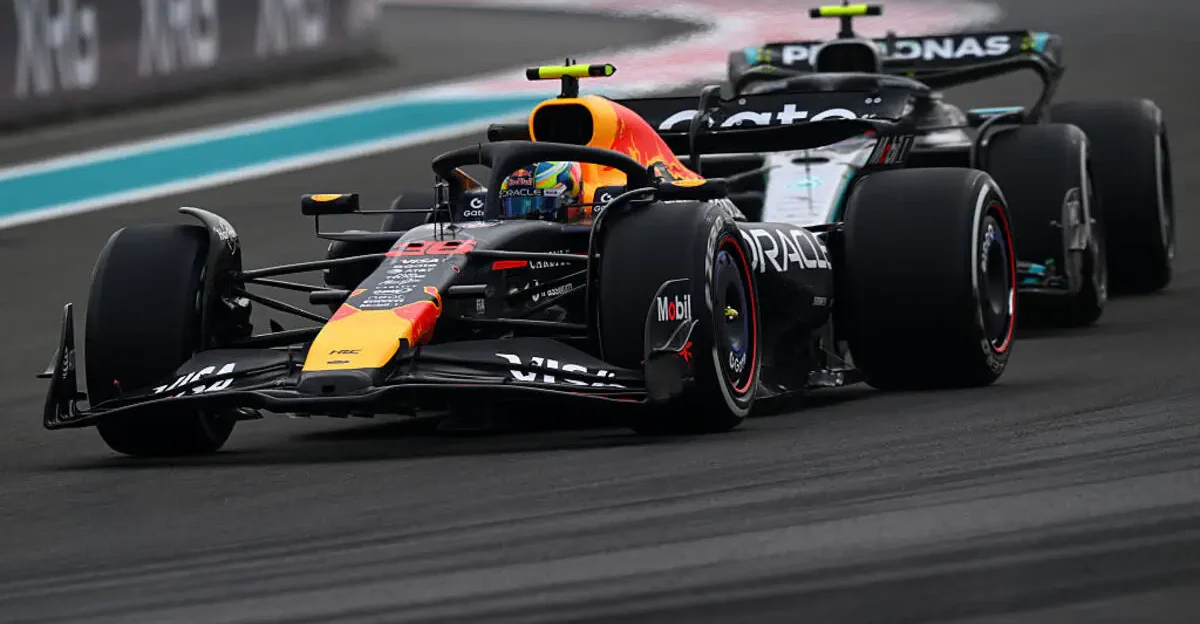
In December 2025, Ferrari, Honda, and Audi went directly to the FIA with a formal complaint, demanding answers before the season began. Three out of five engine suppliers—half the grid—requested intervention. Red Bull Powertrains’ Ben Hodgkinson stated: “I know what we’re doing, and I’m confident it’s legal. I’d be surprised if everyone hasn’t done that.”
Within days, the FIA organized an e-vote among all five manufacturers and introduced mid-season rule changes. New engine suppliers had joined F1 expecting a level playing field. That expectation became uncertain.
Seven Races of Unchecked Advantage
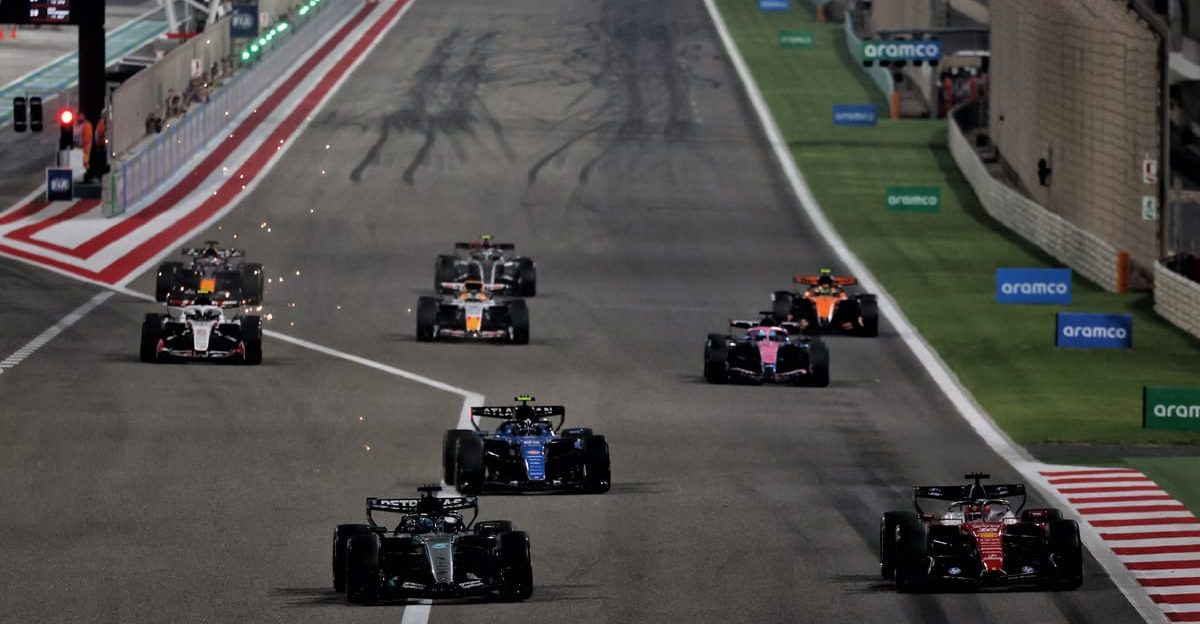
The FIA responded with a unanimous agreement. From June 1, 2026, engines would be tested for compression both cold and hot. From 2027 onward, only hot tests would apply. The updated Article C5.4.3 specified that no cylinder could exceed a 16.0 compression ratio, with the measurement requirements changing during the year. However, the engine approval deadline had already passed before these changes, so teams had locked in their hardware before the loophole closed.
Early 2026 races may have been contested with unequal compression conditions, and points earned during that period would not be adjusted. The FIA did not prevent exploitation but scheduled detection after the fact.
The Impossible Choice Waiting in June
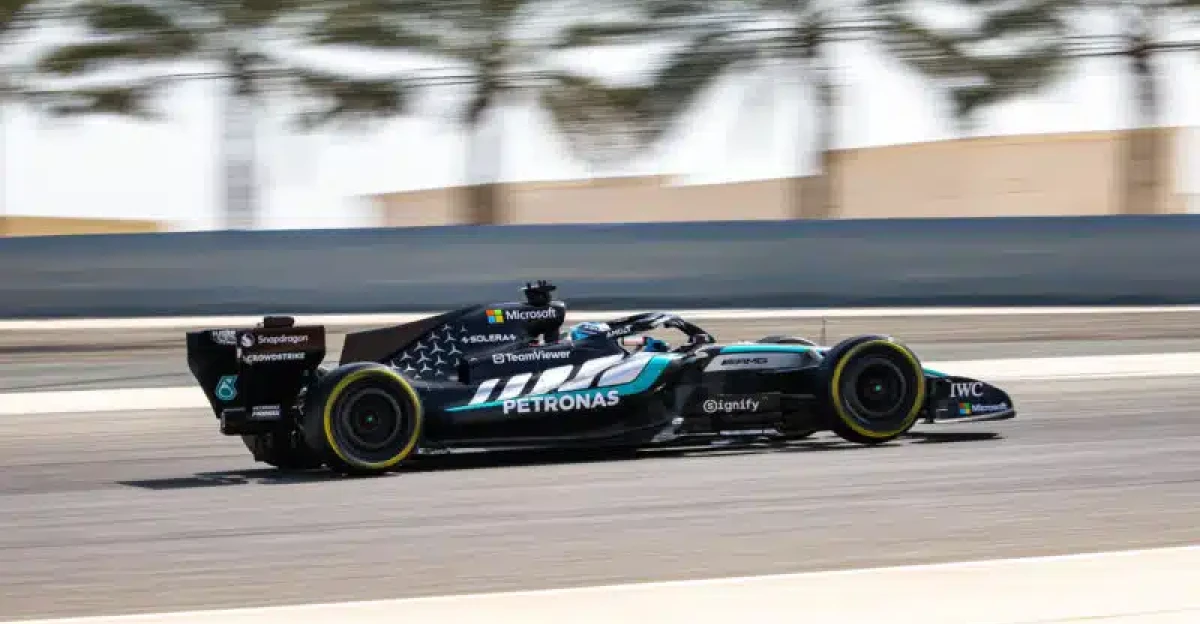
If the June 1 tests show Mercedes or Red Bull exceeded the intended 16:1 compression under heat, the FIA faces a difficult decision. Punishing teams after the fact would disrupt the championship. Allowing the results to stand signals that exploiting loopholes has no real consequence. Rivals have already encouraged the FIA to investigate, hinting at protests at early rounds such as the Australian GP. Customer teams, including McLaren, Williams, and Alpine, face a challenge if a mid-season rule fix reduces their engine competitiveness.
Each team is limited to a small number of power units per season, so reliability failures result in grid penalties. The new rules aimed to simplify F1. However, the most crucial moves now occur in the rulebook before the cars line up on the grid.
The Real Race Happens in the Rulebook
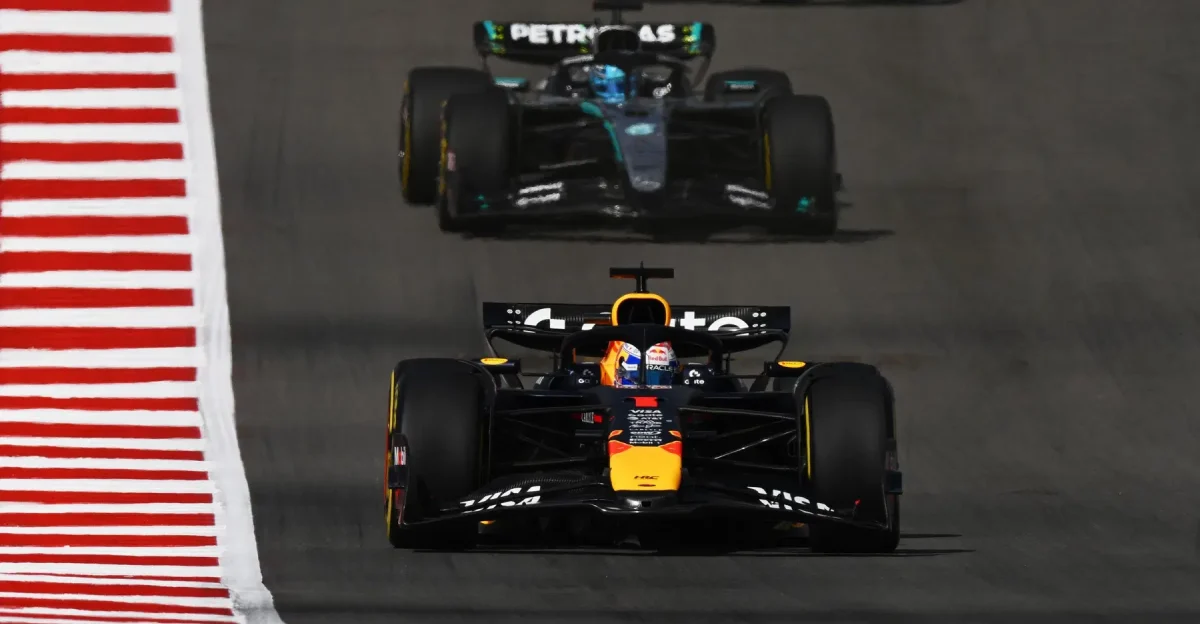
Every rulebook contains loopholes. Teams compete to find and exploit them first. Mercedes and Red Bull did not break the letter of F1’s laws. They read the fine print, identified emergency exemptions, and engineered strategic advantages before anyone else understood what was possible.
The FIA system, in which every manufacturer votes, led to a unanimous agreement on compression testing after months of negotiation. This structural tension is embedded in Formula 1. Every manufacturer now prepares new strategies for 2027.
Sources:
The Race – Mercedes and Red Bull’s F1 2026 MGU-K qualifying trick explained – March 30, 2026
FIA – FIA Statement – Amendments to 2026 F1 Regulations – February 27, 2026
Motorsport.com – FIA announces clampdown on compression ratio tests from June 2026 – February 27, 2026
ESPN – F1, FIA reach engine compression ratio compromise amid Mercedes dispute – February 28, 2026
Mundo Deportivo – Behind-the-scenes war erupts in the new F1 as Honda, Ferrari and Audi challenge Mercedes and Red Bull over engine trick – December 18, 2025
F1Oversteer – Ferrari want the FIA to explain how Mercedes and Red Bull can use an emergency mode for performance – April 1, 2026