Mercedes Cries ‘Not Ready’ On EVs As 14 Million Sold—Warns 2035 Rule Will ‘Destroy’ Industry
Mercedes-Benz is sounding the alarm again. The automaker’s public messaging paints the EU’s electric vehicle timeline as an existential crisis, the kind of language designed to make car buyers feel the ground shifting under their feet. Not a gentle nudge toward the future. A warning siren. The framing is familiar: too fast, too risky, not enough infrastructure. And it lands hardest on the people already anxious about what they’ll be driving in ten years. That anxiety, though, is doing somebody’s work for them.
What Mercedes Is Pushing Against
The EU adopted CO2 emission standards requiring a 100% reduction for new cars by 2035, with an interim 55% cut by 2030. That’s the regulatory backdrop Mercedes is pushing against. ACEA, the European auto manufacturers’ lobby, cites charging infrastructure gaps as proof the sector can’t keep pace. The argument sounds technical. It sounds reasonable. But it also shows up every single policy cycle, almost word for word, like a script somebody dusted off. Meanwhile, the market kept moving without waiting for permission.
The Market Already Has an Answer
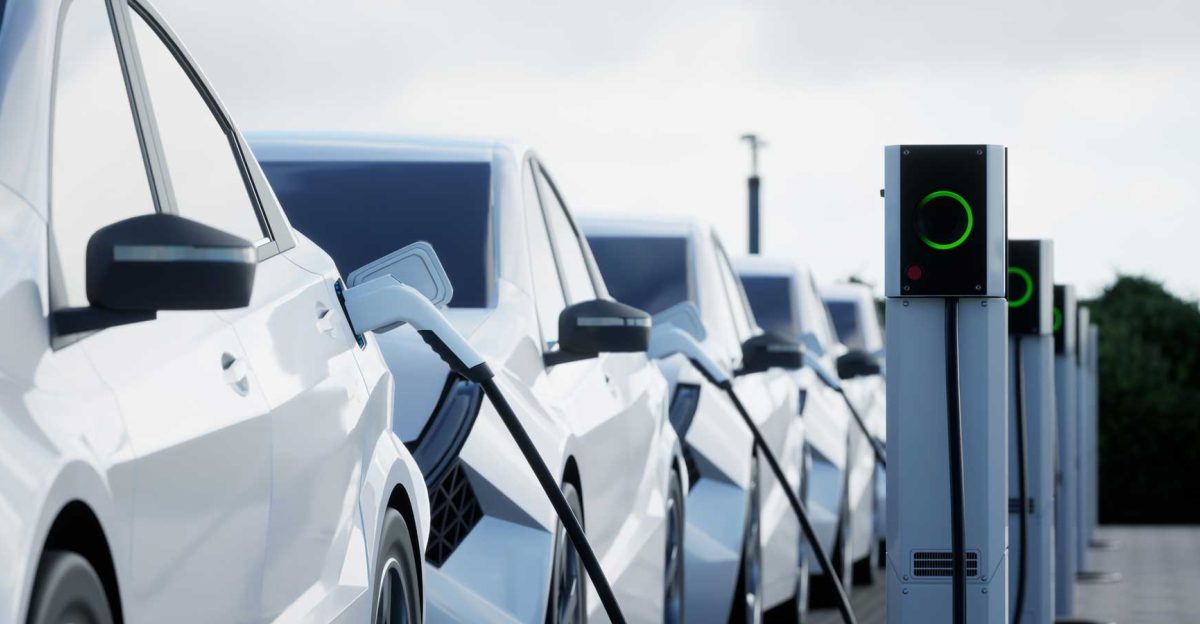
The International Energy Agency reported global EV sales reached roughly 14 million in 2023, representing about 18% of all car sales worldwide. Read that again. Nearly one in five new cars sold on earth last year ran on a battery. By 2024, that figure climbed past 17 million. The “not ready” argument has a shelf life, and 14 million units is a strange number to post while claiming the technology can’t scale. That gap between market reality and industry rhetoric is where the real story lives, and Mercedes keeps hoping nobody notices the daylight between them.
What the Law Actually Says
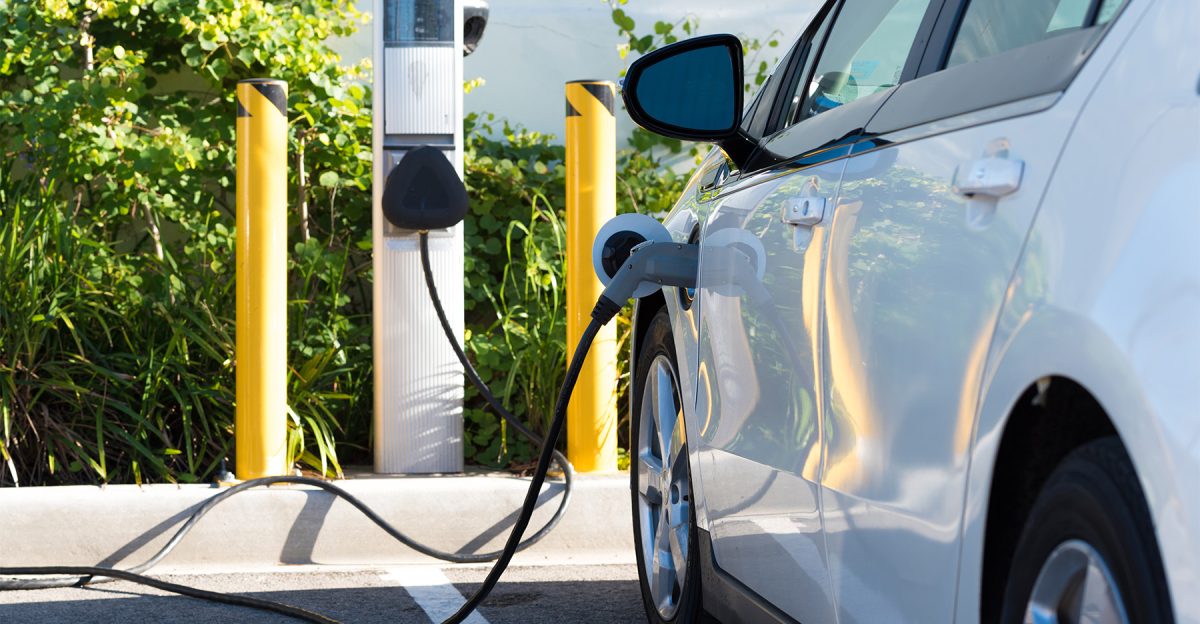
Here’s what the law actually says. The Council of the EU put it plainly: “all new cars and vans registered in the EU from 2035 will be zero-emission.” New registrations. Not the truck in your driveway. Not your ten-year-old sedan. New sales. The scariest version of this story, the one that sounds like confiscation, doesn’t exist in the legal text. It exists in the messaging. One sentence of EU regulation. Exposed years of rhetoric built on a misreading most people never checked.
Flexibility Built Into the Rules
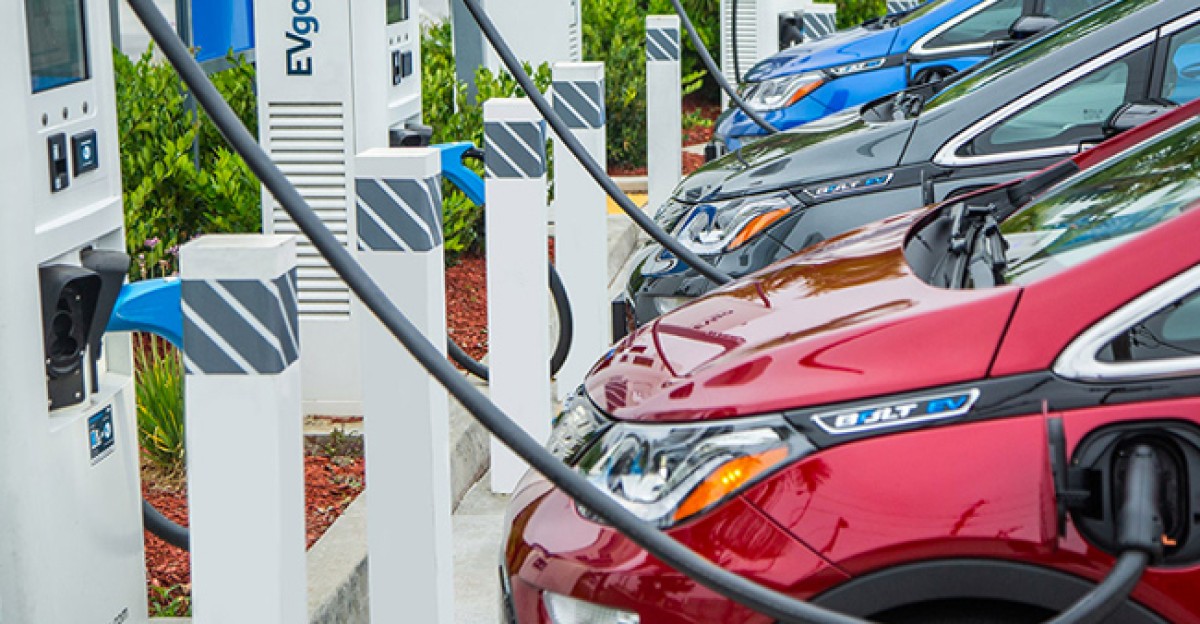
The EU enforces this through fleetwide CO2 standards, not brand-by-brand EV quotas. That means automakers choose their product mix, but the fleet average must hit zero by 2035. It’s like a restaurant saying “we can’t change the menu” while already buying new ovens. The mechanism gives manufacturers flexibility. What it doesn’t give them is an indefinite timeline. And that’s the friction point: not whether EVs work, but who absorbs the cost of retooling factories, retraining workers, and accepting thinner margins on electric models.
Both Things Can Be True
EVs captured roughly 18% of global car sales in 2023. That still leaves an estimated 32-percentage-point gap to majority adoption. Both facts are true simultaneously. The transition is massive and incomplete. But the “impossible” framing collapses when you see adoption climbing year over year with policy support as a key driver, per the IEA. Strip the policy support away and adoption slows. Which is precisely why the readiness argument keeps getting louder: it’s not a weather report. It’s a thermostat.
The Self-Fulfilling Prophecy
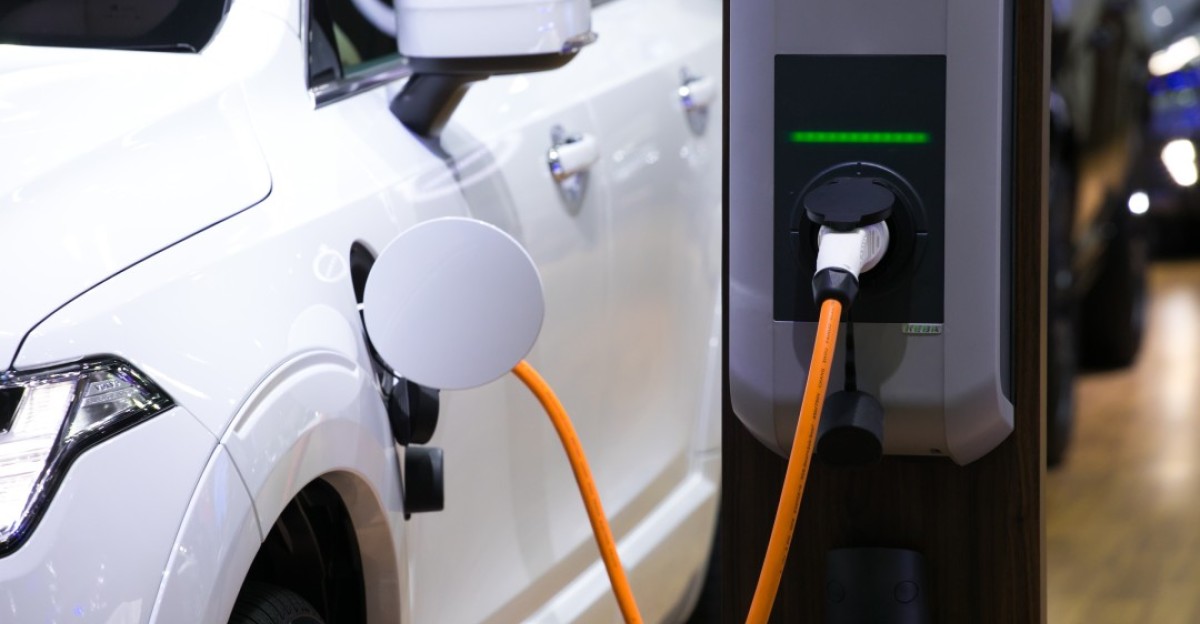
Slow the policy and the dominoes fall in a specific order. OEMs may delay EV capital spending or re-sequence launches if they expect softer enforcement. Charging and grid investment debates intensify. Public funding and permitting become political flashpoints. Consumers face slower cost declines because scale-up stalls. Lagging regions get fewer chargers, which then becomes evidence of unreadiness. The loop feeds itself: uncertainty delays investment, delayed investment proves the sector isn’t ready, and “not ready” justifies more delay. That’s not a bug. That’s the business model.
Everyone Else Is Watching

If readiness arguments successfully push back the EU’s interim targets or win exemptions, other industries will copy the template. Energy, aviation, shipping. Every sector facing decarbonization deadlines watches how auto plays this hand. The precedent matters beyond Stuttgart. Product cycles mean 2035 compliance decisions lock in years before 2035 arrives, so the negotiation window is narrower than the calendar suggests. Once you see “readiness” as a lever rather than a status report, every warning from every legacy manufacturer reads differently.
The Ground Just Shifted
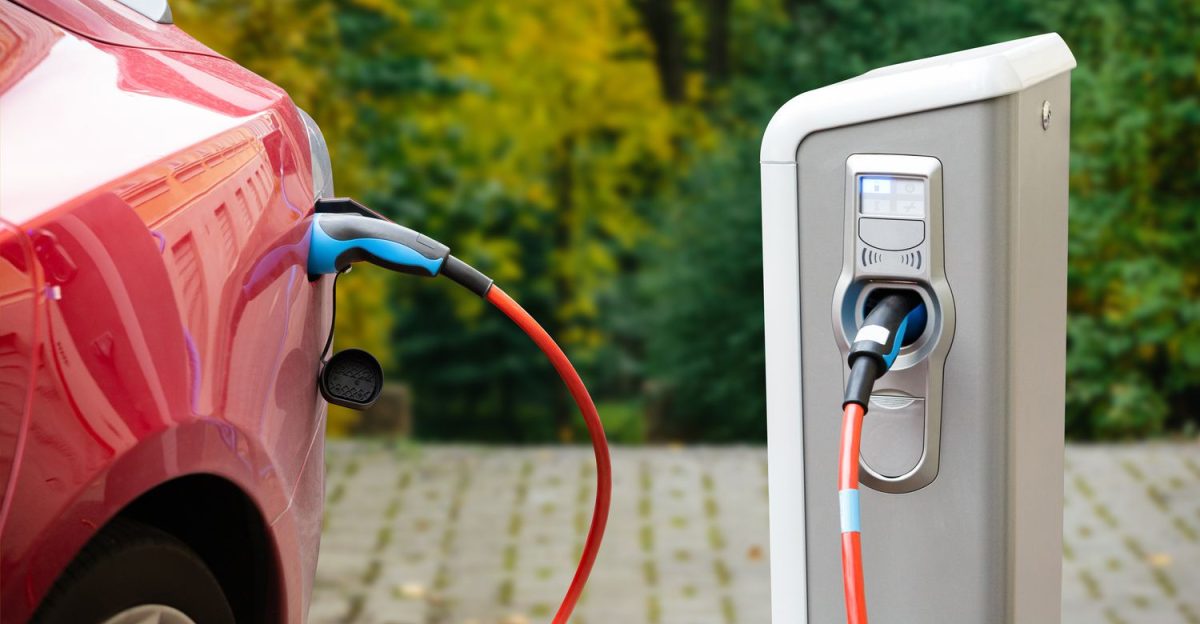
The European Parliament described the agreement as cutting CO2 from new cars by 100% by 2035. That language held until December 2025, when the European Commission proposed revising the target to 90%, potentially allowing some combustion-engine vehicles running on e-fuels or carbon-neutral fuels to remain in the new-car mix beyond 2035. The proposal still requires Parliament and Council approval. Lobbying around interim targets, e-fuels exemptions, and enforcement flexibility has intensified—and appears to be gaining ground. Policy uncertainty feeds the very investment hesitation that makes the “not ready” claim feel true. The IEA has emphasized that policy support is a key driver of EV adoption, meaning rollbacks can materially slow the transition. The question going forward isn’t technical feasibility. Fourteen million sales answered that. The open question is political will.
Sources:
“Global EV Outlook 2024: Trends in Electric Mobility.” International Energy Agency (IEA), 2024.
“Fit for 55: Zero CO2 Emissions for New Cars and Vans in 2035.” European Parliament, 14 Feb 2023.
“Mercedes Is Fear Mongering On EV Policies Again.” CleanTechnica, 11 Mar 2026.
“Proposal for the Revision of CO2 Emission Performance Standards for Cars and Vans (Automotive Package).” European Commission, 16 Dec 2025.