Mechanic’s Picks: 10 Car Brands You Should Consider Buying
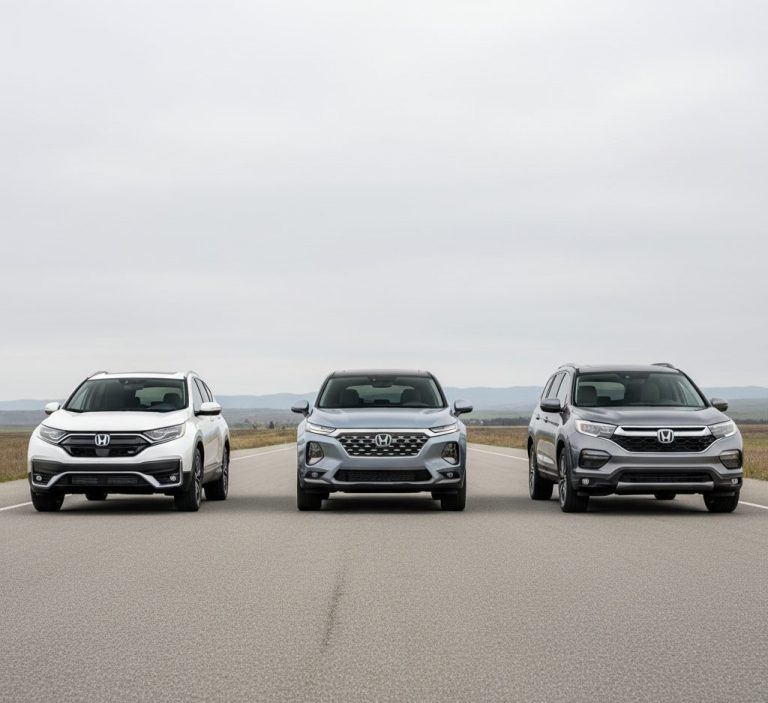
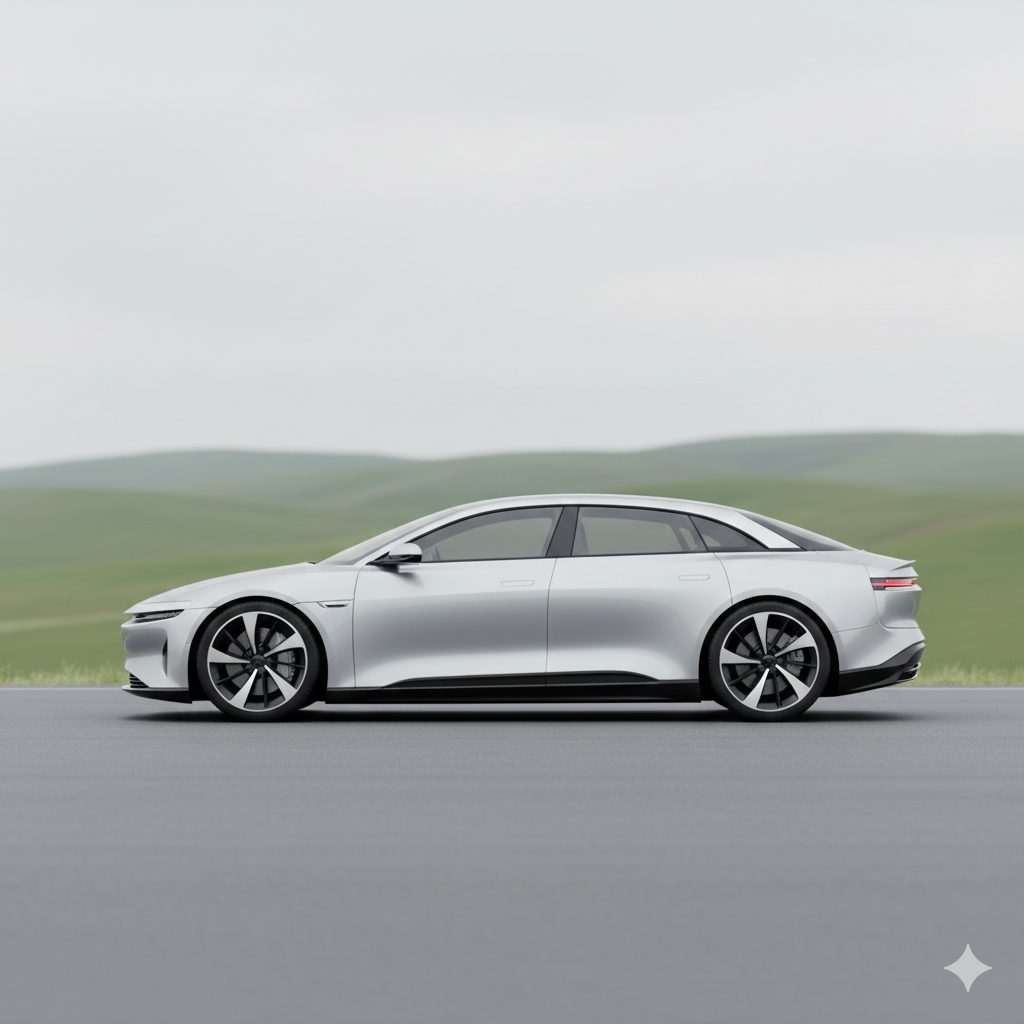
If you want a vehicle that lasts, runs smoothly, and doesn’t drain your wallet with repairs, mechanics say these car brands deserve your attention. Known for strong engines, dependable parts, and long-term reliability, these brands consistently perform well in real-world driving. Whether you’re shopping for a daily commuter, SUV, or family car, these are the manufacturers experts say you won’t regret choosing in 2025 and beyond.
Toyota
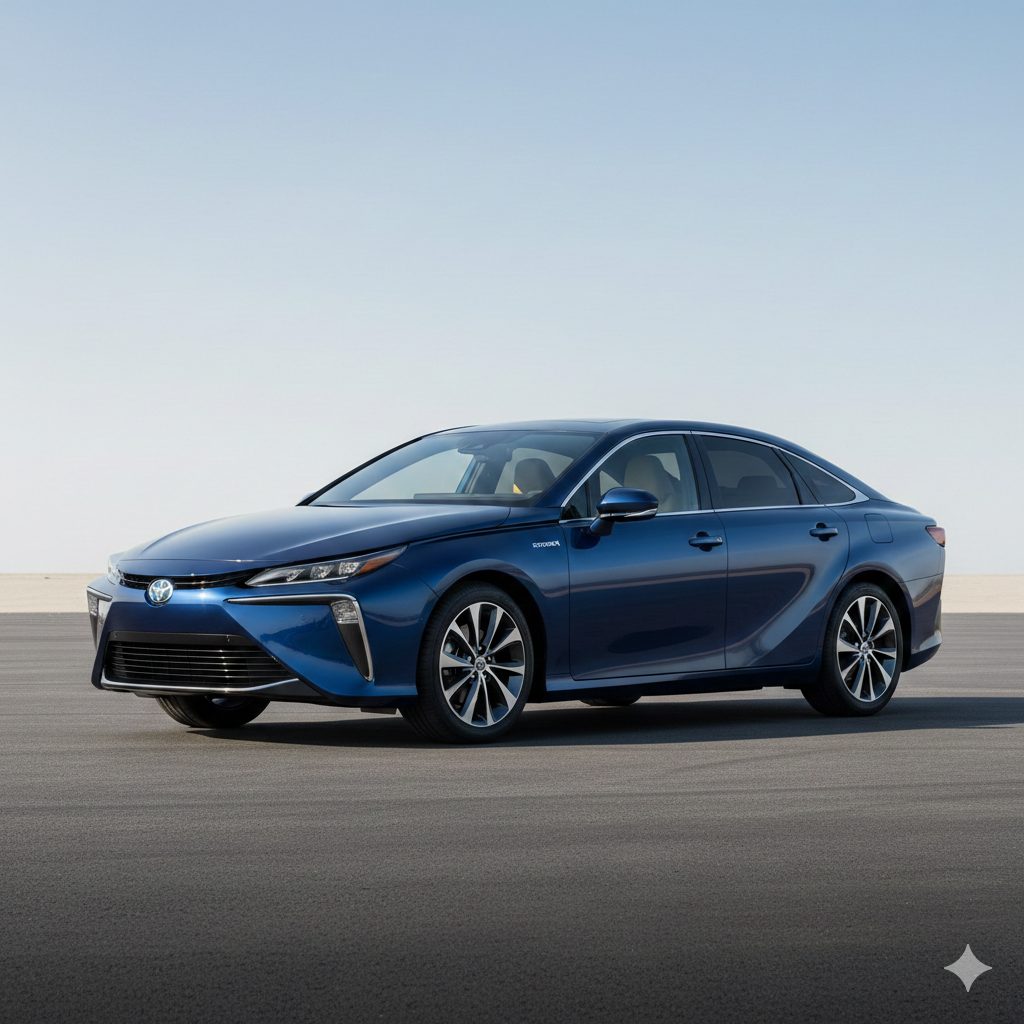
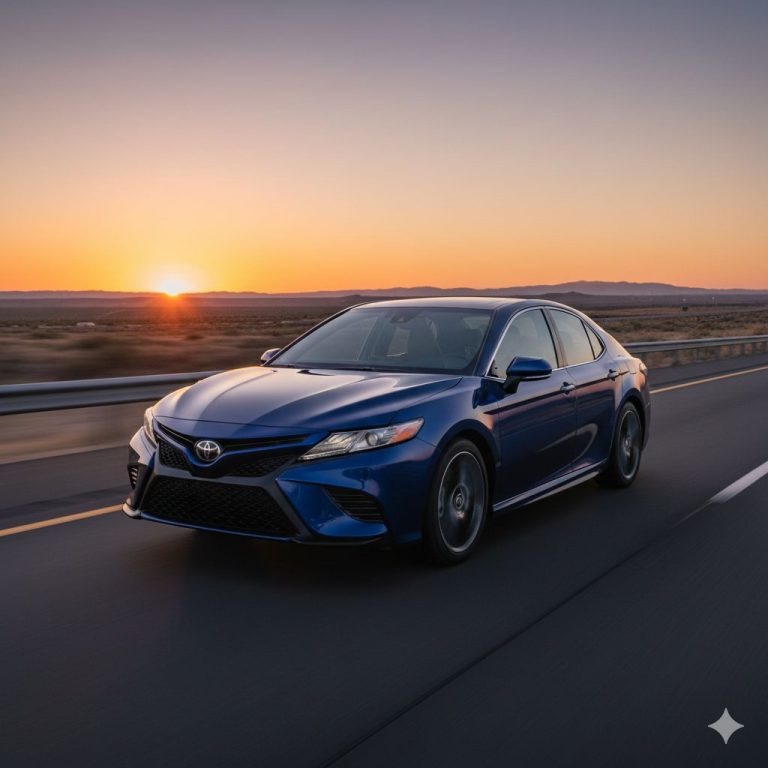
First off, Toyota’s like the kingpin of reliable because mechanics can fix just about anything on these without breaking a sweat. Corollas, Camrys, Tacomas, heck even those Land Cruisers, they’re tanks disguised as regular cars. Around $25k to $45k new, and parts are everywhere, simple tech, solid engines honestly, it’s hard to go wrong unless you’re into endless car drama. Plus, Toyota’s hybrid tech is pretty bulletproof now.
Honda
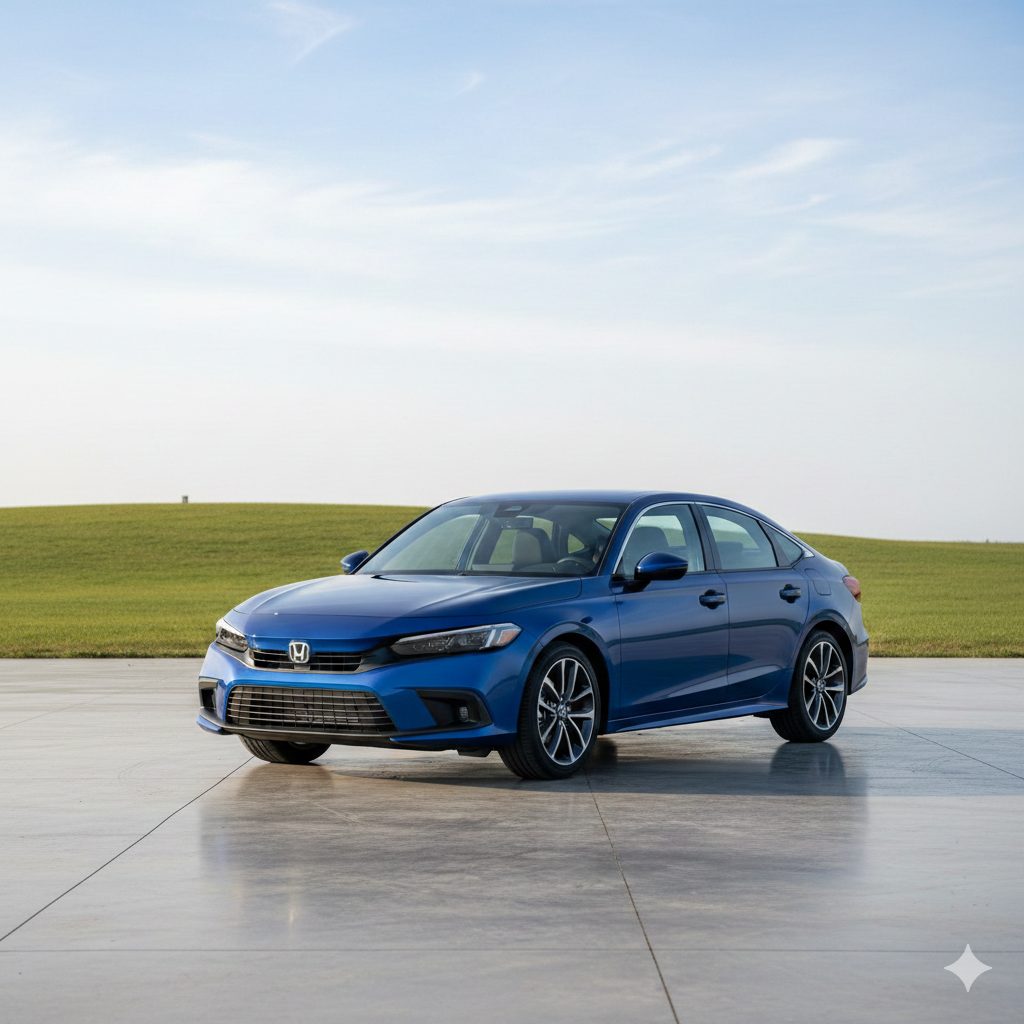
Honda’s the runner-up for me. Civics and Accords have been favorites forever, with engines that just keep going and interiors that don’t fall apart on you. Prices start pretty reasonable too, like $23k for a Civic to $35k for something bigger. And fun side fact: mechanics like working on their VTEC engines ‘cause they’re straightforward and durable. Not the fanciest, but solid as your grandma’s advice.
Subaru
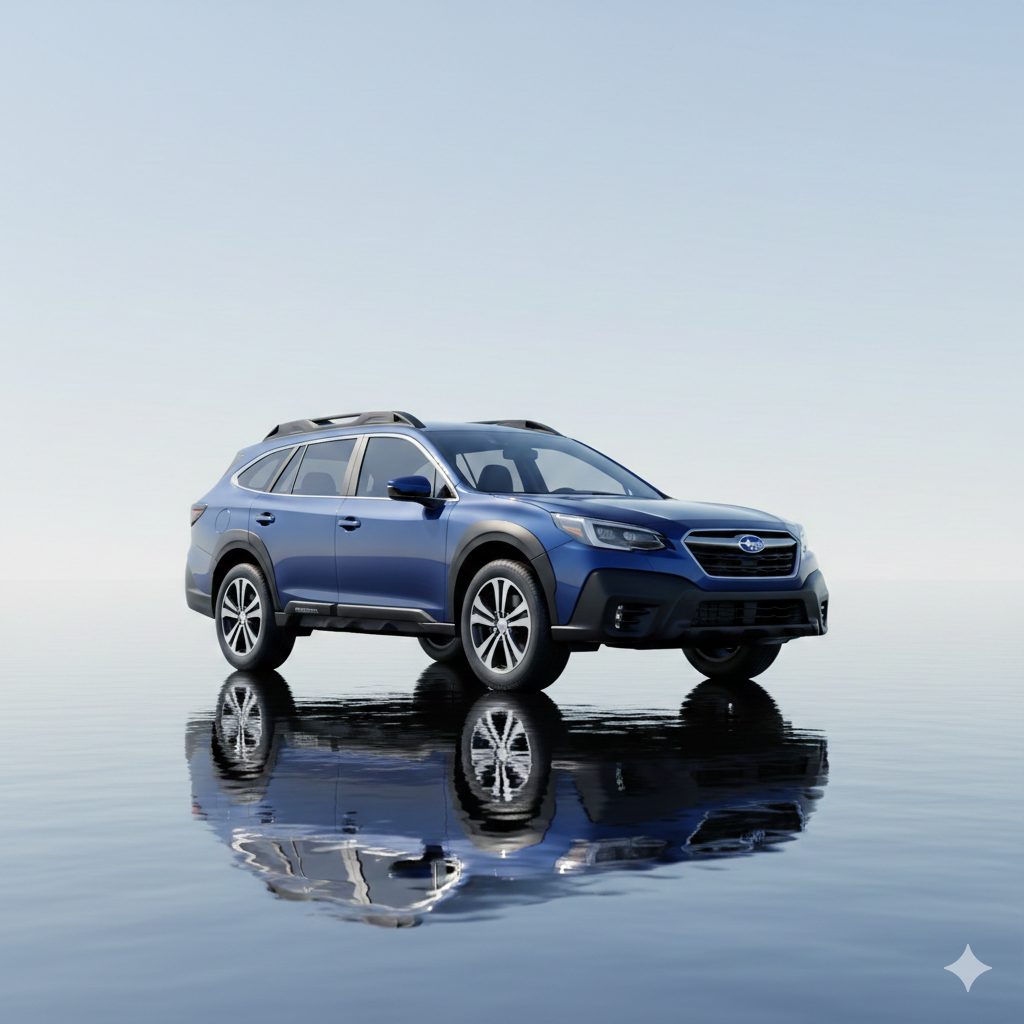
Subaru’s all about that all-wheel drive life, and mechanics generally dig these because the engines and AWD systems aren’t too complicated compared to some others. Foresters, Outbacks—they’re rugged, great in bad weather, usually start around $27k for smaller ones, and the community around them means parts and help are usually nearby. Sure, head gaskets can be a thing, but with proper upkeep, they’re beasts.
Ford
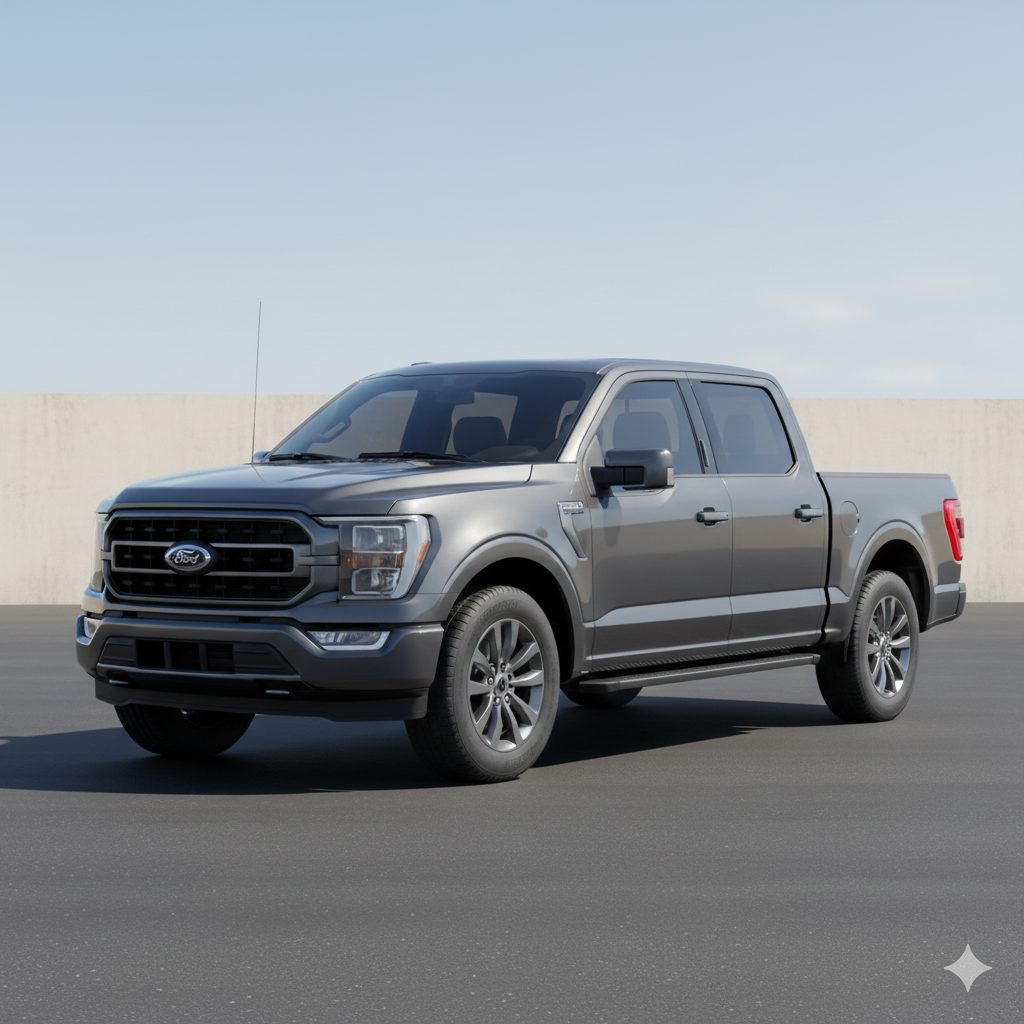
Oh man, Ford especially with their F-series trucks and some SUVs—they’ve been the workhorses of America for decades. Prices are higher, $40k and up, but mechanics appreciate how easy it is to get parts and how straightforward the construction is. The modular engine line isn’t rocket science, so even if something goes, repairs aren’t usually wallet-crushing. Big plus for people who want toughness and easy fixes.
Chevrolet
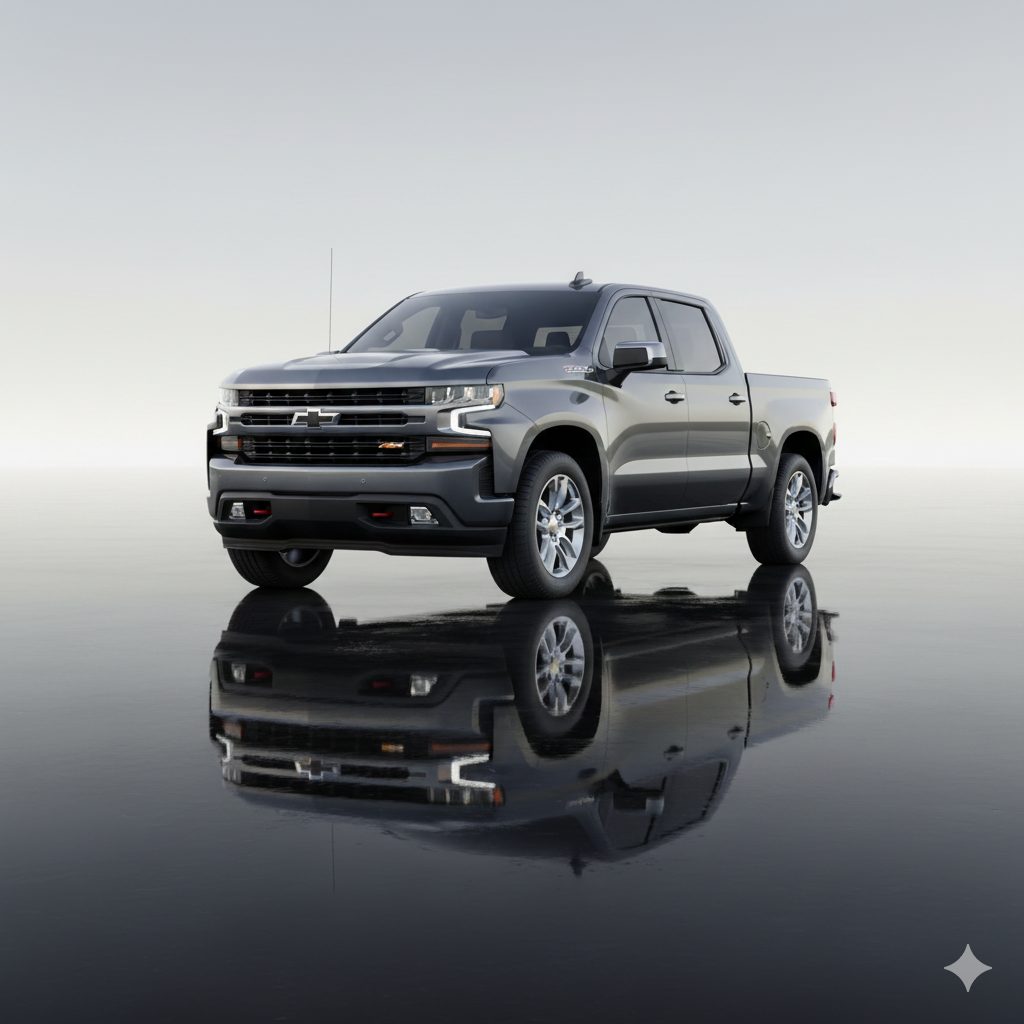
Chevy’s got a solid reputation with trucks and SUVs too, just like Ford, but with the added bonus that a ton of mechanics grew up working on these, so there’s a healthy aftermarket and tons of experience around. Starting prices for pickups hover in the $35k range, but older models hold up well too. Just watch out for some electronics quirks in newer models, but otherwise, it’s trustworthy stuff.
Lexus
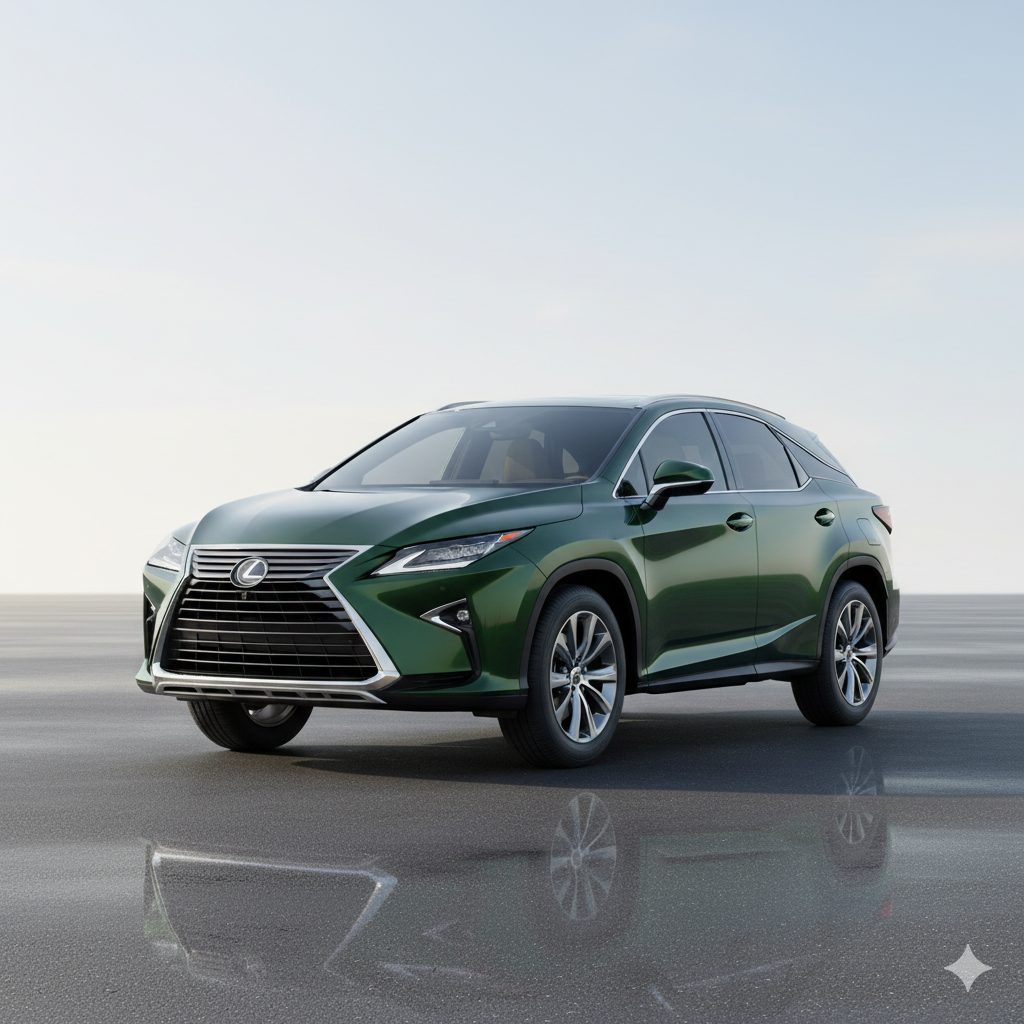
Now, Lexus is Toyota’s classy alter ego, and mechanics love these because beneath the luxury surface, the reliability stays real. ES and RX are the stars here, starting at $40k plus normally, but owning one means fewer trips to the shop overall. The interiors are nicer, parts a bit pricier but generally worth it, and the engines are sister to Toyotas, so if you want luxury without headaches, Lexus is solid.
Mazda
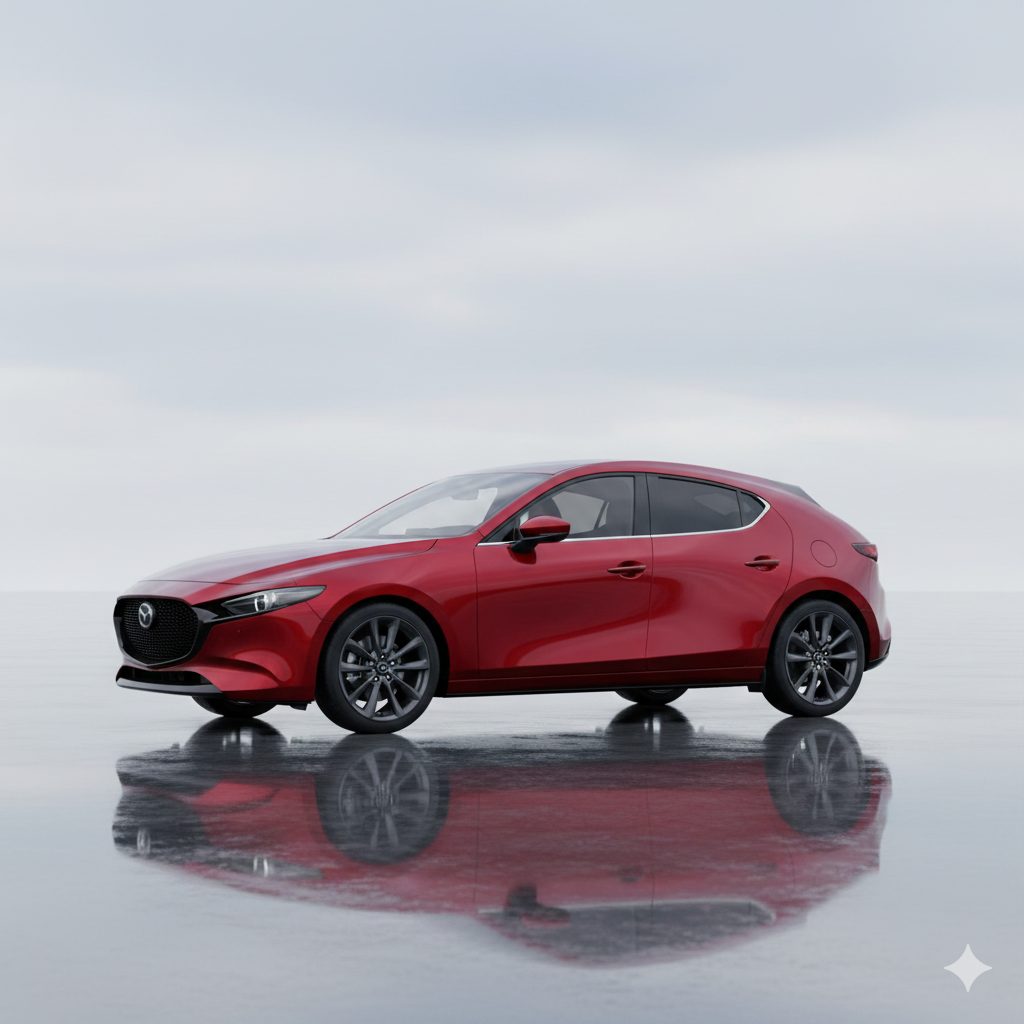
Mazda’s been quietly impressing both drivers and mechanics. Their Skyactiv engines are efficient, reliable, and don’t throw random errors at you. Models like the Mazda3 or CX-5 come in around $23k to $30k and have interiors that feel way pricier than their tags. Honestly, mechanics say these are fun to work on and less finicky than some other brands, so Mazda’s a top pick if you want a balance of fun and low upkeep.
Hyundai
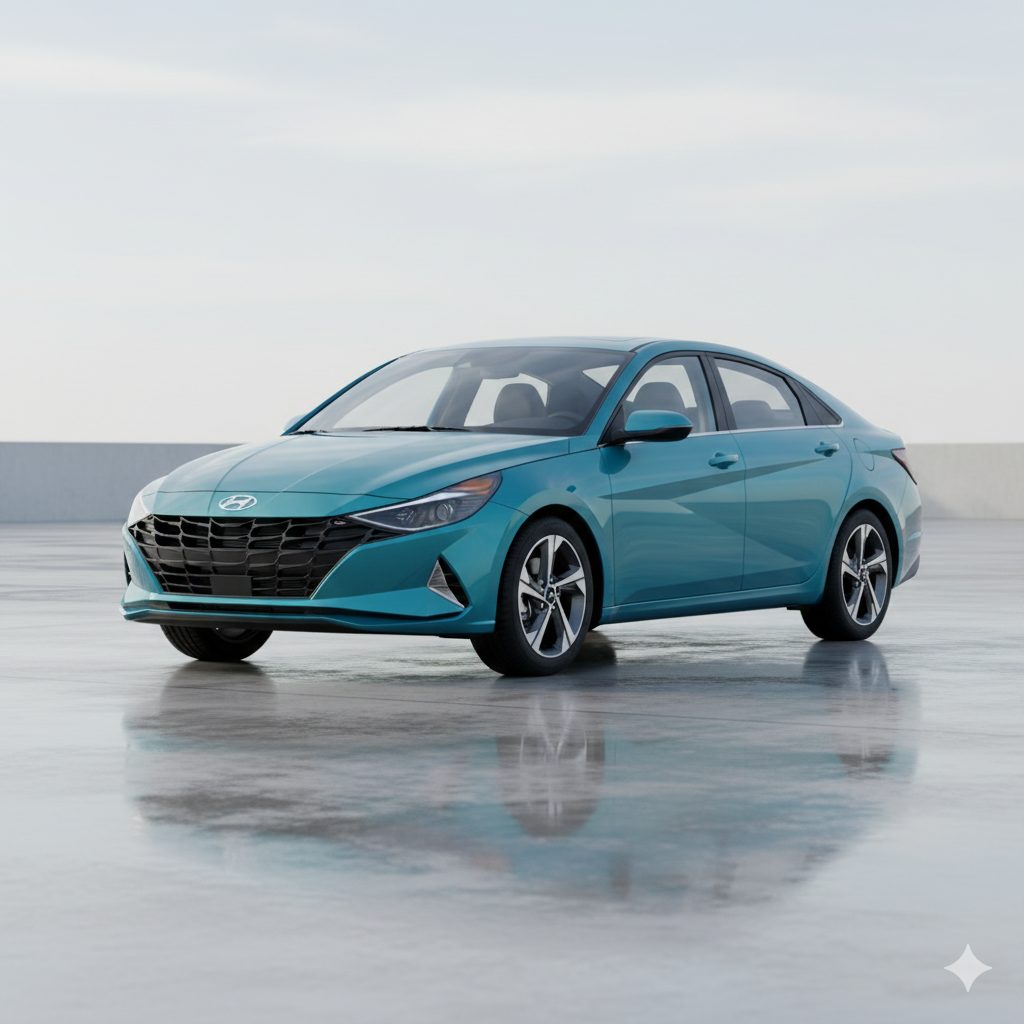
Hyundai’s improved massively; parts are affordable, and their warranties are long which also means mechanics see less frequent catastrophic failures. Elantras and Santa Fes start as low as $20k with some tech inflation now, but they’re not complicating repairs with weird systems. Plus, Hyundai has good fuel efficiency and decent build quality, so it’s reliable in the long run.
Nissan
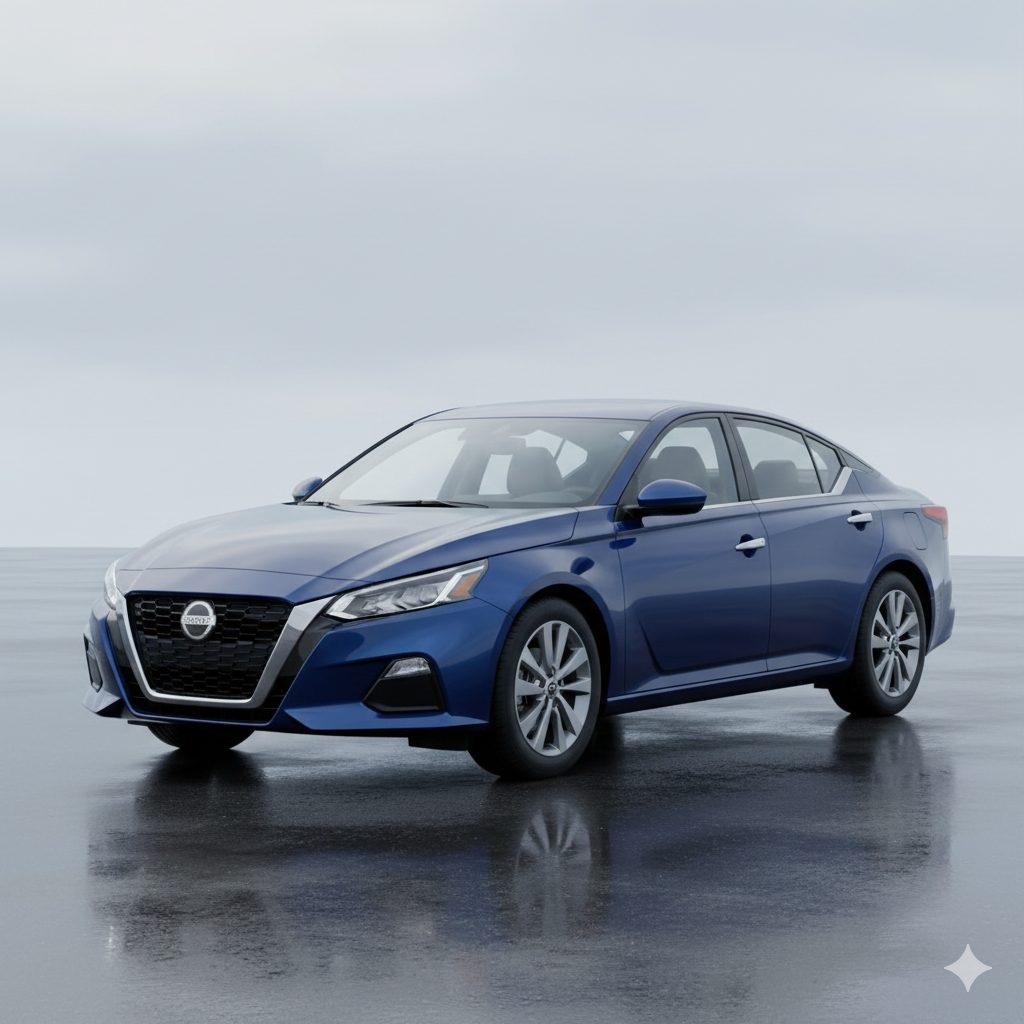
Nissan’s doing pretty well too cars like the Altima, Rogue, and Frontier trucks have engines and transmissions mechanics feel comfortable working with. Prices vary, starting in the mid $20ks, and while they try fancy tech sometimes, their base engineering is fairly simple. Yeah, some models might have spotty reliability, so pick carefully, but overall they’re decent budget-friendly choices.
Volkswagen
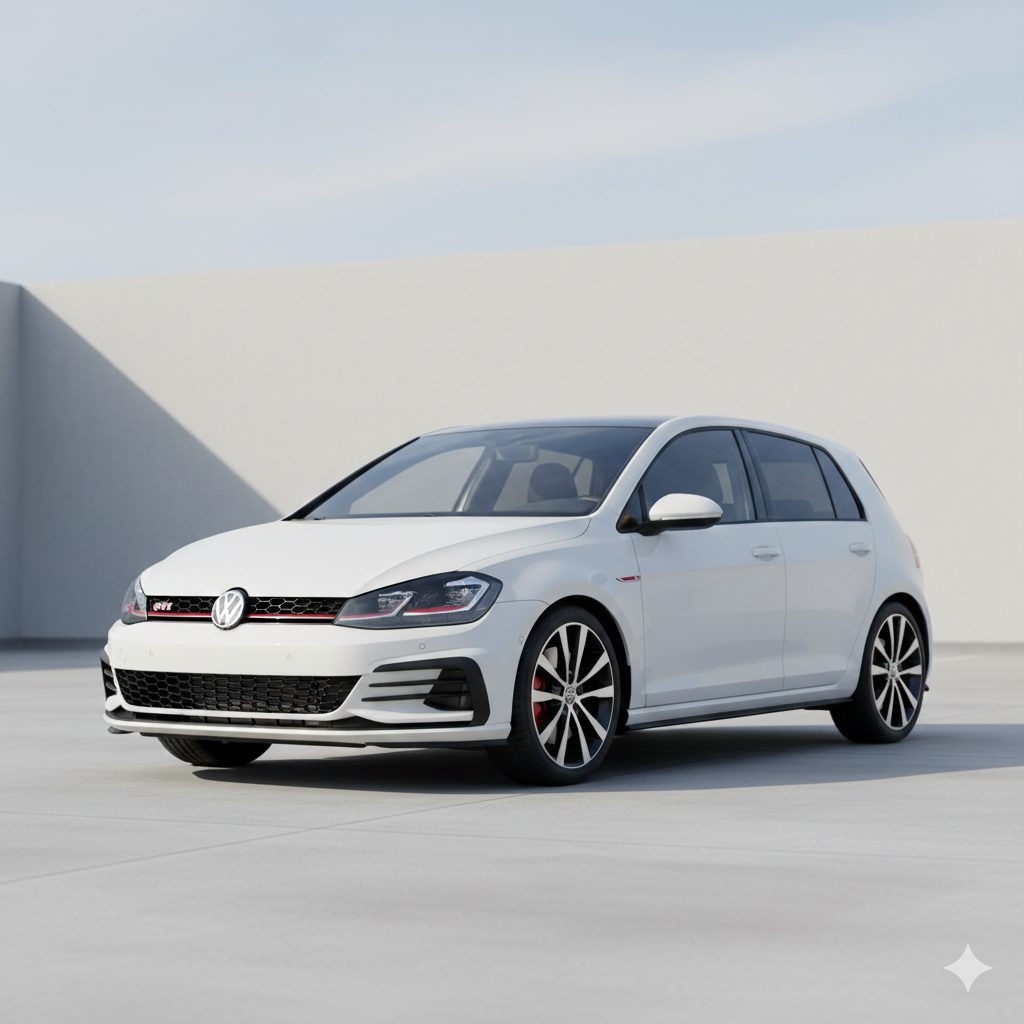
VW’s a bit of a mixed bag, true, but mechanics appreciate the straightforwardness of their TSI engines and MQB platform cars like the Golf and Jetta. Pricing starts around $24k to $30k here, and parts availability is decent. Earlier VWs sometimes gave headaches, but recent models have matured with fewer quirks, so not bad if you want European vibes with decent upkeep.