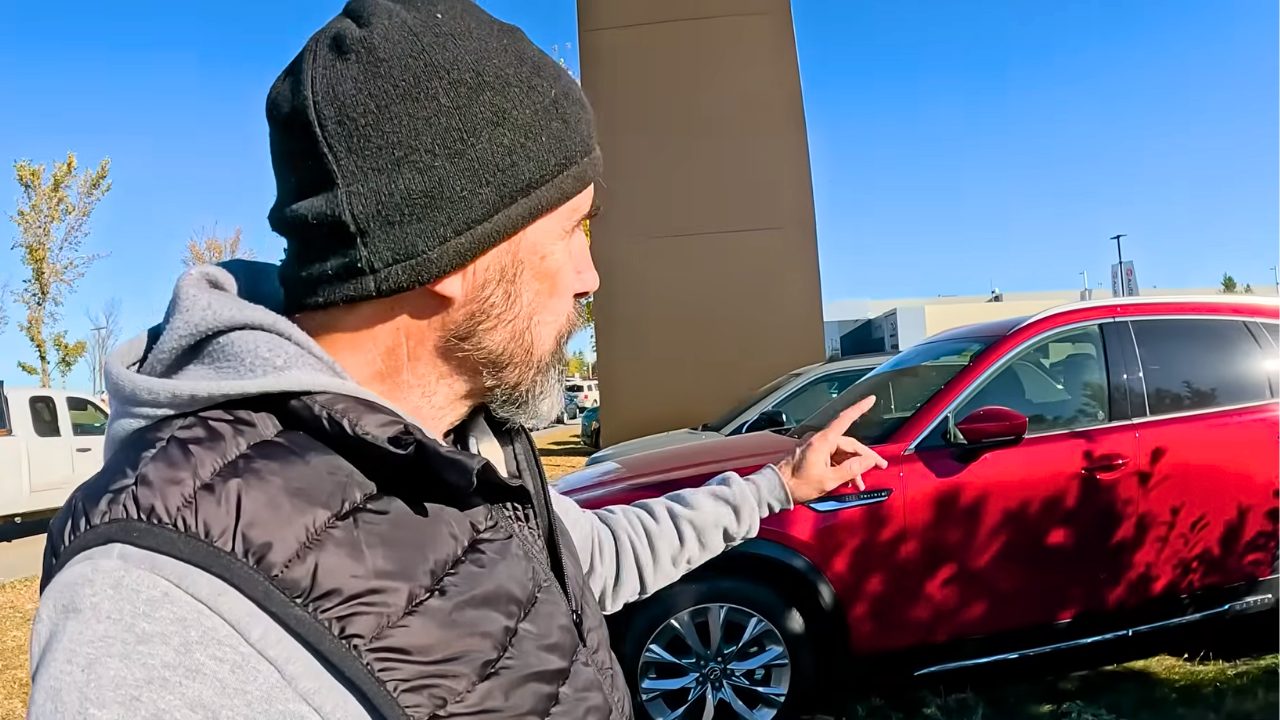
Mechanics Beg Buyers To Avoid 2026 Cars—’You’re No Longer The Owner’
The service bay smells like brake dust and bad news. Across the country, independent mechanics are turning cars away. Not because they lack skill. Because the vehicles won’t let them in. Encrypted software, factory-only diagnostic tools, and error codes that require manufacturer authorization to read have transformed a routine repair into a locked door. A growing share of independent shops now refuse certain brands entirely when repair costs climb into five figures, especially when factory-only tools and software are required. The people who know cars best are waving you off the lot.
Sticker Shock
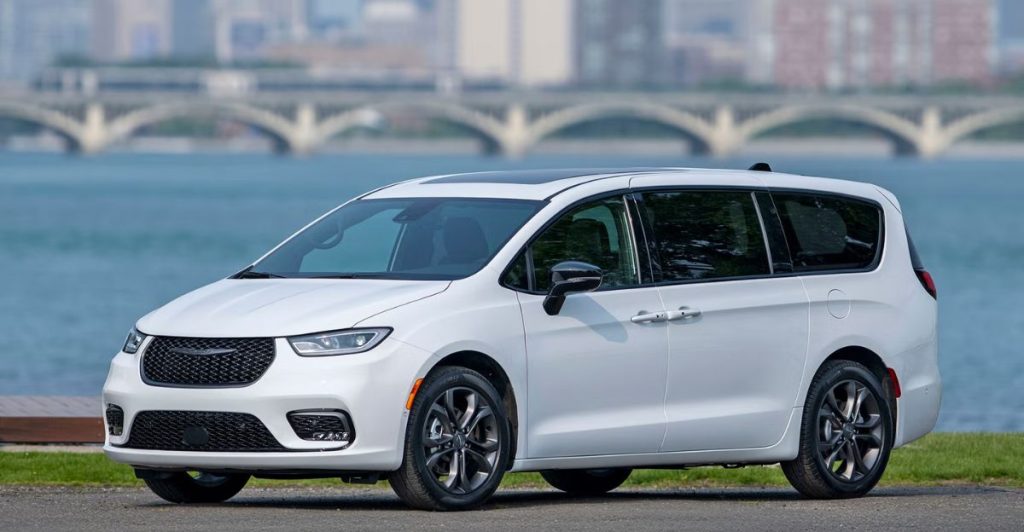
The average new vehicle in Canada now costs $66,000, a 30% jump from five years ago. For that premium, buyers expect progress. They expect fewer problems, smoother rides, and longer lifespans. Instead, Consumer Reports surveyed 380,000 vehicles and found EVs and PHEVs experience 80% more problems than traditional gas-powered cars. Pay more, get worse. The Chrysler Pacifica Hybrid scored 26 out of 100 on reliability. The GMC Acadia scored 14. JD Power’s study showed the highest-recorded overall problems since the study was redesigned
Myth Cracking
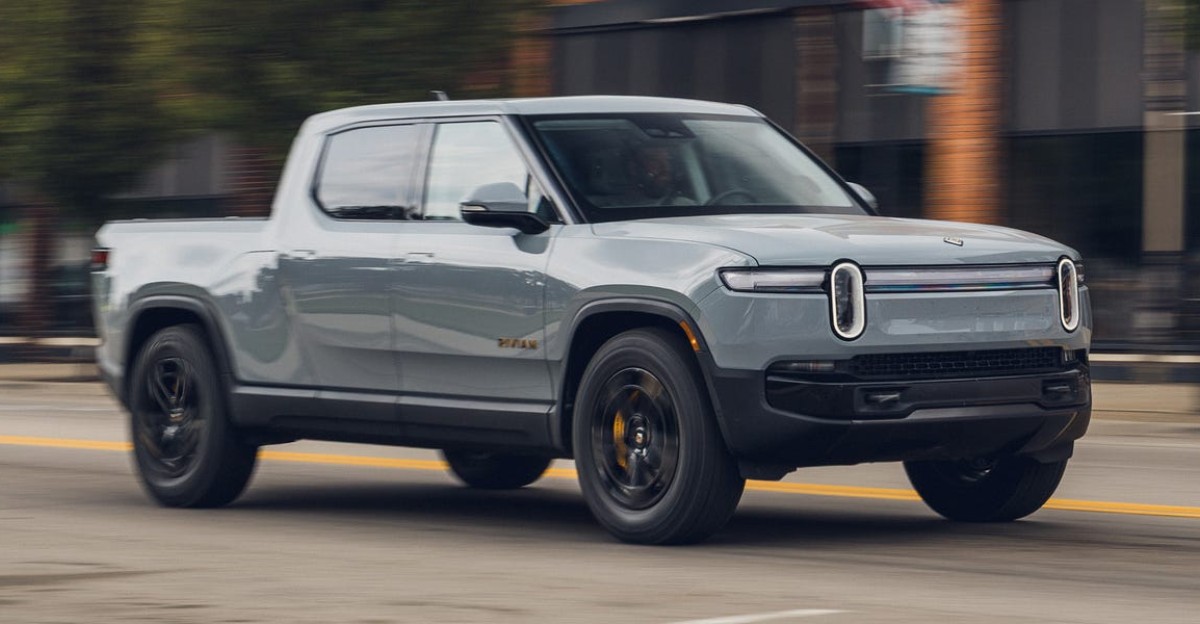
The old assumption was simple: newer means better. More technology, more safety, more value. That assumption is dead on arrival in 2026. Premium vehicles scored worse than mass-market models in JD Power’s study, reversing a historical pattern. Rivian’s R1T racked up 14 recalls in three years. GM’s 10-speed automatic transmission fails, gets replaced under warranty, and then the replacement fails at the same mileage. NHTSA opened an investigation. GM claims the problem is fixed. The transmissions disagree.
The Mandate
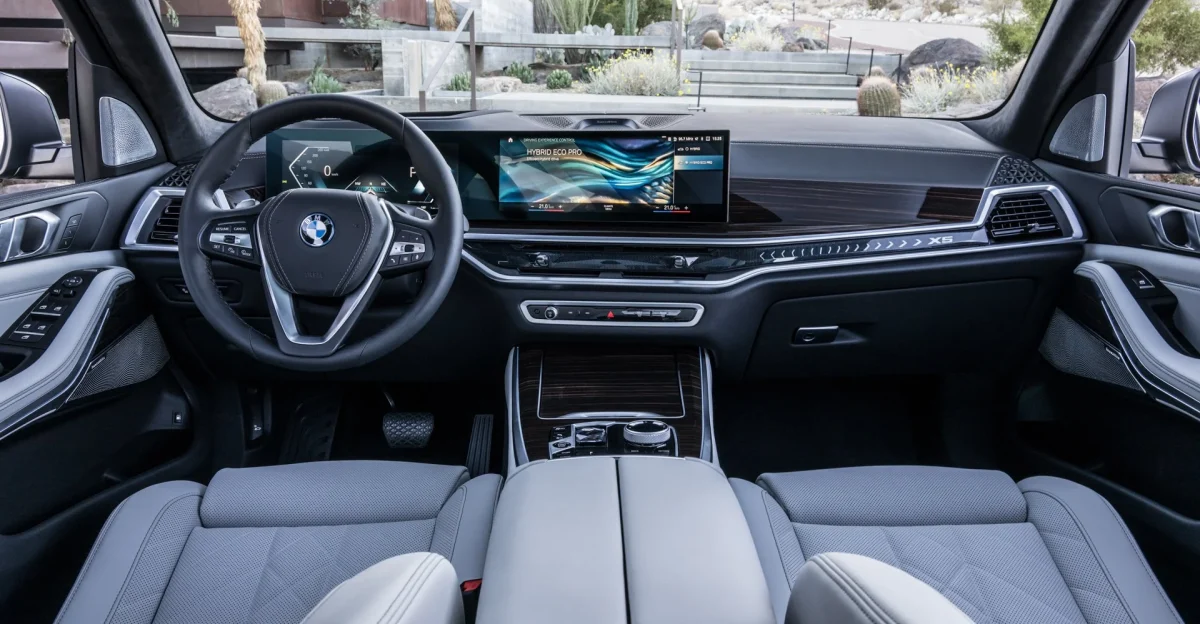
Federal legislation includes a mandate requiring passive driver-monitoring technology in every new vehicle. Sold as a drunk-driving prevention tool. No NHTSA draft published despite a 2024 deadline. Meanwhile, the same technological infrastructure enables something else entirely. BMW locks heated seats behind subscriptions. Tesla charges $99 a month for Full Self-Driving. Cadillac charges about $25 monthly for Super Cruise after the trial period expires. Features already installed in the car you paid for. Locked until you subscribe.
Encrypted Walls
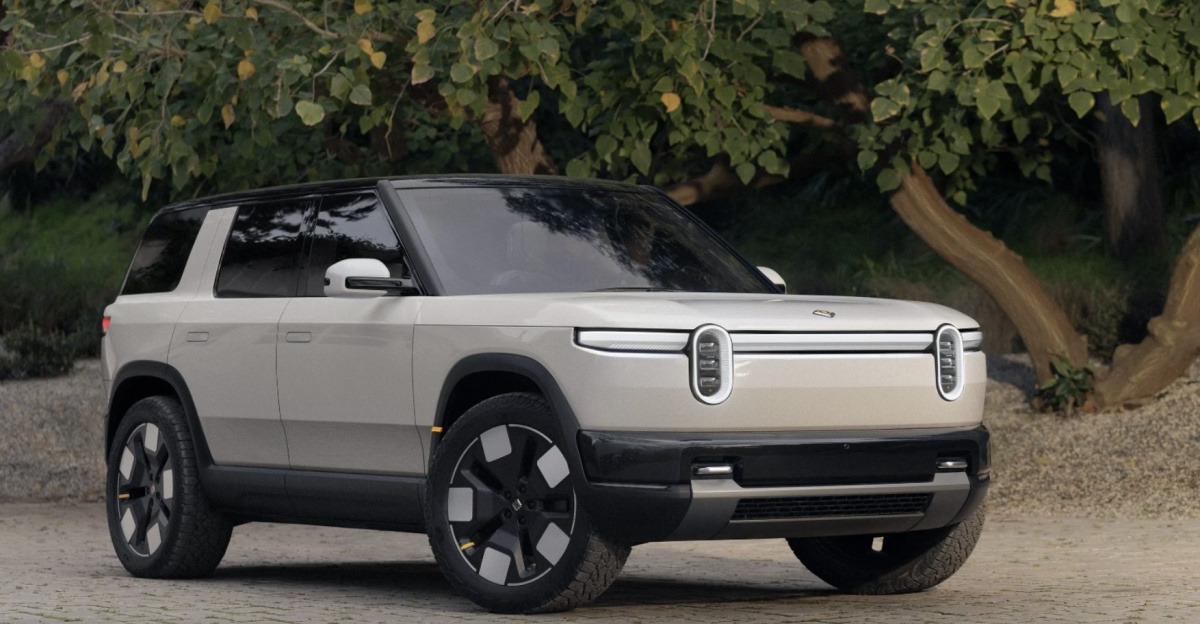
This is how the system works: manufacturers design vehicles around encrypted software modules. Independent shops cannot access diagnostic codes without factory authorization. Rivian owners needing battery replacements face $20,000 bills and months-long waits because only Rivian service centers can perform the work. No local mechanic can touch it. As one automotive commentator put it, echoing what mechanics across the country are discovering: “Your next car—you’re no longer the owner. You’re just renting the software.” The John Deere tractor fight has arrived in your driveway.
Numbers Bleed
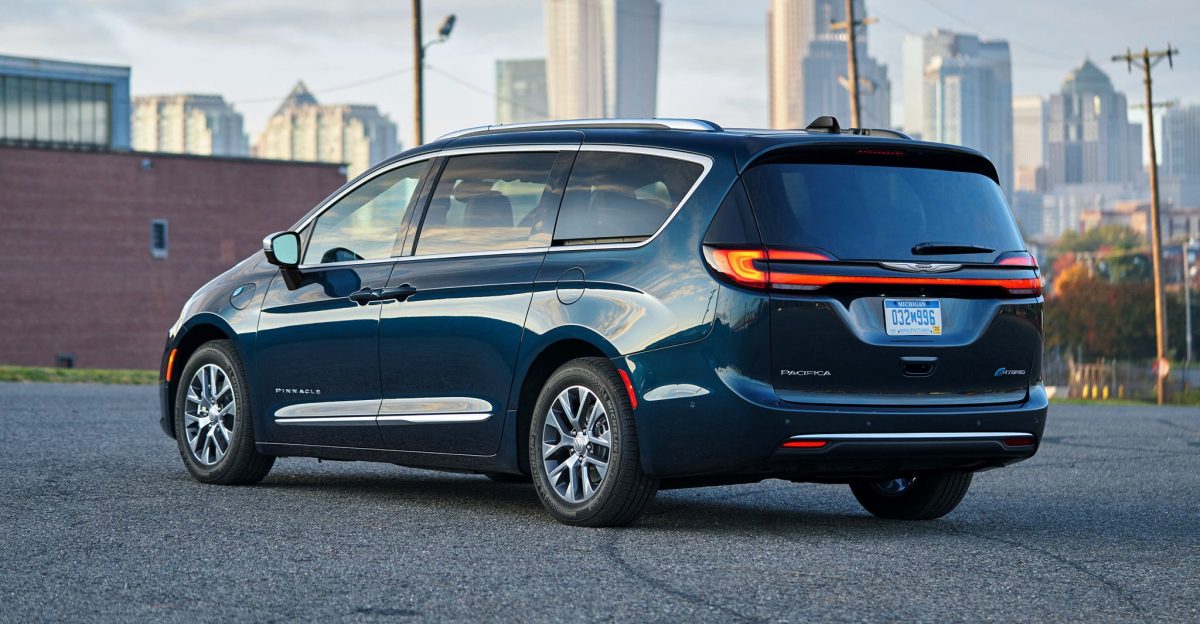
The data makes the trap concrete. Hybrid battery replacements run $6,645 to $6,719, with parts comprising about 95% of the cost for hybrid battery replacement. Transmission replacements average $5,266 to $5,469. ADAS calibration now appears on 35.6% of collision repair estimates, up 8.7 percentage points year-over-year. Sixty-one percent of vehicles entering body shops require it. Lawsuits over ADAS failures exploded from 3 cases in 2018 to 61 in 2024. Every repair grows more expensive, more specialized, and further from the reach of anyone except the manufacturer.
Domino Lots
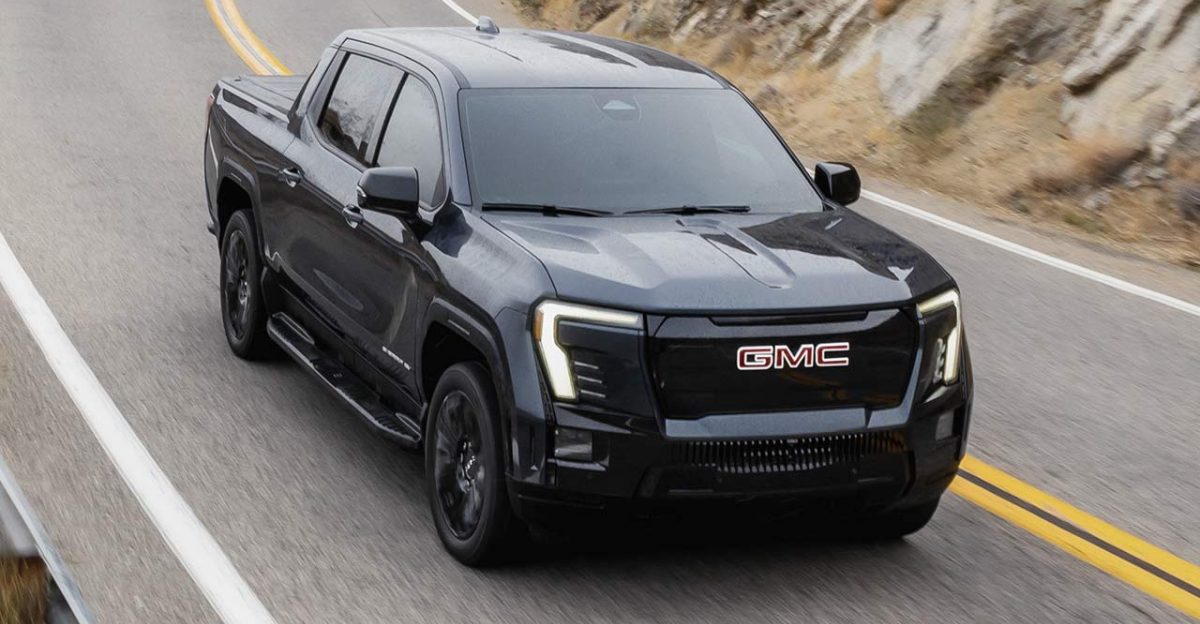
Dealership lots are drowning. Twenty-seven thousand Jeep Compasses sit unsold nationwide. The GMC Sierra EV carries a 184-day supply at $77,562 average sticker. Buyers who accepted $20,000 or more over MSRP during 2024–2025 dealer markups may now owe an estimated $20,000 to $25,000 more than their vehicles are worth, according to industry estimates. Repossession rates are surging. Negative equity has trapped buyers in vehicles they cannot sell, trade, or afford to fix. The market isn’t slowing down. It is rejecting the product.
New Rule
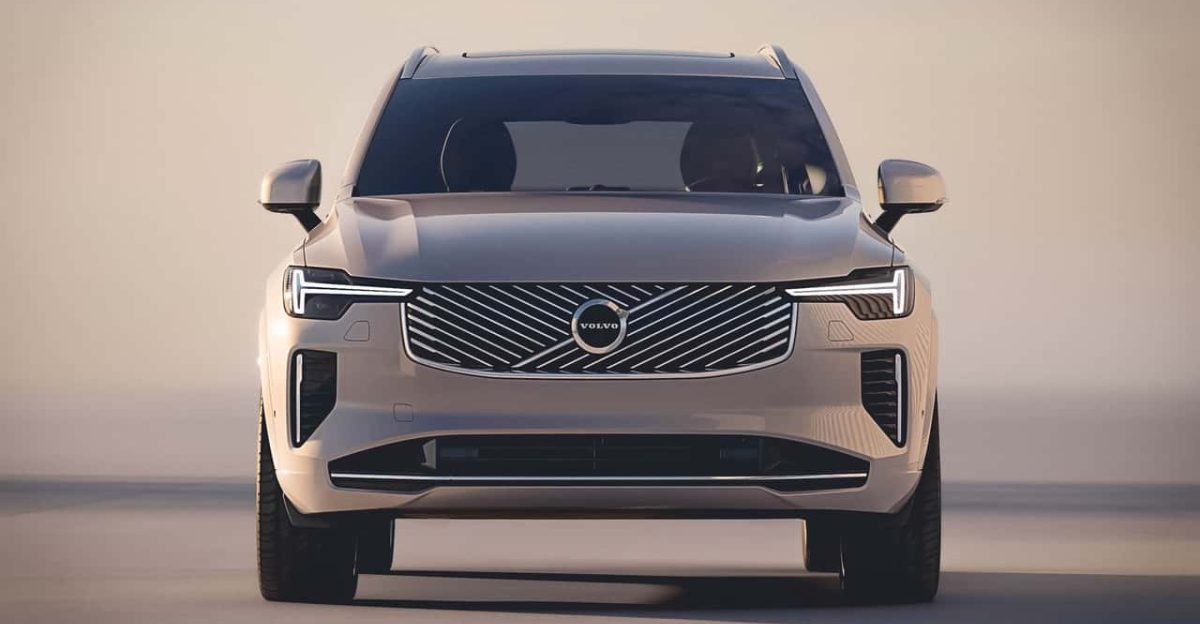
Over 1.2 million vehicles were recalled in late 2025 across Volvo, Audi, Ford, and Porsche for overlapping software and camera defects. Ontario introduced Bill 91, a proposed right-to-repair framework for motor vehicles that would require suppliers to provide parts, tools, and documentation or face mandatory replacement or refund if enacted. That legislation exists because the lock-out was deliberate. Once you see it, every subscription unlock point, every encrypted module, every factory-only reset tells the same story: dependence by design, not by necessity.
What Breaks Next
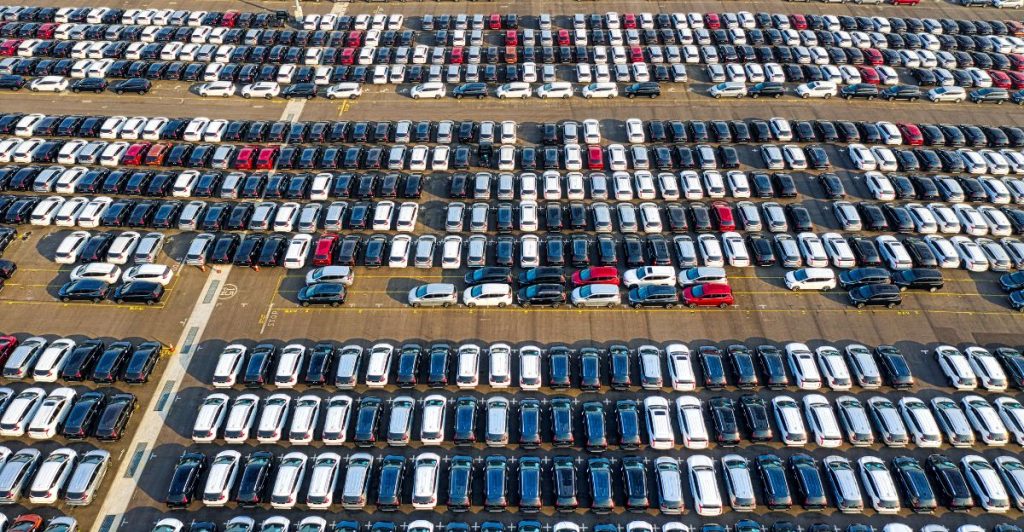
Spring 2026 buyers face the highest financial risk. Dealership inventory write-downs will accelerate. Used vehicle prices will buckle as negative-equity trade-ins flood the market. Independent repair shops may consolidate or close, potentially expanding repair deserts in rural areas. The Buick Envision already absorbed a 47.5% combined tariff, forcing a $4,500 price hike on a single model. Every lane of escape is narrowing. And the subscription fees only go in one direction.
Your Move
The counter-move is already happening. Buyers are pivoting to pre-2015 mechanical vehicles with no subscriptions and repairable engines. Right-to-repair legislation is spreading. Congress faces growing pressure to revisit the kill-switch mandate as a liability rather than a safety feature. The person who understands this before signing a 2026 loan holds the only advantage left: knowing the $66,000 vehicle on that lot isn’t a car. It’s a subscription terminal with wheels, and the monthly bill hasn’t even started yet.
Sources:
“Electric vehicles have almost 80% more problems than gas-powered ones, Consumer Reports says.” CBS News, 28 Nov 2023.
“Consumer Reports Finds Plug-In Hybrids Have 80% More Problems.” CleanTechnica, 28 Dec 2025.
“ADAS Recalibration Now on 35% of Collision Repairs: How Rising Complexity Is Reshaping Shop Operations.” FindPigtails / CCC Intelligent Solutions data, 9 Feb 2026.
“2025 Data Points to Fewer Claims, More Collision Repair Complexity in 2026.” AutoBody News, 30 Dec 2025.