Mechanics Are Begging You To Stop Buying These Specific Garbage Pickup Trucks Immediately
Mechanics Are Begging You To Stop Buying These Specific Garbage Pickup Trucks Immediately. Walking the dealership lot feels like navigating a financial trap. Salesmen push heavy-duty haulers with aggressive financing, totally hiding the engineering disasters under the hood. We actually wrench on these rigs daily, watching warranties expire and repair bills absolutely skyrocket. Factory defects routinely turn premium tow rigs into permanent driveway decorations. Save your hard-earned cash and walk away from these absolute money pits right now.
Nissan Titan (First Generation)
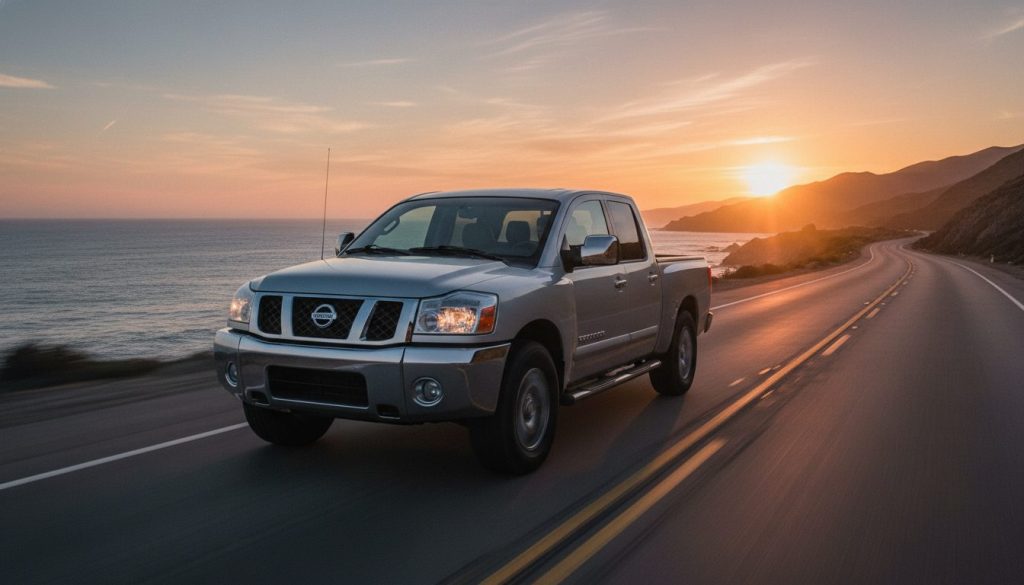
Early Titans chew through rear differentials constantly. You might be cruising down the interstate just fine until an axle seal weeps, causing the entire carrier assembly to detonate. There are zero warning vibrations before the sudden grinding metal noise and a massive tow bill hit. Factory exhaust manifolds also crack like cheap plastic, eventually cooking the expensive catalytic converters. Buying one means signing up for endless, grueling repair invoices. The truck simply cannot handle real work properly.
Ford F-150 (5.4L 3-Valve Triton)
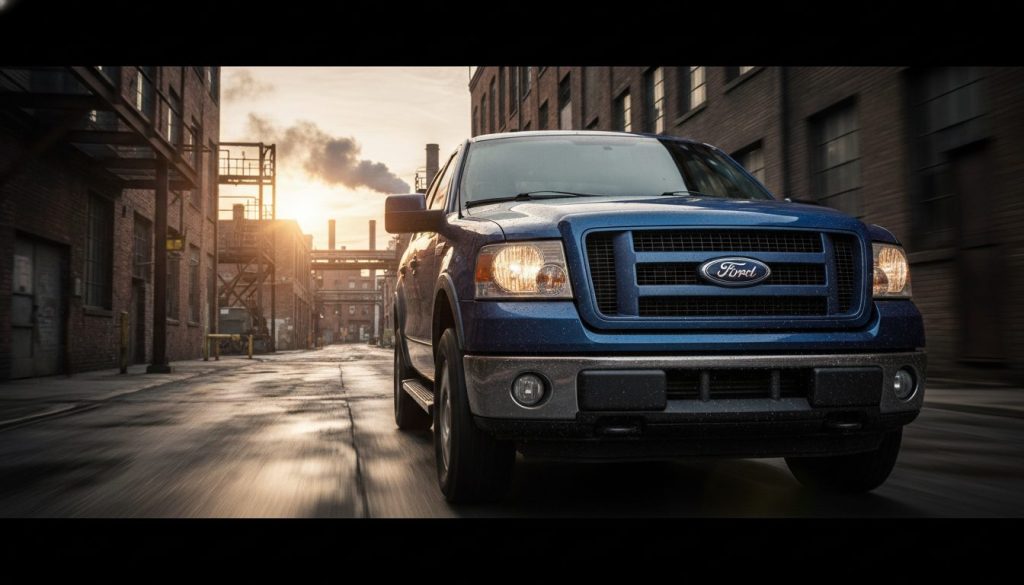
This specific three-valve Triton V8 essentially bought my shop a brand new alignment rack. Ford engineered a two-piece spark plug that physically breaks in half inside the cylinder head during basic tune-ups. The nightmare deepens when the cam phasers aggressively rattle right before timing chains stretch and smash internal valves. You are essentially waiting for the engine to swallow itself whole. Skip this V8 entirely unless you love authorizing block replacements that cost more than the truck itself.
Chevrolet Silverado (AFM Engines)
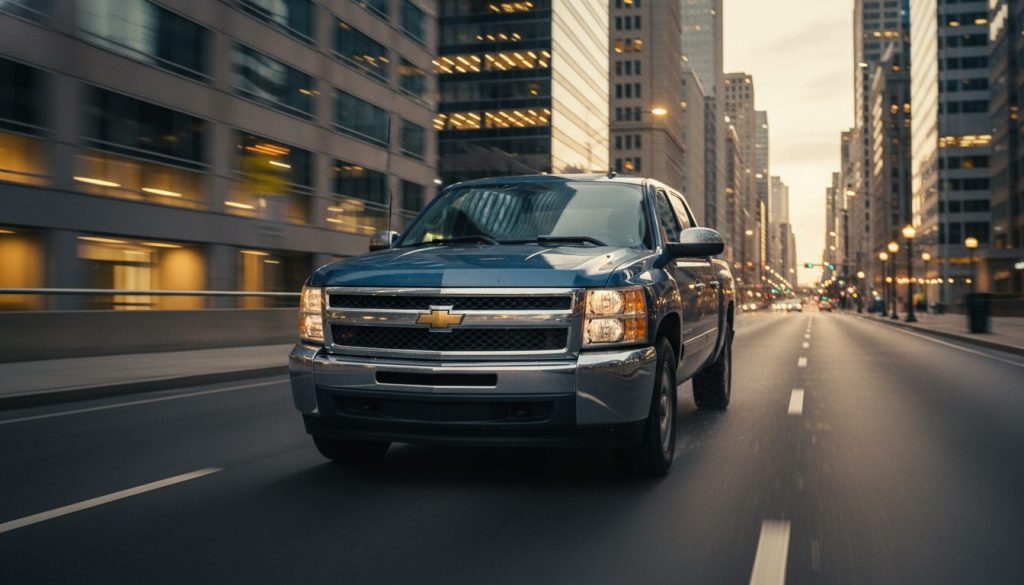
General Motors chased tiny fuel savings and completely ruined a solid engine block. Active Fuel Management deliberately shuts down cylinders, which physically causes the hydraulic lifters to collapse under pressure. Once a lifter drops, it violently grinds against the camshaft, pumping microscopic metal shavings straight into the main bearings. Fixing this disaster requires pulling the cylinder heads entirely off. Buy a physical hardware delete kit immediately, or just avoid buying these exact model years to save your wallet.
Dodge Ram 1500 (Early Hemi)
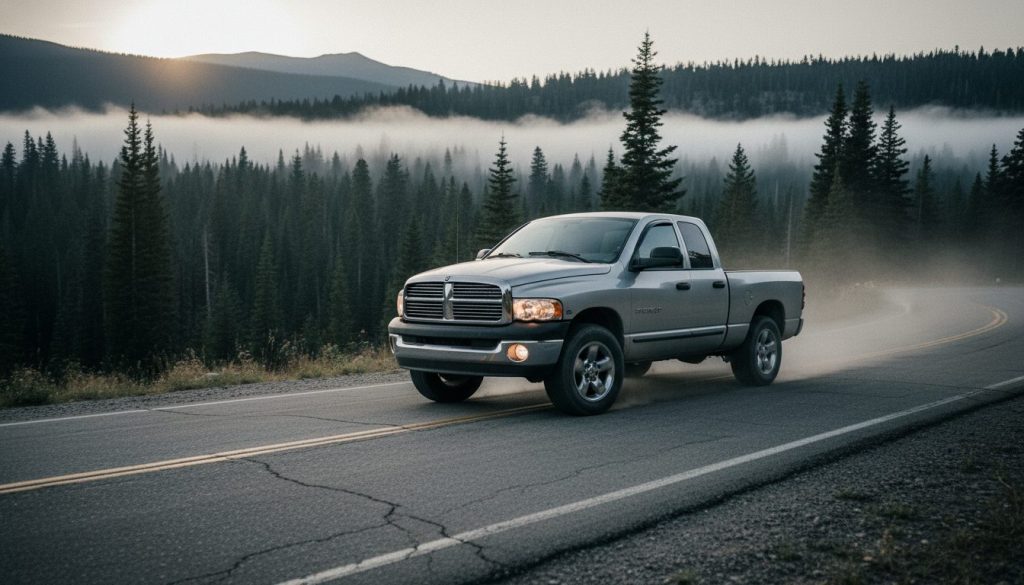
We groan out loud every time that infamous Hemi tick rolls into our service bay. That sharp, rhythmic tapping noise means a needle bearing died, allowing the lifter roller to carve deep trenches into the camshaft. The multi-displacement setup heavily starves the top end of oil, guaranteeing severe internal mechanical wear. Rebuilding those trashed heads will drain your savings account incredibly fast. Do not let the shiny fender badges fool you; these engines hide a fatal valvetrain flaw.
Toyota Tundra (Third Generation V6)
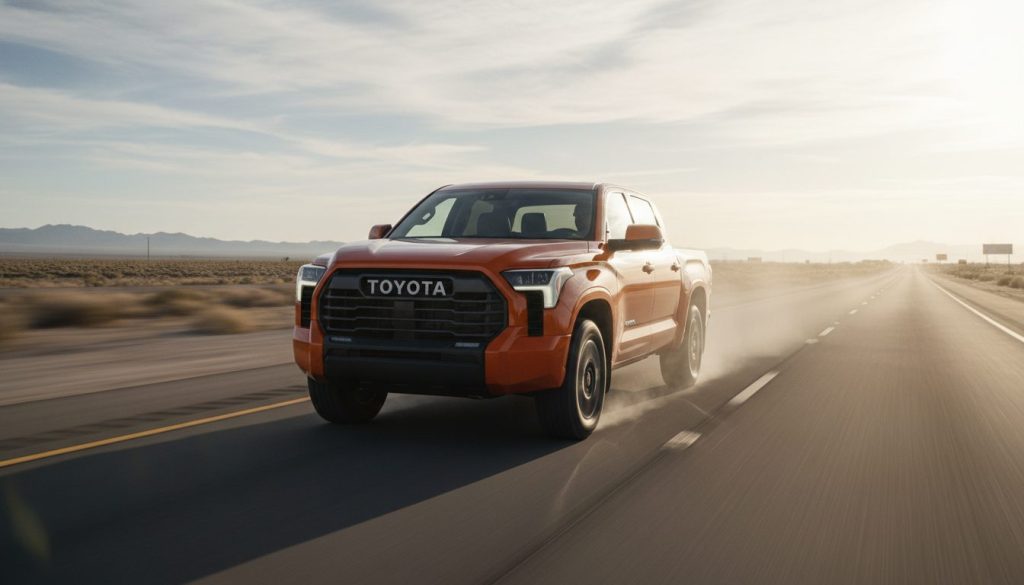
Toyota dumped their legendary V8 for a highly complicated twin-turbo mess that keeps our bays completely packed. Buyers are dropping massive cash just to become beta testers for a deeply flawed powertrain. We constantly see electronic wastegate actuators fail, and replacing them requires unbolting the entire cab from the frame. Charging premium prices for a truck that demands open-heart surgery for minor turbo issues is totally insane. Stick with older generations until the Japanese engineers fix this.
Honda Ridgeline (First Generation)
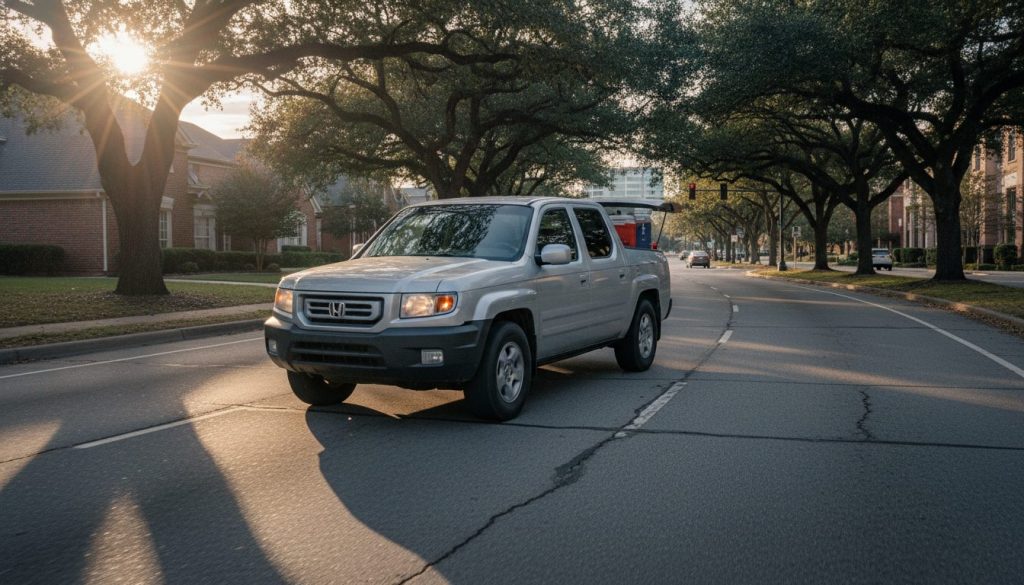
Honda accidentally hid a ticking time bomb directly inside the main radiator assembly. The internal metal fittings rot out, quietly dumping raw engine coolant straight into the delicate transmission fluid. Industry technicians jokingly call this toxic pink sludge the strawberry milkshake of death. Once those specific fluids mix, your internal clutch packs dissolve almost instantly, guaranteeing a massive transmission rebuild. Buying a used model with the original factory radiator is basically playing Russian roulette with your bank account.
Ram 3500 (Cummins CP4 Era)
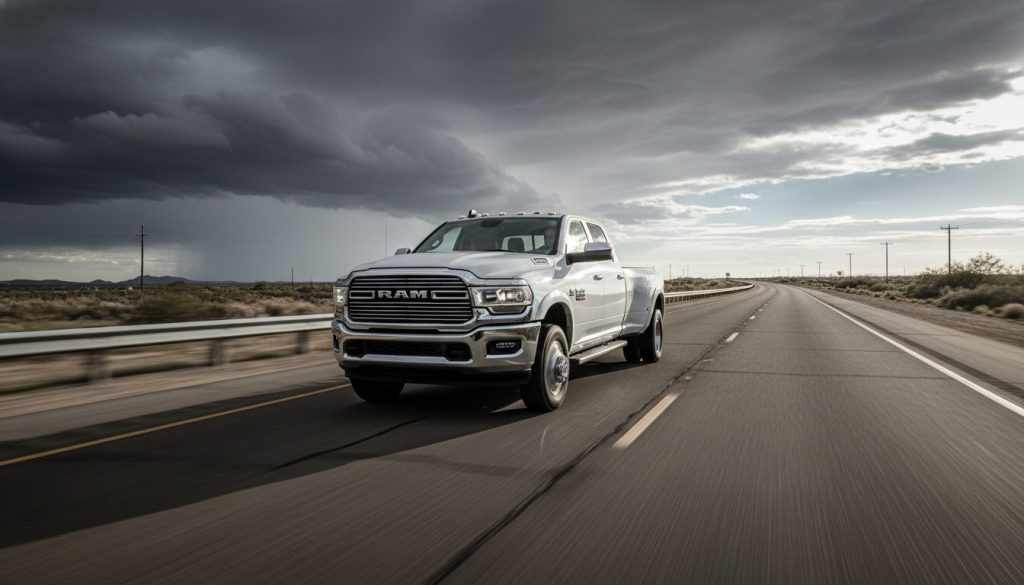
Swapping to the CP4 high-pressure pump remains a brutal engineering mistake for the heavy-duty diesel market. These fragile Bosch units hate standard American diesel fuel and literally shred themselves to pieces. The pump grenades under heavy pressure, rocketing tiny metal shards directly through the injectors and fuel lines. You must rip out the entire fuel system to clear the shrapnel, saddling owners with a ten-grand invoice. Either shell out cash for a CP3 conversion or avoid this era.
Ford F-250 (6.4L PowerStroke)
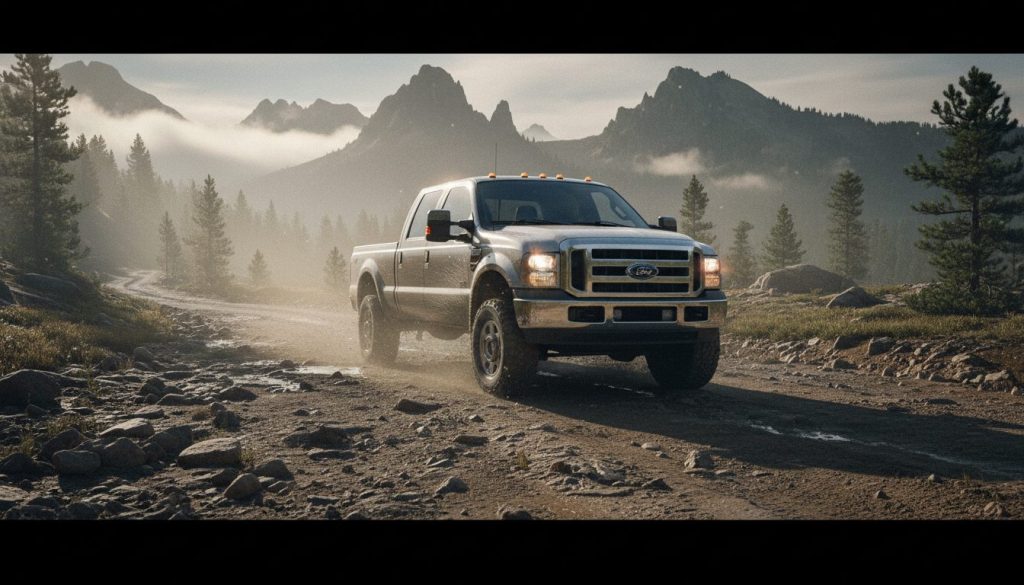
Heavy-duty mechanics universally view the 6.4-liter as a completely disposable, junk diesel engine. Pistons crack out of nowhere, raw diesel fuel dumps into the oil pan, and the twin turbos blow up without any mercy. Ford jammed this massive block into a tiny engine bay, meaning technicians must lift the entire cab just to fix anything. That labor rate alone turns minor wrenching into total financial ruin. Walking away is your only smart move here.
Chevrolet Colorado (First Generation)

These early midsize trucks feel suspiciously cheap inside, hiding absolutely terrible inline-five engine blocks underneath the hood. Valve seats drop constantly, creating nasty internal misfires that require taking the whole top end apart to fix properly. GM also slapped in a miserable passlock security system that routinely locks owners out of the ignition for zero reason. Fixing one electrical short usually uncovers three more hidden faults. It drives technicians totally crazy and drains wallets over small issues.