Mechanic Names Only 4 Car Brands He’d Actually Buy—The Rest He Says Will Drain Your Wallet
A mechanic’s public recommendation of just four car brands has ignited debate among buyers navigating a market where the average new vehicle now costs over $50,000. Chris Pyle, a mechanic with JustAnswer, named Ford, Hyundai, Kia, and Tesla as his only purchase-worthy brands—but cross-checking those picks against Consumer Reports’ 2026 reliability rankings, J.D. Power’s dependability metrics, and NHTSA’s recall database reveals surprising gaps. The real lesson isn’t which brands made the list—it’s the verification system most buyers skip entirely.
Ford Makes the Cut, But Only the Trucks
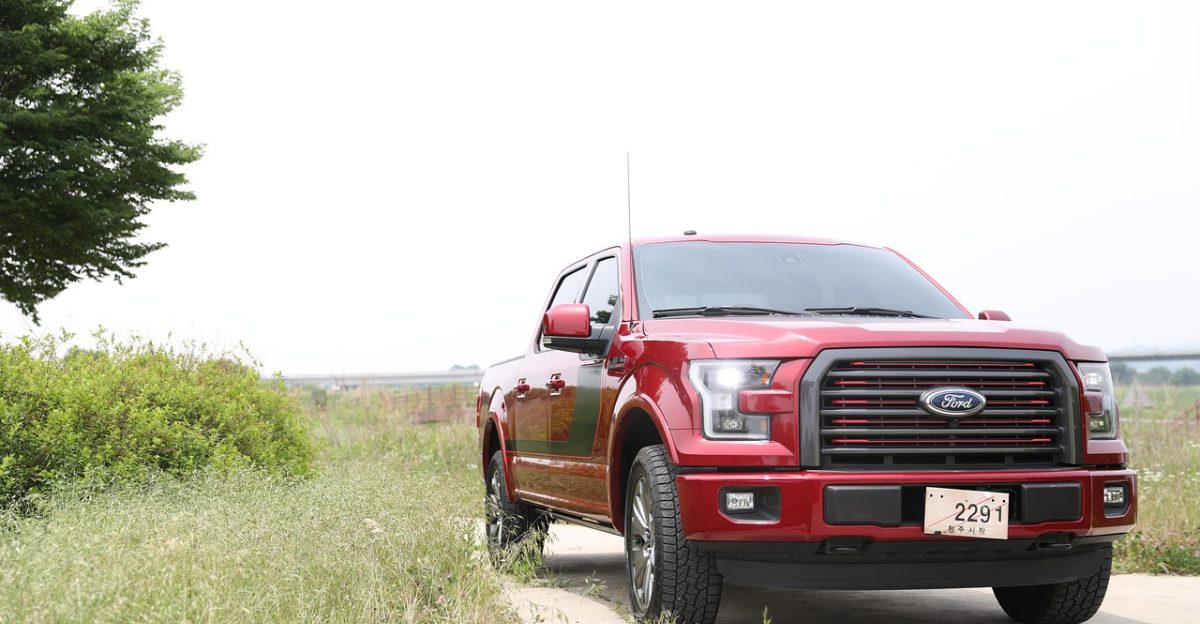
Pyle’s Ford recommendation comes with a tight restriction: only the Super Duty and F-150 truck lines earn his approval. Consumer Reports’ 2026 reliability rankings place Ford at 11th overall for reliability, below Toyota, Subaru, and Honda. J.D. Power’s 2025 Vehicle Dependability Study ranked Ford 13th overall, an improvement of 10 spots from the prior year, in a study where the industry average was 202 problems per 100 vehicles for three-year-old models. NHTSA data recorded over 12.9 million Ford vehicles recalled in 2025 alone—the most of any automaker by a wide margin. The mechanic’s endorsement is model-specific—not a brand-wide safety net.
Hyundai’s Warranty Hides the Reliability Reality
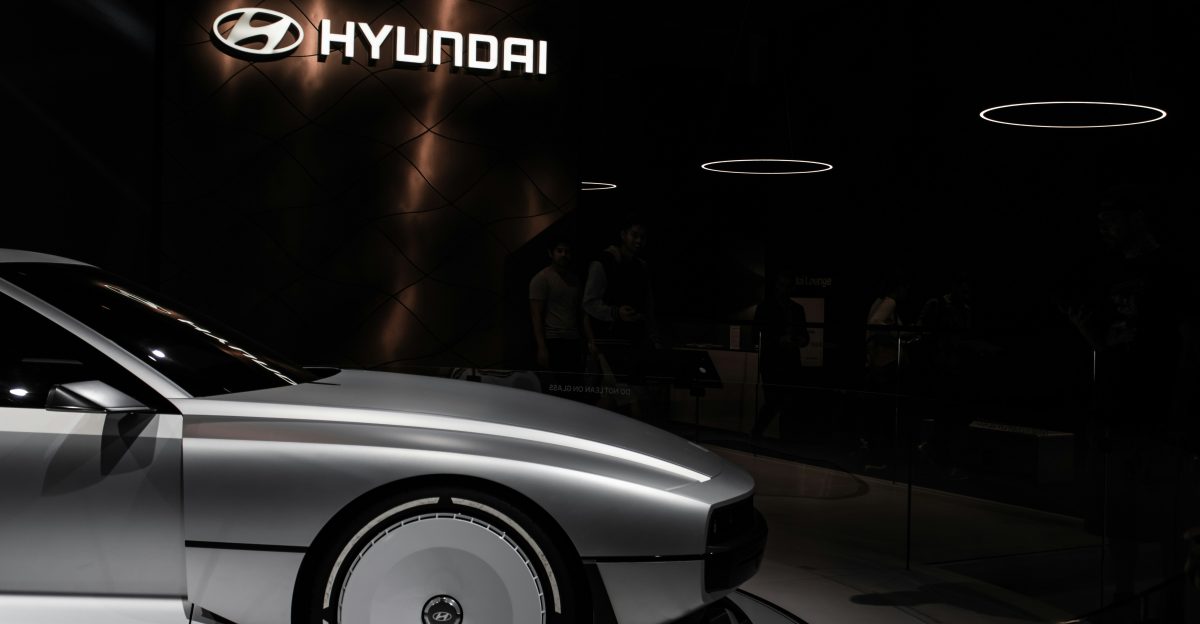
Pyle praises Hyundai’s 10-year/100,000-mile powertrain warranty as a financial shield, but Consumer Reports ranks Hyundai 12th in its 2026 reliability rankings—solidly mid-pack. J.D. Power’s 2025 study shows the industry average at 202 problems per 100 vehicles, with segment leaders like Lexus (140 PP100) and Buick (143 PP100) far ahead. The warranty may cover powertrain repairs, but it doesn’t eliminate the downtime, inconvenience, or out-of-pocket costs for non-covered components. A strong warranty signals protection—not prevention.
Kia Still Lives in the Theft Crisis Shadow
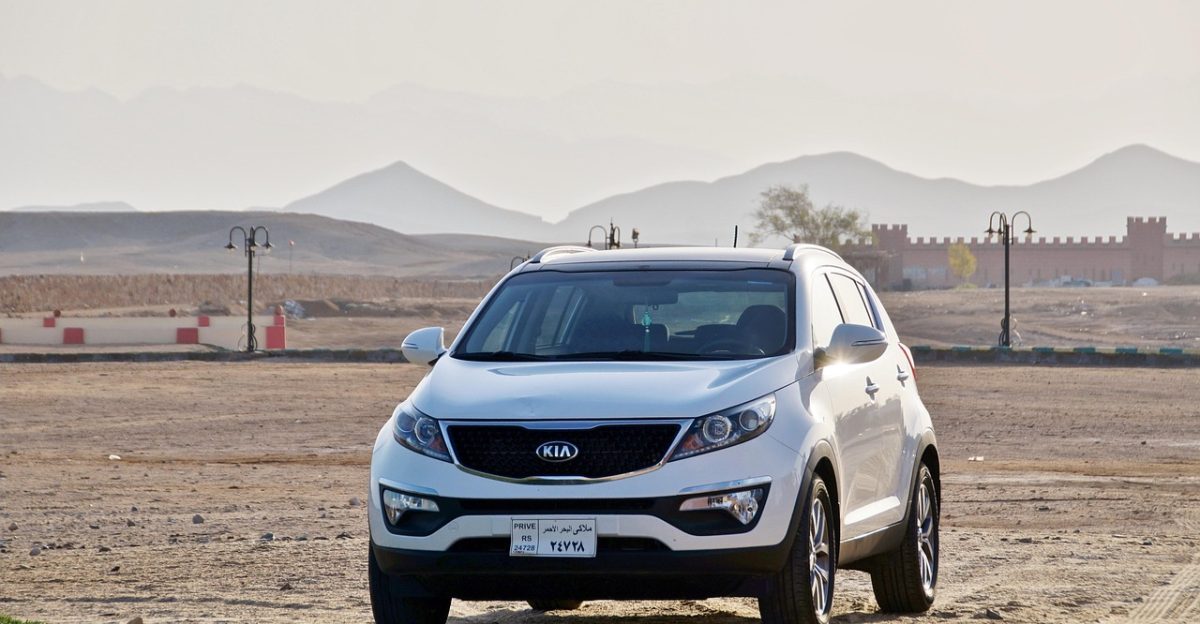
Kia’s inclusion on Pyle’s list overlooks a persistent vulnerability: certain 2011–2022 models lacking engine immobilizers became viral theft targets, triggering insurance surcharges and availability restrictions in multiple states. Consumer Reports ranks Kia 10th in its 2026 reliability rankings. J.D. Power’s 2025 dependability study places the industry average at 202 PP100—with top performers like Lexus and Buick well below that mark. NHTSA logged over 982,000 Kia vehicles recalled in 2025. The brand’s value proposition is real, but model-year selection and theft-deterrent features require verification before purchase.
Tesla’s Low Maintenance Doesn’t Mean High Reliability
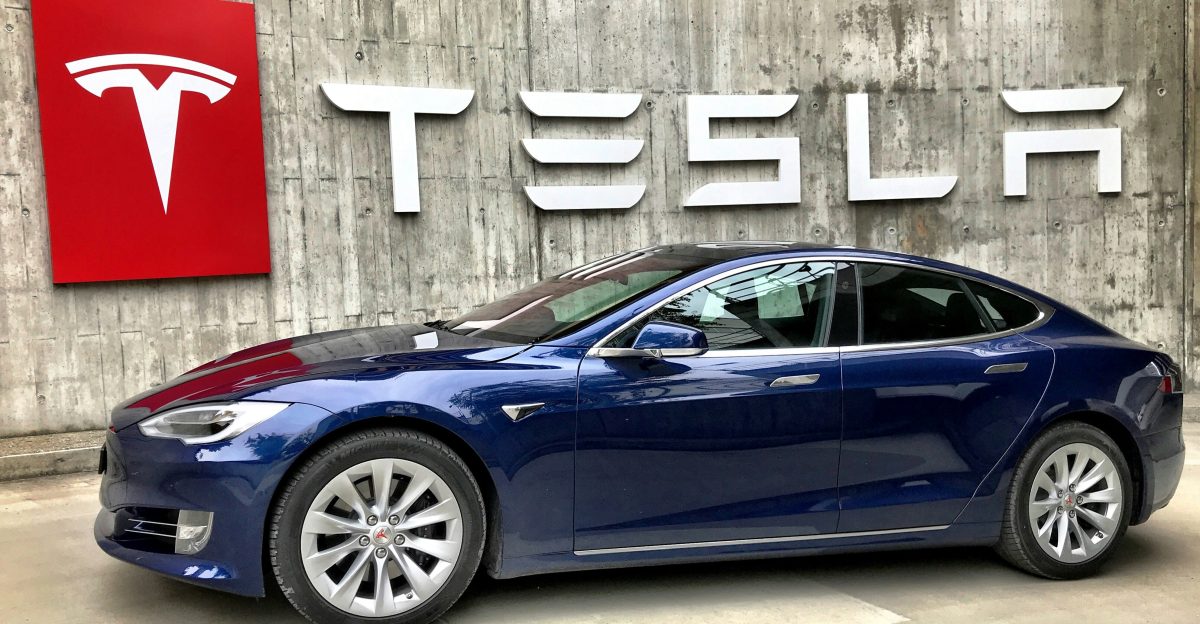
Pyle’s Tesla endorsement focuses on low maintenance needs—no oil changes, fewer brake replacements—but Consumer Reports’ data tells a more nuanced story. Tesla ranked 9th out of 26 ranked brands in the 2026 reliability survey, a significant improvement from prior years, though recurring issues in paint quality, body hardware, and climate control systems have historically dragged its scores down. The brand has moved into the top third of reliability rankings but still shows variability across models and systems. J.D. Power excluded Tesla from its 2025 dependability rankings because Tesla does not allow J.D. Power to access owner information in all states required for surveying. Lower maintenance frequency doesn’t guarantee fewer problems overall.
What Consumer Reports Actually Says About Reliability
Consumer Reports’ 2026 reliability rankings place Toyota first, followed by Subaru, Lexus, Honda, and BMW in the top five—none of which appear on Pyle’s four-brand list. The survey draws from owner-reported data on hundreds of thousands of vehicles covering multiple trouble areas. Toyota earned a 66 reliability score; Ford scored 48. The gap illustrates why a mechanic’s personal shortlist can diverge sharply from large-scale consumer surveys. Both perspectives matter—but only one is statistically representative.
J.D. Power Measures Problems Per 100 Vehicles
J.D. Power’s 2025 Vehicle Dependability Study measures problems per 100 vehicles for three-year-old cars, providing a real-world snapshot of ownership pain points. Lexus led at 140 PP100, followed by Buick (143) and Mazda (161). The industry average was 202 PP100. Ford ranked 13th overall in the study, while the top mass-market performers—Buick, Mazda, and Toyota—landed well ahead of the industry average. The metric doesn’t measure repair costs or part availability, but it quantifies failure frequency—a critical input for any “best brand” decision.
The Recall Database Reveals Hidden Risks
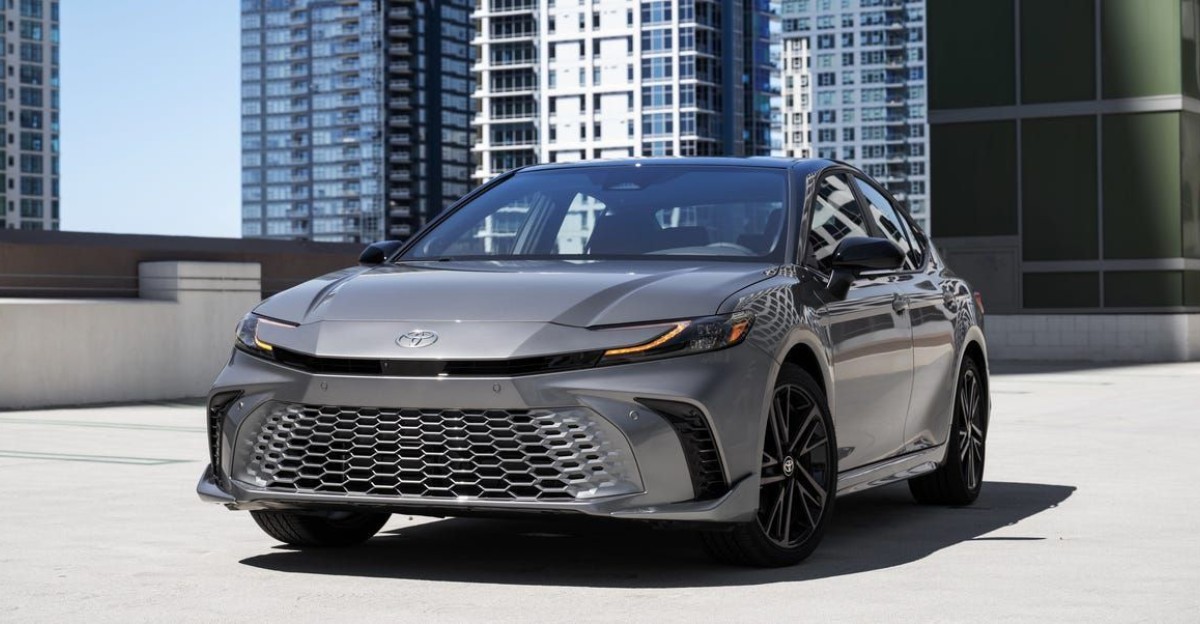
NHTSA’s public VIN lookup tool reveals which vehicles carry open, incomplete recalls—a hidden risk that brand reputation can’t override. In 2025, over 8.6 million vehicles were recalled in Q4 alone, with Ford, Toyota, and Stellantis among the most-affected brands. A “reliable brand” car can still have unresolved safety defects if previous owners never completed recall work. Running the VIN before purchase is the only way to confirm whether a specific vehicle—not just its brand—is clear.
Average Car Prices Make Mistakes More Expensive
Kelley Blue Book reports the average new-vehicle transaction price exceeded $50,000 in 2025, intensifying the financial consequences of poor brand or model selection. Edmunds’ total-cost-of-ownership data shows repair frequency and repair cost are distinct pain points: a car can break rarely but expensively, or break often but cheaply. CarMD’s Vehicle Health Index adds another layer, tracking which brands generate the highest average repair bills. Brand reputation alone won’t reveal whether you’re optimizing for breakdowns or for repair costs—you need both metrics.
The Three-Layer Verification System That Actually Works
A mechanic’s shortlist is a starting point—not a finish line. The evidence-based protection sequence runs three checks: Consumer Reports’ reliability survey for long-term owner experience, J.D. Power’s PP100 metric for three-year dependability, and NHTSA’s VIN tool for open recalls. Add Edmunds’ cost-of-ownership calculator and IIHS safety ratings for model-specific risk assessment. High transaction prices make mistakes expensive; verification is the only hedge against inheriting repair bills, safety defects, and resale value losses. The list is entertainment. The system is protection.
Sources:
“Toyota Again Tops Consumer Reports Annual Auto Reliability Survey.” Consumer Reports / Cars.com, 3 Dec 2025.
“2025 J.D. Power Vehicle Dependability Study Results.” J.D. Power / GearJunkie, Feb 2025.
“Automotive Recall Alert: 8.6 Million Vehicles Recalled in Q4 2025.” BizzyCar Q4 2025 Recall Report, 18 Jan 2026.
“Kelley Blue Book Report: New-Vehicle Average Transaction Price Hits Record High in September, Surges Past $50,000 for the First Time Ever.” Kelley Blue Book / Cox Automotive, 13 Oct 2025.