Mechanic Names 10 Cars That Cost Seniors Least To Own After 70
A mechanic’s list of the cheapest cars for seniors sounds simple — until you learn what “cheapest” actually means. JustAnswer auto expert Chris Pyle broke ownership costs into five categories: purchase price, insurance, fuel economy, maintenance, and repair frequency. AAA’s annual “Your Driving Costs” study confirms that depreciation, insurance, and finance charges can dwarf repair bills. For retirees on fixed incomes, one overlooked cost bucket can turn a bargain into a financial drain. Here are the 10 cars Pyle says beat the math.
1. The Toyota Camry Still Runs the Numbers
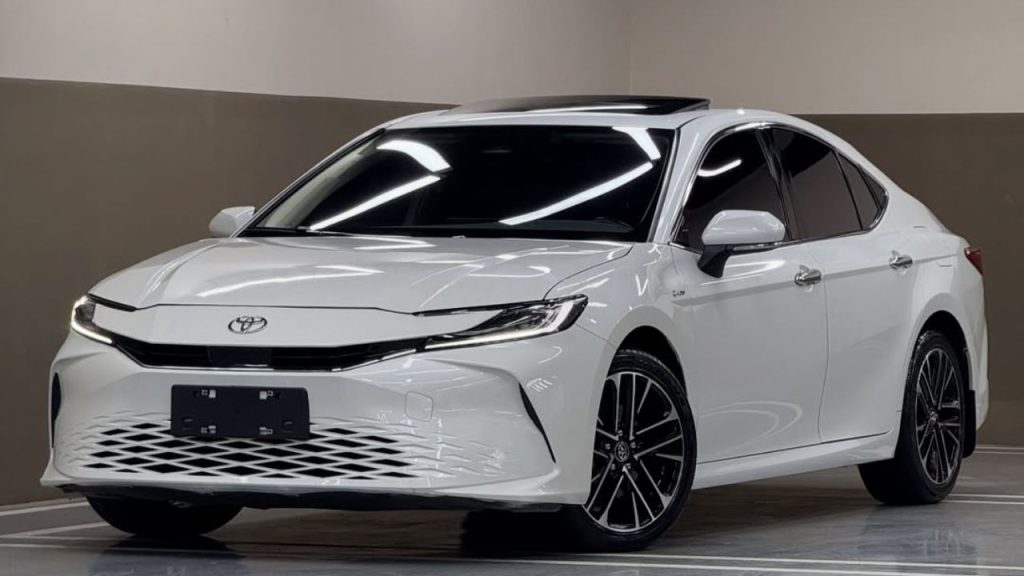
Pyle called sedans “workhorses,” and the Camry leads his list. Toyota’s best-seller has claimed the title of America’s top-selling car for over two decades, which means parts are everywhere and labor rates stay competitive. CarEdge estimates just $4,580 in maintenance costs over 10 years — well below the industry average. For seniors, that parts availability translates directly into shorter repair waits, a factor Pyle says matters more than people realize when mobility is non-negotiable.
2. Why the Honda CR-V Keeps Showing Up
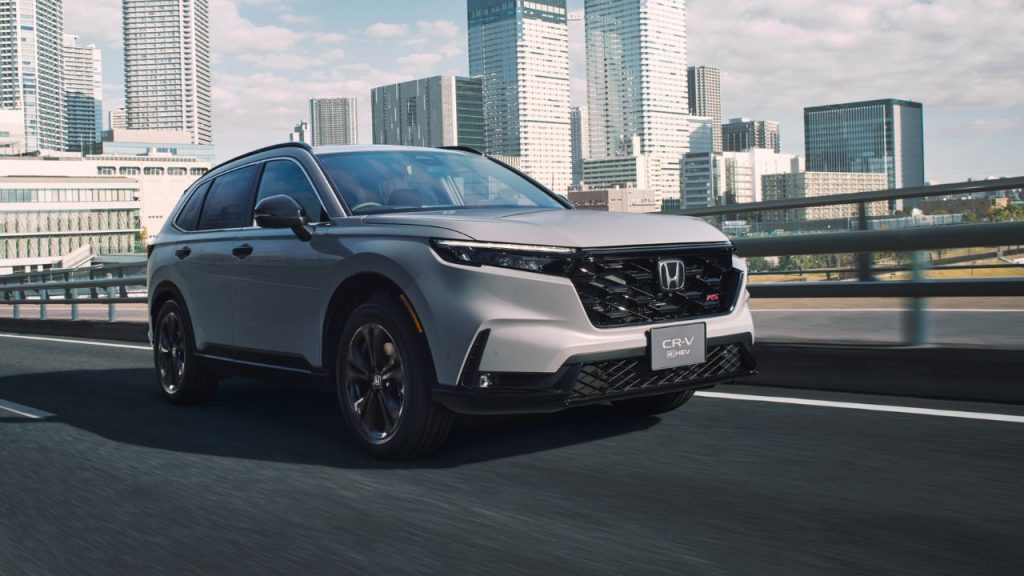
The CR-V is the SUV that keeps showing up on reliability lists — and on Pyle’s shortlist for good reason. It balances cargo space, fuel economy, and a ride height that makes getting in and out easier for aging joints. CarEdge places its 10-year maintenance cost at $7,636, higher than sedans but competitive among SUVs. Insurance rates stay reasonable thanks to strong crash-test scores and high sales volume, which keeps collision repair costs predictable for insurers.
3. The Kia K5 Nobody Expected
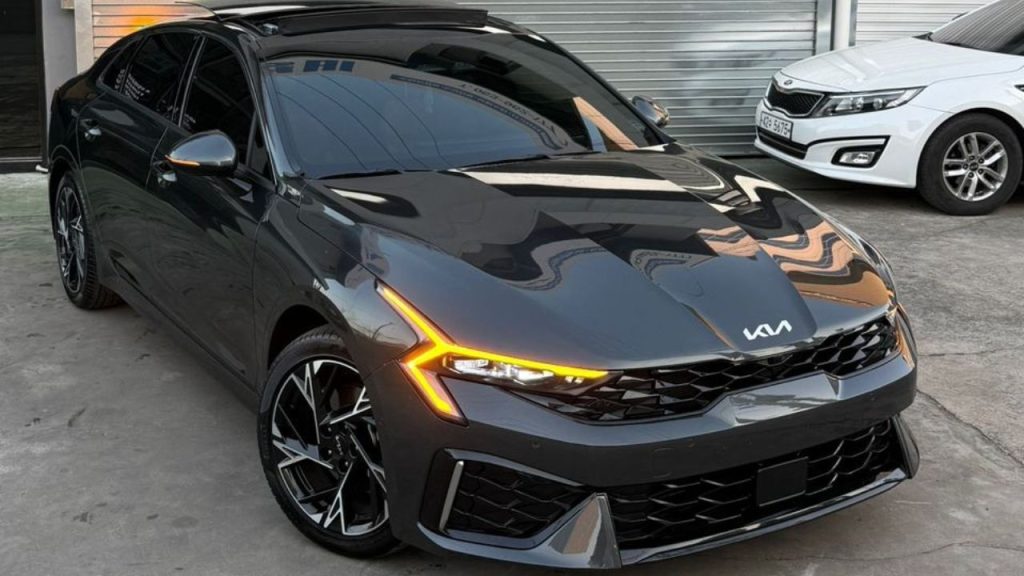
This is the hidden gem on Pyle’s list. The K5 replaced the Optima in Kia’s lineup and delivers mid-size sedan comfort with a lower sticker price than its Honda and Toyota rivals. Pyle noted that every mechanic in the country knows how to work on mainstream sedans — and the K5 qualifies. Its four-cylinder engine keeps fuel and maintenance costs down, while Kia’s industry-leading 10-year, 100,000-mile powertrain warranty provides a safety net that matters on a fixed income.
4. The Minivan That Gets 36 Miles Per Gallon
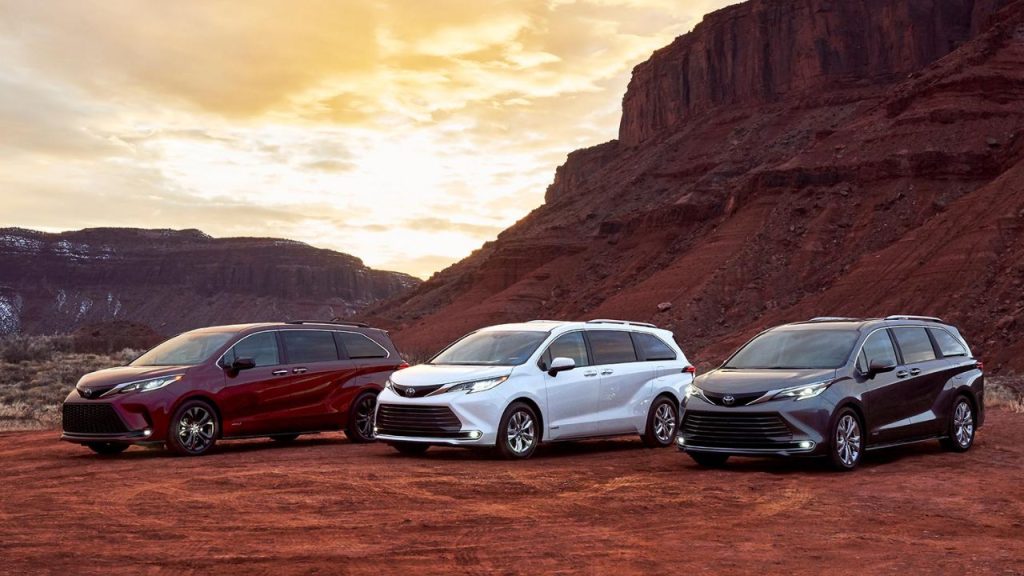
Minivans may lack glamour, but Pyle says they outperform larger SUVs on cost. The Sienna stands out because current models run on a hybrid powertrain, delivering roughly 36 miles per gallon — exceptional for a vehicle that seats up to eight. Pyle pointed out that minivans are also easier to get in and out of than trucks and SUVs, which becomes a practical safety factor after 70. Lower repair costs than full-size SUVs round out the financial case.
5. Ford’s Quiet Advantage in Small Towns
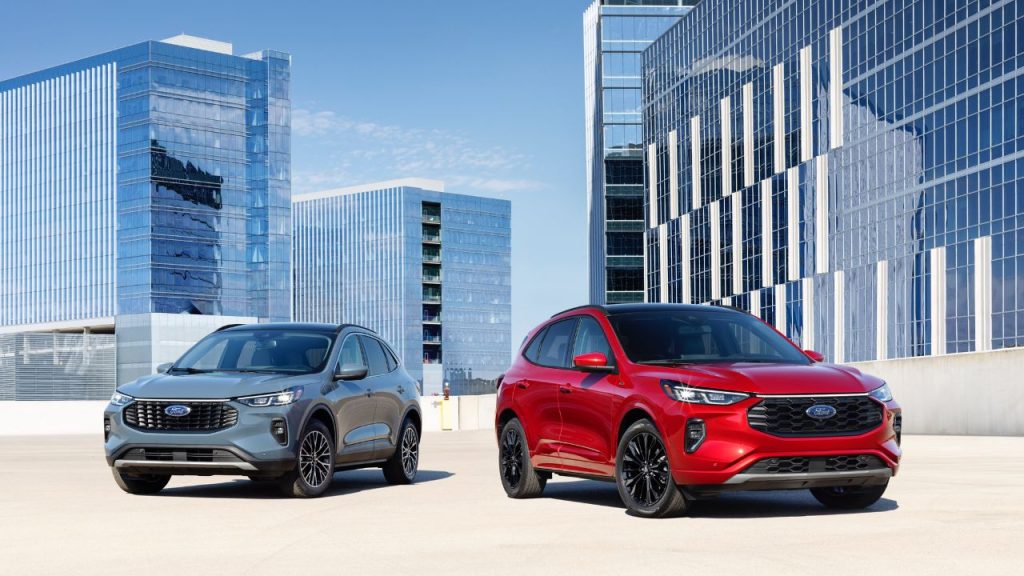
The Escape earns its spot as the domestic pick on Pyle’s SUV list. It runs on a four-cylinder engine that keeps fuel costs manageable, and Ford’s massive dealer network means service appointments are easy to find in most U.S. markets. For seniors in rural areas, that dealer density can be the difference between a same-day fix and a week without wheels. Edmunds’ True Cost to Own framework reminds buyers that access to service is itself an ownership cost most people never price.
6. The Accord That Lasts Forever
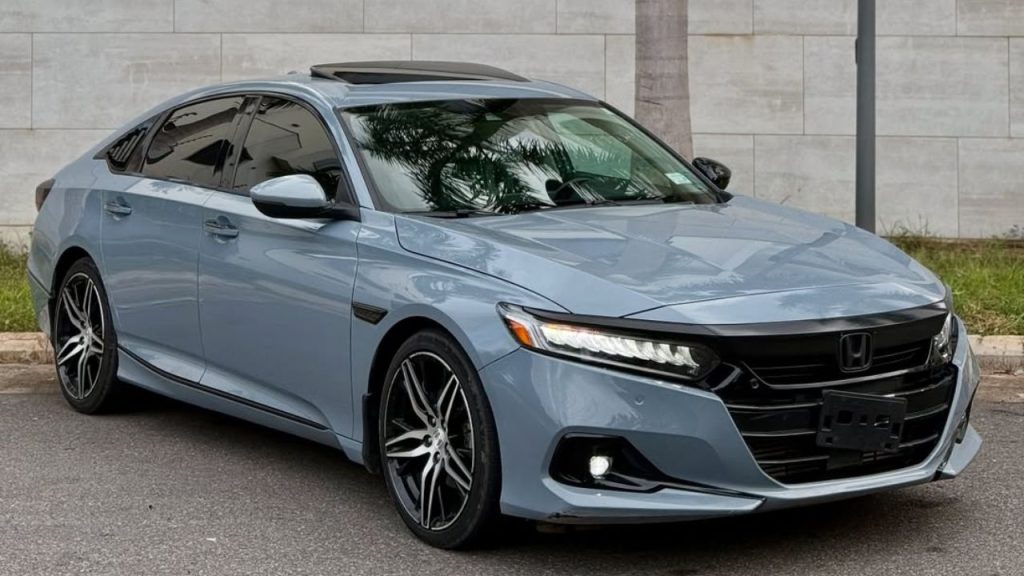
The Accord is the sedan Pyle says “lasts forever if you take care of it.” iSeeCars longevity studies consistently rank Honda among the brands most likely to reach 200,000 miles, and the Accord’s 10-year maintenance cost sits around $6,600 — modest for a mid-size car. J.D. Power’s Vehicle Dependability Study measures problems per 100 vehicles, but Pyle’s point cuts deeper: low repair frequency means fewer trips to the shop and fewer days without a car when independence matters most.
7. Two Korean Crossovers Worth a Second Look
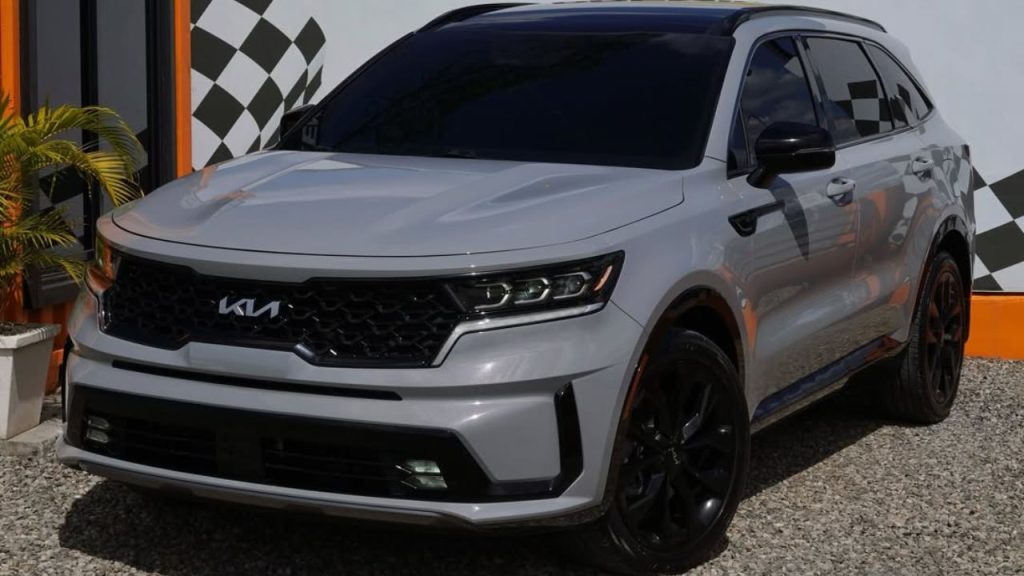
Pyle grouped the Hyundai Santa Fe and Kia Sorento among his top SUV picks, and the logic is similar: competitive pricing, improving reliability records, and four-cylinder engine options that keep fuel costs below the SUV average. Both benefit from Hyundai-Kia’s shared platform engineering, which means parts overlap and mechanic familiarity is growing fast. AAA’s ownership-cost model shows insurance and depreciation often outweigh repairs — making the total bill, not the window sticker, the number that decides your budget.
8. & 9. America’s Best-Selling SUV Has a Catch
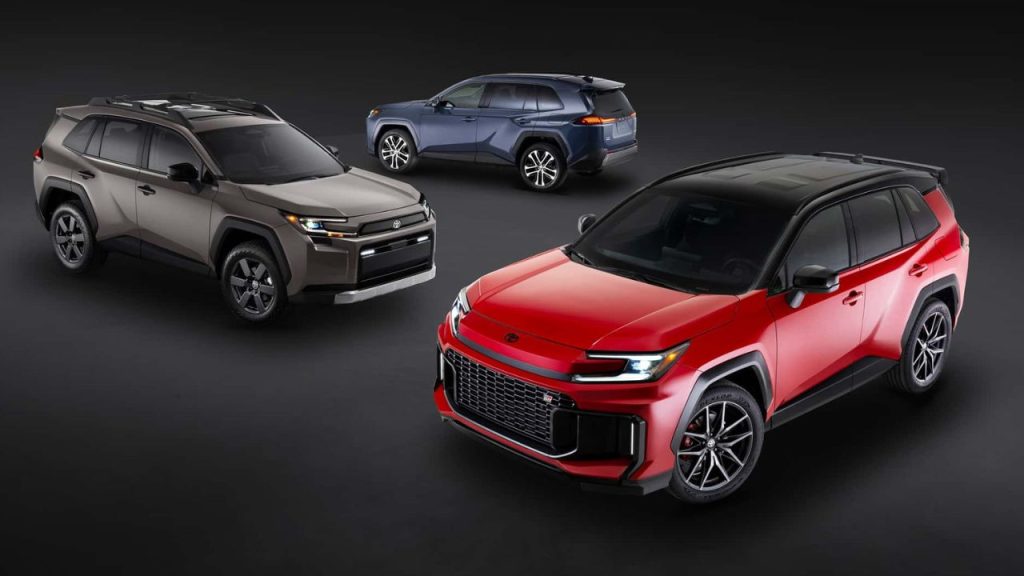
The RAV4 has been America’s best-selling SUV, and Pyle listed it for a reason that goes beyond brand loyalty. CarEdge estimates its 10-year maintenance at roughly $6,004 — competitive for the compact SUV class. High sales volume means insurance companies have deep claims data, which typically keeps premiums stable. But NHTSA’s recall database is worth checking before any purchase. Even popular models face recall campaigns, and for seniors, a “free” repair still costs time, transportation, and days of lost mobility.
10. The Real Lesson Behind the Last Pick
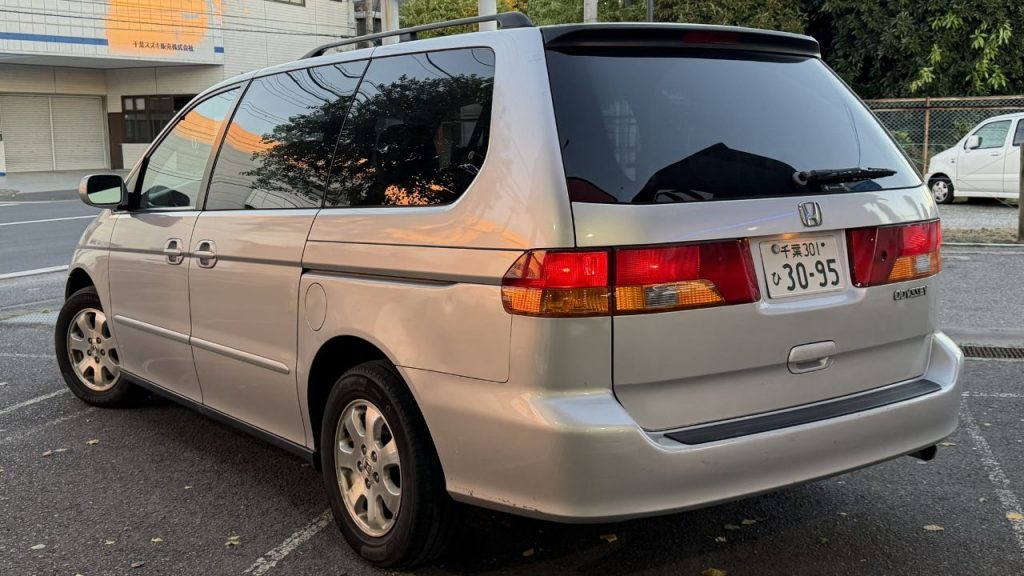
Pyle’s final pick, the Honda Odyssey, brings the list full circle. It delivers the space of an SUV with lower repair costs, and its sliding doors eliminate the parking-lot door-ding problem that plagues wider vehicles. But the real takeaway isn’t any single car — it’s the framework behind the choices. AAA and Edmunds break ownership into cost buckets: depreciation, fuel, insurance, maintenance, and fees. The smartest move for any senior isn’t picking a name off a list. It’s auditing which cost bucket will hit you hardest.
Sources:
“I Asked a Mechanic What Cars Cost the Least To Own After Age 70.” GoBankingRates, Feb 2026.
“‘Your Driving Costs’ – 2024 Edition.” American Automobile Association (AAA), Sept 2024.
“2024 U.S. Vehicle Dependability Study (VDS).” J.D. Power, 2024.
“Longest-Lasting Cars: New and Used Vehicles That Most Often Reach 200,000 Miles.” iSeeCars, 2024.