McLaren Launches Investigation Into Mercedes After Both Cars Retire At Chinese Grand Prix
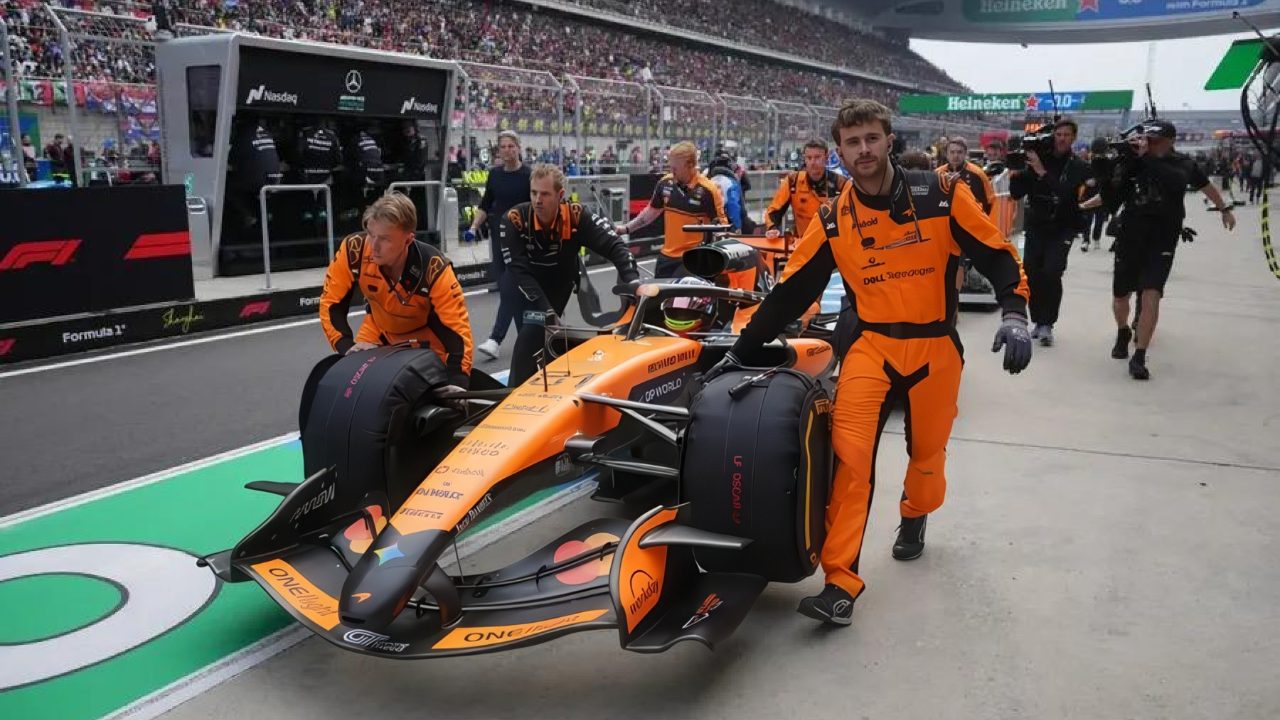
The second McLaren was wheeled back from the grid, and the garage went quiet. Oscar Piastri joined Lando Norris on the sidelines, and McLaren’s entire Chinese Grand Prix entry sat motionless while the field raced on without them. Two cars were entered. Zero took the start. McLaren effectively retired its entire entry before the race even began, withdrawing both cars with terminal electrical problems before lights out. In the official classification it went down as a double DNS, but operationally it looked and felt like a full double retirement from the event. A double DNS for a team fighting at the front of the grid carries a specific kind of silence, the kind where engineers stop talking and start pulling data. What that data revealed sent McLaren straight to Mercedes.
Zero points and no easy answers
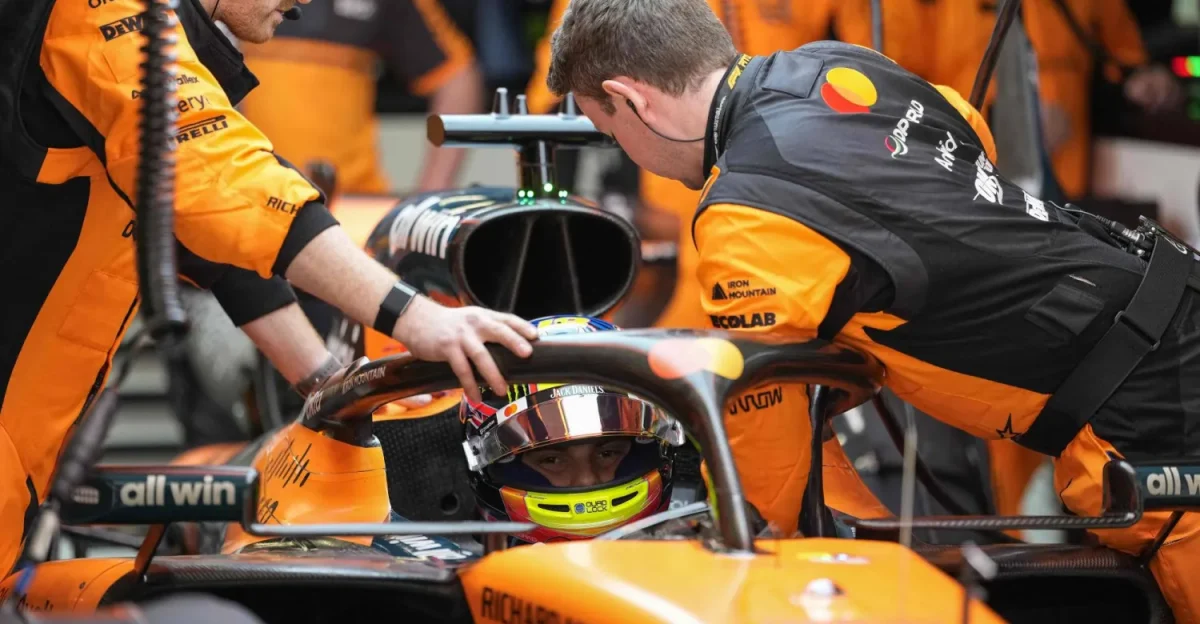
This wasn’t a bad pit stop or a strategy miscalculation. Both McLaren drivers failed to start the Chinese Grand Prix, producing zero points for the team in a constructors’ championship where every race weekend is a financial event. Points drive prize money. Prize money funds development. A complete wipeout in China doesn’t just sting on the timing screen; it bleeds into budgets. And the timing couldn’t be worse, with the next race cycle already bearing down on a team that now has parts questions and no answers.
When a pattern starts to emerge
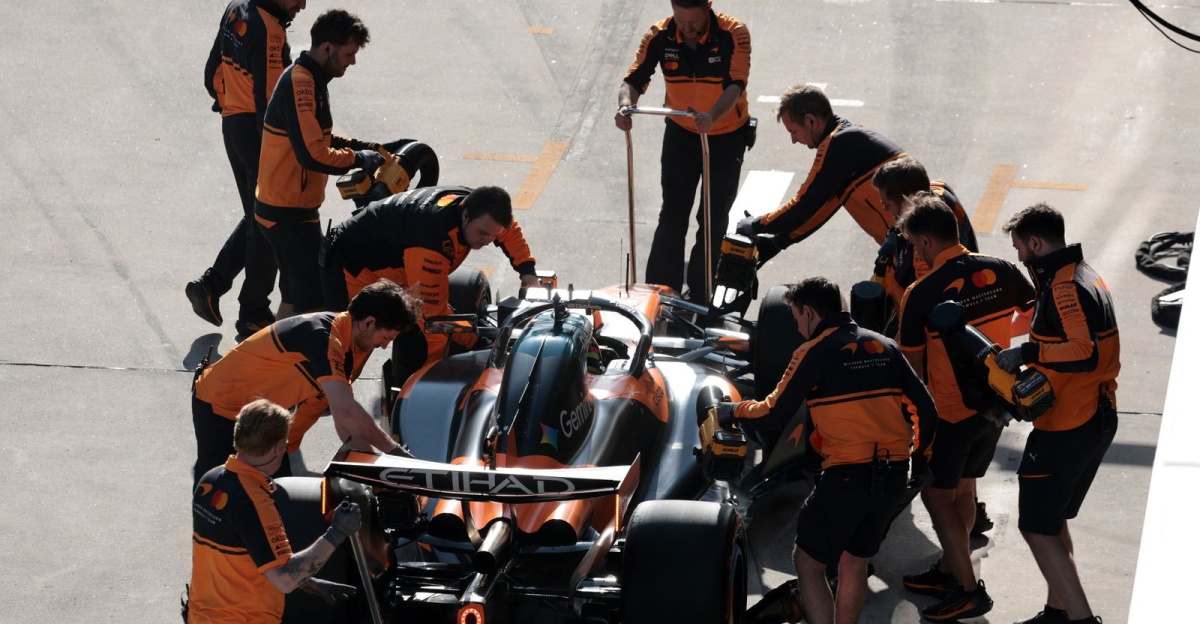
One car failing to start looks like bad luck. Two cars failing on the same grid forces a different conversation. A single DNS gets filed under misfortune. A double DNS demands a systems explanation. McLaren announced it had launched a joint investigation with engine partner Mercedes High Performance Powertrains, and the framing told you everything: both failures were traced to electrical issues on the Mercedes‑supplied power unit side. Those components are now being shipped back to Mercedes’ Brixworth facility for teardown and analysis, with HPP engineers leading the strip‑down and reporting back to McLaren on what went wrong.
The supplier story underneath it
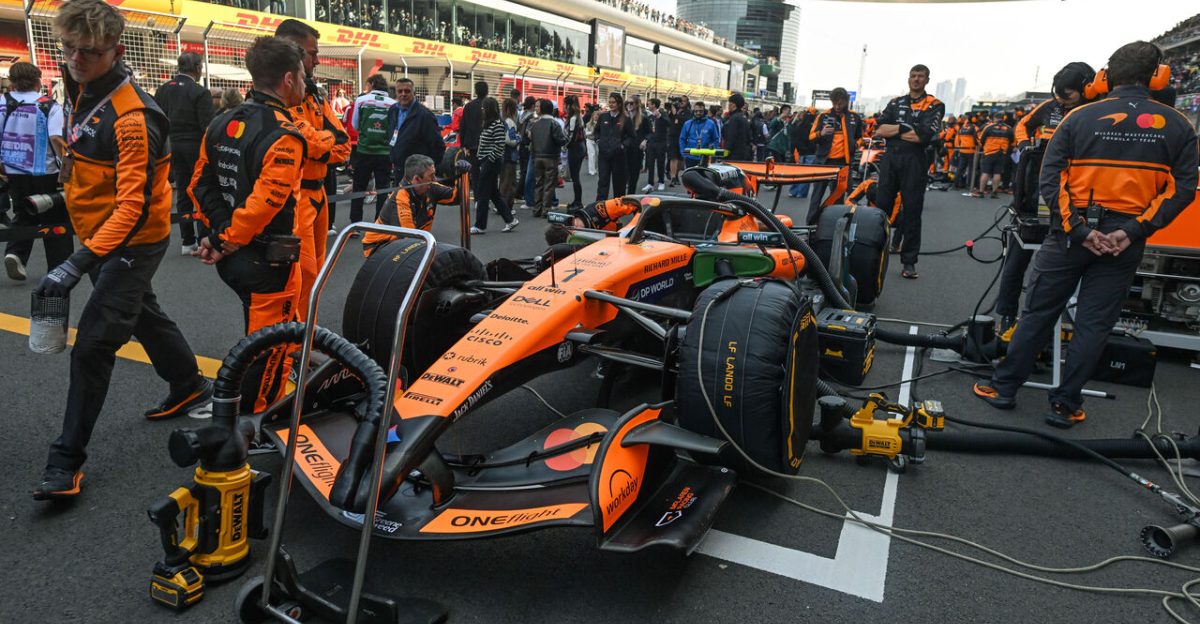
Publicly connecting failures to the Mercedes power unit side is the part most people will skip past. They shouldn’t. Teams almost always internalize failures—they blame setup, strategy, driver error. Here, McLaren has explicitly described the problems as Mercedes‑related electrical issues and launched a joint investigation centered on Mercedes HPP hardware and control systems. McLaren and Mercedes are officially approaching the problem as one group, but the most critical questions now sit with Mercedes’ engine operation: what inside its power unit architecture failed badly enough to stop both customer cars from racing?
Two Pre-Race Failures
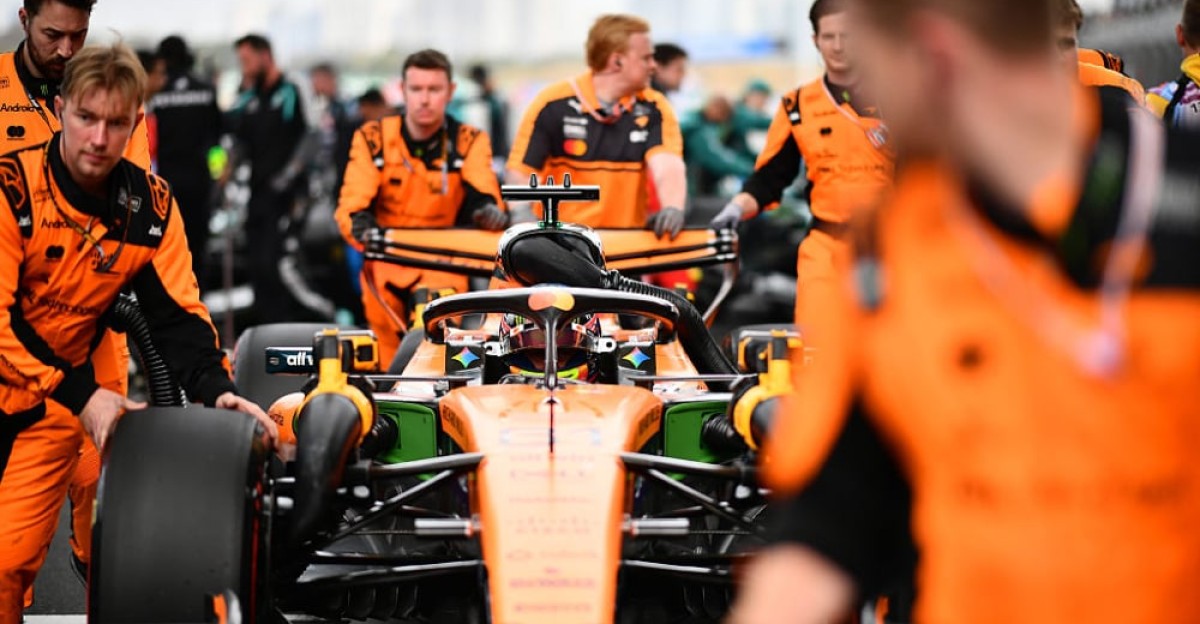
McLaren launched this joint investigation with Mercedes into two pre‑race failures. Two non‑starts. One supplier connection. Separate but related faults inside the same power unit system. That reframes the entire weekend. This stopped being a pace story the moment the second car was ruled out. It became a dependency story, about what happens when components you don’t control take both cars off the grid.
What sits underneath the speed
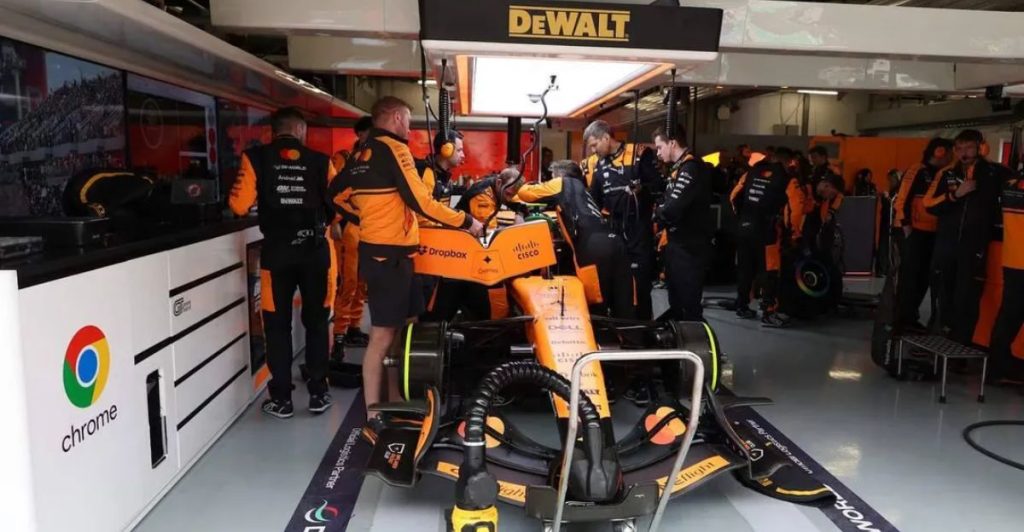
Formula 1 is an integration sport. Chassis, power unit, cooling, software, and operating procedures all have to align within razor‑thin tolerances. A customer team like McLaren builds around components it purchases, not components it designs. That distinction is invisible on a good weekend. On a bad one, it becomes the entire story. The shared supplier architecture between McLaren’s two cars means even separate electrical faults on the Mercedes power unit side can ground both entries on the same day. Speed didn’t fail McLaren in China. The wiring underneath the speed did.
What the weekend really cost
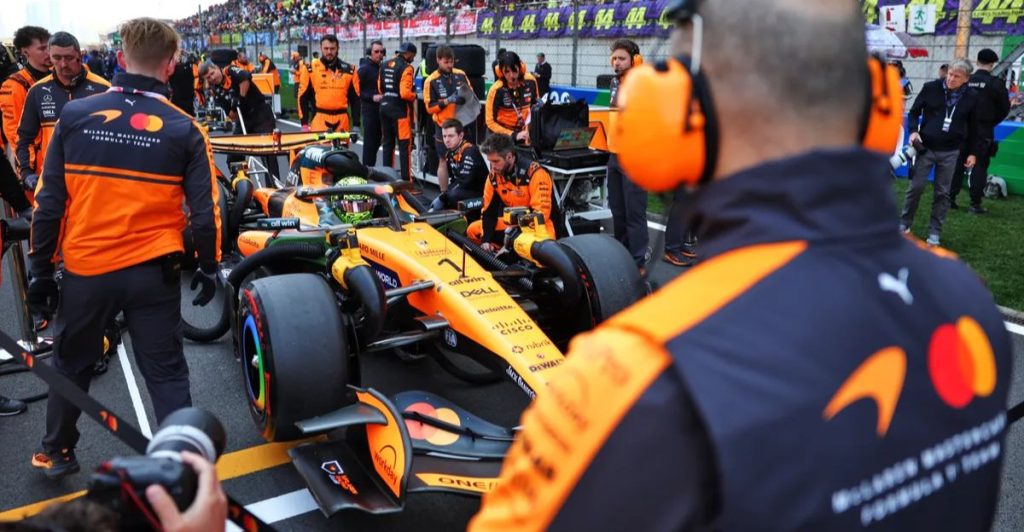
Here’s what a double DNS actually costs. Approximately 100% of McLaren’s entries failed to start the Grand Prix. That’s not a statistical curiosity. That’s a total operational wipeout at a championship event. Constructors’ points determine prize‑money distribution, and a zero‑point weekend shifts those calculations in ways that compound across a season. Every rival that finished banked points McLaren left on the table. The gap doesn’t just reflect one bad race. It reflects the accumulated cost of a reliability architecture that couldn’t survive two separate electrical faults on the same supplier system.
The paddock starts asking questions
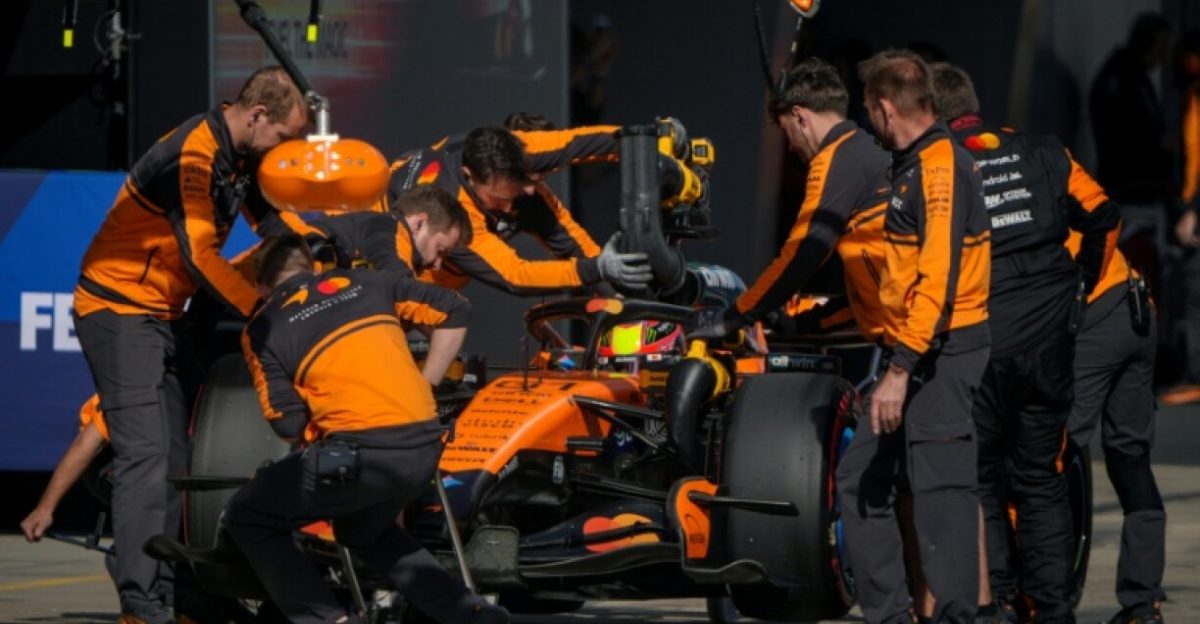
Publicly investigating power unit faults alongside Mercedes raises the political temperature across the paddock. Supplier relationships in F1 run on trust and discretion. Once a customer team launches a joint investigation with its engine partner over pre‑race failures described as Mercedes‑related, every other Mercedes‑powered team starts asking: could this happen to us? If either root cause traces to a shared component inside the Mercedes package, the exposure isn’t limited to McLaren. Meanwhile, immediate next steps involve root‑cause analysis at Brixworth, potential part swaps, and possible changes to operating limits before the next race week.
A different kind of warning
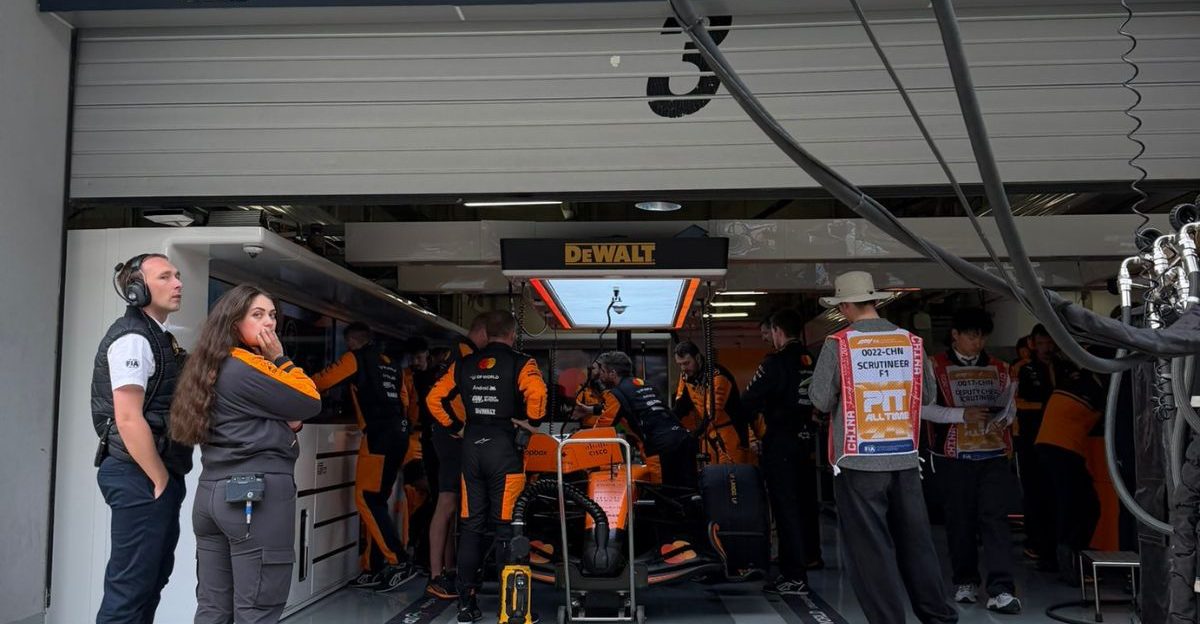
This is bigger than one bad weekend in Shanghai. When a front‑running team publicly launches a joint investigation with its supplier and confirms both failures were Mercedes‑related, it normalizes accountability that the paddock has historically kept behind closed doors. That’s a precedent. Customer teams absorbing upstream failures quietly has been the default for decades. McLaren just broke the pattern by centering its engine partner in the narrative, even while insisting the relationship remains “one team.” When separate faults trace to the same supplier system, shared architecture becomes the story. Every future double failure in F1 now looks different.
The clock is already ticking
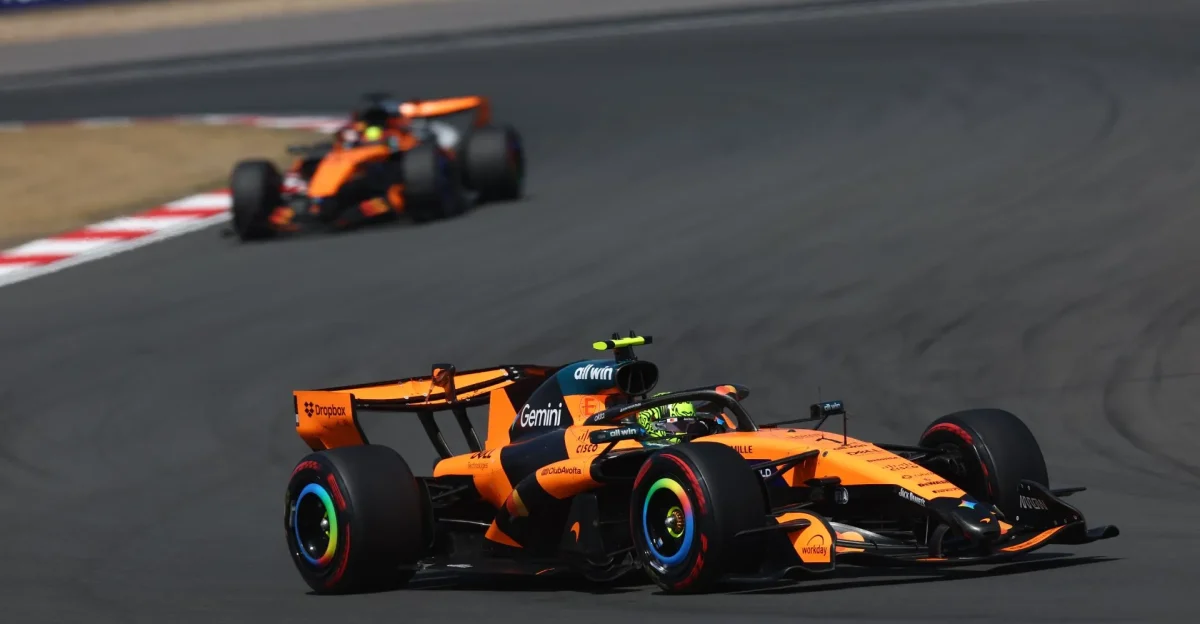
The next race cycle is already approaching, and McLaren faces an ugly escalation path. If the root causes inside the Mercedes package stay unresolved, repeated failures stress the component pool. Stressed component pools trigger grid penalties under FIA regulations. Grid penalties erode standings. Eroded standings cost prize money. That cascade turns one weekend’s disaster into a season‑long drag. And the FIA’s technical governance framework shapes what McLaren and Mercedes can actually change, meaning fixes aren’t just an engineering problem. They’re a regulatory negotiation happening under a deadline that doesn’t care about politics.
What everyone will watch next
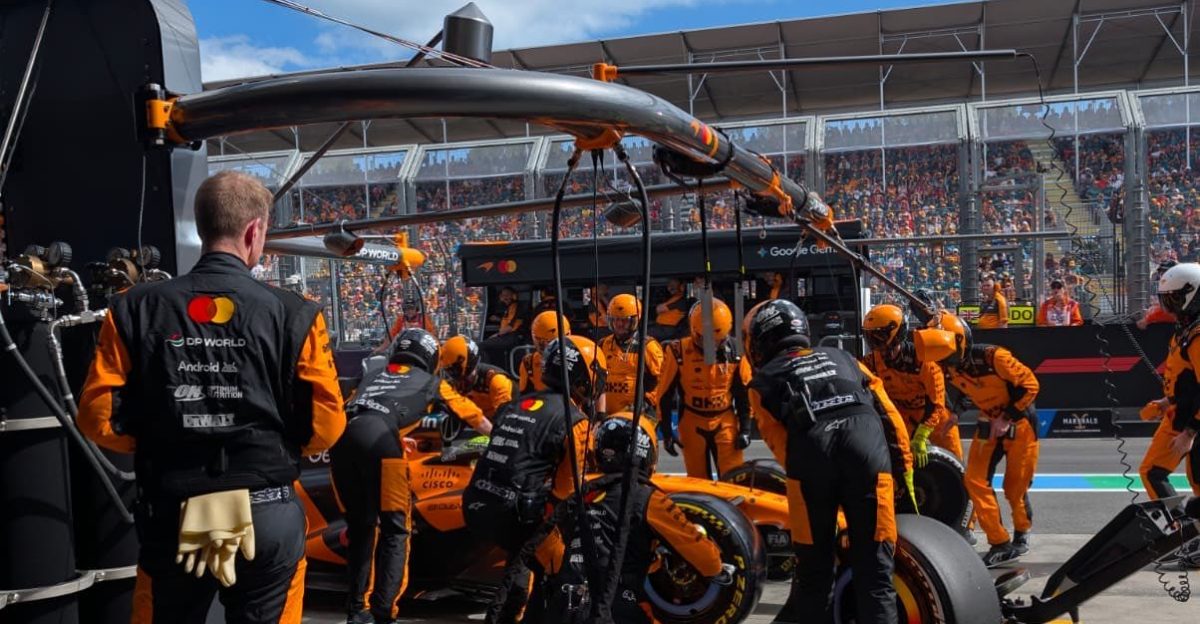
Mercedes and McLaren may both issue clarifications once technical findings stabilize, but questions about paddock dynamics are already circulating. The investigation is public, and its focus on Mercedes‑related power unit failures is clear enough for every team and fan to read. Every fan who watched both McLarens sit out in China now understands something most casual viewers miss: modern F1 reliability isn’t about one team’s engineering. It’s about supply‑chain architecture, shared dependencies, and integration tolerances that can zero out a weekend before a driver touches the brake pedal. That knowledge makes you the sharpest person at the bar.
Sources:
“McLaren launches investigation after Norris and Piastri unable to start F1’s Chinese Grand Prix.” Associated Press / ABC News, 15 Mar 2026.
“Stella reacts to ‘disappointing’ double McLaren DNS in China as he highlights biggest downside.” Formula1.com, 15 Mar 2026.
“McLaren confirms Chinese GP issues Mercedes-related, but doesn’t blame the brand.” Crash.net, 15 Mar 2026.
“McLaren drivers explain what led to double DNS at F1 Chinese GP.” Motorsport.com, 14 Mar 2026.