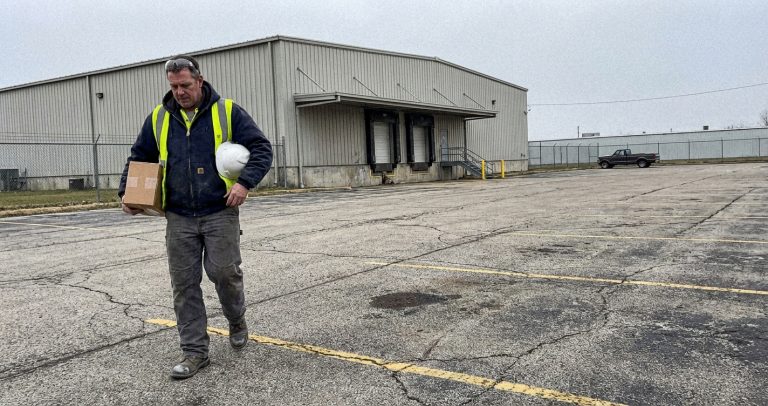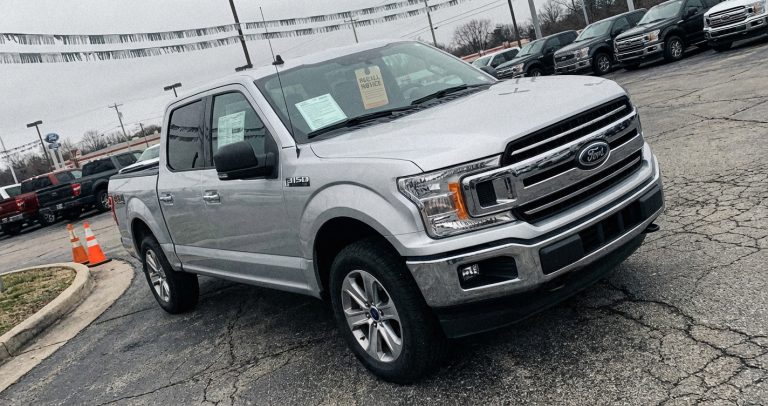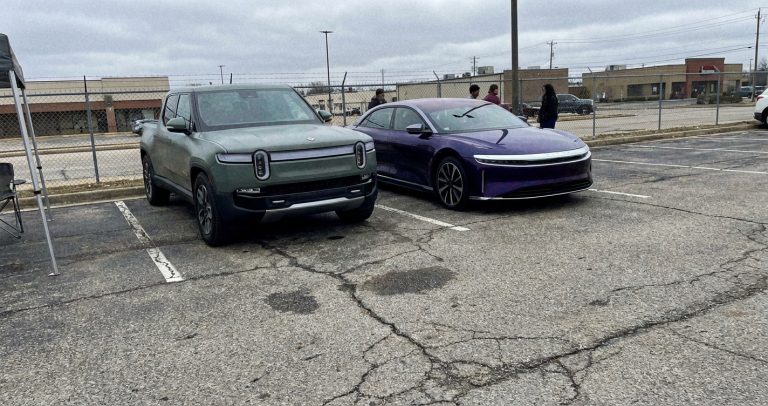
Massive U.S. Auto Tariff Wave Buries Carmakers Under $35.4B Threatening Jobs And Plant Cuts
Every shipment of steel, aluminum, and auto parts crossing into the United States triggers a charge before reaching a factory floor. U.S. Customs and Border Protection collects the tariff at entry. Payment is due immediately.
The importer writes the check: the American company standing at the dock. That process has continued nonstop since 2025. The bill landed on the industry responsible for building what most families finance over five years.
Tariffs Show Up on the Price Tag
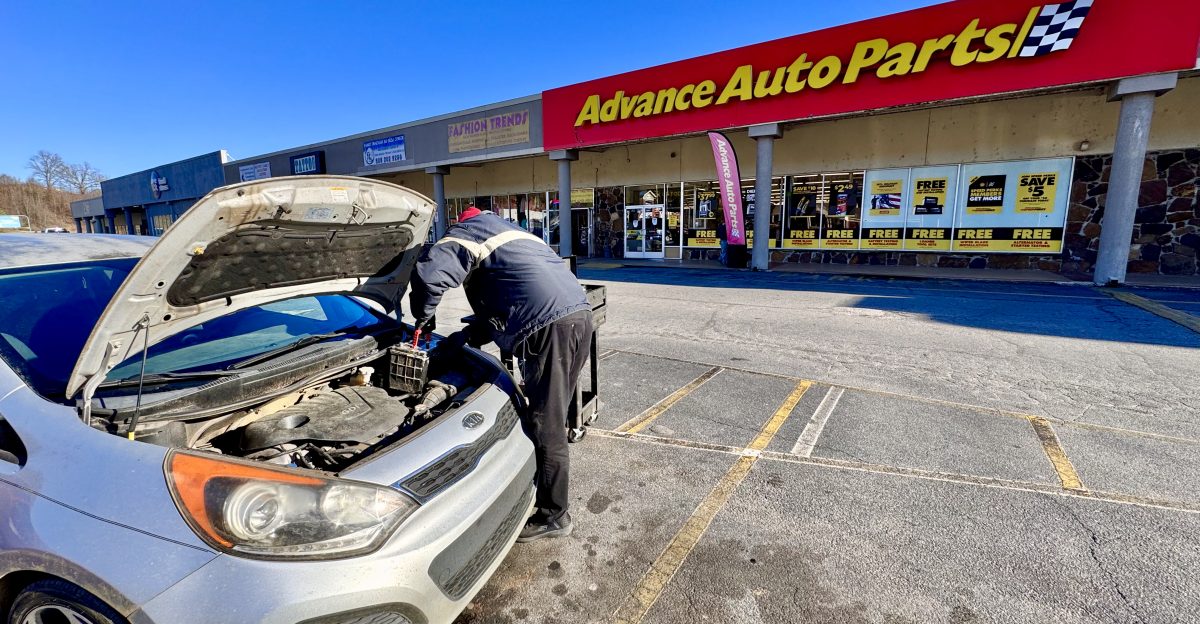
The Bureau of Labor Statistics tracks new-vehicle and used-vehicle prices through dedicated CPI series, and both have shown sustained upward pressure during the tariff period, even as some recent monthly readings have flattened or eased.
Automakers absorb border costs on raw materials and components, then face a choice: accept smaller margins or reprice the product. Consumers shopping at a dealership do not see a tariff line on the window sticker. Instead, they see a higher price and a tighter monthly payment. The squeeze begins at the border and ends at the dealership.
The Tariff Illusion
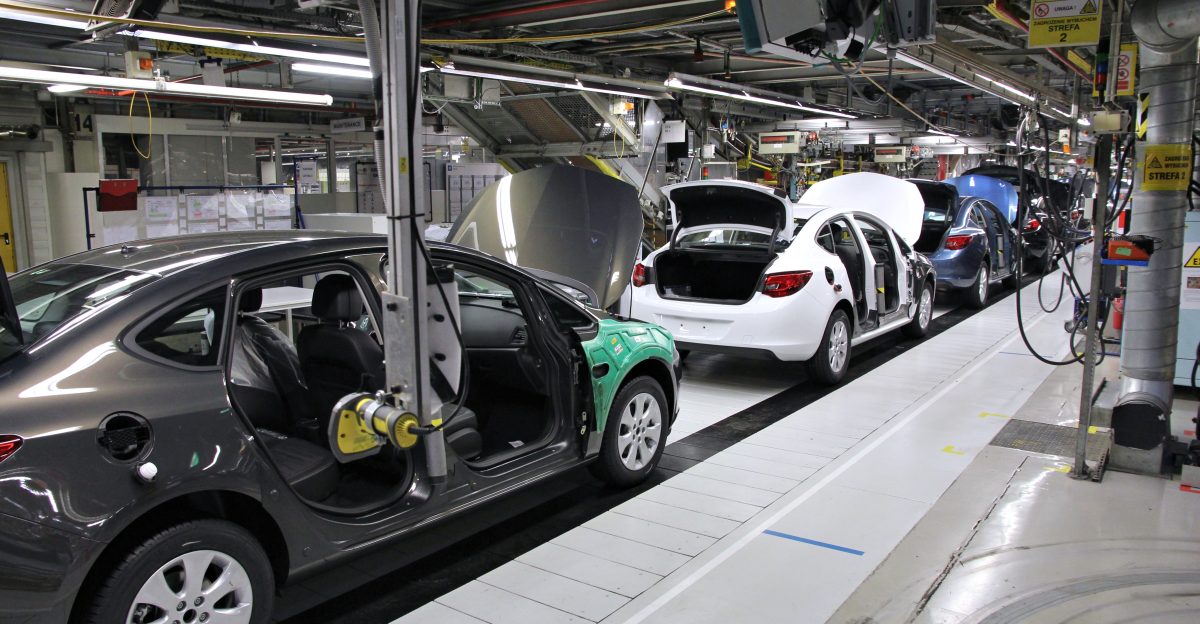
Many assumed tariffs would punish foreign producers, protect American workers, and keep costs overseas. That view gained traction. However, the U.S. International Trade Commission documented how Section 232 and other U.S. tariff actions reshaped import patterns and sourcing decisions for American manufacturers.
Automakers responded by reworking supply chains, repricing vehicles, and absorbing costs that grew with every shipment. The story sold to the public did not match the numbers on the balance sheet.
Counting the Real Costs
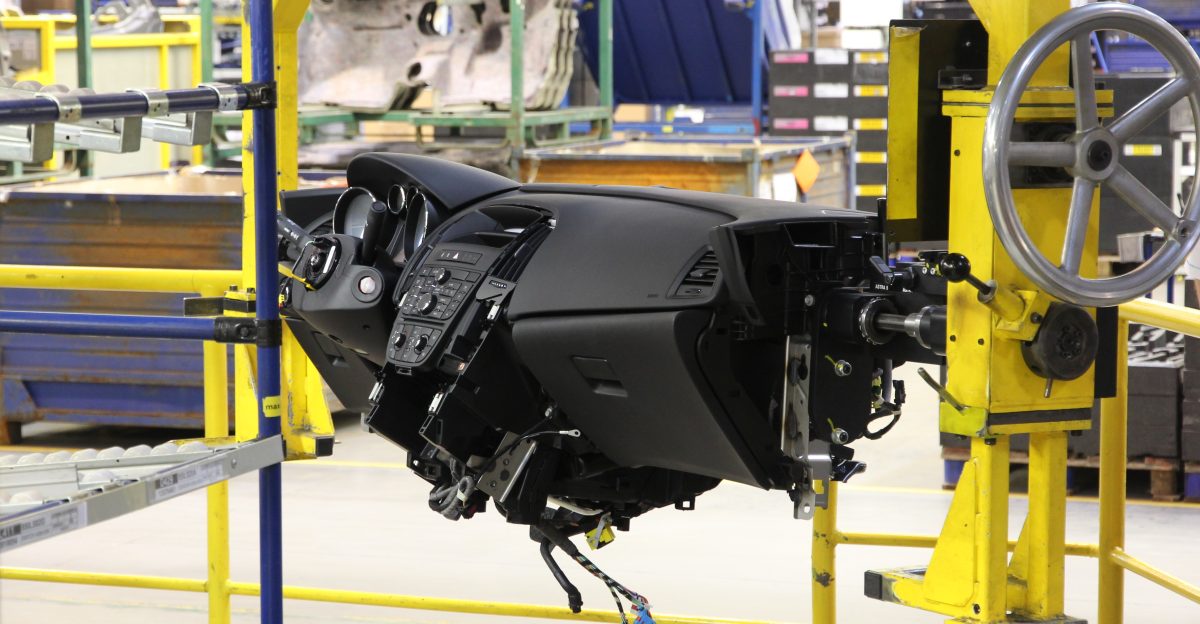
Automotive News reported that automakers have absorbed at least $35.4 billion in tariff costs since 2025. This figure represents border charges on metals, parts, and components collected under Section 232 authority and now-invalidated IEEPA-based tariffs. Industry and ratings-agency estimates show global automakers face more than $30 billion in operating-profit losses tied to these tariffs for 2025 alone.
In response, automakers cut output and raised prices. The policy designed to protect domestic industry delivered a multi-billion-dollar invoice to American manufacturers.
How Tariffs Get Baked In
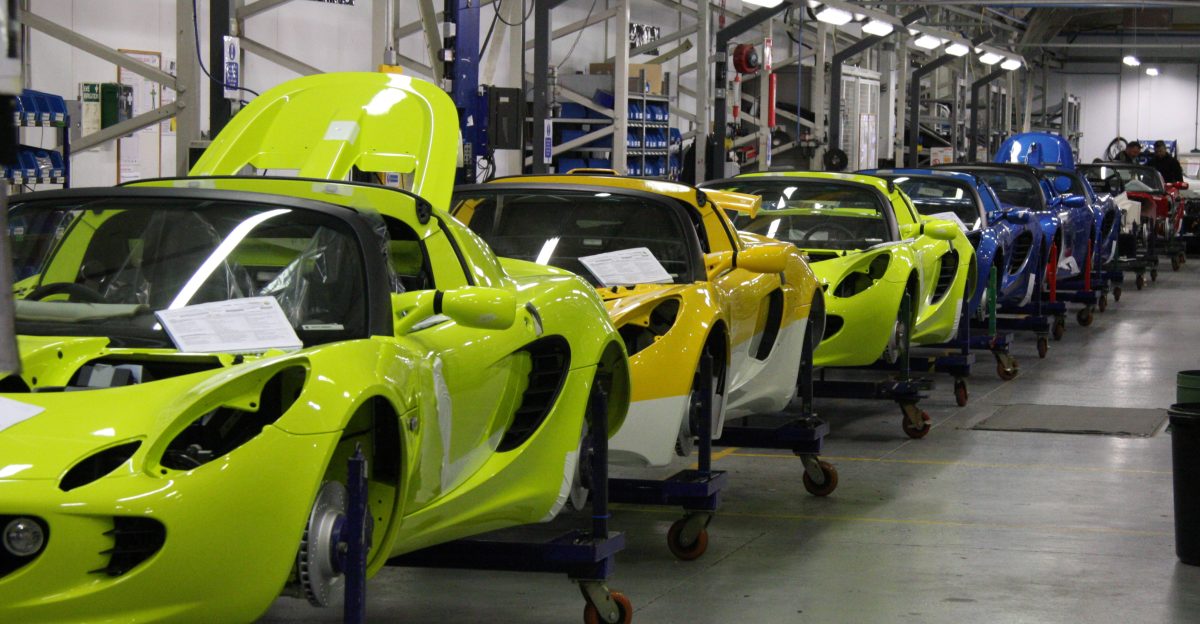
Section 232 tariffs use national-security authority. The IEEPA-based global tariffs that followed were later struck down by the U.S. Supreme Court and partially replaced by a new, time-limited Section 122 tariff structure, while separate Section 301 and Section 232 actions remain in force on certain vehicles, trucks, and parts. These mechanisms function like an input tax on American manufacturers. CBP collects at entry, and the automaker pays upfront.
The cost embeds into unit economics, working through parts catalogs, supplier contracts, and production budgets. The result: higher prices for finished products. The mechanism remains invisible on a sticker but stands out on a balance sheet.
Suppliers Squeezed From All Sides
Cost pressure affects more than automakers. Suppliers face margin compression as OEMs push tariff-driven expenses upstream and downstream. Smaller suppliers with less pricing power take disproportionate hits. At the same time, NHTSA’s Corporate Average Fuel Economy standards add a separate regulatory cost layer that stacks on top of tariff-inflated input prices.
Two federal mandates pull in opposite directions: one demands efficiency investments, the other raises the cost of the materials needed to make them. The result is a margin trap with no easy exit.
Industry Effects and Shrinking Choices
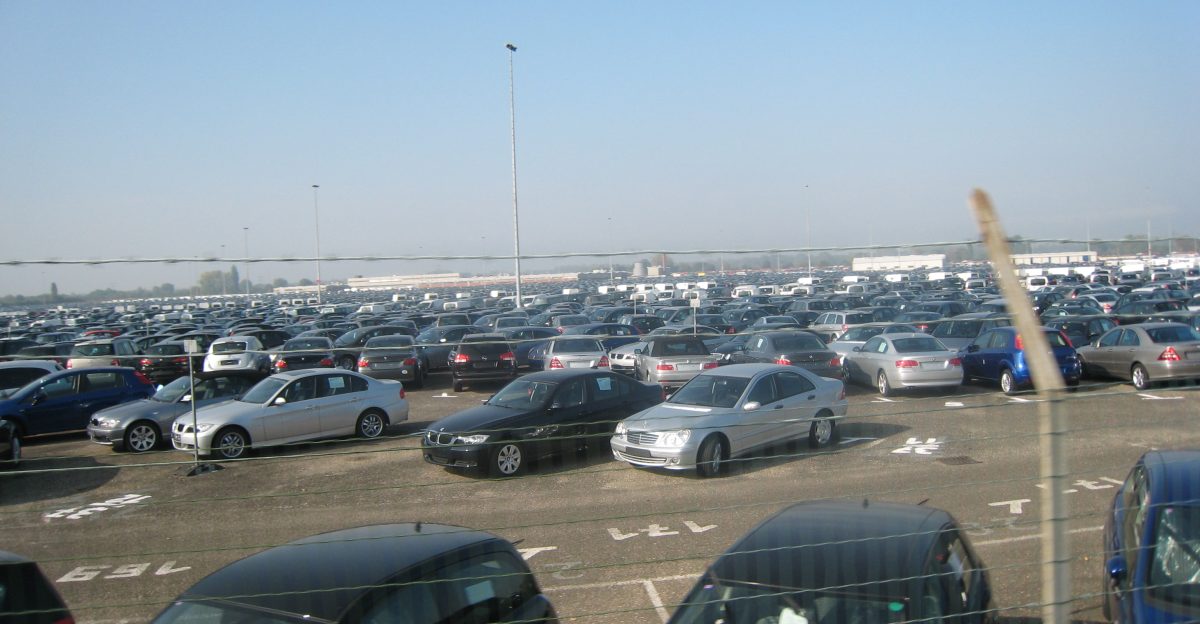
Automakers responding with cost-cutting, repricing, and sourcing workarounds create ripple effects throughout the industry. Product lines shrink. Vehicle affordability erodes as input costs rise and pass through to consumers.
Price-sensitive buyers feel the greatest impact, often priced out of new vehicles and pushed into a used market where CPI data already shows upward pressure over the broader tariff period. A single policy decision at the border reaches families budgeting a car payment across the country. Cost-cutting and output cuts set the stage for job losses, often before any layoff makes the news.
A Precedent for Every Importer
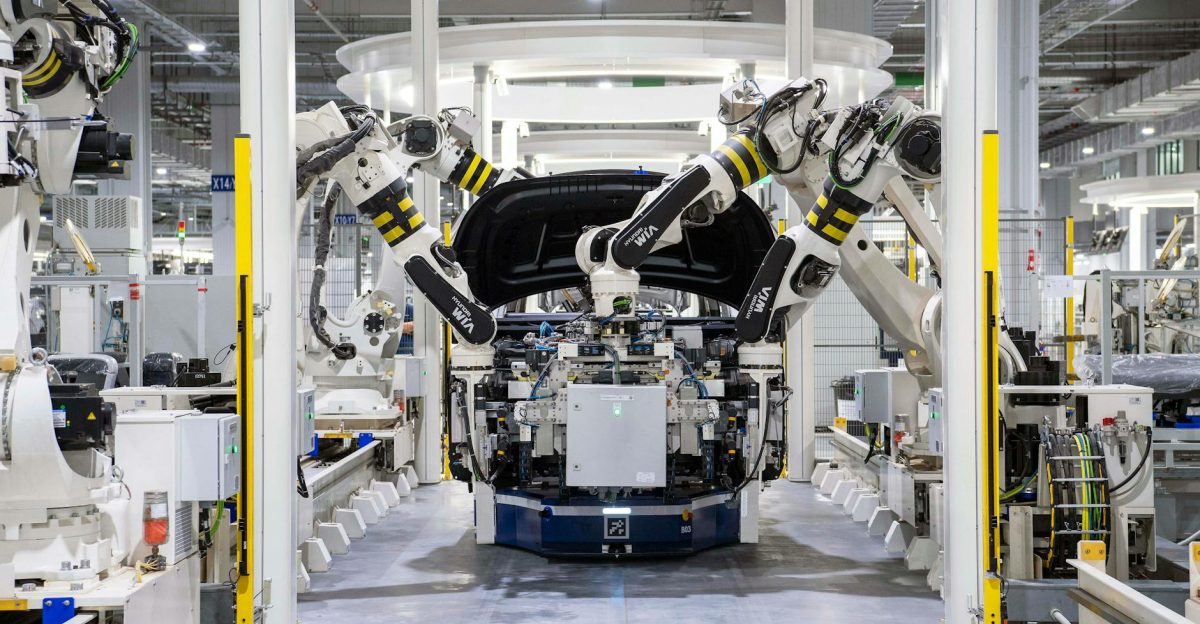
Section 232, Section 301, and related tools are long-standing statutes now used as recurring price levers for consumer goods. The precedent is clear: national-security and unfair-trade authorities can impose embedded cost inflation on any sector dependent on imported inputs.
Once this becomes routine, every manufacturer importing raw materials faces the same risks. The auto industry absorbed more than $35 billion first. The underlying pattern should concern other industries.
More Tariffs, More Pain Ahead
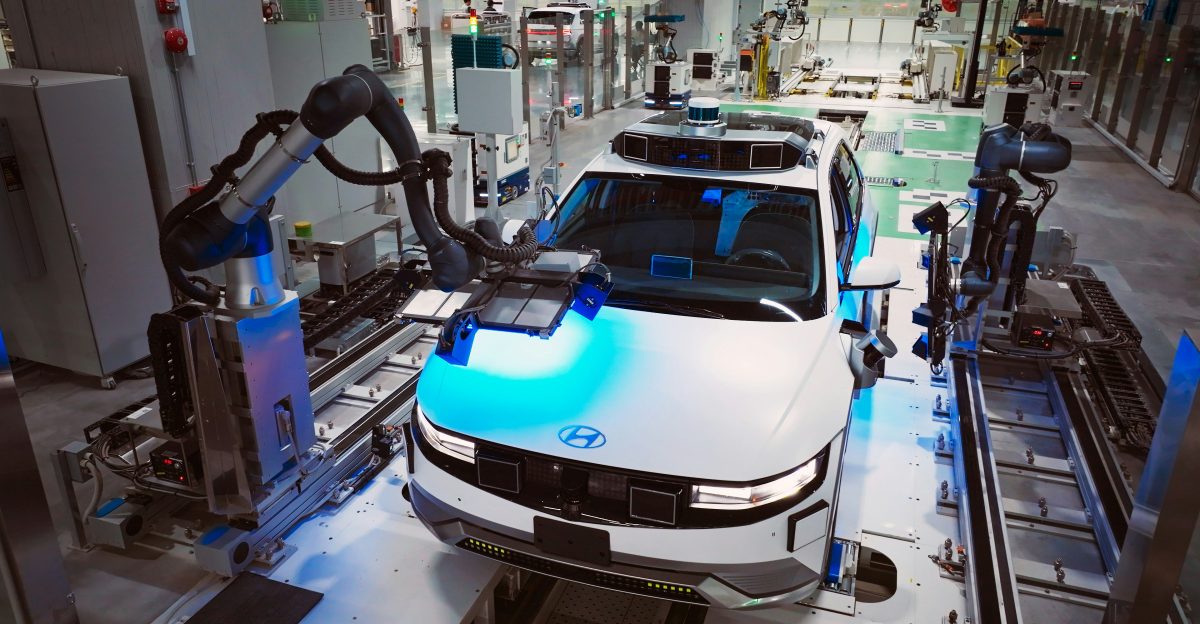
Retaliation risk and further tariff rounds or restructurings could expand the cost footprint beyond current levels, even as some IEEPA-based duties are unwound or replaced. Every covered shipment still triggers a border charge. Firms that attempt to reroute sourcing, reclassify products, or localize production face slow, capital-intensive transitions that take years to execute.
Meanwhile, the tariff premium compounds through balance sheets and product plans. Output cuts serve as a warning sign and often precede deeper reductions in shifts, capacity, and workforce. The threat is real. Automakers are already making the trade-offs that come before those decisions.
Who Pays And What Happens Next

Many still believe tariffs are paid by foreign companies, but the system operates like a toll booth on every shipment. American importers pay first, then work to recover those costs through pricing, cuts, and workarounds.
At least $35.4 billion has already passed through that toll booth since 2025, and the options available to automakers remain slow and expensive. When firms finish cutting costs and raising prices, the next round of tariffs or a shift in tariff authorities will bring new challenges.
Sources:
Automotive News (via Road & Track re-reporting), “Trump Administration Tariffs Have Cost Automakers $35.4 Billion Since the Start of 2025,” March 16, 2026
U.S. Bureau of Labor Statistics, “Measuring Price Change in the CPI: New Vehicles,” February 12, 2026
U.S. Bureau of Transportation Statistics, “Transportation Consumer Price Index – February 2026,” March 11, 2026
U.S. International Trade Commission (referenced via Opportimes), “Section 232 Tariffs Weaken U.S. Auto Industry” / USMCA Automotive Rules of Origin: Economic Impact and Operation 2025, June 30, 2025
National Highway Traffic Safety Administration, “Final Rule: CAFE Standards for Model Years 2024–2026,” 2021 (rule in effect during current model years)
Moody’s Ratings (via IndexBox summary), “US Tariffs to Slash Automaker Profits by $30 Billion in 2025, Moody’s Reports,” October 7, 2025