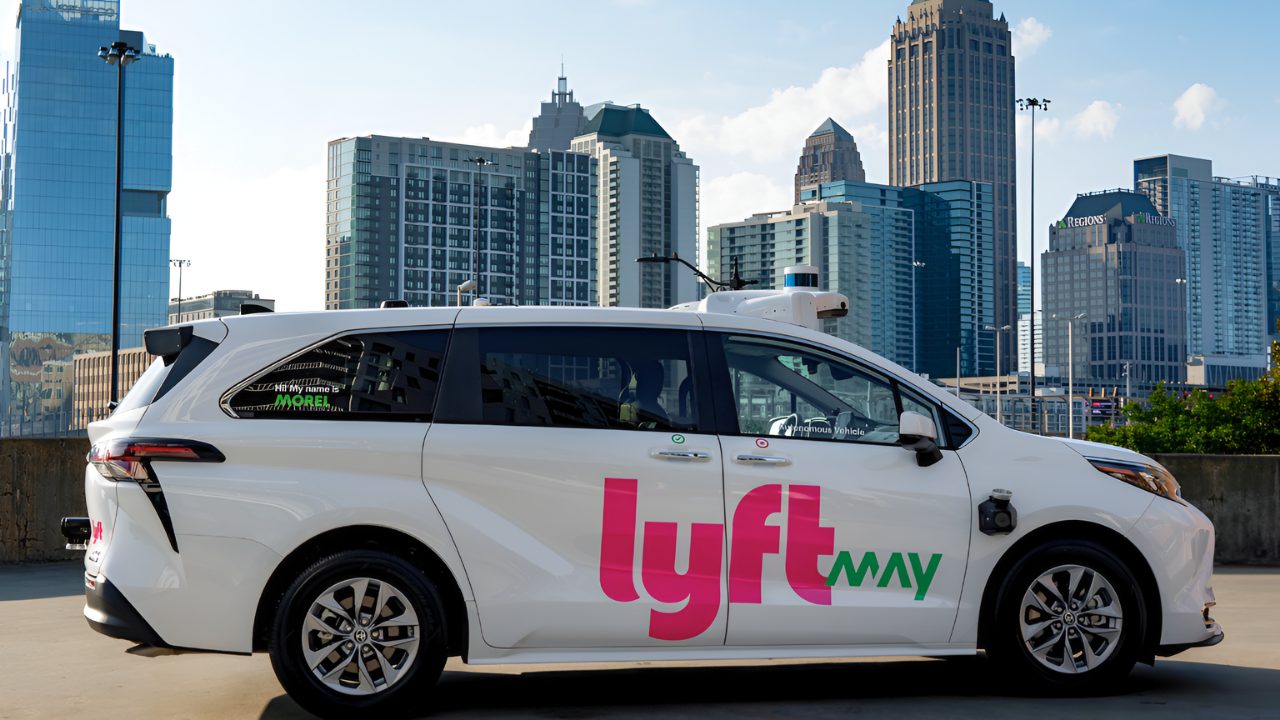
Lyft Launches Emergency 60-Day Program as Gas Surges 30% in Weeks
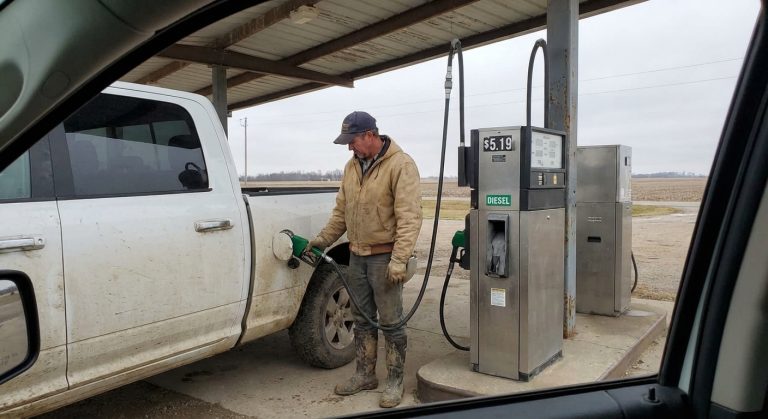
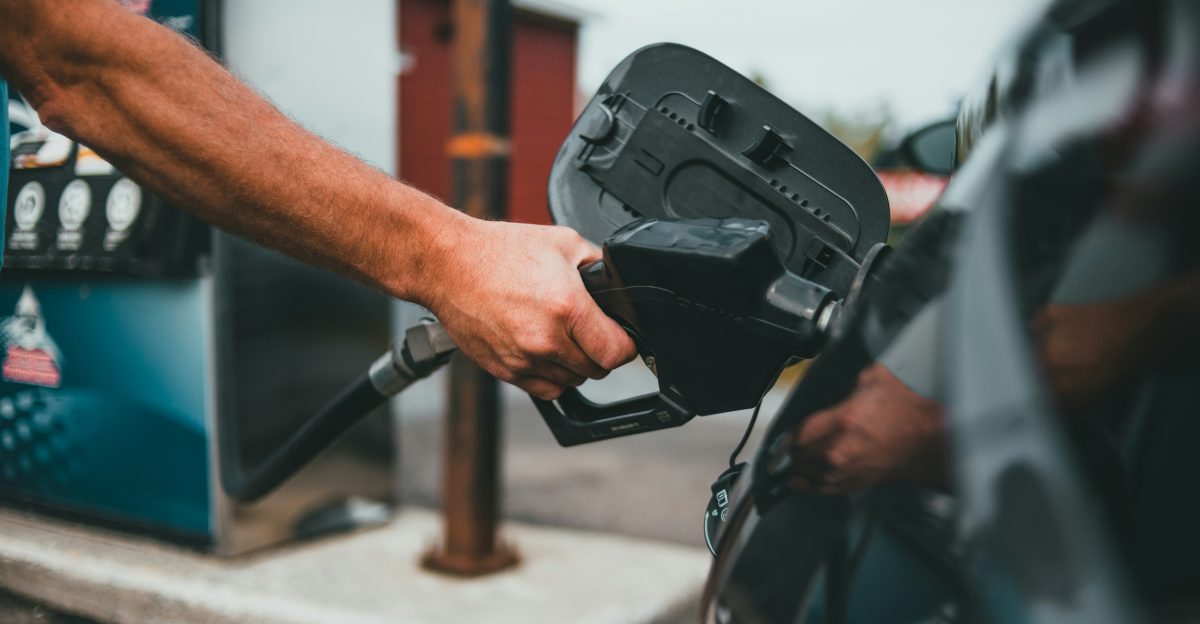
A rideshare driver in Chico, California, pulled into a gas station this week and watched the pump tick past $75. Two days earlier, he’d done the same thing. Two days before that, same routine. Chris Ariza has driven for Lyft more than five years, and he’s never seen fuel eat through his earnings like this. Prices at his local station hit $5.35 a gallon. Across the country, the national average just climbed 34% in a single month. Lyft’s response arrived with an expiration date already printed on it.
The War That Set the Price
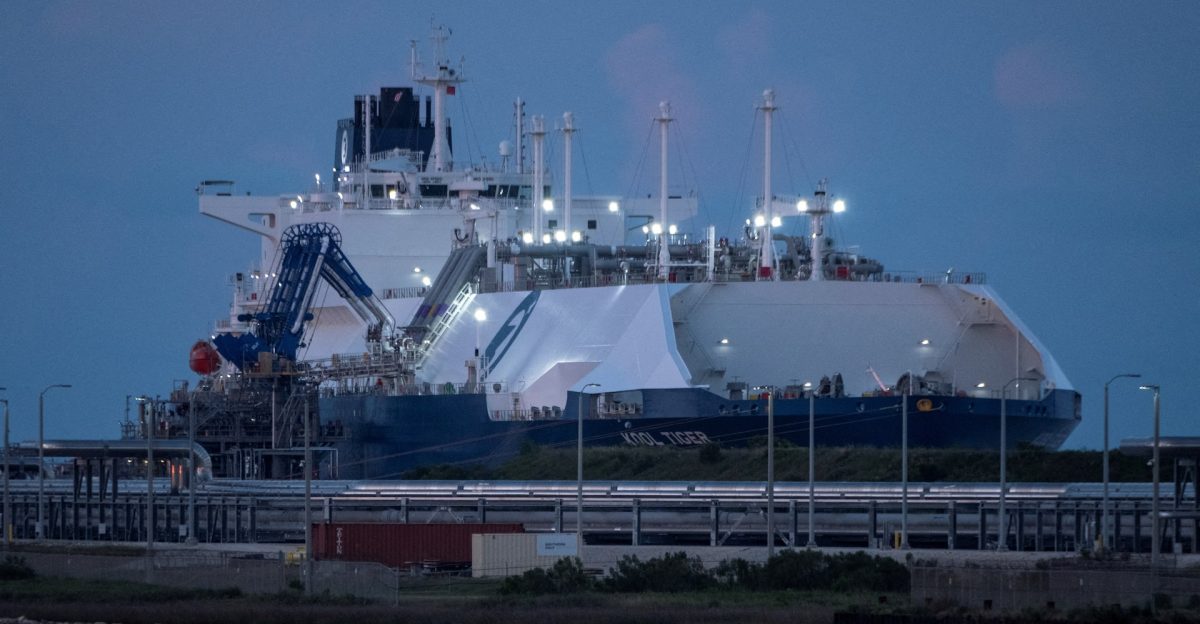
On February 28, Operation Epic Fury struck Iran with more than 1,700 U.S. and Israeli strikes in the first 72 hours, killing Supreme Leader Ali Khamenei. Iran closed the Strait of Hormuz in retaliation, choking off roughly 20% of global oil supply overnight. The Dallas Federal Reserve called it the largest geopolitically driven oil disruption since the 1973 Arab embargo. National gas averages jumped from $2.98 to $3.98 per gallon in four weeks. American drivers now absorb an additional $9.4 billion in monthly fuel costs. That number landed squarely on 76.4 million gig workers with zero negotiating power.
The Myth of Flexibility
The gig economy sold independence as a feature. Drive when you want. Be your own boss. What that actually means: when fuel spikes 34% in a month, drivers absorb every penny. No employer reimbursement. No expense account. No union contract. Ariza put it plainly: “The fares are tanked because every time the college students come back, the demand of passengers is offset by the supply of drivers, and it’s getting to the point where even the long hauls aren’t worth it.” Flexibility, it turns out, is a one-way door.
Ninety-Eight Cents Short
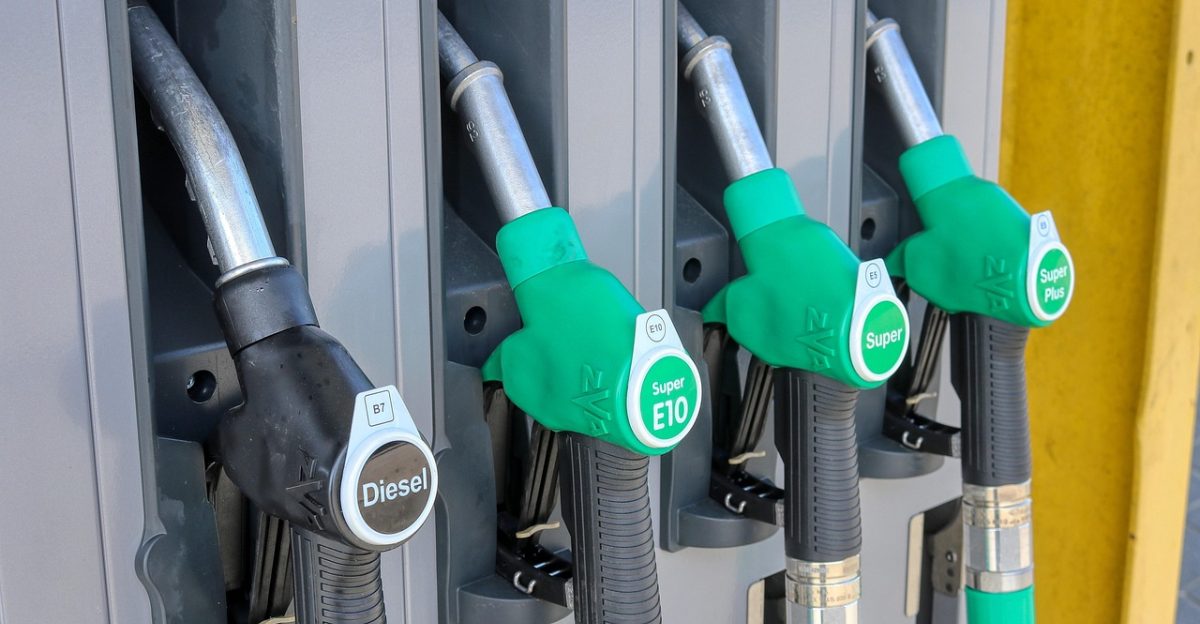
Lyft’s relief program offers up to $0.98 per gallon in stacked cash-back rewards for its highest-performing drivers. The national price surge exceeds $1.00 per gallon. That gap never closes. During previous spikes, fuel consumed as much as 60% of driver earnings, turning trips into break-even or money-losing propositions. Lyft paid $2.1 million in 2024 FTC penalties for inflating driver earnings claims by up to 30%. Now market forces are eroding actual earnings by double that figure. The company fined for overpromising income cannot stop the underpayment happening in real time.
The Algorithm Doesn’t Flinch
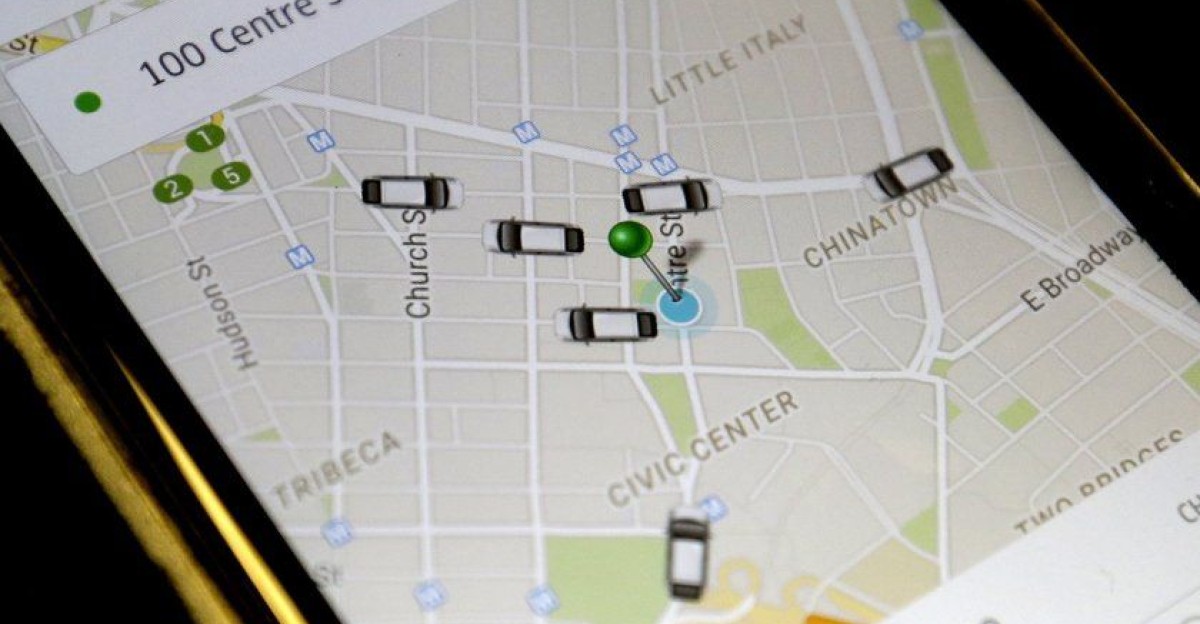
Platform pricing stays locked inside an algorithm that drivers cannot see, negotiate, or influence. Fuel costs surge 34%. Fare rates lag behind or stay flat. The structural design transfers all commodity risk to the worker while the platform retains pricing control. In 2022, Uber implemented temporary fuel surcharges of $0.45 to $0.55 per trip directed to drivers. Those surcharges vanished after the crisis. No permanent mechanism survived. Four years later, the same crisis returned, and platforms reached for the same temporary bandage. That pattern is the system working exactly as designed.
The Numbers Behind the Squeeze
Ariza spends roughly $1,125 a month on gas alone. The South bears $4.2 billion of the $9.4 billion national monthly fuel burden, with residents paying $39 more per person monthly compared to $34 nationally. Chico’s $5.35 per gallon is approaching California’s June 2022 record of $6.44. Lyft’s VP Yuko Yamazaki acknowledged the pain: “Gas prices have jumped significantly in the past few weeks, and we know that hits hardest for drivers who depend on driving for their income.” That admission, from a company already fined for misleading those same drivers, lands differently.
Three Companies, One Confession
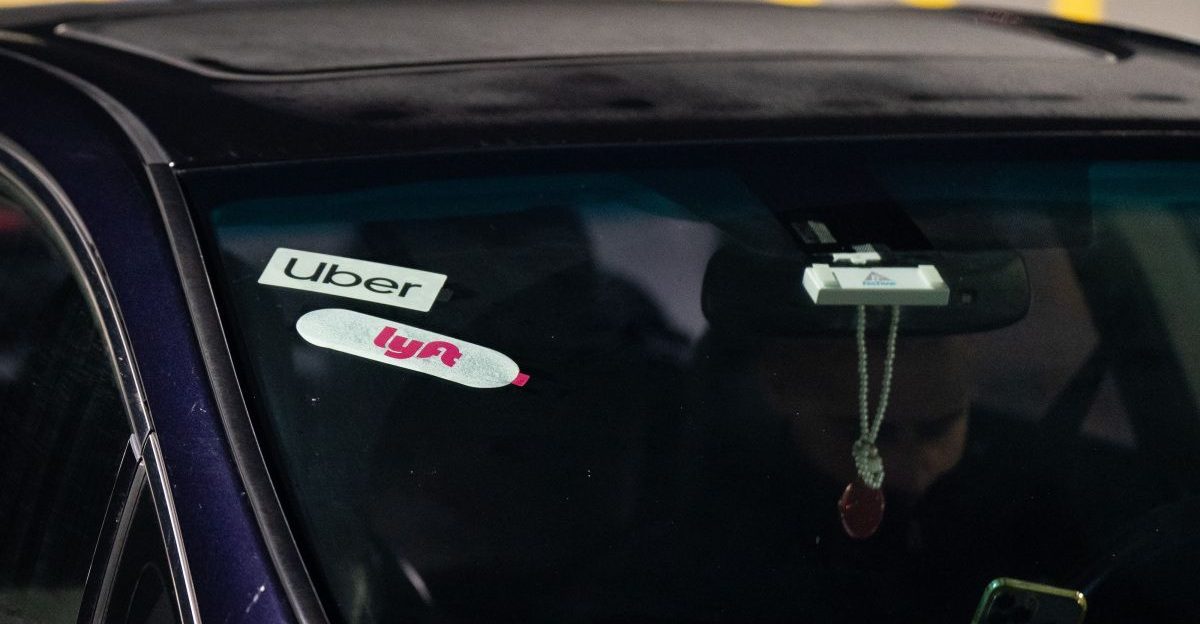
Lyft, Uber, and DoorDash announced nearly identical fuel relief programs within ten days of each other. Uber offered up to 15% cash back and $1.00 per gallon through Upside. DoorDash rolled out 10% cash back plus weekly payments up to $15. Three fierce competitors, same playbook, same stretch. That coordination reveals something uncomfortable: none of them gained a competitive edge because all three face the identical external shock. Relief programs are not strategy. They are synchronized surrender to a geopolitical event 7,000 miles away that none of them can influence.
The Expiration Date Problem
Lyft’s program expires May 26. The U.S. Energy Information Administration projects gas prices will stay above $3 per gallon through the end of 2027, with 2026 averaging an estimated $3.34. Sixty days of relief for a crisis measured in years. The program ends right as summer driving season peaks and fuel demand climbs highest. Drivers who survived March on cash-back rewards face June with nothing. This is the second time in four years platforms deployed the same temporary fix for the same recurring problem. Once is crisis management. Twice is a business model.
Summer Without a Safety Net

When relief expires, drivers face a choice: keep driving at a loss or log off. Fewer drivers means longer wait times and higher surge pricing for passengers. Food delivery costs climb as DoorDash passes fuel expenses into merchant pricing. The 76.4 million Americans classified as gig workers, 36% of the entire workforce, carry every dollar of fuel volatility while platforms carry none. If enough drivers exit this summer, platforms face their first real leverage crisis. Coordinated driver organizing across Lyft, Uber, and DoorDash becomes feasible when all three workforces share identical grievances.
The Subsidy You Pay For
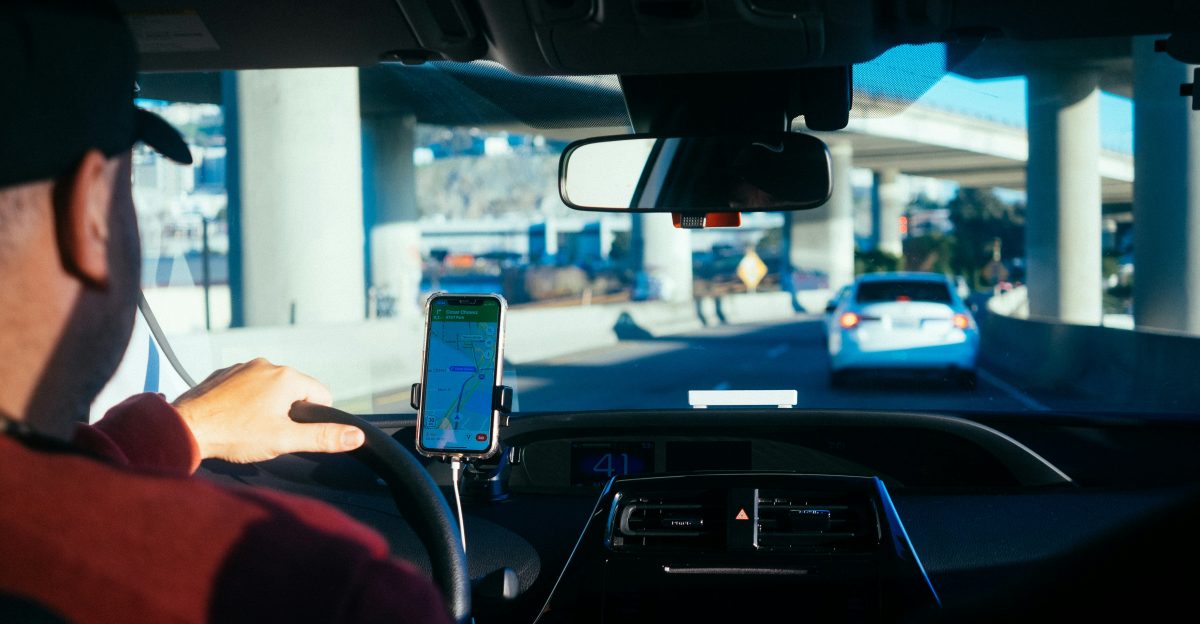
Every cheap ride and fast delivery is quietly subsidized by a driver absorbing fuel costs that spiked 34% with no warning and no recourse. The independent contractor classification that makes gig work “flexible” also makes fuel relief voluntary, not legally required. Platforms could accelerate autonomous vehicles, implement transparent passenger fuel surcharges, or reclassify drivers in high-cost markets. Instead, they offered 60 days of cash back. Anyone who uses these apps now knows the price on the screen does not reflect the full cost. Someone else is paying the difference, and that someone just watched their earnings collapse by half.
Sources:
“Lyft is bringing driver relief for rising gas prices.” Lyft, 25 Mar 2026.
“Iranian leader Khamenei killed in air strikes as U.S., Israel launch Operation Epic Fury.” Reuters, 28 Feb 2026.
“Gas Price Relief For Dashers.” DoorDash, 23 Mar 2026.
“Gasoline costs in the U.S. for 2026, including taxes, could average around $3.34 a gallon.” Fortune (citing EIA Short-Term Energy Outlook), 17 Mar 2026.