Long‑Awaited Anti‑Dooring Tech Reaches Cybertruck As Tesla Extends Its Safest Urban EV Push
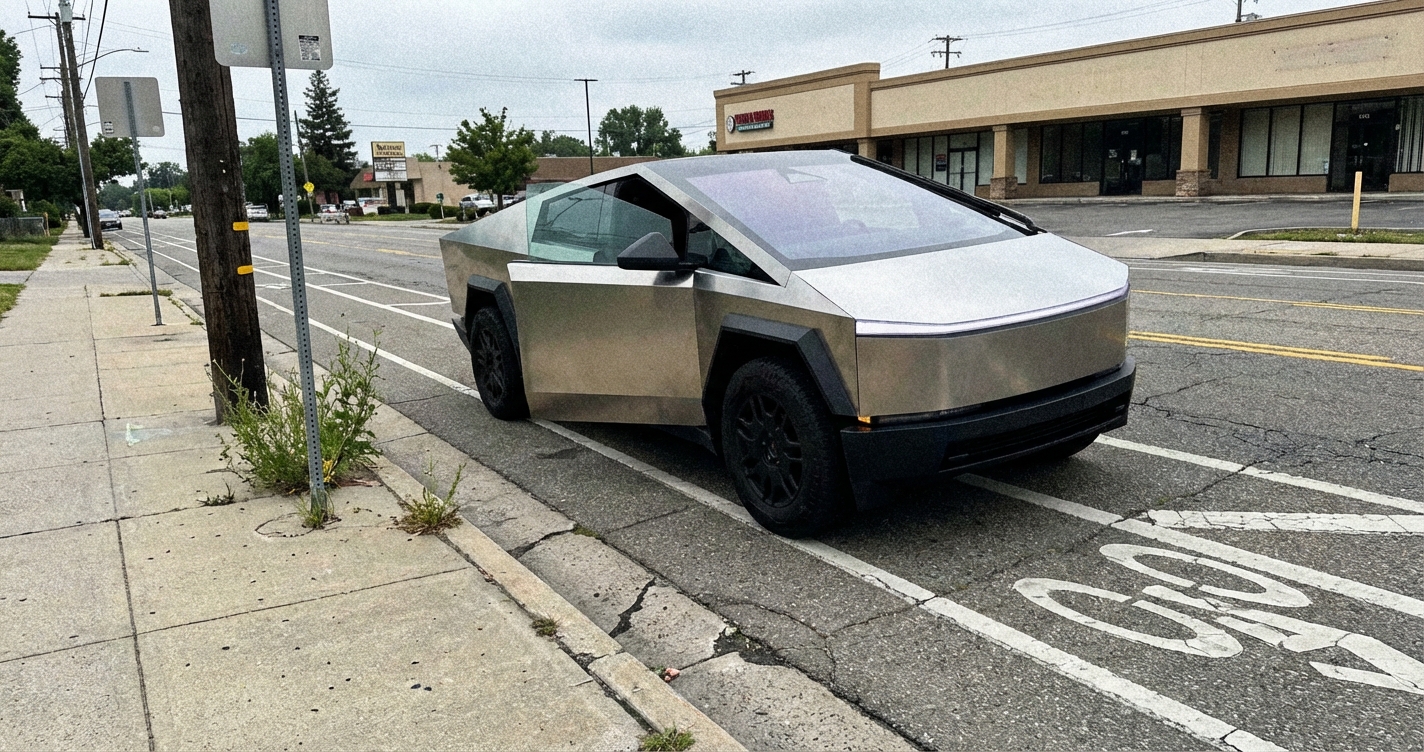
Between midnight and morning coffee, a Cybertruck parked in a driveway became a different vehicle. No mechanic visited. No dealership appointment appeared. Tesla delivered a long-awaited safety feature through an over-the-air update, altering how the truck behaves without physical changes. That silent delivery defines the moment. The focus is not only what improved, but how quickly it happened. A vehicle’s safety profile can now shift overnight, with no visible intervention. That reality signals a broader change already underway, one that begins with a missing capability owners had noticed for months.
The Missing Feature Owners Noticed
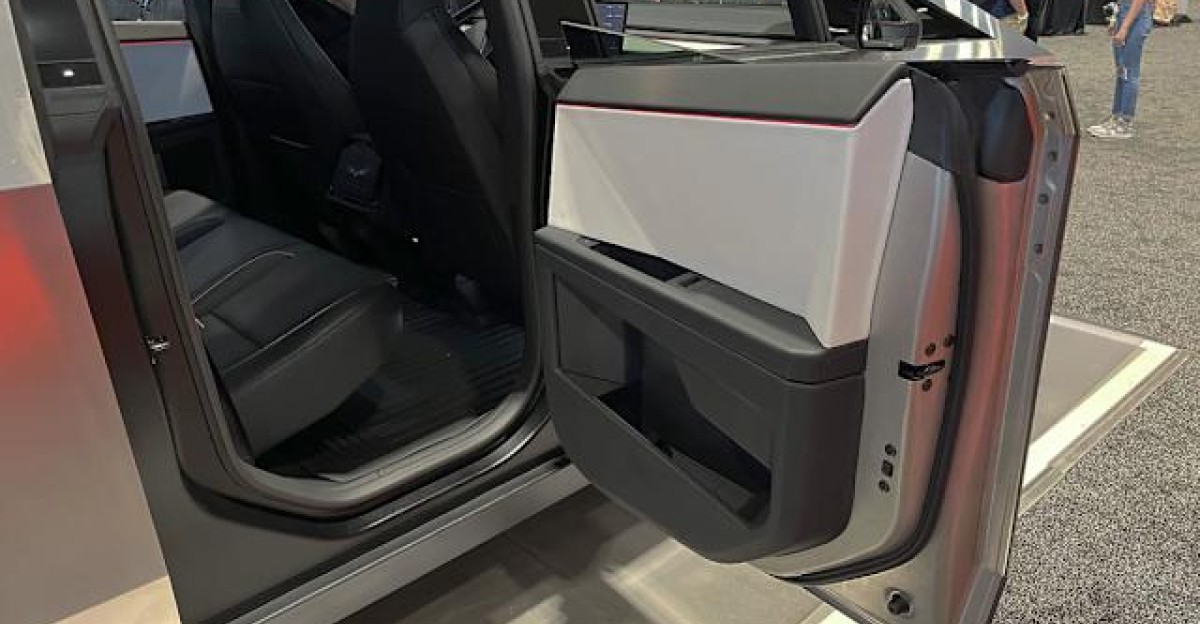
Cybertruck owners waited through months of ownership for a known gap in the driver-assistance suite to close. Every trip happened without a capability Tesla’s software-driven model was built to provide. Tesla’s update system promises improvements after purchase, yet this delay stretched long enough to draw attention. Teslarati described the fix as long-awaited, reflecting how widely the absence was felt. The gap between expectation and delivery remained visible until the update arrived. Once it did, the conversation shifted from absence to impact, raising questions about how safety is actually defined today.
Safety No Longer Stops At Factory
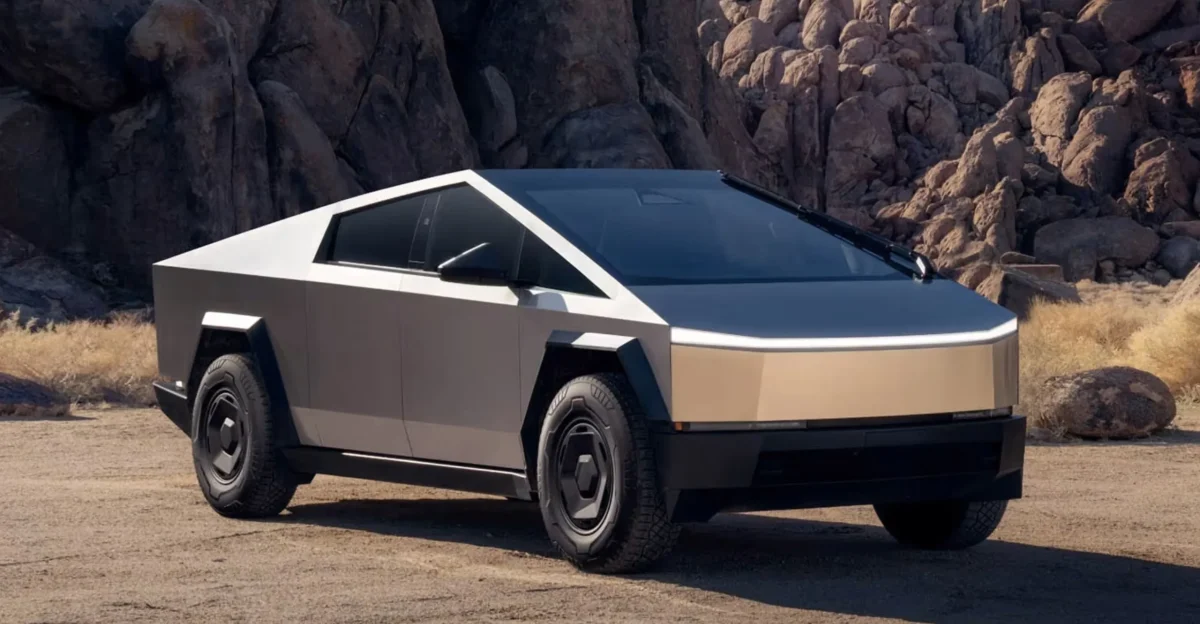
Many still assume vehicle safety is finalized at the factory through structure, airbags, and engineering design. That assumption is fading. Tesla delivered this Cybertruck feature like a smartphone update, meaning the vehicle today differs from the one originally shipped. Organizations such as IIHS evaluate crashworthiness and crash-avoidance, but those ratings do not account for post-sale software updates. Hardware testing and software evolution operate on separate timelines. As vehicles continue receiving updates after delivery, the definition of a finished product becomes less clear, and that distinction shapes how safety improvements are understood.
Safer Now Means Constant Software Updates

A shift is underway in how safety is delivered. Tesla’s OTA system functions as a core channel for improvements, not just convenience. The update reaches Cybertruck vehicles and changes behavior, yet Tesla’s owner guidance still requires active driver supervision. Technology adds assistance, but responsibility remains shared. This balance defines modern driving systems, where software expands capability but does not remove human oversight. The result is a layered approach to safety that blends automation with accountability. That dual structure becomes clearer when comparing how regulators and manufacturers handle safety improvements differently.
Two Systems Define Vehicle Safety Today
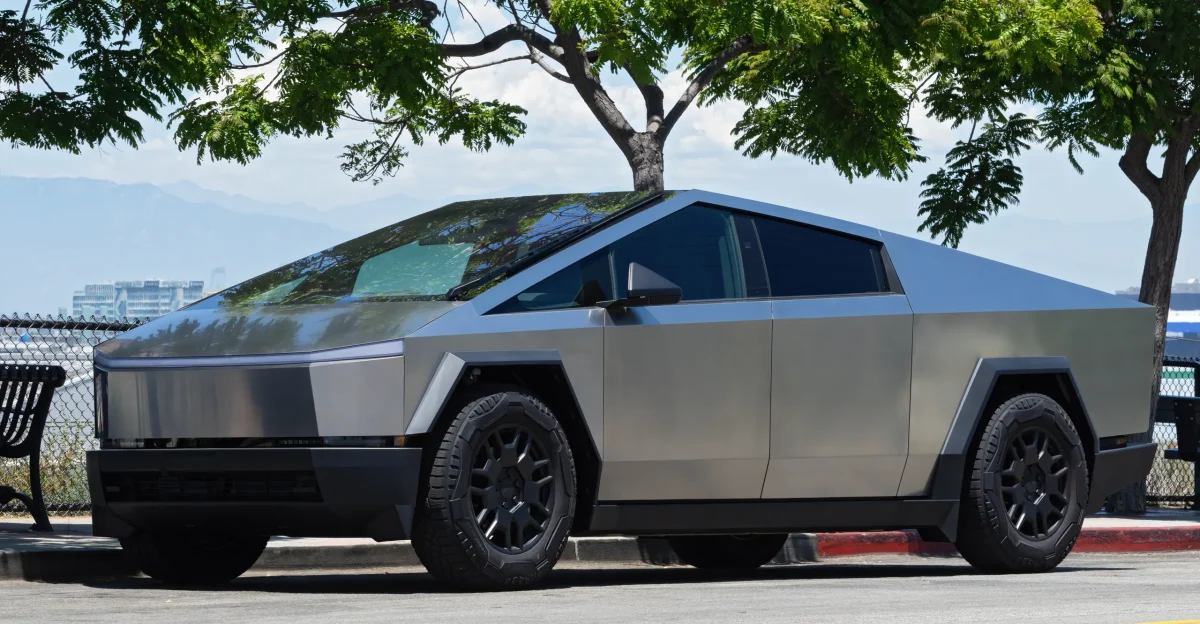
Safety now follows two parallel paths. NHTSA oversees defects and recalls, stepping in when problems require enforcement. Tesla, by contrast, delivers voluntary improvements through software updates. One path signals something is broken. The other signals something has improved. Both affect the same driver, yet they carry different weight and urgency. An update offers new protection only if installed, while a recall demands action. This division creates a new responsibility for owners, who must actively participate in maintaining their vehicle’s safety, and that responsibility becomes even more critical when updates remain optional.
Updates Work Only If Installed
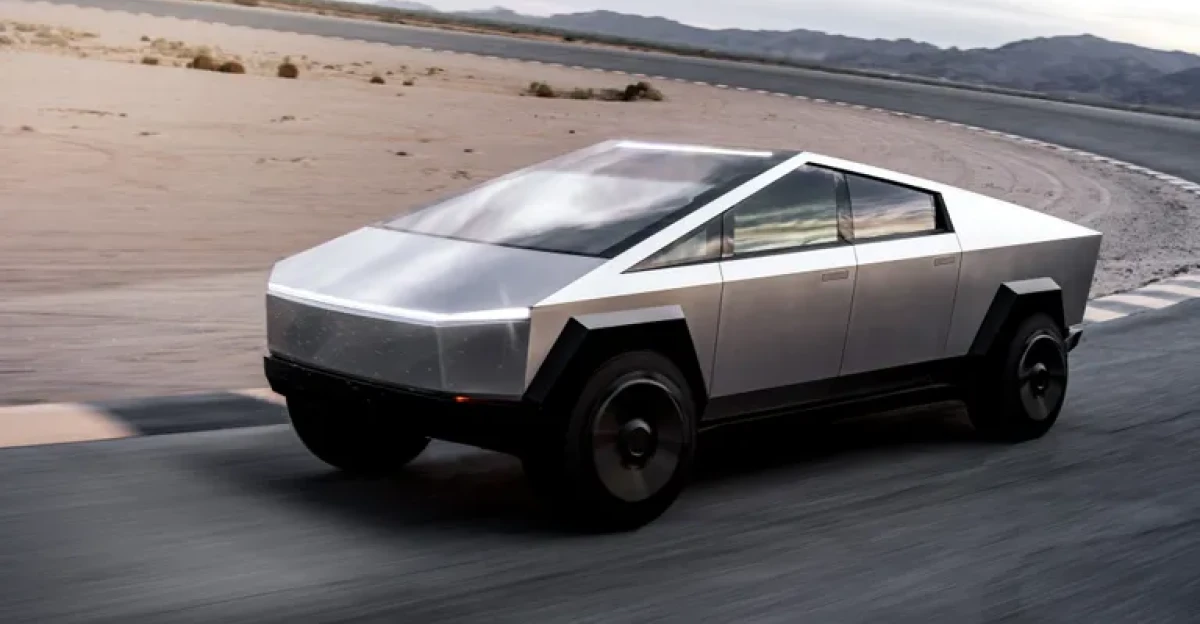
One overlooked detail shapes the entire system. Safety improvements only apply when updates are installed. Tesla’s OTA model eliminates dealership visits and downtime, but it introduces reliance on owner action. A Cybertruck running outdated software may lack protections already available. Industry standards such as SAE J3016 confirm that automation levels still require driver engagement. Technology can assist, but attention remains essential. Software expands what a vehicle can do, yet it cannot replace human awareness. This dependency introduces a new risk layer, especially as updates continue to shape how vehicles behave over time.
OTA Updates Reshape Auto Industry Economics
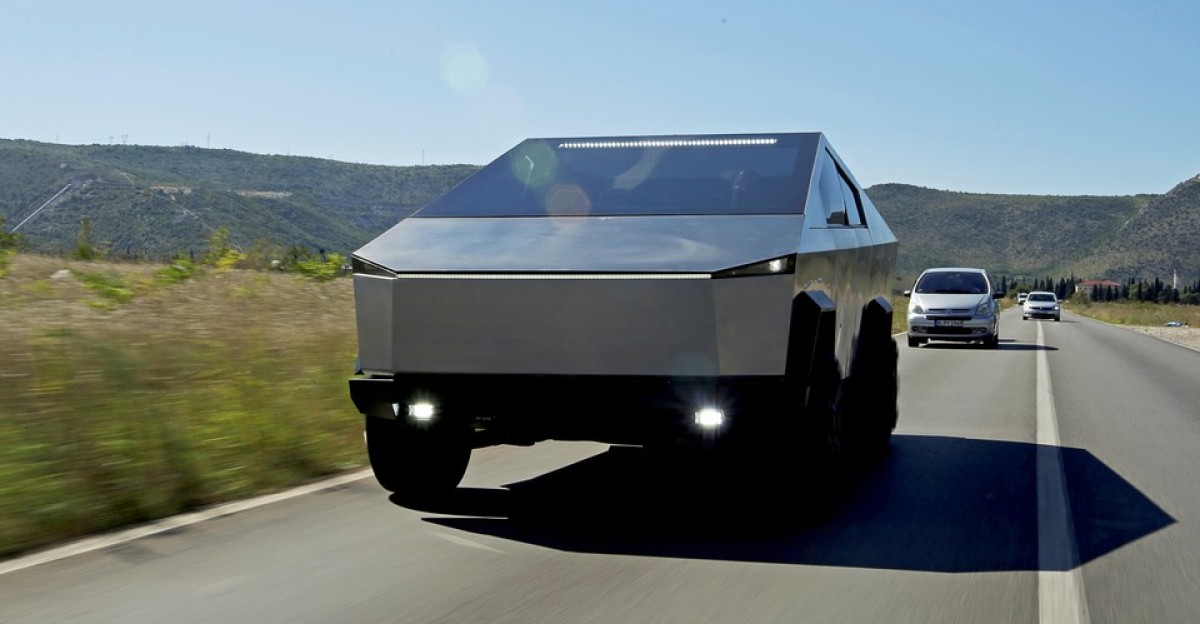
The update signals more than a single improvement. It highlights a broader shift toward software as a safety delivery system across the automotive industry. Service demands move away from physical workshops and toward digital infrastructure. Fewer service appointments are needed, while data systems grow in importance. Regulatory oversight also evolves. NHTSA already requires reporting for certain driver-assistance incidents, meaning updates do not remove scrutiny. Instead, they may increase it, as new features create new expectations. Once capability exists, performance becomes measurable, and that measurement can lead to deeper evaluation if results fall short.
Safety Expectations Now Extend Beyond Purchase
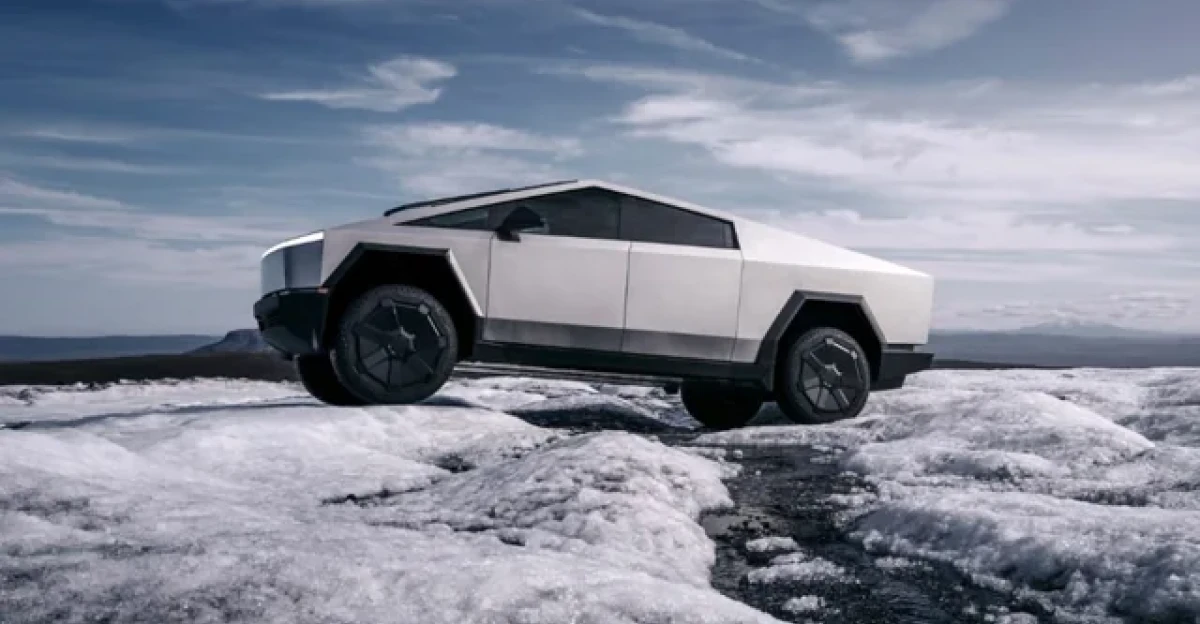
This moment reflects a growing expectation that vehicles improve after delivery. Organizations such as Consumer Reports continue evaluating driver-assistance systems and highlighting concerns about monitoring and reliability. The traditional model viewed the factory as the final step. The new model treats it as the starting point. Vehicles now exist within an ongoing software cycle that shapes performance over time. Each update can adjust risk, functionality, and user experience. That evolving nature changes how ownership works, suggesting that a parked car is no longer static but part of a continuous process that extends far beyond purchase.
Delays And Misuse Could Shape Future Oversight
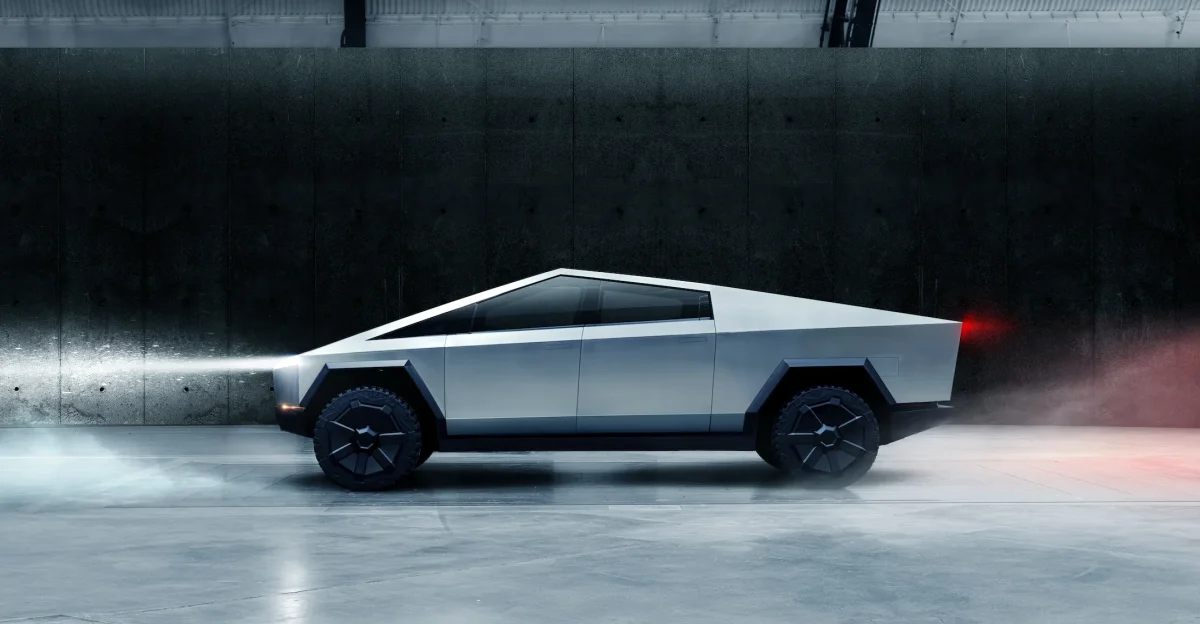
Owners who delay updates risk missing improvements already available. At the same time, misunderstanding driver-assistance systems can lead to misuse. Tesla’s guidance outlines clear limitations, yet marketing often receives more attention than manuals. Data collection requirements tied to driver-assistance systems continue expanding, especially under NHTSA oversight. If incidents occur after updates, reporting increases and scrutiny grows. That progression moves quickly from voluntary improvements to formal evaluation. How will regulators respond if updated systems fail to meet expectations under real-world conditions?
The Install Button Now Defines Safety Outcome
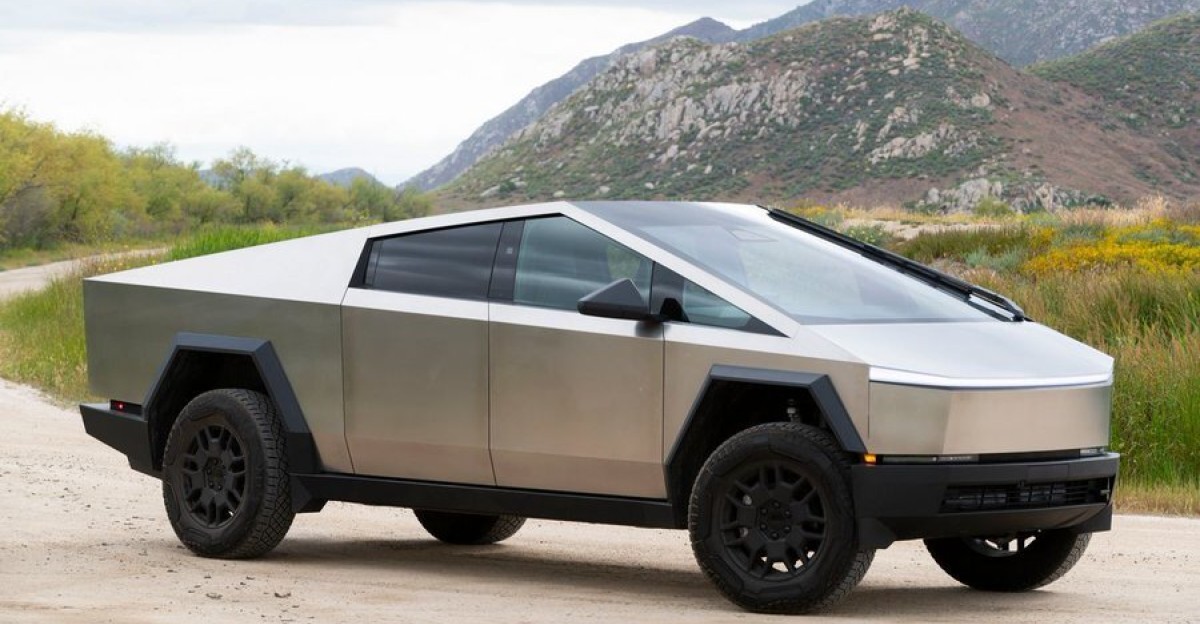
The Cybertruck that improved overnight did so only because its owner allowed the update. That detail defines the current framework. Safety now depends on software behavior, human supervision, and regulatory oversight operating in parallel. Each system functions independently, yet all influence the same outcome. Owners sit at the center, responsible for activating improvements that manufacturers deliver. The vehicle in the driveway continues to evolve, shaped by decisions made after purchase. Whether that evolution improves safety depends less on the technology itself and more on how consistently it is used.
Sources:
Tesla Cybertruck gets long-awaited safety feature. Teslarati, March 17, 2026
Tesla Rolls Out Anti-Dooring Safety Feature for Cybertruck. Tesla North, March 17, 2026
Tesla set to activate long-awaited Cybertruck feature. Teslarati, February 24, 2026
2026.8 Update adds Blind Spot Warning Anti-Opening Door Feature. Cybertruck Owners Club, March 15, 2026
Tesla Cybertruck earns IIHS Top Safety Pick+ award. Teslarati, December 15, 2025
Standing General Order on Crash Reporting. NHTSA, accessed March 21, 2026
Full Self-Driving (Supervised) Limitations. Tesla Owner’s Manual, accessed March 21, 2026