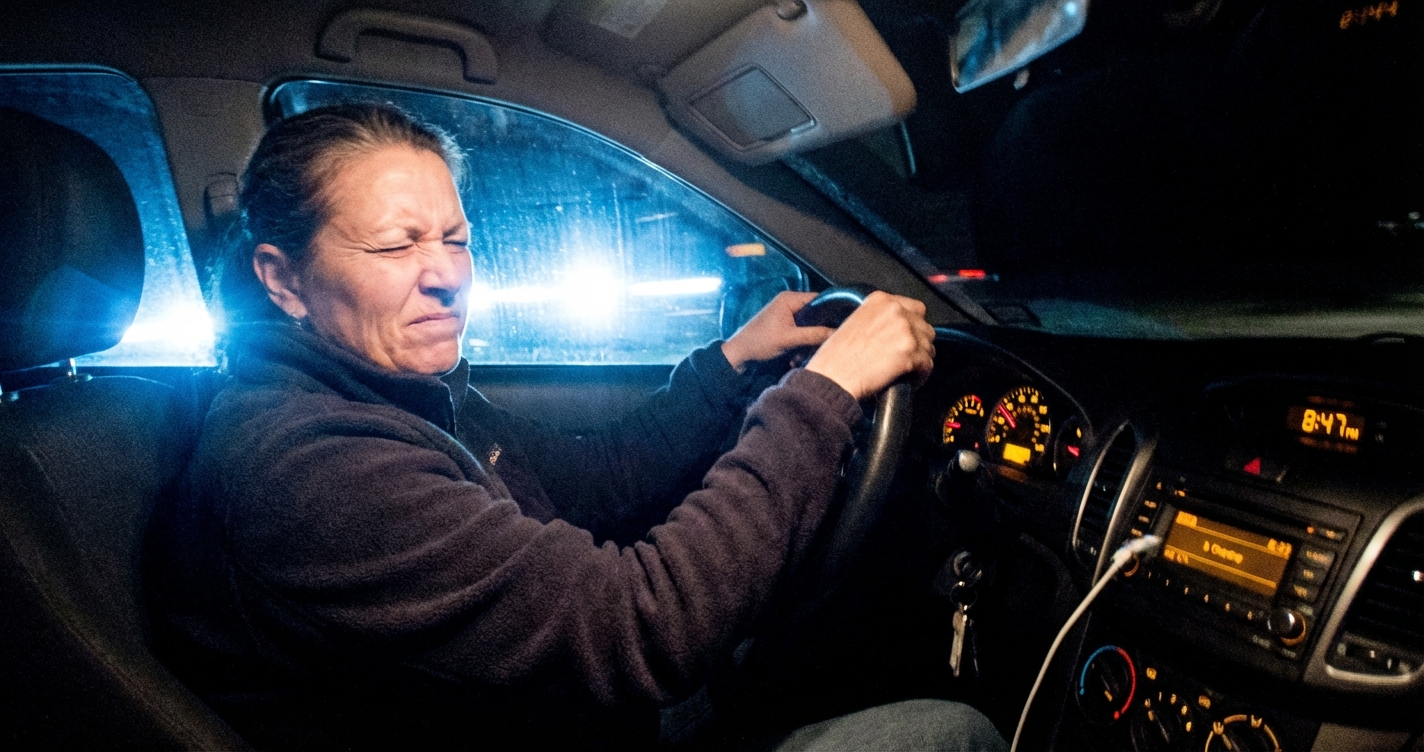
LED Headlights Blind 60% of American Drivers—40 States Never Check Alignment
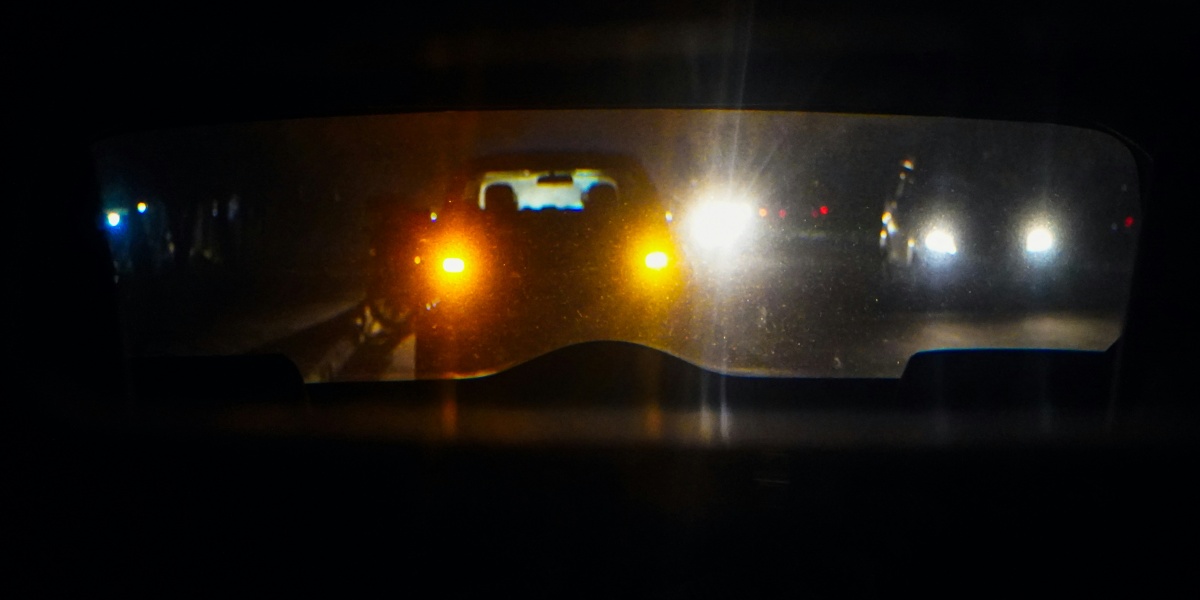
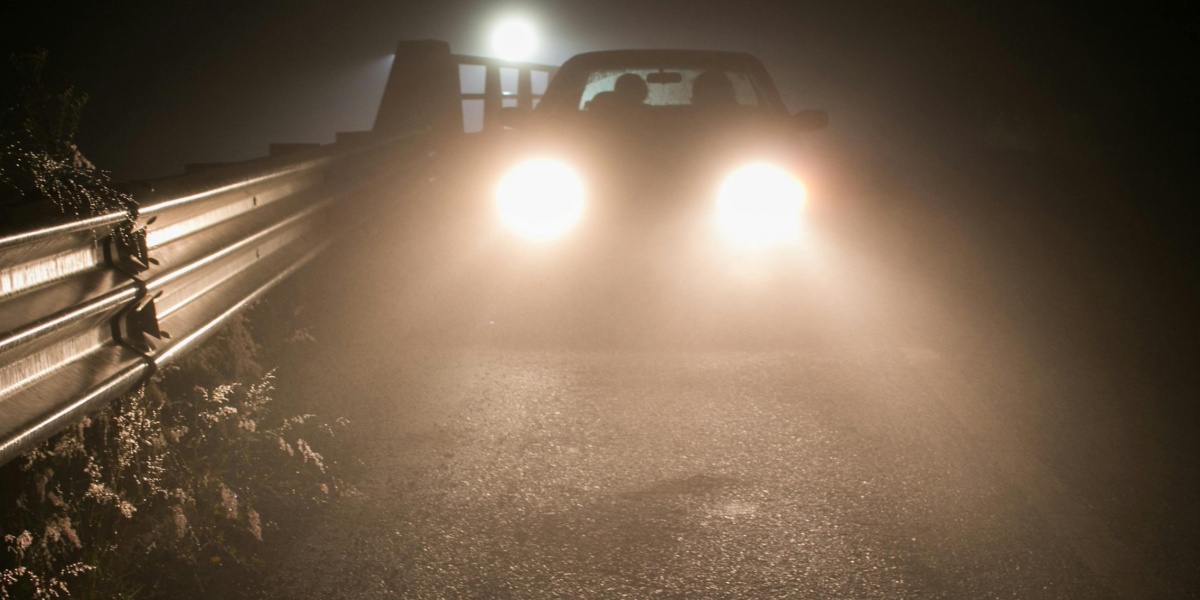
Six in ten American drivers now report LED headlight glare as a serious problem after dark, according to a March 2026 AAA survey of 1,092 adults. That covers an estimated 120 to 130 million people behind the wheel, squinting through temporary vision impairment after dark, a recovery window traffic safety research documents at three to nine seconds, during which a driver traveling at highway speed covers up to 900 feet with degraded central vision. That is the functional definition of being blinded. And 73% of those affected say the problem has gotten measurably worse over the past decade. Not stable. Not manageable. Worse. The part most people haven’t considered is how far beyond the windshield this crisis actually reaches.
The Technology That Outran the Law
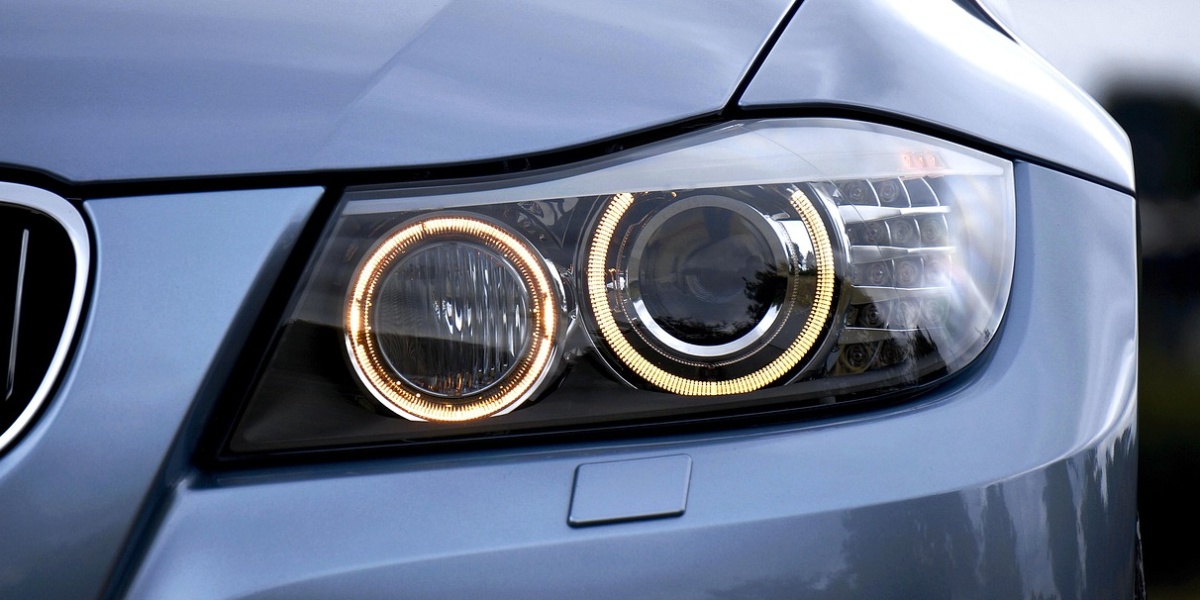
LED headlights now come standard in the large majority of new U.S. vehicles. They pump out 3,600 to 4,500 lumens compared to 900 to 1,000 for the halogen bulbs they replaced. That is a four-to-five-fold brightness increase. The federal safety standard governing headlight brightness, FMVSS 108, was written for halogen technology and has not been updated to set brightness limits for standard LED headlamps, despite a 2022 amendment that only addressed adaptive driving beam systems. Manufacturers adopted LEDs for cost savings and visibility advantages. Nobody updated the rules to manage what that brightness does to oncoming traffic.
Your Eyes Pay the Price Every Night
Of drivers experiencing glare, 92% pinpoint oncoming headlights as the cause. That is not random sensitivity. That is a structural problem with a single source. Prescription lens wearers report glare at 70% versus 56% for those without glasses, meaning corrective lenses interact with LED wavelengths in ways nobody engineered around. Female drivers report 70% glare incidence compared to 57% for men. A 13-point gap that no manufacturer has acknowledged, let alone addressed. The grocery run after dark just became a different experience depending on your biology.
The SUV Arms Race Gets Fuel
Pickup truck drivers report glare at just 41% compared to 66% for the general driving population. A 25-point gap whose cause AAA’s survey did not attribute to any single variable, including seating height, which showed no statistically significant impact on glare reporting. That number quietly reshapes the car market. Consumers already gravitating toward SUVs and trucks now have a new, visceral reason to buy bigger: escape the blinding light aimed at sedan-height windshields. Manufacturers selling high-margin trucks benefit directly from a problem they helped create with brighter headlights on those same trucks. The glare crisis is now a purchasing incentive.
Where Nobody Expected the Cascade
Adaptive driving beam technology solves the glare problem. It selectively dims pixels aimed at oncoming drivers while keeping the road lit. NHTSA approved it in 2022. Four years later, automakers have largely not implemented it in the U.S. due to contradictions in the final rule, leaving the technology unavailable to American consumers at any price point. The fix exists. The fix works. And the fix remains unavailable in the American market. Meanwhile, European drivers have had adaptive headlights for years. Some U.S. vehicles carry the hardware but lack the software activation due to regulatory differences. The solution is literally sitting dormant in American cars.
The Machine Behind the Glare
Here is why every ripple traces to the same failure. The FDA holds authority over visible light radiation but has issued zero LED-specific safety standards. NHTSA governs vehicles but explicitly refuses to regulate consumer headlight modifications. Neither agency constrains manufacturer brightness optimization. Manufacturers maximize lumens because brighter headlights reduce their liability for crashes. The glare cost transfers to oncoming drivers. Automakers profit. Regulators defer. Drivers absorb harm. One policy vacuum. Two paralyzed agencies. A hundred and thirty million blinded commuters. All connected by the same structural collapse.
Voices From the Dark Road
“The glare is really bad. I usually do not drive at night unless I absolutely have to,” one older driver told researchers in a study on nighttime vision. That is not a complaint. That is a mobility sentence. Older drivers facing the highest crash risk from glare are voluntarily surrendering nighttime independence because the system offers no alternative. AAA’s Greg Brannon declared that “as vehicle lighting technology evolves, so must our understanding of glare.” He said that while the agencies responsible for acting have explicitly declined to act.
The 40-State Alignment Vacuum
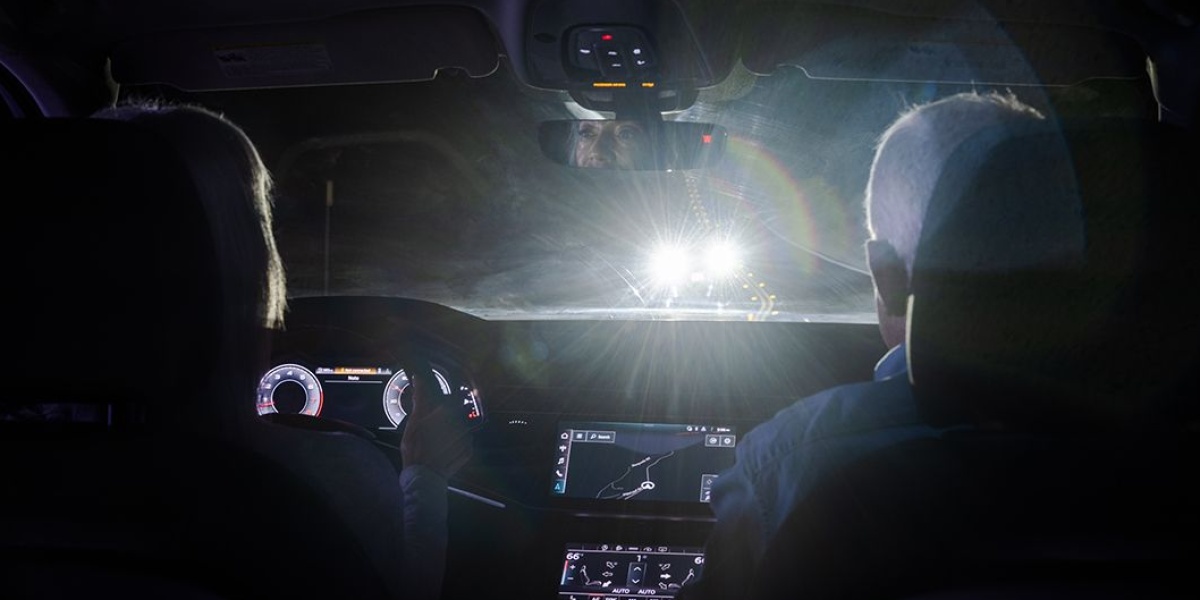
One degree of upward headlight misalignment significantly amplifies glare intensity. Misalignment happens naturally through normal wear and tear. Only 10 states require alignment checks during vehicle inspections, leaving 40 states with no mandatory policy to detect or correct a preventable glare multiplier, meaning these states never require the check, regardless of whether individual drivers seek it out voluntarily. NHTSA receives more consumer complaints about headlights than any other vehicle topic, yet maintains unchanged brightness standards for conventional LED headlamps. Congress proposed a headlight brightness study in 2025, but rule-making timelines suggest 2028 or 2029 before any regulatory change arrives. The precedent: complaint volume does not trigger federal action.
Who Profits, Who Pays
Luxury automakers market adaptive beams as premium features rather than standard safety equipment. Aftermarket anti-glare glasses, window coatings, and mirror replacements represent a potential multi-billion-dollar annual market built entirely on regulatory failure. Lower-income drivers in older vehicles absorb the worst glare exposure while facing potential insurance premium increases for lacking adaptive technology. Vehicles with good IIHS headlight ratings show 19% fewer nighttime single-vehicle crashes and 23% fewer pedestrian crashes. The safety benefit concentrates in newer, pricier cars. The harm distributes downward.
The Cascade That Keeps Breaking
Transport Canada opened its own formal consultation on headlight glare in March 2026, signaling potential North American regulatory convergence. Manufacturers may voluntarily expand adaptive beam availability to preempt mandates. But the timeline tells the real story: the earliest U.S. regulatory change arrives around 2028 at best, with full fleet compliance stretching toward 2035 or later. Current drivers absorb six-plus years of unmanaged glare. The person who now understands this system sees what most people miss: every bright headlight on the road tonight is a cost someone else is paying for someone else’s profit.
Sources:
“New AAA Survey: Six in Ten Drivers Struggle with Headlight Glare.” AAA Newsroom, 24 Mar. 2026.
“Headlights.” Insurance Institute for Highway Safety (IIHS), 14 Oct. 2025.
“NHTSA to Allow Adaptive Driving Beam Headlights on New Vehicles, Improving Safety for Drivers and Pedestrians.” National Highway Traffic Safety Administration, 14 Feb. 2022.
“Canadian Experience with Vehicle Headlights and Glare at Night.” Transport Canada, 5 Mar. 2026.