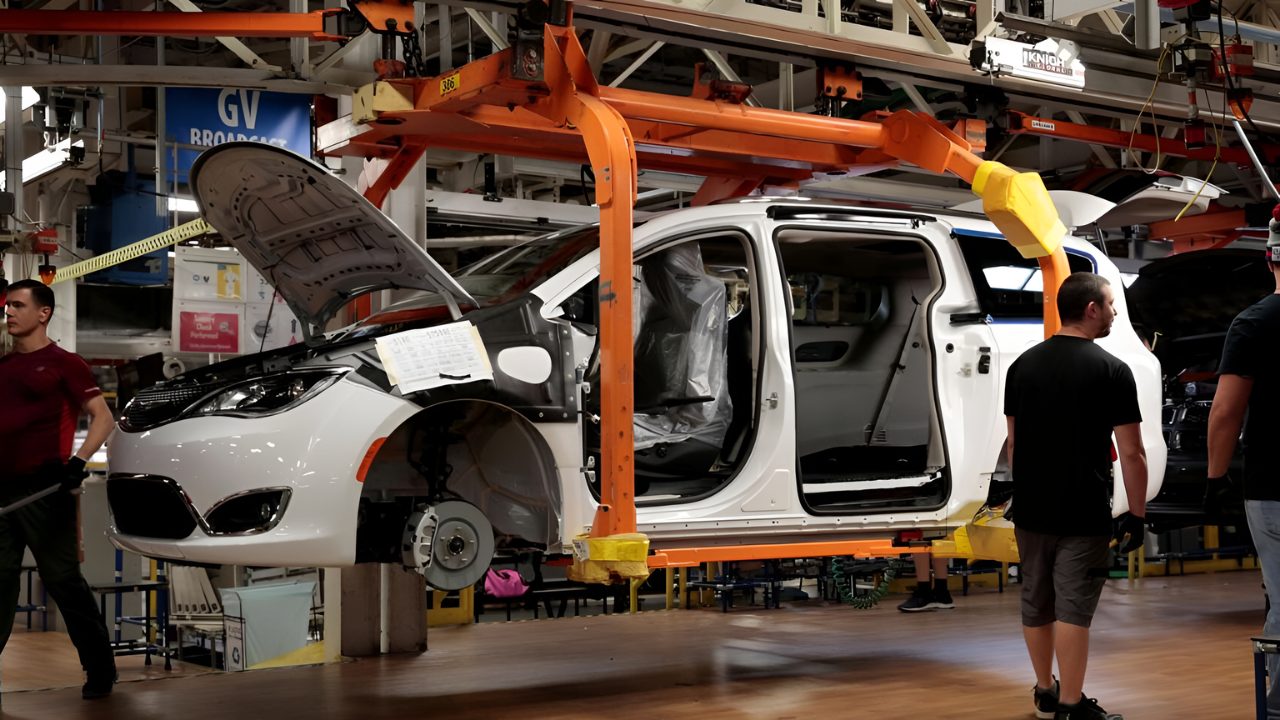
Budget Squeeze Expected As Chrysler’s 2027 Lineup Slashed 50%—Only The Expensive Minivan Survives
Chrysler’s showroom is about to get very quiet. The brand currently offers shoppers two core nameplates: the Pacifica minivan family and the budget-friendly Voyager. That’s the whole menu. Not a sprawling lineup trimmed at the edges. Just two vehicles. And according to reports, one of them won’t make it to 2027. For a brand that already lost the 300 sedan, the math on what’s left should make anyone shopping Chrysler nervous about what “choice” means going forward.
Budget Axed

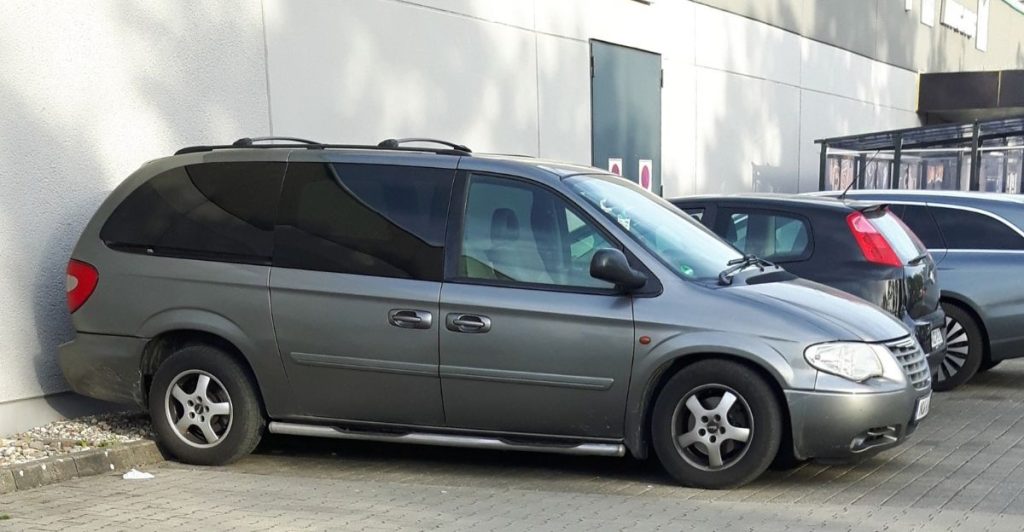
The Voyager is reportedly the one getting cancelled for the 2027 model year. The entry-level minivan, the one built to keep price-sensitive families inside a Chrysler dealership, is the nameplate Stellantis chose to eliminate. That alone would sting. But the timing makes it worse: the Pacifica, now the sole survivor, is expected to get a price increase for 2027. The affordable door closes, and the remaining door costs more to walk through.
Shrinking Brand
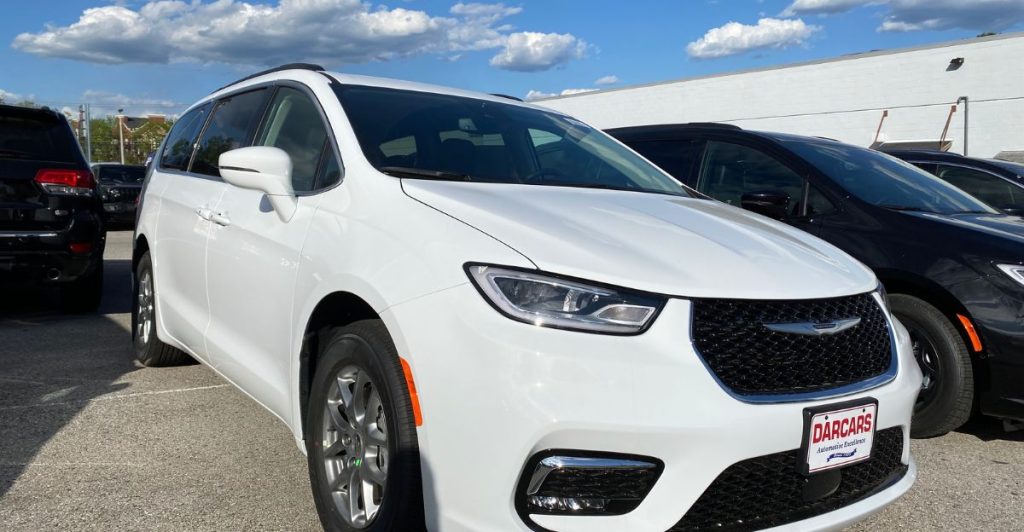
This contraction didn’t start with the Voyager. Chrysler 300 production ended in 2023, closing out the brand’s entire sedan footprint. That left minivans as Chrysler’s only business. Now the cheaper minivan reportedly disappears too. The assumption most buyers carry, that big American brands always expand their offerings, crashes into reality here. Chrysler isn’t growing. Chrysler is contracting. And the pattern suggests something deeper than one model being unpopular.
Margin Math
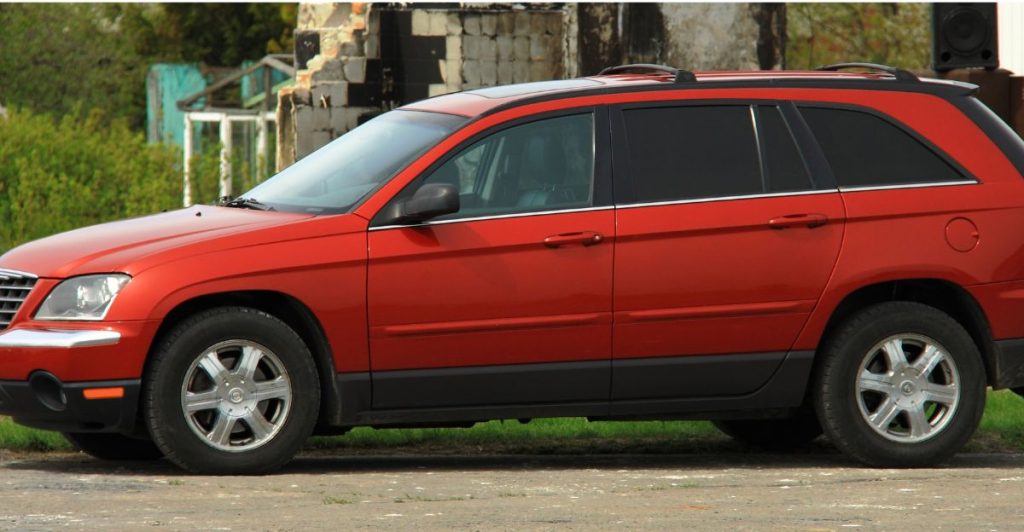
With Voyager reportedly gone for 2027, Chrysler’s lineup effectively collapses to a single minivan family. Fifty percent of the lineup. One cut. One nameplate left. That’s the math of a brand near minimum viable scale. The deeper story is a shift from chasing volume to chasing profit per buyer. Stellantis’ 2024 results and 2025 guidance emphasize financial performance targets and discipline. Options shrink when margins matter. Your payment just went up, and nobody asked for permission.
Forced Upmarket
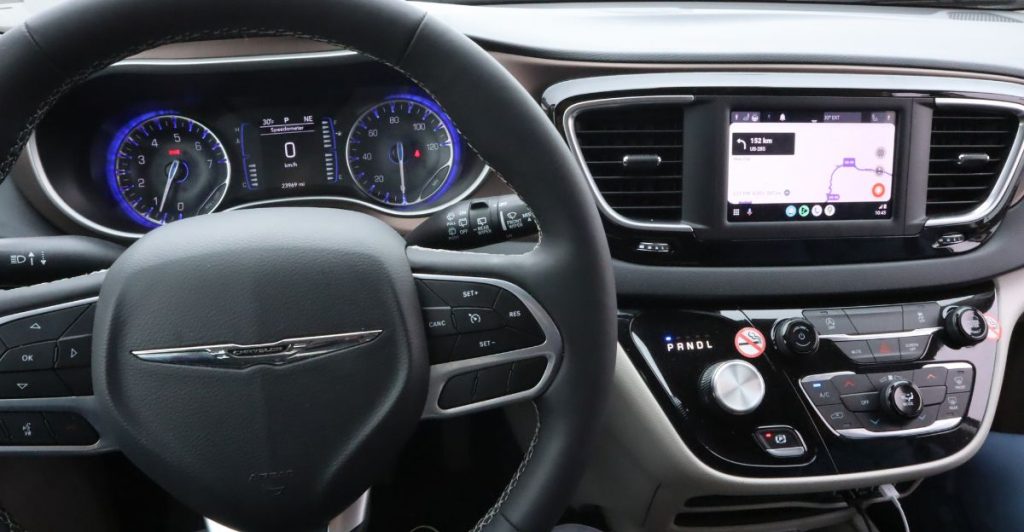
The hidden mechanism is conglomerate capital allocation. Inside Stellantis, Chrysler competes with Jeep, Ram, Dodge, and a dozen other brands for investment dollars. Low-volume lines get cut. High-margin survivors get resources. Budget buyers who would have landed on a Voyager now face a choice: stretch into Pacifica pricing, cross-shop a Sienna, Odyssey, or Carnival, or hit the used market. That’s like a restaurant cutting half the menu when the menu only had two entrées.
The Numbers
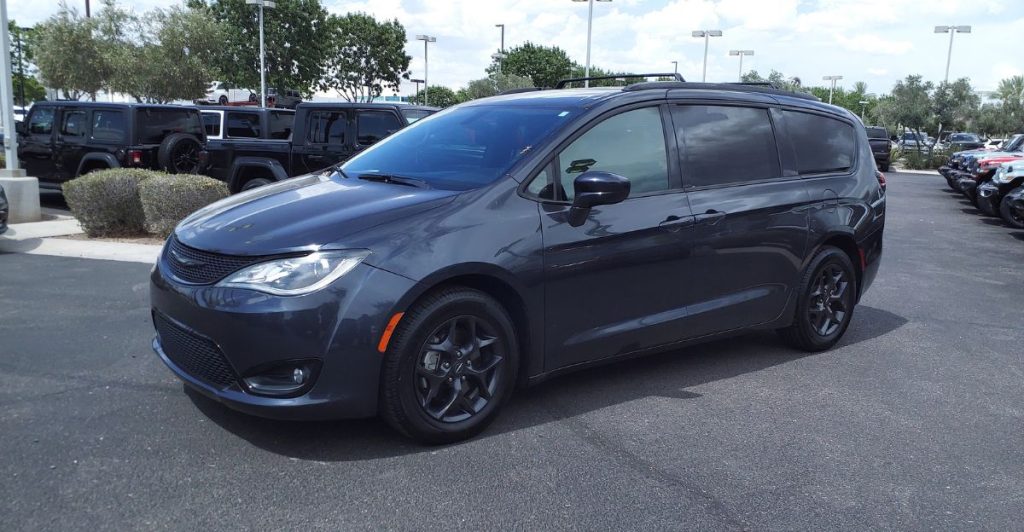
Chrysler’s public-facing lineup is already extremely narrow compared to mainstream rivals. Going from two core nameplates to one isn’t trimming fat. It’s approaching the floor of what qualifies as a functioning brand. Meanwhile, Stellantis has reported product-timing pressures and delays in North American EV programs, which means legacy models like Pacifica carry even more weight. One recall, one supply disruption, one demand slump, and a single-product brand has nowhere to hide.
The consequences
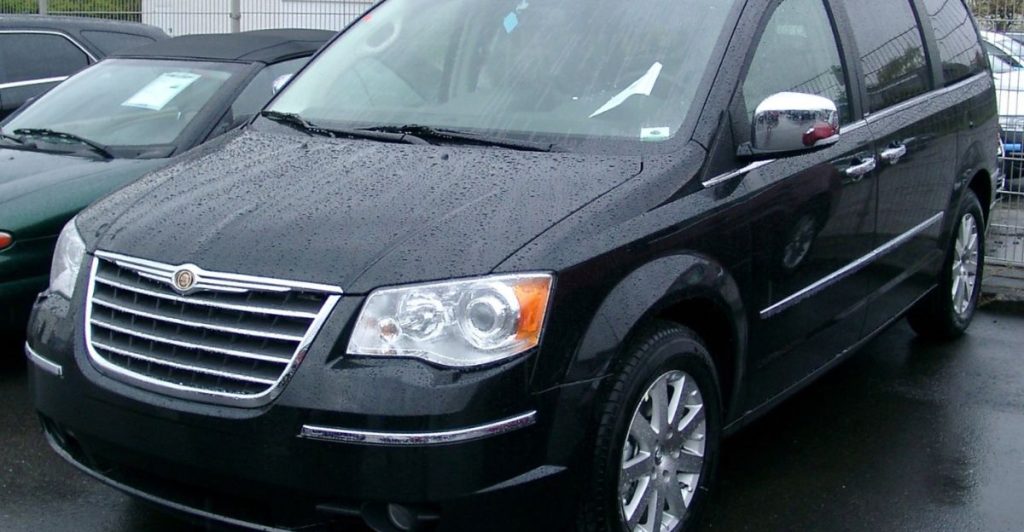
The consequences spread beyond Chrysler’s showroom. Rivals gain pricing leverage when low-end competition disappears. Honda and Toyota don’t need to discount as aggressively if the budget Chrysler minivan no longer exists. Higher transaction prices across the segment could push more families into the used-market demand, inflating prices there too. Price-sensitive new-car buyers and fleet channels lose the most. The squeeze isn’t theoretical. It follows the inventory.
New Rule
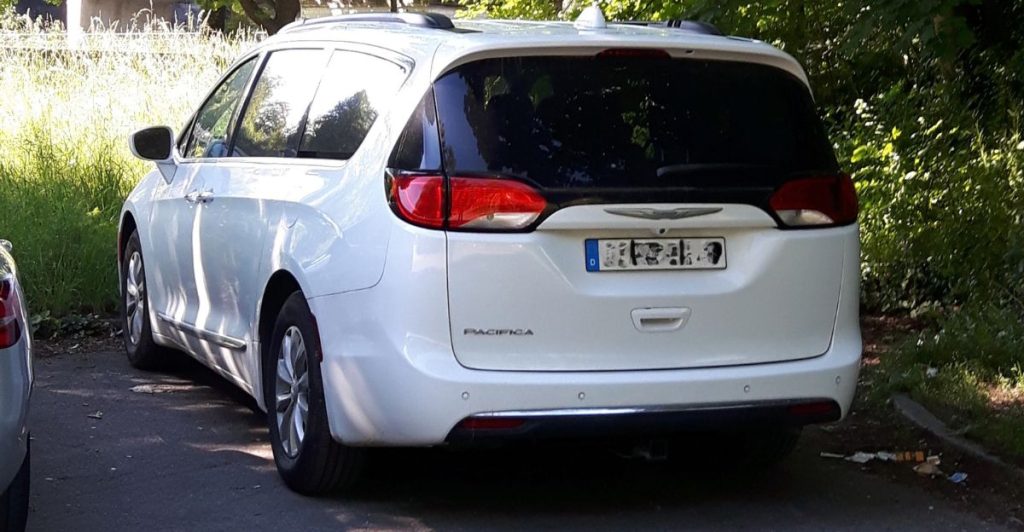
This isn’t an isolated product decision. It may be a template. Stellantis’ financial guidance frames a corporate environment where capital allocation and margin targets drive brand simplification. More legacy American badges could become single-product niche labels, surviving on name recognition while offering fewer and fewer vehicles. “Half the lineup” isn’t drama. It’s the arithmetic of a brand operating at minimum viable scale. Once you see that equation, every future Chrysler announcement reads differently.
What’s Next
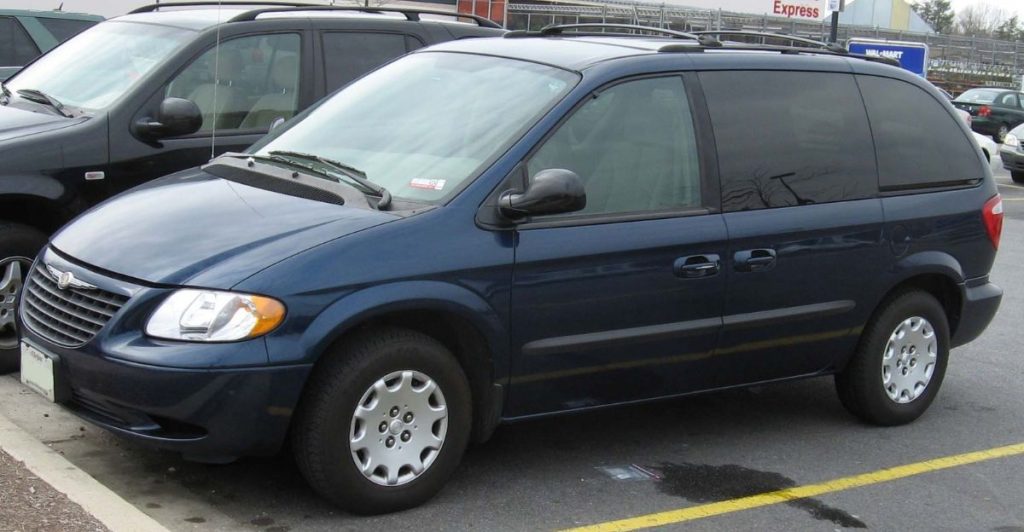
The escalation path is straightforward: if Pacifica volumes don’t justify the complexity of maintaining a standalone brand, further trims or variants get cut. Chrysler becomes less a car company and more a badge on a single product. The families who haven’t been affected yet, the ones currently planning purchases on three-to-five-year ownership cycles, will feel 2027 arrive faster than they expect. The used Voyager market is about to get very interesting.
Counter Punch
Stellantis could fight back with incentives, special editions, or repositioning to defend minivan share. Whether that happens depends on whether Chrysler’s corporate parent sees the brand as worth defending or simply worth milking. The reader who understands this story walks into a dealership knowing something most shoppers don’t: the “choice” on the lot was engineered in a boardroom that prioritizes margins over options. Cross-shop accordingly. The brands that want your money will have to prove they also want your loyalty.
Sources:
“Chrysler Will Only Sell You One Thing And It’s The Facelifted 2027 Pacifica.” Jalopnik, 9 Mar 2026.
“2027 Chrysler Pacifica: Here’s What’s New.” Auto123, 9 Mar 2026.
“The Chrysler 300 Reaches the End of the Line.” Chrysler Jeep Dodge Ram of Paramus (dealer blog), 31 Dec 2021.
“Stellantis Reports Full Year 2025 Financial Results.” Stellantis, 25 Feb 2026.