Lamborghini Kills 2,000-HP Electric Supercar—CEO Calls EV Push ‘Expensive Hobby’
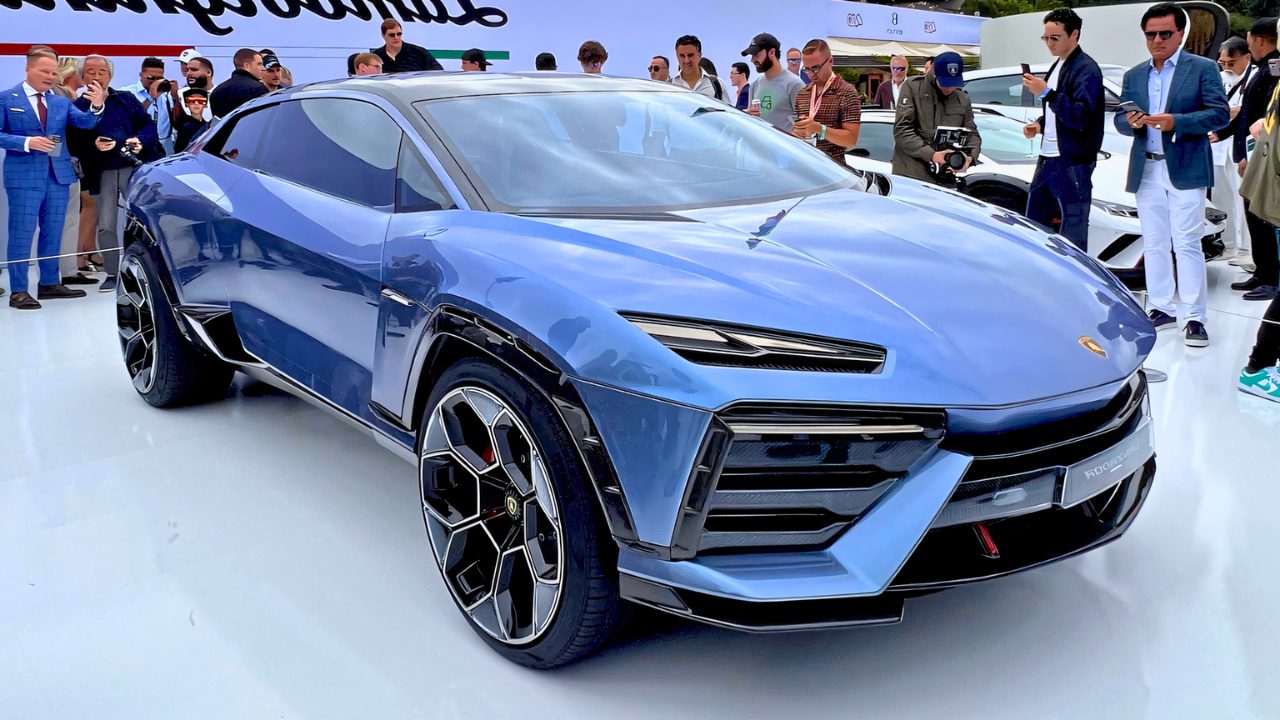
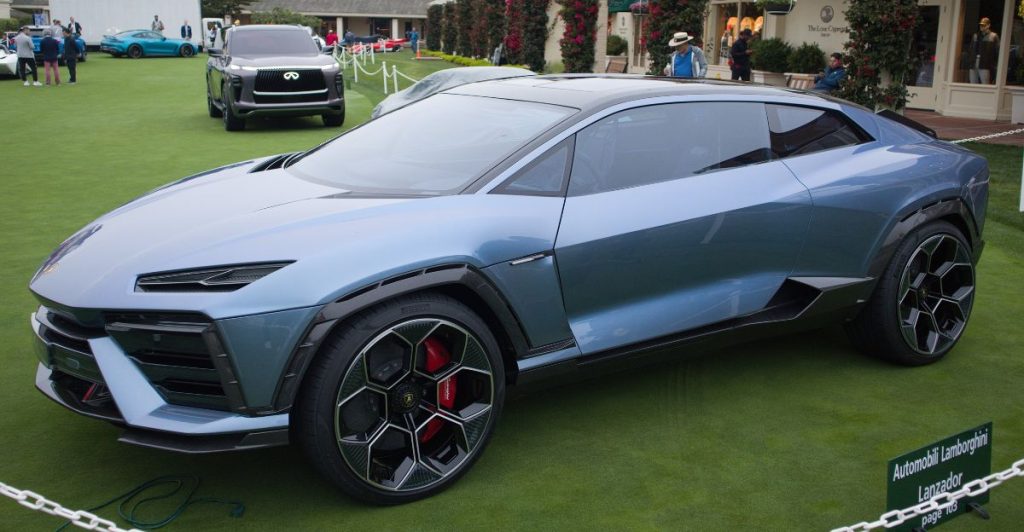
Lamborghini didn’t just cancel a car; it canceled a storyline. The Lanzador was unveiled in 2023 as a high-riding 2+2 “Ultra GT” with more than one megawatt of power, around 1,341 horsepower, riding on a Porsche-developed 980-volt platform capable of up to 2,000 hp. Now the all-electric version is dead before SOP, replaced by a plug-in hybrid.
After more than a year of talks with customers and dealers, CEO Stephan Winkelmann says EV demand in Lamborghini’s world is “close to zero,” and spending big on full EVs would be an “expensive hobby” the brand can’t justify.
The EV Math Doesn’t Work
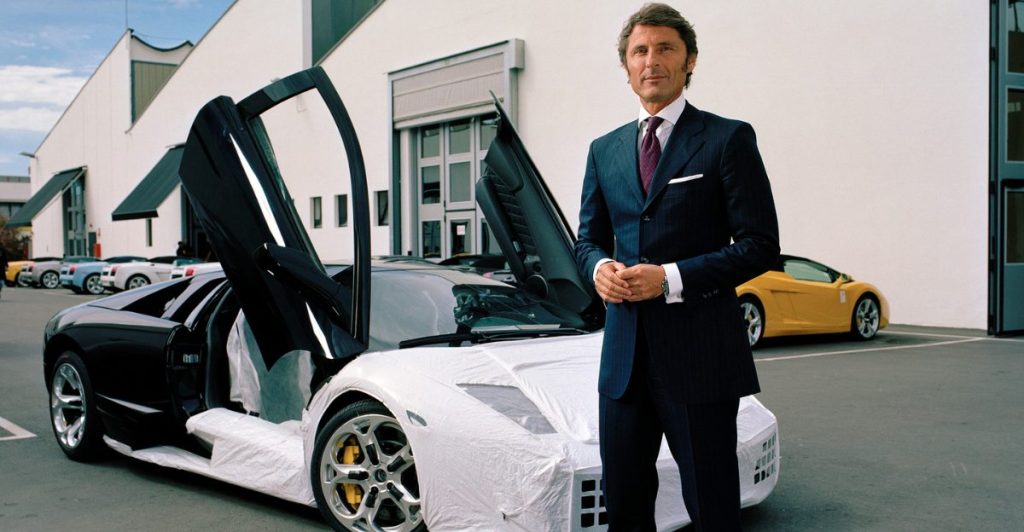
Winkelmann didn’t hide behind corporate fluff. In a February 2026 interview, he said pouring money into full EVs when buyers aren’t ready would be “an expensive hobby, and financially irresponsible toward shareholders, customers, and our employees and their families.” The Lanzador was tracking toward a roughly $300,000 sticker with production pushed to 2029 before the plug got pulled.
The car itself survives on paper, but now as a plug‑in hybrid, not the clean-sheet EV Lamborghini spent years selling as its future. The message is blunt: the tech works, the business case doesn’t.
‘We’re Selling Dream Cars,’ Not Silent Appliances
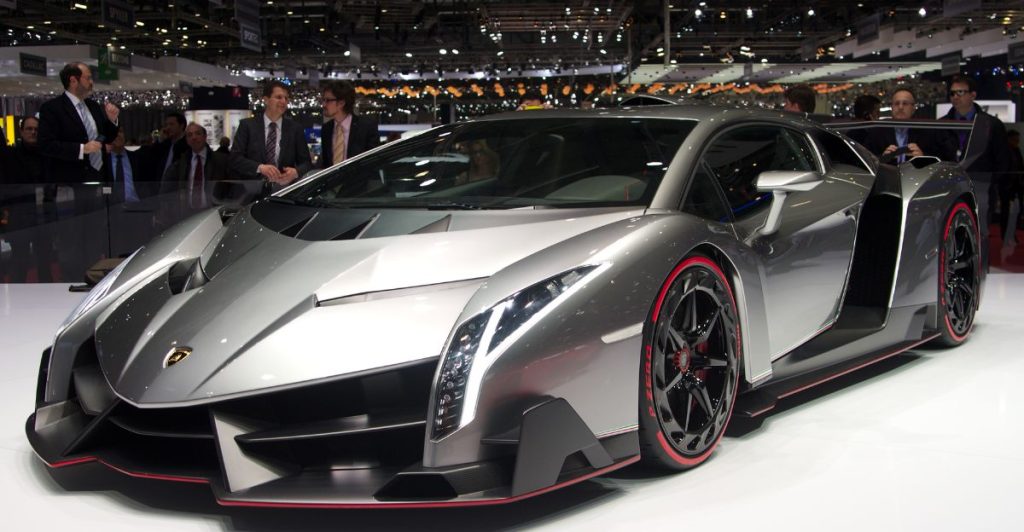
If you want to understand this decision, you have to start with how Lamborghini sees itself. Winkelmann has said bluntly that the brand is not in the mobility business; these are “dream cars,” not commuter tools. Owners aren’t chasing kilowatt-hours; they’re chasing goosebumps. He now argues that EVs, in their current form, “struggle to deliver this specific emotional connection,” no matter how fast they are.
That’s code for one thing: sound. The bark of a V12, the throb of a V8, the sense of mechanical violence, those are the product. Electric thrust alone isn’t enough to keep wealthy buyers hooked.
Hybrid Bulls Are Printing Records While EV Dreams Get Shelved
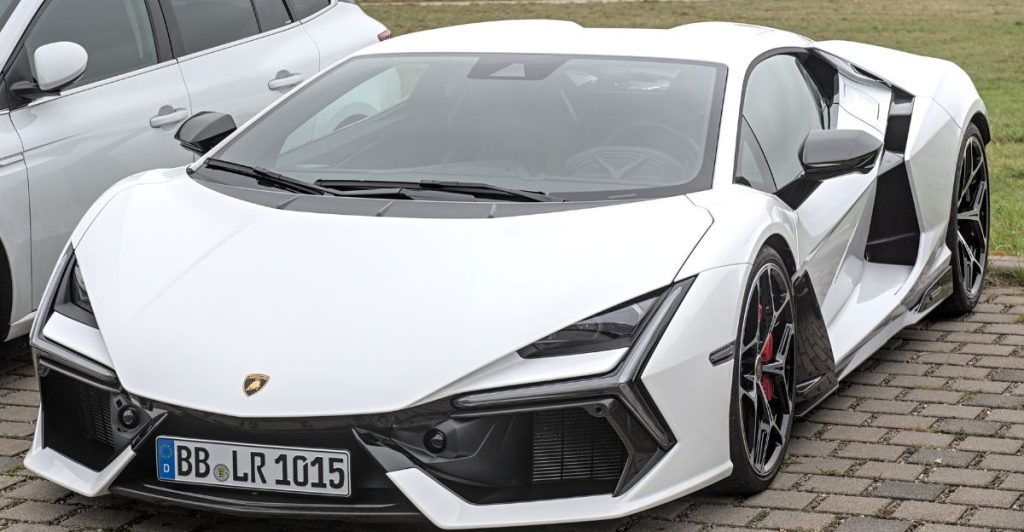
Lamborghini isn’t running from electrification—it’s doubling down on a different kind. The company delivered 10,747 cars in 2025, an all‑time record and its third consecutive record year. Growth was a modest 0.6 percent over 2024, but the mix tells the real story: the Revuelto V12 plug‑in hybrid and the Urus SE hybrid SUV are now the brand’s backbone. EMEA took 4,650 units, the Americas 3,347, and APAC 2,750.
Lamborghini’s current lineup is entirely hybrid, and customers keep lining up. That’s the kind of data point that kills a pure EV program in a heartbeat.
Luxury EVs Are Quietly Dying in the Boardroom
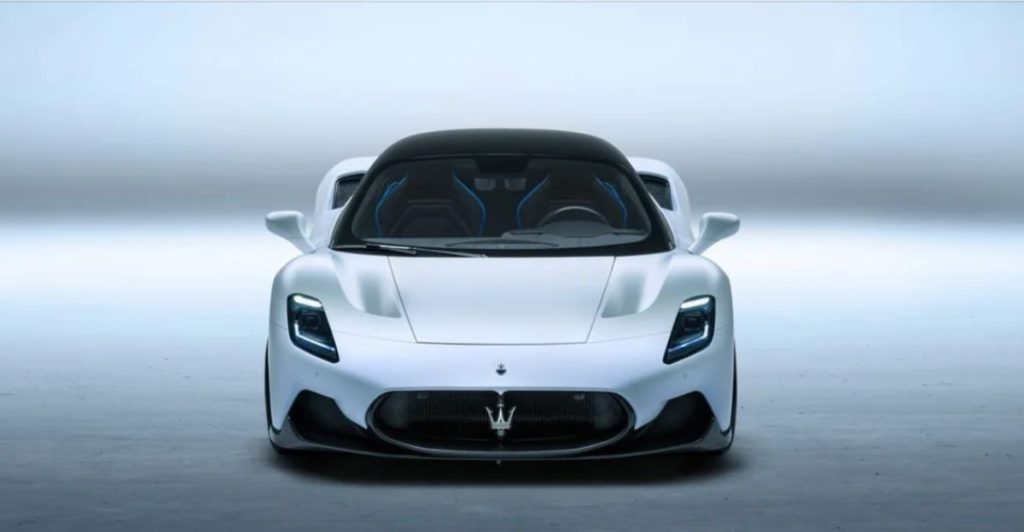
Lamborghini isn’t alone. Maserati scrapped the MC20 Folgore electric supercar in 2025 after deciding buyers weren’t ready to ditch combustion in this segment. Porsche is considering axing the electric 718 Boxster and Cayman after more than six years of development work as new CEO Michael Leiters slashes costs and confronts a brutal drop in Chinese sales.
Bentley, meanwhile, walked back its pledge to be EV‑only by 2030; under Frank‑Steffen Walliser, the plan now stretches hybrid availability out to at least 2035, with the boss admitting EV acceptance in the luxury market is at “an all‑time low.”
A $70 Billion EV Reality Check
Across the industry, legacy automakers have booked roughly $50–70 billion in EV‑related write‑downs and charges as once‑aggressive electrification timelines collide with softer demand. Stellantis alone is staring at about $26 billion in charges tied to EV resets. Ford has recorded a $19.5 billion hit as it yanks back on money‑losing electric models.
GM has lost more than $7 billion, and Honda expects about $1.9 billion in losses tied to its EV pivot. Stellantis leadership calls it a “reset” after “overestimation” of how fast buyers would actually switch. The forecasts were fantasy.
The Hypercar Warning Nobody Wanted to Hear
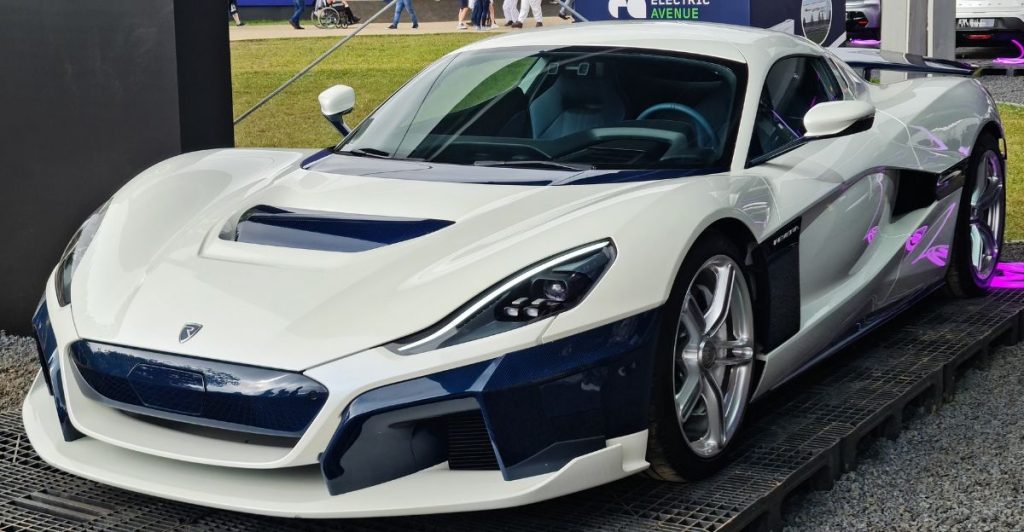
If you want a case study in how bad high‑end EV demand really is, look at the Rimac Nevera. On paper, it’s the future: around 1,914 horsepower, staggering performance, limited to 150 units. In reality, only just over 50 cars have been delivered. CEO Mate Rimac has been brutally honest, comparing the situation to luxury watches: an Apple Watch can do everything better than a mechanical piece, but nobody is paying supercar money for one.
Neveras are already appearing on the secondary market at steep discounts, the kind of depreciation that would be unthinkable for a similarly scarce V12 Ferrari or Lamborghini.
Ferrari’s Lone Bet: Make Electric Feel Emotional, Or Die Trying

While Lamborghini, Maserati, Bentley, and possibly Porsche are backing away from full EVs, Ferrari is going the other way. Its first all‑electric supercar, the Luce, is locked in for 2028 with a quad‑motor setup making more than 1,000 horsepower, a 122‑kWh battery, and a claimed 330 miles of WLTP range. Pricing is expected to land near $500,000.
Ferrari brought in Jony Ive’s design studio to craft the cabin and is pouring effort into sound design and theatre to maintain the brand’s emotional quotient. If Ferrari pulls it off, it’ll own a segment everyone else just abandoned. If not, it’ll be the priciest science project in Maranello’s history.
Supercar Miles Don’t Justify EV Compromises

One detail from Winkelmann’s comments cuts through many EV talking points: Lamborghini owners average fewer than 2,000 miles a year. These aren’t daily drivers grinding out commutes. They’re Sunday‑morning and Cars & Coffee mileage. That reality kneecaps the usual EV arguments about range and charging; none of that matters when the car lives in a climate‑controlled garage and sees a couple of thousand miles at most.
Lamborghini enjoys small‑volume exemptions from EU fleet rules until 2035, giving it breathing room that regulators deny mass‑market brands. That combination—low usage, regulatory carve-outs, and customers who care more about noise than range —makes a battery-only Lambo a tough sell.
The Hybrid Decade
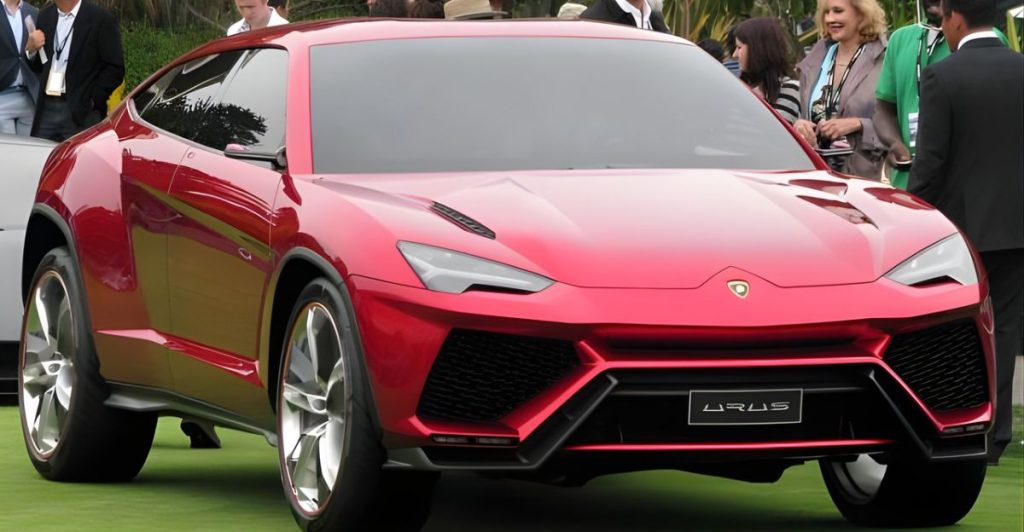
By 2030, Lamborghini plans to have a four‑model lineup, all plug‑in hybrids. The Revuelto and Urus SE are already on sale; Lanzador and the next-gen supercar will complete the square. Winkelmann says the company will build combustion engines “for as long as possible,” and he’s left the door to a future EV cracked open with a cautious “never say never”—but only “when the time is right,” and for now “only PHEVs.” That’s the real story here.
The tech was ready. The platform could handle insane power. What failed wasn’t the battery or the software; it was the assumption that the world’s wealthiest car buyers wanted the future badly enough to give up the noise and drama they were paying for. For now, they don’t, and Lamborghini just adjusted course accordingly.
Sources
Car and Driver: “Lamborghini Cancels First EV, Lanzador to Become a Plug-In Hybrid” (February 22, 2026)
Fortune: “Lamborghini CEO Says It’s Scrapping EV Due to ‘Close to Zero’ Demand” (February 24, 2026)
Fox Business: “Lamborghini Scraps First EV Launch, Calls Development ‘Expensive Hobby'” (February 23, 2026)
Autoweek: “Carmakers Took a $50 Billion Loss on EVs” (February 15, 2026)
Reuters: “Lamborghini Flags Record Deliveries at 10,747 Cars in 2025 Worldwide” (January 20, 2026)