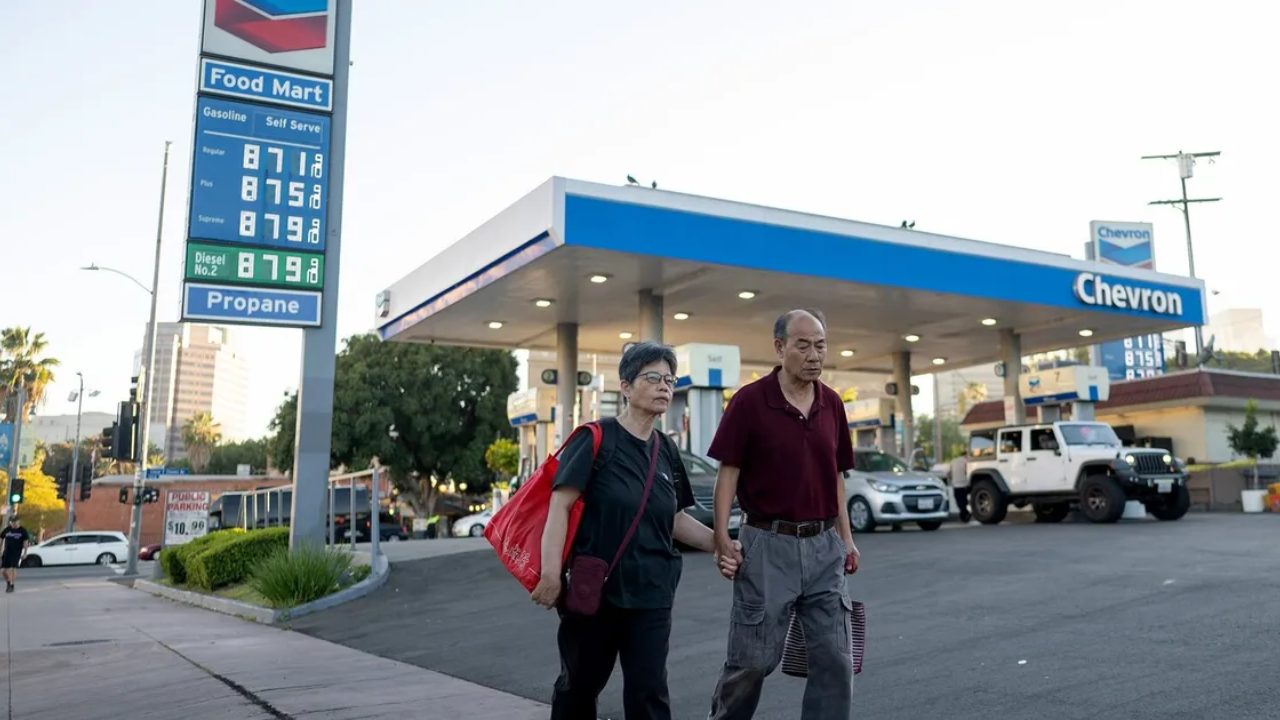
LA Chinatown Chevron Charges $8.71 as State Average Hits $5.76
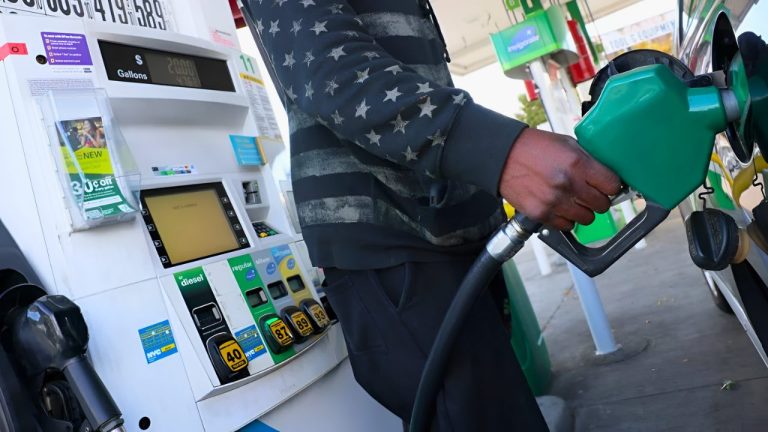
The drab Chevron at Alameda Street and East Cesar Chavez Avenue, right across from Union Station at the edge of Chinatown, has become a symbol of California’s fuel crisis. In mid-March, reporters spotted regular unleaded at $8.31 per gallon at this station, much higher than typical Los Angeles prices.
Days later, coverage described the same location “charging nearly $9 a gallon, $3 more than the Los Angeles area’s average of $5.72.” The state average just crossed $5.76 per gallon. This pump has been running roughly 40% to 50% above the state price, depending on the day and snapshot.
A $3 Premium in a Captive Market
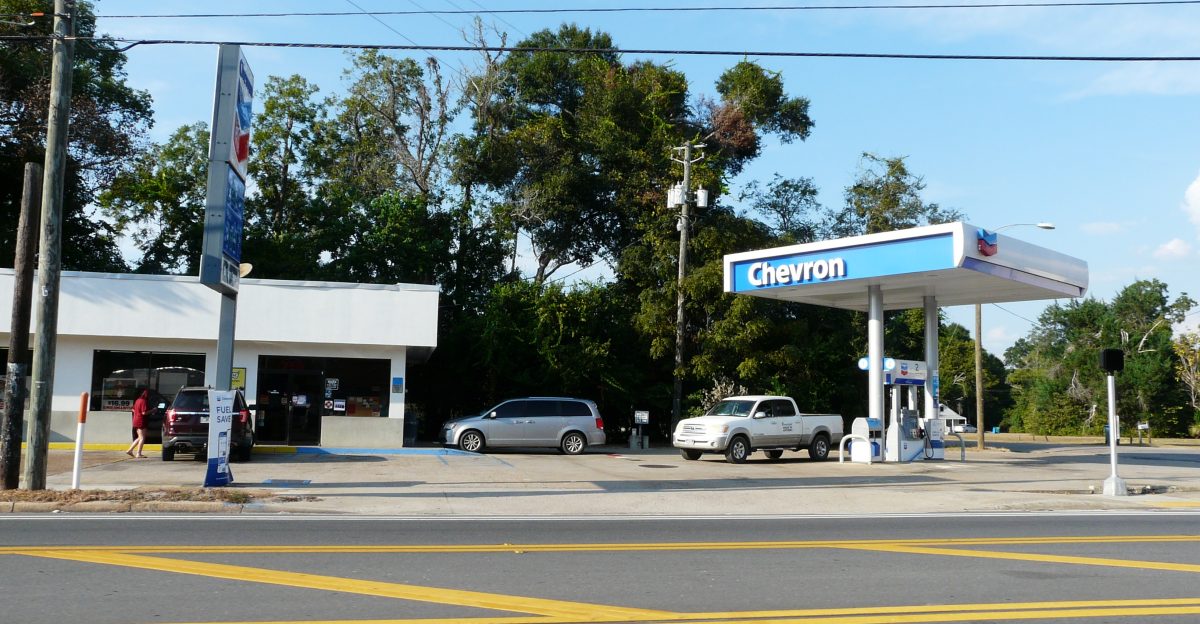
The LA area average sits around $5.72. This single pump posts prices in the high-$8 range, about $3 more per gallon. California’s statewide average climbed from about $4.61 in February to $5.76 by late March, a jump of more than a dollar in just over a month.
The national average hovers near $3.98 as of late March, putting the California–U.S. gap at about $1.75 per gallon. Usually, that spread runs about a dollar. The Iran conflict has severely disrupted traffic through the Strait of Hormuz, prompting warnings of one of the most severe supply shocks in recent energy markets. Global crisis alone does not explain a $3 markup at one urban pump.
The Law That Won the War
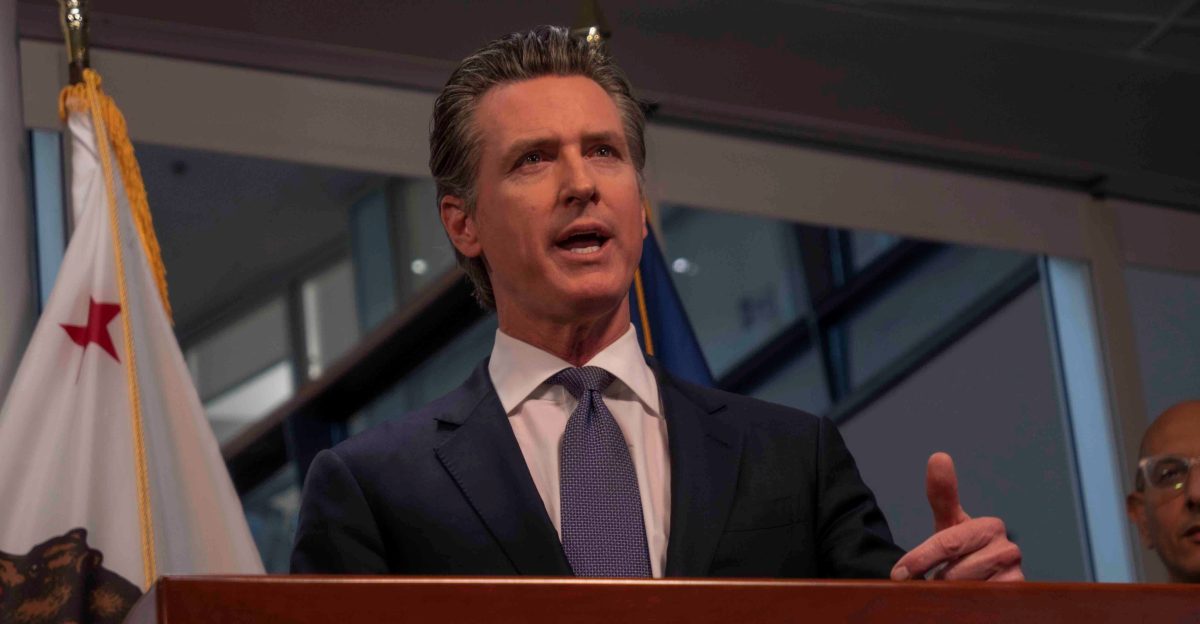
In March 2023, Governor Newsom signed SB X1-2, a first-in-the-nation gas price policing law with a profit-cap mechanism designed to punish refiner gouging. He declared, “With this legislation, we’re ending the oil industry’s days of operating in the shadows. California took on Big Oil and won.”
The state’s own energy experts had already identified an unexplained gasoline premium of roughly 30 to 40 cents per gallon between 2015 and 2024, costing drivers tens of billions of dollars. Consumer Watchdog and other analysts peg it at around 41 cents per gallon and roughly $59 billion in total. The tool to fight back existed. The victory lap happened. Regulators then granted a five-year delay on the core profit-cap rule. The fire extinguisher stayed on the wall.
Victory Declared, Weapon Shelved
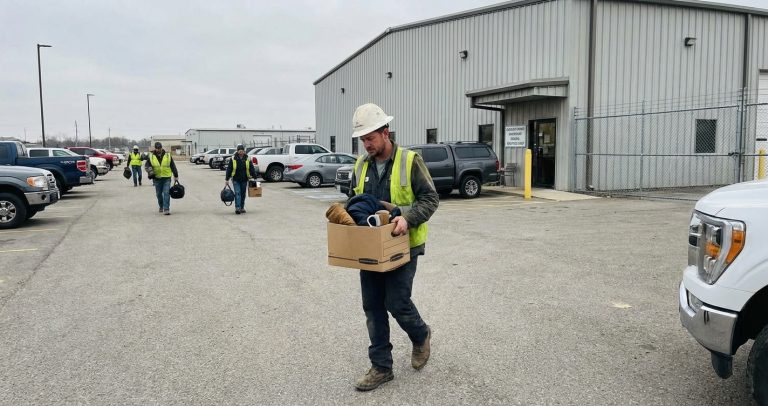
Three years after that victory speech, the enforcement mechanism remains dormant. The California Energy Commission has not imposed a margin penalty on refiners or set an active cap, even as prices spike and refineries plan exits.
The Chinatown pump drifts toward $9 a gallon. Drivers lose billions each year in premiums the state itself has documented. The law exists but does nothing. The unexplained premium accumulated because the people who built the tool to stop it chose not to use it. A governor celebrated, regulators delayed, refiners collected, and roughly 27 million California drivers absorbed the cost.
The Refineries That Aren’t Coming Back
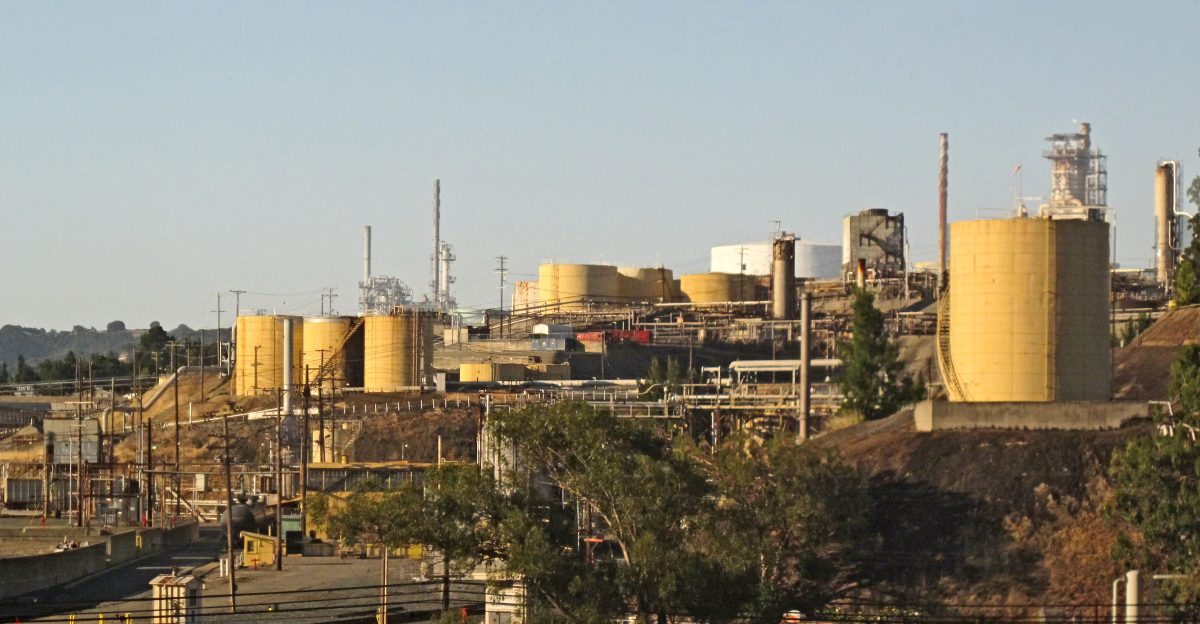
The dormant law is only one failure. California once had roughly 40 to 50 refineries. Federal data show 13 operating refineries as of January 1, 2025, reflecting decades of consolidation. Phillips 66 has already converted one of its major Bay Area refineries to renewable fuels and has discussed additional changes that trim traditional gasoline and diesel output.
Valero’s Benicia refinery, with a throughput capacity of about 170,000 barrels per day, is slated to close by the end of April 2026. That single facility represents close to 9% of California’s crude refining capacity, and its loss will tighten an already constrained market. California has no inbound pipelines bringing finished gasoline from other regions and enforces unique fuel standards. It functions as an energy island, and the island keeps losing power plants.
From 6% Imports to 60%
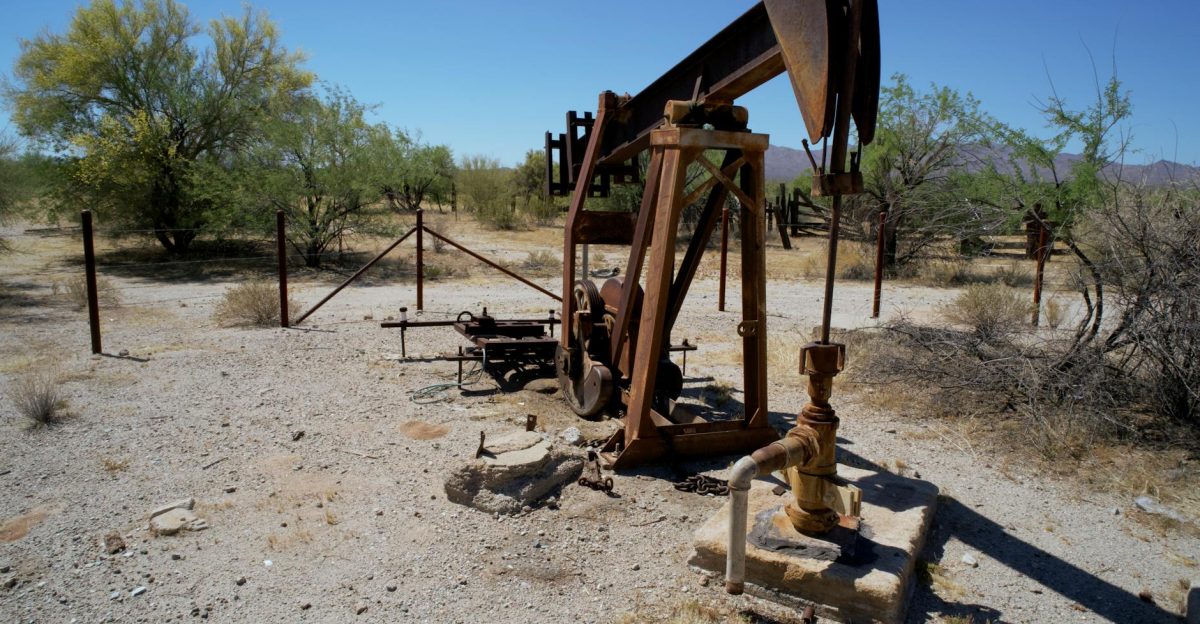
Four decades ago, only a small fraction of California’s crude oil came from outside the United States. Today, state and industry figures show more than 60% of California’s crude supply is imported from abroad. Countries such as Brazil and Iraq have become major suppliers, together providing a significant share of the state’s imported barrels.
New drilling permits have plunged from 2,664 in 2019 to just 73 in 2024, a drop of about 97%, reflecting a sharp regulatory pivot against new in-state production. California now produces far fewer barrels per day than five years ago, while demand for transportation fuels remains high. The policy intended to reduce fossil-fuel dependence has, in practice, created dependence on foreign oil shipped across oceans under looser environmental regimes. This is a reversal dressed up as progress.
When the Strait Closed
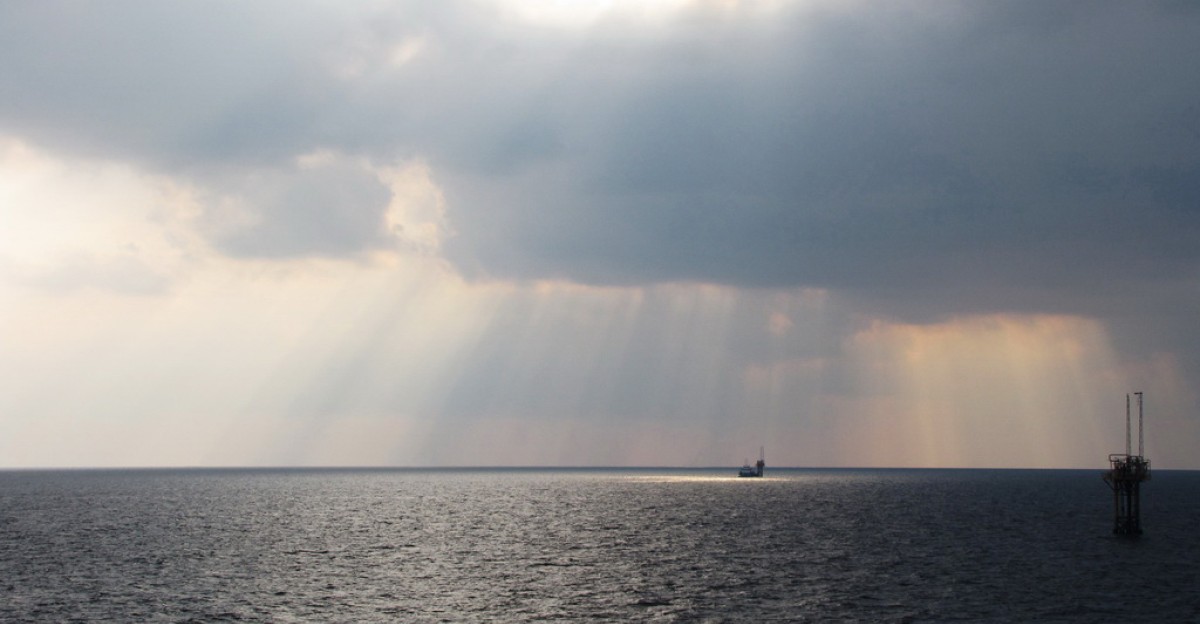
California imports approximately 20% of its refined fuels from Asia. When Iran blocked the Strait of Hormuz, tanker traffic along that corridor dropped sharply as shippers pulled back, putting millions of barrels per day of global supply at risk.
Brent crude prices jumped back above $100 per barrel as markets absorbed the shock. Chevron responded by rerouting Gulf Coast oil through the Panama Canal to keep California supplied, a costly workaround for an isolated market. The company’s downstream chief, Andy Walz, said the potential for fuel shortages in California is his “worst fear,” asking, “What if San Francisco doesn’t have the jet fuel it needs? Or Los Angeles? Or maybe gasoline?” More than 30 military installations around the state would feel that shortage first.
The Pump Is the Symptom
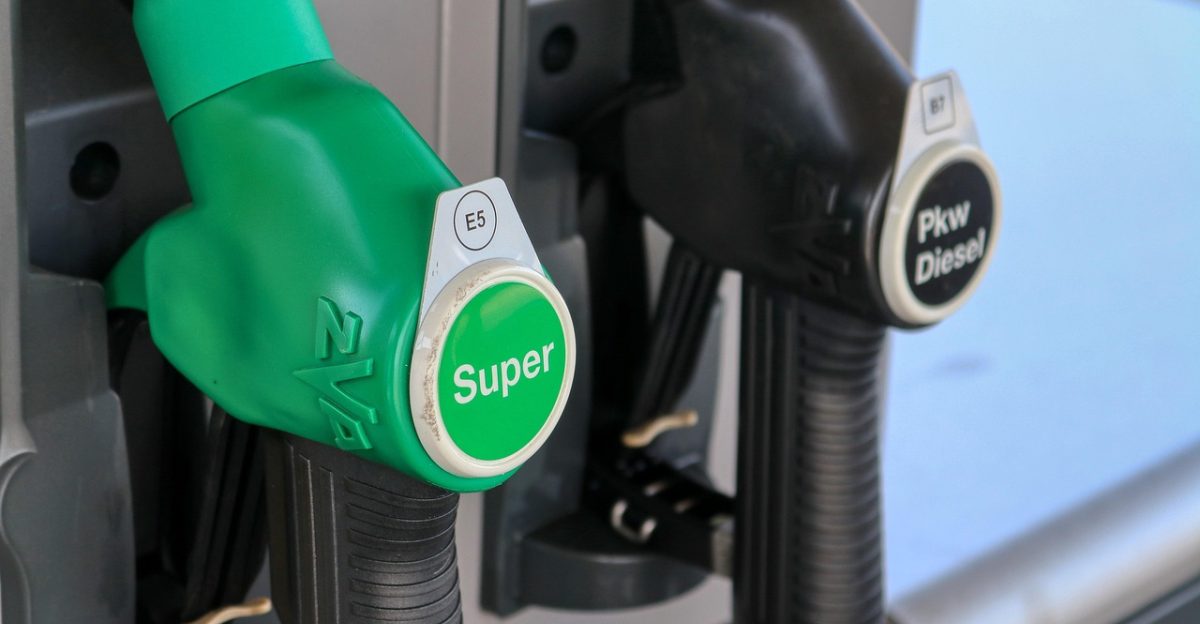
Every reporter who photographs that Chinatown pump is documenting evidence of a dormant law and a gutted supply chain, not a quirky station owner. California’s refinery count fell from roughly 50 in 1980 to 13 by 2025, the steepest drop of any major refining state over that period. The first-in-the-nation price-gouging law remains unenforced three years after signing.
This pattern is unusual in modern energy markets: a state that simultaneously allowed domestic refining capacity to erode, sharply limited new production, grew import dependence to more than 60%, and then shelved its own enforcement tool. Other states with similar climate frameworks that follow California’s path without building replacement capacity first will face costly consequences.
The Dominoes Still Falling
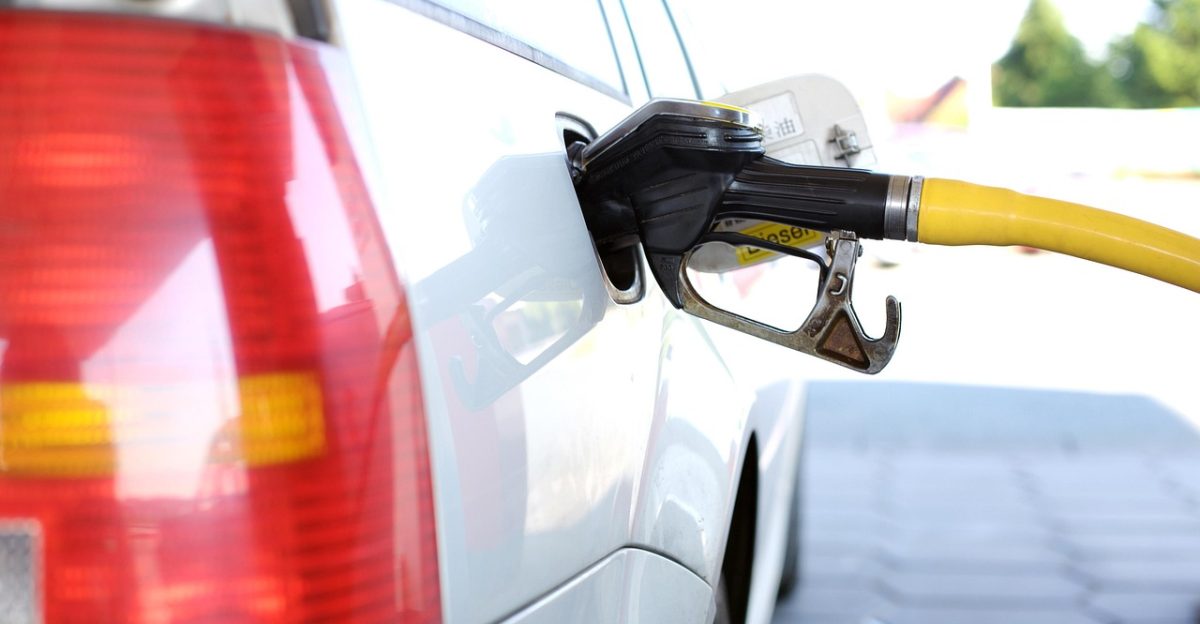
Benicia closes in weeks. No equivalent replacement capacity exists on the near-term horizon, and policymakers are scrambling to keep other facilities from exiting. Analysts and trade groups warn that if closures continue and imports cannot fully backfill the gap, California could see double-digit pump prices later this decade in future shock scenarios, especially if another major supply disruption hits. Walz has warned that if current policy trends persist, California may not have any traditional refineries left in about 10 years: “If it stays that way…Chevron will be gone in 10 years for sure. We won’t be able to make it.”
Fewer refiners means less competition and higher structural markups baked permanently into the price. Trucking, agriculture, food distribution, every supply chain running through California absorbs the cost and passes it to every state those trucks serve.
The $8.71 Framework
Most people look at that Chinatown pump and see expensive gas. The real framework has three parts: a dormant enforcement law, shrinking refinery capacity, and more than 60% import dependence colliding with a global supply shock. Remove any one of those three, and the drab Chevron across from Union Station does not become a national symbol of $8-plus gasoline.
California’s policymakers could activate the profit-cap rule tomorrow. They could prioritize keeping remaining refineries online long enough for alternatives to scale. They could approve targeted infrastructure or restart limited domestic drilling as a bridge while preserving long-term climate goals. So far, few of these options have been chosen. The Chinatown pump is not only a market story. It is a government story with a price tag that climbs every week.
Sources:
Los Angeles Times, “$8.71 a gallon? Welcome to L.A.’s most infamous gas station”, March 24, 2026
LiveNOW from FOX, “California gas prices skyrocket near $6 average, widening lead as pain at the pump intensifies”, March 22, 2026
National Today, “Chinatown Chevron Charges $8.31 Per Gallon Amid Rising Gas Prices”, March 15, 2026
Consumer Watchdog / PR Newswire, “Californians Overpaid $59 Billion At The Gas Pump For A Decade, Advocates Decry Industry Tactics At Energy Commission”, December 8, 2025
Yahoo Finance / PR Newswire, “New 2024 CA Oil Drilling Permits Drop to 73 As Groups Reveal Oil Giant’s Cleanup Risks To Californians”, February 5, 2025
California Globe, “Valero Announces it Will Shut Down Benicia Refinery April 2026”, March 13, 2026