Kia Fined $137 Million For Delaying Recalls That Tell 600,000 Owners To Park Their SUV Outside
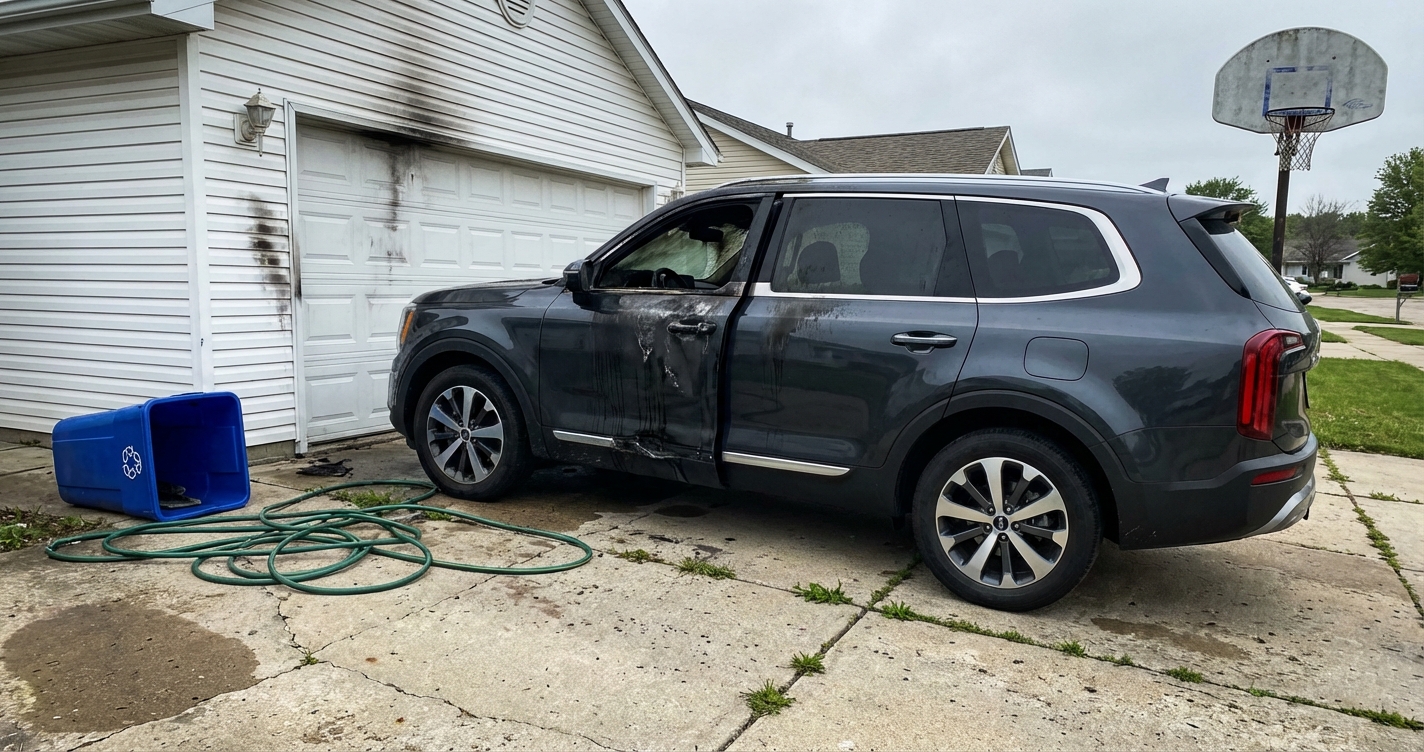
Picture your family SUV in the garage tonight, ten feet from the bedroom wall. Now, picture getting a letter from the manufacturer telling you to move it outside, away from the house, and leave it there. Not because of anything you did. Because of something they knew about and didn’t tell you fast enough. That letter landed for hundreds of thousands of Kia owners across the country. The official language reads like a fire marshal’s warning, not a customer service notice. At the same time, Kia has told regulators that only about 1 percent of the affected Tellurides are actually expected to have the defect, and that the company has logged one under‑seat fire and a handful of seat‑motor “melting” incidents with no injuries so far—numbers that show how a low defect rate can still trigger a high‑anxiety warning window.
Three Models
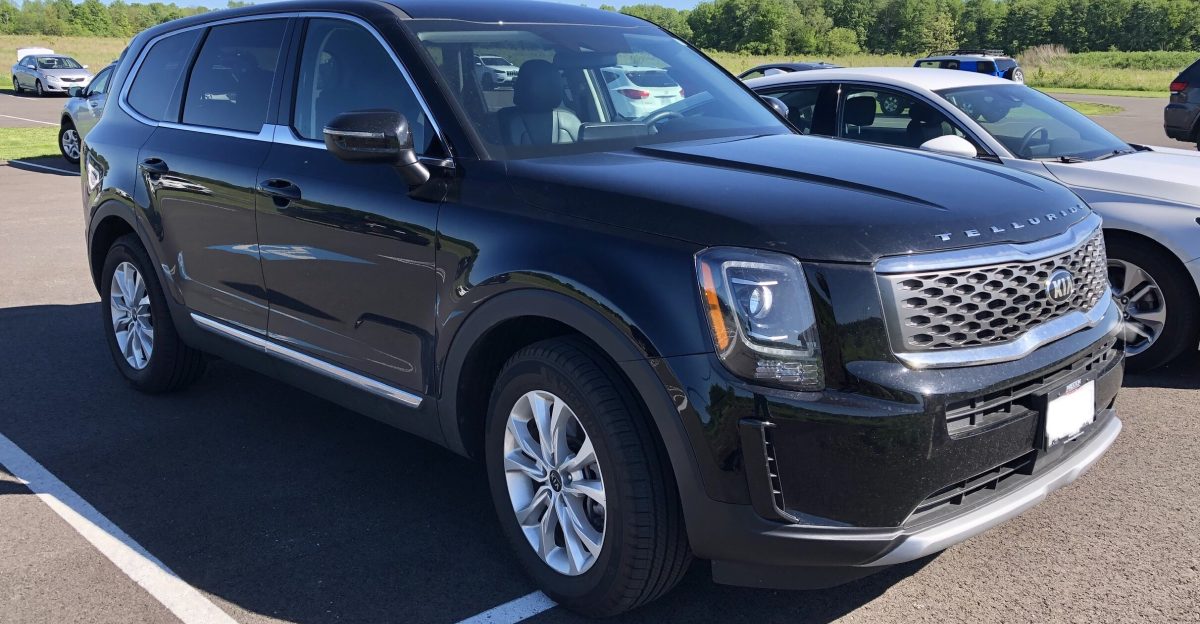
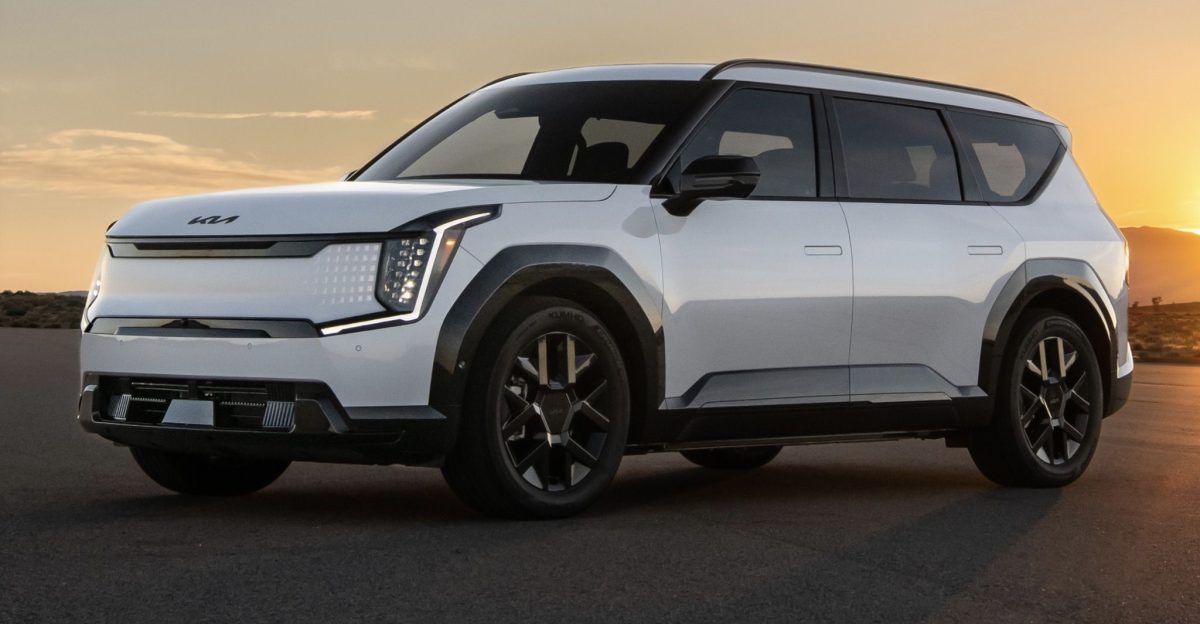
The recalls hit three models. Kia pulled back 462,869 Tellurides over power seat motors that can overheat. Another 137,256 Sportages carried an electrical circuit defect with fire risk. And 1,138 EV9s faced a potential loss of drive power on the highway. Across the three NHTSA‑listed campaigns, the unit counts add up to roughly 601,000 vehicles. That is not a niche quality hiccup. That is a fleet‑wide problem spanning the gas lineup and the electric flagship alike. In each case, NHTSA’s paperwork spells out not just the risk but the mechanical remedy—inspect and repair or replace the affected parts, from seat‑motor components to fuses and tow‑hitch harness modules—turning “park outside” into a temporary state, not a permanent sentence for the SUV.
The Myth
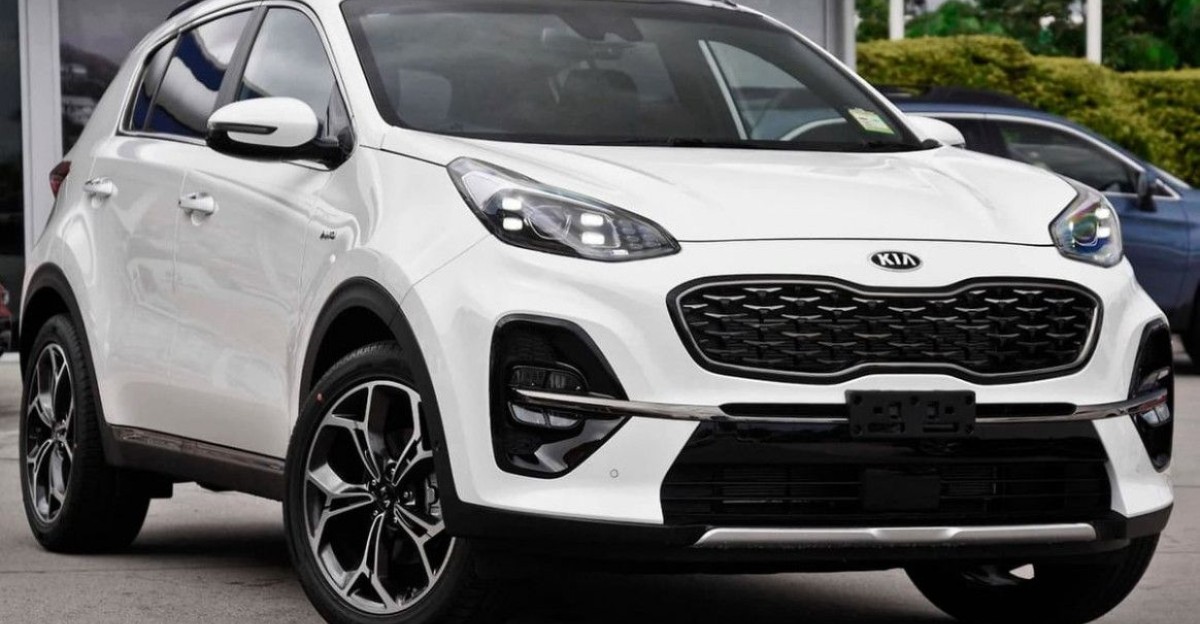
Most people hear “recall” and assume the problem is solved. Dealer gets the part, owner gets the fix, everyone moves on. Kia’s situation destroys that assumption. The NHTSA recall language for the Telluride and Sportage is similar and blunt: “Owners are advised to park outside and away from structures until the recall repair is completed.” Until repaired. That is an open‑ended risk window controlled entirely by appointment backlogs and parts availability, not by the owner. In practice, that window can be long: recent reporting on other Hyundai and Kia fire‑risk campaigns found that most of the vehicles covered by “park outside” notices were still unrepaired months after the recall was announced, a lag that turns the official language into a sustained lifestyle change rather than a one‑week inconvenience.
The Real Scandal

The defective parts are bad. The timeline is worse. The U.S. Department of Justice announced that Hyundai and Kia agreed to pay $137 million in civil penalties and implement significant safety measures to “resolve allegations that they delayed recalls.” Not allegations about faulty engineering. Allegations about slow reporting. The federal government looked at the gap between when the automaker knew and when owners found out, and decided that the gap cost $137 million. A family SUV treated like a structure fire waiting to happen. Because someone dragged their feet on paperwork. And that $137 million is only part of a bigger consent‑order package: regulators structured the deal so the total exposure can reach $210 million if Hyundai and Kia fail to hit recall‑timeliness and safety‑governance benchmarks, with Kia itself responsible for tens of millions and its larger corporate partner on the hook for even more.
The Machine
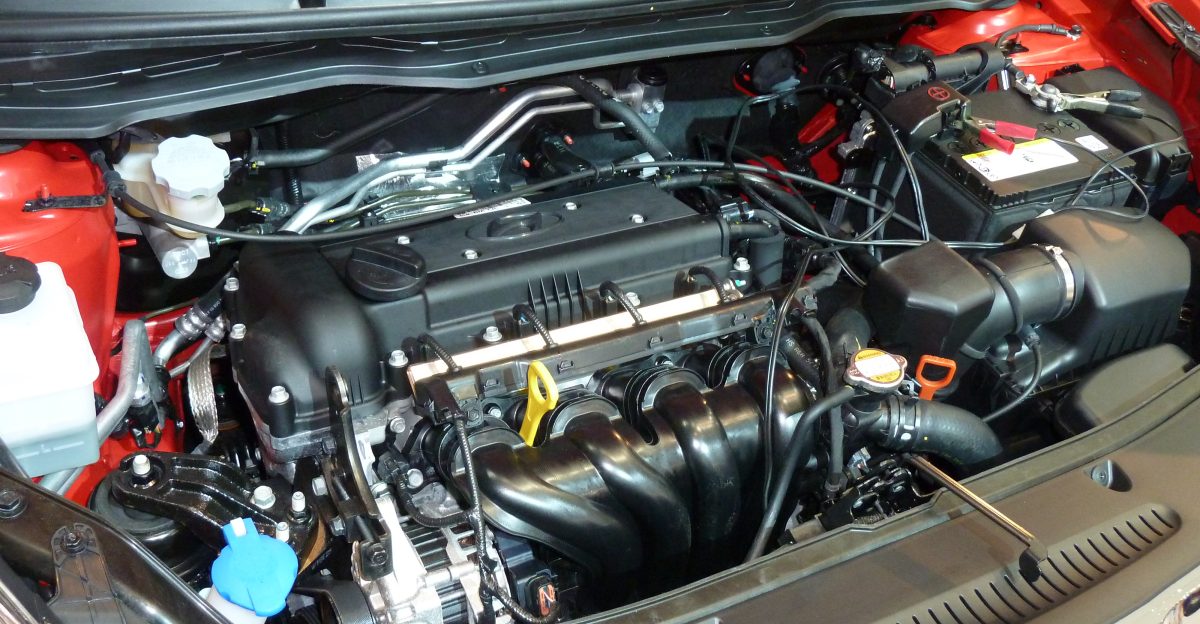
NHTSA recall reports create an auditable paper trail: defect description, affected units, remedy, owner notification timeline. That paper trail is exactly what made the delay visible. Consent orders now require Hyundai and Kia to meet compliance obligations on recall timeliness and internal safety processes. Regulators are no longer just policing the broken part. They are policing how fast you told people about it. A recall is the receipt. The consent order is the probation. And in this case, that probation grew out of an earlier engine‑defect saga—Theta II engines and stall‑and‑fire risks in more than a million Hyundai and Kia vehicles—long before Telluride’s seat motors or EV9’s power electronics ever hit the database, showing how one generation of delay can dictate how closely the next generation of recalls is watched.
The Numbers
Spread $137 million across roughly 601,000 recalled vehicles and you get approximately $228 per car in penalties alone, before a single repair wrench turns. That is money that fixes nothing for the owner. It is the cost of institutional delay converted into a federal check. Meanwhile, dedicated settlement websites for Kia and Hyundai engine issues confirm the problem outgrew normal warranty channels entirely, requiring class‑action‑scale infrastructure just to process claims. The irony is that the same official documents that justify the fines also spell out that only a small fraction of vehicles—on the order of one percent in some campaigns—are expected to carry the defect, yet every owner in the population has to live inside the same “until repaired” warning window.
Ripple Effects
Owners checking VINs and scheduling dealer appointments face the immediate burden. But the downstream costs go further. Consumer reporting has documented insurance complications tied to Hyundai and Kia risk perceptions in other safety contexts, meaning the recall anxiety can follow you to your premium renewal. The consent orders push every automaker to tighten recall‑timeliness compliance systems. One enforcement action just rewrote the cost‑benefit math on sitting on a defect report. And because the underlying engine‑defect case involved more than a million vehicles and a tiered penalty up to $210 million, it set a scale marker: the bigger the affected fleet, the more expensive “we’ll get to it later” can become.
New Rule
This case sets a precedent that reaches beyond Kia’s service bays. Delayed‑recall allegations can now trigger DOJ and NHTSA penalties plus mandated oversight, not just bad press. Once you see it, the pattern is obvious: recalls are governance failures made visible, not just broken parts. Every automaker with a defect report sitting in an internal review queue just watched the federal government put a price tag on hesitation. The era of quiet delays carrying only reputational risk ended with this consent order.
The Window
The owners who lose most are the ones stuck between “recall issued” and “repair completed.” That window is controlled by dealer capacity, parts supply chains, and scheduling backlogs. During that window, NHTSA’s own language tells them not to park in the garage. More defect reports could expand these campaigns. More enforcement scrutiny follows expanded campaigns. The escalation path runs in one direction: defect, delay, detection, enforcement, settlement, and the owner absorbs every week of waiting in between. The fact that Kia can report no injuries in the Telluride fire‑risk campaign so far does not change that lived reality; it just proves how aggressively regulators are now willing to act before the worst‑case headline arrives.
Your Move
Kia and Hyundai have started accelerating notifications, software fixes, and compliance reporting to regulators. Whether that speed holds depends on whether $137 million hurts enough to change behavior permanently, and on whether the shadow of the full $210 million consent‑order exposure keeps internal lawyers and safety teams moving faster than before. The VIN lookup tool on NHTSA’s website takes thirty seconds. Knowing whether your Telluride, Sportage, or EV9 sits on one of these recall lists is the difference between parking in the garage tonight and parking on the curb. Most people will never check. The ones reading this just became the exception.
Sources:
“Hyundai, Kia fined $137 million for delaying U.S. engine failure recalls.” CBS News, 26 Nov 2020.
“Hyundai, Kia fined $137 million for delaying U.S. engine failure recalls.” CNBC, 27 Nov 2020.
“Hyundai, Kia fined $137 million for delaying US engine failure recalls.” The Providence Group/compliance bulletin, 14 Dec 2020.
“Kia Telluride Recall for Fire Risk – ‘Park Outside’ Consumer Alert.” National Highway Traffic Safety Administration (NHTSA), 6–7 Jun 2024.