Just 200 EV Trucks Sold In America While China Moved 80,000—Ford’s Answer Is Retirement
In the first half of 2025, American dealers sold roughly 200 new full-size electric pickups. During that same window, China moved almost 80,000. Globally, electric truck sales surged about 140% to more than 89,000 units, with China accounting for nearly 90% of that total. The U.S. share of that market rounds to effectively zero. Same batteries. Same motors. Same technology platform. Opposite outcomes. The collapse looks like consumers rejecting electric trucks. It’s not. The F-150 has been America’s best-selling vehicle for 48 years, and the Lightning version just posted its strongest quarter ever. Then Ford announced the current Lightning’s retirement and a shift to an extended-range electric successor. The real story is where the damage spreads from here.
Three Policy Cliffs in One Year
The collapse traces to three overlapping federal and regulatory reversals. Earlier in 2025, the Federal Trade Commission effectively forced truck manufacturers to retreat from a prior agreement to abide by California’s clean truck emissions rules. California then lost its ability to rely on an EPA-granted waiver as the legal mechanism for enforcing state-level EV truck sales quotas and halted related waiver applications for fleet programs. Federal purchase tax credits for new EVs terminated for vehicles acquired after Sept. 30, 2025, eliminating eligibility for most 2026 buyers. Three pillars removed in a single fiscal year. Bloomberg’s Colin McKerracher described it bluntly: “Some of the most consequential drivers of adoption are being threatened or eliminated.” The market didn’t shrink organically. The scaffolding was pulled out from under it.
Your Truck Just Lost $40,000
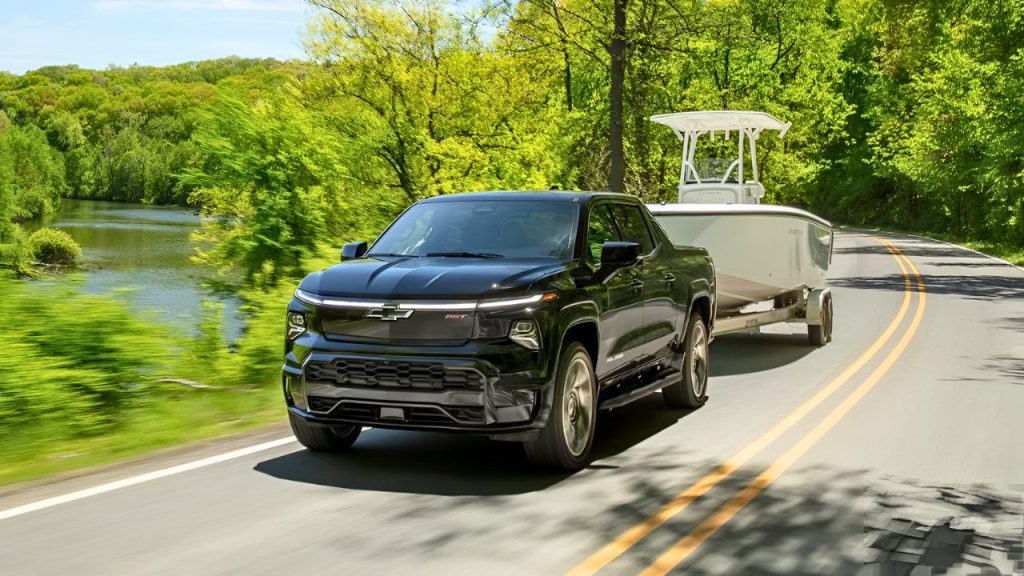
The first ripple hit 300,000-plus existing EV truck owners directly. A Chevrolet Silverado EV purchased at $80,000 or more now carries an estimated resale value of $35,000 to $40,000 after three years. That’s roughly 55% depreciation. The F-150 Lightning scored 19 out of 100 on Consumer Reports reliability. The Rivian R1T scored 13. One Lightning owner documented 68% battery depletion on a 110-mile highway trip, against an EPA-rated 240-mile range. Towing can drop efficiency to around 1 mile per kilowatt-hour, creating an effective towing range under 100 miles. Early adopters bought the future. The future depreciated overnight.
Ford’s Victory Lap Was a Fire Sale
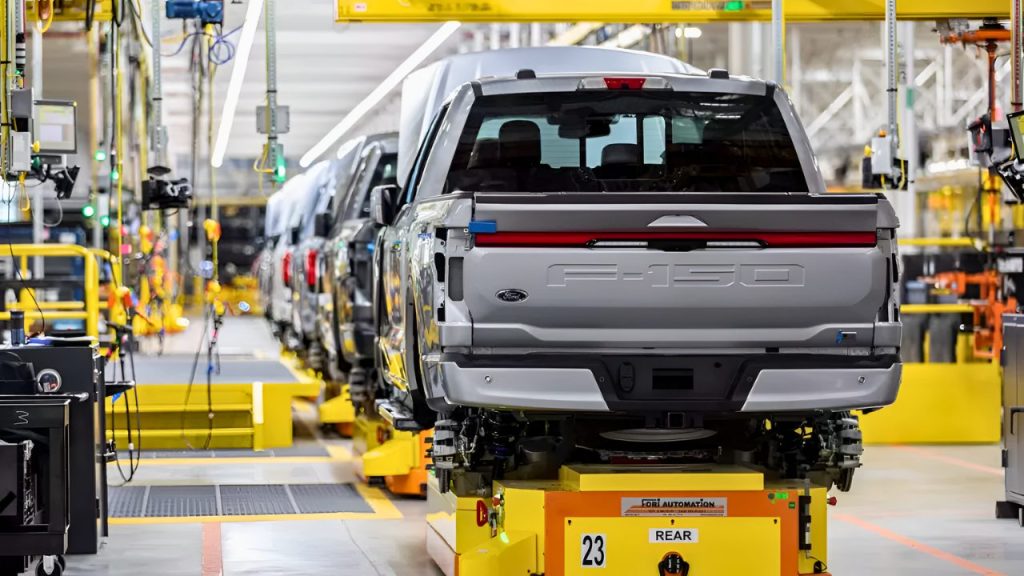
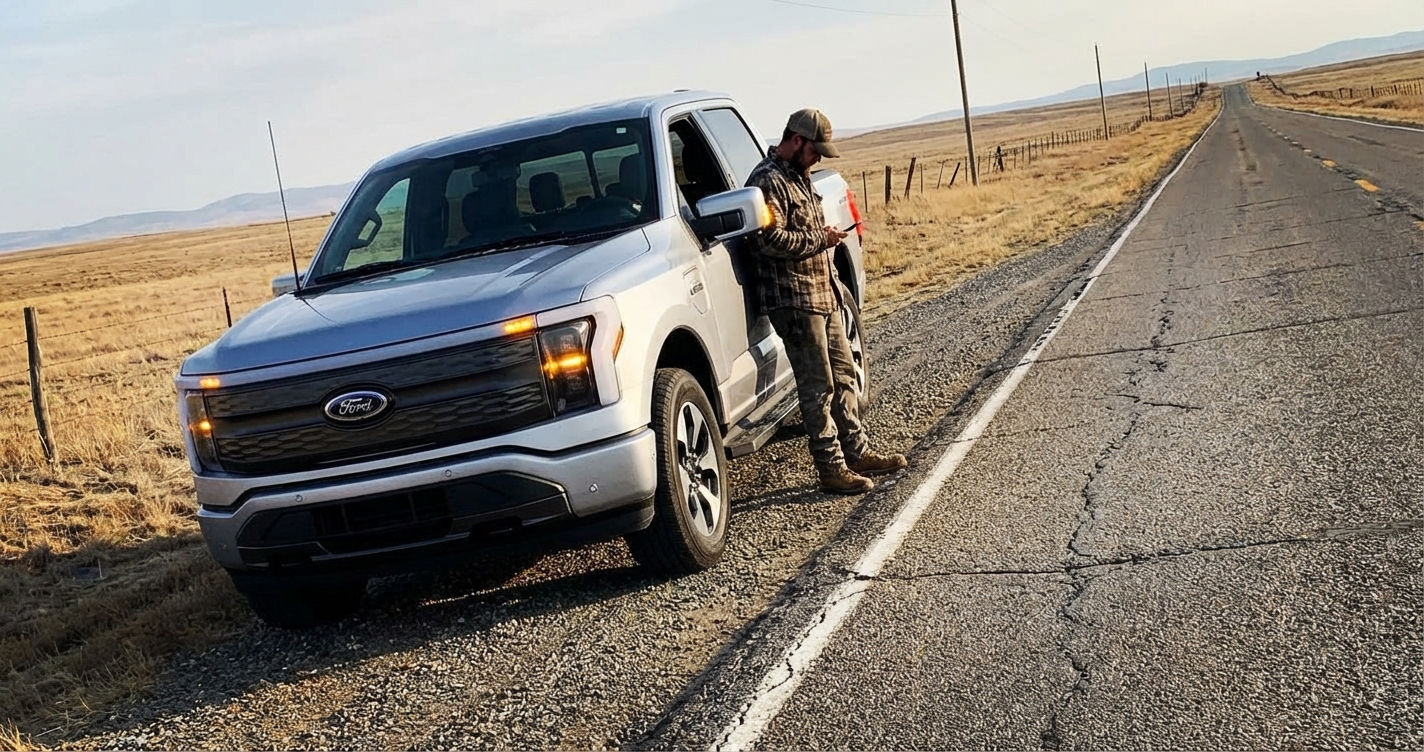
Ford’s F-150 Lightning sold 10,005 units in Q3 2025, a nearly 40% year-over-year jump and the model’s all-time peak. Weeks later, Ford announced that production of the current all-electric Lightning would end, pivoting to extended-range electric trucks with onboard combustion generators. Autoblog captured the paradox: “It is unusual to see a vehicle peak just as it exits the market, but the Lightning’s late surge came at a time when EV incentives were expiring, and buyers were rushing to secure that $7,500 benefit.” That record quarter was a panic buy masquerading as a triumph. Chevy’s Silverado EV nearly doubled to 3,940 units while the overall EV pickup segment contracted about 9%.
The Repair Bill Nobody Budgeted For
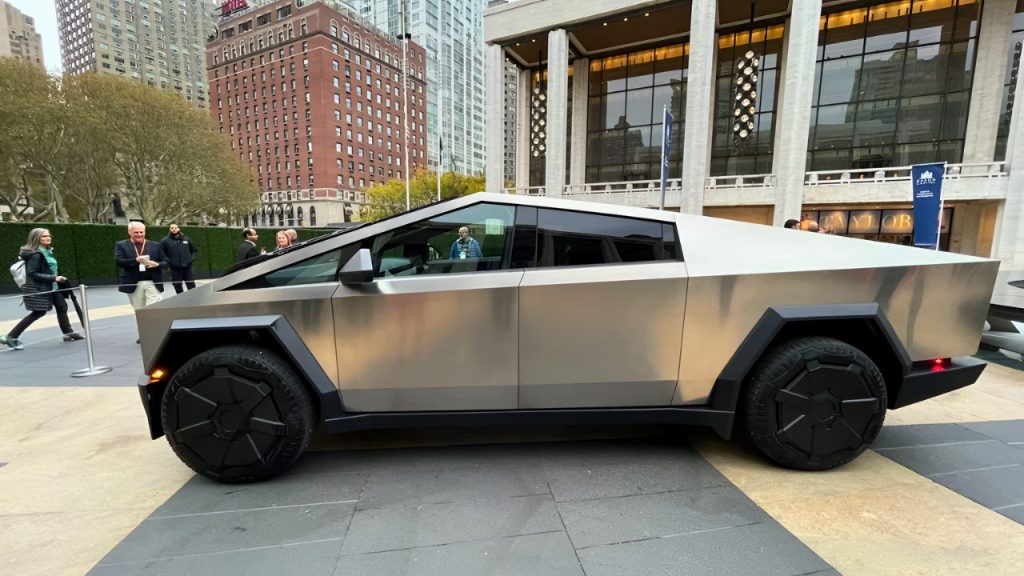
Here’s where the cascade crosses into territory nobody expected. Edmunds documented a Cybertruck collision that generated a $57,879 repair bill on an $86,160 vehicle, totaling it. That’s about 67% of the truck’s value destroyed in a single moderate accident. Insurance carriers now price this fragility into premiums. Rivian owners report buyback disputes over chronic service quality failures. Battery packs, thermal management systems, and high-voltage connectors require specialized repair infrastructure that barely exists outside major metros. Rural owners face the worst math: limited range, sparse chargers, and repair shops that cannot or will not touch their trucks.
The Two Markets Nobody Sees
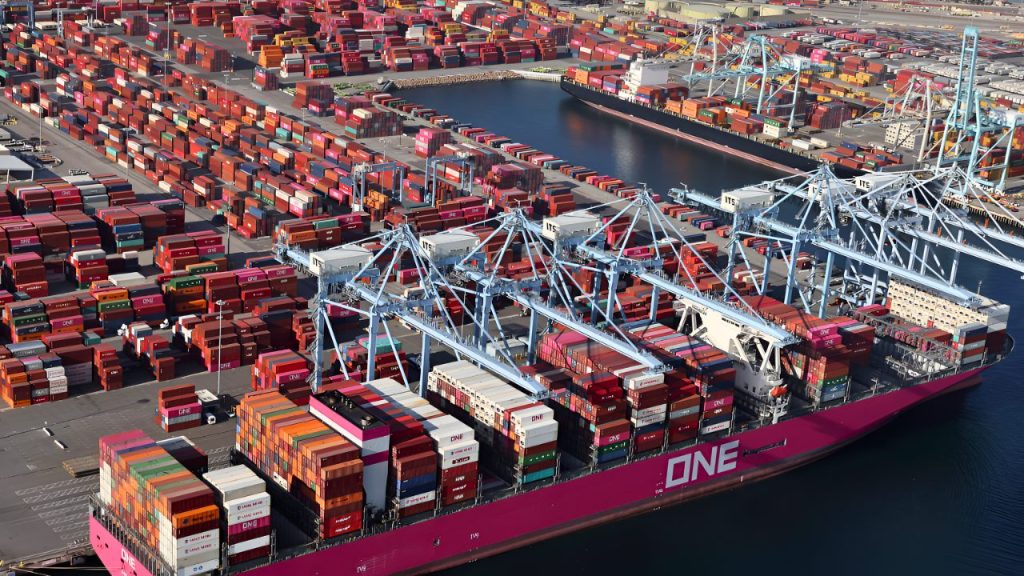
The hidden mechanism connecting every ripple is a market that fractured into two. Commercial fleets running predictable daily routes under 200 miles with depot charging continue thriving: 38,000-plus medium- and heavy-duty electric trucks operate across 386 U.S. fleets. Volvo alone has logged more than 20 million zero-emission miles, avoiding tens of thousands of tons of CO₂. That segment never really depended on the $7,500 consumer credit because total cost of ownership already favored electricity over diesel. Consumer retail buyers, by contrast, depended heavily on that credit. Remove it, and the psychology gap between sticker price and long-term savings reopens completely. One market survives. The other collapses 80%. Same country. Same technology.
Stranded at 12% Battery
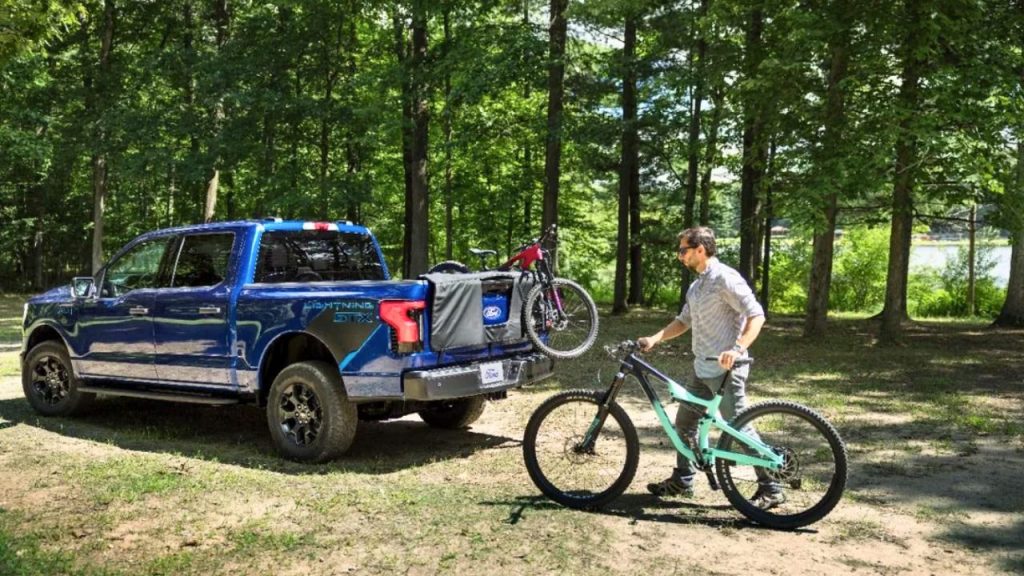
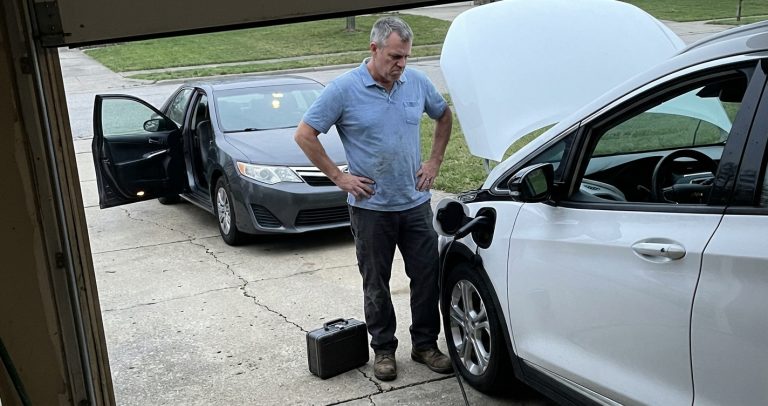
The policy shock collapsed the market. The infrastructure gap makes it personal. One F-150 Lightning Standard Range owner at 30,000 miles reported arriving at his destination with 12% battery remaining after a 110-mile trip that started at 80% charge. Cold climates can strip 40 to 50% of range at extreme temperatures. The U.S. will need an estimated 40,600 megawatts of charging capacity by 2035 for zero-emission medium- and heavy-duty vehicles, concentrated along freight corridors. Rural areas show the lowest EV purchase intent in the country, and the charging desert helps explain why. Policy failure. Then price failure. Then range failure. Then the charger that doesn’t exist. Each ripple lands closer to someone’s driveway.
A 48-Year Legacy Broken in Five
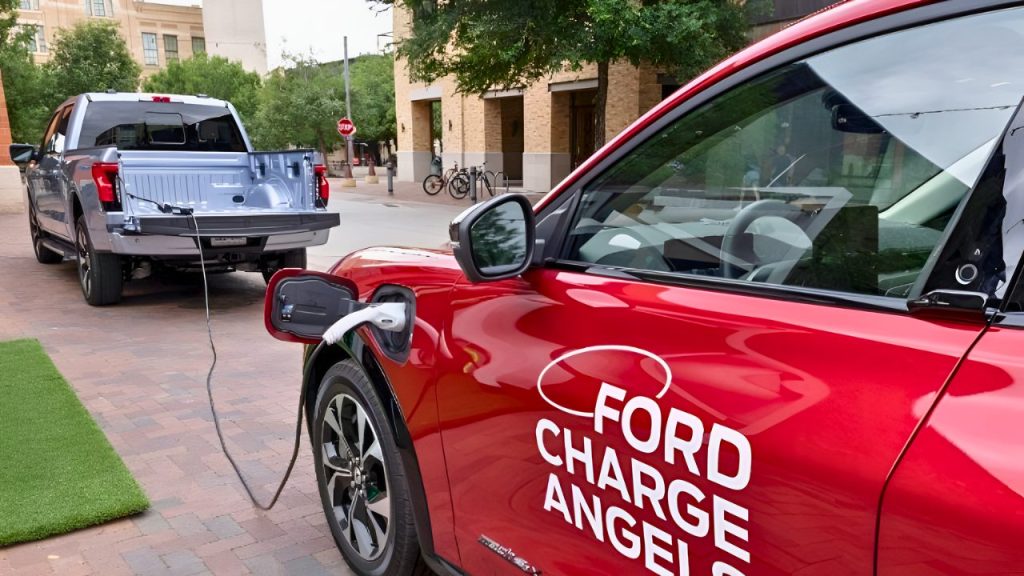
The F-150 Lightning’s retirement marks one of the fastest turns in modern U.S. pickup history from glowing reception to market withdrawal in under five years. The federal incentive collapse represents one of the most abrupt EV policy reversals in U.S. history within a single fiscal quarter. This sets a precedent that reaches far beyond trucks. Solar installations, heat pump adoption, grid battery storage: every technology dependent on federal incentives now faces similar sunset-cliff risk. Investors demand policy-stability guarantees before committing capital. The cost of financing the energy transition just increased because one truck market proved the scaffolding can vanish overnight.
Winners, Losers, and the Battery Gap

China captured roughly 90% of global electric truck sales in H1 2025. North American battery cells cost about 44% more than Chinese equivalents and European cells about 56% more, according to BloombergNEF. That cost gap feeds every ripple: higher sticker prices, steeper depreciation, slower infrastructure buildout. American EV purchase interest dropped from 42% to 33% since 2022, with Republicans at 18% and Democrats at 48%. Used-car dealers holding Lightning and Rivian inventory face margin collapse. Battery recyclers expecting end-of-life volume from retired EV trucks face years of delayed input. The winners are manufacturers who stayed focused on commercial fleets. The losers are everyone who believed consumer retail could stand alone.
The Cascade Keeps Moving
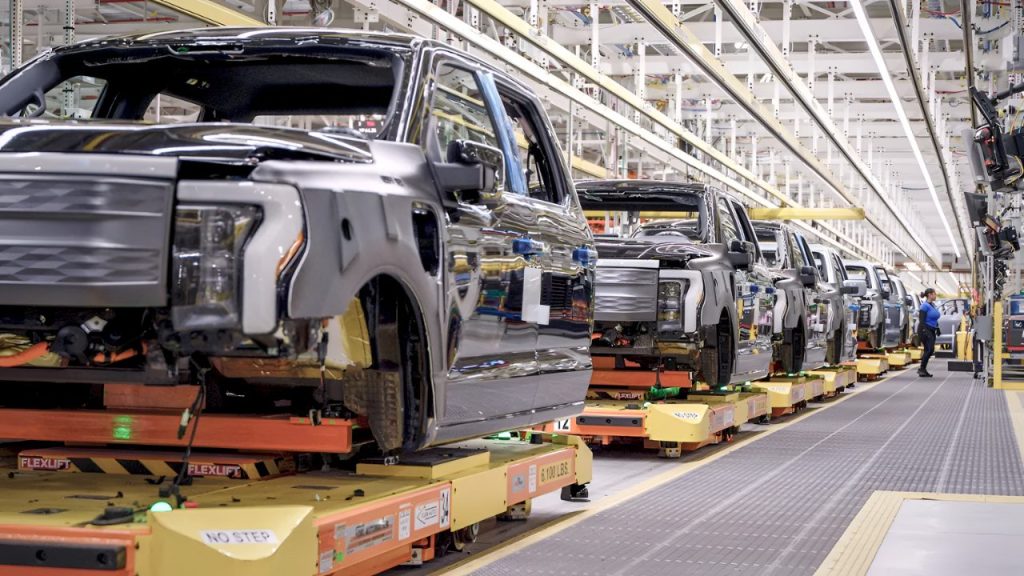
Battery cost parity at around $100 per kilowatt-hour for heavy-duty packs is projected for roughly 2028 or 2029. The policy cliff arrived in 2025. That three-year timing mismatch is the entire story. Amazon, FedEx, and state governments are bypassing federal inaction with local incentives and direct charging infrastructure investment. California, New York, and Washington are accelerating fleet procurement and incentive programs. If federal incentives return by 2027, the market could rebound violently, creating boom-and-bust whiplash. If they don’t, China’s lead likely becomes permanent. The technology works. The global market proves it. The American failure was never about the truck. It was always about the policy holding it up.
Sources:
“Electric Trucks Are Rapidly Approaching a Tipping Point — Just Not in the U.S.” CleanTechnica, 22 Sept 2025.
“Ford’s F‑150 Lightning Sales Jumped 40% Just as Ford Announced Its Retirement.” Autoblog, 28 Dec 2025.
“Chevy Silverado EV Depreciation Rate: 3–5 Year Outlook.” Recharged, 24 Feb 2026.
“Electric Truck Deployments Sustain Momentum Through a Challenging 2025.” Environmental Defense Fund (EDF), 1 Feb 2026.