Judge Upholds $243M Autopilot Verdict After Musk’s Own Words Used Against Him
A federal judge has dealt Tesla a historic blow, refusing on February 20, 2026 to overturn a $243 million jury verdict, the largest ever recorded in a fatal Autopilot lawsuit in the United States. U.S. District Judge Beth Bloom in Miami ruled that trial evidence “more than supports” the verdict and that Tesla had offered nothing new to justify reversing it. The decision leaves Elon Musk’s electric vehicle company facing its most significant legal defeat tied to its contested Autopilot driver-assistance technology.
A Roadside Stop That Ended in Tragedy
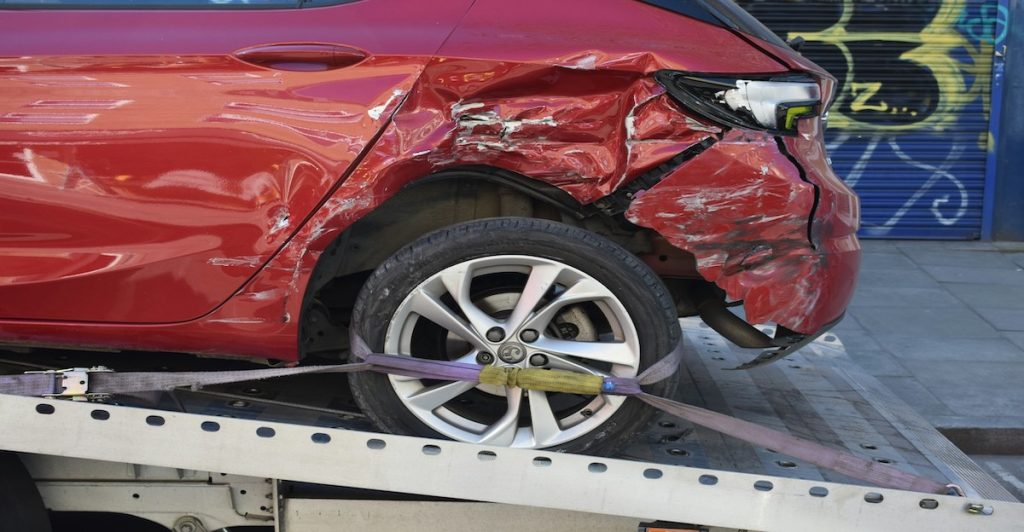
On April 25, 2019, 22-year-old Naibel Benavides Leon and her boyfriend Dillon Angulo were standing next to their parked SUV on the shoulder of a road in Key Largo, Florida. Driver George McGee, distracted by a dropped cellphone, ran a stop sign at approximately 62 mph, blowing past flashing warning lights and plowing into their stationary vehicle. The force of the collision ejected Benavides from the scene, where she died. Angulo survived with broken bones and a traumatic brain injury.
The Two Victims at the Heart of the Case
Naibel Benavides Leon was 22 years old at the time of her death. Her estate brought a wrongful death action against Tesla that would take six years to reach a jury. Dillon Angulo, who survived, sustained severe injuries including a traumatic brain injury and multiple broken bones. Both became the basis for one of the most closely watched product liability cases in American automotive history, ultimately setting a landmark legal precedent for autonomous driving technology litigation.
What Made Autopilot Dangerous, Experts Testified
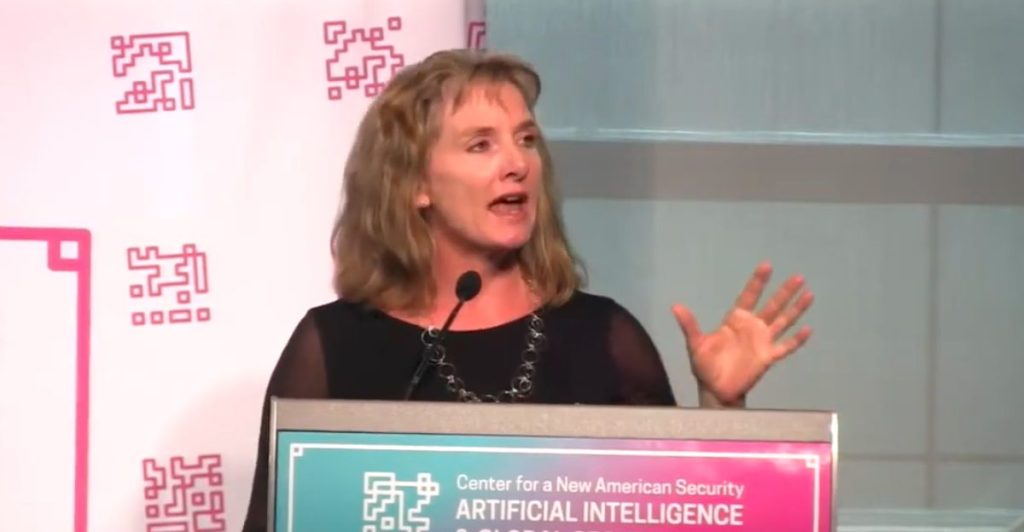
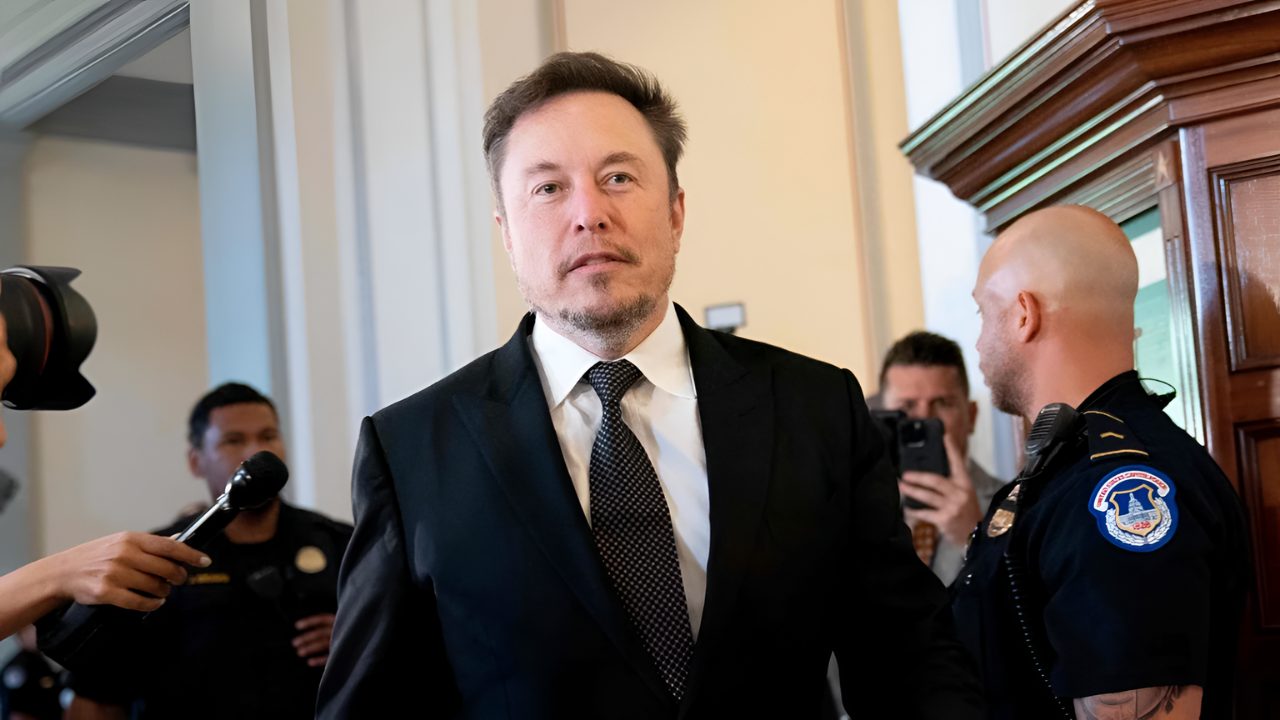
Expert witness Dr. Mary Cummings, a former safety advisor to the National Highway Traffic Safety Administration, testified that Autopilot was defective on two fronts: it could be activated on roads outside its intended design domain, and it relied only on periodic steering-wheel contact (not camera-based eye-tracking) to confirm driver attention, unlike rival systems that use geo-fencing to block Autopilot activation in unsafe conditions. Compounding this, a 2016 Tesla promotional video personally overseen by Musk, whose internal emails show he dictated its opening tagline, declared: “The person in the driver’s seat is only there for legal reasons. He is not doing anything. The car is driving itself.” Tesla’s own Autopilot director later admitted under oath that the video was staged and carried no disclaimer, and plaintiffs argued it was the clearest proof that Tesla had marketed Autopilot as fully autonomous while engineering it as a Level 2 system requiring constant driver supervision.
The Historic Jury Verdict of August 2025
In August 2025, a Miami federal jury delivered the first-ever federal jury verdict in a fatal Tesla Autopilot crash, finding Tesla 33% responsible and driver George McGee 67% responsible. The jury awarded $19.5 million in compensatory damages to Benavides’ estate and $23.1 million to Angulo, plus $200 million in punitive damages split between them. Plaintiff attorney Adam Boumel said: “From day one, Tesla has refused to accept responsibility. Autopilot was defective, and Tesla put it on American roads before it was ready and before it was safe.”
Why Tesla Faced the $200M Punitive Hit
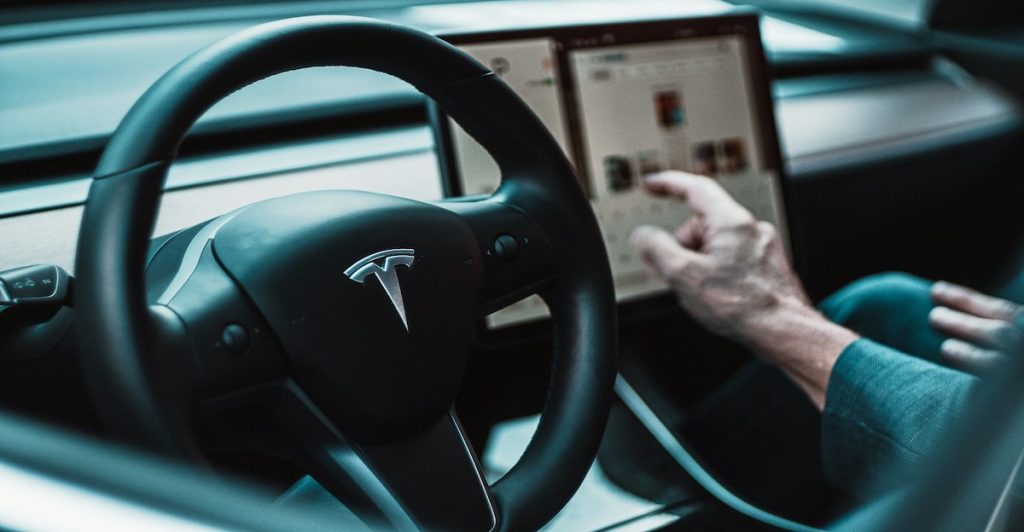
Punitive damages, reserved for conduct courts deem reckless or deliberately harmful, were applied exclusively to Tesla, not to driver George McGee. Jurors found that Tesla had misrepresented Autopilot’s capabilities through marketing materials, fostering a false sense of safety that encouraged drivers to rely on it in conditions it was not designed to handle. Plaintiffs also alleged Tesla concealed critical vehicle data from moments before the crash. A collision snapshot had been automatically uploaded to Tesla’s servers the night of the accident, which Tesla claimed for years it could not locate. A hacker hired by the plaintiffs ultimately recovered it from the car’s Autopilot unit, with testimony from Tesla’s own engineers suggesting someone had likely taken “affirmative action to delete” the file from the company’s central database. Tesla’s attorney called the handling “clumsy” and denied any wrongdoing.
Tesla’s Defense Arguments Crumbled in Court
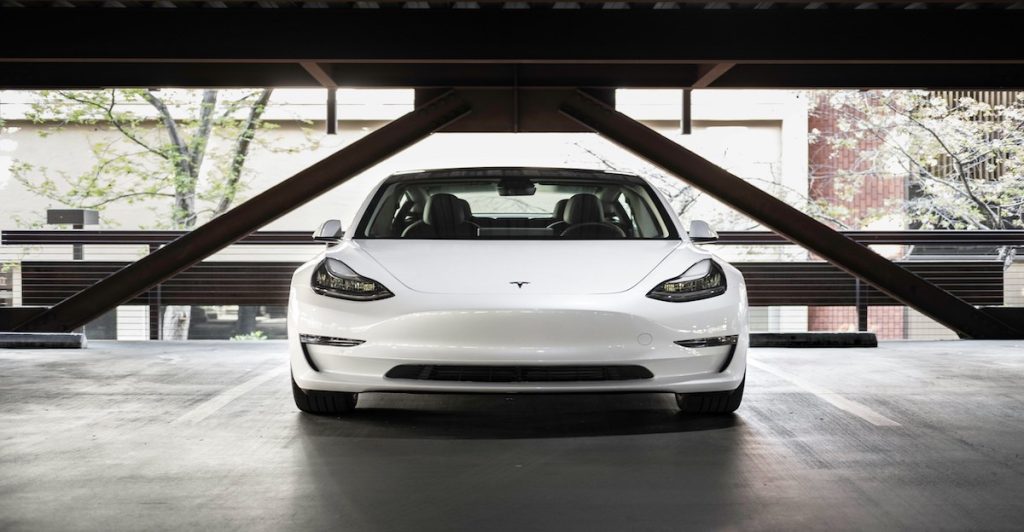
Tesla argued that McGee bore sole responsibility for the collision, that the Model S was not defective, and that automakers cannot be held liable for negligent drivers under Florida law. The company also contended it had not demonstrated “reckless disregard for human life” sufficient to trigger punitive damages. Critically, Tesla had already rejected a $60 million pre-trial settlement offer, a decision that ultimately cost the company more than four times that sum. Tesla’s legal team did not comment publicly following Judge Bloom’s February 2026 order.
Judge Bloom’s Damning Order Leaves No Wiggle Room
In her February 20, 2026 order, Judge Beth Bloom left little room for ambiguity: Tesla’s post-verdict arguments, she wrote, are “virtually the same as those Tesla put forth previously during the course of trial and in their briefings on summary judgment, arguments that were already considered and rejected.” She determined that Tesla had presented no new controlling law and no new arguments warranting reversal. The ruling confirmed the full jury verdict would stand, barring a successful appeal to a higher federal court.
Tesla Plans Appeal and Argues a Lower Payout Cap
Tesla is widely expected to challenge the ruling at the appellate level. Under a pre-trial punitive damages cap agreement tied to Florida law, the company contends its actual payout may be limited to approximately $172 million, below the $243 million headline figure. Following the original August 2025 verdict, Tesla issued a statement declaring: “Today’s verdict is wrong and only works to set back automotive safety and jeopardize Tesla’s and the entire industry’s efforts to develop and implement life-saving technologies.”
Shock Waves Set to Reshape the Auto Industry
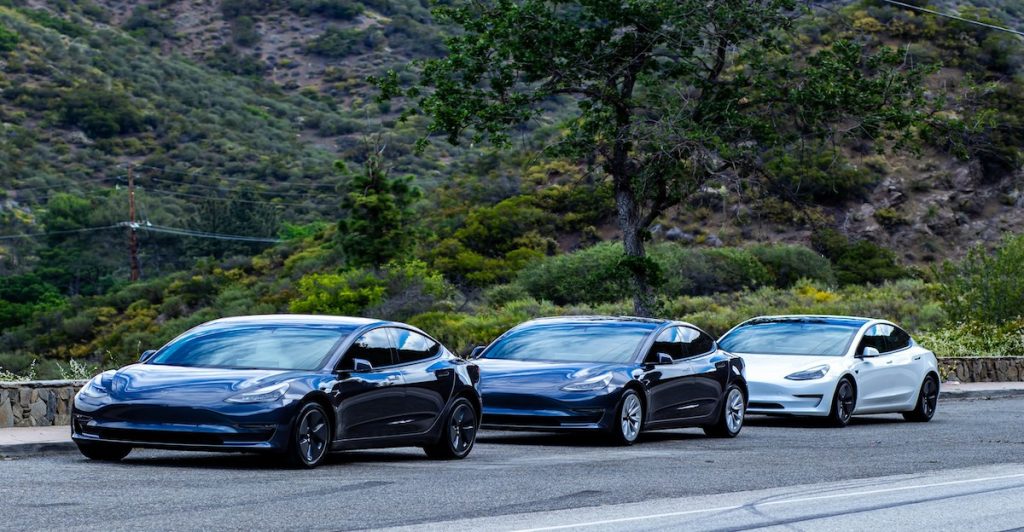
The ruling is poised to redefine how courts assess liability for semi-autonomous driving systems across the auto sector. Dan Ives, senior analyst at Wedbush Securities, said of the original verdict: “It’s a big number that will send shock waves to others in the industry.” The National Highway Traffic Safety Administration has previously linked Autopilot to 467 crashes, including 13 fatal ones. The decision also complicates Tesla’s robotaxi expansion plans, as regulators are expected to demand stricter safety protocols and more transparent capability disclosures before approving any broader deployment.
Sources
“US Judge Upholds $243 Million Verdict Against Tesla Over Fatal Autopilot Crash.” Reuters, February 20, 2026.
“Jury Orders Tesla to Pay More Than $240 Million in Wrongful Death Suit.” NPR, August 2, 2025.
“Tesla Said It Didn’t Have Critical Data in a Fatal Crash. Then a Hacker Found It.” The Washington Post, August 29, 2025.
“Musk Oversaw Misleading 2016 Video Saying Tesla Drove Itself.” TechCrunch, January 19, 2023.
“Tesla Autopilot Investigation Closed After Feds Find 13 Fatal Crashes.” TechCrunch, April 26, 2024.