Jeep Just Quietly Fixed The Cherokee’s Biggest Flaw Before It Completely Ruined The Brand
Jeep Just Quietly Fixed The Cherokee’s Biggest Flaw Before It Completely Ruined The Brand. For years, the KL generation platform suffered a massive reliability crisis that destroyed resale values and left thousands stranded. Dealerships faced endless buyback demands while the manufacturer desperately hid a catastrophic drivetrain failure. Instead of a humiliating public recall, engineers executed a stealthy mechanical overhaul behind closed doors. This quiet intervention saved the iconic nameplate from total extinction, permanently fixing the broken hardware.
The Disastrous ZF Nine-Speed Transmission
Early production units utilized a deeply flawed nine-speed automatic transaxle that practically guaranteed failure. The complex dog clutches demanded absolute rotational precision to engage properly. When factory calibration lagged, those internal metal teeth violently smashed together at highway speeds. Mechanics routinely drained contaminated fluid filled with heavy metal shavings from destroyed gearsets. The resulting shockwaves shattered internal components and forced dealerships to replace entire transmission assemblies under warranty just to keep these vehicles legally operational on public roads.
Secretly Rewriting Powertrain Software

Factory programmers originally prioritized extreme fuel efficiency by heavily lugging the engine at low RPMs. This misguided logic prevented seamless downshifts, creating a dangerous hesitation that terrified owners merging onto busy interstates. Engineers quietly issued major software patches that completely revamped the shift mapping logic. This silent digital overhaul drastically reduced sudden physical jolts by allowing the torque converter clutch to slip slightly during gear transitions. Technicians flashed these crucial updates during routine oil changes without alerting buyers.
Upgrading Physical Dog Clutch Hardware
Software patches alone could not fix the inherently flawed physical design of the internal gear packs. Early dog clutches featured incredibly sharp angles that aggressively rejected engagement if shaft speeds varied slightly. The manufacturer stealthily introduced redesigned components featuring chamfered teeth and improved surface hardening. Tighter internal tolerances were quietly integrated on the assembly line to minimize mechanical slop. Replacement transmissions shipped to dealerships secretly contained these heavily reinforced internals, permanently preventing the violent shifting from returning.
Resolving Power Transfer Unit Failures

Models equipped with four-wheel drive harbored a fatal weakness within the complex power transfer unit. Input shafts connecting the main transaxle were manufactured from weak metallurgy that quickly stripped under heavy acceleration. Once those metal splines sheared completely off, the vehicle became permanently trapped in front-wheel drive. The silent factory fix involved upgrading to high-carbon forged steel shafts and installing better output seals. Technicians quietly swapped these reinforced variants into broken vehicles, restoring off-road capability entirely.
Rerouting Vulnerable Wiring Harnesses
Electrical gremlins constantly plagued the initial production run due to a poorly positioned internal wiring harness. Engineers carelessly routed delicate cables directly against the hottest sections of the transmission casing. Thermal cycling caused plastic insulation to turn brittle and crack, creating severe short circuits. These bare wires triggered unpredictable neutral drops at highway speeds. The stealth fix rerouted the entire electrical loom away from heat zones while wrapping vital connections in aerospace-grade thermal shielding during dealer visits.
Upgrading Thermal Management Systems

Excessive heat generation inside the cramped engine bay rapidly destroyed the synthetic transmission fluid. The original cooling setup lacked the thermal capacity needed when the torque converter slipped heavily in traffic. Boiling fluid burned away crucial friction modifiers, leaving internal clutch packs completely unprotected against metal wear. The unannounced update integrated a massive auxiliary cooler featuring increased flow rates. Stabilizing operating temperatures eliminated the premature fluid breakdown that was quietly burning up transmissions across the country.
Fixing Tigershark Oil Consumption Defect
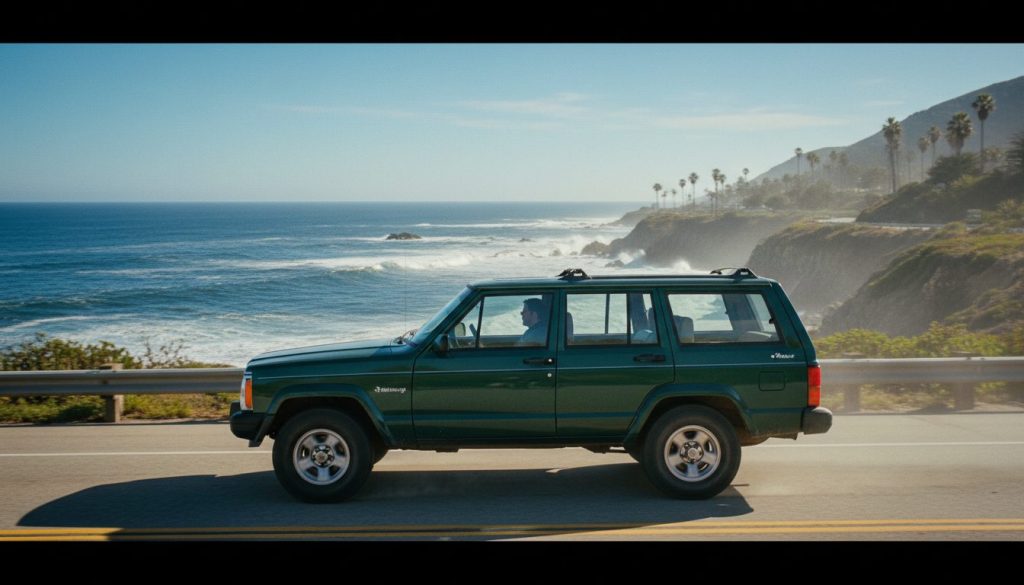
The naturally aspirated Tigershark engine suffered from an embarrassing oil burning defect that caused unexpected stalls. Low-tension piston rings failed to scrape lubricant off the cylinder walls properly. Raw oil entered the combustion chamber and vaporized instantly, leaving the crankcase dry between standard service intervals. The factory addressed this massive liability by quietly redesigning the entire ring pack and updating the cylinder honing process. Later models rolled out with these crucial block upgrades already installed from the factory.
Reinforcing Weak Drivetrain Mounts
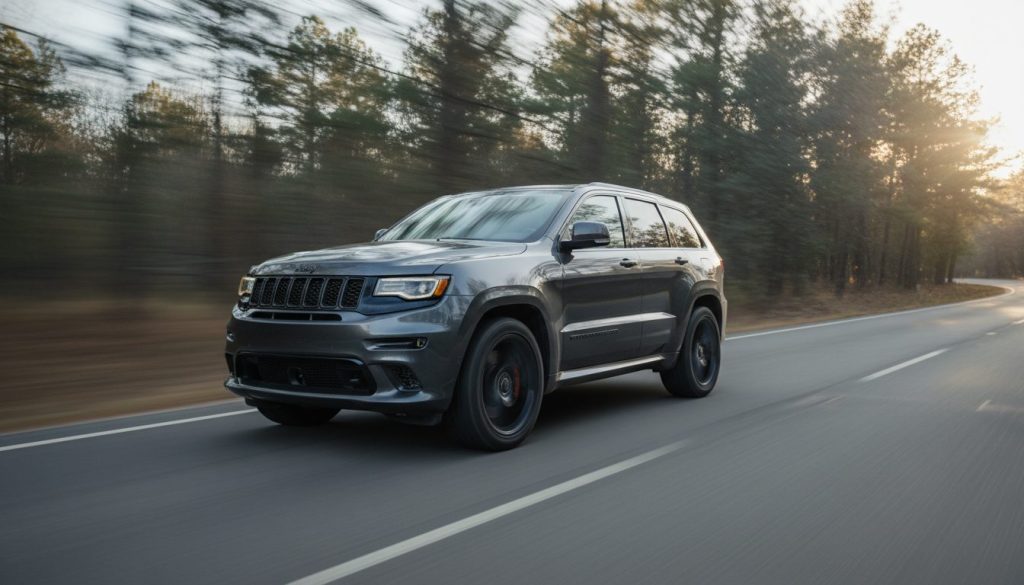
Brutal mechanical forces generated by the aggressive early shifting completely shredded the rubber engine mounts. Kinetic shockwaves tore through the factory isolators, transferring massive vibration directly into the steering wheel and passenger cabin. Drivers felt like they were operating a broken tractor instead of a refined crossover. Engineers phased in heavily reinforced hydraulic mounts utilizing thicker polyurethane bushings. Technicians swapped these upgraded isolators into complaining customer vehicles, instantly restoring the smooth ride quality expected from modern SUVs.
Restoring Brand Trust Systematically

By executing these critical mechanical upgrades secretly, the manufacturer prevented a total collapse of consumer confidence. The mechanically sorted later iterations prove the core chassis architecture was genuinely solid once the transmission flaws were fixed. Dealerships stopped seeing broken crossovers arriving on flatbeds daily, and massive warranty claims plummeted to standard industry levels. This quiet redemption story perfectly highlights how aggressive internal quality control interventions can actually salvage a profitable vehicle line before its reputation is destroyed permanently.