Jeep, Dodge, Ram Owner Admits $26.5B Quality Collapse—Hires 2,000 Engineers To Fix Ex-CEO’s Cuts
Stellantis CEO Antonio Filosa addressed investors in February 2026 with rare candor: “We are resetting execution and improving quality management processes to address previous operational issues triggered by past decisions.”
The company behind Jeep, Ram, and Dodge admitted its own leadership broke the cars. A €22.2 billion charge, about $26.3 billion, stood as the largest in Stellantis’ five-year history. The engineers who might have prevented it were already gone.
How Stellantis Broke Its Own Cars
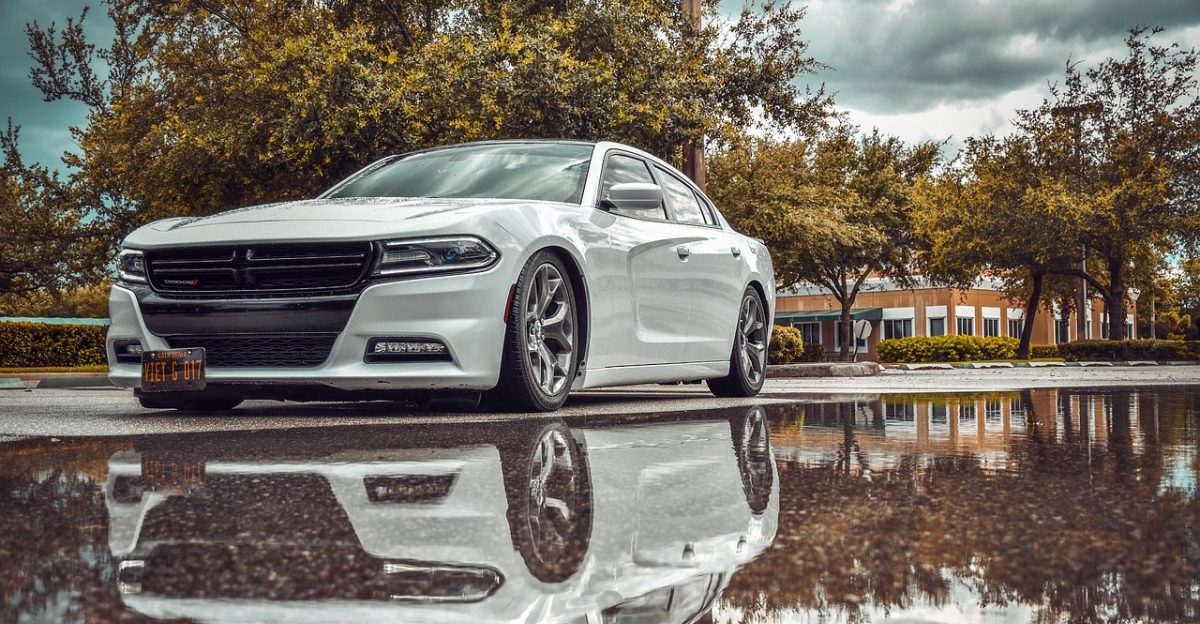
Before the collapse, Dodge set the standard for quality. The brand topped J.D. Power’s Initial Quality Study in both 2020 and 2023, outperforming Toyota, Honda, and every other competitor. Then Carlos Tavares’ cost-cutting campaign began.
Engineering teams shrank. Testing resources thinned. Within a year, Dodge dropped from first place to last, a plunge rarely seen for such a major brand. This sharp decline played out as Stellantis celebrated record efficiency margins.
The $26.5 Billion Cost of Cutting Corners
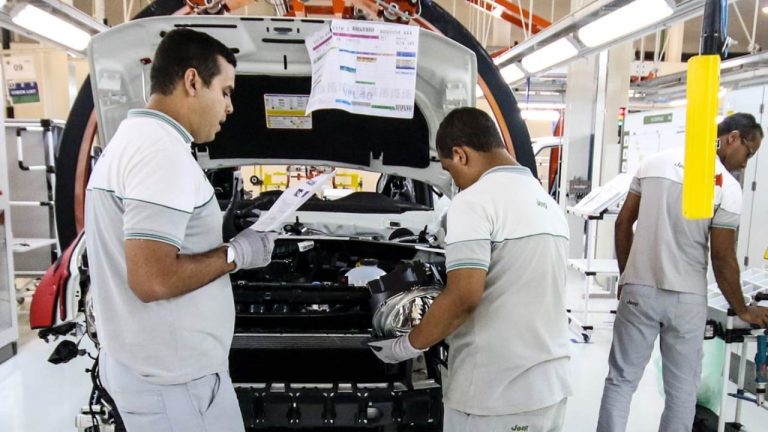
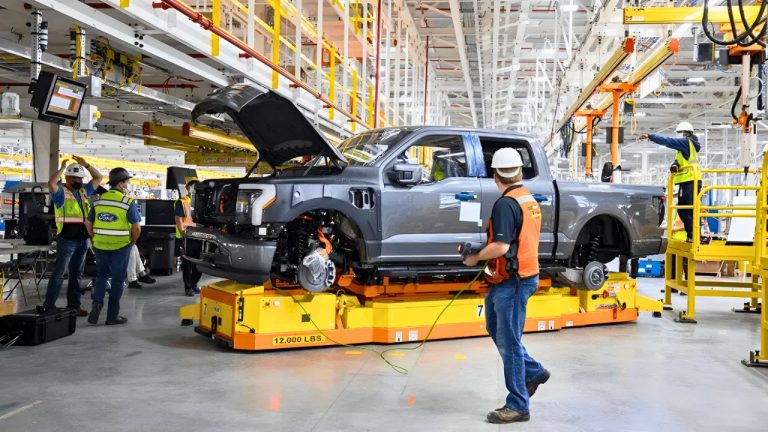
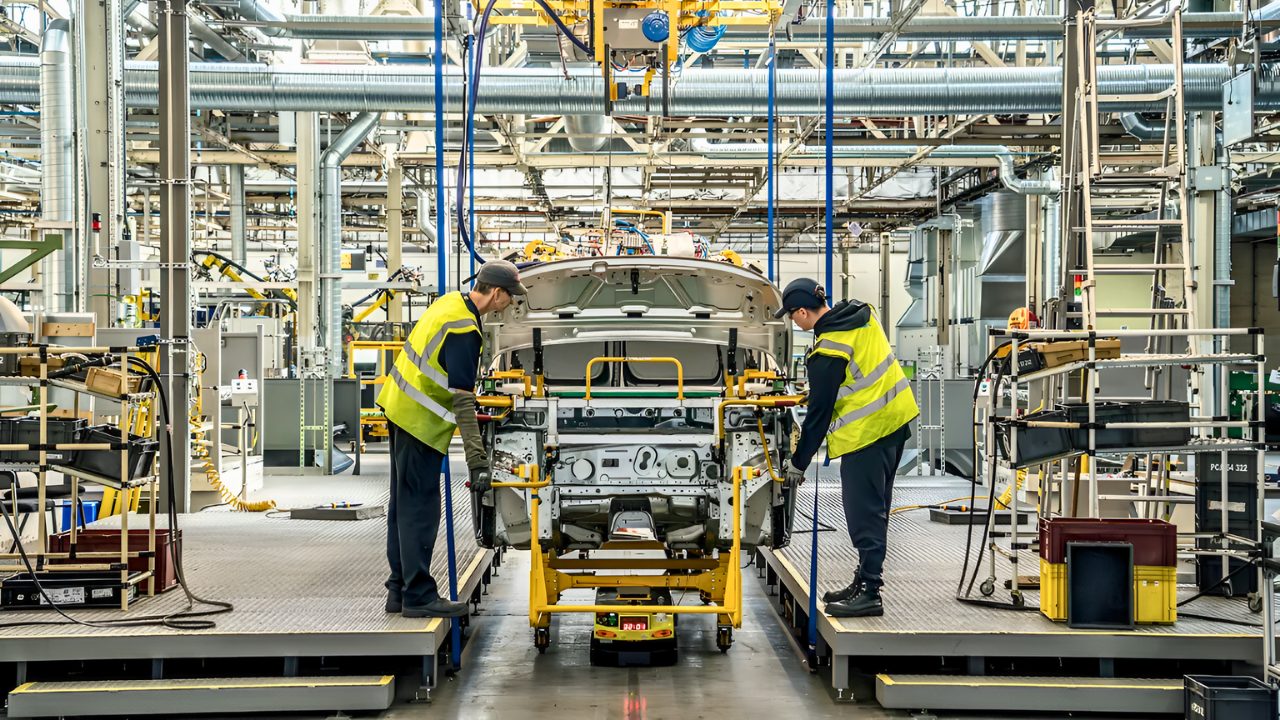
Sean Hogan, chairman of Stellantis’ National Dealer Council, was blunt: “When you make those cuts that Tavares did, and you still want the same quality, it’s just not going to happen.” Dealers witnessed the consequences firsthand: engineers laid off, testing windows compressed, new platforms rushed to market without proper validation.
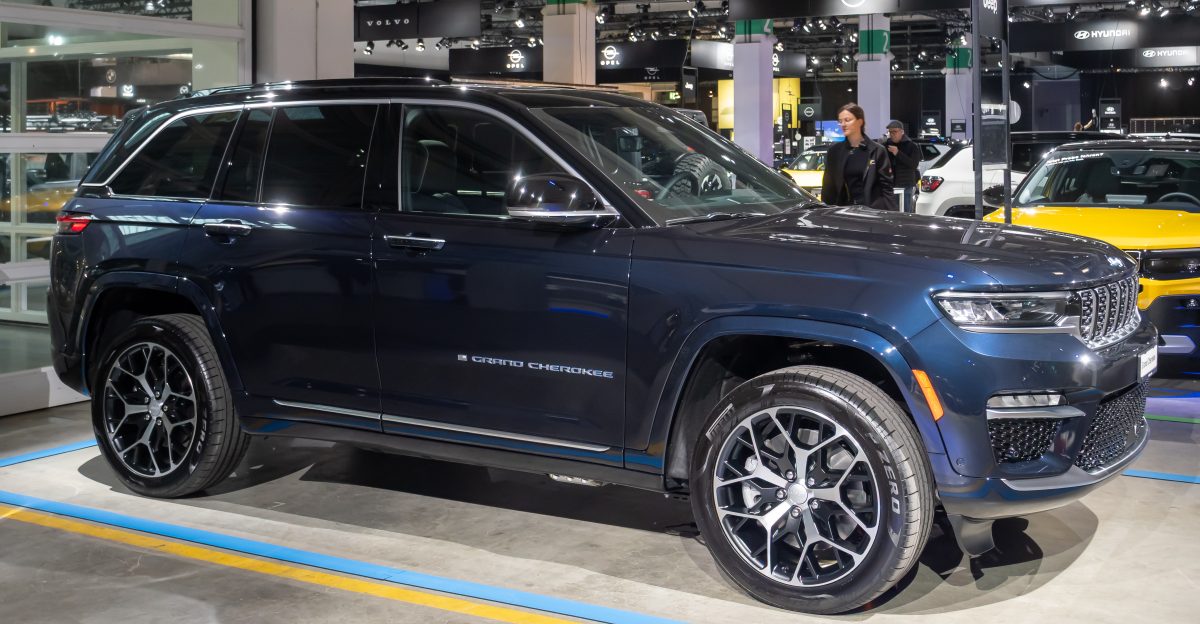
In one widely viewed video, a U.S. Jeep dealer shows more than 130 unsold 2025 Grand Cherokees sitting on its lot and describes struggling to move them despite incentives, underscoring how quickly consumer confidence can erode when quality concerns take hold. Customers stopped showing up before the recalls began.
Stellantis’ Expensive Lesson
Of that $26.5 billion charge, €4.1 billion went directly to warranty provision re-estimation, citing “cost inflation and operational quality deterioration.” Stellantis revised its own financial statements because quality fell short of what had been reported.
The company revealed the damage hidden in the books. This marked the largest single write-off since the 2021 PSA-FCA merger and the first annual loss as a merged entity. Every outcome traced back to one cost-cutting philosophy.
The Collapse of Dodge and the Ripple Through Stellantis
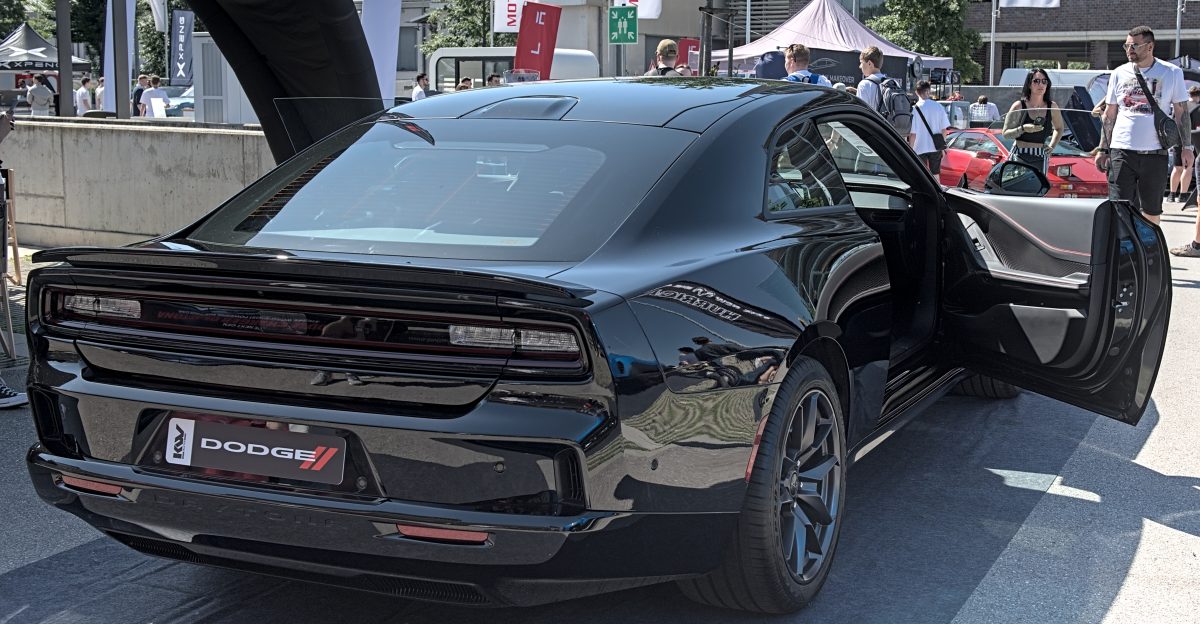
The Charger Daytona, Dodge’s electric flagship, launched with software issues including Easy Entry seat behavior that could cause fronts seats to move unexpectedly until Dodge pushed fixes, alongside other early software glitches. The Wagoneer S, Jeep’s roughly $70,000 luxury electric SUV, has drawn criticism for buggy infotainment and controls, Consumer Reports said it ‘feels like an unfinished product,’ citing frustrating software and usability problems even before early recalls.
The 2025 Ram lineup has struggled in quality metrics, with Ram ranking 25th in the 2025 J.D. Power Initial Quality Study at 218 problems per 100 vehicles, well below the industry average of 192. Three new Stellantis platforms launched in quick succession, and executives and dealers now point to those rapid rollouts, combined with leaner engineering teams, as a major reason quality problems outpaced the company’s ability to respond.
Stellantis Pays the Price
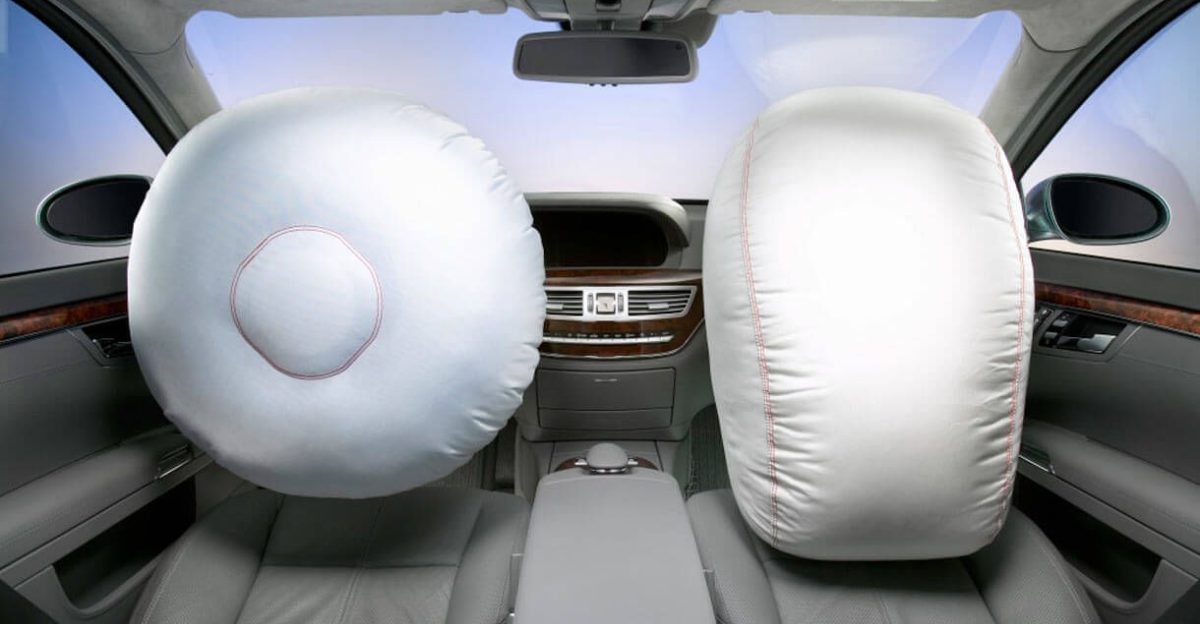
Stellantis issued “do not drive” alerts for 225,000 vehicles with unrepaired Takata airbags. Ram fell well below the industry average in the 2025 J.D. Power Initial Quality Study, with 218 problems per 100 vehicles and a ranking near the bottom among major brands.
Dodge recovered 24 spots to seventh, a sign that the collapse required an urgent rescue. First-month vehicle service issues dropped more than 50% in North America since early 2025, but that improvement started from a disastrous baseline. The company’s hiring of over 2,000 engineers marked its most visible quality-focused workforce expansion since the PSA‑FCA merger.
Engineers Gone, Trust Lost
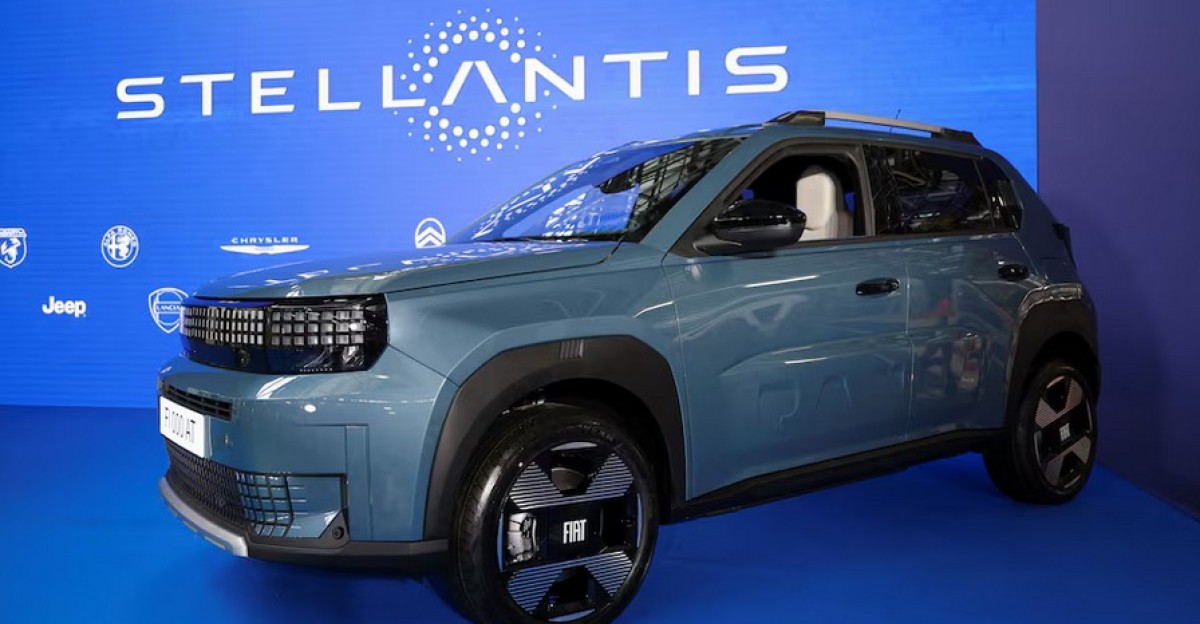
Many buyers of 2024 and 2025 Stellantis EVs report repeated dealer visits and unresolved software glitches, with some owners saying that key features still don’t work reliably months after purchase. Stellantis has discontinued key Jeep and Chrysler plug‑in hybrid models in the U.S.—including the Wrangler 4xe, Grand Cherokee 4xe, and Chrysler Pacifica PHEV—as it scales back traditional PHEVs in favor of simpler, proven setups. Dealers and analysts warn that persistent quality headlines and recalls could put downward pressure on used values for recent‑model Stellantis vehicles, especially newer EVs, as more owners encounter software and reliability issues.
Competitors see an opportunity. Ford, GM, and Toyota now market reliability against a vulnerable rival while attracting engineering talent from a shrinking labor pool. Tavares cut spending on engineers. The cost came back with interest.
Dodge’s Quality Freefall
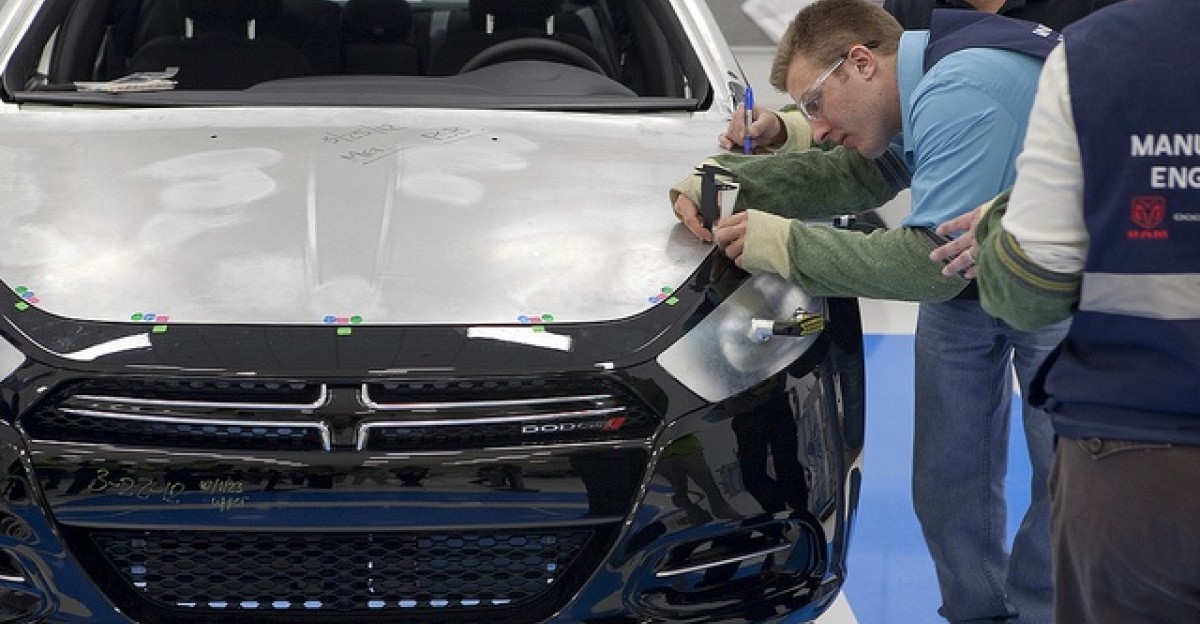
Stellantis entered this crisis structurally exposed: fourteen brands spread across three regional power centers, with no single executive responsible for launch quality until a reorganization became unavoidable. The complexity Tavares inherited grew into a bigger liability through his own decisions.
Stellantis promoted Sébastien Jacquet to Chief Quality Officer in mid‑2025, giving quality a seat on the strategic leadership team with a dedicated executive role. Cost-cutting at the expense of engineering has proven unsustainable.
The True Price of Sacrificing Engineering
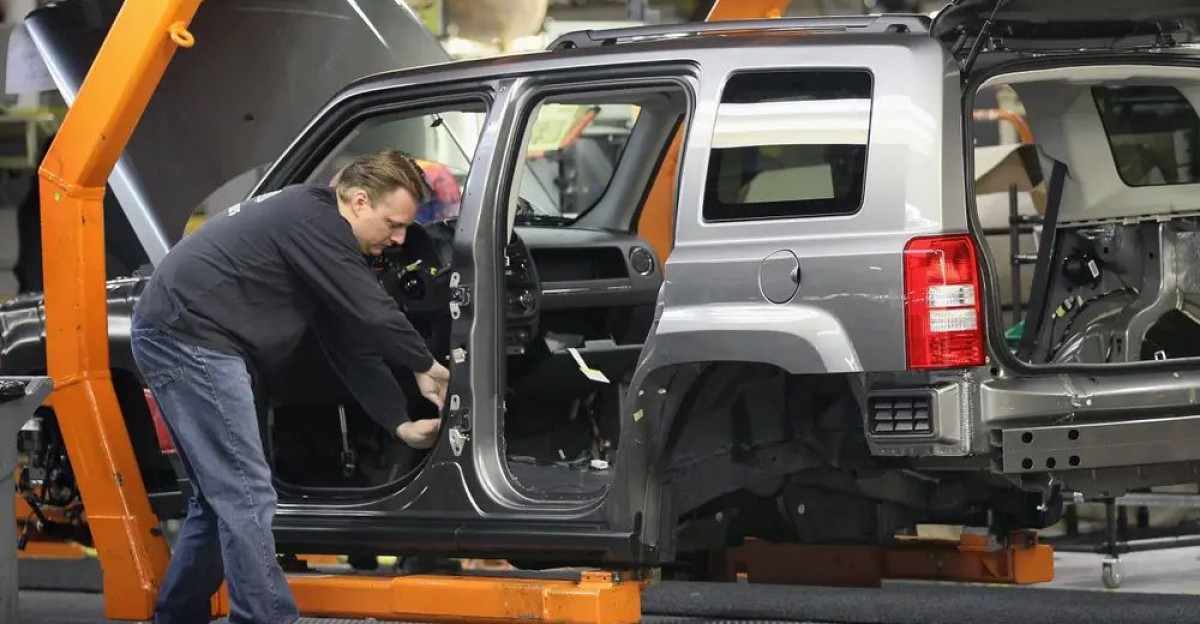
Analysts warn that, if Stellantis fails to turn quality and execution around after this reset, it could face growing pressure to restructure or divest underperforming brands. Stellantis is already making moves: bringing the Hemi V8 back to the Ram 1500 and returning to simpler, proven architectures to reduce software complexity.
This is a retreat from the company’s own electrification plans after failing to get the fundamentals right. Every Stellantis dealership now faces a new uncertainty: rebuilding trust may take longer than rebuilding an engineering department.
Stellantis and the Fallout of Short-Term Thinking
Most observers miss the central lesson of this story. Cutting engineers to meet short-term margin targets led to $26.5 billion in write-offs and years of reputational damage. Treating quality as a line item instead of a foundation brought consequences that became visible for all to see.
Executives in Detroit, Stuttgart, and Tokyo watched Stellantis prove the point in public. Any CEO looking to boost margins by cutting engineers will see this write-off on every future boardroom slide.
Sources:
Stellantis Press Release — “Stellantis Resets Its Business to Meet Customer Preferences and to Deliver on Financial Commitments” — February 6, 2026
Stellantis Press Release — “Stellantis Reports Full Year 2025 Financial Results” — February 25, 2026
CarScoops — “Stellantis Is Hiring 2,000 New Engineers As Quality Concerns Finally Reach Leadership” — March 7, 2026
J.D. Power — “2025 U.S. Initial Quality Study (IQS)” — June 25, 2025
CBS News — “Stellantis Issues ‘Do Not Drive’ Warning for 225,000 Vehicles With Unrepaired Takata Airbags” — February 10, 2026
Car and Driver — “Stellantis Axes Its Traditional Plug-In Hybrid Models for 2026” — January 8, 2026