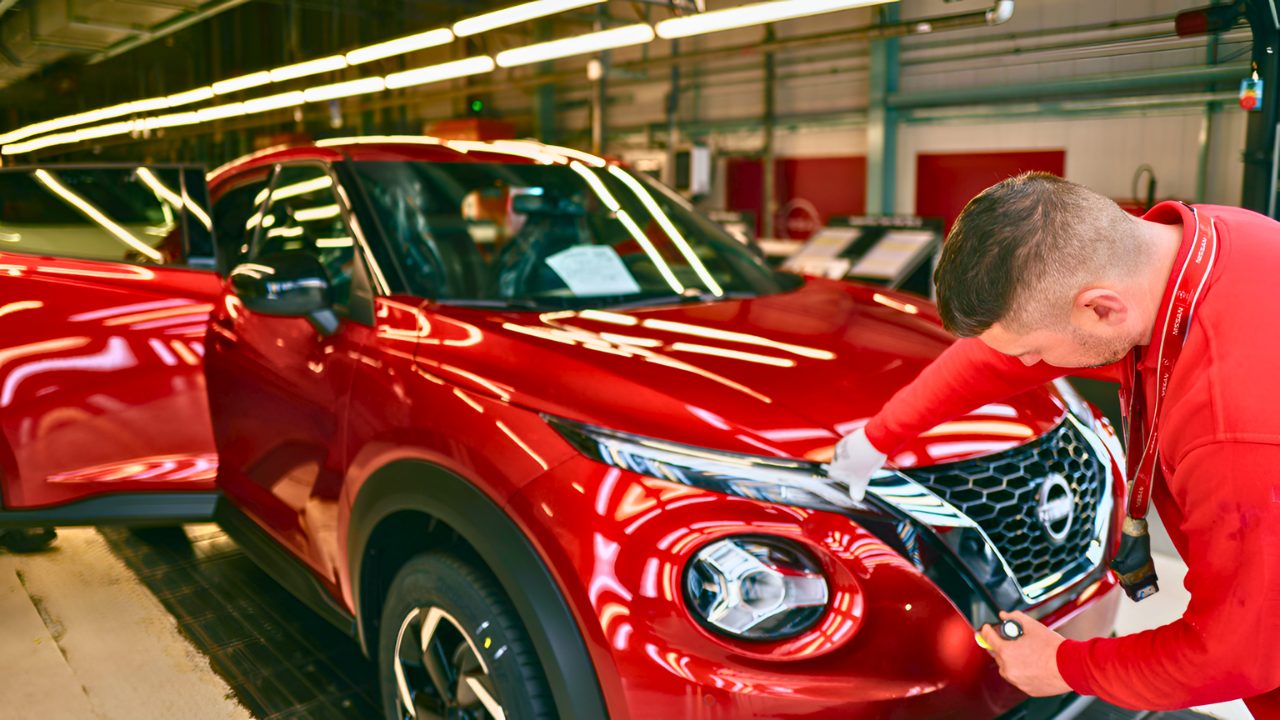
Japanese Auto Giant Sells Own Headquarters As $11.2B Vanishes—20,000 Workers Face Axe
A 92-year-old automaker just sold the building with its name on it. Nissan unloaded its Yokohama headquarters through a 20-year leaseback, meaning the company now pays rent to sit at its own desk. That transaction alone tells you everything about where this is headed. Nissan’s CEO oversaw the deal as part of a restructuring plan that has already gutted the company’s global footprint. The leaseback was just the opening move.
The Collapse
Nissan sold 1.6 million vehicles in the U.S. in 2017. By 2024, that number had cratered to 924,000. A 42% drop in seven years. Market share fell below 6%, a level the company hadn’t touched since 1997, before Renault rescued it in 1999. Honda-Nissan merger talks collapsed in early 2025 after Honda demanded Nissan become a subsidiary. Nissan refused. So Honda walked. That rejection left Nissan alone, bleeding cash, with no partner willing to meet it as an equal. The sales floor kept sinking.
The Heritage Myth
For decades, the assumption held that Japanese manufacturing excellence protected Japanese automakers. Heritage equals competitiveness. Nissan’s entire brand identity rested on that foundation. But Chinese EV makers shattered it. BYD, XPeng, and Nio achieved equivalent manufacturing scale at a fraction of the cost. Nissan’s alliance with Renault was supposed to provide the economies of scale to compete. Instead, the alliance fractured, with partners now chasing separate deals. Renault pursued Geely. Mitsubishi signed with Foxconn. Nissan turned to Dongfeng. The old model assumed loyalty. The new market rewards speed.
The Write-Down
Then Renault made it official. In July 2025, Renault booked a 9.3 billion euro non-cash charge on its Nissan stake, approximately $10.9 billion, effectively declaring a 26-year partnership worthless on its balance sheet. Nissan followed with a $4.2 billion net loss forecast for fiscal 2026, its second-largest annual loss. All three credit agencies downgraded Nissan to junk. Record loss. Junk rating. Partner walking away. CEO Ivan Espinosa’s response to a potential sale: “Anything can happen in this crazy world.” That’s not flexibility. That’s a white flag sewn from silk.
The Hollowing
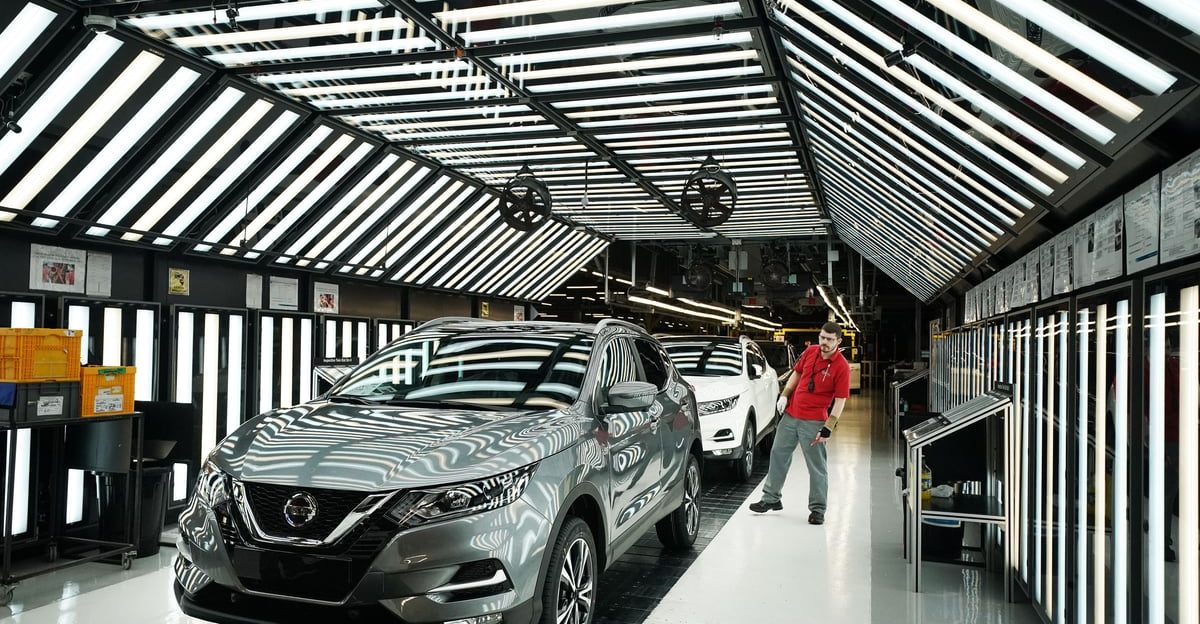
Espinosa’s moves reveal the hidden architecture of this collapse. Nissan abandoned a $1.1 billion EV battery factory on Kyushu, Japan’s largest automotive capex reversal since 2019. Then the company entered talks with Foxconn to build EVs at its Oppama plant, employing 3,900 workers under a contract manufacturer’s supervision. Think about that sequence: cancel your own factory, then invite a Taiwanese electronics company to run your assembly line. Nissan is transitioning from a company that builds cars to a company that licenses its logo to firms that do.
The Numbers
Nissan’s restructuring plan calls for 20,000 job cuts, 15% of the entire workforce, and the closure of 7 of 17 global plants. Nissan plans to raise $5 billion in new debt, including convertible bonds, at junk-rated interest costs that could drain $250 million to $400 million annually in interest alone. U.S. tariff exposure adds another 250 billion yen, roughly $1.6 billion. The company’s free cash flow runway extends only to September 2027. After that, the math stops working without a buyer or a miracle.
The Ripple
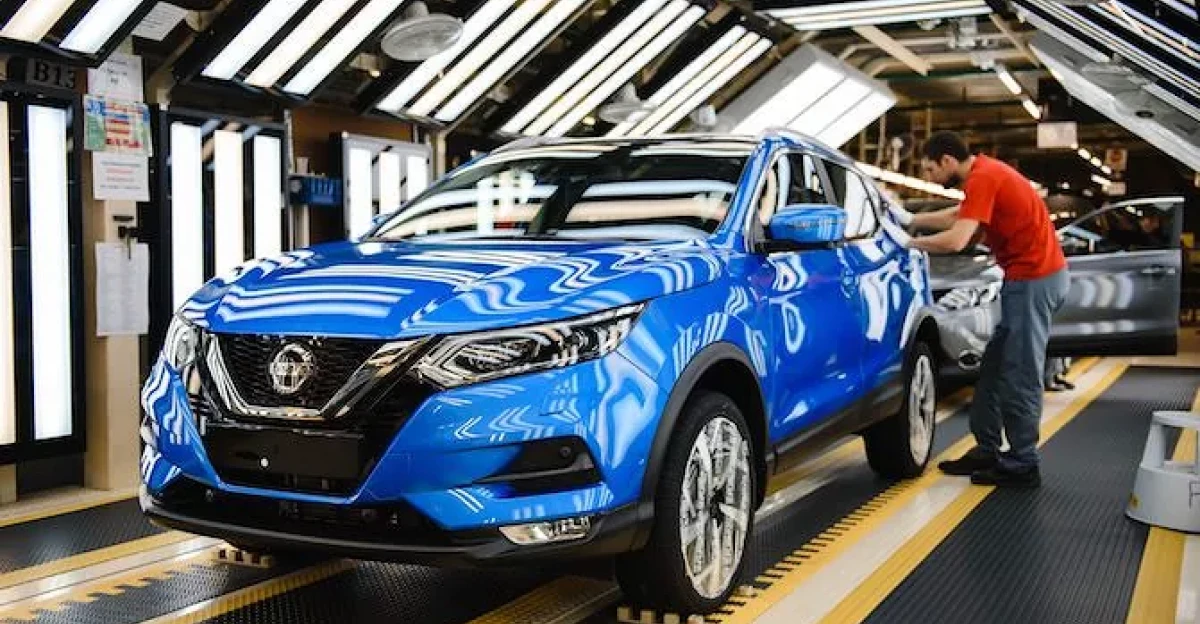
Twenty thousand workers lose jobs. But the blast radius extends far beyond Nissan’s payroll. Suppliers dependent on Nissan volume face a revenue cliff as the company preserves cash and slashes orders. Dealers confront franchise uncertainty: if Nissan gets acquired or broken apart, their network agreements could evaporate. Japanese auto-parts giants like Denso and Aisin face margin compression as they support an EV transition that Nissan can no longer afford to fund at premium prices. One company’s restructuring becomes an entire supply chain’s emergency. And the acquirer list is already forming.
The Precedent
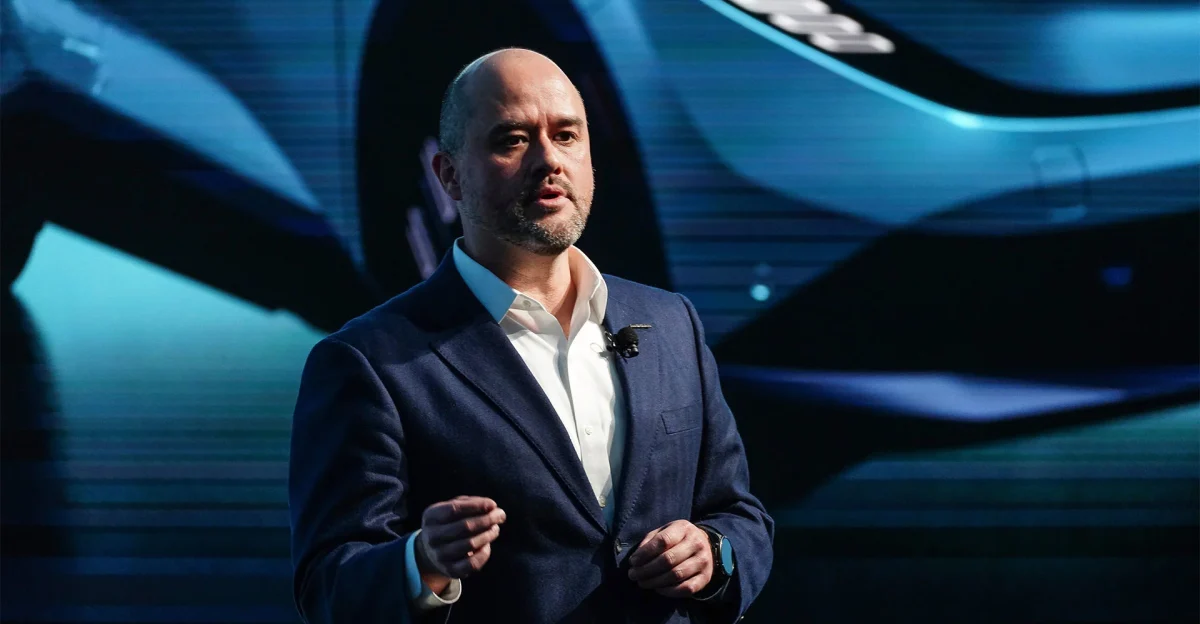
Espinosa said: “It’s becoming increasingly difficult for [automakers] of our size to remain relevant.” A sitting CEO of a major Japanese corporation publicly admitted that independent survival may be impossible. That sentence rewrites the rules of Japanese corporate governance, where sale or acquisition was historically treated as institutional failure, never a legitimate strategy. Nissan’s openness makes it easier for other struggling Japanese firms to pursue the same path. This isn’t one company dying. It’s the end of the assumption that heritage-brand automakers are too important to sell.
The Clock
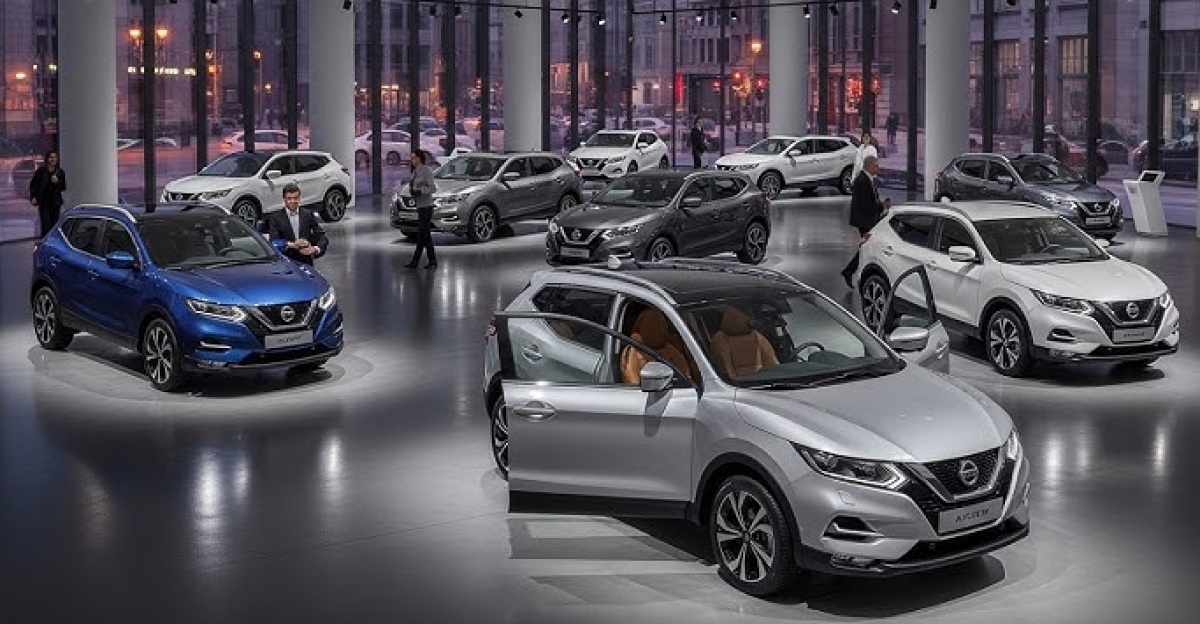
If Nissan’s fiscal 2026 results miss profitability targets, creditors will demand secured asset liquidation. The $5 billion bond sale must close within months, or the refinancing window slams shut at junk-rated borrowing costs. Espinosa himself admitted, “Nissan forgot who we were and we became a financial target company,” a confession that Nissan’s volume-over-margin strategy under previous leadership planted the seeds of this crisis years ago. September 2027 is the wall. Eighteen months to prove the brand can generate enough cash to justify existing independently.
The Buyers
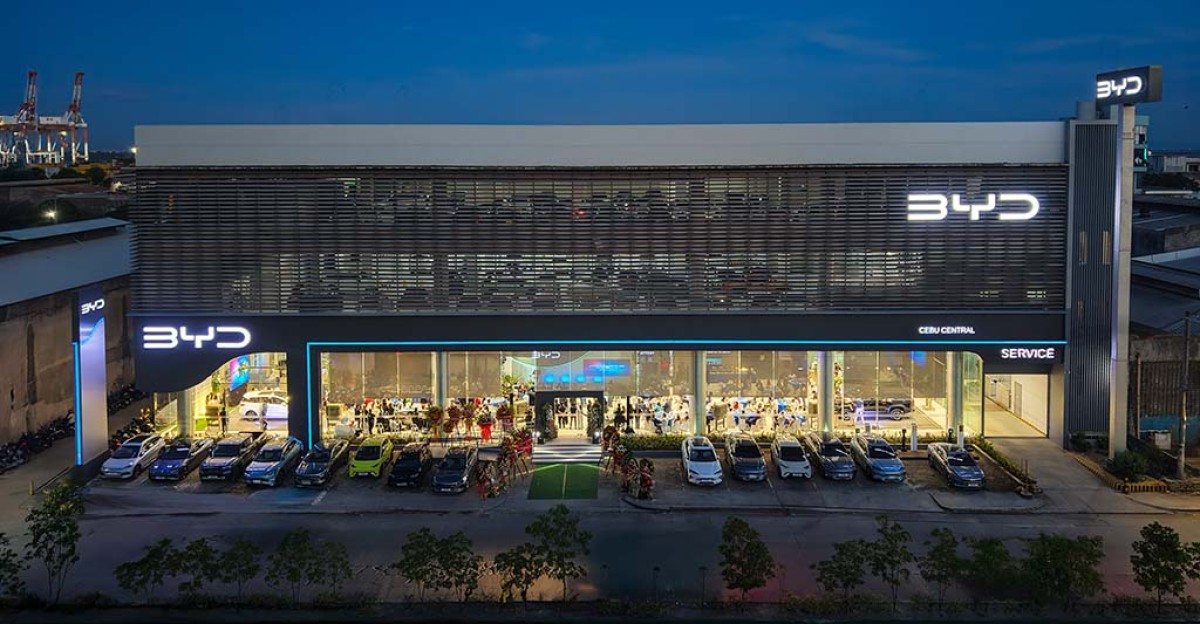
BYD, Geely, Volkswagen, Hyundai-Kia, and private equity consortia are all plausible acquirers, each with different motives. BYD gets a Japanese brand and a U.S. dealer network. Hyundai gets manufacturing capacity and EV platform IP. Volkswagen gets Nissan’s Dongfeng partnership and Chinese supply chains. Whoever buys Nissan acquires a nameplate and a design team, not the manufacturing empire that once made the brand valuable. The person who understands that distinction understands why Espinosa said “anything can happen” with a smile instead of a grimace.
Sources:
“Nissan Sells, Leases Back Headquarters in $643 Million Deal.” Reuters, 6 Nov. 2025.
“Nissan Sets the Stage for Change with the Bold Re:Nissan Plan.” Nissan Global News, 13 May 2025.
“Carmakers Nissan and Honda Call Off Merger Talks.” CNN Business, 13 Feb. 2025.
“Renault to Report $11 Billion Loss on Nissan Stake in First Half.” Reuters, 1 Jul. 2025.