Japan’s Largest-Ever Buyout Hands Toyota Heir 10x Wealth Surge as Minorities Lose Trillions
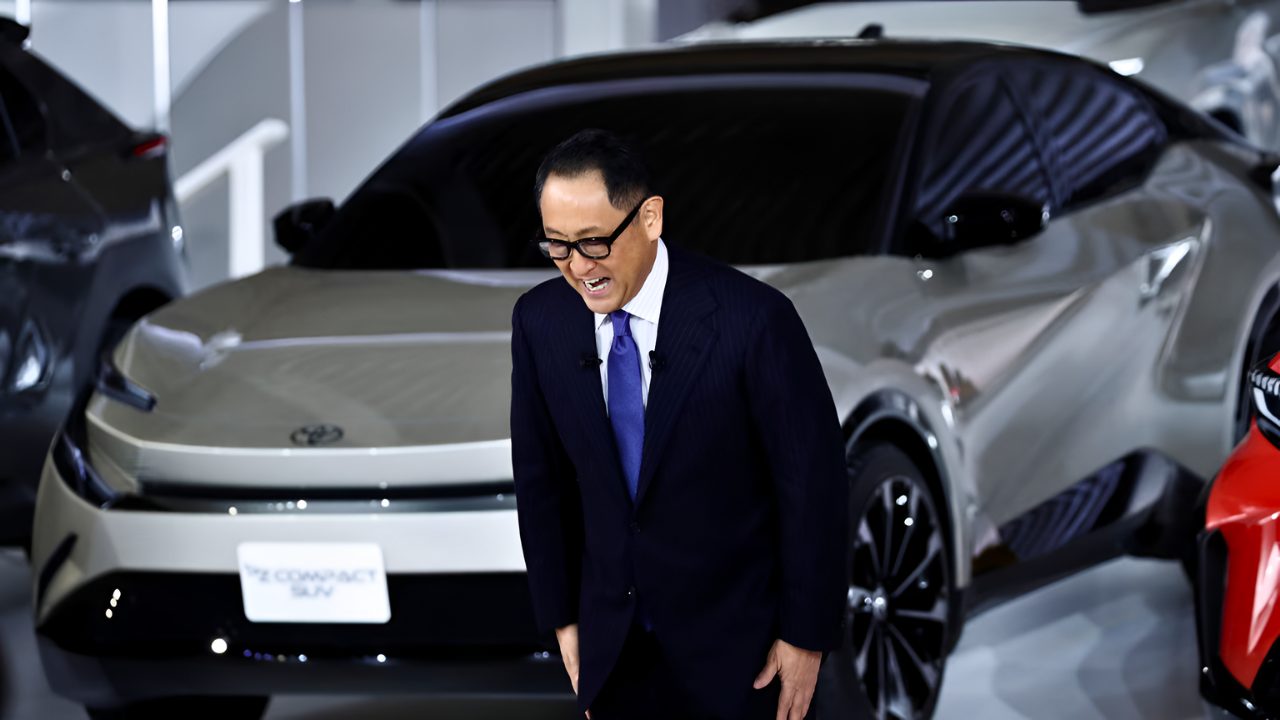
In June 2025, Toyota Group announced a $33 billion bid to privatize Toyota Industries. The great-grandson of Toyota’s founder was accused of using the deal to tighten family control — a characterization he publicly pushed back against. The company his great-grandfather built in 1926 as Toyoda Automatic Loom Works would be streamlined. Governance would improve. Cross-shareholdings would unwind. Nine months and price increases later, the math told a different story entirely.
Japan’s Biggest Deal
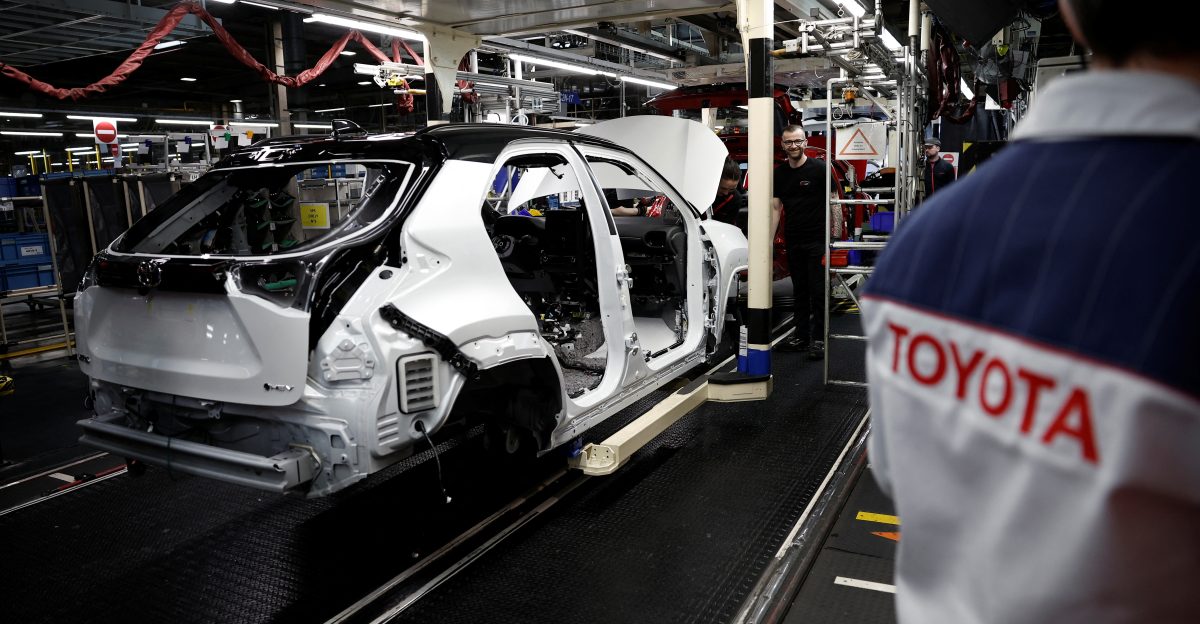
The deal landed as the largest acquisition in Japanese corporate history, valuing Toyota Industries at ¥6.7 trillion, roughly $43 billion, with a tender offer at ¥20,600 per share. That price arrived only after activist investor Elliott Investment Management disclosed a 5% stake in November 2025, later increased to 7.1%, and publicly argued the company was worth ¥26,000 or more per share. The initial offer had been ¥16,300, an 11% discount to the market closing price. Elliott’s entrance rewrote the negotiation overnight.
The Private Structure
Toyota didn’t route this deal through its own boardroom. The acquisition vehicle was Toyota Fudosan, an unlisted real estate company with zero public market scrutiny. Its chairman: Akio Toyoda. His personal investment in the entity: ¥1 billion, roughly $7 million. That modest buy-in was about to multiply. Meanwhile, Toyota Motor poured ¥700 billion into non-voting preferred shares, maintaining economic exposure without governance restraint. Three Japanese megabanks supplied ¥2.8 trillion in loans. The architecture looked less like reform and more like a family vault.
The Family Windfall
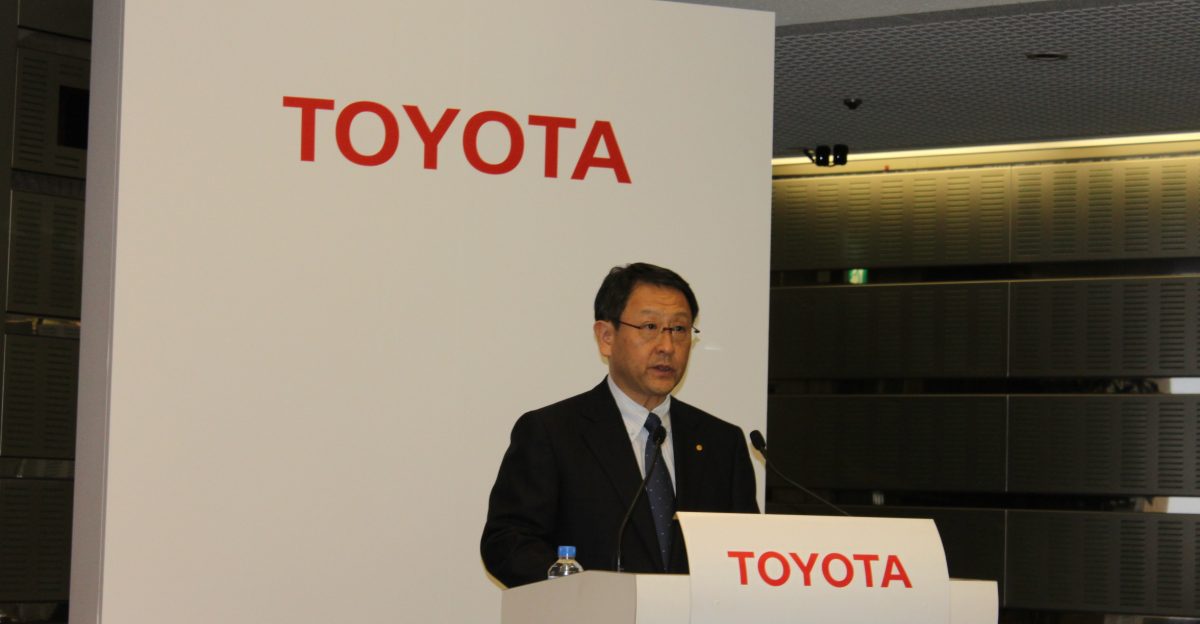
Through that structure, Akio Toyoda’s personal stake in Toyota Industries jumped from 0.05% to 0.5%. A tenfold increase. Delivered through a single transaction he designed, inside a vehicle he chairs, funded by banks lending against the company’s own assets. His family’s estimated wealth gain: approximately ¥50 billion, or $320 million. Meanwhile, Elliott’s own published analysis identified ¥2.2 trillion extracted from minority shareholders. One family got richer. Thousands of pension funds and retail savers absorbed the loss. That disproportion is the entire architecture of the deal.
The Lowered Bar
Normal Japanese M&A requires approval from 66% of minority shareholders. This deal needed 42%. The trick was definitional. Denso, Aisin, and Toyota Tsusho, all publicly identified Toyota Group companies holding a combined 15% of shares, counted as “independent” minorities under the deal’s framework. Nicholas Benes, founder of Japan’s Board Director Training Institute, called it plainly: “It looks more like a consolidation of influence and an attempt to keep Akio Toyoda and his family in control of certain assets.” The rules existed. They just didn’t apply.
The Activist’s Exit
Elliott forced successive price increases over nine months, pushing the offer from ¥16,300 to ¥20,600, a 26.4% escalation. Then the activist accepted. Framed it as a victory. Except Elliott’s own internal valuation pegged the company at ¥26,000 or higher. The gap between that number and the final price: ¥5,400 per share. Across roughly 300 million minority shares, that translates to approximately ¥1.8 trillion left on the table. Kyoto University M&A professor Shigeru Matsumoto noted that “There is no doubt that Elliott has achieved substantial returns. For Toyota Group, withdrawing the acquisition offer completely was not a viable option, so reaching an agreement was significant.” Elliott won the skirmish. The structure won the war.
The Institutional Backlash
The fallout extends beyond one company’s shareholders. A coalition of 27 institutional investors, organized by the Asian Corporate Governance Association, issued a formal letter opposing the deal’s opacity. No synergy valuations disclosed. No fairness opinion methodologies revealed. The special committee charged with protecting minorities achieved an 11% price bump and adopted a “neutral” stance. Japanese pension funds holding Toyota Industries shares face redemption pressure as beneficiaries learn what happened. Global asset managers are already reassessing Japan allocations. Trust, once broken at this scale, reprices everything.
The Blueprint for Others
This deal doesn’t end with Toyota. It creates a template. Establish an unlisted holding company. Claim governance reform. Redefine conflicted affiliates as independent voters. Lower the approval threshold. Buy back the family empire at a discount to fair value. Japan’s 2021 corporate governance code was supposed to prevent exactly this pattern. Instead, the code’s first real stress test proved it has no enforcement teeth. Other family-controlled conglomerates now have a proven playbook. The reform designed to unwind dynastic control became the legal mechanism enabling it.
The Final Deadline
The tender offer closes March 16, 2026. If more than 42% of designated minorities accept, squeeze-out procedures begin. Remaining shareholders get forced into cash settlement at the same ¥20,600 price with no further recourse. Toyota Industries delists from the Tokyo Stock Exchange by summer. A 99-year-old public company vanishes into a private family structure. No derivative lawsuits have materialized. Foreign investors appear to lack the legal standing or willingness to litigate in Japanese courts. The clock is running and nobody is filing.
The Contradictions
Every public statement about this deal contradicts its financial mechanics. “Governance reform” consolidates family power. A “neutral” board stance protects a chairman who personally profits. An activist “victory” leaves ¥1.8 trillion on the table. The people who understand what just happened can count themselves in a small group: governance reforms work only when someone enforces them. Without consequences for board overreach and conflict-of-interest violations, reform laws become cover for consolidation. Akio Toyoda denied it was about control. His 10x stake multiplier answered for him.
Sources:
“Toyota Industries receives $33 billion buyout offer from group firms.” The Japan Times, 2 Jun 2025.
“Toyota Group to Accelerate Collaboration Towards Transforming the Automotive Business.” Toyota Motor Corporation (corporate press release), 2 Jun 2025.
“Toyota raises buyout bid for unit, ending standoff with Elliott.” The Japan Times, 1 Mar 2026.
“Toyota Industries: Governance concerns persist in revised takeover.” Asian Corporate Governance Association, 24 Feb 2026.