Jaguar Bet 90-Year Legacy On One $187K EV—Its $386M-Loss ‘Complete Reset’ Now Launches
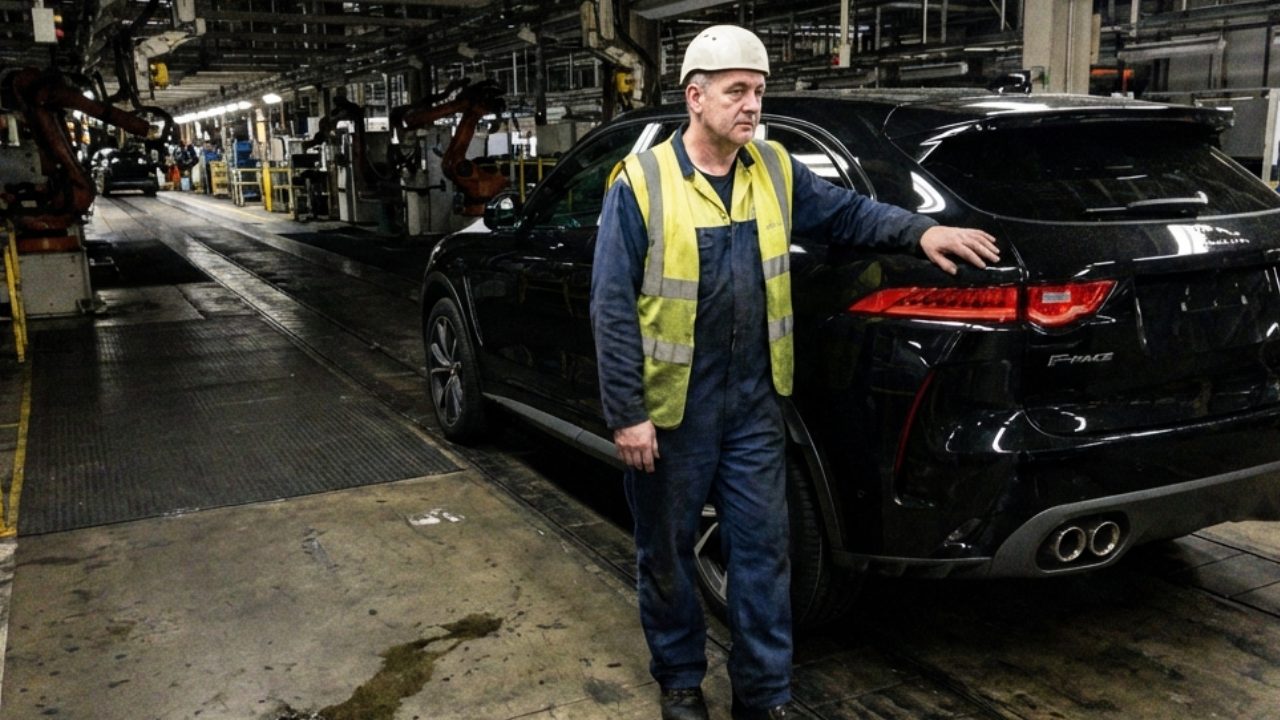
On December 19, 2025, a black F-Pace SVR rolled off the Solihull assembly line. The line then went dark. There was no replacement waiting in the wings, no transitional model, and not even a hybrid to bridge the gap. Jaguar, the legendary British brand that shaped the very idea of luxury driving for nine decades, simply stopped building cars.
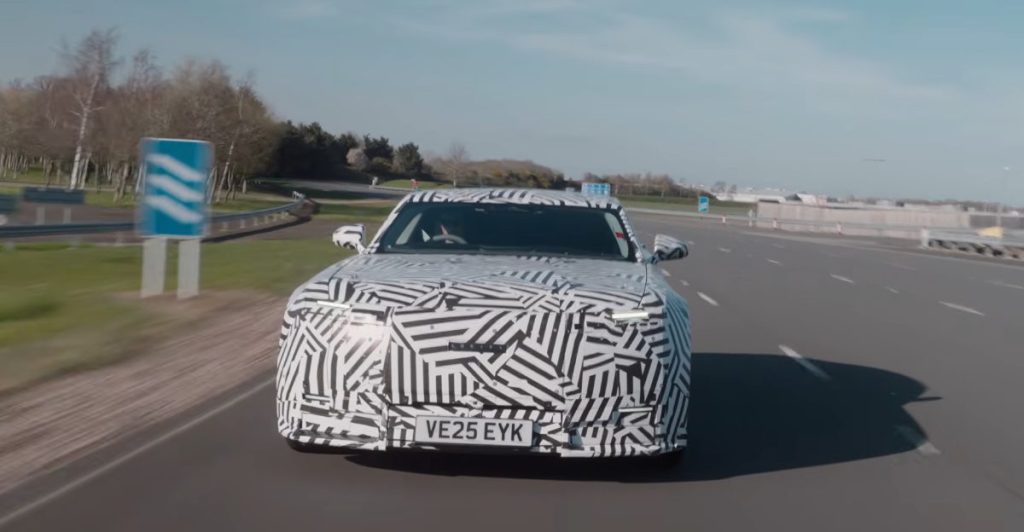
For months, the factory was quiet. Out of sight, more than 150 prototypes of something entirely new were lapping test tracks at up to 155 mph. Jaguar’s managing director called it “a complete reset.” The cost of that reset was already enormous.
Four Models Killed for One
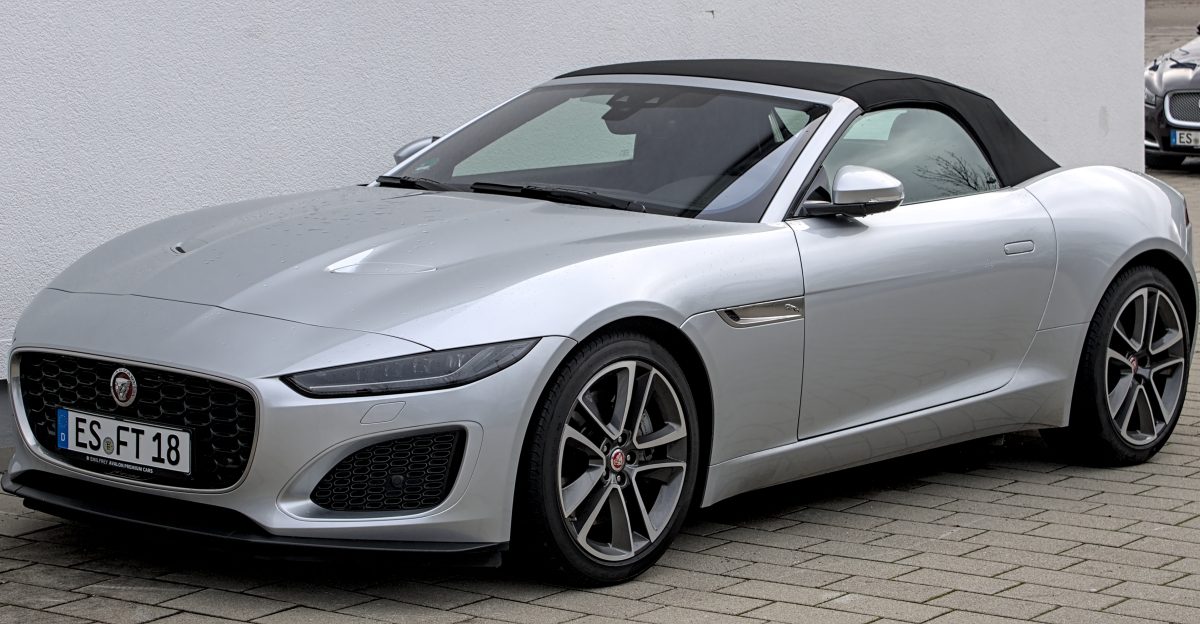
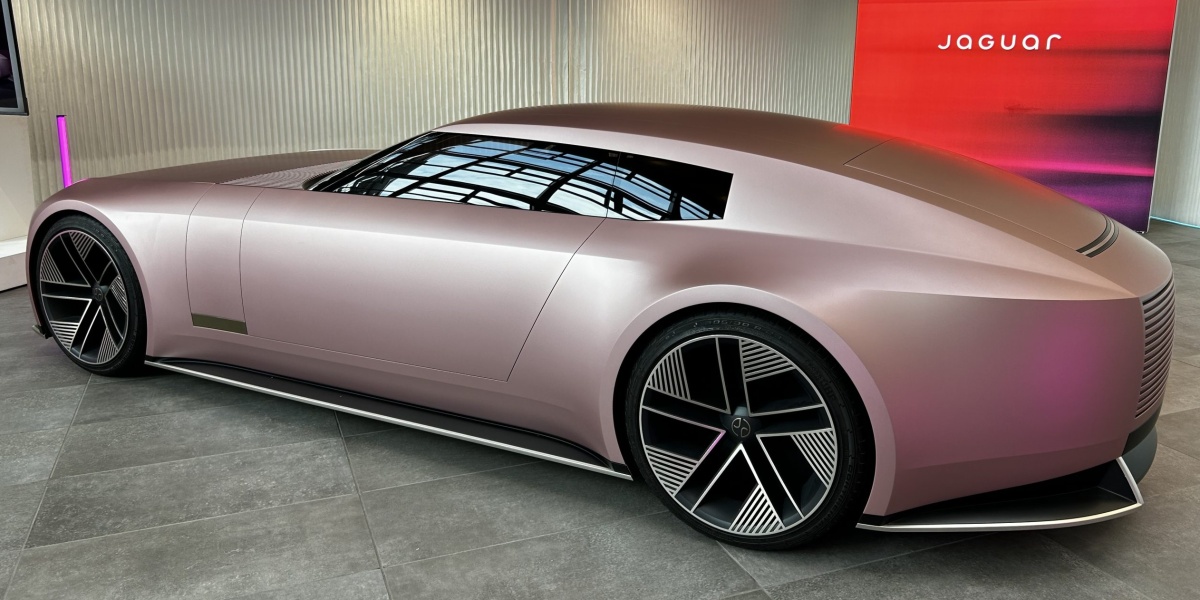
To make room for the future, Jaguar axed four vehicles: a new F-Type, the next-generation F-Pace, a would-be 5-Series rival, and a nearly finished electric XJ. Four revenue streams disappeared. The company focused all efforts on a single electric four-door GT, codenamed X900, with plans for a major reveal in September 2026 and first deliveries in spring 2027.
The average Jaguar once sold for about $73,000. The new car starts at around $130,000, with the Launch Edition priced at approximately $187,000. Jaguar changed its lineup and shifted away from the loyal customers who made the brand. The company now seeks buyers who may never have considered the name before.
The Rebrand That Backfired
Even before there was a car to show, Jaguar kicked off its rebrand. Hot-pink and teal visuals appeared, along with high-fashion ads that showed no vehicles at all. Many online reactions ranged from confusion to open mockery. The campaign was so abstract that some people did not realize Jaguar was still a car company.
The fallout was swift: Jaguar launched a global review and dropped its ad agency. The managing director admitted that only 10 to 15 percent of existing customers were likely to remain with the brand through this transition. Most brands try to keep their buyers, but Jaguar built a strategy around replacing them. The company expects new customers to pay more than twice as much.
The Car Nobody Expected
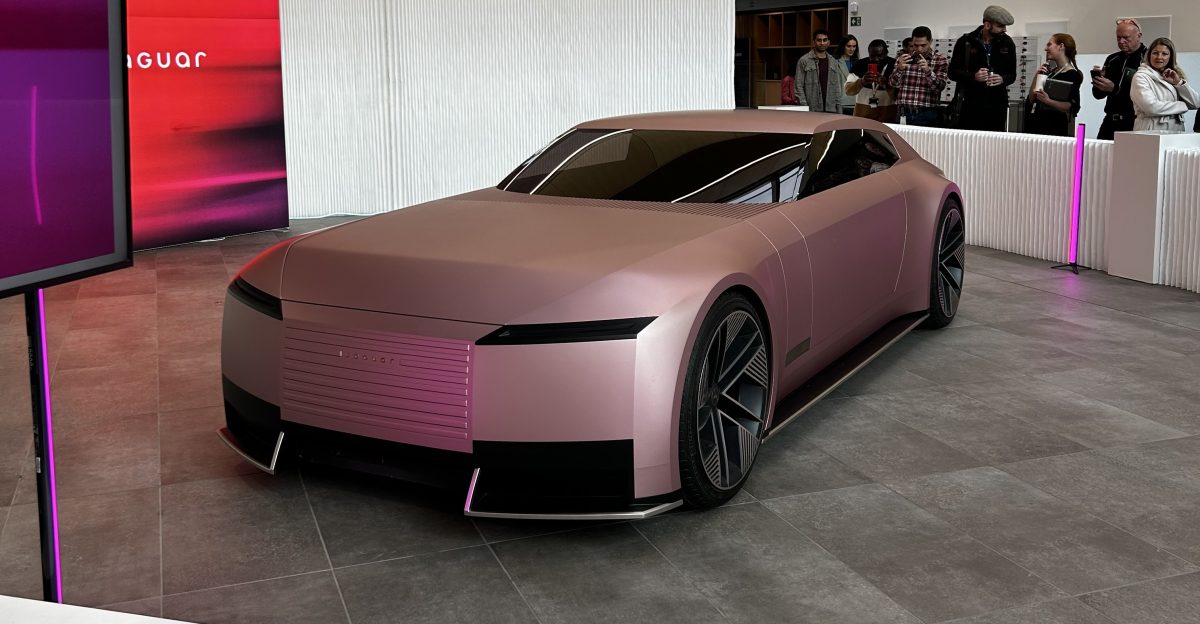
Journalists drove the prototype and found three electric motors producing about 1,000 horsepower, with a 120 kWh battery targeting over 400 miles of range. The power delivery felt unlike modern EVs. Jaguar engineers tuned it to deliver power like a classic V12: smooth, linear, with no sudden jolt or rubber-band acceleration.
The car built speed at over 130 mph almost silently, with minimal vibration or drama. Jaguar’s branding drew attention, yet the car itself reflected classic restraint. This contrast defines the company’s gamble.
A Machine Built Against the Trend
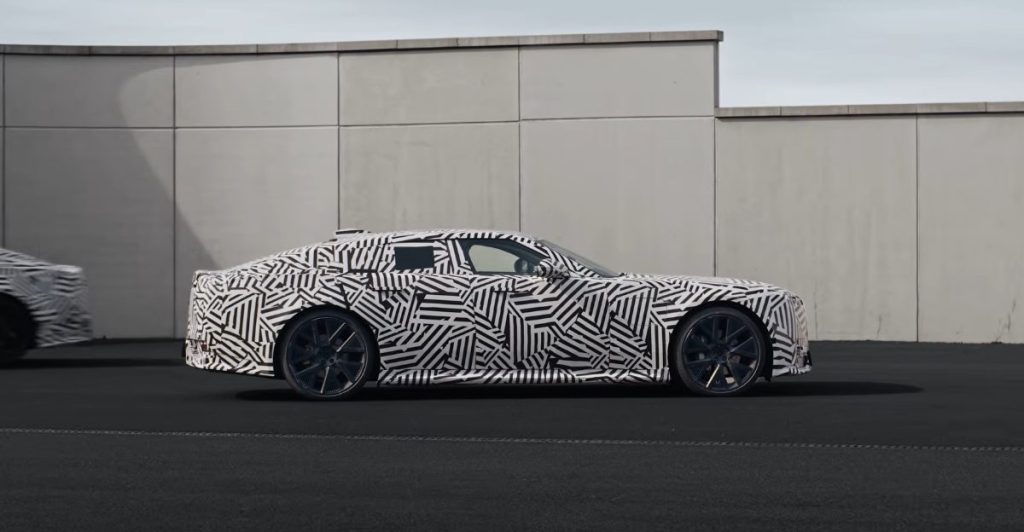
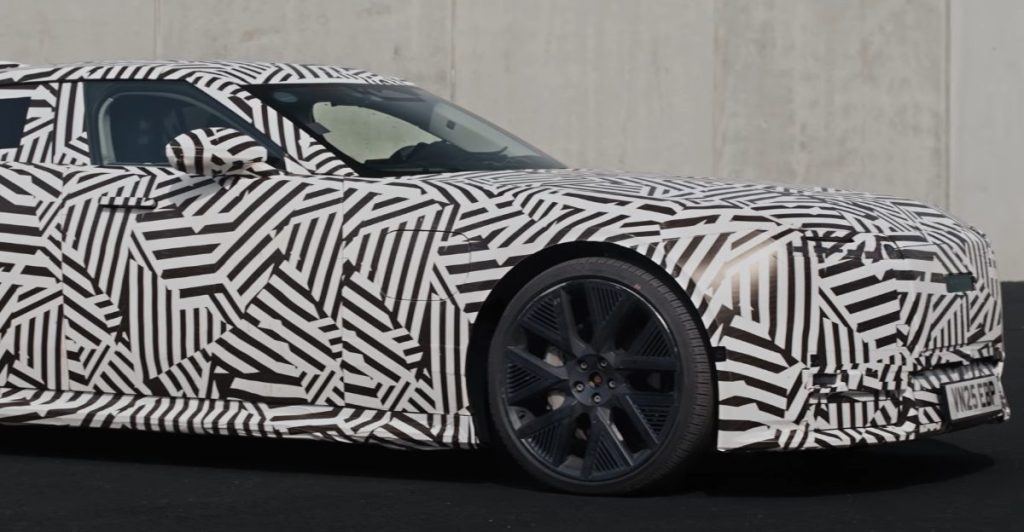
Most luxury EV competitors focus on aggression, quick acceleration times, and screen-filled dashboards. Jaguar chose a different direction. The prototype uses 23-inch wheels, twin-chamber air suspension, and Bilstein adaptive dampers at every corner. Reviewers said the ride quality exceeds that of the Range Rover. Engineers set weight targets below 2,750 kg with 50/50 balance and included six-degree rear-wheel steering.
No active anti-roll system is needed. Vehicle Engineering Director Matt Becker explained: “We didn’t need one to meet the targets with the mass so low in the car.” Jaguar approaches restraint as a new definition of luxury.
The Numbers That Haunt It
Jaguar Land Rover reported a pre-tax loss of £310 million in late 2025. Revenue fell by 39 percent compared to the previous year, and the company projects a cash outflow of up to £2.5 billion for the fiscal year. During the same period, new EV sales in the U.S. dropped by 28 percent after the federal tax credit expired.
Used EV sales increased by 12 percent, with average prices for used electric cars approaching those of gasoline models. Jaguar will launch a six-figure car into a market where buyers are moving toward used electrics at much lower prices.
Dealers Already Have Doubts
Jaguar aims to sell 10,000 cars per year, similar to Bentley’s volume. S&P Global analyst Martin Benecke stated: “I doubt that Jaguar’s strategy will work. Jaguar wants to go where other luxury manufacturers are withdrawing due to a lack of demand.”
Dealers also express doubts, with some saying there is “no clear business case” even before the car reaches showrooms. The retail network assigned to sell this car remains unconvinced. September is five months away.
The Precedent Nobody Wants to Set
No other legacy automaker has ended gasoline production as abruptly, with no gasoline models remaining in the lineup and nothing in the pipeline. Brands like Bentley, Rolls-Royce, and Ferrari introduced new luxury models gradually. Jaguar eliminated its previous lineup in a single decision.
If this gamble succeeds, heritage brands from Alfa Romeo to Lancia may follow a similar strategy: alienate, reposition, relaunch. If it fails, the lesson will be harsh. In ultra-luxury, narrative outweighs technical specifications. A car can be engineered to perfection and still fail if the story around it falls apart.
The Clock and the Cash Burn
Jaguar plans a major reveal for September 2026, with order books opening late in the year and first deliveries expected in spring 2027. The timeline allows little room for error. If the response is lukewarm, Jaguar may need to offer incentives that risk its ultra-premium positioning.
A cyber-attack in August 2025 already disrupted production during a critical phase. Jaguar has not sold a new car since December 2025. Competitors have launched new EVs during this period. BMW, Mercedes, and Porsche continue to move forward. Tesla may also introduce a lower-priced Roadster to target these buyers.
The Paradox That Defines Everything
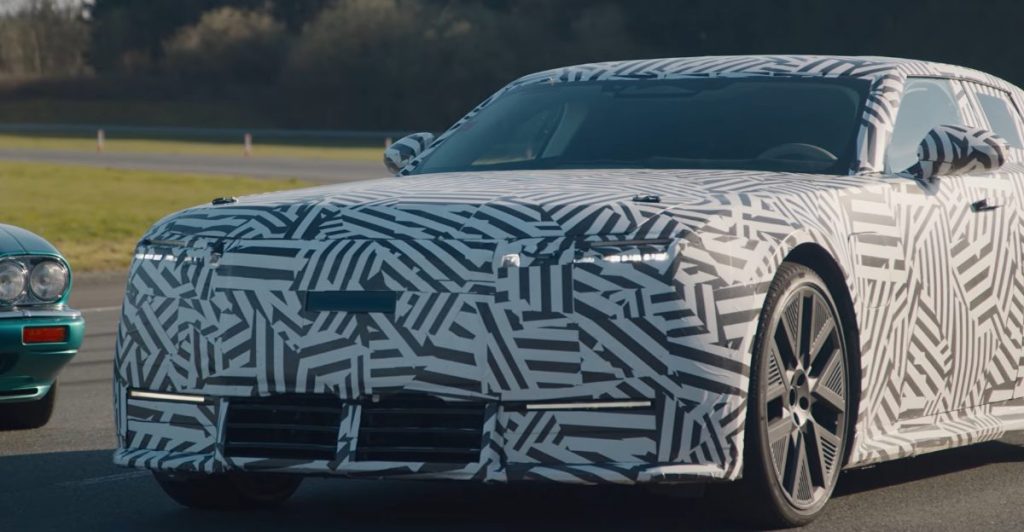
The Jaguar GT prototype may be the best-driving large electric sedan available. Early reviews confirm composed handling, refined power delivery, and engineering that honors the E-Type and XK120 legacy. In the luxury segment, those strengths may not be enough. Buyers seek identity, not just technical details.
Jaguar’s rebrand disrupted its image, resulting in the company parting ways with its agency. Even a well-engineered car cannot always overcome the effects of a damaged brand narrative.
Source:
Road & Track — “Jaguar’s Final ICE Vehicle, an F-Pace SVR, Rolls Off Assembly Line” — December 23, 2025
Evo — “Jaguar GT Prototype Review: Driving 2026’s Most Controversial Car” — March 6, 2026
JLR Media Newsroom — “JLR Q3 Performance Impacted by Previously Indicated Challenges” — February 4, 2026
Electrek — “New EV Sales Drop 28% in Q1 2026, but Used EVs Surge 12%” — March 27, 2026
New Atlas — “The Curious Case of Jaguar’s Polarizing Rebrand” — December 16, 2024
Autofile — “Experts Question All-EV Move” — March 16, 2026