Iran War Sends Gas to $4.29 a Gallon and EV Searches Jump 20% in One Week Across the US
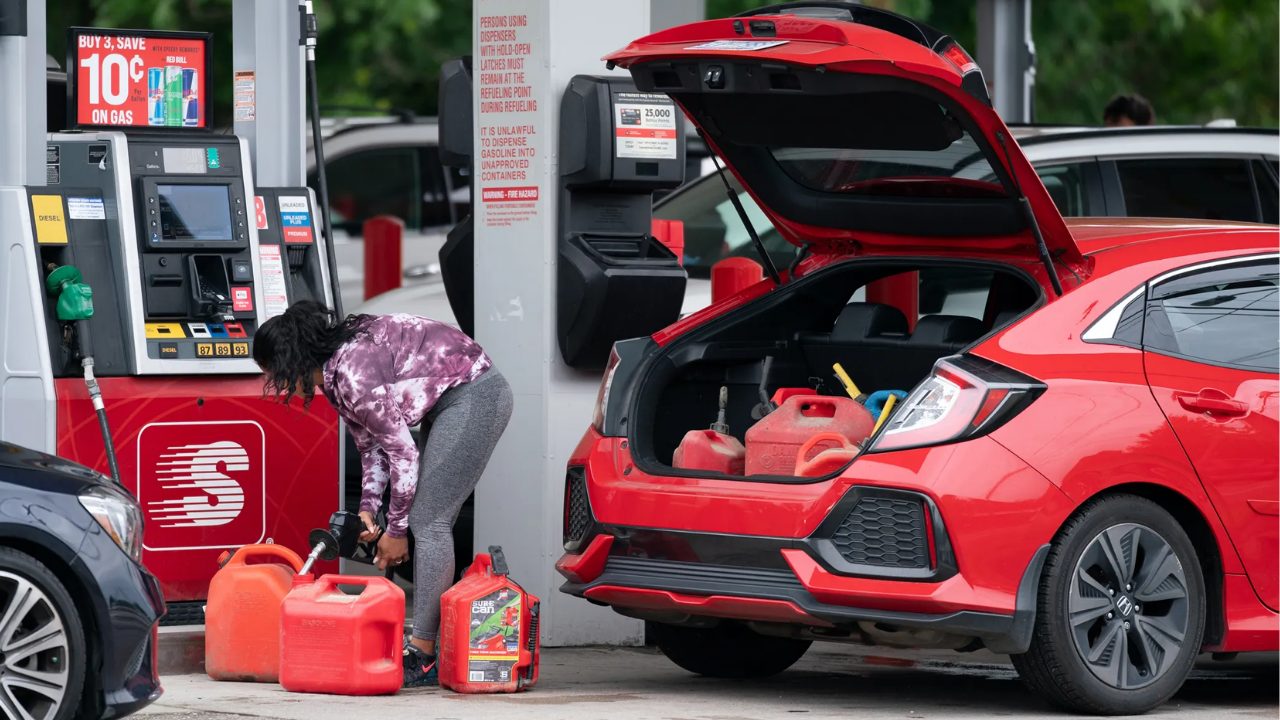
American drivers watched gas prices surge nearly $1 per gallon in roughly two months, the sharpest spike in years, after the U.S.-Iran conflict disrupted oil flows through the Strait of Hormuz. The national average hit $3.98 per gallon by late March 2026, up from $2.94 just weeks earlier, according to AAA. While the national average hit $3.98, price-sensitive states including Oregon ($4.30) and Nevada ($4.39) already crossed the $4.29 threshold, with analysts projecting the national average could breach that level within weeks if the Strait closure persists.
Online searches for electric vehicles simultaneously jumped 20% in the week following the conflict’s start, according to CarEdge, an immediate consumer response that analysts say could signal a lasting structural shift away from gasoline-powered cars.
The Hormuz Bottleneck
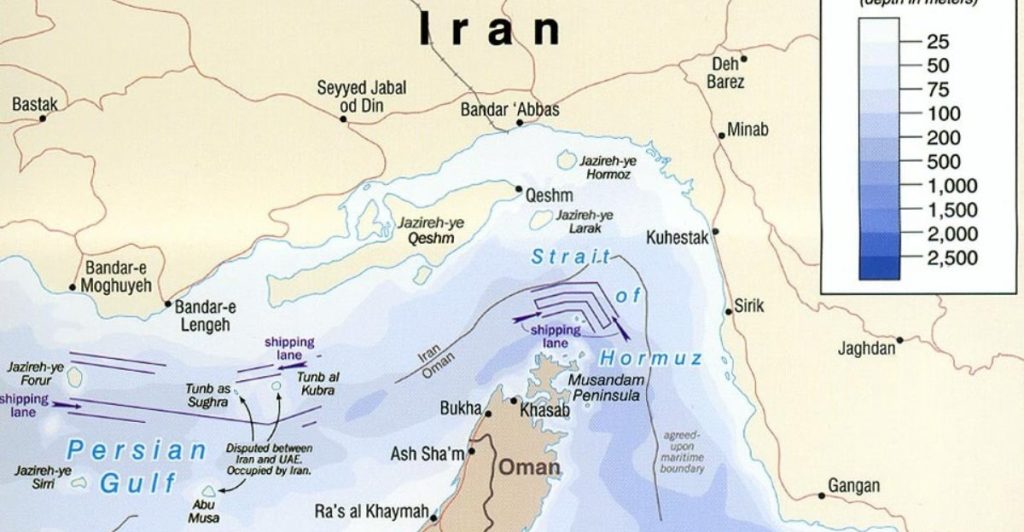
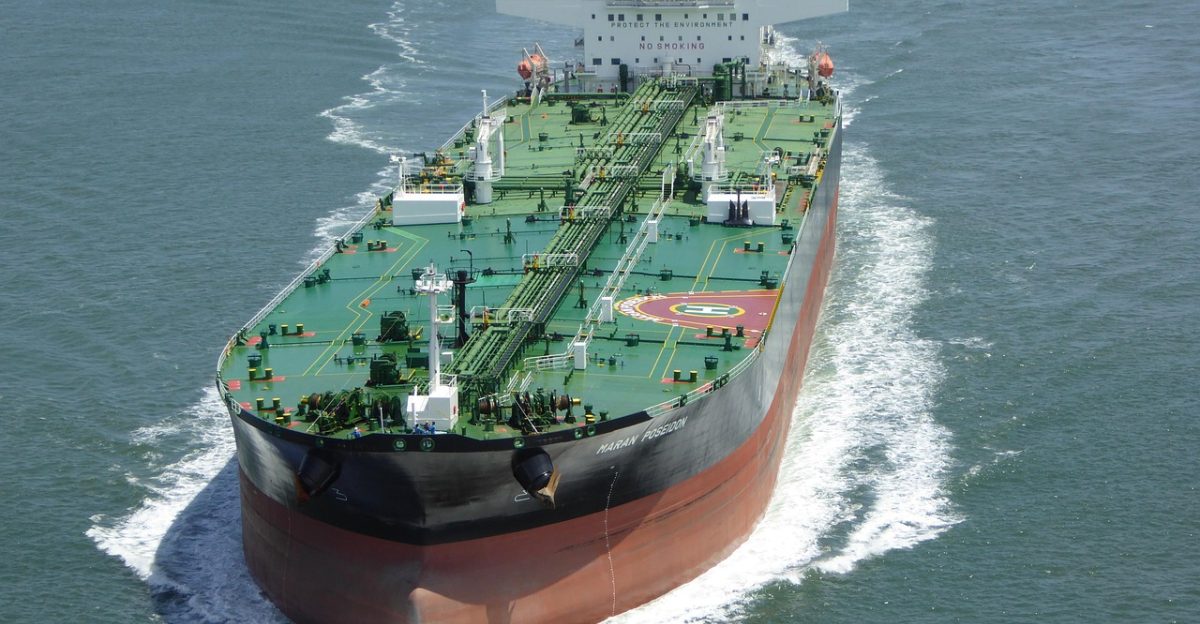
The Strait of Hormuz, a narrow waterway between Iran and Oman, normally carries roughly 20% of global oil supply. Since the conflict erupted, crude exports through the strait slumped to approximately 4 million barrels per day from the usual 16 million barrels of crude, out of roughly 19 to 20 million total barrels of liquid fuel, according to JPMorgan.
The bank warned that a three-to-four-week disruption could force Gulf Cooperation Council output shut-ins and push Brent crude above $100 per barrel. Wood Mackenzie echoed the concern, cautioning prices could breach that level if tanker operations are not swiftly resumed.
Price Forecasts Climb

Major financial institutions have sharply revised their oil price outlooks upward. Citi assigned a 20% probability to prices reaching $120 per barrel if regional infrastructure suffers further damage. Jorge Montepeque, a geopolitical analyst at Rystad Energy, told Bloomberg: “We are considering a scenario where there is a prolonged disruption to the Strait of Hormuz, lasting more than a few days, extending to weeks or months, in which case a $100 per barrel scenario becomes feasible.”
Goldman Sachs raised its Q2 2026 Brent forecast to $76 per barrel in early March, a figure that has since been materially exceeded, with Brent crude trading near $110 per barrel by late March 2026.
EV Shoppers Enter the Market

Consumer behavior shifted almost immediately after prices spiked. Electric vehicle and hybrid research on Edmunds climbed to 22.4% of all vehicle shopping activity during the week of March 2, up from 20.7% the prior week. Interest in EVs and hybrids broadly increased across model categories.
The pattern echoes 2022, when EV shopping share on Edmunds rose from approximately 17.5% in February to 25.1% in March following Russia’s invasion of Ukraine, a meaningful precedent that gives analysts confidence the current trend could persist beyond a short-term spike.
One Driver’s Change of Heart

The shift is not just about data. It is personal for many consumers. Bloomberg spoke with Michael Prichinello, co-founder of Manhattan’s Classic Car Club and a self-described “petrol-head,” who is now shopping for an electric pickup truck “begrudgingly.” “My commute is 220 round-trip and I drive a full-sized Silverado,” he said.
“She’s a gem and I’ll never get rid of her, but it feels irresponsible.” His reluctant pivot illustrates how sustained pump prices are forcing practical recalculations even among diehard gasoline vehicle loyalists.
EVs Already Replacing Iranian Oil
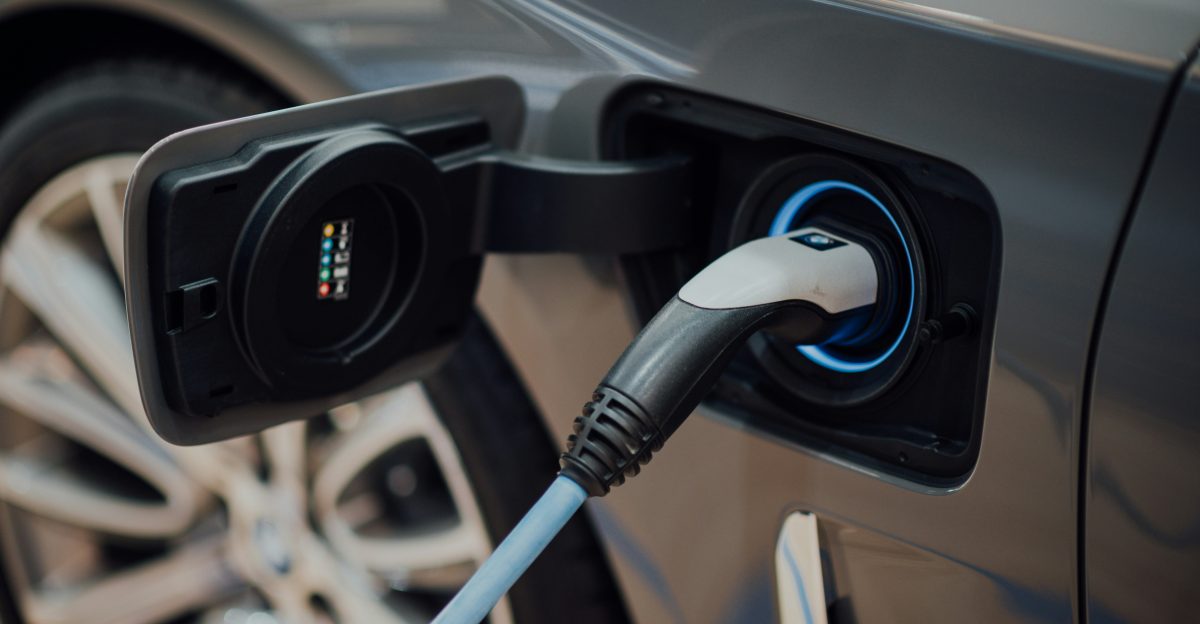
The geopolitical stakes are made concrete by a striking finding from energy think tank Ember. The global EV fleet already avoids 1.7 million barrels of oil consumption per day, approximately 70% of Iran’s total oil exports through the Strait of Hormuz. “Oil is the Achilles’ heel of the global economy,” according to Ember’s March 2026 report on global EV displacement. “In particular, Asia’s oil vulnerability has been exposed by the current crisis.”
China’s massive EV fleet represents the single largest national contribution to that displacement, with the country accounting for more than half of global EV sales.
Chinese EV Makers Win Big
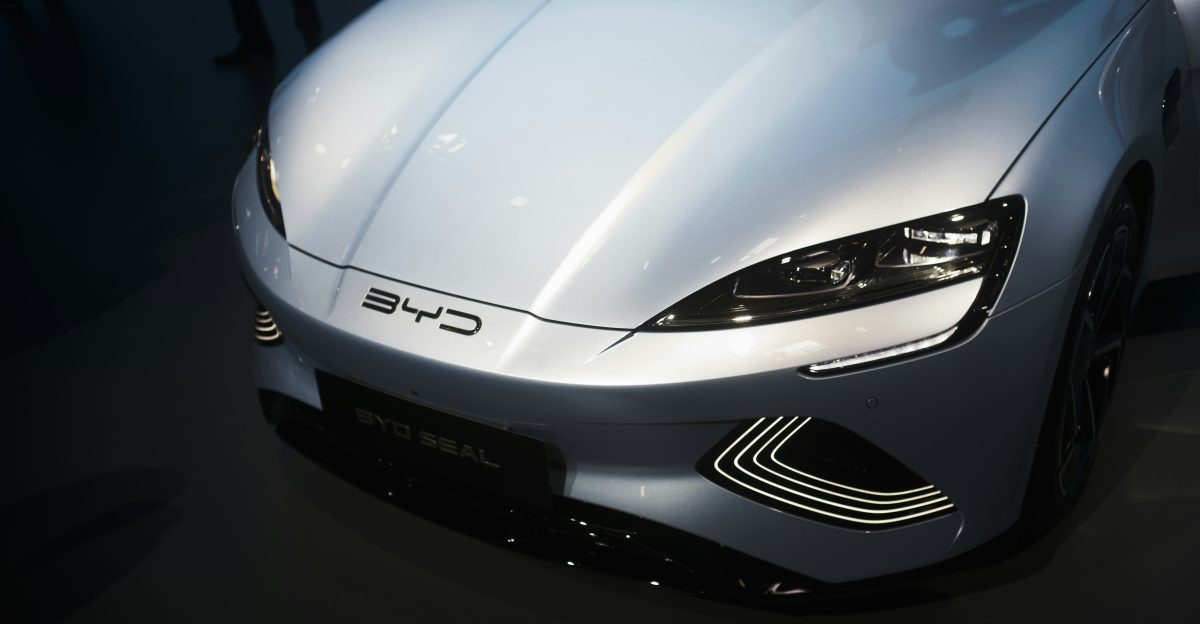
While U.S. automakers face headwinds, broader EV-linked equities have seen investor interest rise since the conflict began, with U.S. EV makers including Rivian (+2.3%) and Lucid (+3.3%) posting gains, according to Forbes. Ford and GM have declined year-to-date, reflecting investor anxiety over their heavy gasoline vehicle exposure.
Bernstein has cautioned, however, that some Chinese EV makers face their own exposure risk due to reliance on Middle East export markets, notably BYD, whose global sales fell 41% year-over-year in February, the steepest pace since the pandemic. The divergence reflects a complex investor picture rather than a clean China-wins narrative.
Detroit’s Strategic Miscalculation?
The Iran war has renewed sharp debate about whether GM and Ford abandoned their EV programs too soon. Both companies scaled back aggressive EV expansion plans in recent years, taking significant write-offs.
GM is currently settling $4.2 billion in EV restructuring costs. Speaking at the Bank of America 2026 Automotive Summit, GM CFO Paul Jacobson said, per Reuters: “Usually it takes four to six months of sustained high oil prices before people start to think, maybe I should go for less mileage, or maybe I should buy down,” adding that the company has not yet seen sales data reflecting the conflict’s impact. Their current exposure to gasoline vehicle demand now looks like a strategic vulnerability.
The Long-Term EV Case Strengthens
Beyond the immediate crisis, the structural fundamentals for EVs are firmly reinforcing. Consumer Reports estimates EV owners save approximately $6,000 to $12,000 in fuel costs over a vehicle’s lifetime compared to an equivalent gasoline vehicle.
The International Energy Agency projects global oil demand will peak by 2029, possibly sooner if EV adoption accelerates. Europe’s BEV market share reached approximately 17 to 19% of new vehicle sales in 2025, the highest ever recorded, already saving the continent billions annually in avoided oil imports.
A Potential Turning Point
The Iran conflict may ultimately prove to be the moment that normalized EVs for mainstream buyers who were otherwise unconvinced. IEA chief Fatih Birol has warned that the current energy crisis represents one of the most significant oil supply disruptions in decades, a characterization that has drawn comparisons to the oil shocks of the 1970s, which permanently reshaped global energy policy and consumer behavior.
Whether this shock produces a similar transformation depends largely on how long elevated prices persist, but analysts widely agree that the longer the disruption, the more fence-sitting buyers will permanently switch sides.
Sources
“AAA Fuel Gauge Report.” AAA, March 25, 2026.
“Goldman Sachs Raises Q2 Brent Oil Price Forecast by $10 to $76 per Barrel.” Reuters, March 4, 2026.
“Oil Prices to Remain High for Days with Strait of Hormuz in Focus.” Reuters, March 2, 2026.
“Car Shoppers Paying More Attention to EVs as Gas Prices Rise.” Edmunds, March 10, 2026.
“Electric Vehicles Avoided 1.7 Million Barrels of Oil Per Day.” Ember Global EV Displacement Report, March 2026.