I’m a Car Expert: 11 SUVs I Would Never Buy and the Real Reasons Why
I’m a Car Expert: 11 SUVs I Would Never Buy and the Real Reasons Why” breaks down the SUVs that, from years of experience and industry insight, simply don’t make the cut. While many models promise performance, luxury, and advanced features, not all of them deliver when it comes to long-term reliability, repair costs, or overall value. Some SUVs may look impressive on paper but hide recurring mechanical problems or expensive maintenance issues. In this article, we’ll reveal the models I’d personally avoid — and the real reasons behind those decisions.
Jeep Grand Cherokee (2011–2018)
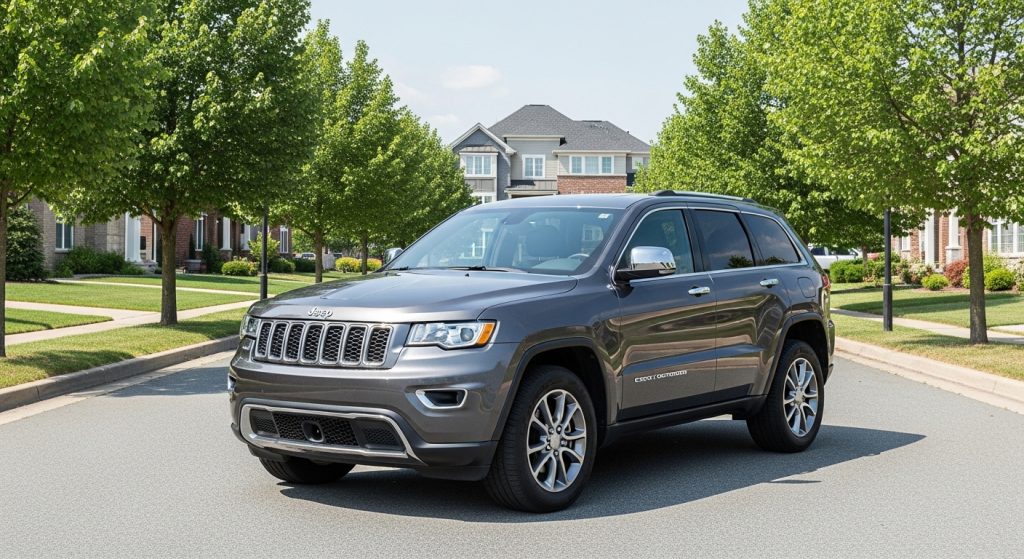
This generation experienced recurring concerns with the 3.6L Pentastar V6 in earlier years, including cylinder head problems. Transmission hesitation and electrical system glitches also appear frequently in repair records. As mileage increases, out-of-warranty repair bills can become significant.
Chevrolet Equinox (2018–2025)
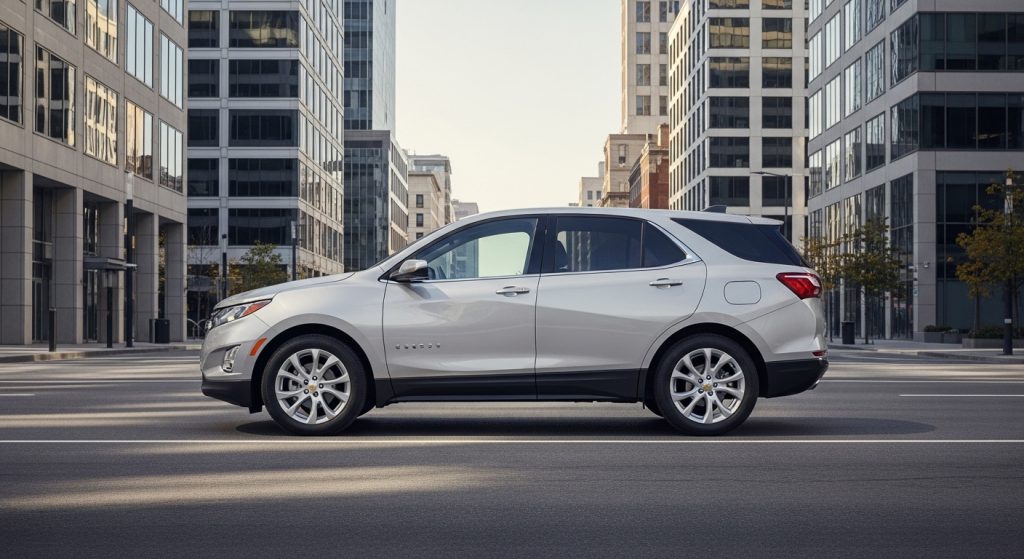
Some model years have shown transmission control issues and oil consumption concerns. Electrical components and infotainment systems may also require attention over time, increasing ownership costs beyond expectations.
GMC Acadia (2017–2026)
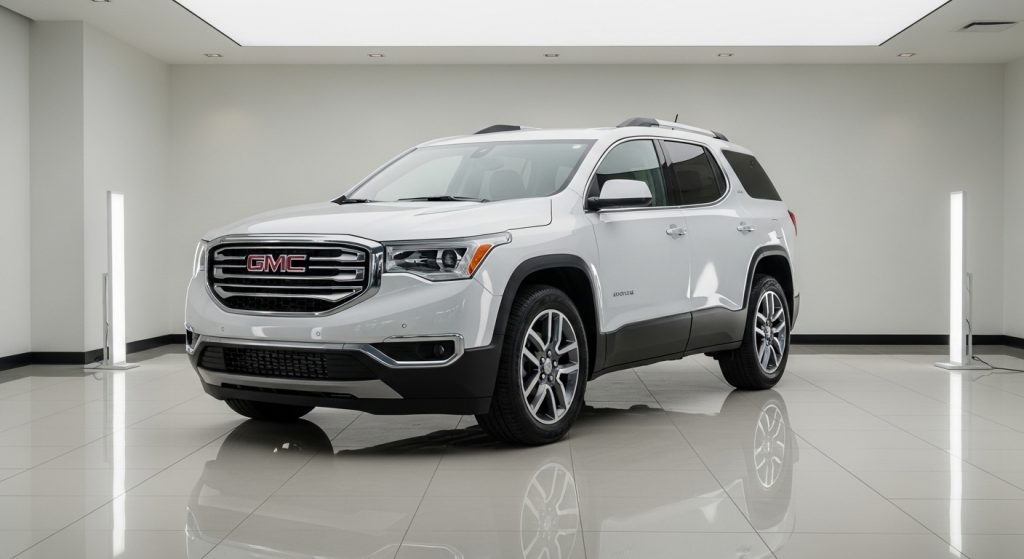
Premature brake wear and transmission-related complaints are common in higher-mileage units. As these vehicles age, drivetrain repairs can become labor-intensive and costly.
Ford Explorer (2011–2019)
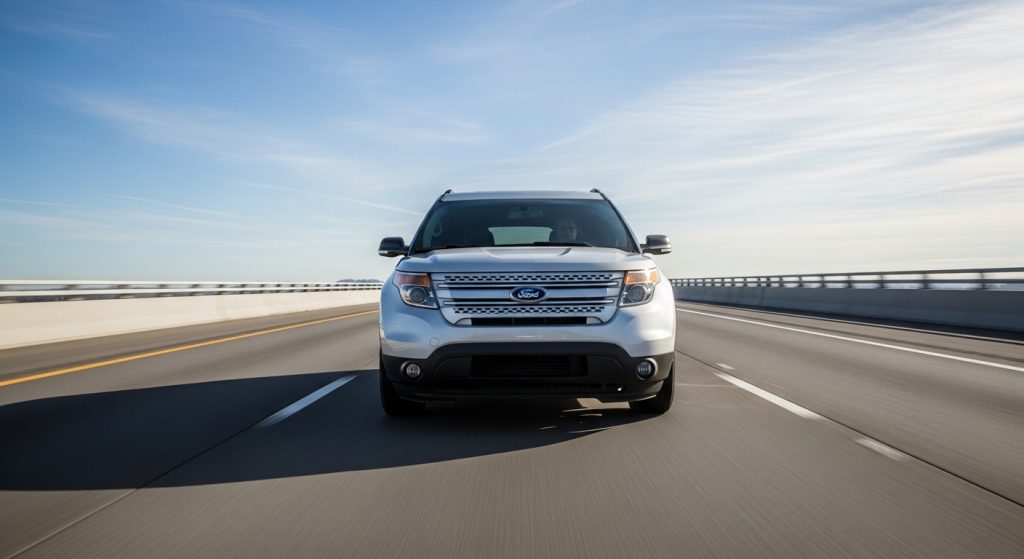
Certain model years are known for internal water pump failures that can cause serious engine damage if not addressed early. Transmission concerns and HVAC system issues further add to potential repair expenses.
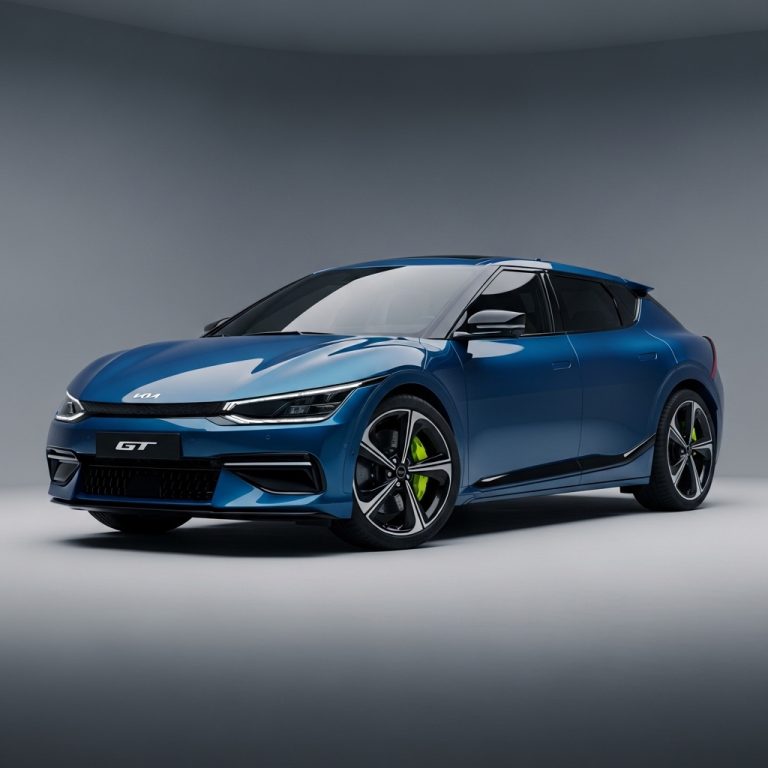
Kia EV6 (2021–2026)
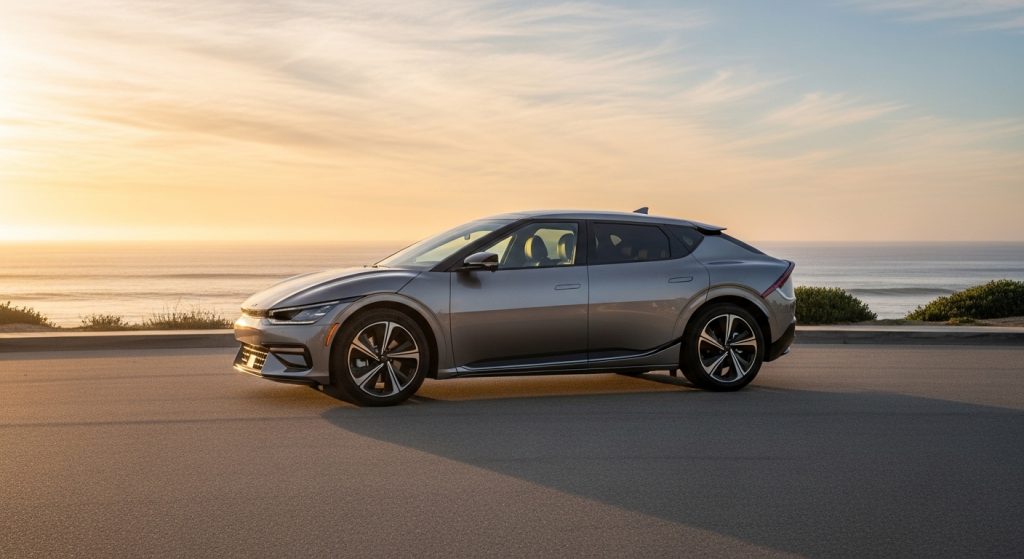
While praised for performance and range, some reports cite charging system faults and cooling component failures. EV-related repairs can be expensive, particularly if battery systems are involved outside warranty coverage.
Nissan Pathfinder (2013–2020)
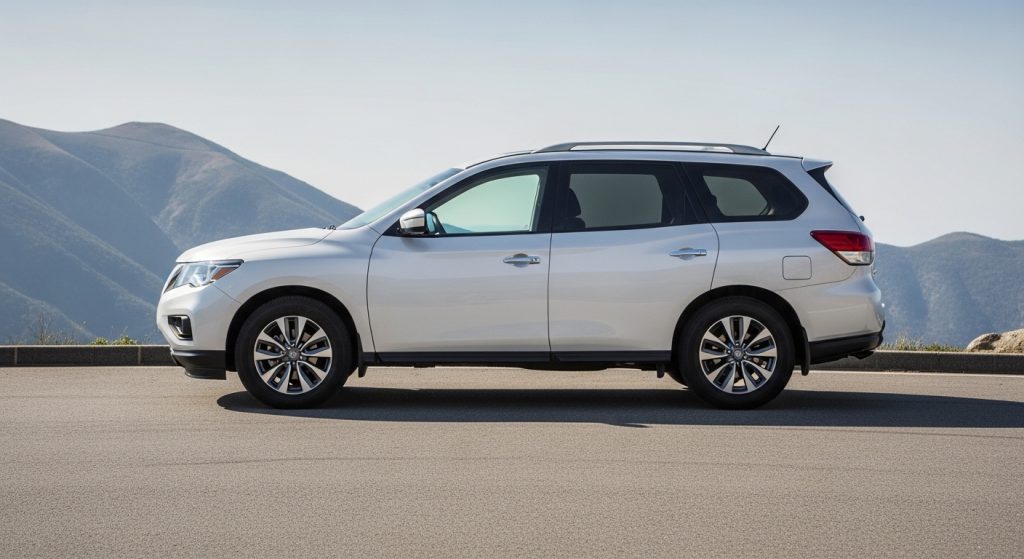
This generation’s CVT transmission has faced criticism for overheating and premature wear. Rust concerns and limited towing durability also affect long-term reliability perceptions.
Genesis GV70 (2021–2026)
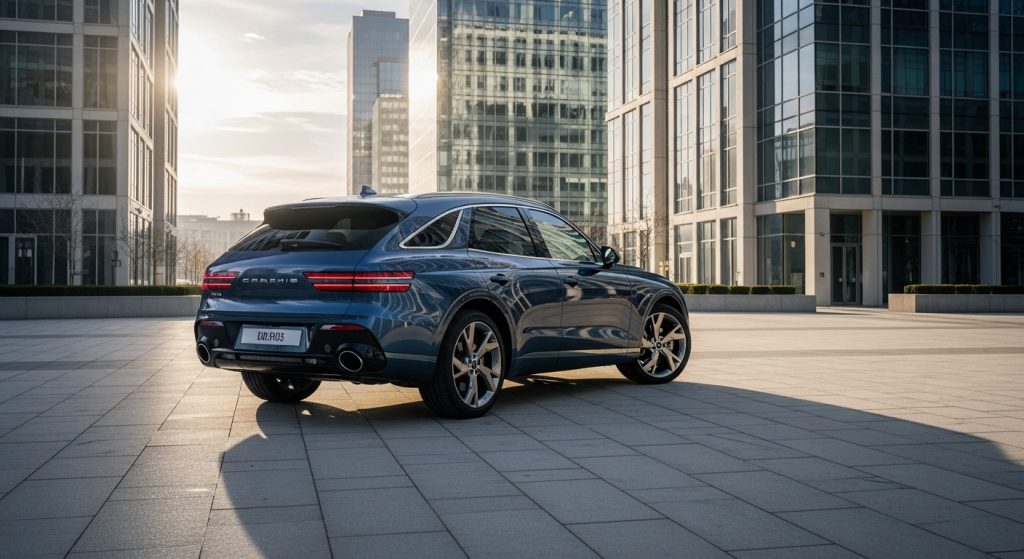
Advanced technology and luxury features increase complexity. Reports of fuel system irregularities and electronic malfunctions suggest potentially higher maintenance costs compared to simpler rivals.
Mazda CX-90 (2024–2026)
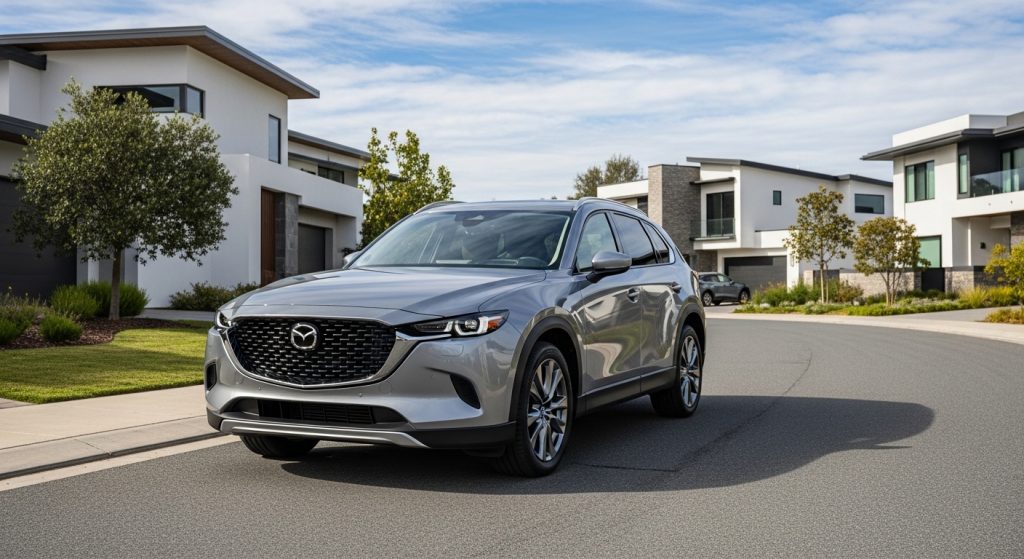
As a newer platform, early-production models have shown signs of transmission hesitation and infotainment glitches. First-generation powertrains often require refinement during initial release cycles.
Land Rover Range Rover Sport (2014–2020)
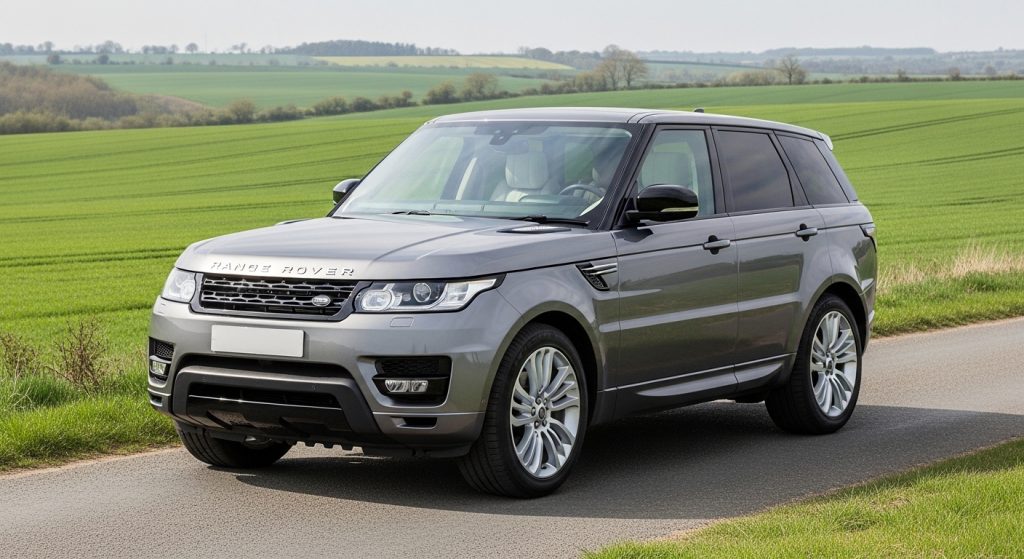
Air suspension failures, cooling system leaks, and drivetrain issues frequently surface in long-term ownership. Maintenance and parts costs are notably higher than mainstream competitors.
Chevrolet Traverse (2009–2017; 2024 Refresh)
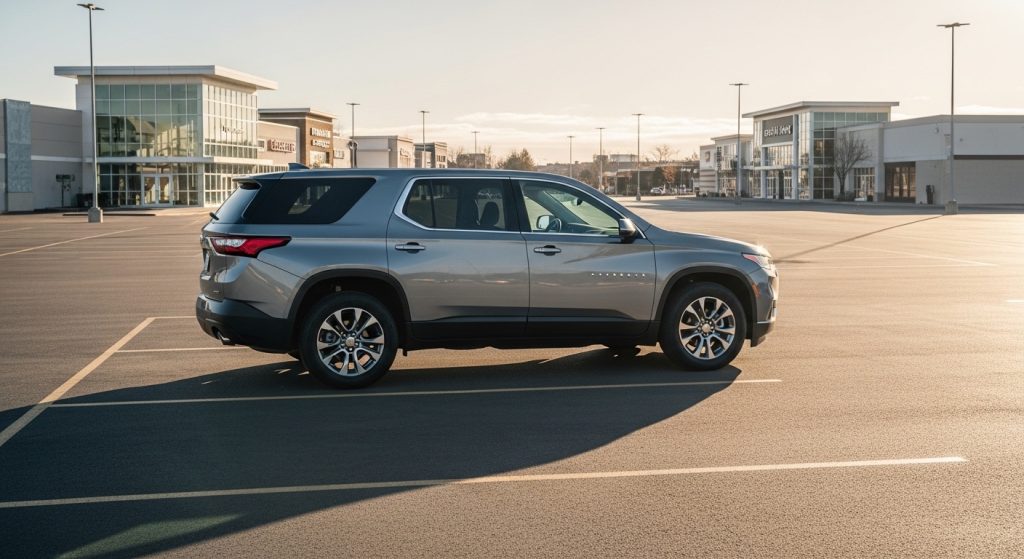
Older versions saw timing chain stretch and water pump failures. Some newer models have generated early transmission-related complaints from owners.
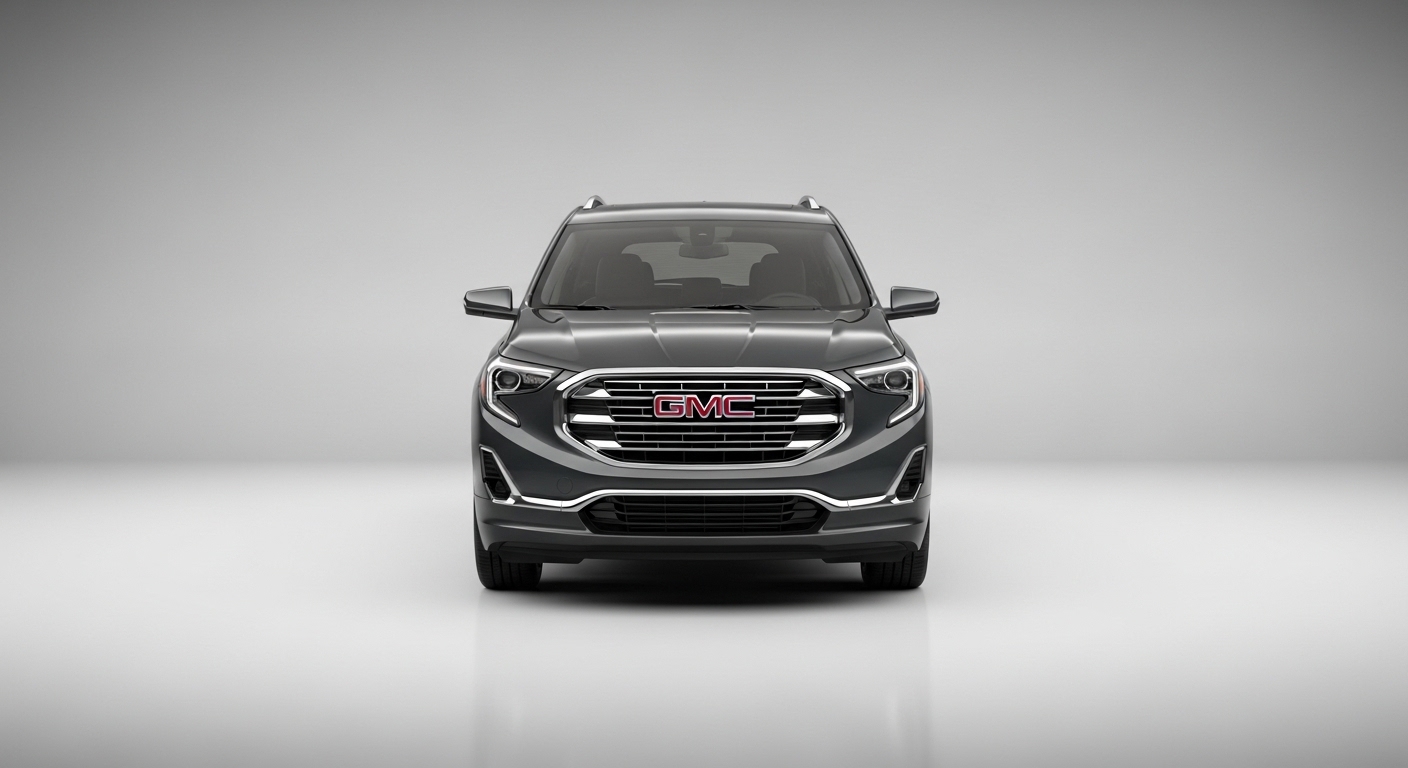
GMC Terrain (2018–2025)
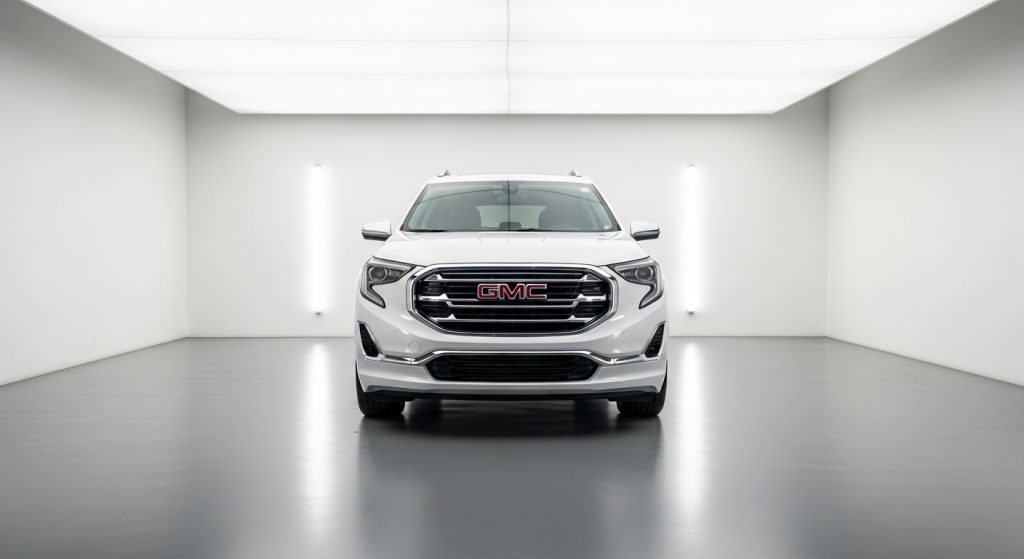
Sharing components with the Equinox, similar drivetrain and electronic concerns may arise. Longevity largely depends on maintenance history and driving conditions.