Illinois Joins 7-State Push for Speed Limiters After Virginia Goes First
Somewhere in Springfield, a committee room went quiet. Every single member voted yes. No dissent. No debate worth remembering. House Bill 4948 cleared the Illinois House Judiciary Criminal Committee unanimously in March 2026, and most people in the state had no idea what just happened to their gas pedal. The bill mandates GPS-enabled devices on the vehicles of repeat speeders, devices that physically lock acceleration at the posted speed limit. Two qualifying speeding offenses in twelve months, and the state owns your throttle.
The Punishment That Never Worked
For decades, the answer to dangerous speeding looked simple: suspend the license. Courts did it. States enforced it. Everyone assumed it worked. It didn’t. Roughly 75% of drivers with suspended licenses kept driving anyway. Three out of four. Speeding contributes to 29% of all traffic fatalities nationally, and in northeastern Illinois, 46% of fatal crashes from 2017 to 2021 involved speed as a factor. The old system collected paperwork while bodies piled up, and Illinois legislators finally noticed the gap between punishment and reality.
A “Humane Alternative” With a Price Tag

Rep. Martha Deuter sold HB4948 as mercy. “This program would be administered by the Secretary of State’s office and fully funded by participants,” she told the committee. Fully funded by participants. That phrase does heavy lifting. Participants pay up to $30 per month, every month, for enrollment periods stretching 365 days on a first offense, 730 on a second, 1,095 on a third. Total cost: $360 to $1,080. The license stays suspended during enrollment. So drivers get the old punishment plus a new monthly bill layered on top.
The Device That Takes Over

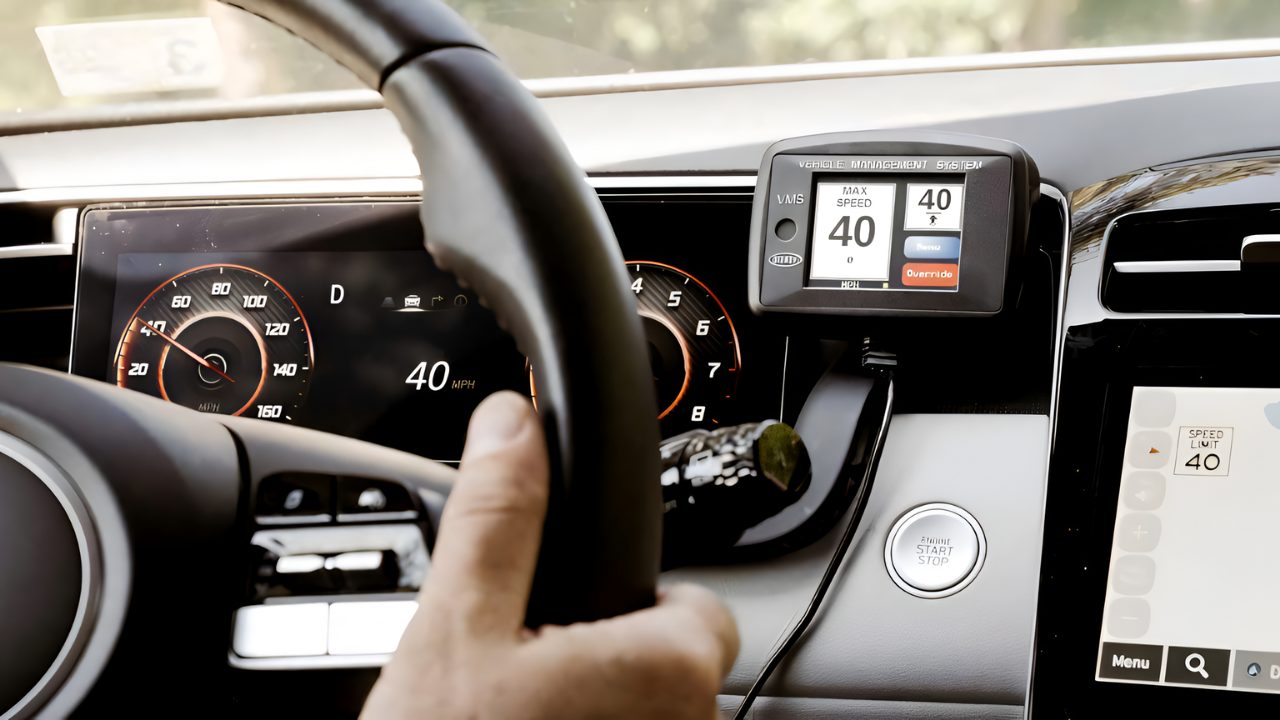
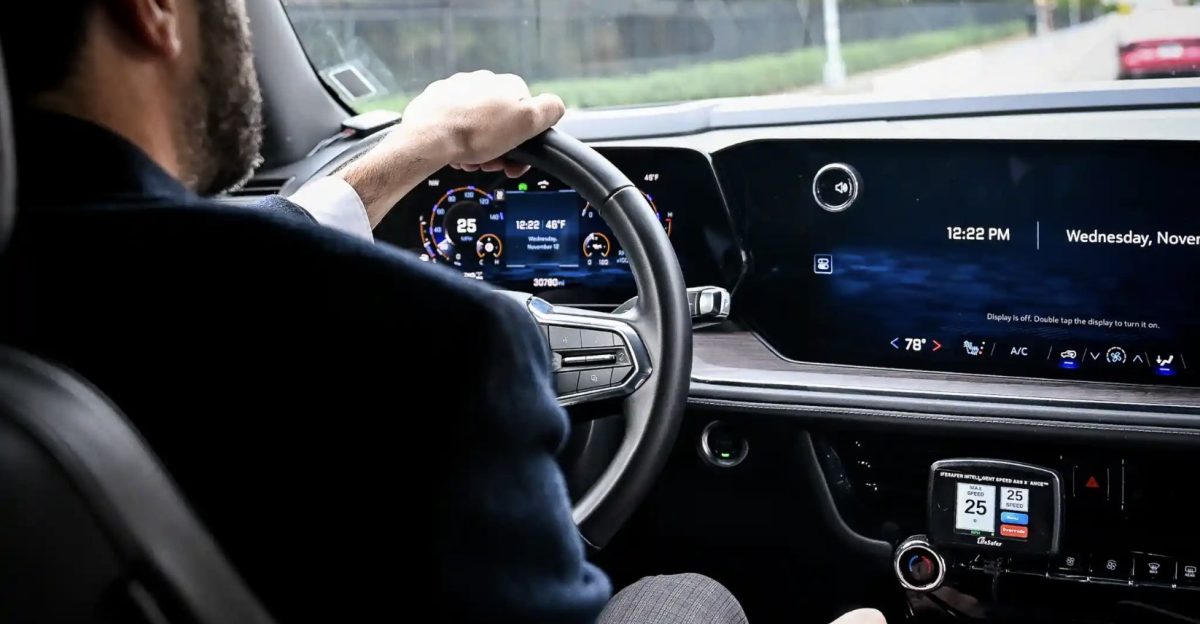
The Intelligent Speed Assistance device uses GPS and digital mapping to identify the posted speed limit on any road. Then it locks the accelerator. Press harder. Nothing happens. The car will not exceed the limit. Every vehicle you own or register gets one installed within two weeks. Tampering triggers a Class A misdemeanor, a criminal charge, not a traffic ticket. The device doesn’t control braking. You can still slow down. You just can’t speed up. Your foot on the pedal. The state’s hand on the ceiling.
Where the Data Goes

The bill promises location data collected by the device gets deleted within 90 days. That sounds like a privacy safeguard until you read the next clause: data can be shared with other states if the driver relocates. So the GPS tracks your vehicle continuously, stores your movements for three months, and ships that information across state lines on request. The Secretary of State’s office gains vehicle-control authority traditionally held by courts. A bureaucratic office now certifies what your car can do, monitors compliance, and extends enrollment if the device malfunctions. Mechanical failure adds 12 months.
The Numbers That Justify It

New York City installed ISA devices on approximately 500 municipal fleet vehicles in a pilot program—with plans to expand to over 2,100—the largest such deployment in the country. The pilot evaluation found a 64% reduction in time spent exceeding the speed limit by 11-plus mph. Across the fleet—which included school buses, utility trucks, and sedans—99% of miles were driven at or below the set speed threshold. One commercial fleet carrier reportedly saw a 30% drop in preventable collisions. Research suggests speed-limit compliance could reduce fatalities by 27% to 42% depending on road type. The technology works. That’s precisely what makes the expansion question so uncomfortable.
Who Pays the Real Price

Commercial drivers enrolled in the program lose the right to operate commercial vehicles for the entire enrollment period. That’s one to three years without a paycheck from trucking. Low-income repeat offenders face $30 monthly on top of existing fines, court costs, and a suspended license. At minimum wage, that payment represents two to three hours of work every month just to keep the device active. Virginia at least gives judges the discretion to order ISA enrollment as an alternative to license suspension. Illinois makes the device mandatory. The bill’s financial hardship provisions exist, but the burden falls heaviest on people already struggling.
The Template Nobody’s Discussing
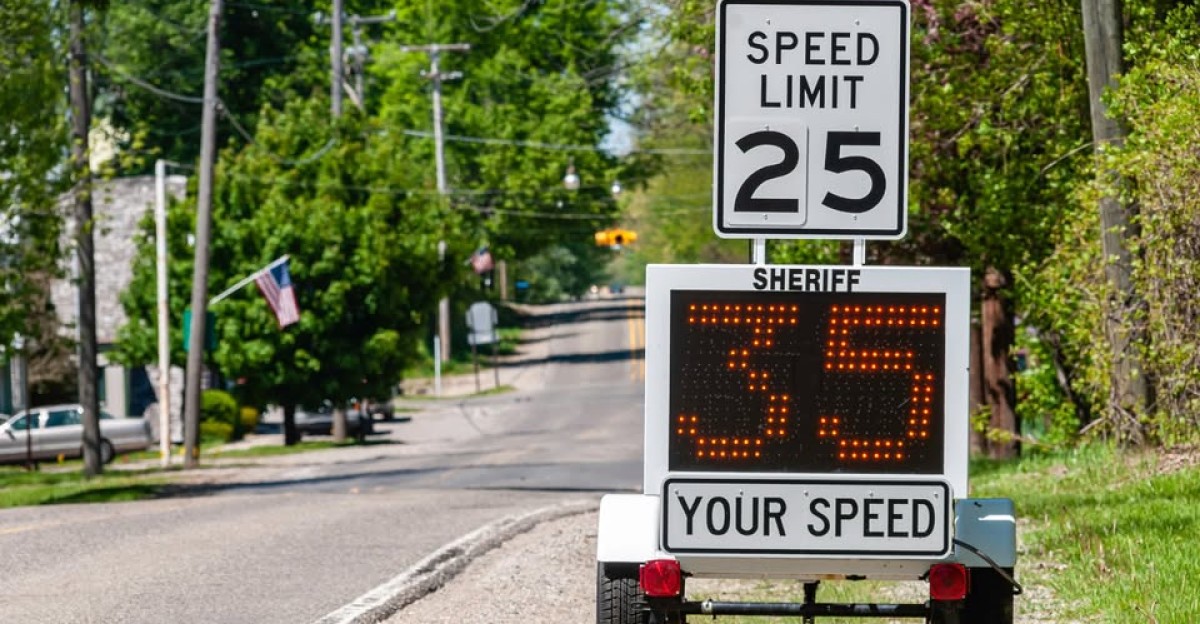
Washington D.C. passed ISA legislation and launched its program in October 2025. Virginia follows in July 2026. Washington state launches January 2029. Illinois would become the fourth jurisdiction. The European Union mandated passive ISA in all new vehicle types starting July 2022, extending the requirement to all new vehicles by July 2024. The technology existed for roughly 30 years before anyone forced it onto private cars. Now the precedent is set: government-certified devices that control vehicle behavior, GPS tracking normalized as a safety tool, interstate data-sharing frameworks built. If this model succeeds on repeat speeders, the same logic applies to distracted driving, then medical conditions, then potentially every driver on the road.
The Legal Fight Ahead

Constitutional challenges loom. Fourth Amendment vehicle-seizure arguments. Fifth Amendment takings claims. Rural communities where speed limits don’t account for empty highways. Trucking industry groups watching their drivers get sidelined. If Virginia’s program launches smoothly in July 2026, federal transportation officials may incentivize other states to adopt similar mandates. Legislators in multiple states have passed, introduced, or signaled commitment to ISA bills. The question stopped being whether speed limiters are coming to American cars. The fight now is over who controls the off switch, and whether one even exists.
Your Car, Their Rules
Two qualifying speeding offenses. That’s the threshold. Not ten. Not a pattern spanning years. Two qualifying offenses in twelve months, and the state installs hardware on every vehicle you own. The ignition interlock for drunk drivers only checked you at startup. This monitors every mile. Every road. Every acceleration attempt. The people who understand this bill best aren’t debating whether it saves lives. They’re debating what happens when the infrastructure built for dangerous speeders gets applied to everyone else. That conversation starts the moment Virginia’s devices go live.
Sources:
“Bill Status of HB4948 – Intelligent Speed Assistance Program.” Illinois General Assembly, 2026.
“IL House Committee Approves Bill Requiring Speed Control Devices for Reckless Drivers.” WAND News, 25 Mar 2026.
“New York City Intelligent Speed Assistance Pilot Evaluation.” NYC Department of Citywide Administrative Services / U.S. DOT Volpe Center, Oct 2024.
“Intelligent Speed Assistance (ISA) Set to Become Mandatory Across the EU.” European Commission / EU Road Safety Charter, 2022.