Hyundai Stops 2026 Palisade Sales Nationwide After Fatal Rear-Seat Incident Kills Child
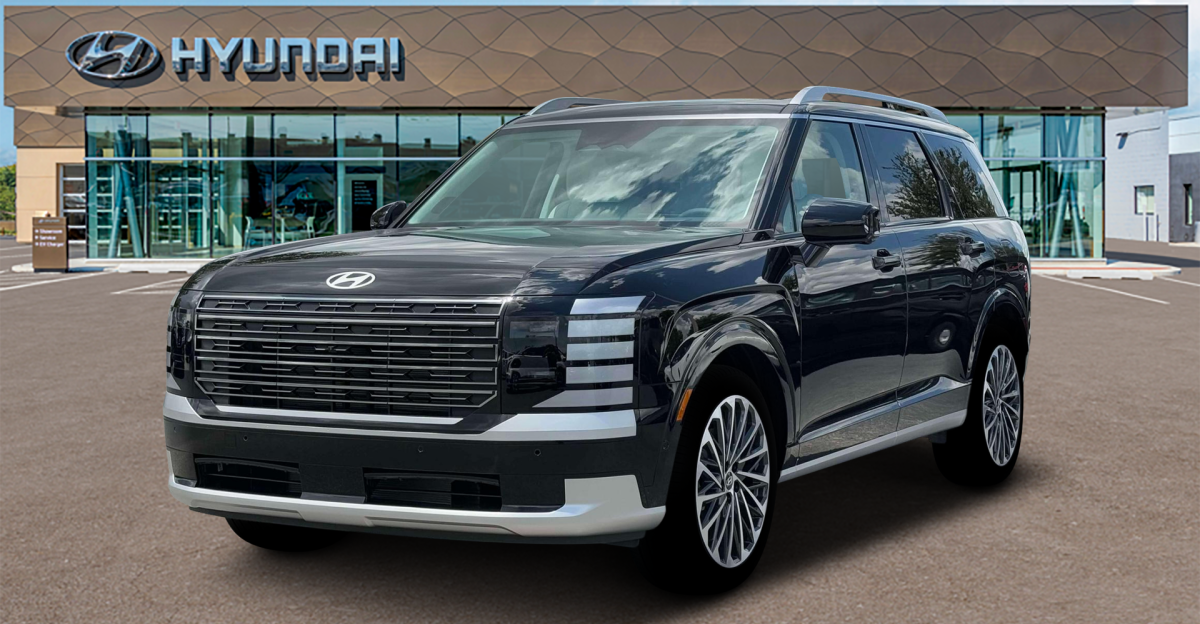
Hyundai stopped sales of select 2026 Palisade trims, specifically the Limited and Calligraphy, which are equipped with power-folding rear seats, nationwide after a fatal rear-seat incident killed a child. One death was all it took to freeze a trim-level rollout across the U.S. dealer network. Dealers received the stop-sale order, effectively pulling the affected trims from active sale before most customers ever sat in one. Everyone heard the headline. Most people figured that’s where the story ends: one terrible tragedy, one corporate response. The ripple pattern stretching out from this single death reaches further than anyone is tracking right now.
Why So Fast
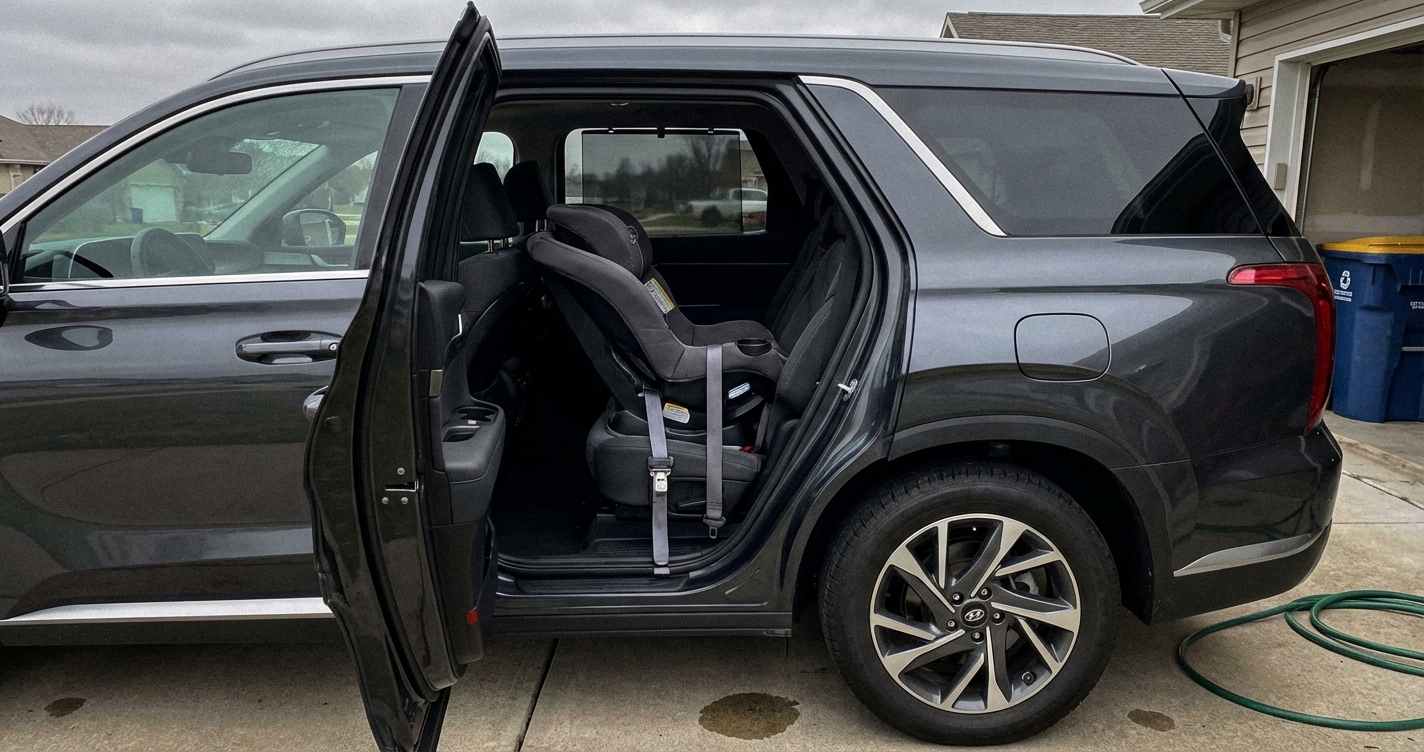
A stop-sale is the corporate emergency brake. Hyundai acted before a formal recall appeared in the federal database; the company submitted a recall to NHTSA simultaneously with the stop-sale announcement, though the public listing had not yet populated. That sequence matters. Companies can freeze their own sales channels overnight, but regulators control the recall visibility and enforcement that follow. The mechanism is a power-folding rear seat that can crush an occupant when the anti-pinch detection system fails to register contact, a “rear-seat incident,” not a crash. That distinction separates this from every five-star safety rating the Palisade ever earned. Crash tests measure collisions. Whatever happened here operated outside that entire framework.
Buyers Stranded
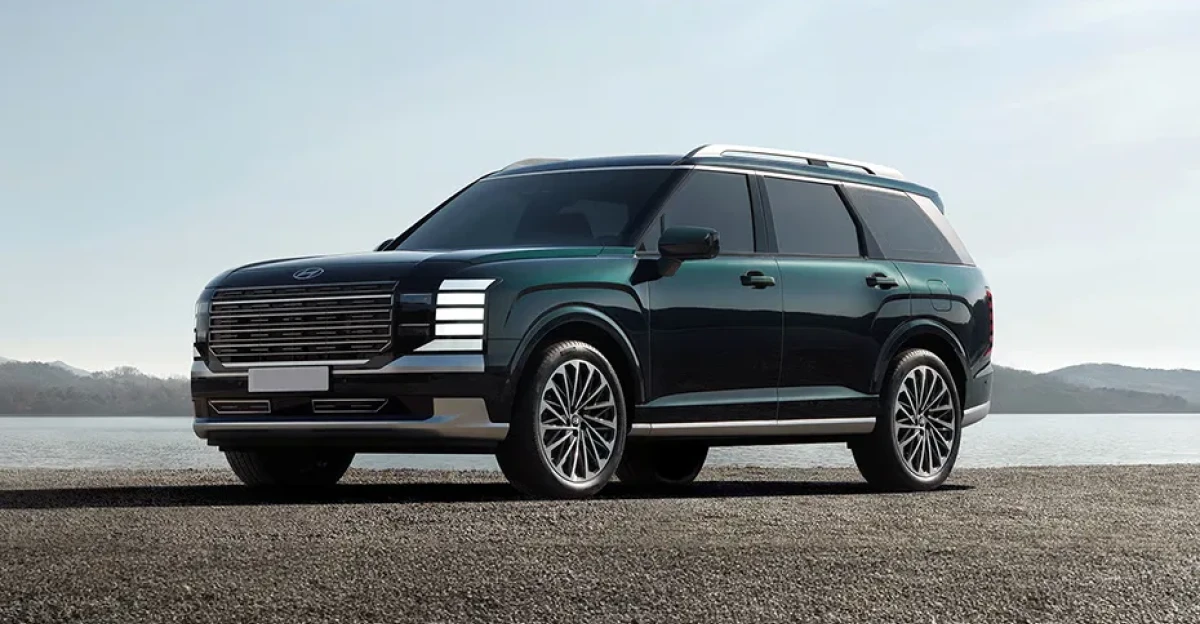
The first ripple landed on families mid-purchase. A trim-level stop-sale freezes dealer deliveries instantly for affected models. Anyone who signed paperwork, arranged financing, or traded in a vehicle expecting an affected 2026 Palisade now faces delays, deal cancellations, or forced substitution into a different model. Stop-sales and recalls can create real logistical chaos for buyers caught in the pipeline. For a three-row family SUV, the timing is brutal: summer travel season, growing families, trade-in cycles all colliding with a sales channel that just went dark.
Competitors Circle
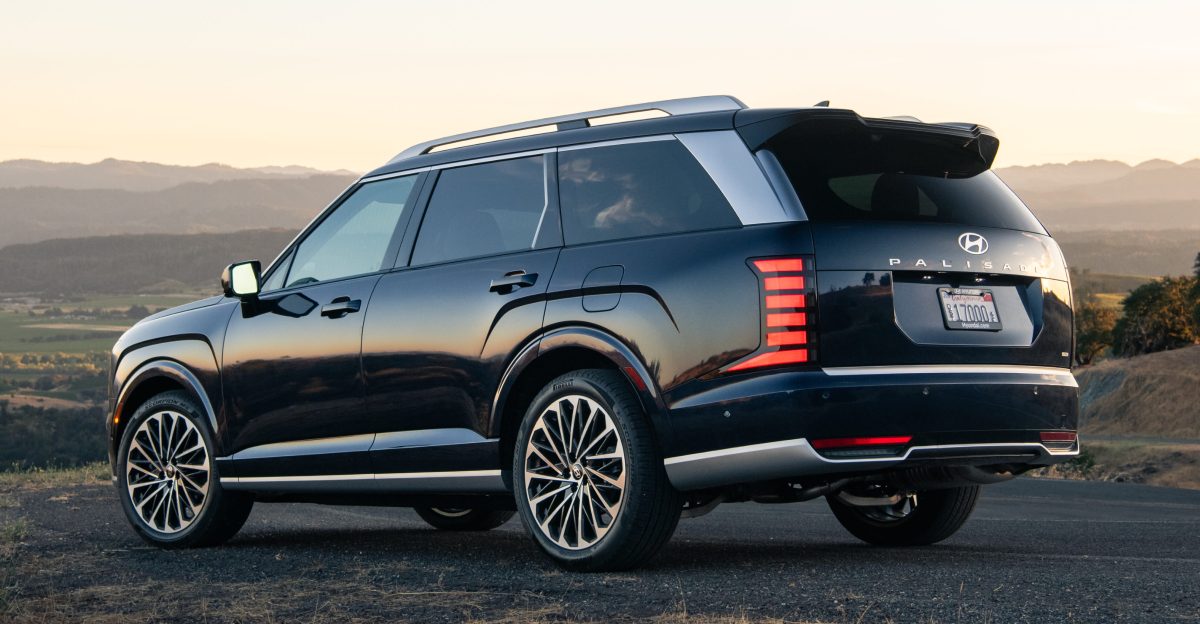
Every rival with a three-row SUV on dealer lots just got a gift. The Palisade competes directly in one of the most profitable segments in the American market, and Hyundai’s sales freeze creates an immediate opening. Buyers who needed a vehicle yesterday aren’t waiting for an investigation to conclude. They’re walking across the street. Dealers selling Kia Tellurides, Toyota Highlanders, and Chevy Traverses absorb that overflow without spending a dime on advertising. One company’s containment action becomes another company’s quarterly windfall.
Beyond Crashes
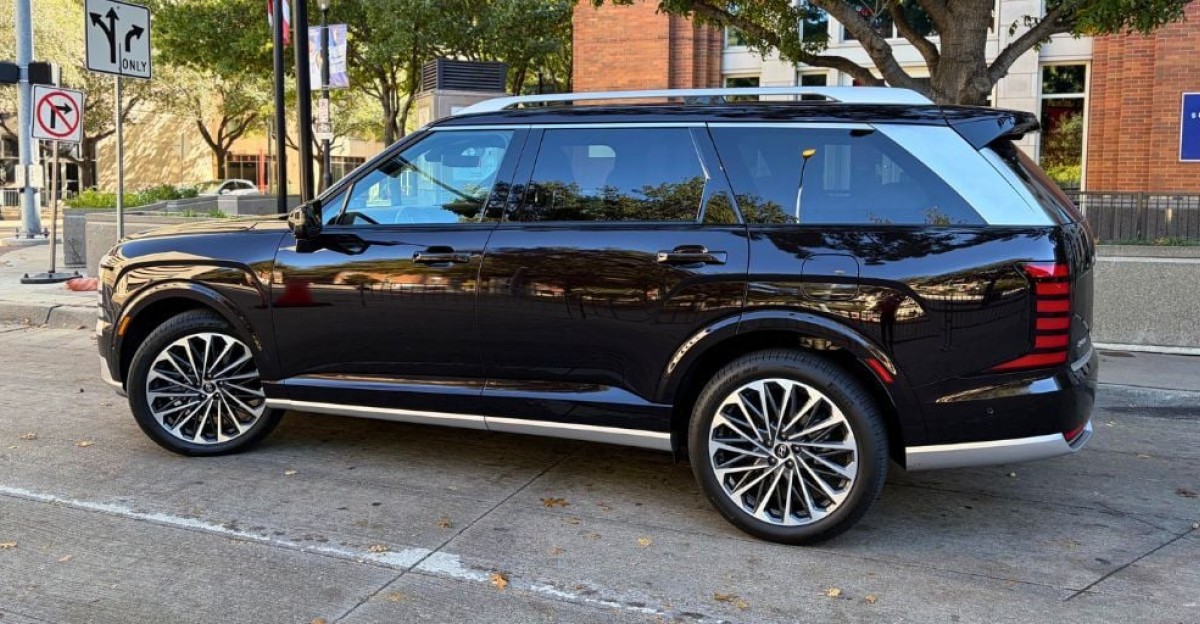
Here’s where the scope jumps the guardrail. KidsAndCars.org has documented for years that children die in and around vehicles in non-crash scenarios: backovers, power windows, and entrapment. IIHS builds ratings around crash performance. CDC guidance emphasizes correct restraint use and seating position. None of that covers every rear-seat failure mode that exists outside a collision. The Palisade incident sits in a safety category that most parents don’t even know exists. Crash ratings gave families confidence. This death exposed the gap between that confidence and reality.
The Pipeline
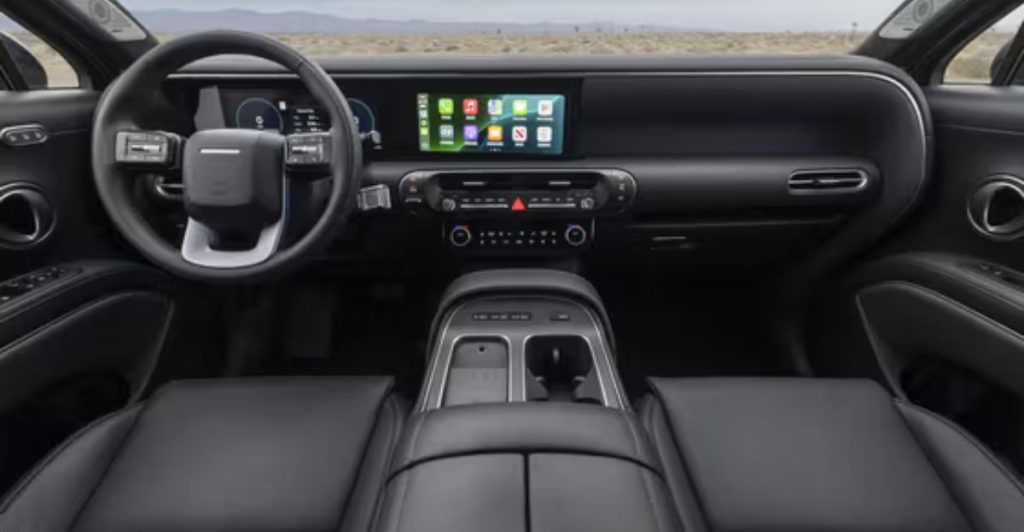
Every one of these ripples traces back to the same system, and most people have never seen it laid out. Incident happens. The company reports it. Complaints and data accumulate. NHTSA’s Office of Defects Investigation triages. If a pattern emerges, a formal recall follows with mandated remedies. Hyundai jumped ahead of that pipeline. A child died in a rear seat. Futures shifted at dealerships. Competitors repriced their advantage. Regulators began their clock. Same mechanism. Different industry players. All triggered by one data point in one vehicle.
Your Back Seat
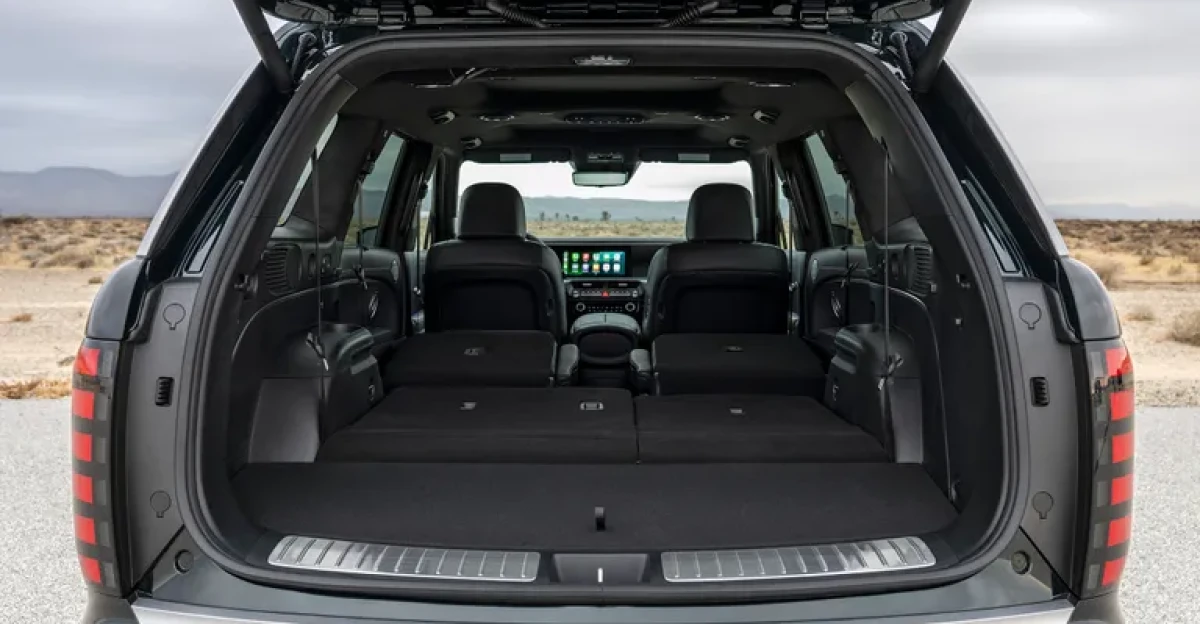
The CDC publishes child passenger safety guidance built on two pillars: correct restraint choice and correct use. Every parent who ever wrestled a car seat into a rear-seat anchor point believed they were following the playbook. The Palisade incident challenges that belief at a gut level. A rear-seat hazard that kills without a crash means the “safest seat in the car” failed through a mode the safety guidance never anticipated. That fear isn’t abstract. It’s the drive to school tomorrow morning with your kid buckled in behind you.
New Precedent
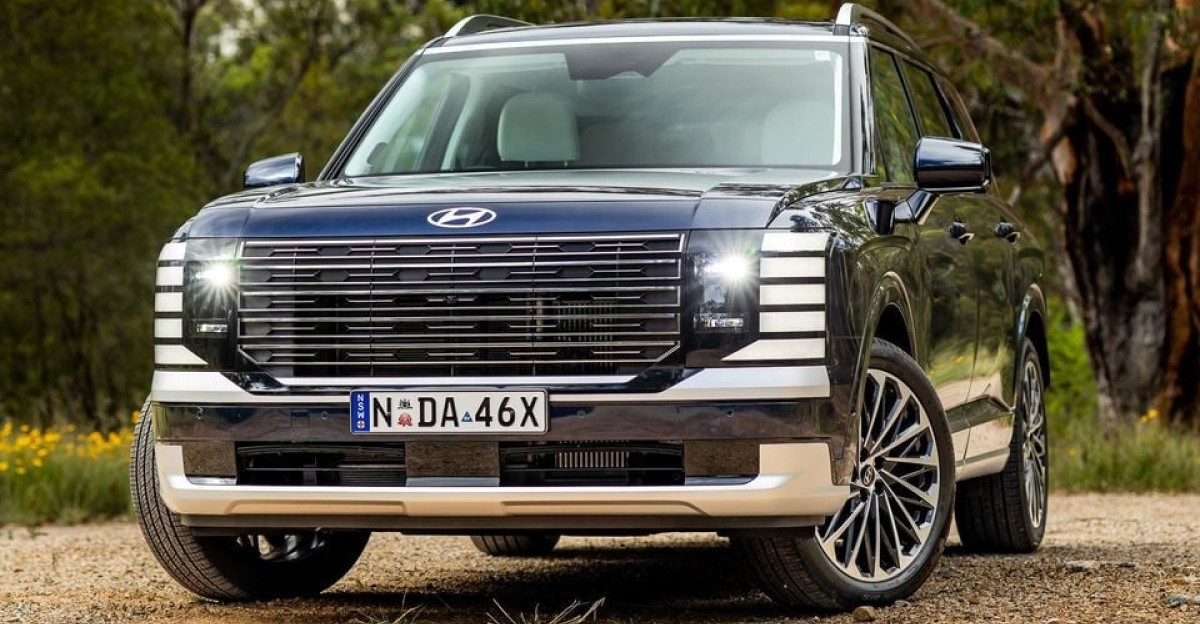
A stop-sale functioning as early containment, issued alongside a simultaneous recall submission to NHTSA rather than in place of one, sets a precedent that reshapes how launches work. Hyundai’s newsroom becomes the primary source of framing while NHTSA’s public recall listing catches up. That gap between corporate action and regulatory confirmation creates a new information vacuum where buyers, dealers, and insurers all operate on incomplete data. If ODI opens a formal investigation and a pattern emerges, the remedy obligations expand quickly. The rules of new-model launches just absorbed a lesson that every automaker watched in real time.
Winners and Losers
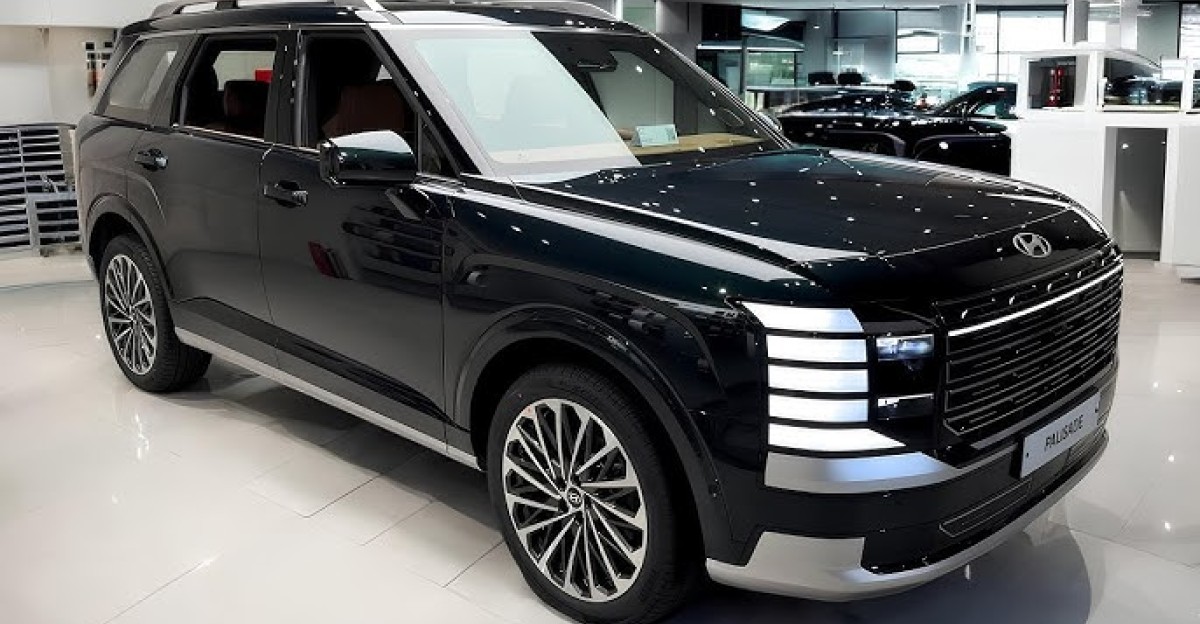
Losers: early adopters frozen mid-deal, dealers sitting on unsellable affected inventory, families who needed a vehicle last week. Winners: competing brands absorbing displaced buyers without lifting a finger. The deeper irony cuts harder. Automakers and dealers pushing launch momentum benefit from the myth that new means safe. That myth died in a rear seat. Anyone shopping for a family SUV right now should know how to run a VIN through NHTSA’s recall lookup and check for open investigations. That ten-second search is the only real-time safety tool a buyer has.
Not Over
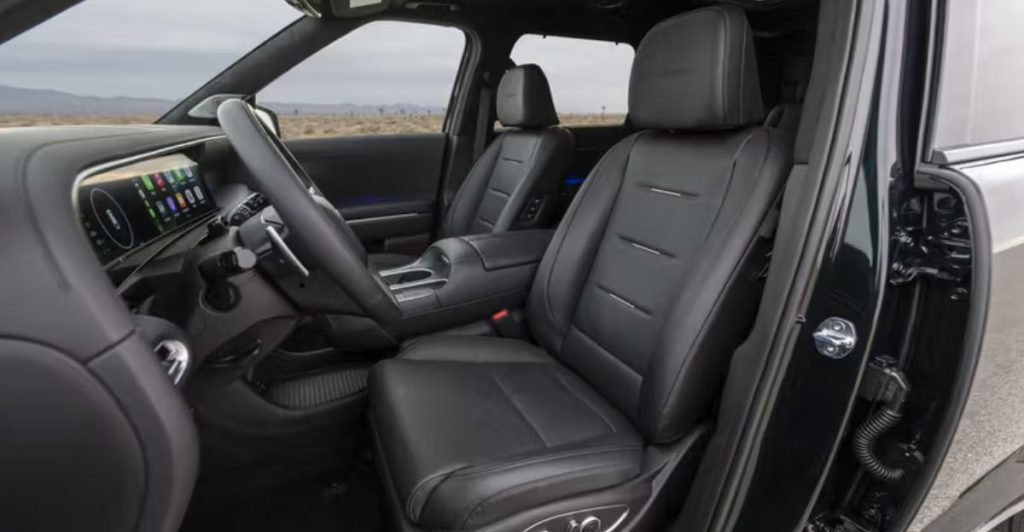
The cascade keeps moving. Hyundai has announced an over-the-air software update targeting the anti-pinch detection system, expected by the end of March, as an interim fix while a permanent hardware remedy is developed. If NHTSA’s ODI opens a formal defect investigation, public scrutiny intensifies, and recall remedies could expand. Affected parties aren’t sitting still, and their response could expand the scope further. The 2026 Palisade rollout stalled because one child died in a rear seat. The system that connects the death to dealer floors, competitor sales, regulatory clocks, and your family’s next car purchase is the same system that will determine what happens next. It hasn’t finished.
Sources:
“Hyundai Issues Stop Sale and Plans Recall on 2026 Hyundai Palisade Limited and Calligraphy Models.” Hyundai Motor America Newsroom, 13 Mar. 2026.
“Hyundai Issues Stop Sale for Some 2026 Palisade SUVs After Fatal Incident.” Reuters, 13 Mar. 2026.
“Hyundai Stops Sales of 2026 Palisade After Fatal Rear Seat Incident.” Autoblog, 14 Mar. 2026.
“Hyundai Stops Sales and Recalls 68,500 2026 Palisade Models Because the Power Seats Can Crush You.” The Drive, 15 Mar. 2026.