Hyundai Slumps As 48% EV Credit “Blackout” Hits Checkout—Ford And Mitsubishi Take Top Spot
Nearly half the EV market just went dark in terms of tax‑credit eligibility. A “48% market blackout” in tax‑credit eligibility has knocked Hyundai from its perch in this scenario while Ford and Mitsubishi seize the top slots among brands that remain eligible. No new models launched. No recalls. No scandal. A single shift in federal eligibility rules reshuffled the entire leaderboard overnight. The cars on the lot are identical to last month’s. The effective price you pay for them changed by up to $7,500, depending on whether they still qualify. That number hits at checkout, not on a future tax return. The sticker shock is just the surface. In parallel, Treasury’s final rules and related legislation continue to tighten eligibility for the $7,500 federal EV purchase credit after defined phase‑in dates, and policy discussions have already raised the possibility of ending or replacing the current 30D structure entirely, meaning this blackout sits on the edge of an even sharper potential cliff where no brand can claim the existing incentive at all.
The Trigger
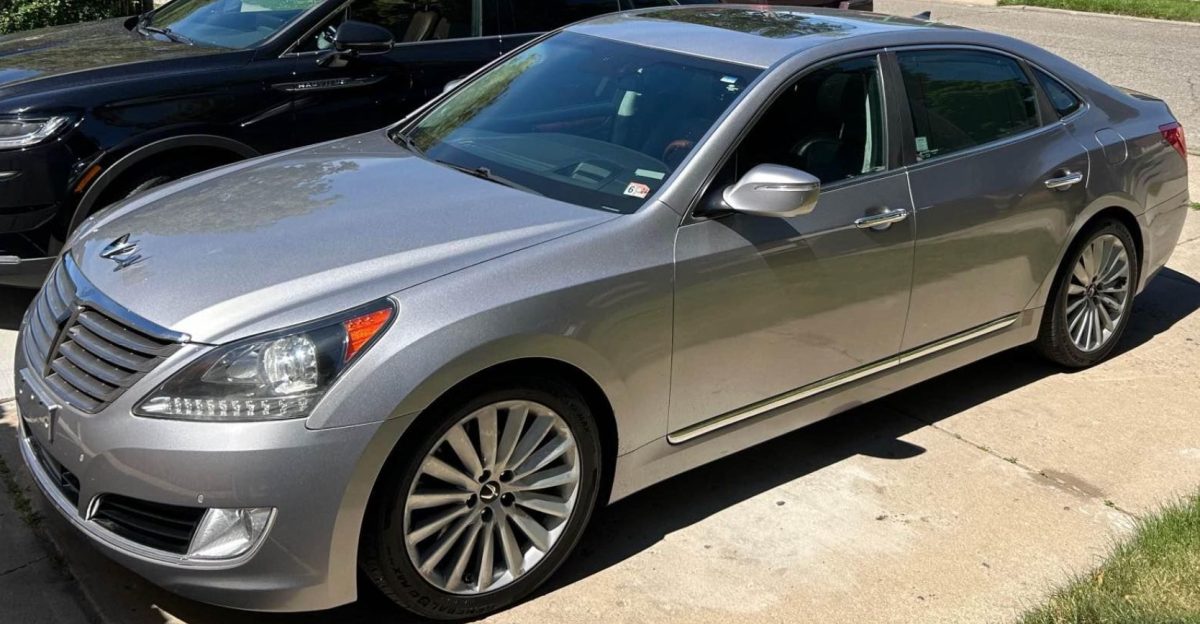
The U.S. Treasury’s final rules on “foreign entity of concern” restrictions created this earthquake. Under the Inflation Reduction Act, the $7,500 Clean Vehicle Credit now gates eligibility on where battery components and critical minerals originate. Assembly location alone no longer qualifies a vehicle. Treasury phased in FEOC restrictions on battery components first, with critical minerals following. Automakers sourcing from restricted supply chains saw their buyers lose eligibility as the new rules took effect. No product flaw. No consumer complaint. A compliance filter buried in sourcing paperwork became one of the most powerful pricing tools in the American car market. At the same time, a later spending package and ongoing negotiations have layered in additional constraints and timelines around the new clean‑vehicle credit, turning today’s compliance scramble into a countdown in which future changes could sharply reduce or even fully eliminate this purchase incentive.
Checkout Shock
The IRS allows the credit to transfer directly at the point of sale. That means eligible buyers see the $7,500 reflected immediately in their purchase price. When eligibility vanishes, the math reverses just as fast. A family budgeting around a specific out‑the‑door price suddenly faces up to $7,500 more for the same vehicle. Shoppers either switch to an eligible brand or absorb the full difference on the spot. There is no automatic grace period on the federal purchase credit for models that fall outside the rules once the new criteria apply. The dealership becomes the place where federal policy meets a monthly payment, as staff rework deals around what does and doesn’t qualify. If and when a future legislative cutoff for the current credit structure arrives, that same checkout shock becomes universal: there is no longer any 30D‑style consumer purchase credit under the current rules to save the deal for Hyundai, Ford, Mitsubishi, or anyone else.
Brand Scramble
In practice, this eligibility shock shows up as volume. Fewer buyers close on models that just lost the $7,500. Incentive‑driven demand shifts can reallocate sales across brands and regions almost immediately. Ford and Mitsubishi, whose lineups are framed as clearing the compliance filter in this scenario, absorb the redirected shoppers. Hyundai tumbles. The leaderboard flips toward whoever stays eligible when the credit matters most: at checkout. Automakers are now intensifying battery‑sourcing localization and compliance work, racing to re‑qualify before the next round of restrictions tightens the eligible set further. At the same time, they know that if policymakers ultimately allow a legislated cutoff that ends the current federal purchase credit entirely, even those compliance wins won’t shield them from a broader EV demand shock.
Surprise Ripple
Here is where it gets strange. EV competition stopped being about horsepower, range, or interior tech. The battleground moved to supply‑chain paperwork. A Hyundai with better specs, better reviews, and better range can lose to a competitor with a compliant battery‑sourcing agreement. Think of it like a coupon that only works with certain ingredients: the recipe is the supply chain. Consumers shopping on performance data are making decisions with outdated logic. The spec sheet that used to decide winners now ranks below a compliance certificate most buyers will never see.
Hidden Lever
Battery supply‑chain compliance determines consumer affordability. That single sentence connects every ripple. Treasury rules. IRS mechanics. Brand rankings. Check out prices. All of it traces back to where battery components and critical minerals originate. The policy tightens at the mineral level. The automaker loses eligibility at the model level. The dealer reworks the deal at the transaction level. The buyer absorbs the hit at the kitchen‑table level. One compliance filter, four levels of consequence, and the family doing the math tonight has no idea the system exists. And beyond this compliance lever may sit a hard legislative off‑switch for the current credit framework, after which the hidden lever simply vanishes, and the full sticker price becomes the norm.
Real Cost

Consumers experience a federal policy rule as a dealership checkout surprise. That is the human‑scale version of this story. Middle‑class buyers who did the research, compared models, and drove to the lot with a number in mind discover the $7,500 gap when the paperwork prints. Like a mortgage‑rate jump at closing: same house, suddenly unaffordable. Shoppers pivot to eligible models or delay purchases entirely. Either way, the vehicle they wanted and the vehicle they can afford just became two different cars. Payment shock is real, and it is spreading. If the current purchase‑credit structure is later cut back or ended, that shock would no longer come from losing eligibility on specific models but from the simple fact that no federal purchase credit is available at all, which early industry projections suggest could significantly reduce EV sales.
New Rules
This is no longer a simple tax incentive. Eligibility rules now function as a de facto industrial policy delivered through consumer wallets. The old EV credit system capped eligibility by manufacturer sales volume. The new system is rules‑based and sourcing‑driven, gating access on assembly location, battery components, and mineral origins. That structural shift means the government can reshape which brands dominate American roads without passing new legislation. Treasury guidance alone can move the market. Once you see it, EV “market share” stops looking like a product scoreboard and starts looking like a compliance scoreboard. Then, if Congress later chooses to end or substantially redesign the credit outright, policy doesn’t just reshuffle the scoreboard—it takes the entire scoring system off the field.
Winners and Losers
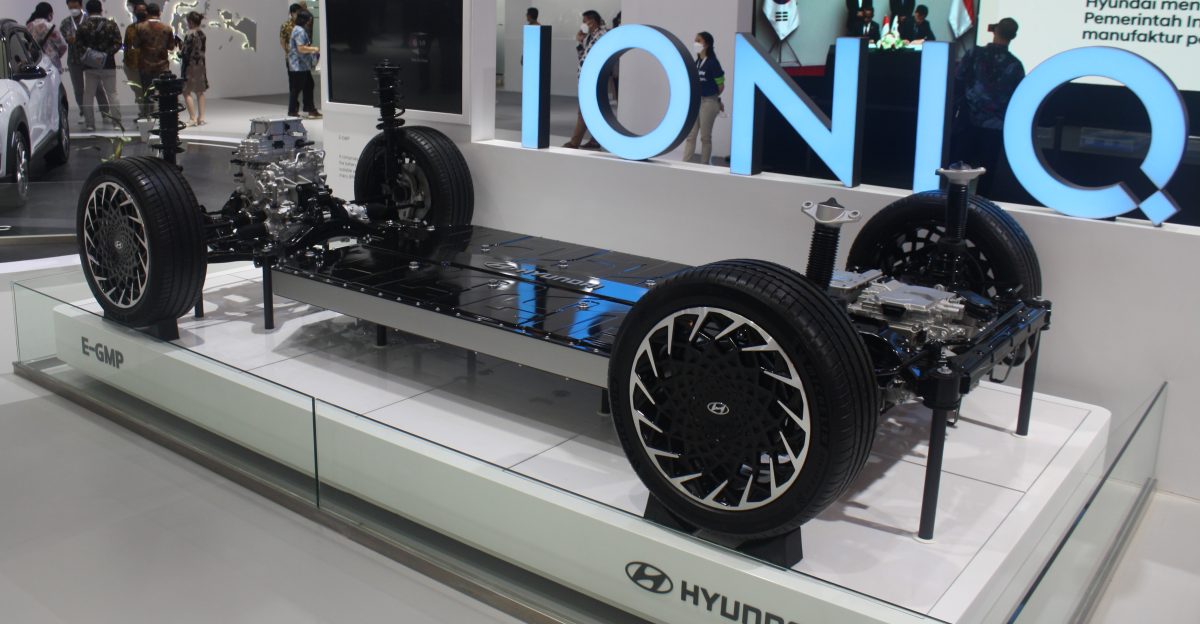
Brands with compliant supply chains and eligible lineups profit from the pain. Ford and Mitsubishi don’t need to build better cars in this quarter‑by‑quarter story; they need better sourcing agreements. Models dependent on restricted supply chains risk demand shocks as more stringent sourcing interpretations tighten the eligible set further. The losers aren’t just Hyundai. Any automaker relying on battery materials from flagged nations faces the same cliff. The winners aren’t innovating on the vehicle. They are innovating on the compliance certificate. For buyers, the actionable truth: check eligibility before you check horsepower. For automakers and investors, an equally important truth is looming: if a future legislated cutoff for the current federal credit hits, even “winners” on this compliance scoreboard will be fighting in a market with no purchase‑subsidy safety net.
Still Cascading
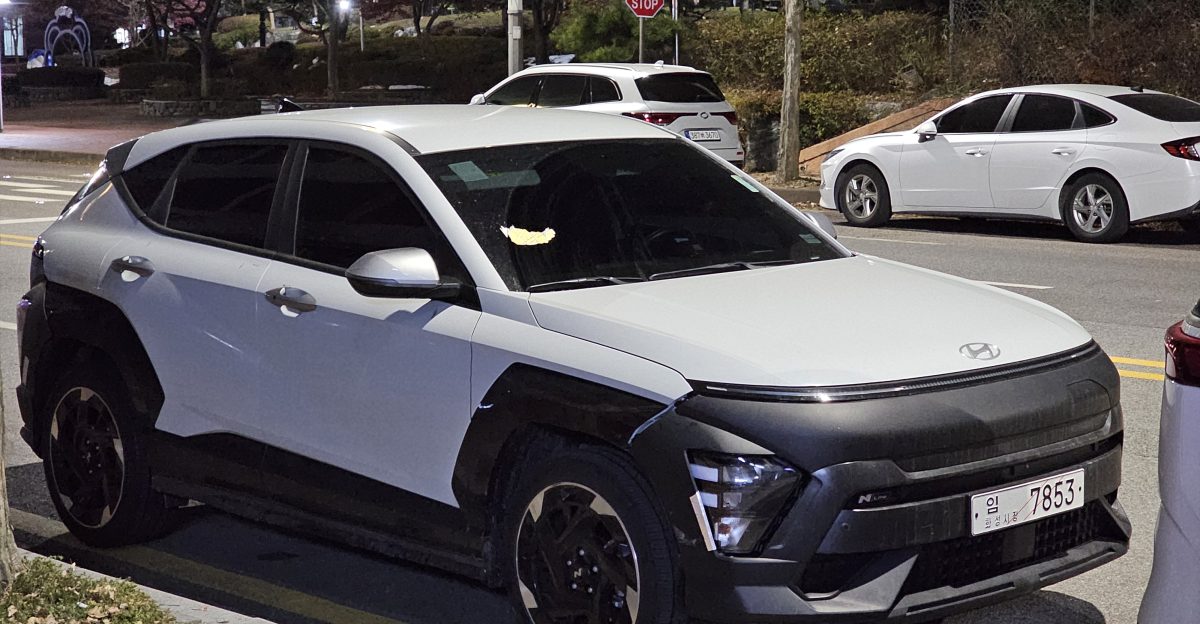
The cascade is accelerating, not settling. Firms are restructuring supply chains and pursuing compliance certifications to regain eligibility, but retooling mineral sourcing is a lengthy process. Meanwhile, Treasury can tighten FEOC interpretations further without congressional action. Every adjustment shrinks or reshapes the eligible set again. Supply‑chain constraints can bottleneck adoption even when demand exists. The 48% blackout might be the opening number, not the final one. Anyone who walked into this story thinking it was about one brand losing ground now understands: it is about who controls the price of going electric in America. And on the horizon, potential legislative changes to the EV purchase credit threaten to turn today’s eligibility battles into a short‑lived prelude to a subsidy‑free, or differently subsidized, EV market.
Sources:
“‘The 48% Market Blackout: Hyundai Tumbles As Ford And Mitsubishi Seize The Top Spot.’” Autopost Global / MSN syndication, 15 Mar 2026.
“‘30D New Clean Vehicle Credit.’” U.S. Department of Energy, Office of Manufacturing and Energy Supply Chains, 2024.
“‘Treasury Department and IRS Issue Final Rules Under Clean Vehicle Tax Credits.’” U.S. Department of the Treasury / Internal Revenue Service, 6 May 2024.
“‘Frequently Asked Questions About Transfer of New Clean Vehicle Credit and Previously Owned Clean Vehicle Credit.’” Internal Revenue Service, updated 2024.