Hyundai Orders All US Dealers To Stop Selling Brand New Palisade After Seat Incident
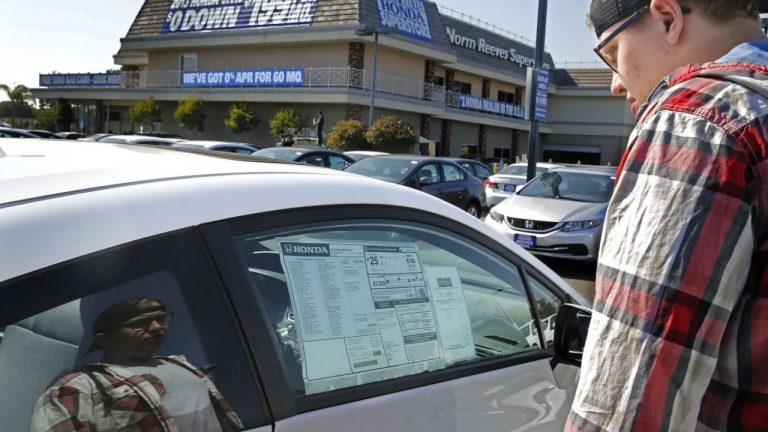
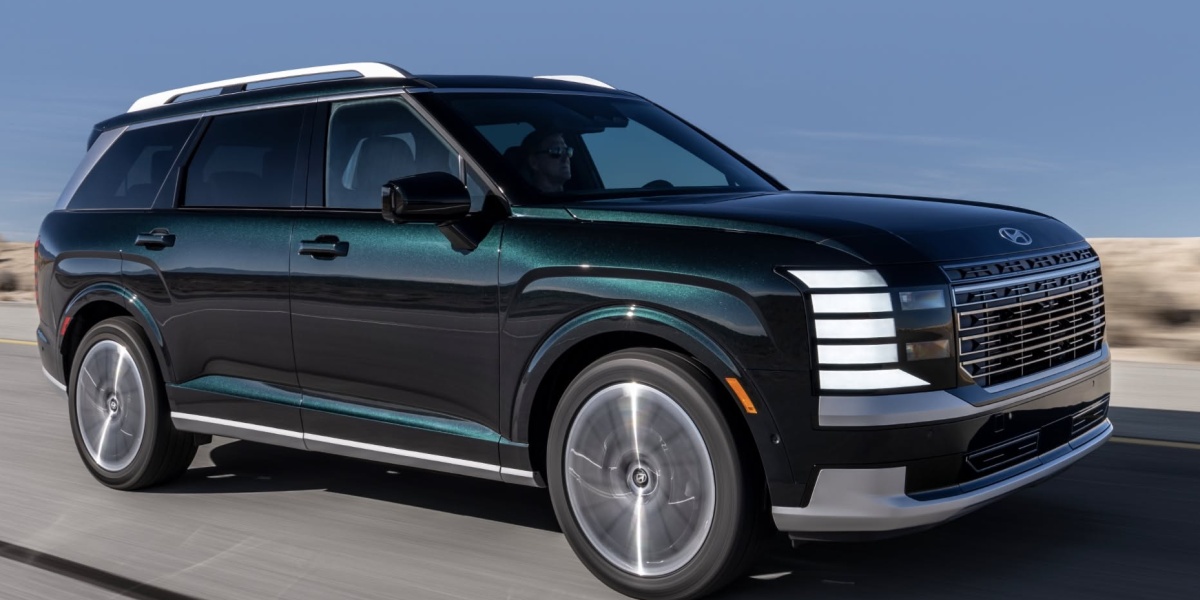
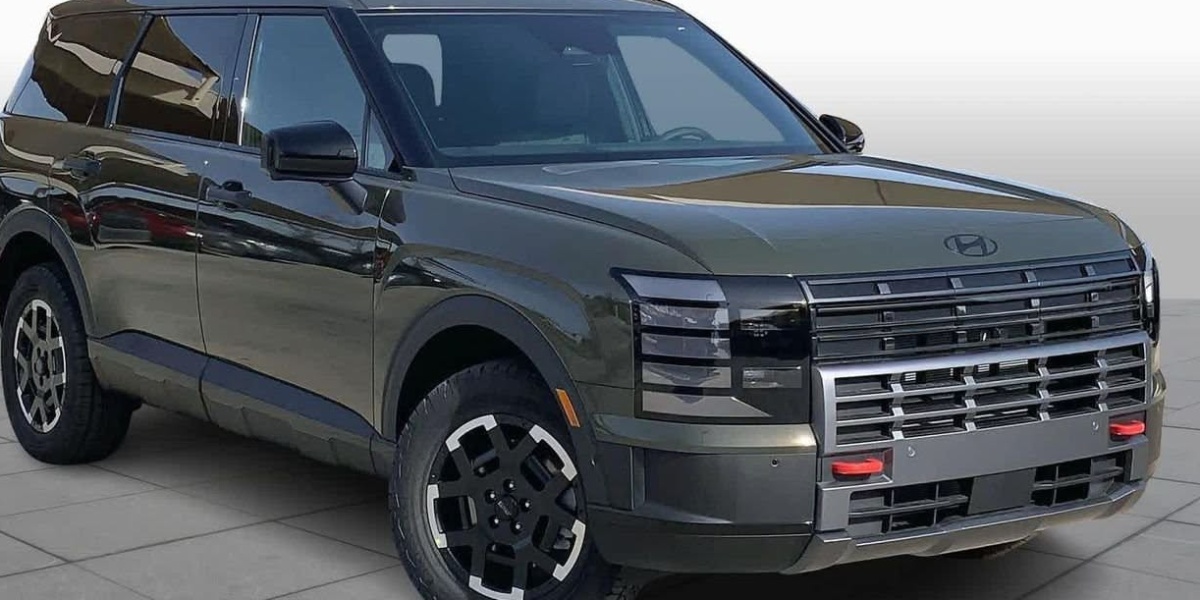
Across the country, brand new 2026 Hyundai Palisades are sitting on dealer lots with a single instruction attached: do not sell. Hyundai paired a formal recall with a stop-sale order covering 68,500 of its flagship three-row SUVs, and the reason has nothing to do with the engine, the brakes, or a crash. The problem is inside the cabin, in a feature families use every single day. The danger sits in the rows behind the driver.
Family Flagship
The Palisade is Hyundai’s answer to the family hauler market, a three-row SUV built to compete with the biggest names in suburban driveways. These are 2026 models, current production, the kind of vehicle buyers walk onto a lot expecting to drive home that afternoon. That expectation just evaporated for tens of thousands of shoppers. A nationwide stop-sale means dealers holding affected inventory cannot complete any transaction until the remedy is cleared. Roughly 68,500 households now have a recall notice headed their way.
Comfort Trap
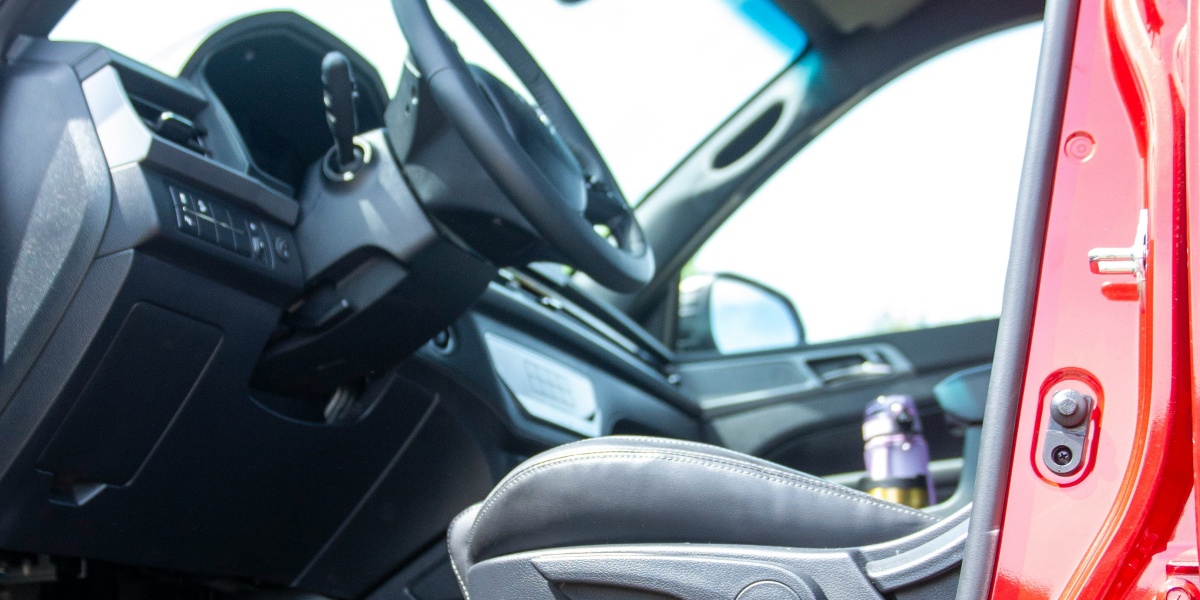
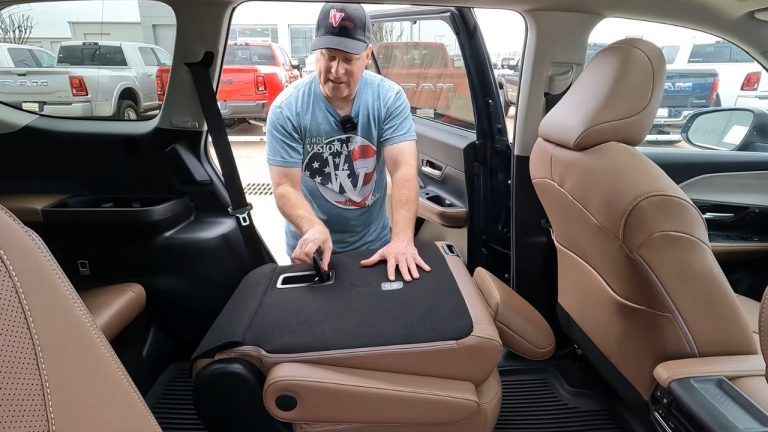
Most people assume recalls involve engines seizing or airbags misfiring. Crash parts. Mechanical failures that happen at highway speed. That assumption misses what triggered this one entirely. The defect resides in the power seat system for the second and third rows, which features motorized folding and sliding with the push of a button. The hazard has been described as the seat potentially crushing an occupant. Not in a collision. Not at speed. During normal use, inside a parked or moving vehicle.
Crush Force
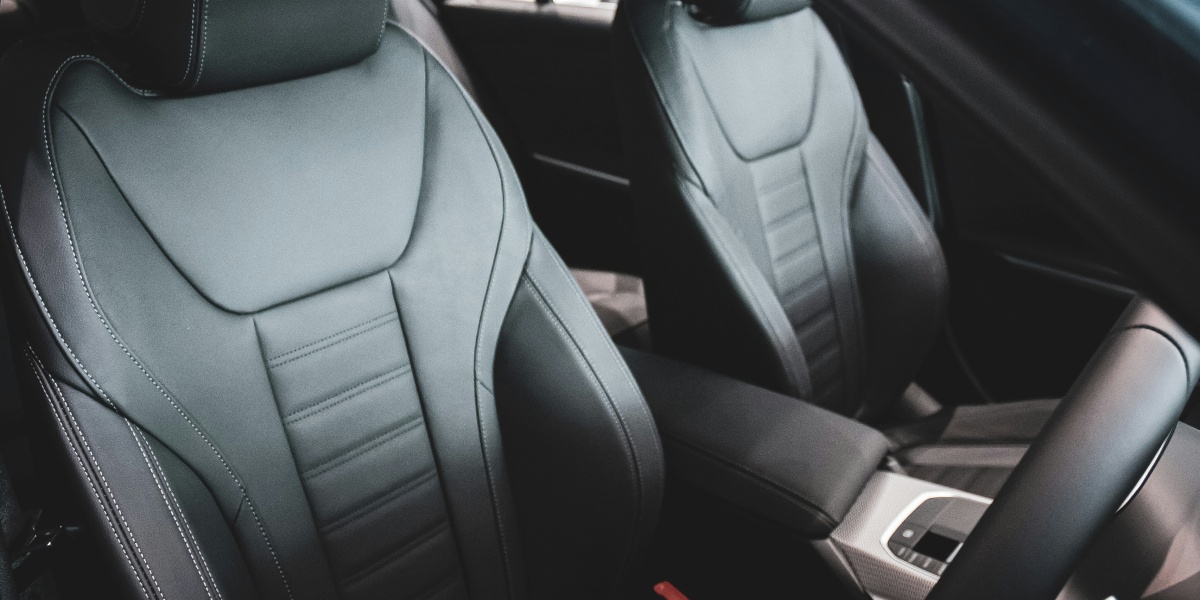
Think about what a power seat actually is: an electric motor bolted to a metal track, generating enough force to move a grown adult and the seat frame beneath them. When that mechanism malfunctions, the force doesn’t disappear. It redirects. A power window pinch hazard operates on the same principle, but a seat motor moves far more mass. The risk was deemed serious enough to halt distribution entirely. One comfort feature. 68,500 vehicles pulled from sale. That proportion tells the whole story.
Kill Switch
A stop-sale is the automaker’s distribution kill switch. It functions as Hyundai telling its entire retail network to freeze affected inventory until the fix is confirmed. Dealers cannot deliver, cannot finalize paperwork, cannot hand over keys on a single Palisade. The mechanism exists because selective compliance does not work when a crushing hazard is involved. Distribution control only functions if it is consistent, and the scope here is nationwide. Every dealer holding a 2026 Palisade with the defect is locked out.
Inventory Crater
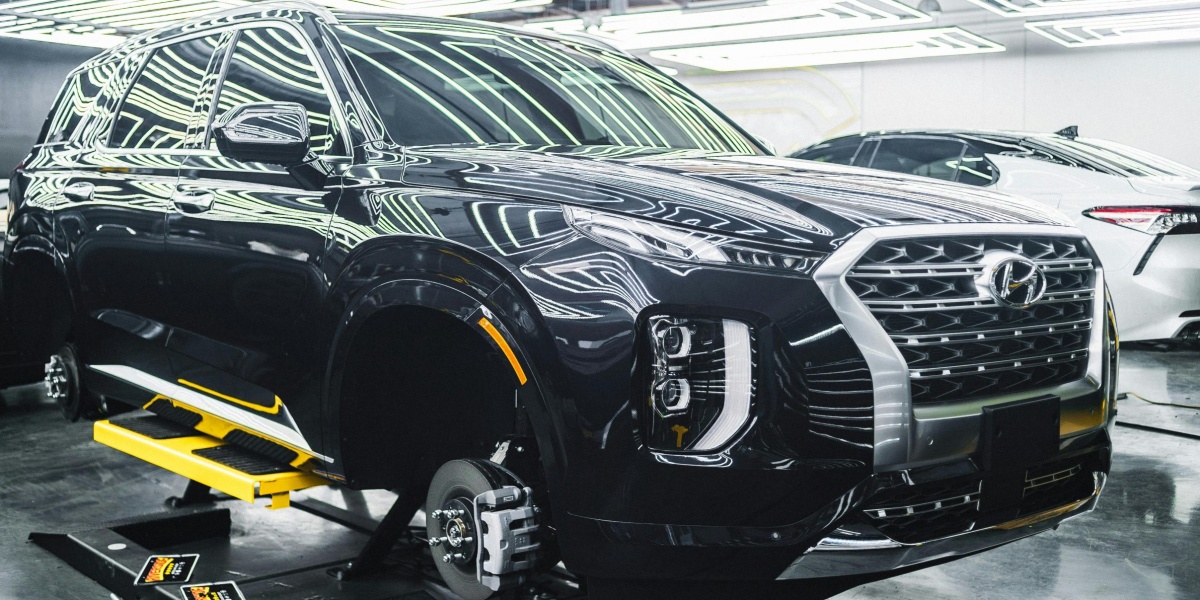
The economic ripple hits dealers first. Affected units sit unsold, consuming lot space and floor-plan financing while generating zero revenue. Delayed deliveries compound the problem for buyers who ordered months ago. For Hyundai, the calculus is straightforward: absorb the inventory disruption now or face liability exposure later. NHTSA tracks the entire campaign, from defect description to remedy timeline to owner notification. Every step is documented. Every affected VIN is catalogued. The recall machine runs whether the automaker likes the optics or not.
Cabin Machine
The deeper issue extends past one model. Modern vehicles pack dozens of motorized interior components: seats, mirrors, liftgates, steering columns, and sunroofs. Each one is an electric motor applying force inside a confined space occupied by human bodies. When regulators classify a seat mechanism as a crushing hazard, it establishes that non-crash interior defects can justify the same response as a brake failure or fuel leak. The precedent matters: motorized interiors are now a regulated hazard surface, treated with the same gravity as drivetrain failures.
New Rule
This recall reframes what “vehicle safety” means. The old assumption was simple: if it is inside the cabin, it is safe. That belief just died on 68,500 dealer lots. The new truth is that every motorized part in a modern vehicle is a potential injury vector, and regulators will treat it accordingly. Once you see the cabin as a machine full of motors applying force near flesh, you cannot unsee it. The Palisade is the proof case, but the principle applies to every SUV, sedan, and truck with a power-adjustable anything.
What Comes Next
Hyundai’s remedy path follows the standard NHTSA playbook: develop the fix, notify owners, execute repairs through the dealer network. Owners can check VIN status through Hyundai’s service campaign portal and schedule service once the remedy is available. If reported incidents surface during the recall window, regulators can intensify oversight and expand the campaign’s scope. The stop-sale lifts only after the remedy conditions are met. Until then, new Palisade sales remain frozen, and the pressure on Hyundai’s dealer channel keeps building with every unsold unit.
Your Move
The person who checks their VIN tonight is the one who prevents a crushing injury tomorrow. That is the status upgrade this recall offers: from passive owner to the family member who actually reads the safety notice. Hyundai will resume sales once the parts are replaced and the fix is verified. The bigger question is whether the rest of the industry audits its own motorized interior systems before NHTSA comes asking. Sixty-eight thousand families just learned that the most dangerous part of their SUV was the seat.
Sources:
“Hyundai Stops Sales and Recalls 68,500 2026 Palisade Models Because the Power Seats Can Crush You.” The Drive, 15 Mar 2026.
“Hyundai Issues Recall, Stop Sale for Palisade SUV After Child’s Death.” Consumer Reports, 15 Mar 2026.
“Hyundai Stops Sales of Some 2026 Models and Plans a Recall After Child’s Death.” CBS News, 15 Mar 2026.
“2026 Hyundai Palisade Stop-Sale Ordered Ahead of Recall Following US Child Death.” CarExpert, 15 Mar 2026.