Hyundai Halts U.S. 2026 Palisade Sales After Rear Power Seats Trap Or Crush Occupants
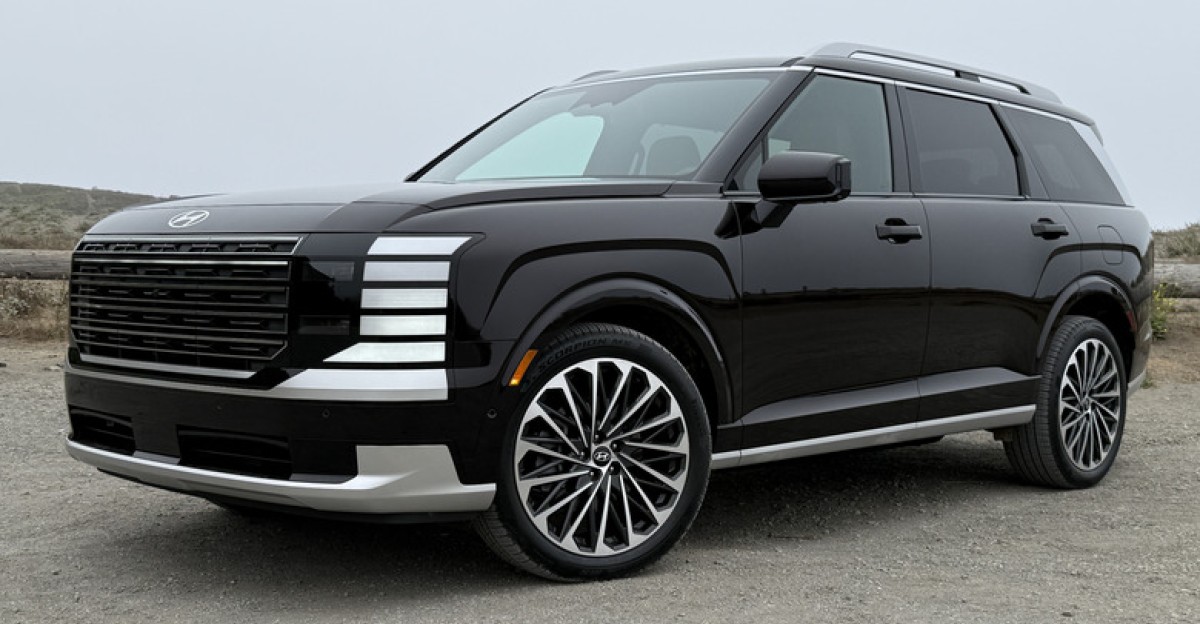
Hyundai has effectively shut down new U.S. sales and deliveries of all 2026 Palisade Limited and Calligraphy models by ordering dealers to stop selling and delivering the affected vehicles. Roughly 61,000 of these SUVs are covered by the U.S. recall. Regulators documented the campaign after Hyundai acknowledged one fatal incident and four additional injuries tied to the rear power seat mechanism. The defect can trap or crush an occupant in the back row. No crash required. No collision involved. A seat mechanism inside a three-row family SUV became the lethal component. For now, dealer lots full of unsellable inventory are just the beginning.
The Mechanism
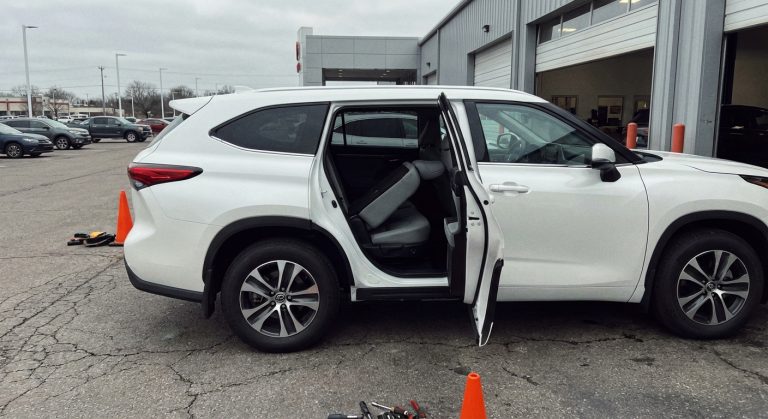
The hazard lives in the power-adjustment system built into the rear seats. NHTSA’s own defect report says the second- and third-row power seats may not respond to contact as intended and can “trap or crush” an occupant during certain powered seat functions. This isn’t a software glitch or a brake failure. It’s a motorized moving part doing exactly what motors do: generating force. The difference is that force has nowhere safe to go when a body is in its path. That’s the plain-language version of the headline: power seats with enough force to trap or crush a passenger in the back of a family SUV. Hyundai hasn’t released a permanent fix yet, which means tens of thousands of owners are driving vehicles with no available remedy.
Your Back Seat
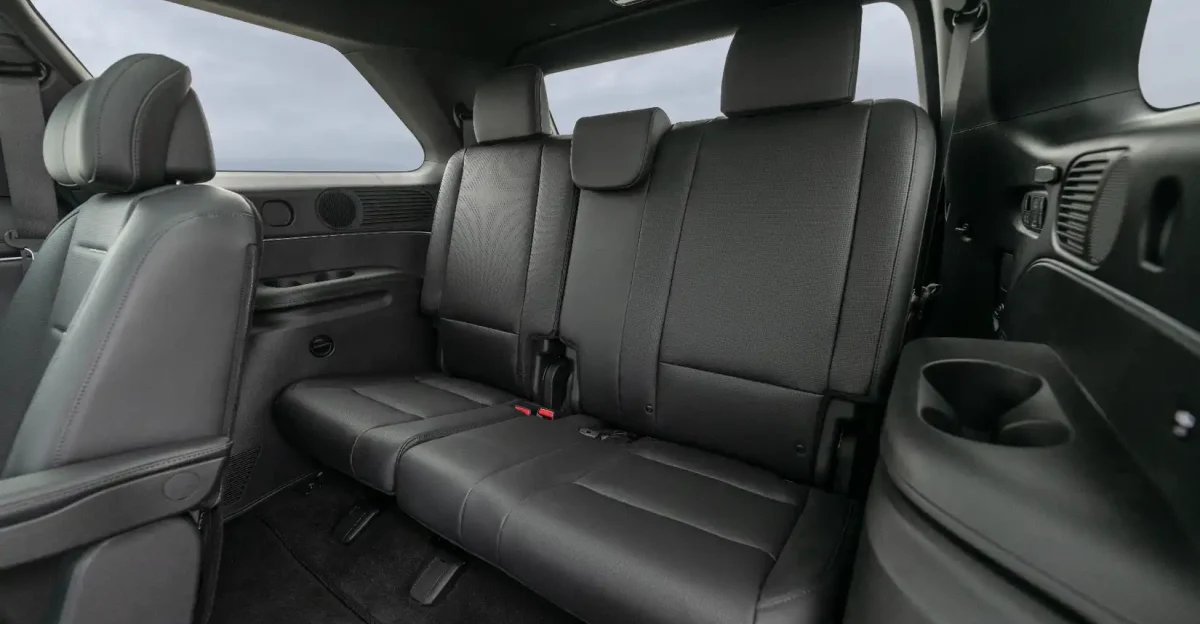
Think about who sits in the rear row of a three-row SUV. Kids. Grandparents. Passengers who don’t control the seat switches. Hyundai’s own acknowledgment ties four injuries and one death to this rear seating area. For a family of four that bought the Palisade specifically because of its safety ratings, the math just changed overnight. The vehicle they trusted to protect their most vulnerable passengers carries an unpatched hazard in the seat those passengers occupy. Every parent who reads “rear seat” and “fatal” in the same sentence feels it in their chest.
Dealer Gridlock
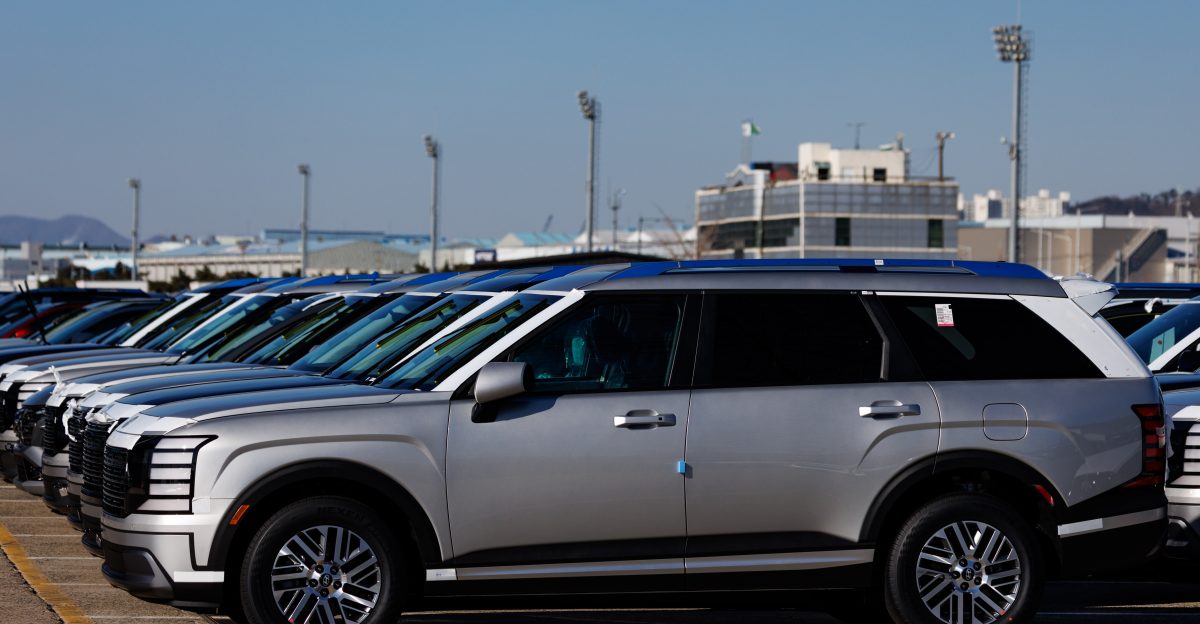
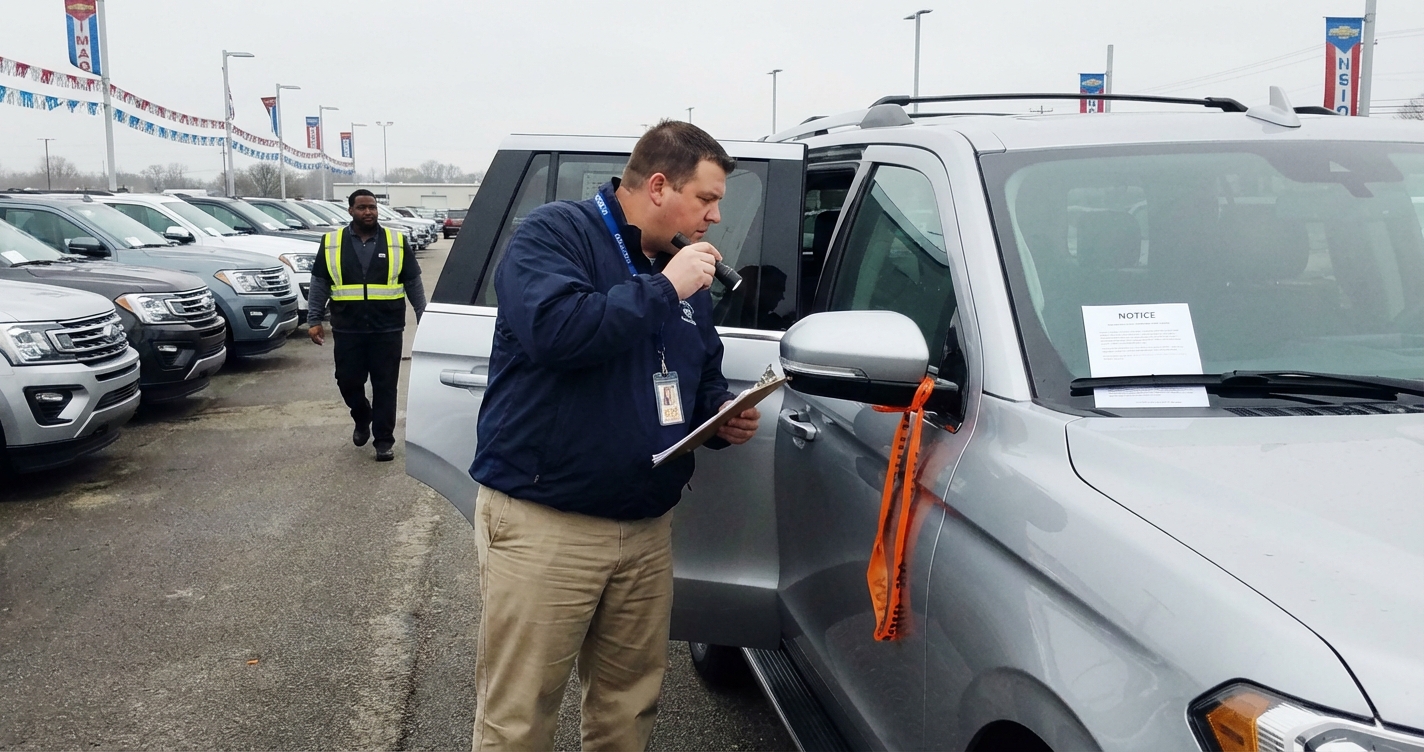
Dealers absorb the first financial shockwave. Every affected 2026 Palisade Limited and Calligraphy on the lot became unsellable the moment Hyundai’s stop-sale order landed. That inventory still carries floor-plan interest, insurance costs, and space on the lot that could hold vehicles they can actually move. No remedy timeline means no clear end date for the freeze. Customers who had deposits or pending deliveries walk into a showroom and hear, “We can’t give it to you.” Trust erodes fast when the product a dealer championed yesterday becomes the product they’re legally barred from selling today.
Resale Collapse
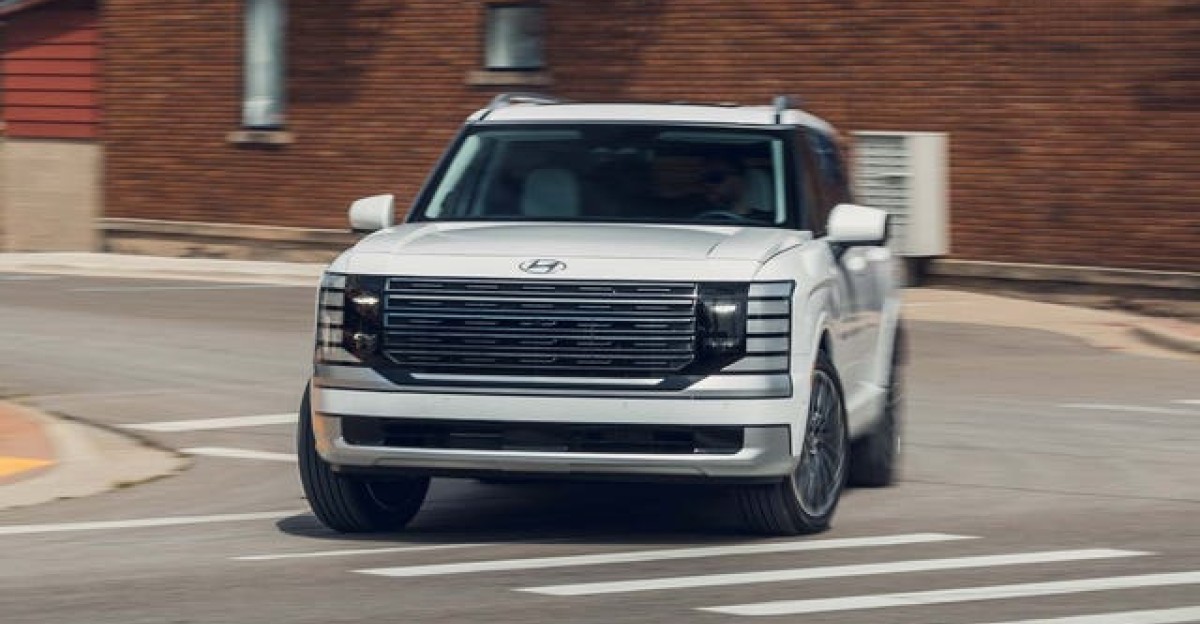
Here’s where the ripple crosses into territory nobody was buying a Palisade budgeted for. Current owners who already took delivery now hold a vehicle with a public, unresolved, fatality-linked recall on its record. Trade-in values can drop the moment a serious recall hits the public database. Buyers searching for that VIN see a serious safety campaign tied to a deadly defect. Try negotiating a fair price with that attached. One recall campaign just repriced a large share of privately owned vehicles in this configuration, and the owners had zero say in it. The used market felt this before the fix even existed.
Hidden Gap
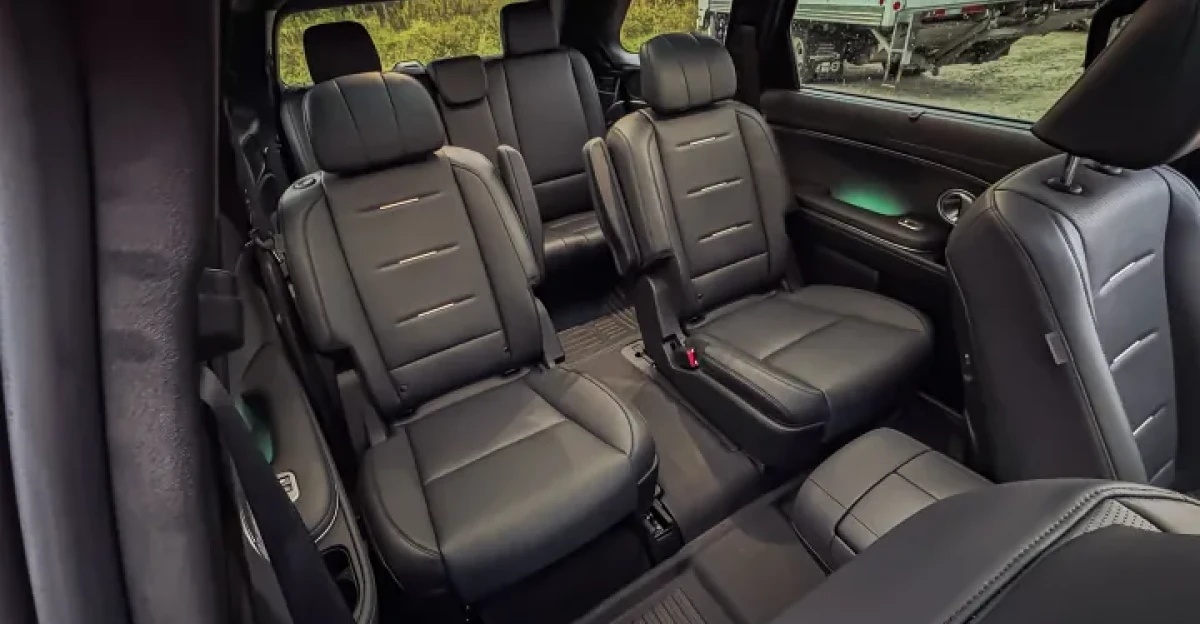
Every one of these ripples traces back to the same structural failure, and it has nothing to do with Hyundai specifically. Safety ratings test crashes. Frontal impact. Side impact. Rollover resistance. Airbag deployment. They do not test the crush force of a powered seat mechanism inside the cabin. Motorized seats. Power-folding rows. Adjustable headrests. The industry added dozens of moving parts to vehicle interiors over the past decade. Regulation didn’t follow at the same pace. A Palisade earns top marks in crash tests. The seat that kills someone never gets tested for that scenario.
Living With It
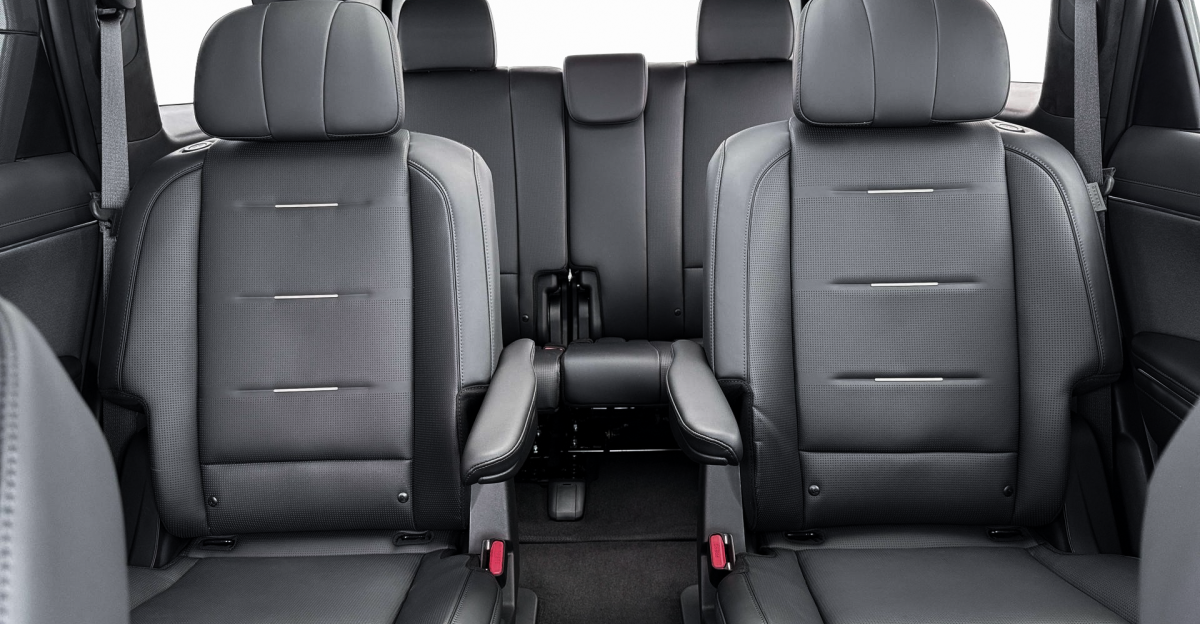
Hyundai acknowledged one fatal incident and four additional injuries tied to the rear power seat in the 2026 Palisade, according to reporting. That sentence carries weight because the company confirmed the connection publicly. Four people were hurt by a feature marketed as a comfort upgrade. One person died. And right now, owners who already have the vehicle parked in their driveway face a choice: keep driving with the known defect, or stop using the rear seats entirely until a remedy arrives. Neither option is what anyone signed up for when they bought a family SUV.
New Scrutiny
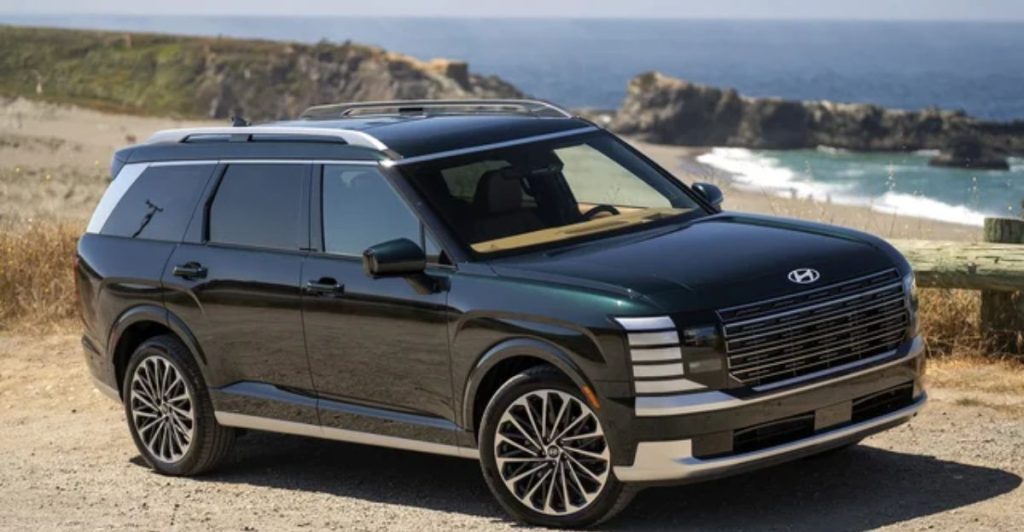
A fatality-triggered stop-sale sets a precedent that reaches beyond one model. Recall campaigns are publicly documented with defect descriptions, risk assessments, and remedy timelines. When a powered interior component generates a body count, regulators face pressure to examine every similar mechanism across the industry. Power-folding third rows. Motorized seat tracks. Adjustable lumbar systems. The Palisade recall puts a spotlight on pinch and entrapment risks that have quietly multiplied as automakers packed cabins with convenience features. The question for regulators is whether crash-test protocols expand to cover the parts families that actually touch every day.
Winners and Losers
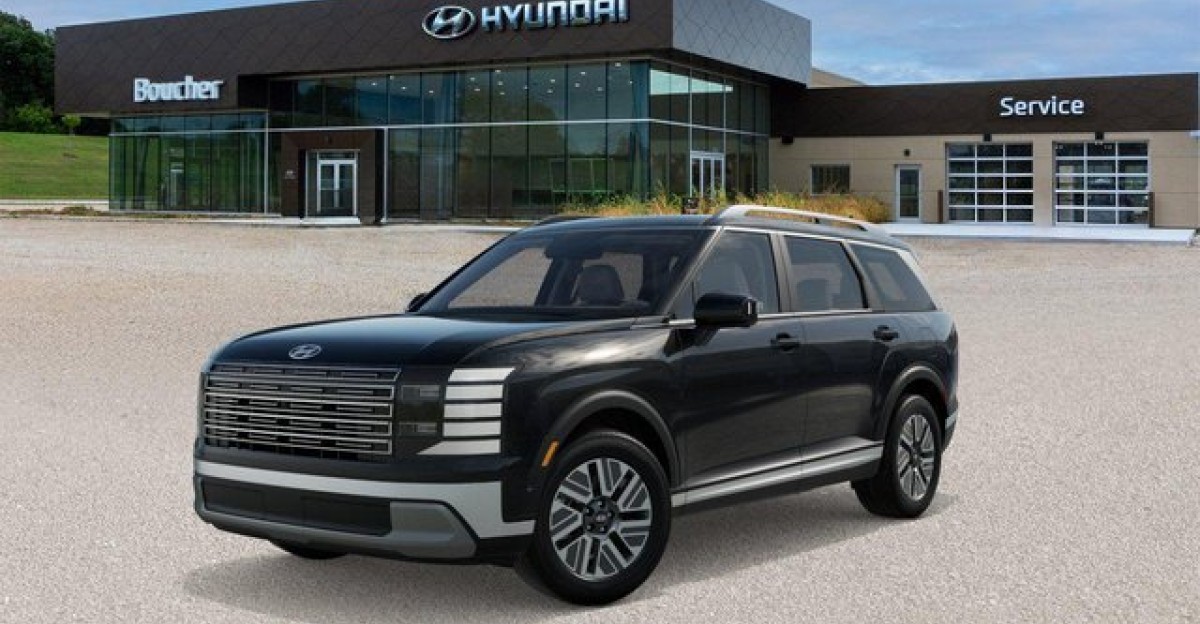
Owners lose resale value. Dealers lose revenue on frozen inventory. Hyundai loses momentum on one of its best-selling models. The winners, if you can call them that, are competing three-row SUVs that suddenly look safer by comparison. Every shopper who was cross-shopping a Palisade against a Telluride, Pilot, or Highlander just got nudged. Hyundai’s recall portal instructs owners to check their VIN and follow the remedy steps once available. That’s the actionable part: check the VIN, minimize or disable rear power seat use if possible, and watch for the fix notification. Don’t wait.
Not Over
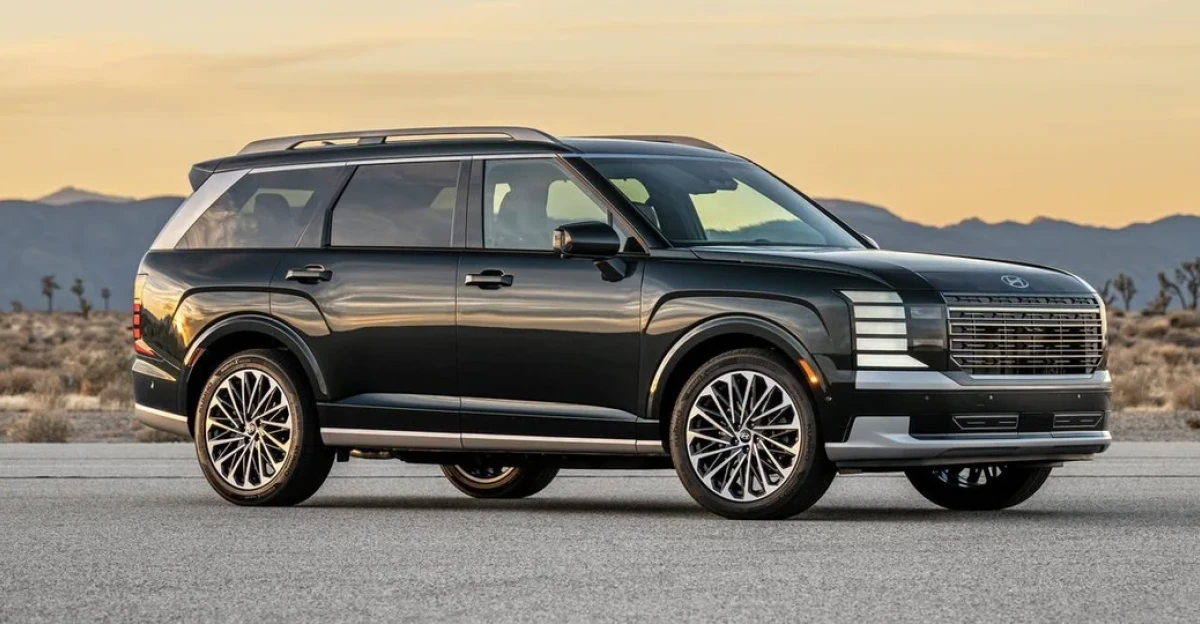
Hyundai plans to issue owner notifications and implement repair logistics through its recall program. But the cascade keeps moving. Additional complaints or injuries could trigger an expanded investigation. Other automakers with similar powered seat designs are already reviewing their own systems, whether they admit it publicly or not. The deeper shift is permanent: “safety rated” no longer covers everything inside the cabin, and consumers who understand that distinction see the entire SUV market differently. One seat mechanism. One death. And an industry-wide blind spot that just lost its cover.
Sources:
“Part 573 Safety Recall Report 26V160 (Hyundai Palisade Power Seat Defect).” National Highway Traffic Safety Administration, 19 Mar 2026.
“Hyundai Recalls Palisade and Issues Stop-Sale After Child’s Death.” Consumer Reports, 15 Mar 2026.
“Hyundai Issues Stop-Sale for 2026 Palisade After Fatal Rear Seat Incident.” Road & Track, 15 Mar 2026.
“Hyundai Halts Sales and Recalls 68,500 Palisade SUVs Over Power Seat Safety Issue.” CBT News, 15 Mar 2026.