Hyundai Halts Sales And Recalls 68,500 Palisades As Deadly Seat Defect Puts Families At Risk
A family-focused SUV is now at the center of a deadly safety crisis. Hyundai halted sales and recalled thousands of 2026 Palisade models after a fatal incident raised urgent concerns about a critical seat function. The issue is not cosmetic or minor. It involves a failure in safety systems designed to protect passengers, especially children. With 68,500 vehicles impacted across North America, families, dealers, and regulators are all affected. What exactly went wrong inside one of Hyundai’s most popular vehicles begins with the people behind it.
Who Is Behind The Recall Crisis
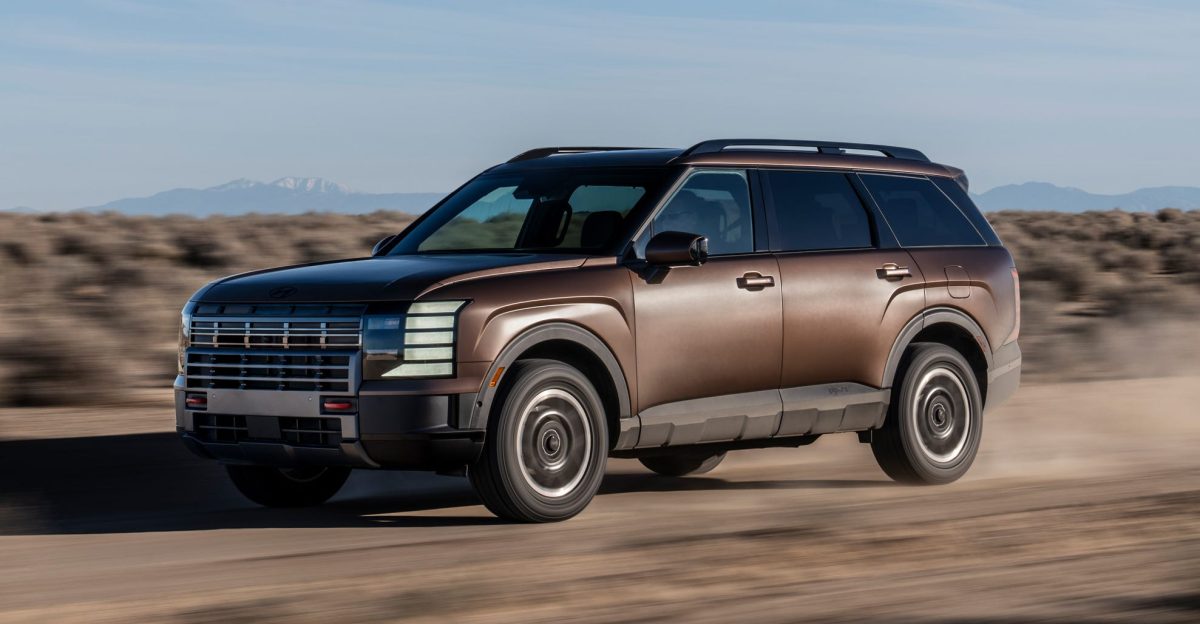
Hyundai Motor America, based in Fountain Valley, California, is leading the recall, while parent company Hyundai Motor Company in South Korea built the affected SUVs. A key supplier produced the power seat control units tied to the defect. Regulators at the National Highway Traffic Safety Administration were alerted on March 11, 2026. The issue gained urgency after a tragic death. Hyundai confirmed, ‘a young child lost her life,’ in a March 13, 2026 statement. By March 20, Hyundai disclosed four additional minor injuries linked to the defect. But what exactly caused this failure?
What Actually Went Wrong Inside
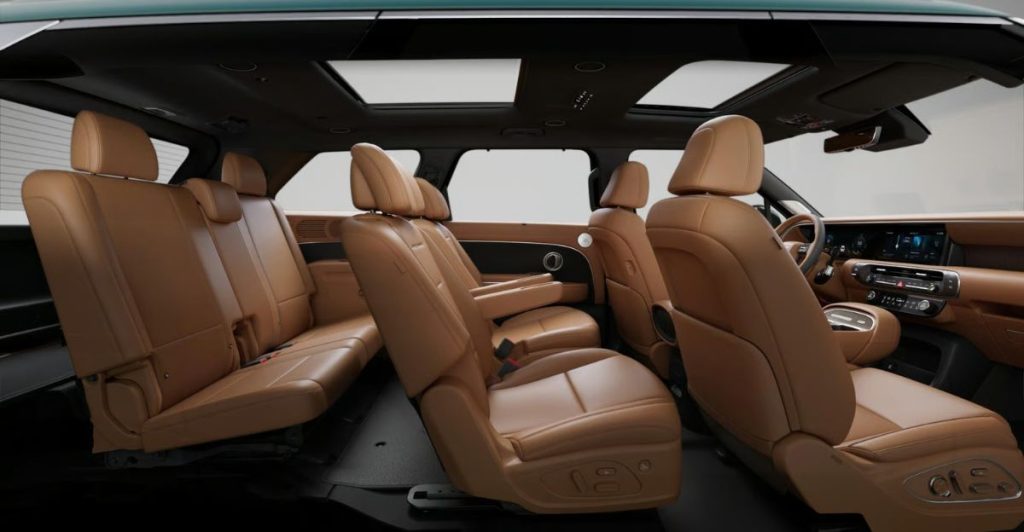
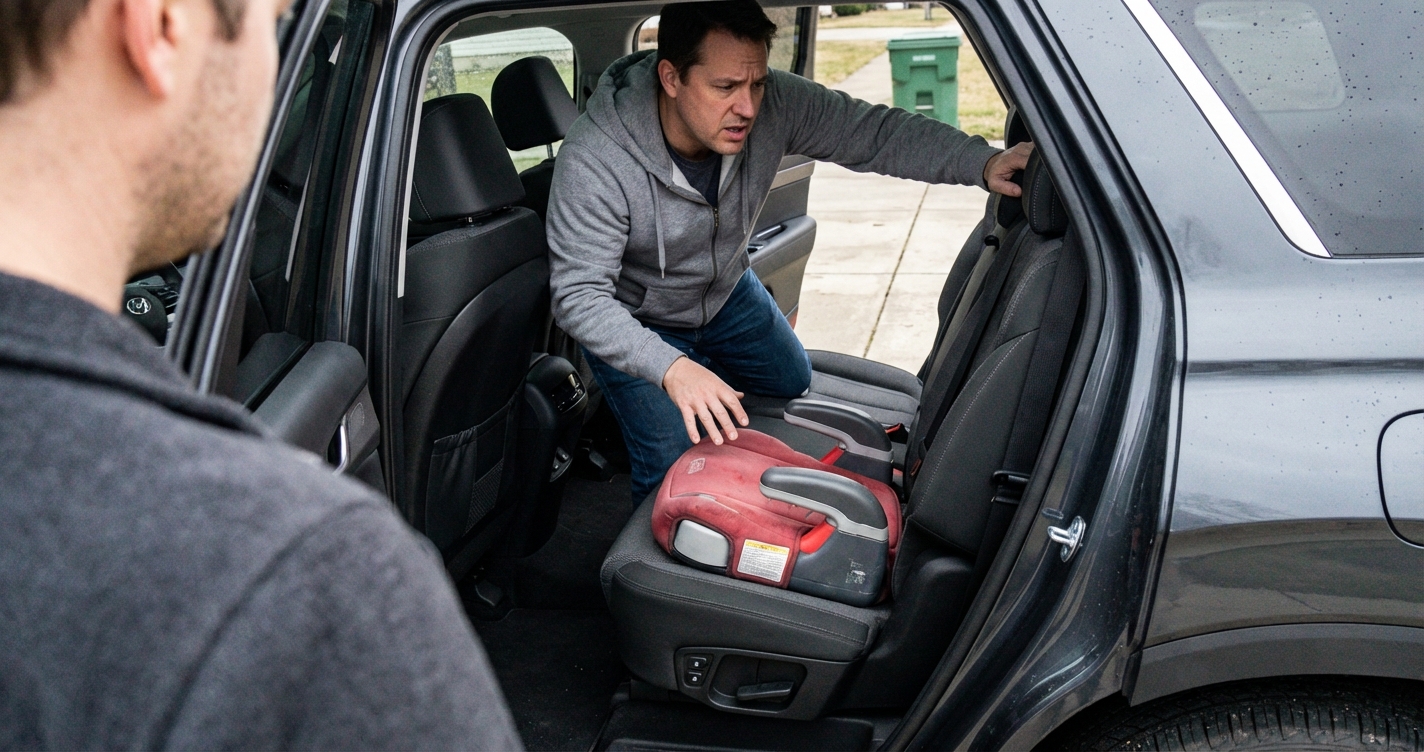
The defect is not a seat moving on its own, as some reports suggested. Instead, the problem lies in the failure of anti-pinch safety systems during powered seat movements. When activated, the second and third-row seats may not detect a person or object in their path. That means the seat continues moving even when something is in the way. These functions include folding seats flat or sliding forward for third-row access. This critical distinction changes how families should respond, especially when using these features daily.
How Many Vehicles Are Affected
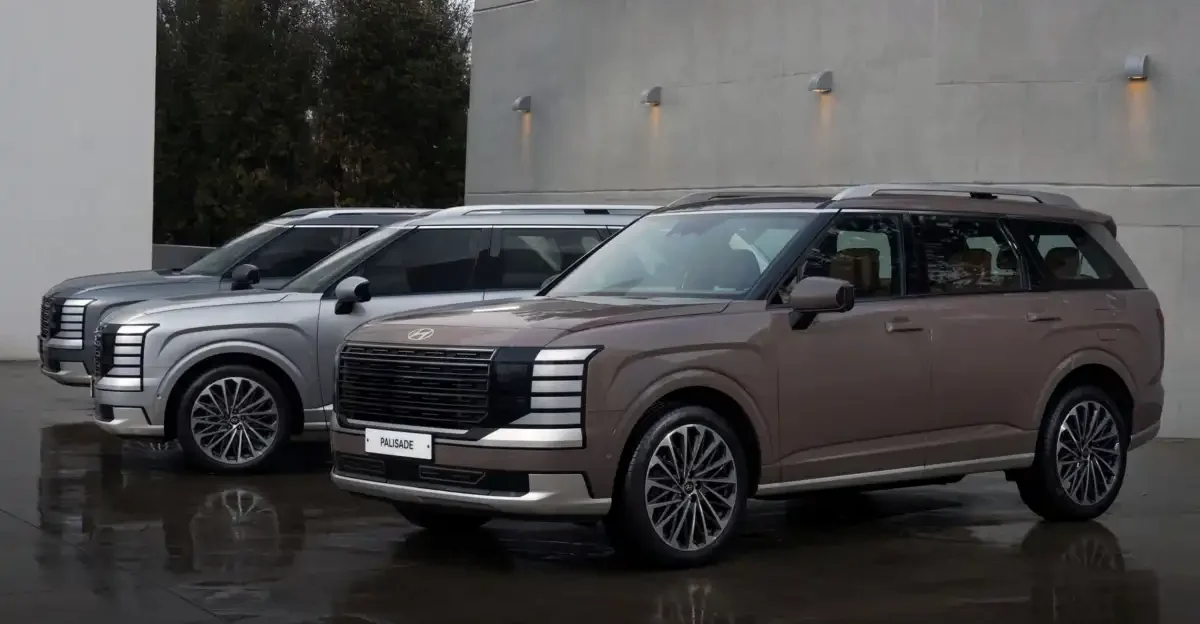
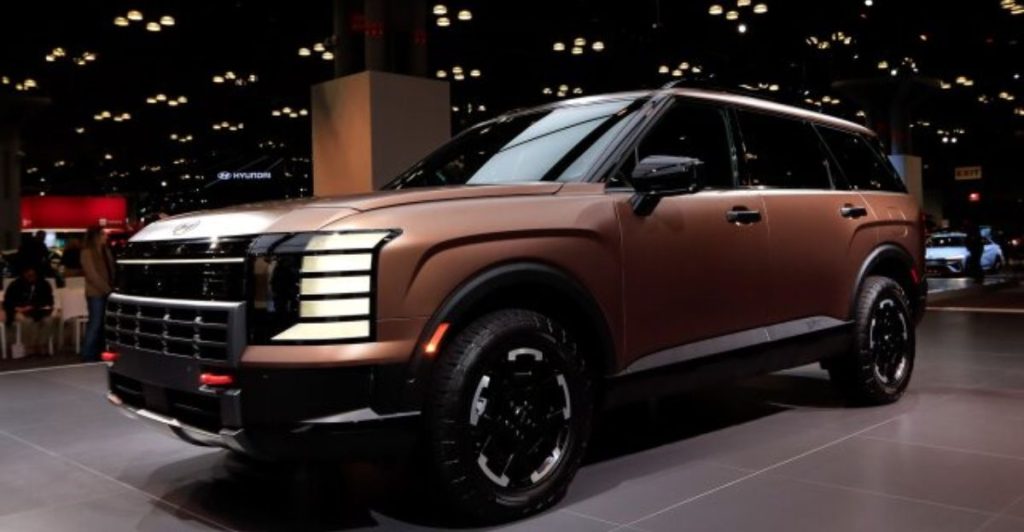
The recall covers 61,093 vehicles in the United States, with approximately 68,500 total across the United States and Canada. The global recall, including South Korea, affects about 132,000 units. These are specifically 2026 Palisade and Palisade Hybrid SUVs in Limited and Calligraphy trims. Production ran from May 8, 2025, to earlier this month, in South Korea. That means only certain high-end versions are impacted, not all Palisade models. Dealers across North America must now hold inventory they cannot sell. But when did Hyundai first realize something was seriously wrong?
The Timeline That Led To Recall
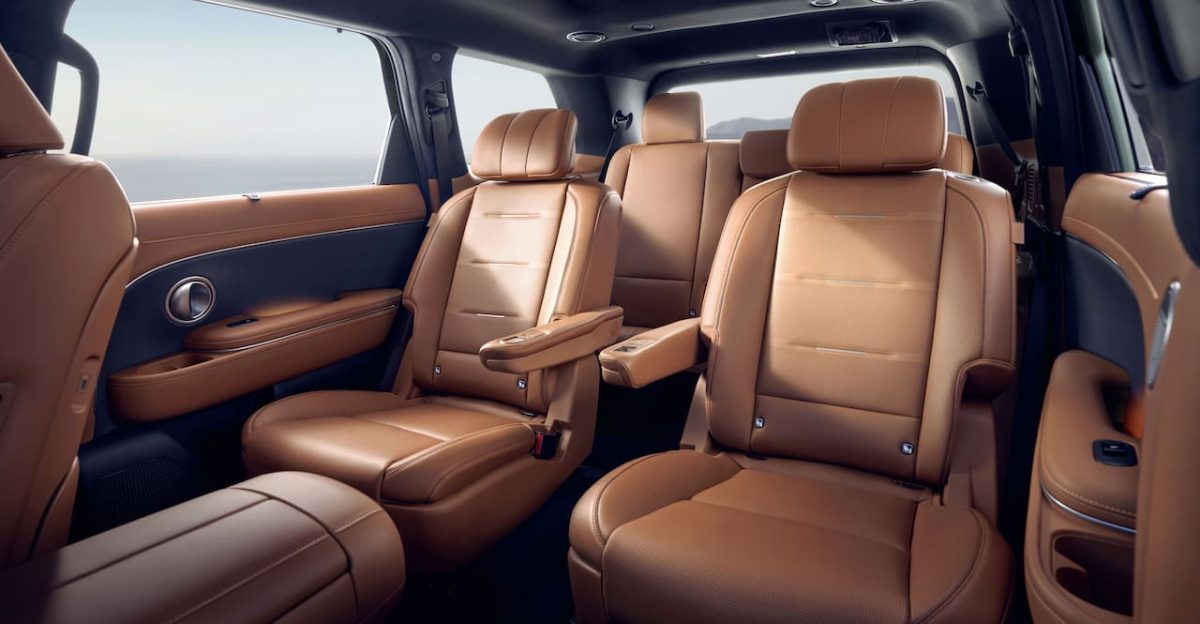
Warning signs began as early as August 2025, when Hyundai received initial reports about seat issues. By November 4, 2025, a formal investigation was underway. The situation escalated dramatically on March 7, 2026, when a two-year-old girl in Ohio died in an incident involving the third-row seat. Hyundai received the report on March 9 and acted quickly. By March 12, a recall decision was made, followed by a public announcement on March 13. Such a rapid response highlights the severity of the situation, but where exactly did this happen?
Where The Impact Is Being Felt
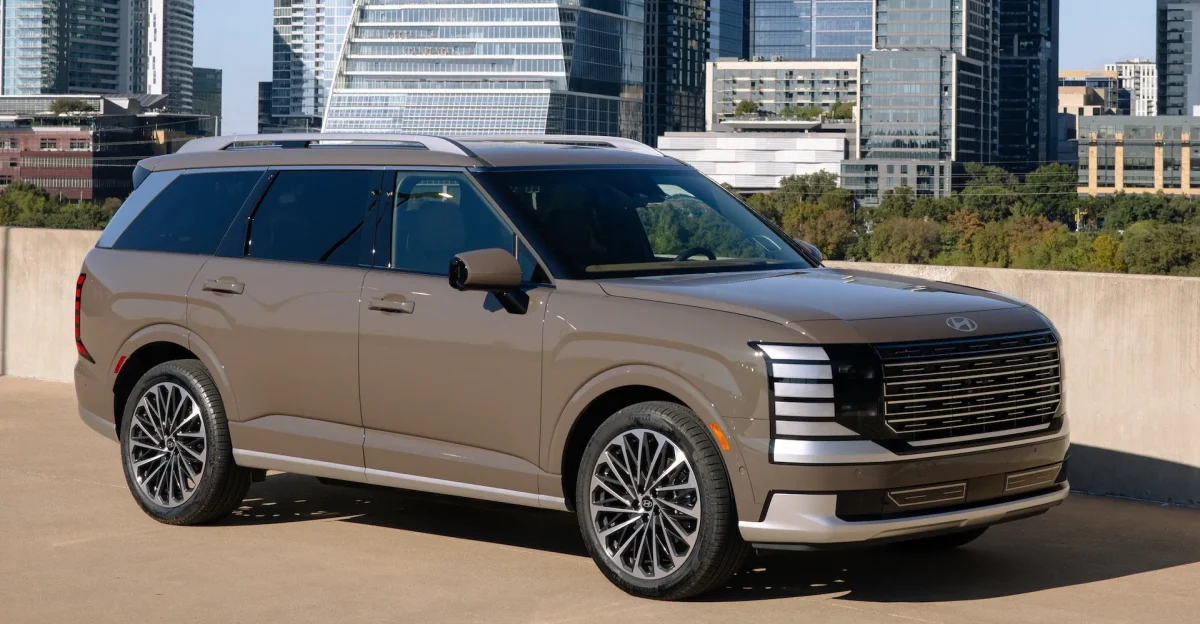
The affected vehicles were built in South Korea and shipped across the United States and Canada. The fatal incident occurred in Ohio, bringing national attention to the issue. Hyundai’s U.S. headquarters in California is coordinating the recall, while testing and investigation efforts were conducted in Michigan. Every Hyundai dealership in the United States is impacted by the stop-sale order. Unsold vehicles now sit on lots, unable to be delivered. The geographic spread is wide, but the real concern lies in why this defect happened.
Why This Defect Became Deadly
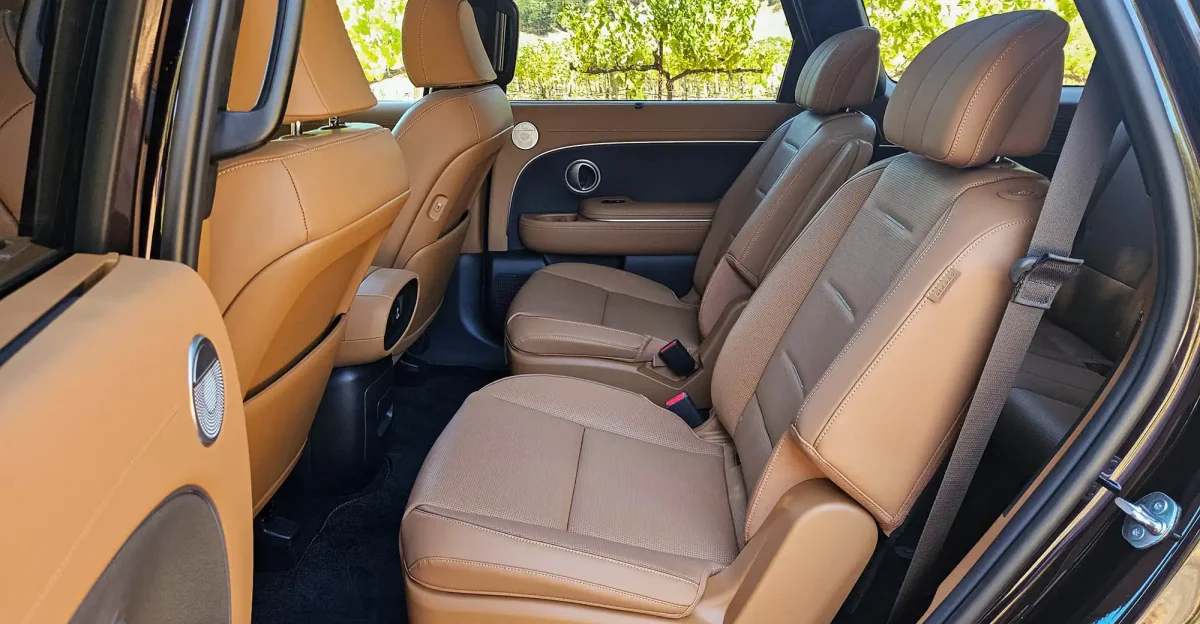
Hyundai has not yet confirmed the exact root cause, but the failure is tied to sensors that should detect resistance during seat movement. When these systems fail, the seat does not stop, increasing the risk of injury or worse. The design of the Palisade as a family SUV makes the danger more serious, as children frequently use these seats. Small passengers are especially vulnerable because they cannot easily resist motorized force. This raises a crucial question: how does the malfunction actually happen in real use?
How The Seat Malfunction Happens
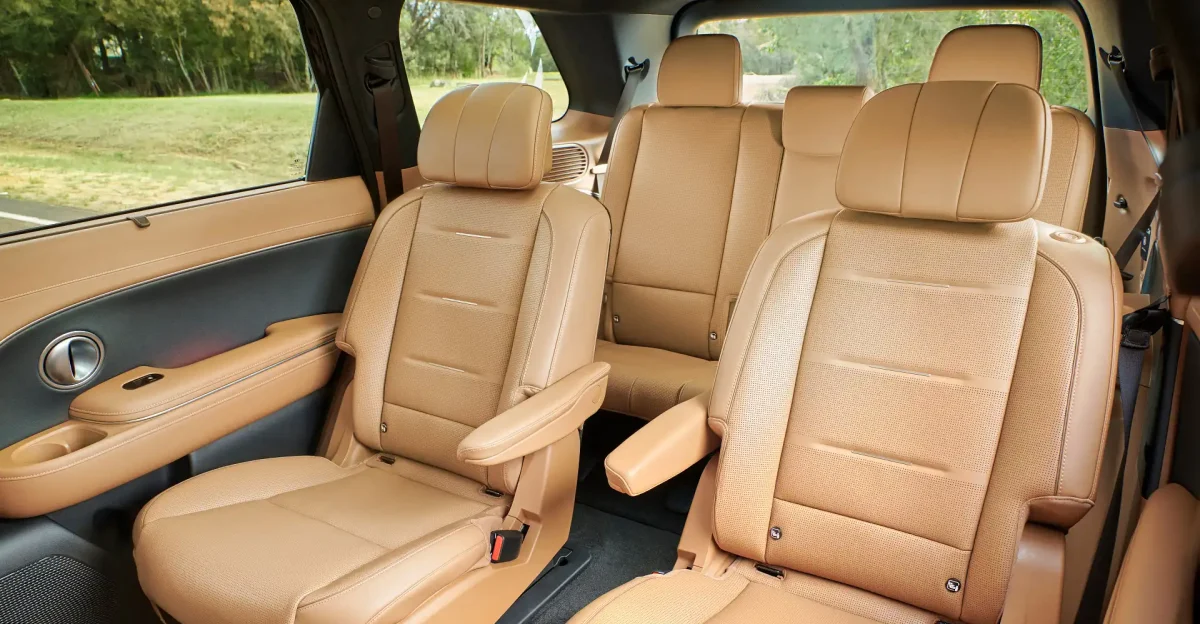
The issue occurs during two key functions: the automatic folding of the third-row seats and the one-touch tilt-and-slide feature in the second row. These features are meant to make accessing the third row easier. However, when activated, the system may fail to detect a person or object blocking the seat’s path. The motor continues to operate, potentially trapping anything in its way. This transforms a convenience feature into a serious hazard. So how is Hyundai planning to fix something this critical?
The Fix Is Simpler Than Expected
“Contrary to some claims, this is not a mechanical repair requiring parts replacement. Hyundai confirmed an interim fix will be a software update designed to improve how the system detects contact, with a permanent recall remedy still under development. For many owners, the update will be delivered over the air through Hyundai’s Bluelink system. Others can visit dealerships for a quick software update. The company expects availability by the end of March 2026. Until then, Hyundai is urging caution. But what should owners actually do right now to stay safe?
What Owners Should Do Right Now
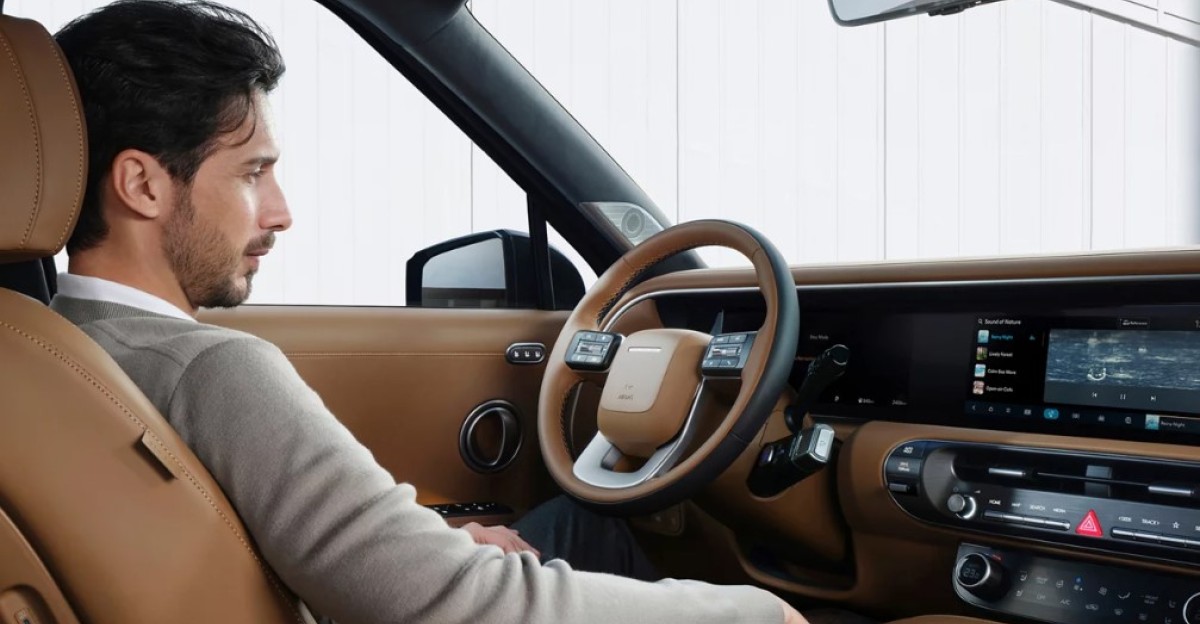
Hyundai advises drivers to avoid using one-touch seat functions when children are nearby and to ensure no one is in the seat’s path during operation. Owners should check their vehicle identification number on the NHTSA recall website, which became searchable on March 19, 2026. Notifications will begin by May 16, 2026. Rental vehicles are being offered in some cases. While the fix is coming, vigilance is critical. This recall closes with action, but its ripple effects across safety standards may only just be beginning.
Sources:
Part 573 Safety Recall Report 26V-160: Hyundai Motor America. National Highway Traffic Safety Administration, March 17, 2026
Hyundai Issues Stop Sale and Plans Recall on 2026 Hyundai Palisade Limited and Calligraphy. Hyundai Newsroom, March 13, 2026
Hyundai recalls Palisade SUVs over power seat defect. Fox Business, March 20, 2026
Hyundai Issues Stop-Sale for Some Palisades After Fatal Accident. Car and Driver, March 20, 2026