Honda’s ‘Reliability’ Brand Exposed As Broken—Execution Failures Triggered High‑Stakes EV Disaster
Something had already gone wrong at Honda before a single electric vehicle rolled off the line. The showrooms looked fine. The logo still carried decades of earned trust. Buyers kept walking in believing they were choosing the smart, safe, practical option. But behind the badge, product cadence had slowed. Platforms lagged. Software timelines slipped. Nobody panicked because the brand’s reputation papered over the gaps. Then Honda made a massive bet on electrification, and the paper dissolved.
The Moment The Rhythm Slipped
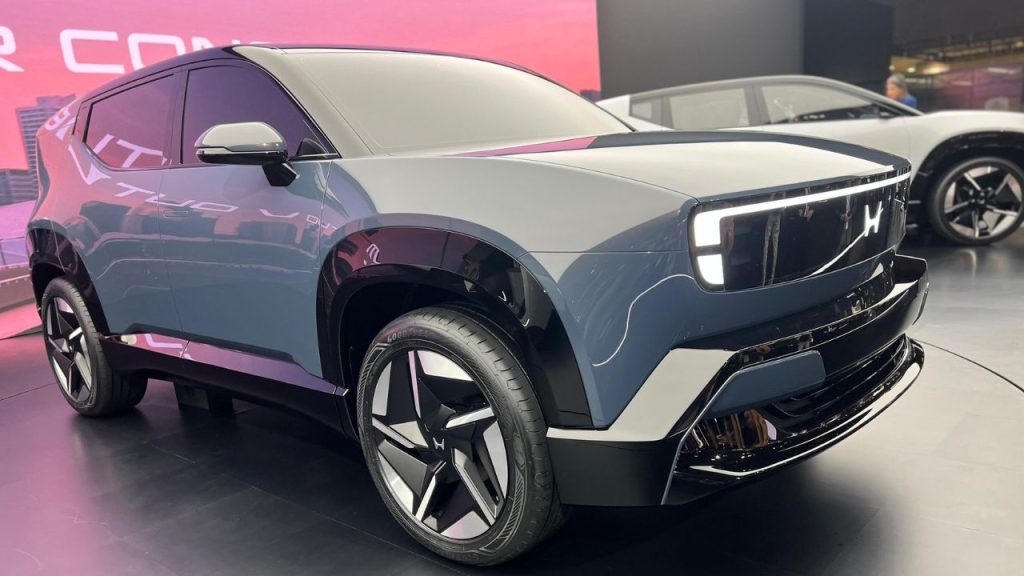
Honda’s edge has long been trust. Buyers pick it because it feels dependable in a world full of gimmicks. That identity masked a quieter problem: the product pipeline was losing rhythm. Model refreshes stretched. Platform development fell behind competitors who were already sprinting toward next-generation architectures. The IEA documented accelerating global EV adoption throughout the 2020s, compressing the timeline every automaker had to execute within. Honda entered that compression carrying baggage most buyers never saw.
Blaming The Wrong Thing
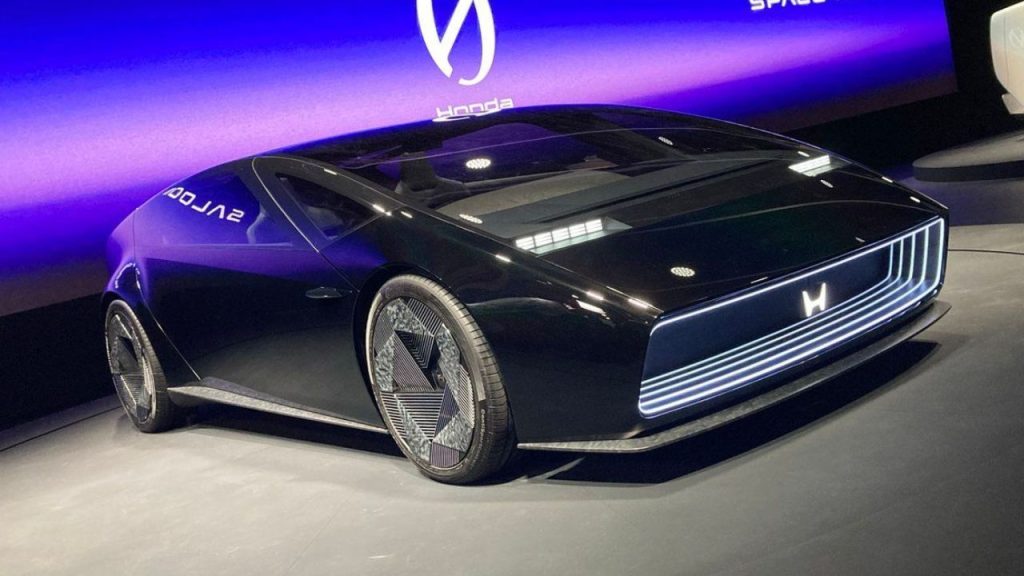
The easy story writes itself: Honda gambled on EVs and lost. Bloomberg calls it a “disastrous bet.” But that framing lets years of execution drift off the hook. The product-cycle and strategy failures predated the electrification push entirely. EVs didn’t create Honda’s crisis. They just made it impossible to hide. Tightening EPA efficiency standards and fleet compliance pressures were already forcing powertrain decisions that rewarded speed and punished hesitation. Honda hesitated.
When The Audit Finally Comes
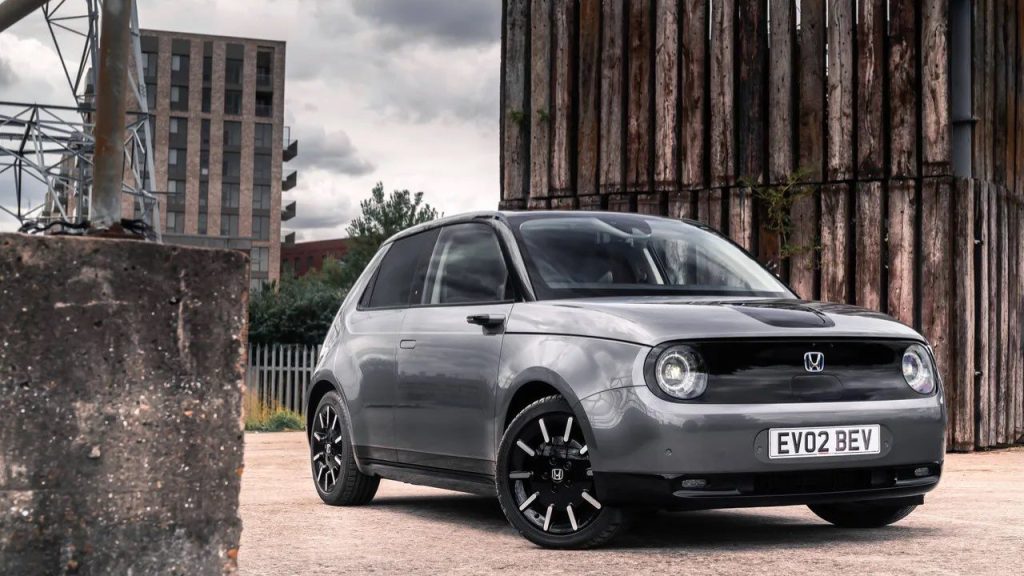
EVs weren’t the cause. EVs were the audit. Bloomberg’s reporting reframes the entire narrative: Honda’s troubles began long before the electric push, and the EV bet amplified existing weaknesses in cadence, platform development, and software timing. A reliability-first brand lost on the one battlefield reputation can’t protect you on: execution speed in a compressed tech cycle. The real failure is cadence, platform, and timing. Once you see that, the “EV disaster” headline reads like a symptom, not a diagnosis.
How A Small Stumble Became A Fall
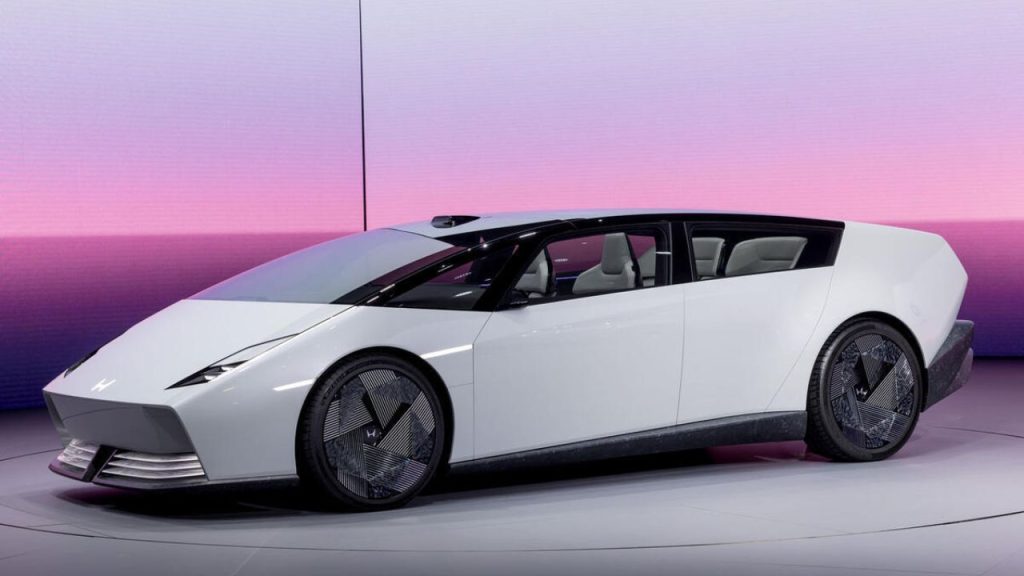
Think of the EV transition like a treadmill that keeps accelerating. A stumble that was manageable at walking speed becomes a wipeout when the belt hits a sprint. That is Honda’s hidden system: transition speed converts ordinary product delays into compounding strategic debt. Every late platform launch costs more than the last. Every missed cycle narrows the window for the next one. Japan’s automakers face structural pressure from China-led EV scale, and Honda entered that race already winded.
The Human Cost Of Strategy Swings
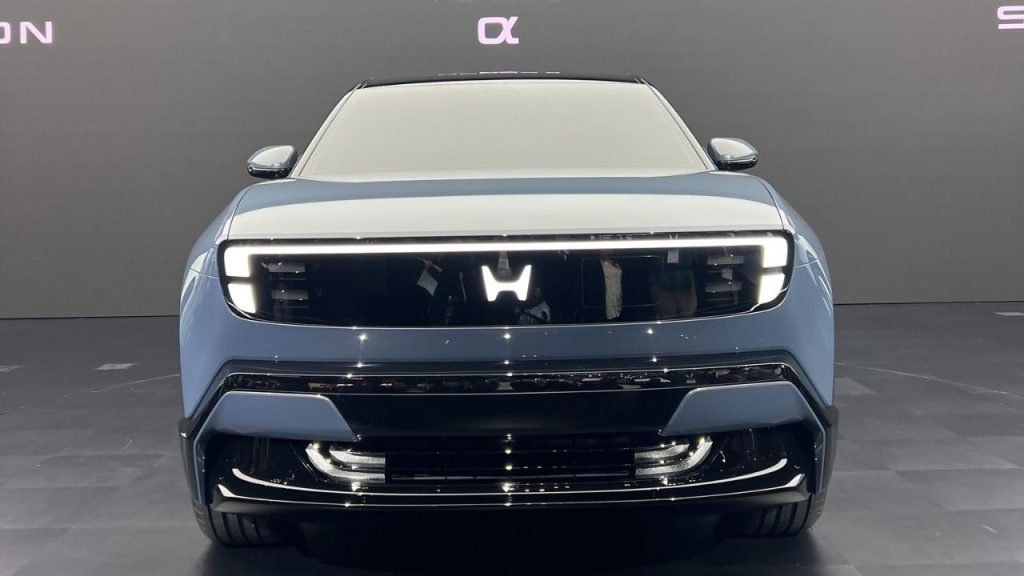
Strategy pivots create real casualties beyond the boardroom. Automotive News reporting on Honda’s U.S. lineup and dealer dynamics reveals the downstream turbulence: when product plans reset, dealers absorb inventory whiplash and buyers get caught between model cycles and tech transitions. Honda and GM ended development of affordable EVs together, resetting timelines and sunk costs. Partnership changes like that don’t just delay vehicles. They strand the people who were already selling, servicing, and buying the old plan.
When Every Delay Gets More Expensive
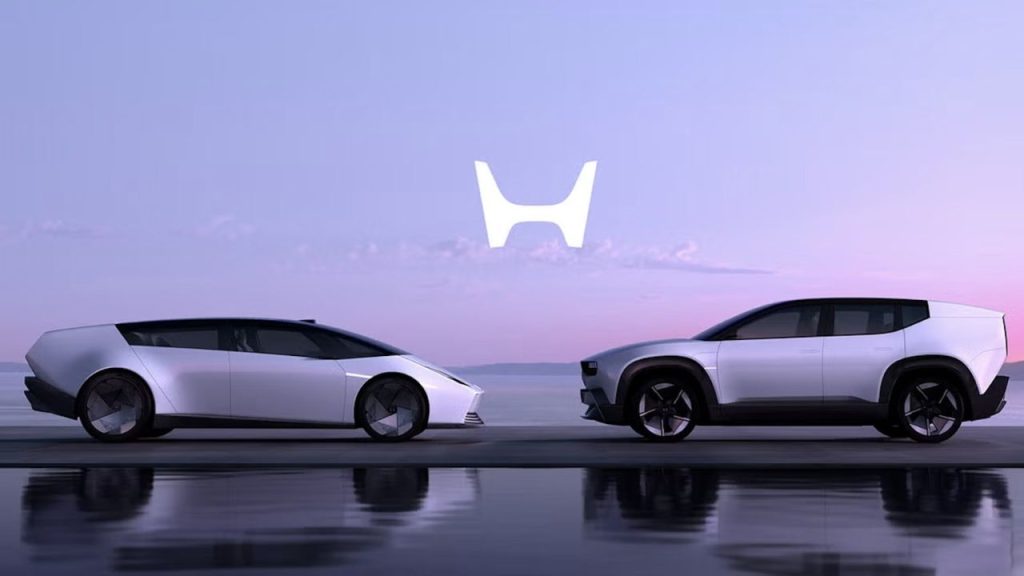
The ripple spreads wider than one canceled program. Across the industry, partnerships are becoming more transactional. Programs get killed faster. Investment dollars shift toward platforms, software, and compliant fleets rather than incremental refreshes. For Honda specifically, the escalation path runs in one direction: missed cadence forces heavier incentives, which squeeze margins, which trigger further cuts and delays. Each loop makes the next recovery harder. Dealers and buyers who trusted the brand absorb the cost of every rotation.
The New Rules For Old Car Brands
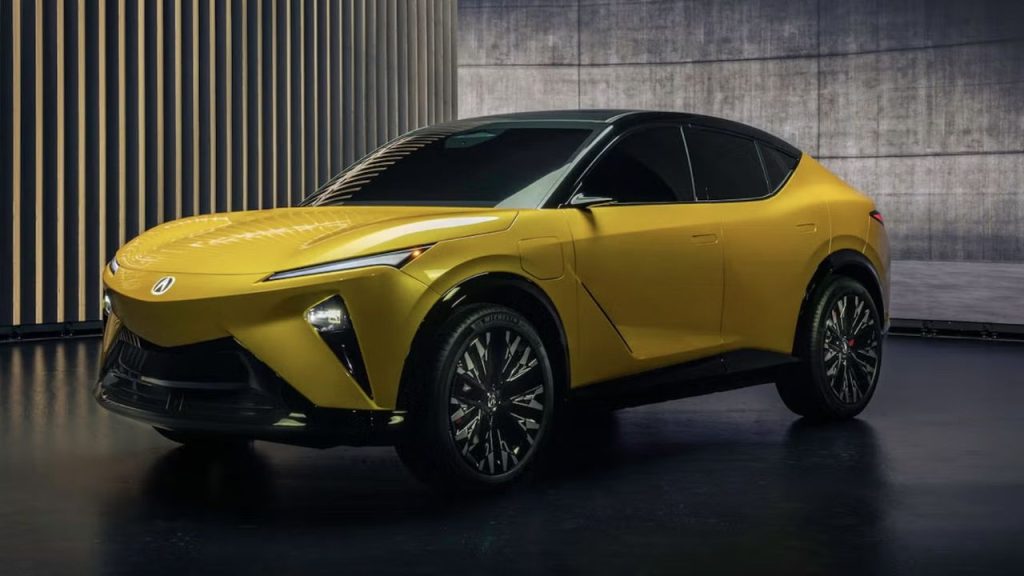
This story stopped being about one company’s bad bet the moment a pattern emerged. Legacy automakers may now publicly reframe EV delays as “market timing,” borrowing Honda’s lesson as cover for their own execution gaps. That is the precedent: the myth that a great legacy brand automatically adapts to new tech eras died here. Execution speed and platform strategy decide winners now, not drivetrain ideology. Media narratives simplify to “EVs failed,” but the underlying mechanism is execution timing. Every automaker should be nervous.
If Honda Can Trip, Who’s Safe
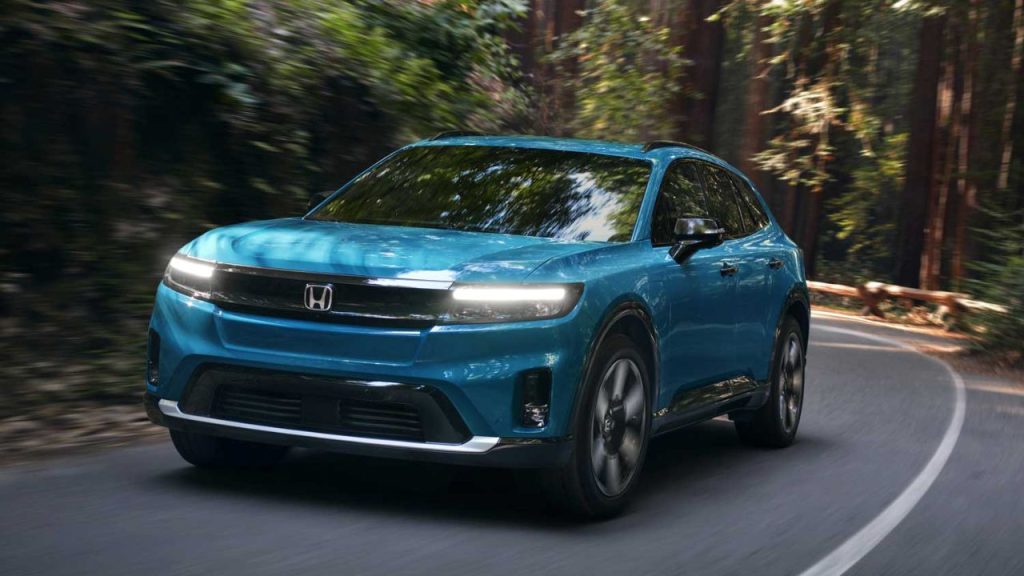
If Honda can stumble, the question every practical buyer is asking is brutally simple: what am I supposed to buy? The fear is real. Paying top dollar for yesterday’s technology while the market sprints forward. The regulatory window for “wait and see” keeps narrowing as EPA compliance context tightens fleet performance expectations year over year. Honda’s counter-moves are limited: accelerate alliances, outsource platforms, or narrow the lineup to fund core bets. None of those options feel like the Honda people trusted.
What The Honda Stress Test Really Shows
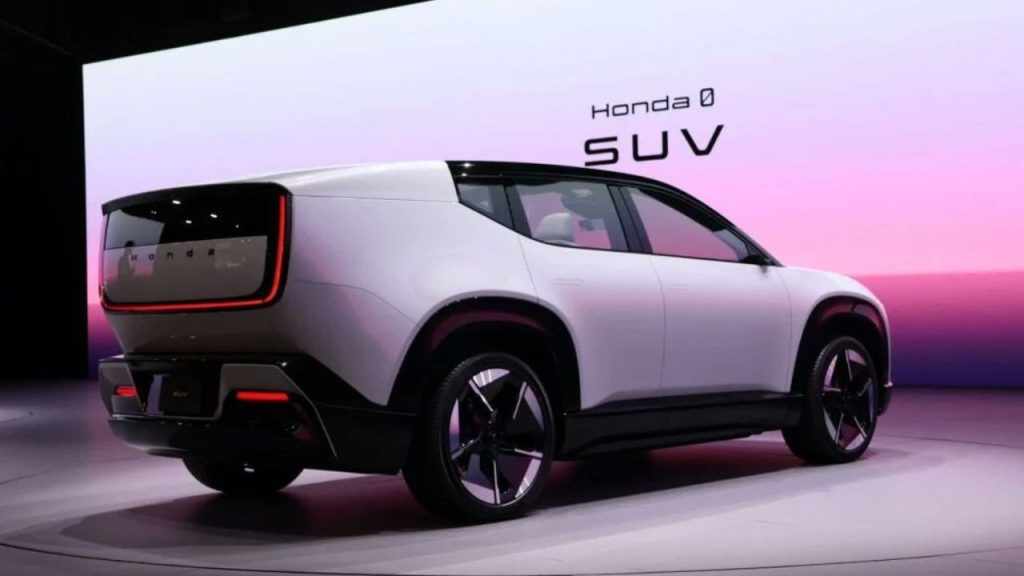
Most people will read this story as “Honda blew it on EVs.” Now you know better. The EV bet was the stress test. What it found was a reliability brand that had already lost the plot on execution: cadence, platforms, software, timing. That framework applies to every legacy automaker watching from the sidelines. The real question going forward isn’t whether Honda recovers. The question is which brand gets audited next, and whether their product pipeline survives the treadmill when it speeds up again.
Sources:
“Honda Announces Losses Associated with Reassessment of Automobile Electrification Strategy; Revision to Forecast for Consolidated Financial Results; and Future Direction.” Honda Motor Co., Ltd., 12 Mar 2026.
“Honda flags first annual loss, hit by $15.7 billion EV charge.” Reuters, 12 Mar 2026.
“Honda cancels plan to develop affordable EVs with GM.” ArenaEV (quoting Honda CEO Toshihiro Mibe and Bloomberg reporting), 24 Oct 2023.
“Global EV Outlook 2025.” International Energy Agency, 2025.