Honda Set To Ship 6,000 Alabama-Built Vehicles To Japan—First U.S. Vehicle Export In 40 Years Helps Dodge $1.9B Tariff
Honda has greenlit exports of Alabama-built Passport SUVs and Ohio-made Acura Integra Type S sedans to Japan, with shipments slated to begin in the second half of 2026. The combined annual target is roughly 6,000 units. That number sounds modest until you realize Honda hasn’t shipped a single U.S.-built vehicle to Japan in approximately four decades. The company calls the Passport its “ultimate adventure vehicle.” The destination is Japan, a dense urban center with minimal off-road culture. The ripples from this move stretch far beyond one factory floor.
The Tariff Valve

The reason sits in a spreadsheet, not a marketing deck. Honda reduced its tariff burden to roughly ¥310 billion ($1.9 billion) in fiscal 2025, with costs extending into the next fiscal year. U.S. tariffs do not apply to exports. Japan charges zero tariffs on imported passenger vehicles. So shipping American-made inventory to a tariff-free market becomes a pressure release valve for a company bleeding money on import duties. Japan’s Ministry of Land, Infrastructure, Transport, and Tourism made it legal on February 17, 2026, by eliminating independent vehicle safety testing for U.S.-certified cars.
Domestic Overflow
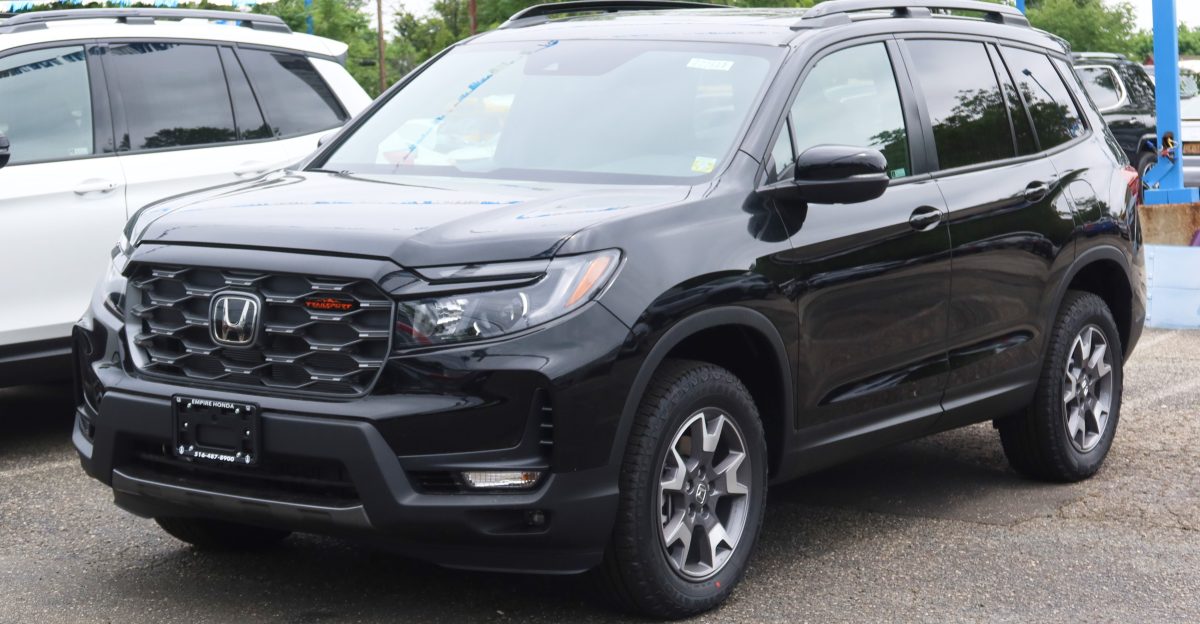
Passport sales exploded 70% year over year in 2025, reaching 55,231 units. The TrailSport trim alone commanded 80 percent of those sales. That kind of surge sounds like a win until dealers start pushing back on inventory concentration. Honda builds around 60,000 Passports a year at a plant capable of more than 340,000 total vehicles. Domestic demand is hot, but the growth curve created a stockpile problem. Exporting 6,000 units to Japan relieves that pressure without slashing U.S. prices. The grocery aisle version of this: too much product, so you ship it overseas before it spoils.
Dealers Push Back

U.S. Honda dealers raised inventory concerns about the export plan. Which, honestly, tells you everything about the real motive. If this were a low-volume prestige play for Japanese enthusiasts, dealers wouldn’t flinch. They flinched because 6,000 units pulled from domestic allocation changes their math. Honda’s Alabama plant employs 4,500-plus workers across a 4.9-million-square-foot facility. Those jobs now produce vehicles partly earmarked for a foreign market that never asked for them. The business response reveals the strategy the press release tried to dress up.
Wrong-Side Surprise
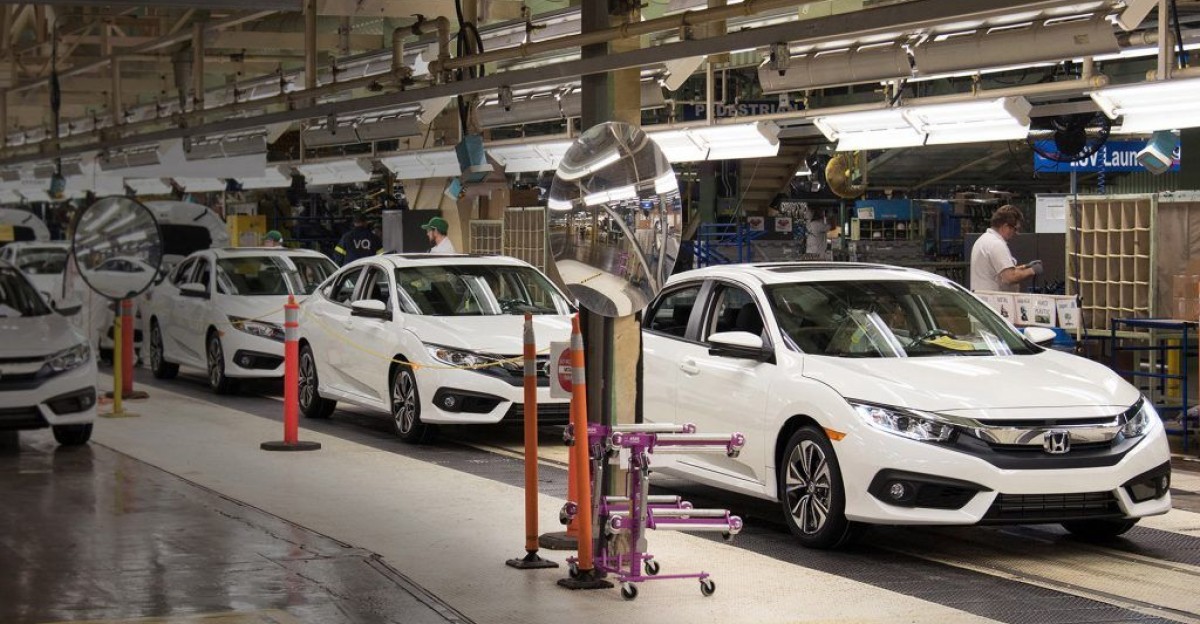
Here is where the story crosses into territory nobody expected. Honda ships these vehicles in left-hand-drive configuration to a right-hand-drive nation. Toll booths, drive-throughs, parking garage payment machines, valet drops: all designed for right-hand-drive cars. A left-hand-drive Passport in Tokyo functions like a credit card with a backwards chip reader. Technically present, practically unusable for daily convenience. If Honda intended to build a premium Japanese customer base, it would invest in right-hand-drive conversion. It didn’t. That tells you the buyer is secondary to the balance sheet.
One Mechanism
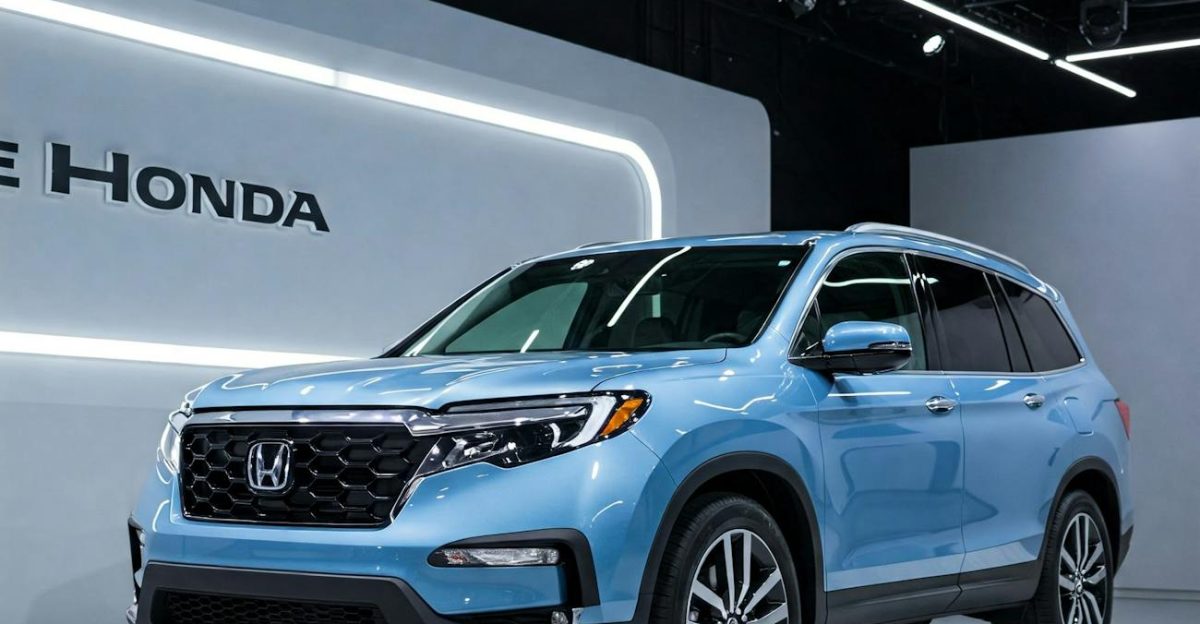
Tariff pressure on imports. Inventory surge at home. A trade deal under which Japan agreed to accept U.S. safety certifications. Same mechanism, three consequences, one export pipeline. Japan’s simplified certification went live on February 17, 2026. Honda announced on March 5. Eighteen days. The U.S.-Japan trade agreement committed Japan to $550 billion in U.S. investment and, in exchange, opened its vehicle market. Trade leverage removed the regulatory wall. Tariffs made exporting profitable. Inventory made it necessary. That chain reaches from Washington to Alabama to a Tokyo showroom floor to your local dealership’s allocation sheet.
The Plant Floor
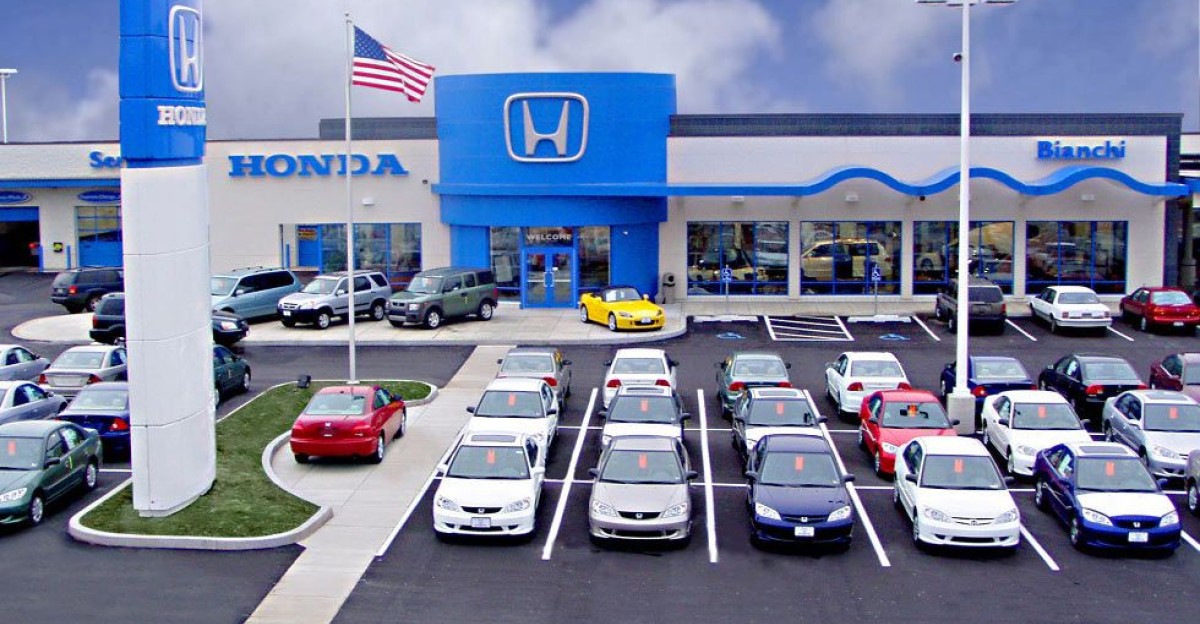
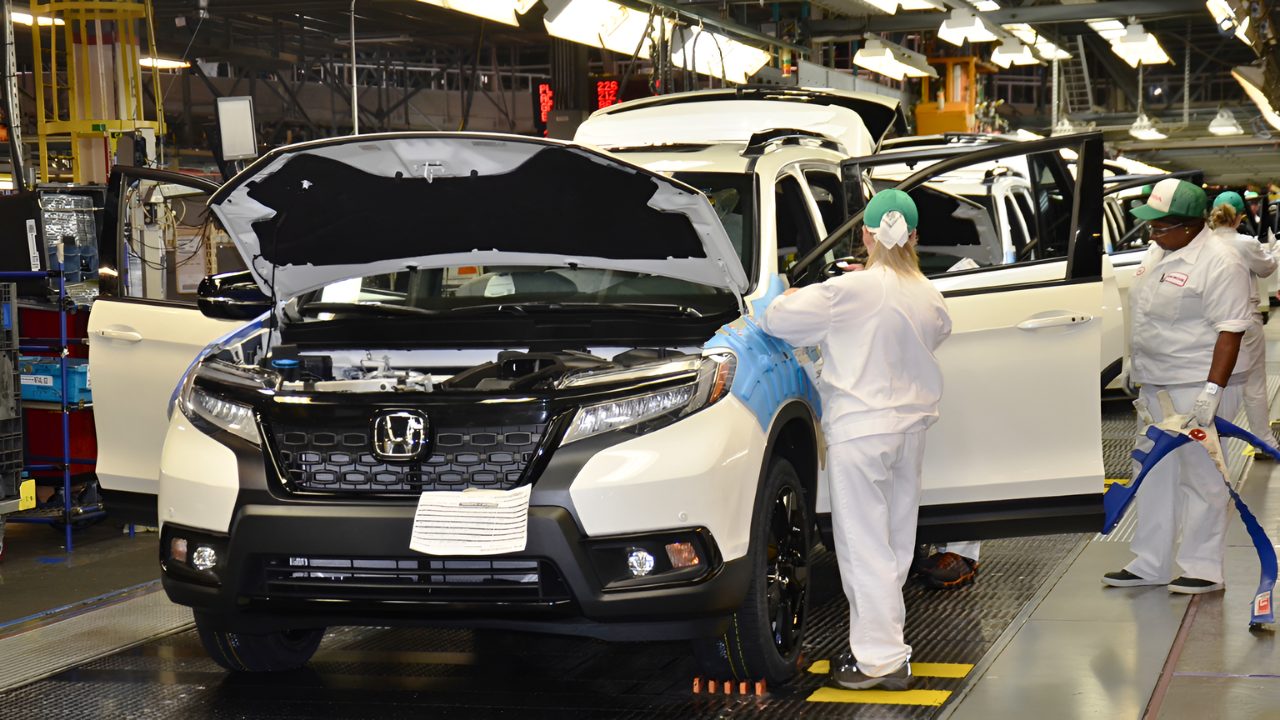
“Honda associates in Alabama worked with ingenuity and determination to bring to market the most rugged Honda SUV ever for our customers, the all-new 2026 Honda Passport.” That was plant leader Lamar Whitaker in March 2025. “Our customers” meant Americans. Now those same associates build the same Passport for a Japanese market that drives on the opposite side of the road. The 285-horsepower V-6, the i-VTM4 all-wheel drive, the Trail and Mud drive modes: engineered for American backcountry, shipped to a nation of bullet trains.
Regulatory Precedent
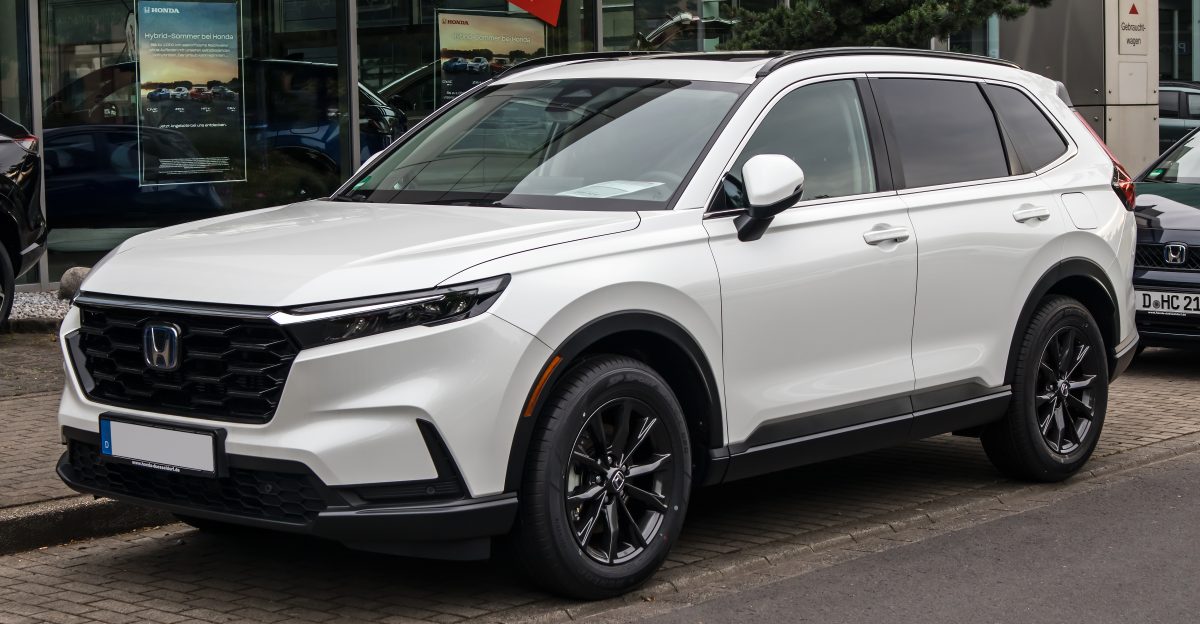
This certification change applies to every U.S. automaker, not just Honda. Japan’s decision to accept American safety standards without local retesting opens the door for Ford, General Motors, and Stellantis to file export requests under the same pathway. The last time Japan’s auto market faced this kind of structural opening was never. For 40 years, independent testing kept American vehicles out. One trade deal collapsed that barrier. The Acura brand will sell in Japan for the first time in its history, returning to its home country as an American-made import. Think about that reversal for a second.
Winners and Losers
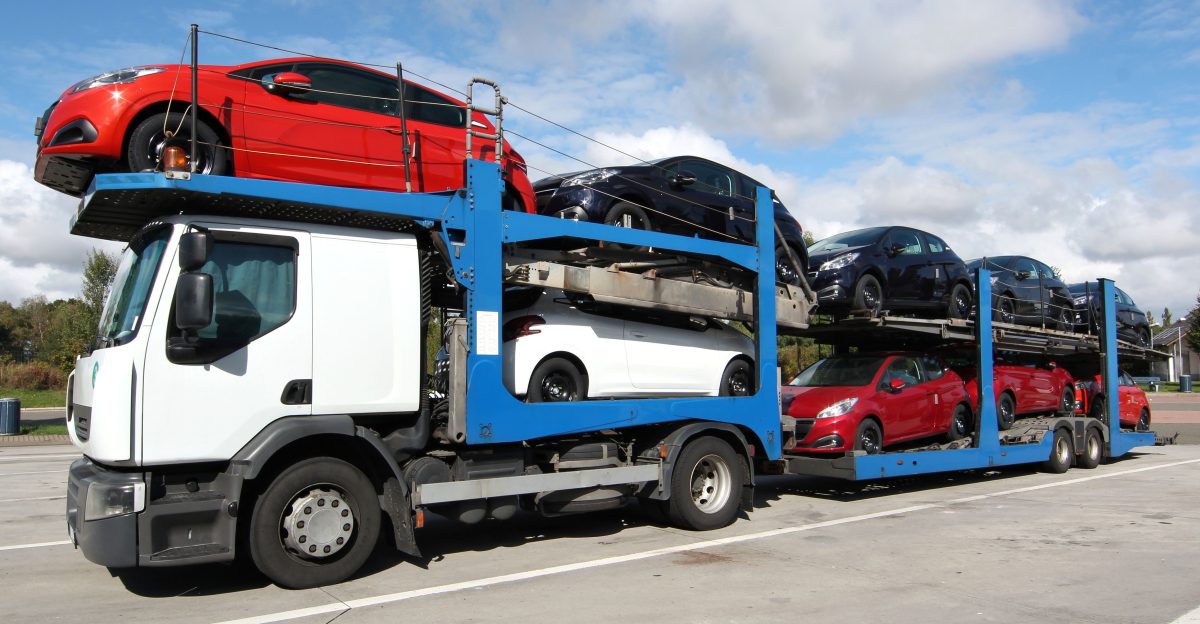
Winners: Honda’s balance sheet, which offloads inventory without discounting domestically. The Alabama and Ohio plants, which gain export volume to justify capacity. Losers: U.S. dealers, who lose allocation. Japanese independent vehicle testing labs, whose regulatory role just evaporated. And Acura’s North American brand equity, which risks dilution as the luxury line debuts in Japan not as a prestige launch but as tariff-arbitrage collateral. Analysts project annual sales of 5,000 to 6,000 in Japan. Modest volume. But the precedent it sets for every other automaker comes at a much higher price.
Still Breaking
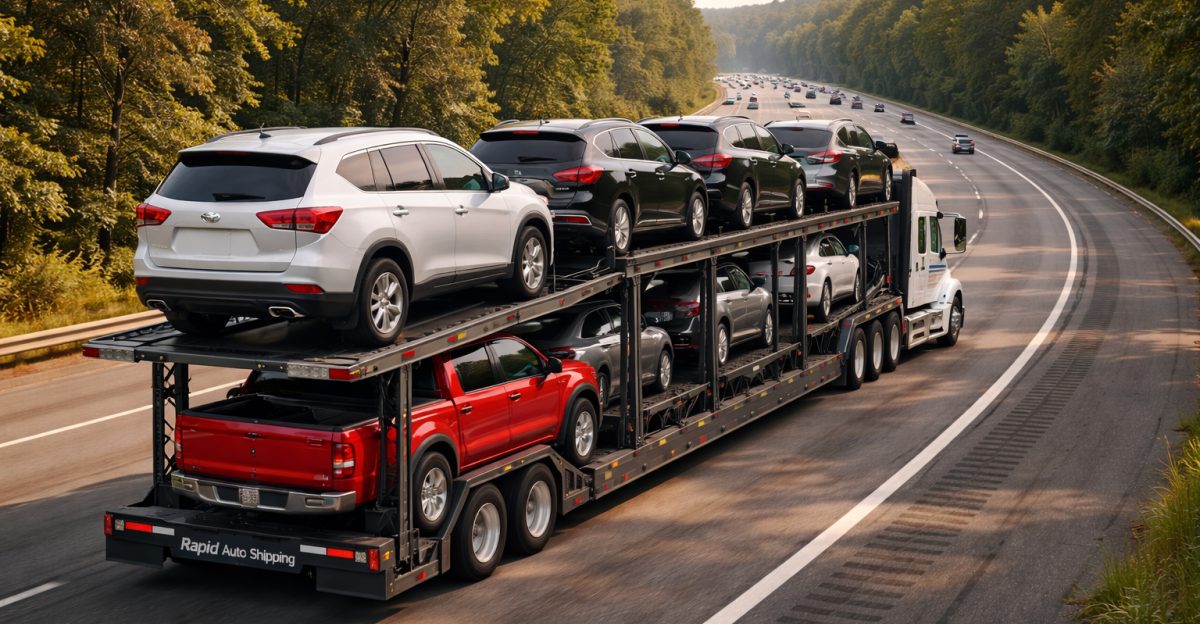
If the U.S.-Japan trade deal collapses or tariffs spike, Honda’s export pipeline reverses overnight. Inventory floods back into American dealerships. If the deal holds, expect a wave of U.S.-built vehicles crossing the Pacific by 2027, turning Japan’s market into a clearance aisle for surplus American production. Japanese automakers could evaluate counter-moves: accelerating Mexico-based production or filing complaints if the export surge looks predatory. One Alabama factory. One trade deal. One regulatory change. The cascade now touches tariff policy, dealer economics, brand architecture, and global automotive supply chains. And it keeps expanding
Sources:
“Honda to Begin Sales of Two U.S.-built Vehicles in Japan.” Honda Motor Co., Ltd. Global Newsroom, 5 Mar. 2026.
“Japan eases import restrictions on US automobiles.” NHK World, 16 Feb. 2026.
“Honda limits tariff impact via logistics, procurement tweaks.” Supply Chain Dive, 4 Mar. 2026.
“Honda Passport Sales Are on Fire, TrailSport Accounts for 80%.” The Drive, 7 Jan. 2026.