Honda’s “Reliable” V6 Fails 1 Million Owners—$25K Repair Bills Expose Brand’s Silent Crisis
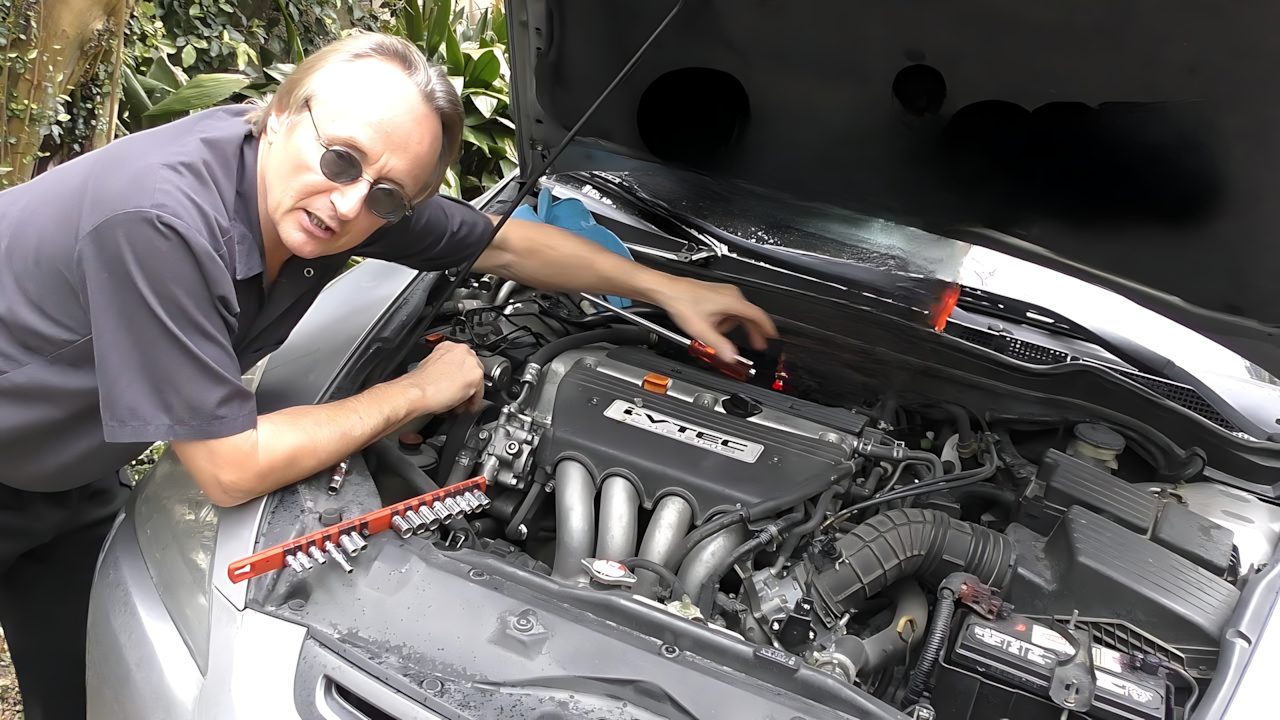
A reader account published by The Autopian captured a dynamic that has long defined Honda’s approach to engine failure: quiet accommodation without public disclosure. A Honda owner watched technicians pull a failed engine from a car that was supposed to last forever. Honda replaced it. Again. For free. Out of warranty. No recall notice, no public announcement. “To their credit, Honda replaced the engines twice, once out of warranty, for free,” the owner later said. “After that, I sold the Accord and have never owned another Honda car.”
How Big the Problem Really Is
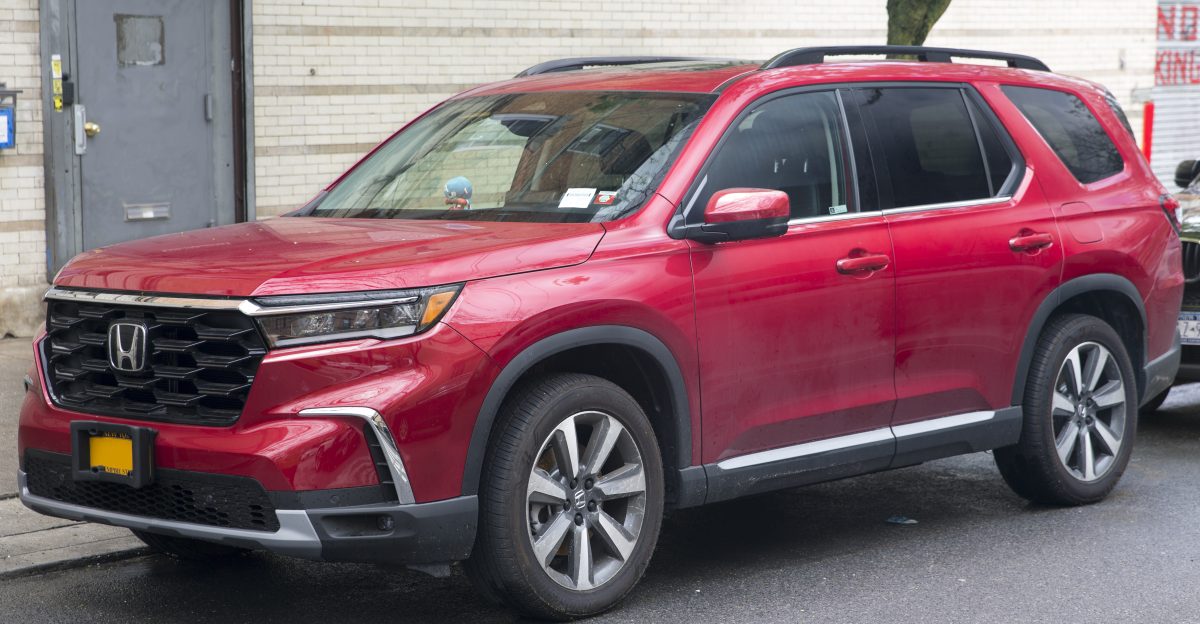
More than 1.4 million Honda and Acura V6 owners — over a million households — face the same engine failure risk across multiple models, including the Pilot, Odyssey, Ridgeline, Acura MDX, and Acura TLX. That owner wasn’t alone. Documented failures have struck vehicles with as few as 38,000 miles on the odometer, and there is no predictable pattern—no reliable warning light, no mileage threshold that separates safe from catastrophic. Over a million owners, driving blind, trusting a logo.
When the Repair Bill Totals the Car
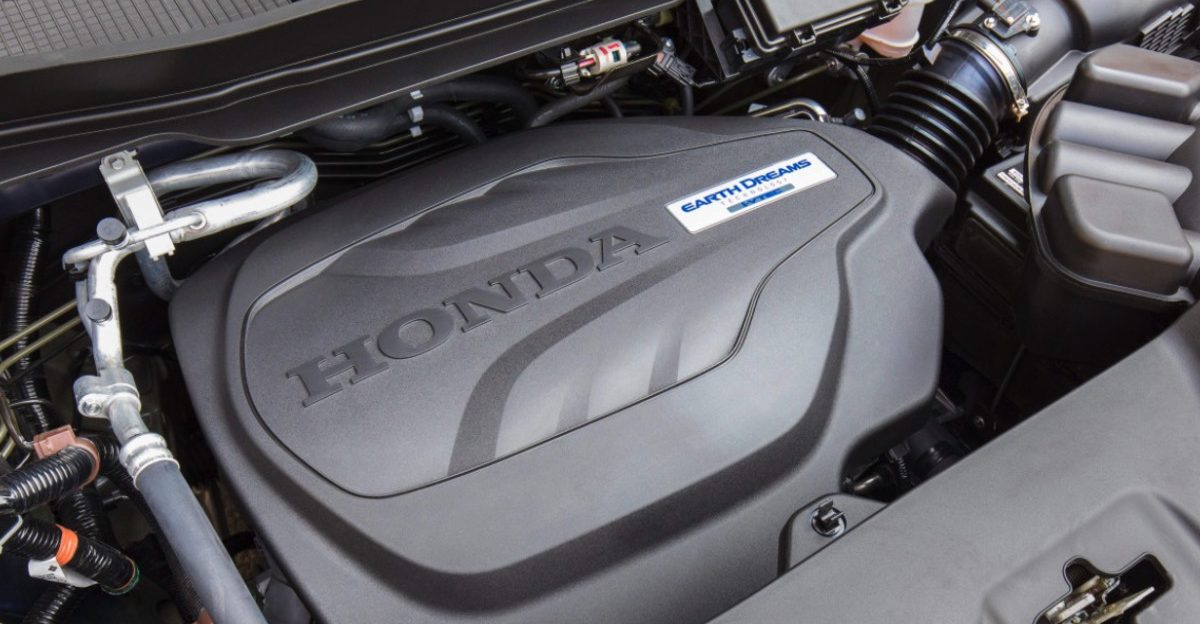
Owners who fall outside Honda’s 2023 recall window face out-of-warranty V6 engine replacement costs ranging from roughly $12,000 to nearly $25,000. For a family driving a used Odyssey or Pilot bought specifically for Honda’s reliability reputation, a bill in that range doesn’t fix the car—it totals it. Honda issued Recall 23V-751 in November 2023 covering approximately 249,000 vehicles, but NHTSA’s subsequent investigation suggests 1.4 million owners may remain exposed. The brand that built trust on transparency chose a narrower disclosure than the full scope of the problem demanded.
What Honda’s Free Fixes Really Admit
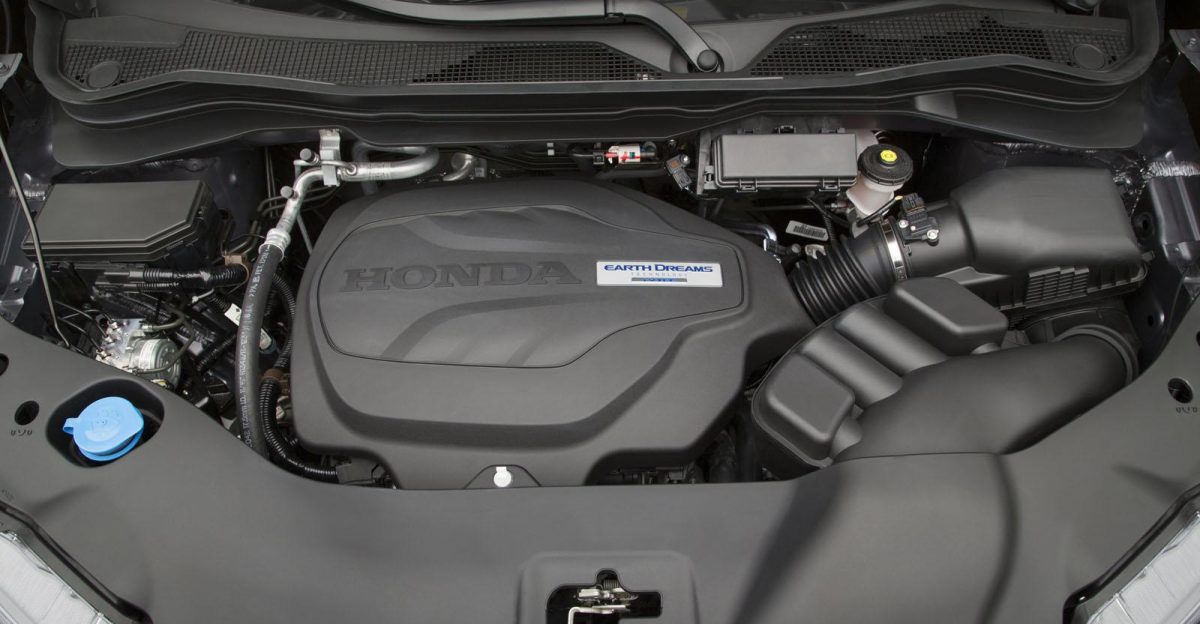
Goodwill engine replacements are the confession Honda never intended to make public. When a company replaces engines out of warranty, for free, while a contested recall sits on the books, that’s not customer service. That’s defect management with a smile. Honda’s own 2023 recall acknowledges a crankshaft manufacturing defect causing connecting rod bearing failure—but it covered only 249,000 vehicles. A subsequent NHTSA investigation found that a separate connecting rod bearing failure issue potentially affects 1.4 million vehicles under a separate investigation—a distinct defect from the one addressed by the 2023 recall, but with the same catastrophic outcome for owners. The gap between what Honda recalled in 2023 and the true scope of the problem is the entire scandal.
How Complexity Undermined Honda’s Formula
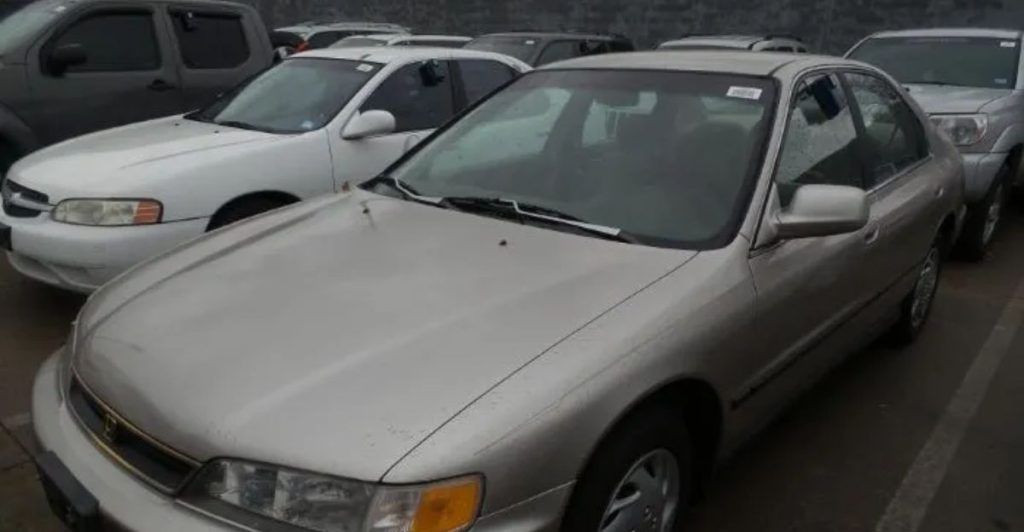
The old Honda earned its reputation by perfecting simple designs and barely changing them for years. That era ended. “As that’s changed and they’ve released increasingly technologically complex powertrains, they’ve had the same types of teething issues that every other OEM’s been in the news for,” one automotive commentator observed. Complexity killed the formula. Modern Honda V6s traded the engineering discipline that built the brand for the same fragile architecture plaguing every other manufacturer, except Honda still charges a premium for the old reputation.
When Chrysler Outlasts Honda
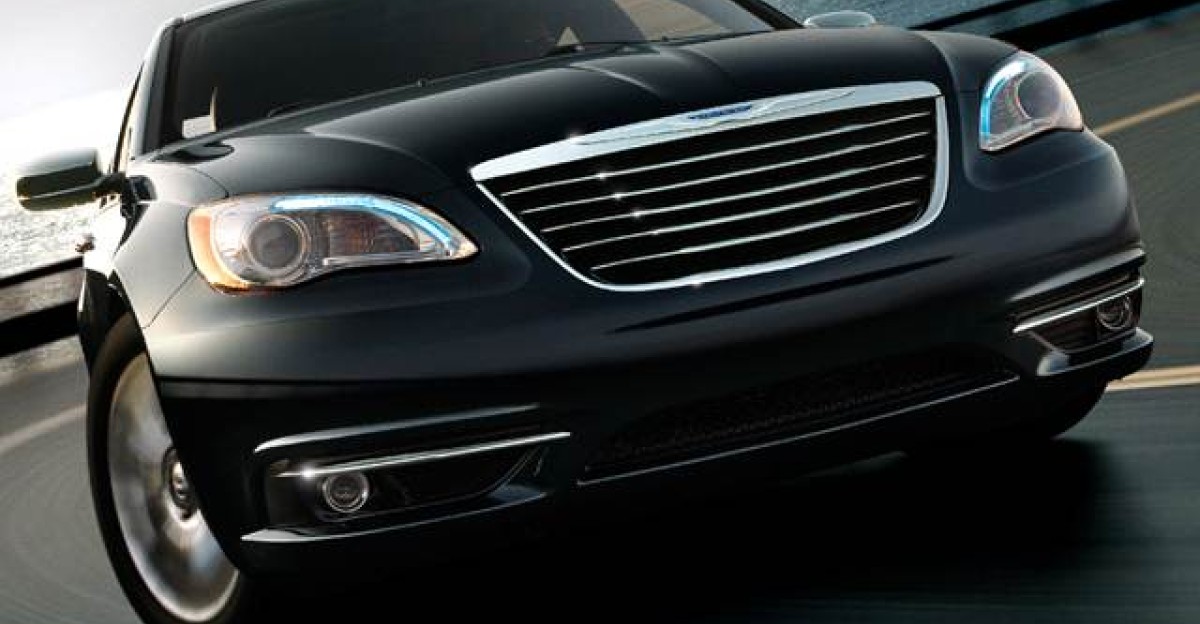
While Honda’s V6 has failed at under 80,000 miles in numerous documented complaints, Chrysler’s maligned 3.6L Pentastar engine has documented examples exceeding 250,000 miles. Read that again. The brand Americans joke about in parking lots is outlasting the brand Americans mortgage their judgment on. Chrysler Pacifica reliability now competes with the Honda Odyssey and Toyota Sienna, though fewer buyers know it because reputation updates slower than engineering does. Chrysler fixed the engines. Honda broke theirs. The scoreboard flipped and nobody updated the standings.
The Coming Shock for Used Honda Owners
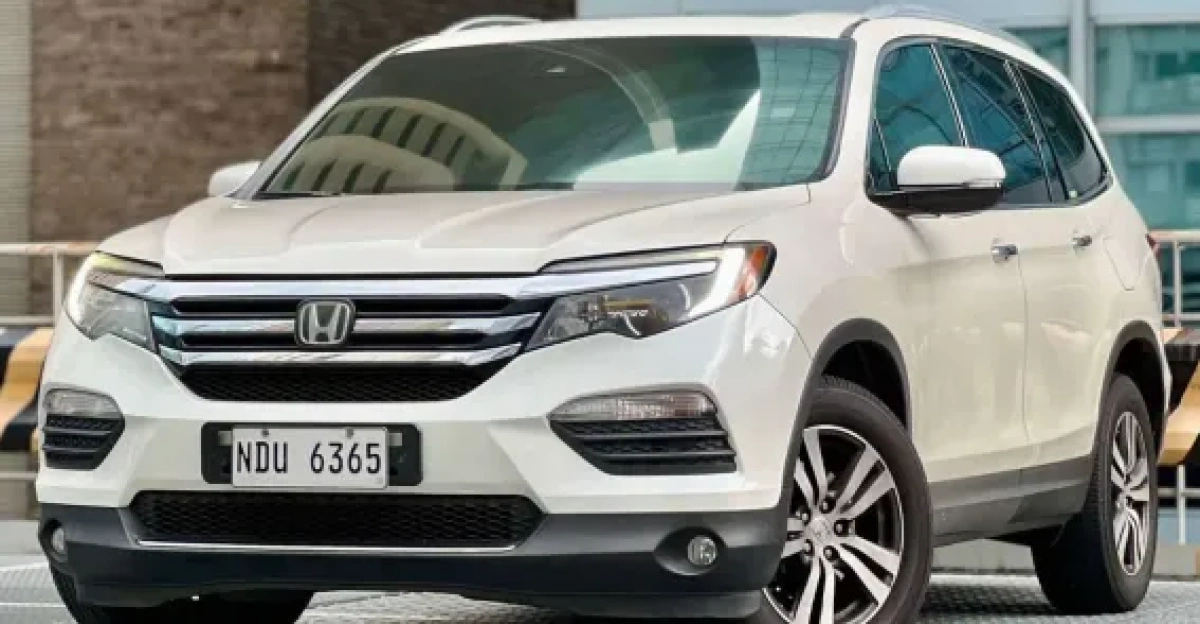
Used Honda V6 values face a reckoning as awareness spreads. Buyers who purchased “reliable” used Pilots, Odysseys, and Ridgelines inherited a defect nobody disclosed at the lot. No dealer warning, no CarFax flag, no way to know the engine carries significant replacement exposure across 1.4 million NHTSA-flagged vehicles. Meanwhile, Honda dealerships absorbing goodwill replacement costs face their own margin squeeze. One owner’s decision to sell and never return, multiplied across a million households, rewrites Honda’s customer retention math permanently.
We’ve Seen an Engine Crisis Like This Before
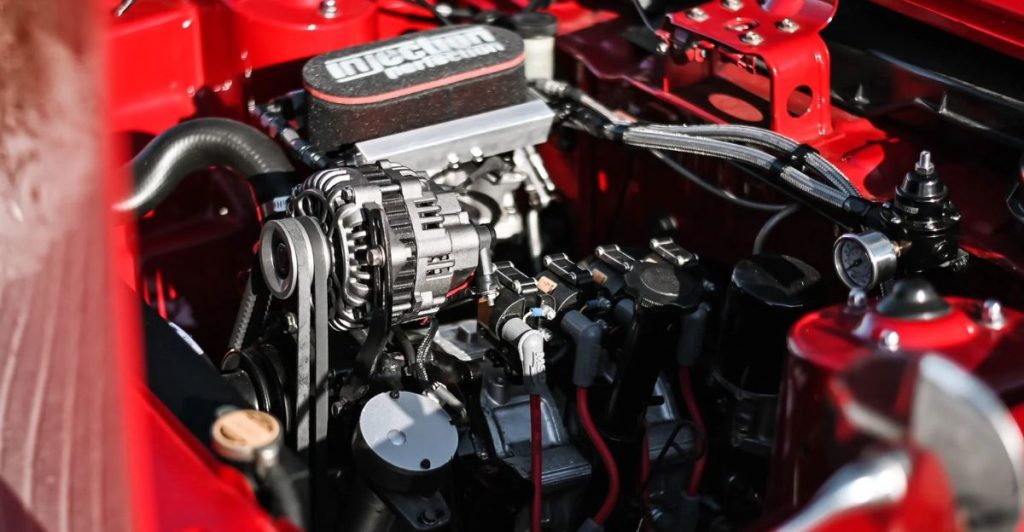
The last time an automaker faced engine failures this widespread, Mazda’s 12A rotary engines were suffering widespread documented failures in the early 1970s, with apex seal failures striking many owners well before 100,000 miles. Honda’s V6 crisis carries that same systemic DNA. Brand reputation, it turns out, is a lagging indicator. It reflects engineering decisions made a decade ago, not the engine rolling off today’s assembly line. Once you see that gap between reputation and reality, every “reliable” badge on every dealer lot looks different. Premium pricing built on yesterday’s engineering is just markup with better marketing.
Why the Pressure on Honda Is Growing
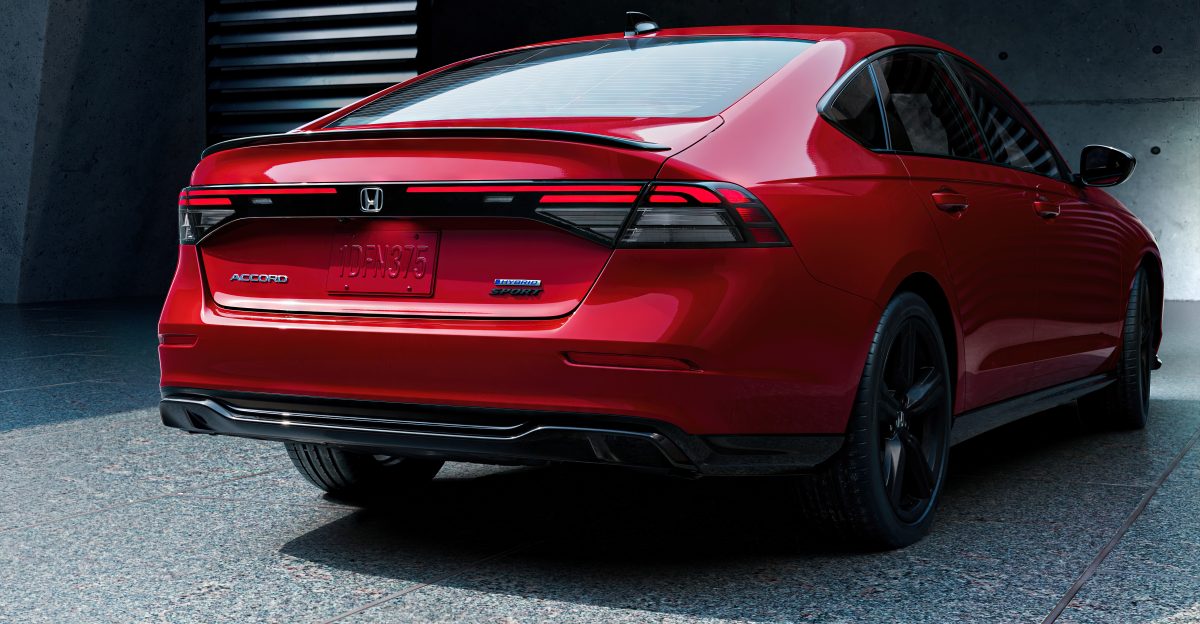
The escalation path has already begun: quiet dealership replacements gave way to a 2023 recall, which in January 2026 spawned a class action filing. Forced buyback programs and broader brand damage that sinks new model sales may still follow. Every V6 that fails outside the recall scope pushes closer to that outcome. Used-car buyers who haven’t heard about the defect remain the most exposed group. They’re shopping by logo, paying Honda premiums, and driving home with a powertrain that could demand up to $25,000 before the second set of tires wears out.
Rethinking What Reliability Really Means
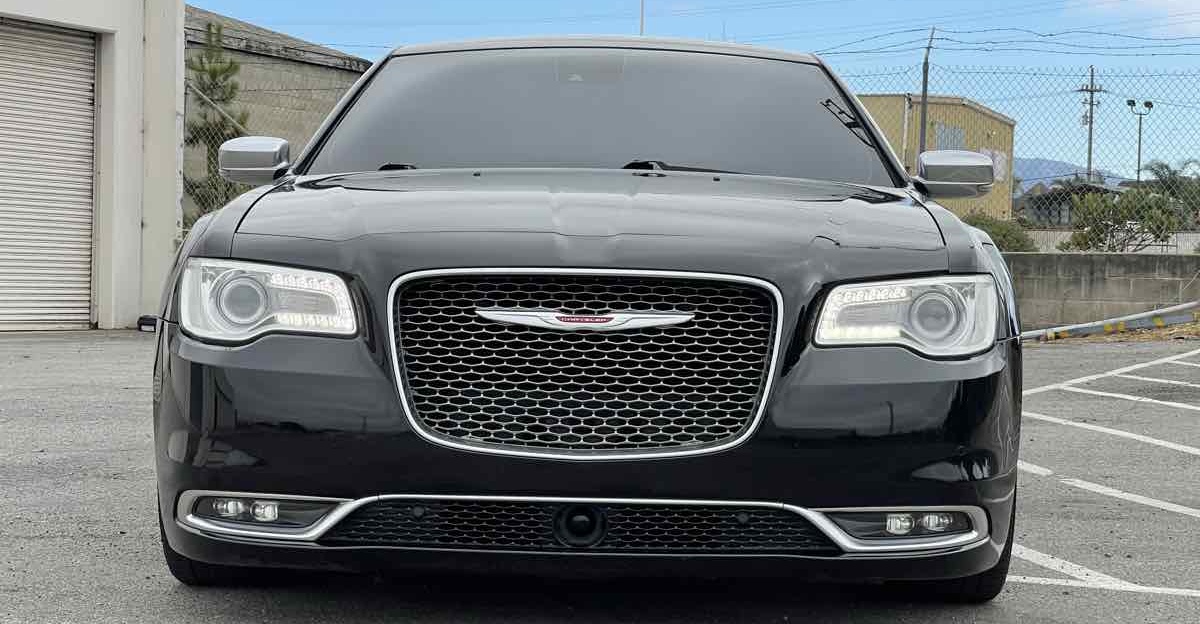
Chrysler owners who ignored the brand stigma and bought Pentastar-powered vehicles are quietly logging 250,000-mile odometers while Honda V6 owners outside the recall pray for goodwill replacements. The Lexus RX consistently crosses that same 250,000-mile threshold. The Honda Odyssey can reach 200,000 miles, but only with religious 30,000-mile transmission fluid changes. Reliability was never about the badge. It was always about the architecture underneath it. The person who understands that distinction just became the smartest car buyer in any room.
Sources:
“NHTSA Investigating 1.4 Million Honda and Acura Vehicles over Engine Failure Reports.” Car and Driver, 24 Aug 2025.
“US Probes into More Than 1.4 Million Honda Vehicles over Engine Failure.” Reuters, 25 Aug 2025.
“Part 573 Safety Recall Report 23V-751.” National Highway Traffic Safety Administration, 7 Nov 2023.
“Honda Hit With Lawsuit Over Widespread V6 Engine Failures.” Autoblog / Yahoo Autos, 29 Jan 2026.