Honda’s $15.7B EV Collapse Kills Sony Afeela 4 Days After Debut
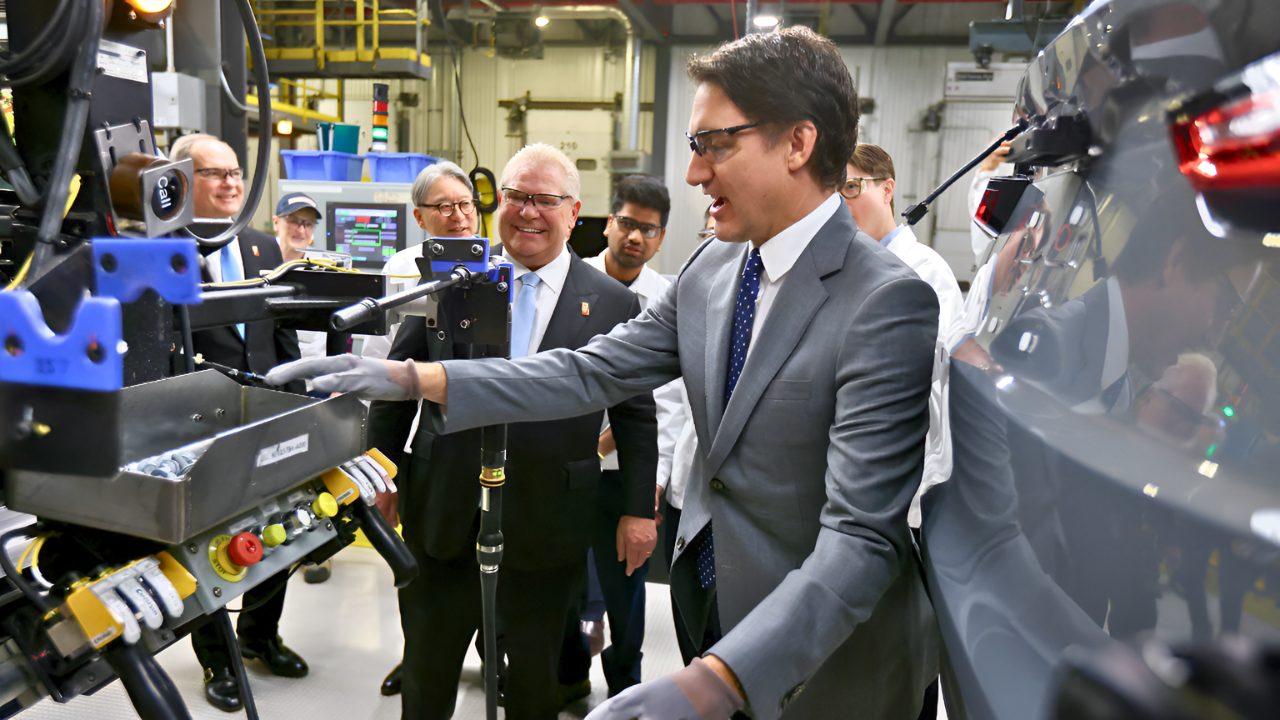
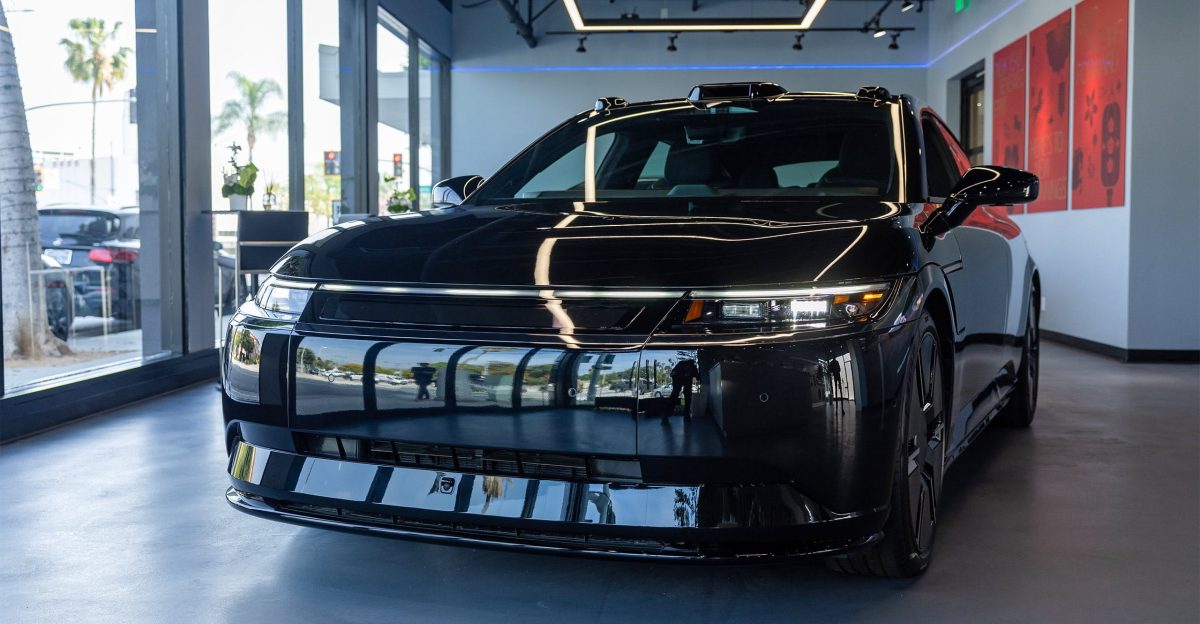
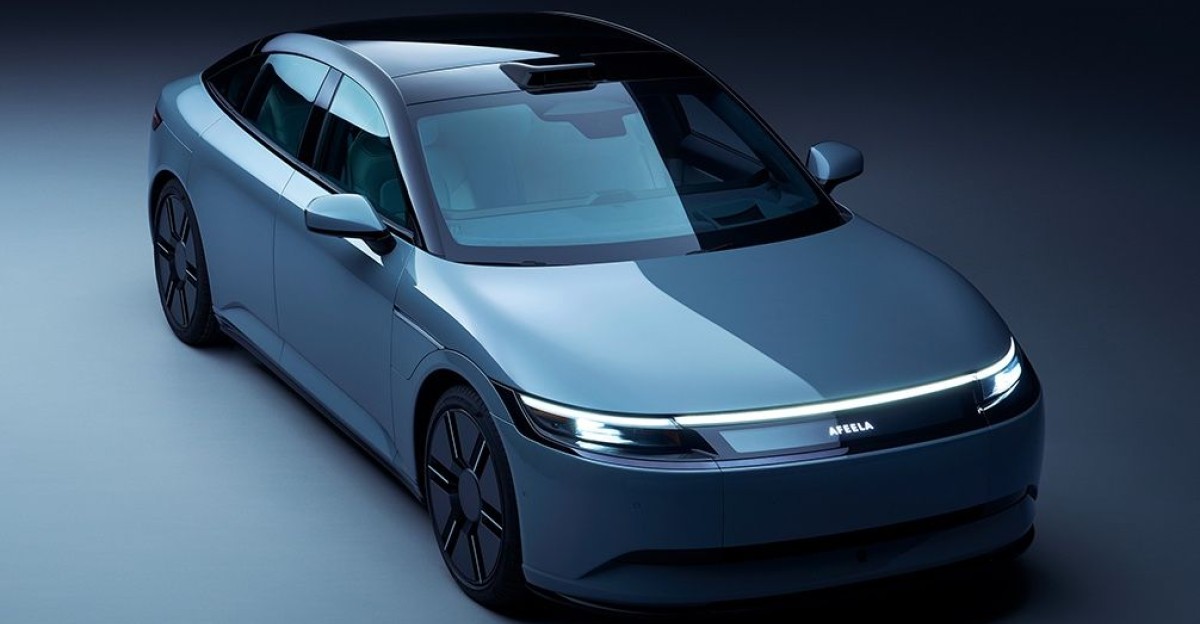
On March 21, 2026, Sony Honda Mobility of America’s president stood inside a brand-new delivery hub in Torrance, California, and called it “how we envision the future of mobility.” The facility gleamed. The speeches landed. The cameras rolled. Hundreds of reservation holders were months from receiving a $89,900 electric sedan packed with 40 sensors, 28 speakers, and PlayStation integration. Nobody at that ribbon cutting mentioned that Honda had already announced a $15.7 billion EV writedown nine days earlier. Four days later, every Afeela ever promised ceased to exist.
A Partnership Built on Prestige
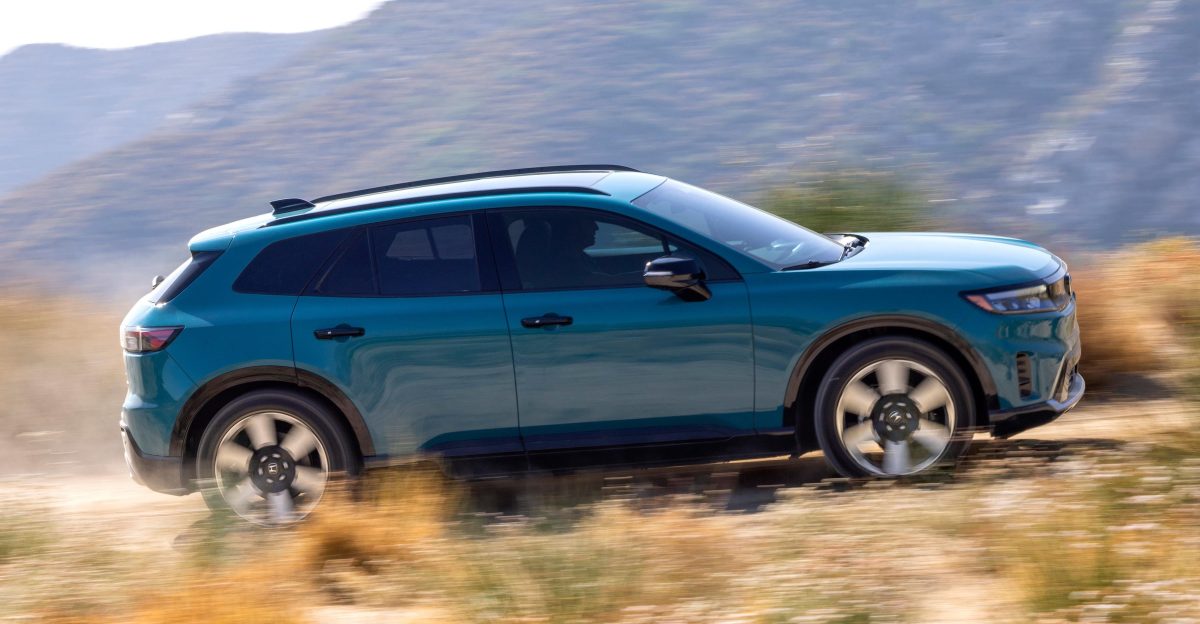
Sony and Honda formed their joint venture in September 2022 with a seductive pitch: Sony’s entertainment and AI technology married to Honda’s manufacturing muscle. The Vision-S concept had debuted at CES back in 2020, generating genuine excitement. Six years of development. An Ohio factory tooled for production. Trial runs completed by fall 2025. The Afeela 1 was real enough to touch, priced from $89,900 to roughly $103,000 for the Signature trim. Two giants, one car, and a California-only launch strategy that bet everything on premium buyers still wanting in.
The Ground Was Already Shifting
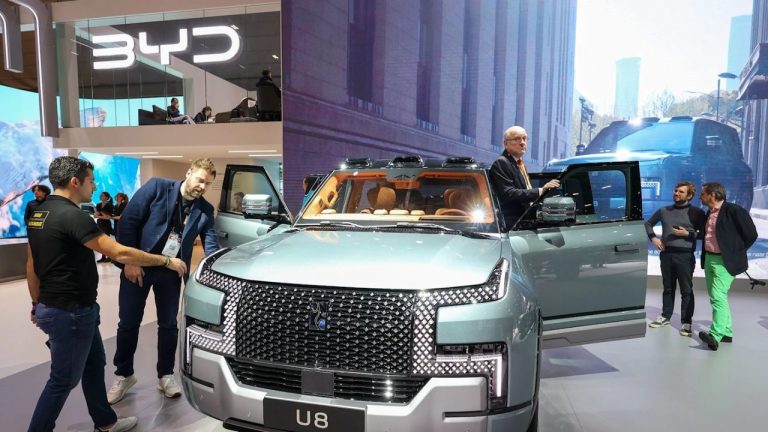
The federal EV tax credit worth $7,500 per vehicle expired on September 30, 2025. Within the following months, U.S. EV sales fell by as much as 41% year over year. Demand cratered. Buyers shifted back to hybrids. And while American consumers pulled back, Chinese manufacturer BYD sold 2.26 million EVs in 2025, surpassing Tesla as the world’s leading EV maker. BYD’s price range sat between $20,000 and $40,000. Afeela’s starting price was $89,900. The assumption that Sony plus Honda equaled guaranteed success had a $50,000 hole in it.
The Four-Day Implosion
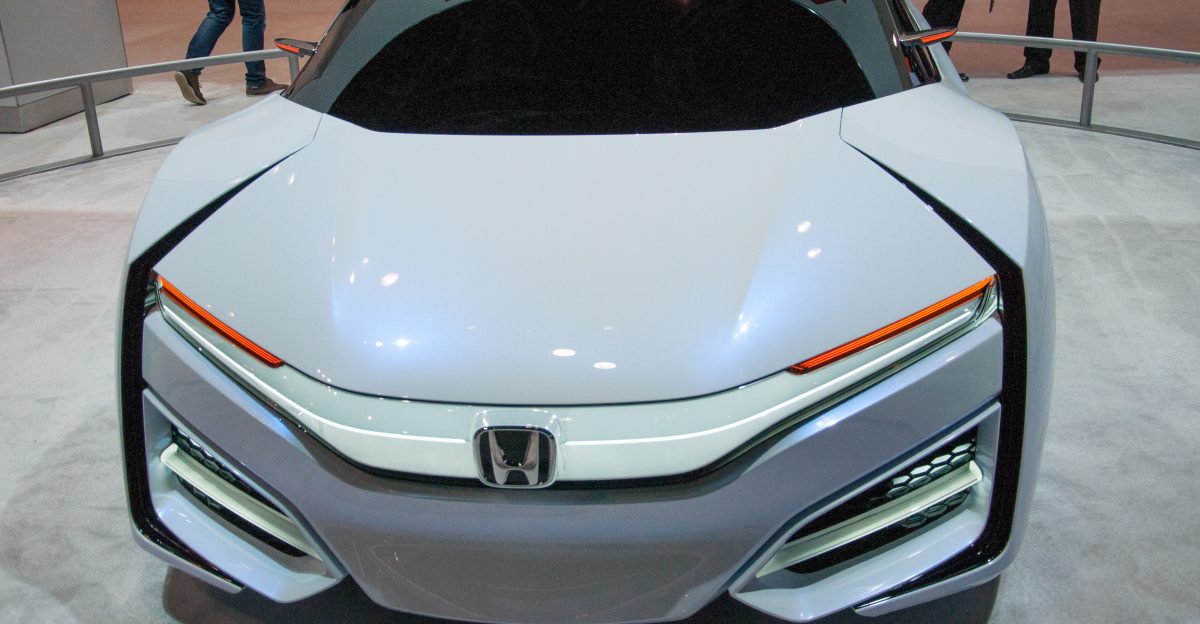
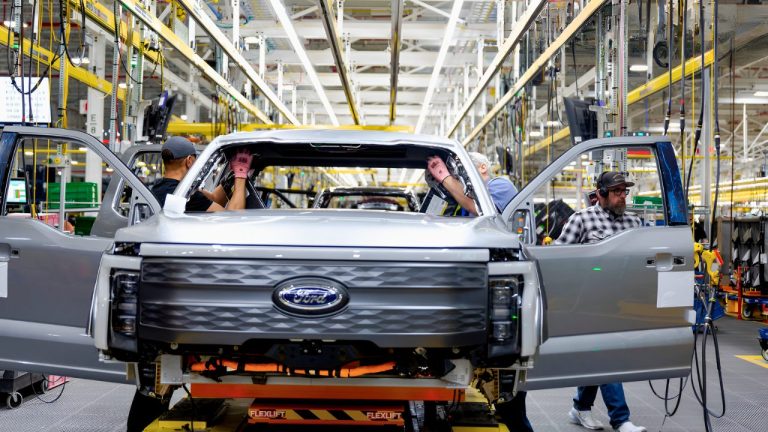
Honda announced its $15.7 billion EV writedown on March 12. The company’s first annual loss in nearly 70 years. Three EVs killed: the Honda 0 SUV, Honda 0 Saloon, and the Acura RSX. Then came March 21, the Torrance hub celebration. Then March 25, the Afeela discontinuation. Both models. Gone. Sony Honda PR director Akiko Itoga put it plainly: “Right now, it’s not going to work.” Four days from vision speech to funeral. The hub built to deliver cars had zero cars to deliver.
The Kitchen Closed
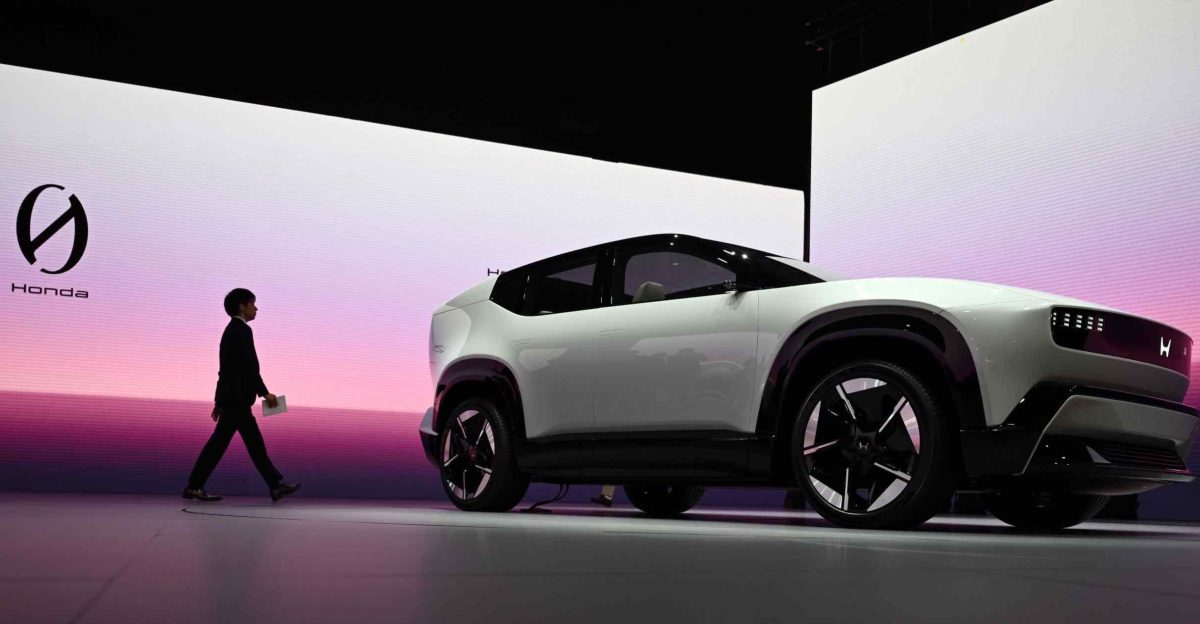
Sony had the vision. Honda had the factory. When Honda pulled its manufacturing platform and asset support, Sony Honda Mobility had nothing left to build with. The official statement confirmed Honda’s asset commitments had been “fundamentally altered,” leaving no viable path to market. Honda itself admitted the core problem out loud: the company was “unable to deliver products that offer value for money better than that of newer EV manufacturers.” That sentence, from one of the world’s largest automakers, is a white flag. Innovation, brand heritage, six years of engineering. None of it mattered against unit economics.
The Numbers That Buried Premium EVs
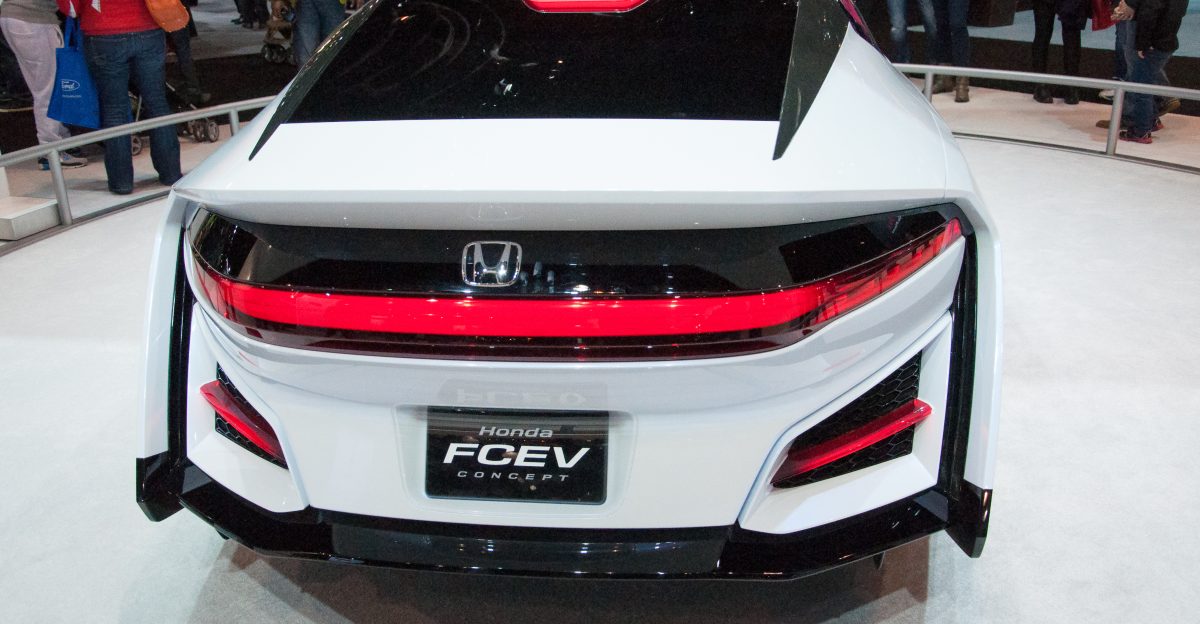
BYD builds competitive EVs at $20,000 to $40,000. Afeela priced at $89,900 and up. That gap is not a marketing problem. It is a structural cost disadvantage baked into Western manufacturing. Across the broader industry, GM, Ford, Stellantis, Mercedes-Benz, and Volkswagen have collectively announced over $72.9 billion in EV writedowns since 2022. Honda’s $15.7 billion writedown, projected to reach 2.5 trillion yen across two fiscal years, forced executive salary cuts. CEO Toshihiro Mibe forfeited 30% of his monthly pay for three months. The bleeding is industry-wide.
Ripple Across Two Continents
Hundreds of Sony Honda Mobility employees in Tokyo and California now face job uncertainty. Reservation holders receive full $200 refunds, but the delivery timeline they planned around evaporated overnight. Honda’s East Liberty plant in Ohio, retooled for Afeela production, needs a new product assignment or faces reduction. An estimated $50 to $200 million in supplier compensation costs sit embedded in Honda’s writedown. Even the California New Car Dealers Association’s legal challenge over Afeela’s direct-to-consumer sales model became instantly moot. One cancellation, and the dominoes fell across an ocean.
The New Rule for Premium EVs
Afeela joins the “Tesla Killer graveyard” alongside Fisker and others. But this failure sets a harder precedent. When market demand collapses and cost structure disadvantage becomes clear, execution stops. No pivot. No negotiation. Full discontinuation and refunds. Legacy automakers are no longer racing to win the EV market. They are racing to minimize EV losses. That is the shift nobody wants to say out loud: 2026 is the year the industry stopped pretending premium Western EVs could compete on price with Chinese production ecosystems built for volume.
Who Falls Next
Rivian, Lucid, Polestar, and every EV startup targeting the $70,000-plus segment just watched the blueprint for failure play out in real time. If BYD or XPeng successfully export lower-cost models into the U.S. and undercut premium EVs by 40 to 50 percent, further cancellations follow. Honda CEO Toshihiro Mibe plans to announce a revised strategy in May 2026. The expectation across the industry is a harder pivot toward hybrids. If EV margins stay poor through 2027, additional program cancellations from legacy automakers become near-certain.
Policy Built This Trap
The federal EV credit disappeared. Tariffs went up. Demand dropped over 40% within months. And Chinese manufacturers kept building cheaper, faster, at scale. That combination created a margin trap no Western premium brand can escape through engineering alone. A return of tax credits or tariff relief could stabilize the market. Chinese export expansion could force Western brands to innovate on cost. But right now, the math is simple: policy plus cost structure decides who survives. Not technology. Not brand. Sony learned that lesson at $89,900 a unit, and never delivered a single one.
Sources:
“Honda Announces Losses Associated with Reassessment of Automobile Electrification Strategy.” Honda Global Newsroom, 11 Mar 2026.
“Honda flags first annual loss, hit by $15.7 billion EV charge.” Reuters, mid Mar 2026.
“Discontinuation of Development and Launch of AFEELA 1 and the Second Model of AFEELA Vehicles.” Sony Honda Mobility Inc., 25 Mar 2026.
“BYD officially crushes Tesla in all-electric sales for 2025, securing global BEV crown.” Electrek, 1 Jan 2026.