Honda’s $15.7B EV Collapse Drags Sony Down With It—Another ‘Tesla Killer’ Hits The Graveyard
The ribbon was still fresh on the door. On March 21, 2026, Sony Honda Mobility executives gathered inside their brand-new Afeela Studio & Delivery Hub in Torrance, California. They welcomed visitors, eager to show off a $90,000 electric sedan loaded with 28 speakers, PlayStation integration, and 40 sensors. You could feel their excitement as they highlighted the guided in-cabin experiences and panoramic displays, pulling out all the stops.
Meanwhile, in Ohio, trial vehicles waited in a dedicated Quality Gate inspection facility, ready for mass production. It all felt like the start of something big. But just four days later, everything changed. The dream was over.
The $15.7 Billion Domino
Honda dropped the hammer first. On March 12, the company announced it was cancelling three U.S. EV models: the Honda 0 SUV, Honda 0 Saloon, and Acura RSX. Alongside that decision came a charge of up to 2.5 trillion yen, roughly $15.7 billion.
Honda CEO Toshihiro Mibe admitted, “The situation changed far more rapidly than we expected.” That charge pushed Honda toward its first annual loss in nearly seven decades, a stunning shift for a company that had weathered every recession since the post-war era. Suddenly, even a giant like Honda was knocked off course by electric cars that just weren’t selling.
The Subsidy Cliff Nobody Planned For
Federal EV tax credits of $7,500 per vehicle vanished on September 30, 2025. For the first time since the 1990s, electric and gasoline vehicles were competing head-to-head, with no government boost to tip the scales.
EV sales had already been stuck in neutral through 2024 and 2025, even with subsidies keeping things afloat. But when that $7,500 vanished from the sticker price, buyers simply walked away. U.S. new EV sales plunged 28 percent in the first quarter of 2026. Every automaker felt the impact at once, but Honda had staked billions on a market that, it turned out, was a mirage.
Four Days From Celebration to Funeral
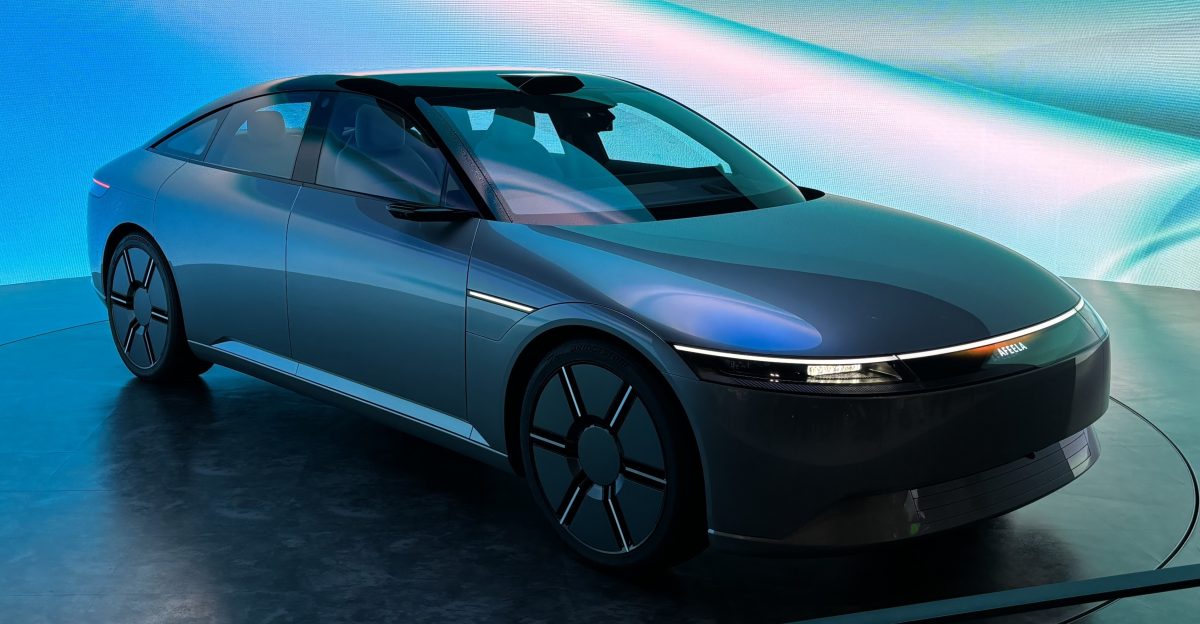
Sony Honda Mobility opened its Fremont delivery hub on March 14. Torrance followed on March 21, with executives mingling, cars gleaming, and promises of immersive audio experiences filling the air. But just days later, on March 25, the company announced it was pulling the plug on both the Afeela 1 sedan and a planned SUV.
SHM’s PR director, Akiko Itoga, said it plainly: “Right now, it’s not going to work.” Two models, gone. Zero vehicles delivered. Price tags between $89,900 and $102,900, but not a single customer ever got to call one their own. That four-day gap from celebration to cancellation says it all about just how quickly things fell apart.
The Platform Trap
Sony brought the entertainment wizardry. Honda brought the car. On paper, when the joint venture launched in September 2022, it looked like a match made in heaven. But in reality, it set up a risky dependency. When Honda pulled the plug on its own EV models, it also pulled the platform, the manufacturing know-how, and the critical technologies that Afeela needed to survive.
SHM’s official statement confirmed it: the venture “does not have a viable path forward to bring the Models to market as originally planned.” Sony, a giant in consumer electronics, watched as its dreams of building cars vanished overnight, all because its partner walked away. Depending so heavily on one player turned out to be a gamble with no safety net.
The Numbers Behind the Wreckage
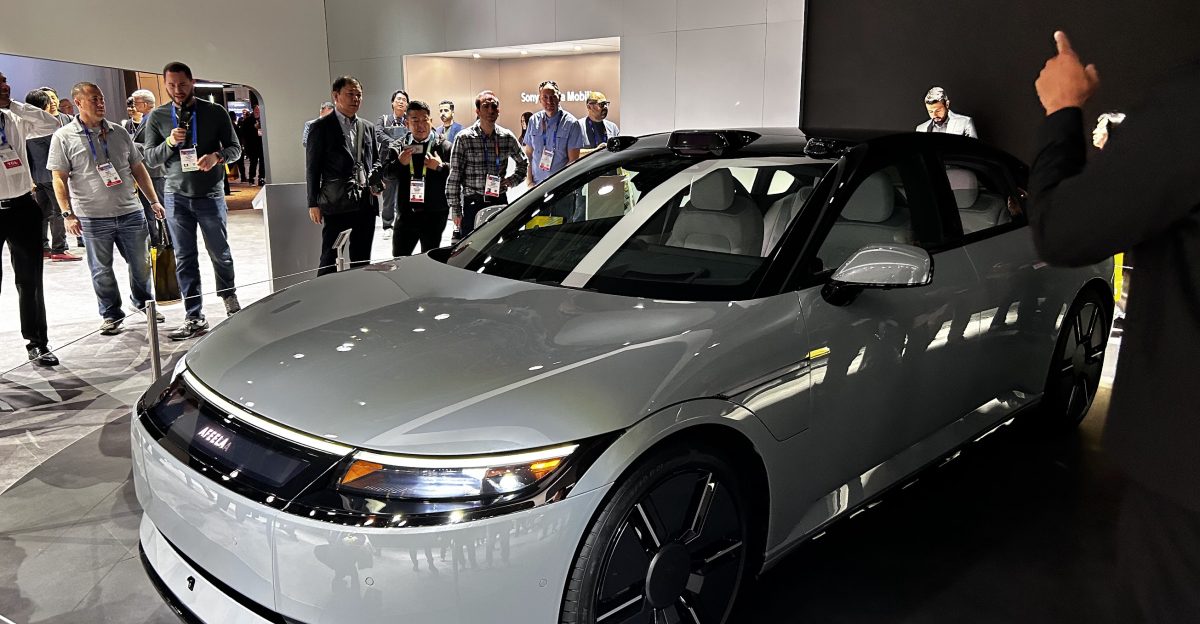
The Afeela 1 was a technical marvel on paper: dual 180-kW motors, a 91-kWh battery, and nearly 300 miles of EPA-estimated range. Its 40-sensor autonomous suite boasted 18 cameras, 9 radars, 1 lidar unit, and 12 ultrasonic sensors.
Trial production began on January 2, 2026, at Honda’s East Liberty plant in Ohio, with a Quality Gate inspection facility ready for action. But all that engineering wizardry went into a car that charged at 150 kW, while rivals like Tesla and Lucid raced ahead at 250 and 300 kW. The entertainment system was world-class. The charging speed? Not so much. And in the end, there were no customers to enjoy any of it.
Stranded Studios, Stranded Workers
Six California locations now sit with nothing to sell: Torrance, Fremont, Beverly Hills, Century City, San Diego, and San Jose. Employees who had just cut ribbons and cheered grand openings suddenly found themselves facing termination notices.
Reservation holders who put down $200 deposits got their money back, but lost the chance to drive a car with the world’s first PlayStation Remote Play integration. Honda’s expected operating losses from this EV about-face ranged from 270 billion to 570 billion yen. The shockwaves reached battery suppliers who had ramped up for programs that vanished overnight, and charging networks who lost the volume they’d been counting on.
The ‘Tesla Killer’ Graveyard Gets Crowded
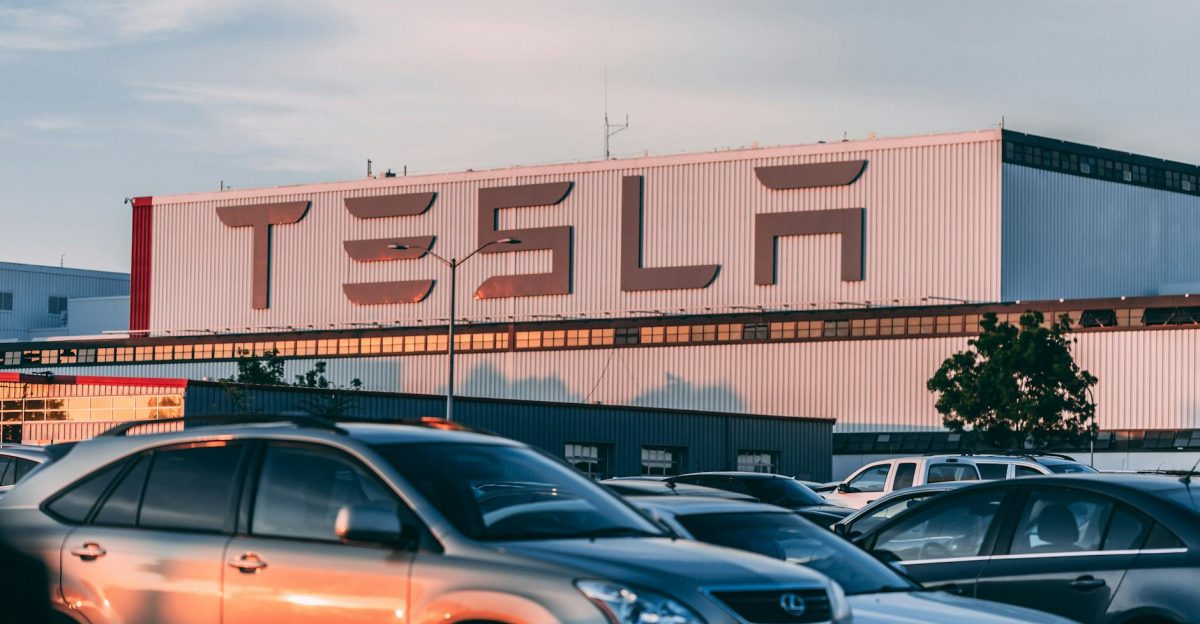
Fisker Ocean. Faraday Future. Now Afeela. The pattern is hard to miss. Time and again, premium EVs positioned as Tesla rivals, complete with hype, celebrity endorsements, and big-name backers, have crumbled when faced with real-world consumer demand. Afeela stands out as the highest-profile casualty yet: a bold partnership between a tech giant and an automaker, brought down by the cold realities of the market.
The lesson is impossible to ignore: the EV boom leaned heavily on mandates and subsidies. Take those away, and you see just how much demand was propped up by policy. Honda chose to prioritize survival and profitability. That decision is now a case study every legacy automaker is watching closely.
What Comes Next
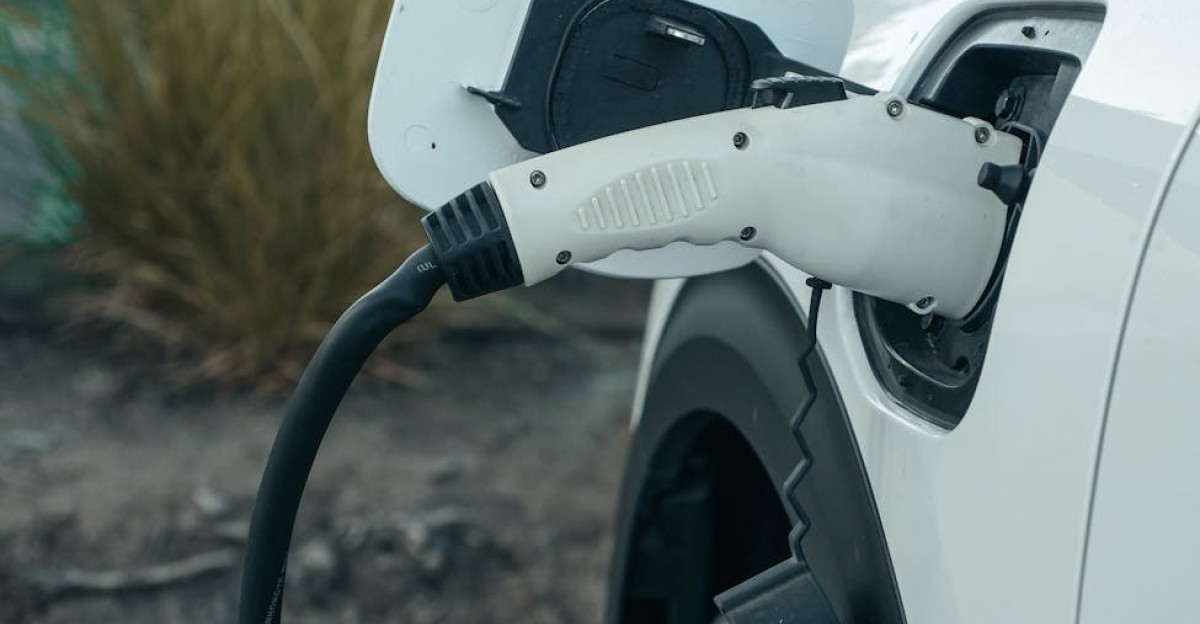
If the U.S. EV market keeps shrinking at this pace, down 28 percent quarter after quarter, expect more legacy automaker programs to follow Honda’s lead through 2026 and 2027. Chinese automakers could swoop in to fill the gaps left by retreating American and Japanese brands. Honda, for its part, plans to double down on hybrids and expand in India.
Battery manufacturers are already pivoting toward stationary energy storage, where business is still booming. Other legacy automakers are taking a hard look at their own EV bets, asking tough questions in the wake of Honda’s retreat. The dominoes that Honda pushed over are still tumbling, and nobody knows where they’ll land.
Sony’s Next Move Changes Everything
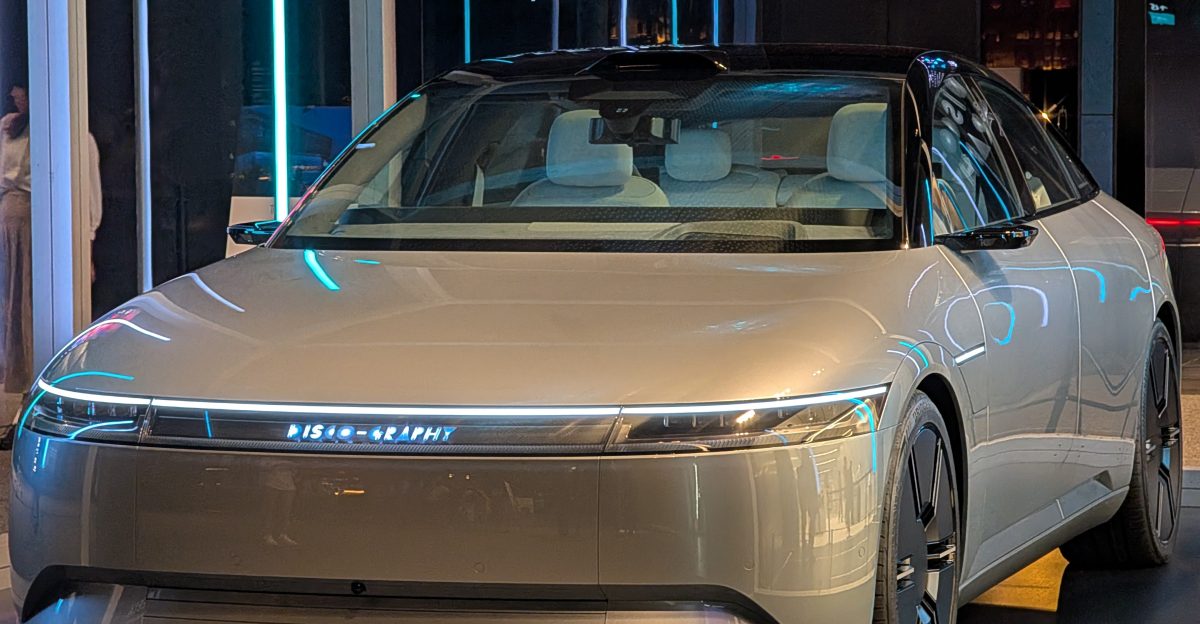
SHM confirmed it would keep talking with Sony and Honda about possible future plans. But let’s be honest: that’s corporate-speak for an obituary dressed up as hope. Sony might end up pivoting Afeela’s technology, maybe licensing out its autonomous driving software or entertainment systems to other carmakers. They did create something impressive: spatial audio, AI assistants, sensor tech that actually worked. But the car itself was built for a market propped up by government incentives that have now vanished.
If you spot that difference, you already know more than most TV analysts. The real question is whether Sony will take that lesson to heart, or gamble on subsidies making a comeback.
Sources:
Honda Global Newsroom — “Honda Announces Losses Associated with Reassessment of Automobile Electrification Strategy; Revision to Forecast for Consolidated Financial Results; and Future Direction” — March 12, 2026
Reuters — “Honda flags first annual loss, hit by $15.7 billion EV charge” — March 12, 2026
Sony Honda Mobility — “Discontinuation of Development and Launch of AFEELA 1 and the Second Model of AFEELA Vehicles” — March 25, 2026
Los Angeles Times — “Sony and Honda pull plug on the $100,000 EV that was set to debut in California” — March 26, 2026
Car and Driver — “Sony and Honda Cancel Development of the Afeela 1 Electric Sedan” — March 24, 2026
Cox Automotive (via InsideEVs) — “New EV Sales Dropped 28%. But Used EVs Are Booming.” — March 27, 2026