Honda’s $15.7B EV Bet Backfires—$43M Per Day Burns As Strategy Collapses
Sixty-nine years. That’s how long Honda Motor Co. went without losing money, through oil shocks, recessions, a global pandemic, and every car war the industry threw at it. It took electric vehicles to finally break the streak. On March 12, 2026, Honda announced charges of up to $15.7 billion tied directly to scrapping its EV strategy, roughly $43 million a day bleeding out of a plan that was supposed to secure the company’s future.
Honda now expects a net loss of up to $4.3 billion for the fiscal year ending March 2026. Tokyo-listed shares fell as much as 6.7%, the worst performer on the Nikkei 225 that session. Sixty-nine years of discipline. One pivot. One reckoning.
Three Models. One Bonfire
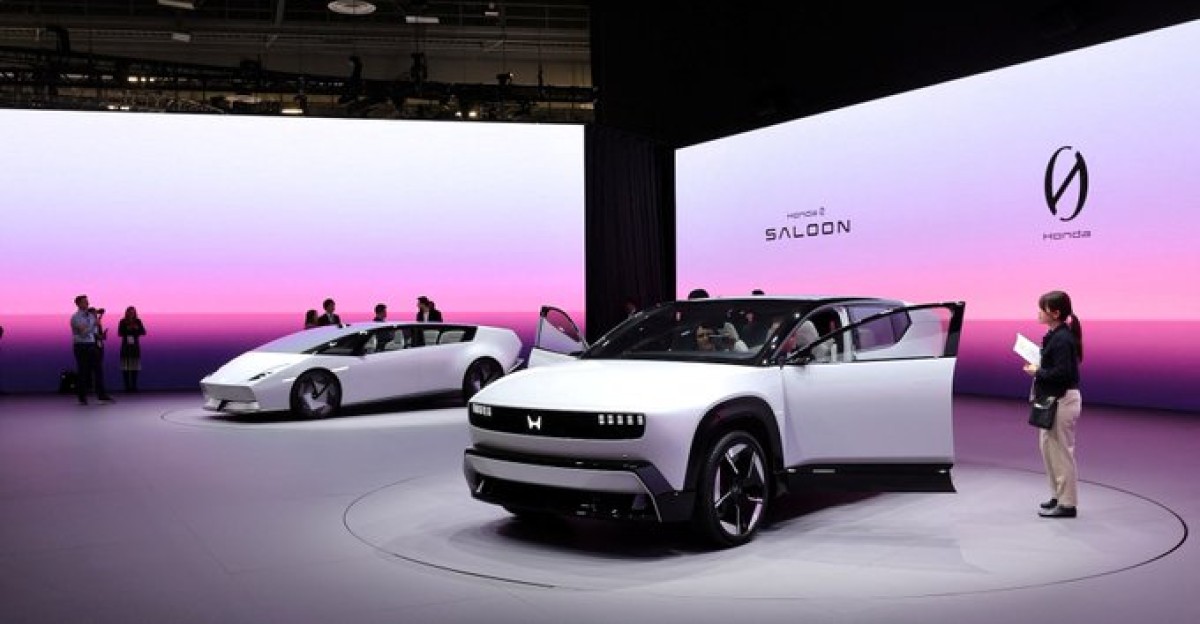
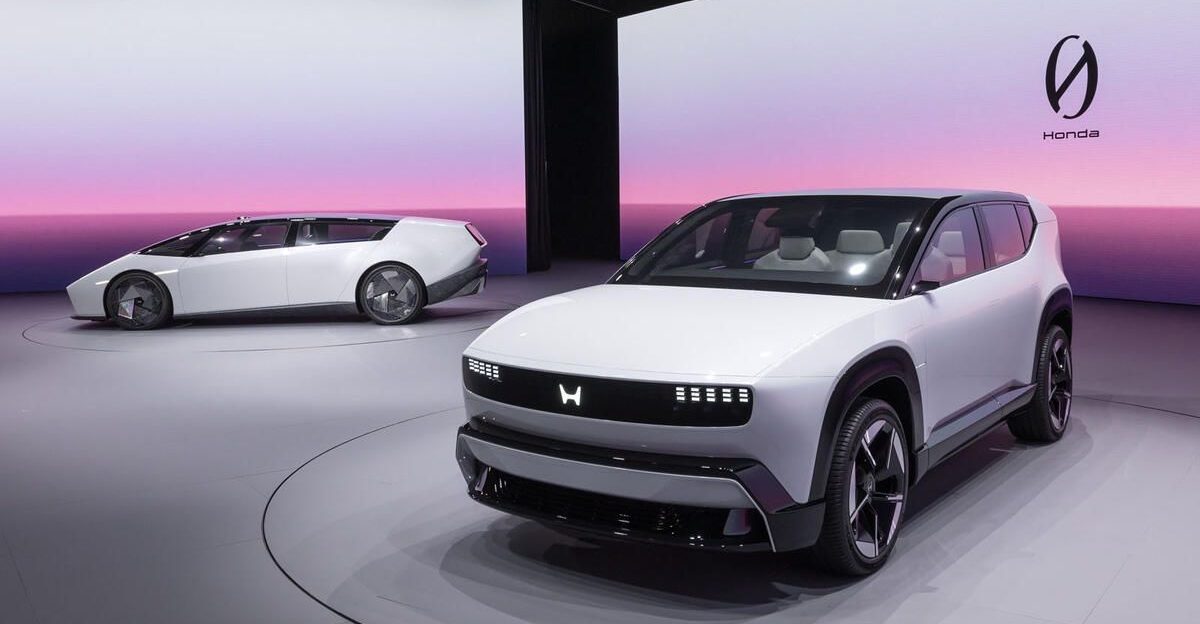
Three vehicles. That’s what Honda killed. The Honda 0 SUV, the Honda 0 Saloon, and the Acura RSX, all scheduled for production at Honda’s Marysville, Ohio EV Hub … gone. Not shelved. Not delayed. Canceled. These weren’t sketches on a whiteboard. Honda showed the world concept versions at CES 2024, came back with near-production prototypes at CES 2025, and had the 0 SUV slated to hit the market in the first half of 2026.
The Ohio plant was mid-retool. The supply chain was already moving. Suppliers had started manufacturing RSX components and were hiring staff before the call came. Then the math changed and Honda lit the whole thing on fire.
“Reassessment” Is Corporate for “We Got It Wrong”
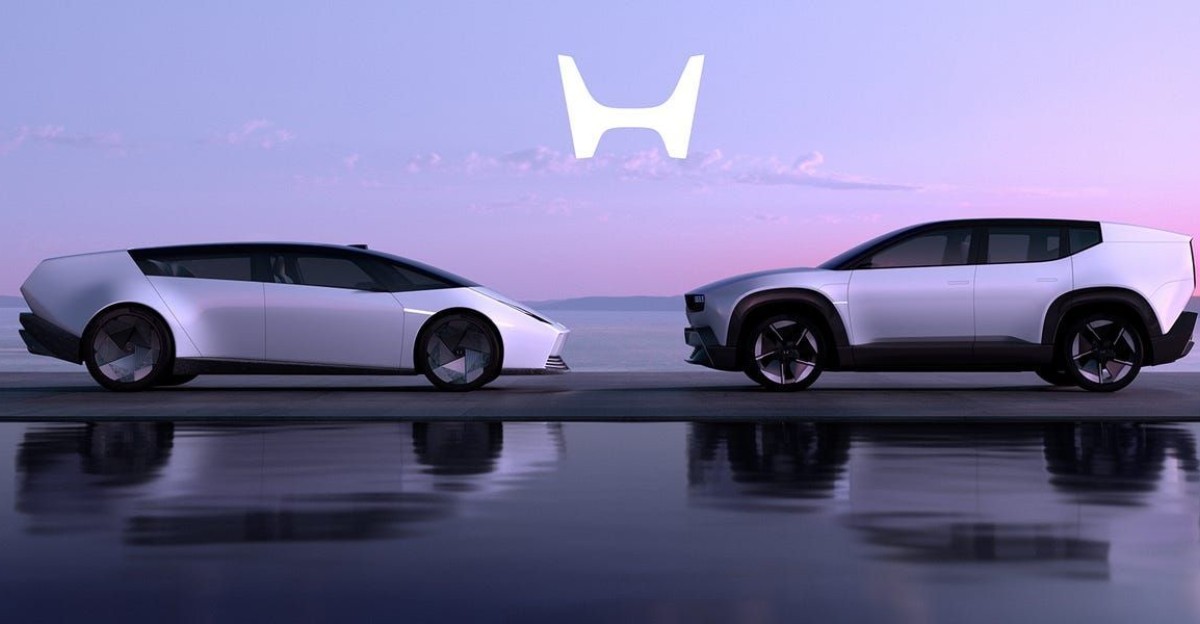
Honda called it a “reassessment.” What it actually means: the plan no longer pencils out, and the company finally admitted it. Their own press release confirmed production would “likely result in further losses over the long term.” The analysts were less diplomatic. Julie Boote of Pelham Smithers Associates told Reuters: “The main surprise was that the U.S. production program was cancelled rather than just being scaled down.”
Christopher Richter of CLSA put it even more coldly: “They delayed their decision-making for too long. They were canceling these initiatives almost right before they were set to launch.” One word did a lot of work. Sixteen billion dollars of damage.
Washington Changed the Rules Mid-Game
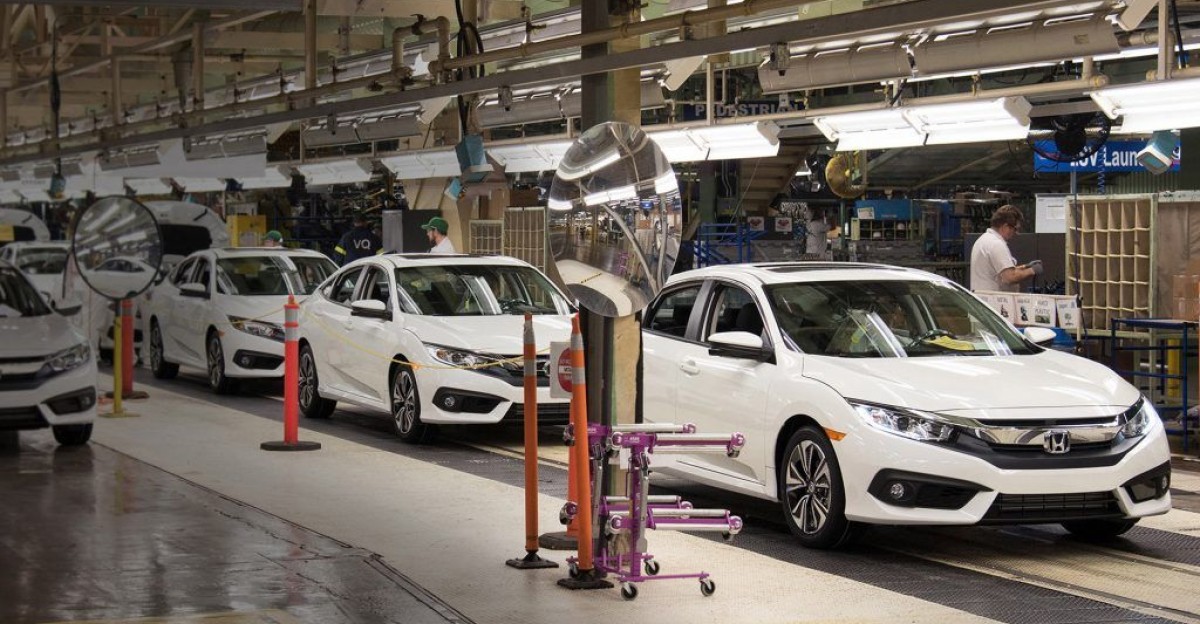
Honda built its EV strategy around a world where the U.S. government was pushing hard for electrification. That world no longer exists. Honda’s own statement named the culprits directly: the Trump administration’s elimination of EV tax credits, relaxed fossil fuel regulations, and new import tariffs. Pull the tax credit and the monthly payment math breaks for millions of buyers overnight.
Prologue deliveries in early 2026 crashed 74% year-over-year, Honda cut production roughly in half, and now expects to move fewer than 18,000 units this year. Last year, they sold nearly 39,000. That’s not a slowdown. That’s a collapse with a paper trail.
China Wasn’t a Market. It Was a Warning
While Honda was wrestling with the U.S., China was quietly delivering a different kind of verdict. Out of 677,000 vehicles Honda sold in China last year, exactly 17,000 were EVs, 2.5% of total sales, a fifth of Honda’s entire global EV output. Chinese automakers, built for speed and software, ran circles around Honda on price and technology. Honda didn’t spin it. Their press release said outright that they “were unable to deliver products that offer value for money better than that of newer EV manufacturers.”
When a company of that size writes that sentence in an official document, read it twice. The Chinese joint-venture write-offs added another 110 to 150 billion yen in impairment losses on top of the headline number.
Honda Isn’t Alone — But It Fell the Hardest

The carnage has been industry-wide. Ford booked $19.5 billion in EV-related charges. Stellantis posted a $26 billion net loss for 2025 on the back of more than €22 billion in write-downs. GM took a $6 billion writedown on its own EV retreat. The Big Three’s combined losses exceed $52 billion; add Honda, and the global automaker EV write-down total clears $67 billion.
Every major legacy automaker bet on a timeline that didn’t hold. The difference between Honda and the rest: Ford, GM, and Stellantis had already restructured around the miss and moved on. Honda was still weeks from greenlighting production when the floor disappeared.
The Prologue Is a Dead Man Walking
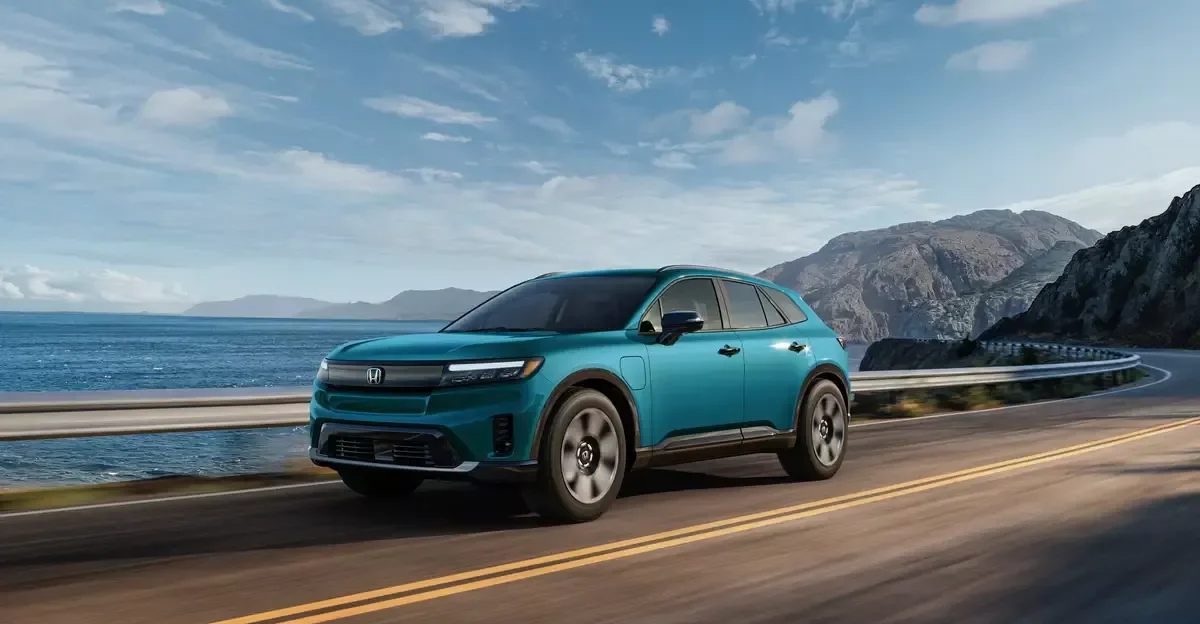
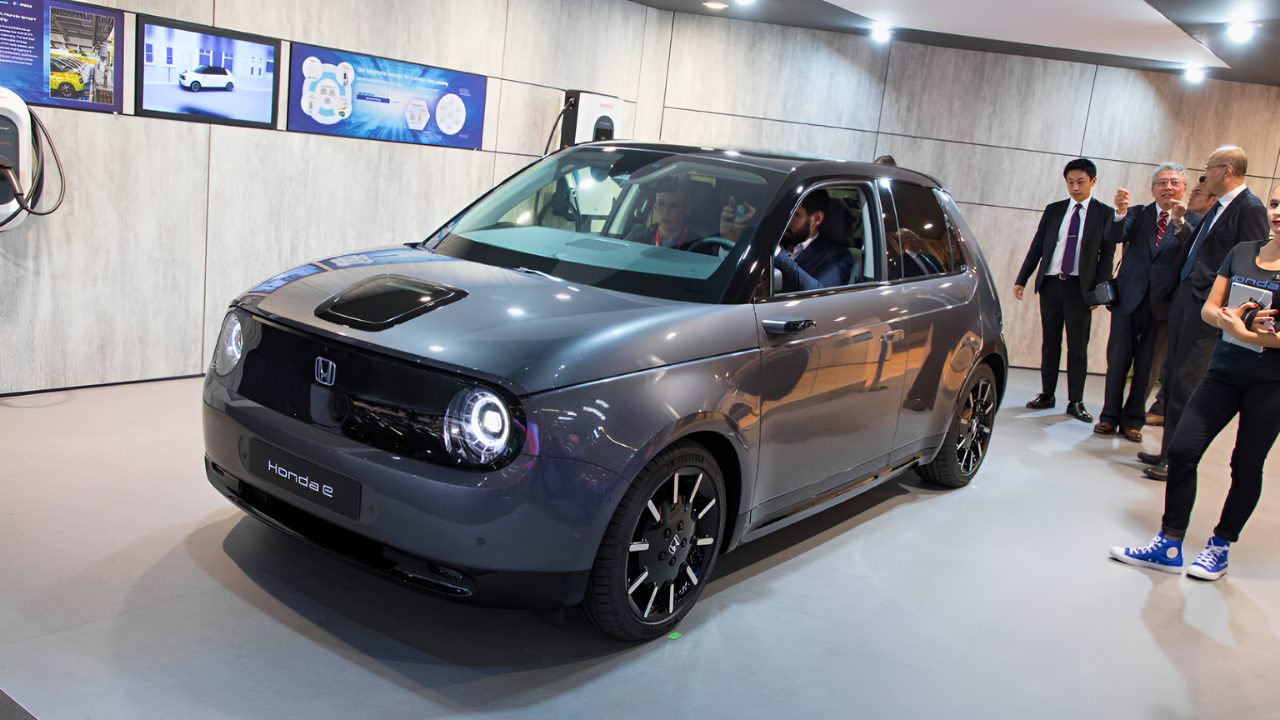
Honda still has one EV in its American showroom, the Prologue, co-developed with GM on the Ultium platform, because Honda didn’t have its own EV architecture ready in time. Production is reportedly ending in December 2026, and AutoForecast Solutions says no second generation is coming. Honda’s spokesperson fired back: “The Prologue remains in our lineup.”
Maybe. But the Acura ZDX, on the same platform, in the same situation, was cancelled last September after exactly one year on sale. The Prologue was always a bridge to the 0 Series. The 0 Series is gone. There is no other side of that bridge.
Hybrids: The Bet Honda Never Abandoned
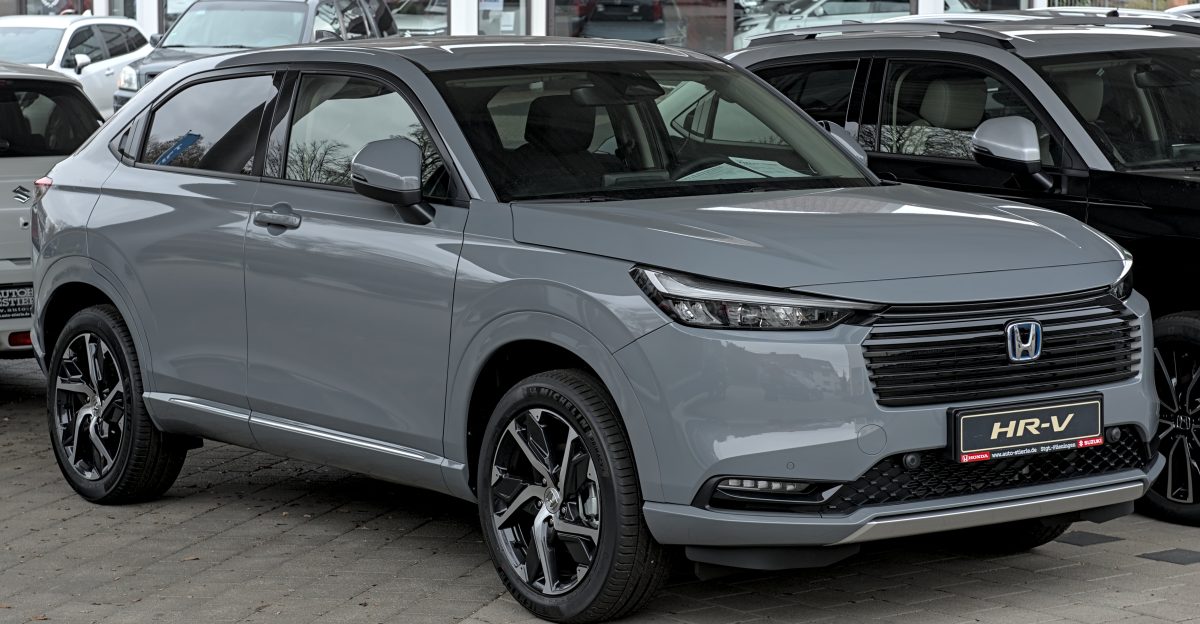
While competitors were burning cash chasing full electrification, Honda kept one foot in hybrid technology it had spent 25 years mastering, and now that’s the whole plan. The company is targeting 2.2 million hybrid sales annually by 2030, up from its current 1 million-unit pace, with a 50% cost reduction in next-gen hybrid systems versus 2018 and a greater than 10% fuel-economy gain.
Executive Vice President Noriya Kaihara said it without apology at the February earnings Q&A: “We are now at a phase where a recalibration of our course is required.” Honda is also expanding aggressively in India, where it sees its next major wave of volume growth, while competitors are still counting their EV losses.
The Bill Lands on People Who Had No Vote
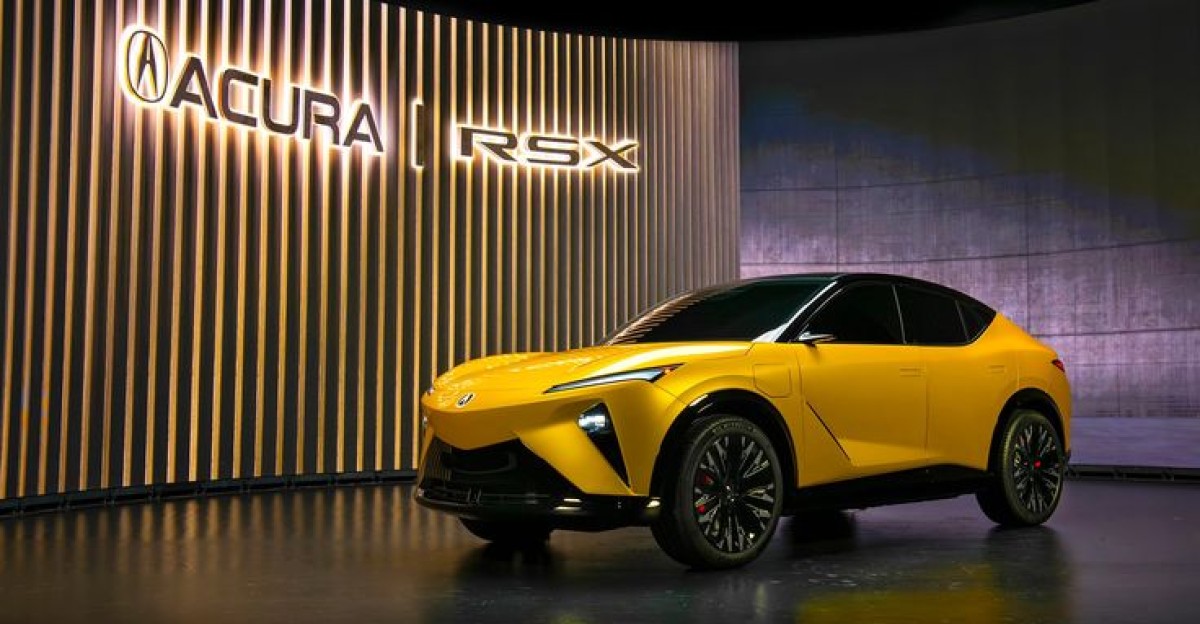
This loss doesn’t stay on Honda’s balance sheet. Ohio workers watched their plant retool for vehicles that will never arrive. Suppliers who had already started manufacturing RSX components and hiring staff now face renegotiation or litigation. Nikkei Asia reported Honda expects to pay up to 1.7 trillion yen in supplier compensation, 500 billion yen this fiscal year, and another 1.2 trillion yen the year after.
Honda’s President and Executive Vice President are forfeiting their short-term performance bonuses entirely, and annual pay for representative executive officers is being cut approximately 25% to 30% from standard levels. The engineers, the line workers, the tier-one suppliers … none of them set the strategy. All of them are absorbing the consequences.
EVs Aren’t Dead. The Bet Was Just Wrong

China’s EV market kept growing through 2025 even as Western automakers were writing down their bets on it. Global adoption is moving, just not fast enough, or cheap enough, or policy-stable enough for the timelines Honda locked in years ago. That gap between forecast and reality is exactly what a $15.7 billion charge looks like on paper.
What died wasn’t the technology. What died was the assumption that a multi-year industrial bet could be safely anchored to a single policy environment, one that was always one election away from reversing.
The Lesson Was Never About the Cars
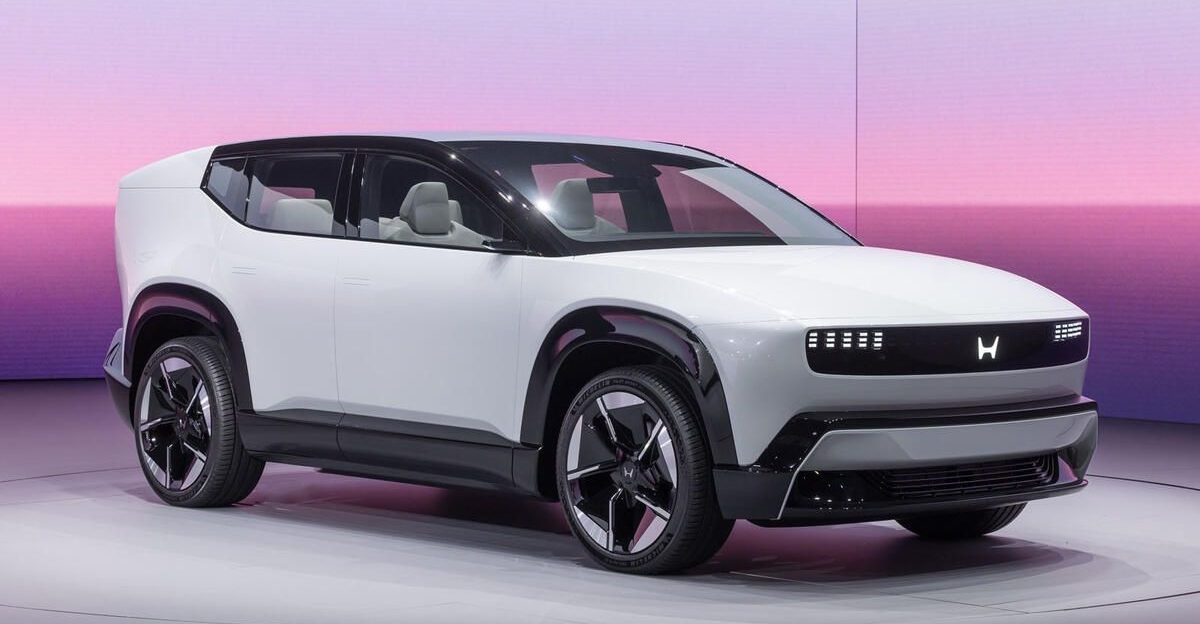
Honda laid out its revised strategy in May. Morningstar analyst Vincent Sun told Reuters: “The move raises my concern on Honda’s technological competitiveness in the long run.” That concern is well-founded, not because Honda is finished, but because the EV window it missed won’t reopen on the same terms. Honda’s own documents described the original plan as built on a “major policy change in the U.S. seeking to accelerate the transition to EVs.”
That policy is gone. The factory retooling took longer than the political window lasted. The $15.7 billion didn’t disappear because the technology failed. It disappeared because Honda built a house for a mortgage rate that no longer exists and nobody warned them that the rate was adjustable.
Sources
Honda Motor Co. — Revision to Forecast for Consolidated Financial Results, March 12, 2026
Reuters — Honda’s $15.7 Billion EV Writedown Is Painful, but China Challenges Loom, March 13, 2026
Reuters — Honda Flags First Annual Loss, Hit by $15.7 Billion EV Charge, March 12, 2026
Nikkei Asia — Honda to Pay Suppliers as Much as $10bn Over Scrapped EV Models, March 13, 2026
WardsAuto — Honda Took a $1.7B Write-Off on EVs, Now It’s Restructuring, February 16, 2026