Honda Recalls 65K EVs Over Software Flaw—But The Code Is GM’s
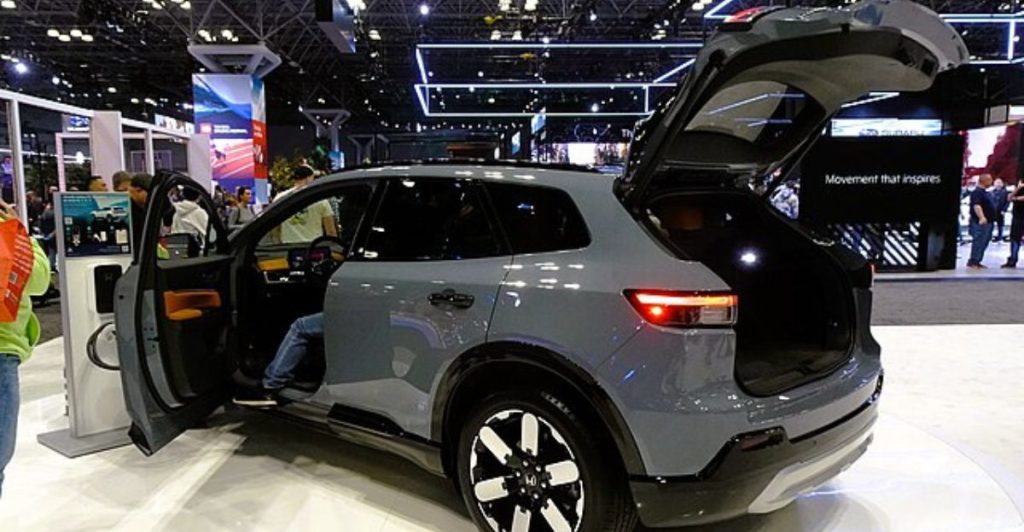
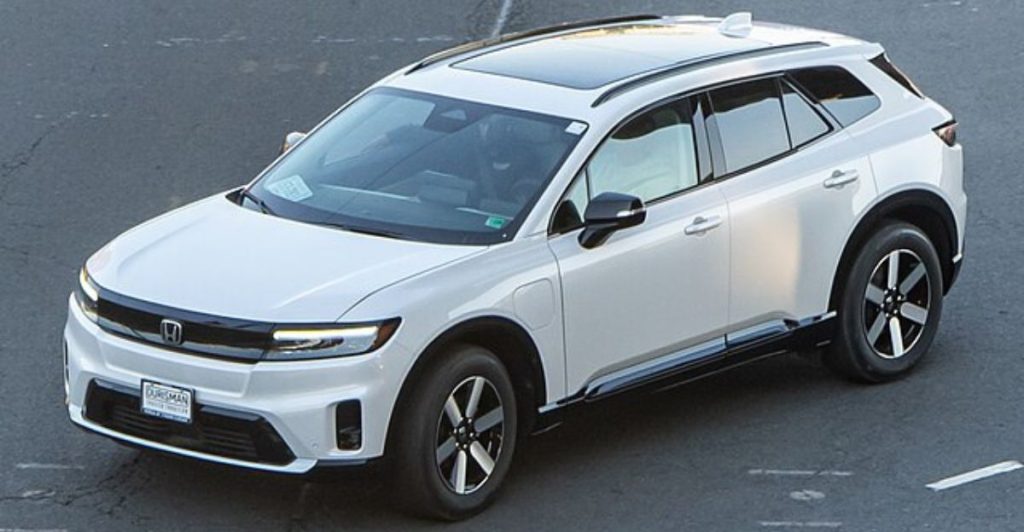
Sixty-five thousand electric vehicles have been flagged by federal regulators. No warning lights, no odd vibrations, no burning rubber warned drivers. The Honda Prologue and Acura ZDX are parked in driveways across the country, carrying a defect that owners cannot see, touch, or diagnose.
NHTSA posted the recall campaign. Honda confirmed the scope. The problem is buried in the software, invisible until it emerges. A 5,000-pound machine with a bug hidden in its brain introduces a different kind of danger.
Flagged From Day One
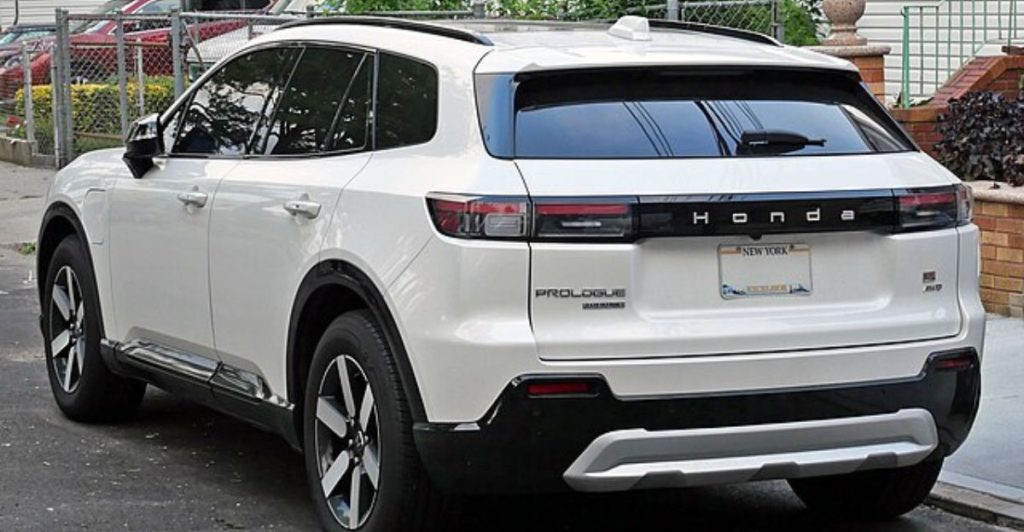
The Prologue is Honda’s flagship EV entry in the U.S. market. The ZDX is Acura’s premium electric offering. Both models arrived as the future of their brands, proof that Honda could compete in the electric era. Buyers paid new-car prices for new technology.
Now many are checking NHTSA’s recall portal, entering VIN numbers, and questioning whether “cutting edge” also meant “unfinished.” Early adoption always carries a price. This one came by federal notice.
No Parts, Just Code
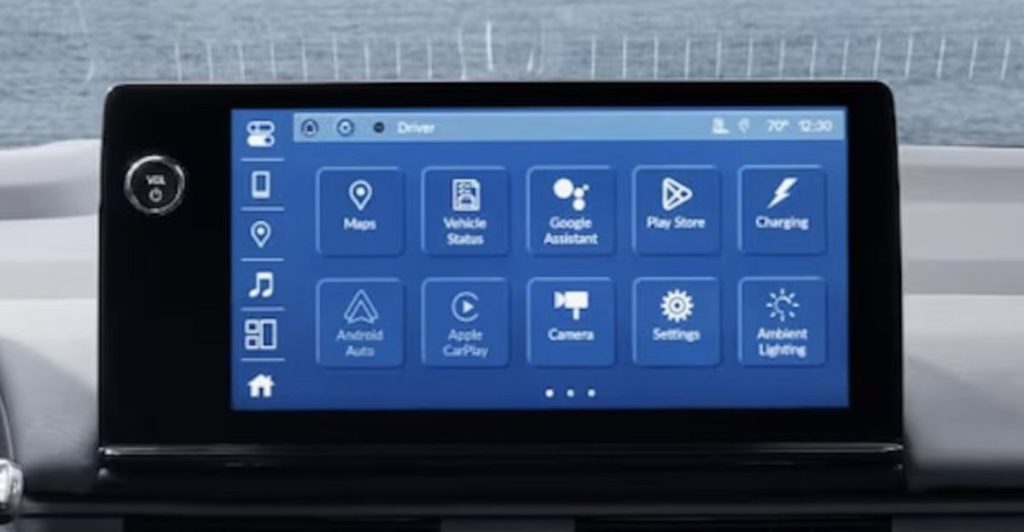
The remedy shows how car safety has changed. There is no replacement part. No dealer pulls a faulty sensor off a shelf. The fix is a software update, a patch pushed through the system like a phone update at 2 a.m. But a car weighs two tons and carries families at highway speed.
That contrast between the casualness of a “software update” and the seriousness of a federal safety recall marks the point where old ideas about car problems start to fracture.
Hidden Engineers
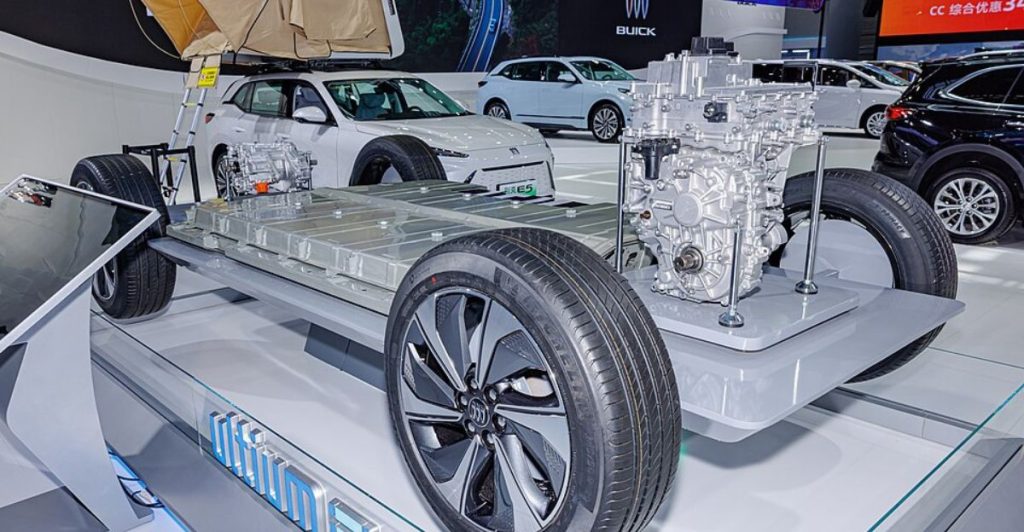
Honda’s recall paperwork doesn’t mention this: both the Prologue and the ZDX run on General Motors’ Ultium platform. The architecture, the software stack, and the digital nervous system underneath the Honda and Acura badges all trace back to GM. A Honda recall. GM technology. Shared failure domain. Cross-brand blast radius.
The brand on the grille is no longer the only company whose engineering protects families in the electric era.
Shared Platforms, Shared Risks

Platform-sharing lets automakers manage the cost of the electric transition. Honda uses GM’s battery architecture and software stack. GM gains volume. Consumers buy a vehicle that looks like a Honda but runs on GM’s digital foundation.
When everything works, nobody notices. When it fails, the recall notice carries Honda’s name, but the underlying code comes from a different company’s engineering pipeline. Brand accountability appears singular. Platform reality is shared. The gap between perception and supply chain is where 65,000 owners just landed, checking portals they never expected to use.
A Recall That Follows You
Owners now face a three-portal search: NHTSA’s recall search, Honda’s owner site, and Acura’s owner site. Each confirms if a specific VIN is included. That VIN status follows the vehicle to resale. Buyers run history checks. Open recalls appear. Confidence drops. Negotiation leverage shifts.
A software patch might fix the defect, but the recall flag on a vehicle history report remains. Owners who bought these EVs for fewer headaches than gas cars now face a stinging paperwork trail.
One Bug, Two Brands
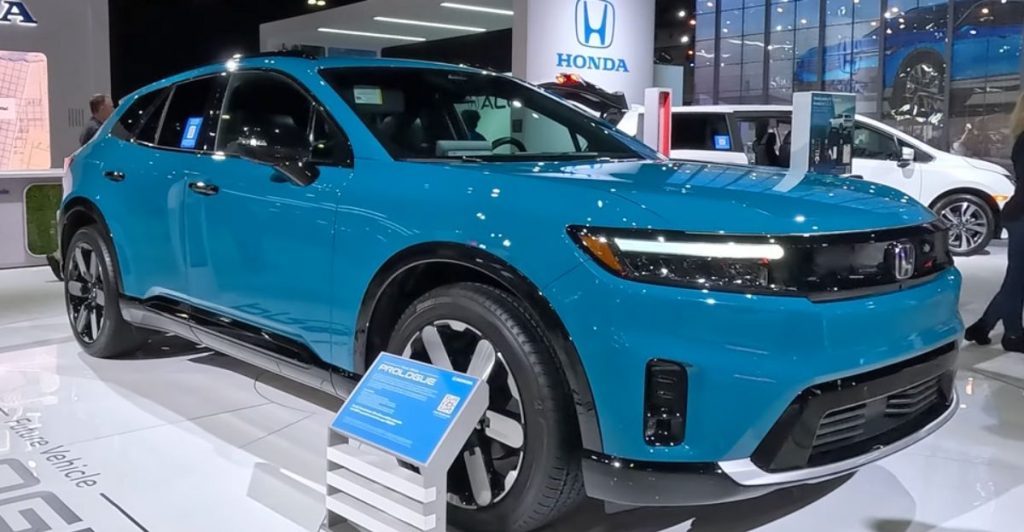
The immediate cost hits 65,000 households; the longer the cost hits the industry. Software QA governance across shared EV platforms now faces sharper scrutiny, because if one defect can trigger a recall across two brands simultaneously, regulators and consumers will demand to know who audits the code before it ships. Early adopters who expected “new EV equals fewer problems” absorbed the trust damage first.
Resale friction builds as VIN-check-savvy buyers discount vehicles with open recall histories. One software bug, two nameplates, and a credibility bill that lands on Honda’s desk.
When Software Becomes Safety
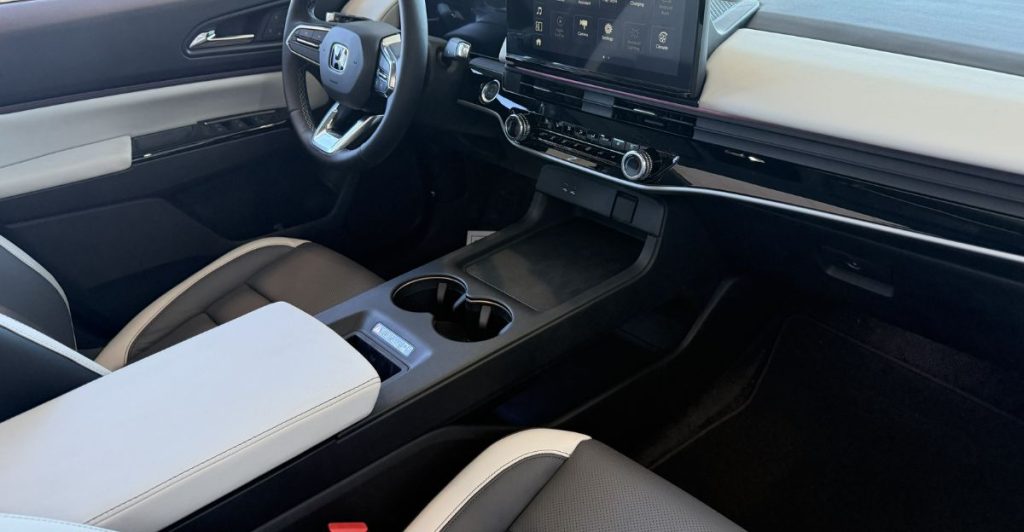
This recall sets a new standard. Software defects are now treated as formal safety campaigns with full NHTSA registration, manufacturer notification requirements, and VIN-level tracking. Invisible code carries the same regulatory weight as a cracked axle.
The badge on the front is marketing, but the risk lives in the platform supply chain. Every shared-architecture EV on the road now looks different. The old belief that recalls mean bad parts is over. The new reality is patches, pipelines, and platform accountability that crosses corporate lines.
The Recall Chain Reaction
A clean software update lets the story fade. If it causes new problems or fails to resolve the defect, the campaign can expand or restart. That escalation path remains a quiet risk. Manufacturers are already pushing faster over-the-air updates and clearer owner-notification workflows to stay ahead of the next round.
Owners of every other vehicle built on a shared EV platform are watching this recall to see whether their badge truly protects them or simply decorates another company’s engineering.
Questions That Outlast the Fix
Most people will read this recall as a Honda problem. The 65,000 owners checking their VINs right now know better. They know the software stack is GM-linked. They know the fix is a patch, not a part. They know their resale value has just acquired an asterisk. And they know that in the electric era, the most important question before buying isn’t horsepower or range. It’s whose code is running underneath the badge.
That question has no clean answer yet, and every automaker sharing a platform is hoping you never ask it.
Sources:
National Highway Traffic Safety Administration (NHTSA) – Part 573 Safety Recall Report 26V112 (Honda Prologue / Acura ZDX Radio Control Module Software) – 2026-02-25
Car and Driver – “Honda Recalling 65K Prologue and ZDX Models with Software Issues” – 2026-03-03
Cars.com – “65,000-Plus Honda, Acura EVs Recalled for Blank Screens” – 2026-03-03
Autoblog – “Honda EV Software Bug Could Leave Drivers Flying Blind” – 2026-03-07
TFLcar – “Honda Recalls More than 65,000 Prologue, Acura ZDX SUVs to Fix Blank Screens” – 2026-03-05
Carscoops – “Speedometers Could Go Blank In Over 65,000 Honda And Acura EVs” – 2026-03-05