Honda Announces First Annual Loss in 70 Years—$15.8B EV Writedown Triggers Major Pivot
Three electric vehicles that were supposed to carry Honda into the future never made it to a showroom. The company killed them quietly, packing the move into a $15.7 billion strategy overhaul that reshuffles everything buyers thought they knew about Honda’s direction. No farewell tour. No “we’ll revisit later.” Just scrapped.
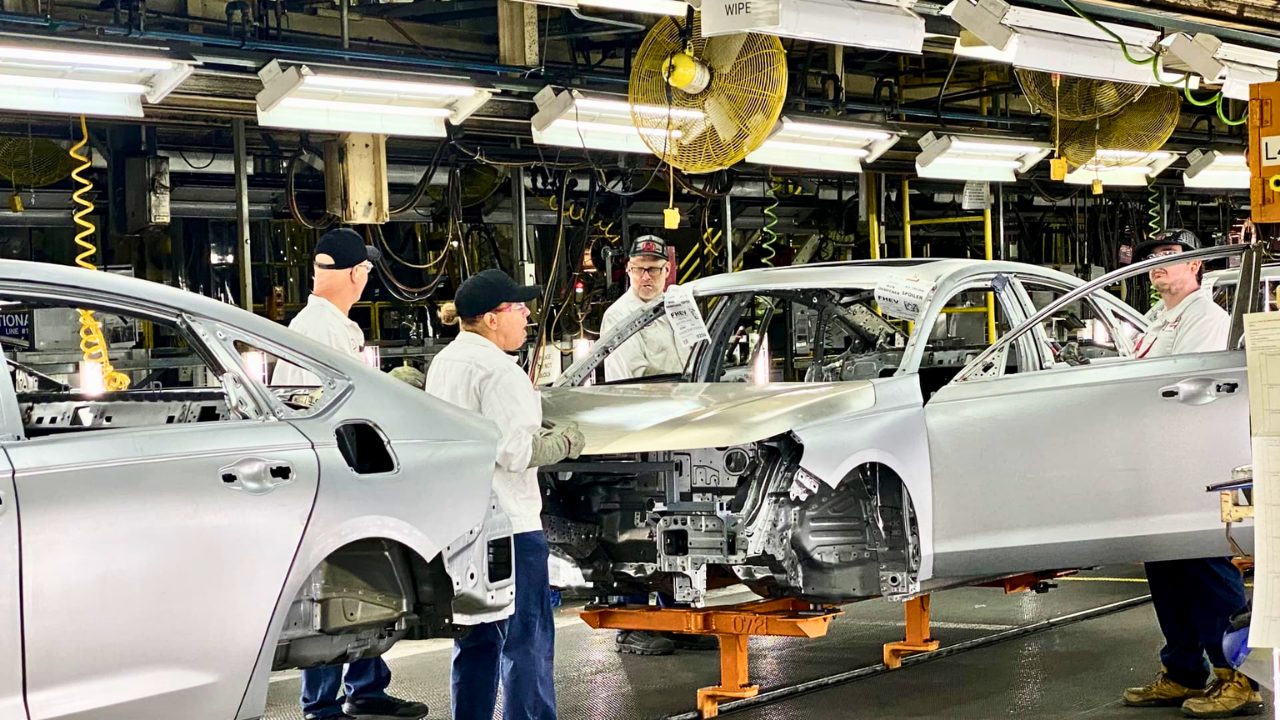
Honda had invested $700 million retooling its Ohio plants specifically for 0 Series production starting in 2026. For anyone who spent the last two years planning their next car around Honda’s EV promises, it probably feels like the ground just shifted underneath them.
Honda’s EV Pledge: A Bold Start
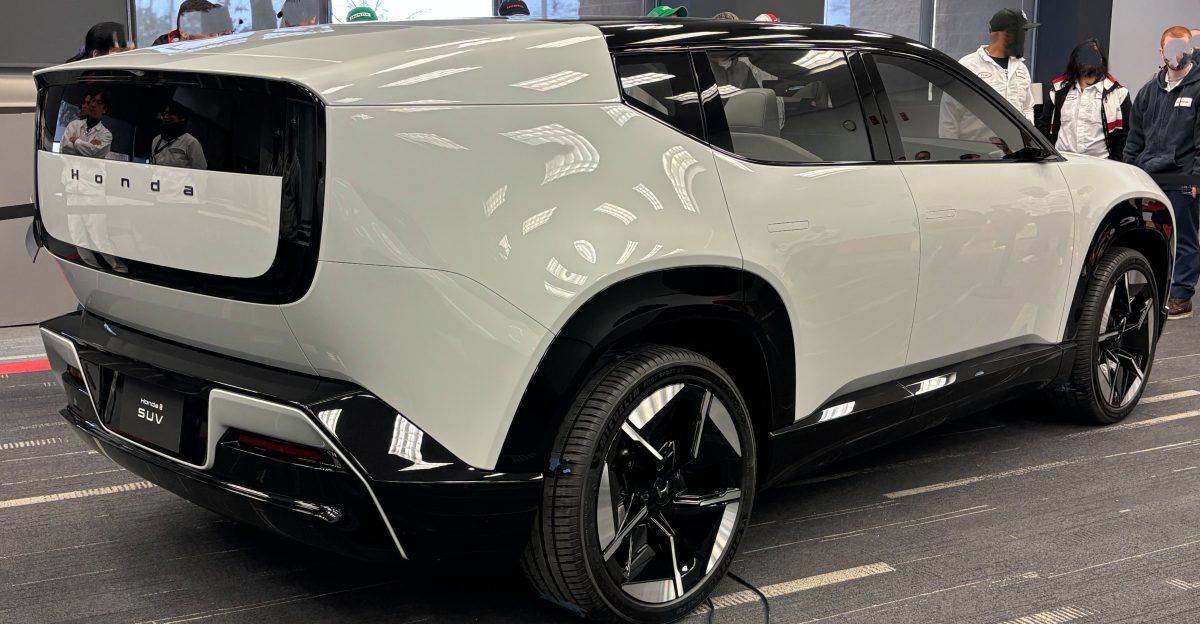
Honda had been loud about electrification. Thirty percent of global sales from EVs by 2030. A full transition to EVs and fuel-cell vehicles by 2040. The Honda 0 Series, a flashy new EV family, announced for a 2026 global launch.
That was the pitch: an all-electric future, on a timeline, backed by billions. Buyers heard it. Dealers heard it. Competitors adjusted to it. But the roadmap looked so clean and linear. It almost felt too good to be true. That should have been the first warning sign.
Promises Meet Reality
Reuters and Nikkei reported the real story behind the press releases: Honda was cutting EV investment and shifting emphasis toward hybrids. Slowing demand forced the math to change. Global EV sales growth decelerated from a 35% increase in 2023 to roughly 25% in 2024, according to IEA data.
Meanwhile, EIA data showed hybrids quietly gaining share in U.S. light-duty vehicle sales. Most people assumed that more EV talk from automakers meant more EV models on lots. That idea started falling apart. Honda’s targets stayed on paper. The products backing them up started disappearing.
A Sudden Shift in Strategy
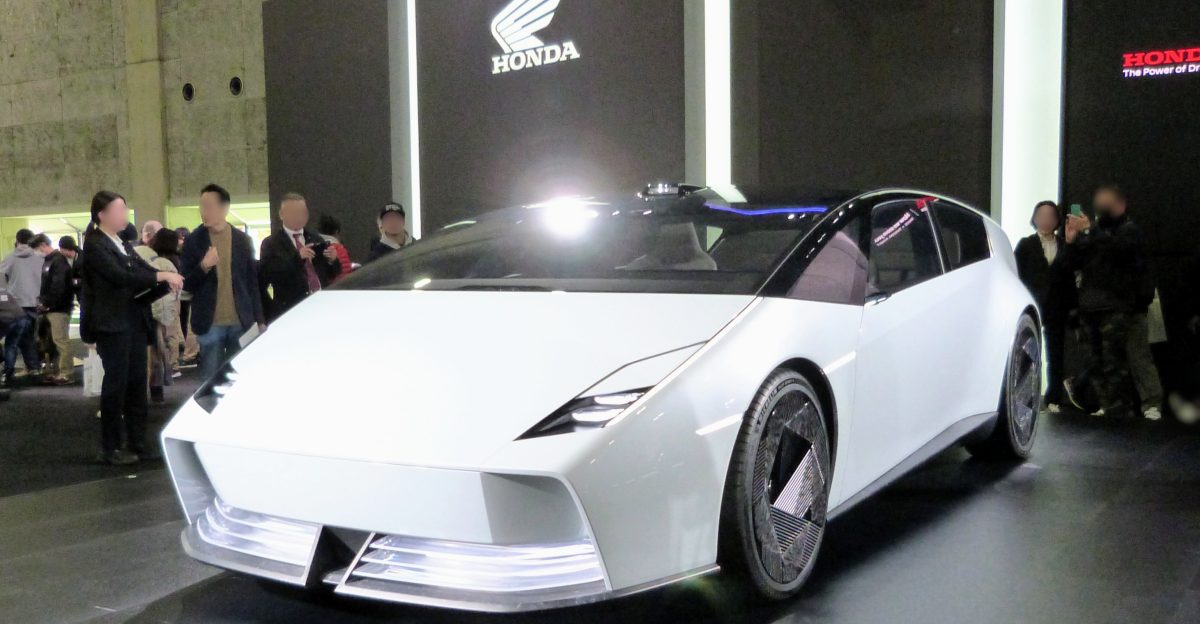
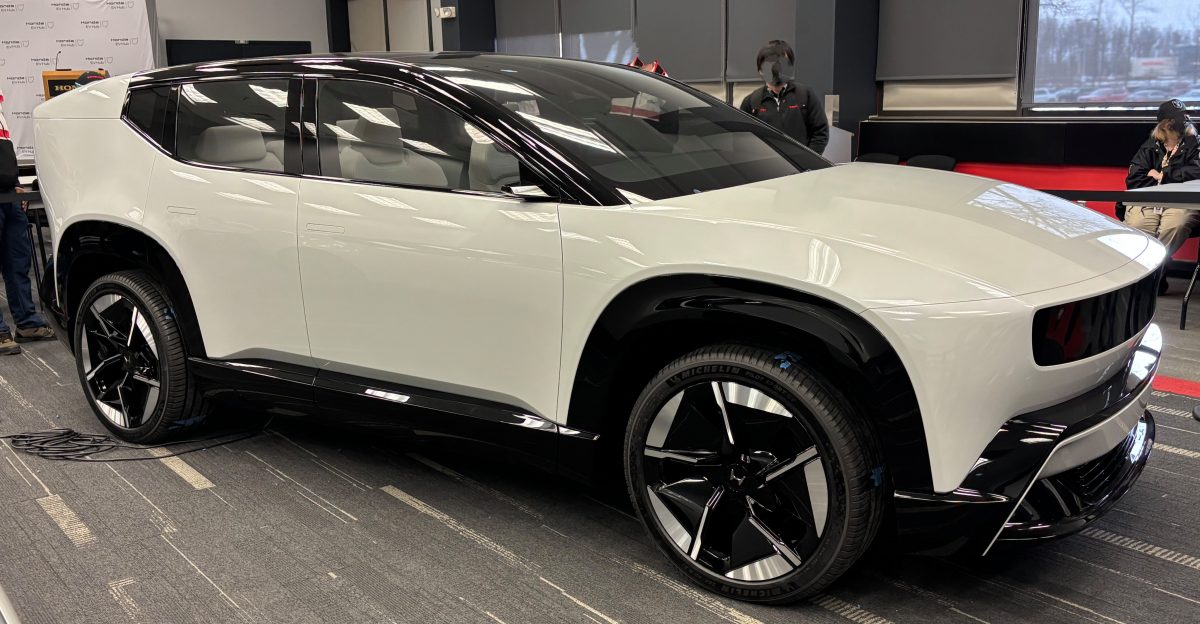
Honda scrapped three EV models: the Honda 0 SUV, Honda 0 Saloon, and Acura RSX. The company has kept its long-term 2040 goal of 100% EV and fuel-cell vehicle sales intact. That contradiction is the entire story. Targets say “more EVs.”
Product plans say “fewer EVs.” The $15.7 billion strategy shift funds a hybrid bridge designed to protect volume and margins until EV infrastructure and demand catch up. Three models gone. 2040 pledge untouched. Honda holds both positions at once, quietly betting that buyers will not notice the gap between the press release and the parking lot.
Financial Priorities Drive Decisions

The truth is in the money. Honda’s pivot reflects a system humming underneath every automaker’s glossy EV announcement: cash follows demand signals and compliance deadlines, not hype cycles.
EPA’s finalized multi-pollutant standards for model year 2027 and beyond create near-term pressure, but those rules allow multiple technology pathways. Hybrids satisfy the regulators. Hybrids sell to cautious buyers. Hybrids generate margins. The EV future is real. The EV present just got rerouted through a gas engine.
The Numbers Behind Honda’s Pivot
The numbers make the logic hard to ignore. Hybrids are gaining U.S. market share while full-EV adoption remains uneven globally, according to IEA data. Honda originally targeted 30% EV sales by 2030 and 100% EV and fuel-cell sales by 2040, but by mid-2025 the company revised that 2030 EV ratio below 30%, with hybrids making up roughly 2.2 million of a targeted 3.6 million annual sales. That leaves about 14 years between now and the full-transition deadline. Hybrids fill that gap with revenue.
By late 2024, Honda’s hybrid models already made up more than a quarter of U.S. sales, with the CR-V and Accord hybrids leading the way. Every hybrid sold today helps fund the EV factory Honda needs tomorrow. The bridge is not a retreat. It is a financing strategy.
Wider Consequences for Industry and Workers
Suppliers tied to the canceled EV programs now face demand shifting toward hybrid components and smaller battery packs. Competitors watching Honda’s move may delay their own EV nameplates while quietly expanding hybrid lineups. The economic ripple runs deeper than just one company’s product catalog. EV-only platforms aimed at slower-adopting markets suddenly look exposed.
Buyers who planned around Honda’s original EV timeline now face fewer choices in the near term, just when it seemed like options were about to multiply. The canceled Ohio production would have added over 300 jobs across Honda’s three Ohio plants. Those investments are now headed elsewhere.
A Playbook for Automakers
Honda is not just being cautious. This is a new industry template. “EV targets stay; product plans flex” is quickly becoming standard operating procedure for automakers navigating uneven global adoption. The precedent Honda just set lets every manufacturer promise an electric future while quietly cutting near-term EV programs whenever margins or demand wobble.
After seeing that pattern, every automaker’s electrification press release reads a bit differently. The destination has not changed. The route now follows whatever keeps the quarterly numbers alive.
Countdown to Compliance
If EV demand takes off again, Honda can develop new models or put old programs back in the pipeline. If not, the hybrid bridge stretches longer and even the revised 2030 EV target starts to look ambitious. Model year 2027 emissions standards will tighten the compliance window no matter what. Honda is betting it can time the market while keeping regulators happy with hybrids.
That strategy works until demand moves faster than the product plan and the models Honda killed turn out to be the ones it actually needs.
What Savvy Buyers Notice Now
The person who truly understands this story is not the one reading Honda’s press releases. The reader who notices that every automaker’s EV timeline is a negotiation between ambition and cash flow recognizes the reality: there are no guarantees.
Honda says future EV initiatives will proceed flexibly from a long-term perspective, monitoring profitability and market trends. The 2040 pledge to sell only EVs and fuel-cell vehicles still stands. Three canceled EV models show that the road between here and there bends wherever the money points. Savvy car buyers now plan around what is actually on the lot, not promises.
Sources:
Honda Motor Co. — “Revision to Forecast for Consolidated Financial Results; and Future Initiatives” — March 12, 2026
Honda Motor Co. — “Summary of 2025 Honda Business Briefing” — May 20, 2025
Argus Media — “Honda lower 2030 EV sales ratio, focus on HEV” — May 20, 2025
IEA — “Global EV Outlook 2025” — May 2025
U.S. EPA — “Final Multi-Pollutant Emissions Standards for Model Years 2027 and Later Light-Duty and Medium-Duty Vehicles” — March 2024