Highest Auto Tariffs Since 1963 Crush Volvo—68% Profit Gone, Stock Down 25%
Volvo sold 156,965 cars in the three months ending February 2026. That’s a 10% drop year-over-year, driven by the highest auto tariffs on European imports since 1963. The 27.5% rate didn’t just dent the numbers. Q4 2025 profit plunged 68%. Stock cratered 25% in a single session on February 5. Three metrics are collapsing simultaneously, all traced to the same policy shock. Most people saw the sales headline and moved on. The profit number is where the real bleeding starts, and it reaches further than anyone in the auto sector wants to admit.
The Timing Trap
The tariff dropped from 27.5% to 15%, retroactive to August 1, 2025. Sounds like relief. Except Volvo had already absorbed the full 27.5% rate on inventory imported before August 1—costs locked in well before the September 25 announcement date. By the time the lower tariff was formally published, the margin damage from those prior months was already booked. The company ate the cost of a 27.5% tariff on months of inventory, then got credit for 15% retroactively—after the damage was done. Relief arriving after surgery is already botched. That timing mismatch is the mechanism behind everything that follows.
Sticker Shock
The direct hit landed on the buyer’s first. Industry estimates suggest tariffs affect roughly one-third of a car’s price. On a Volvo averaging in the $40,000-to-$50,000 range, that translates to thousands of dollars in added cost per vehicle. Traditional gas and mild-hybrid models dropped 17%, falling to 80,359 units. Plug-in hybrids sank 16%. Customers didn’t just hesitate. They walked. The only segment that grew was fully electric, up 18% to 39,132 units, because those carried lower sticker prices. Cheaper won. Premium lost.
Margin Abandonment
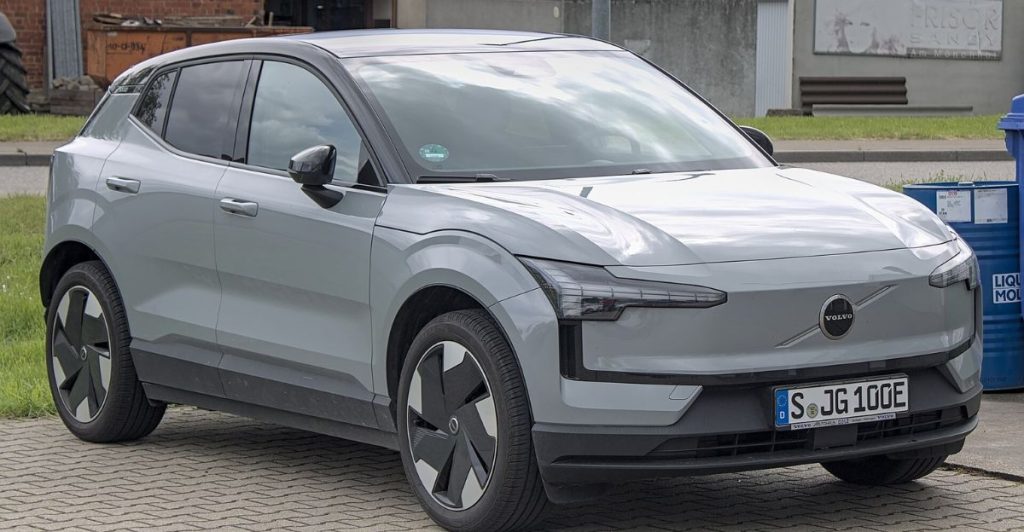
Volvo responded the only way a company bleeding cash can: it ran toward the cheaper product. Electrified models reached 76,606 units, accounting for 49% of total sales. The EX30, now built in Ghent, became the fastest-growing segment. But electric vehicles carry lower margins than premium gas models. Every unit Volvo shifts from XC90 territory to EX30 territory trades revenue for volume. The company is shrinking its way toward survival, not growing its way toward profit. Dealers and suppliers dependent on premium-tier margins are absorbing the squeeze next.
Shipping Shockwave
Tariff relief was supposed to ease the pressure. Then the Iran conflict rewrote the logistics math entirely. Tanker rates surged sharply. Diesel costs spiked. Analysts tracking freight markets reported geopolitical disruption adding significantly to shipping costs, independent of any tariff policy. So Volvo got a 12.5-percentage-point tariff cut on paper and absorbed a logistics cost increase that ate into it. Two systems, tariff policy and geopolitical chaos, are compounding on the same balance sheet. Nobody budgeted for both.
The Hidden Machine

Here’s the connection nobody is drawing. Tariffs destroy margins through timing. Geopolitical shocks destroy margins through logistics. Both hit the same line item: cost of goods delivered. Auto sector margins typically range from 5% to 8%. Tariff incidence covers a significant share of the vehicle price. Shipping surcharges compound on top. Stack those together, and the margin stack. One company is watching both forces close on the same quarter. Same mechanism. Different source. Identical result.
“Pleased”
Erik Severinson, Volvo’s Chief Commercial Officer, told investors: “However, we are pleased to see steady growth in the sales of our fully electric cars, which is the fastest growing segment in Europe and globally.” Pleased. While profit collapsed by 68%. While the stock lost a quarter of its value. While traditional models hemorrhaged 17% of volume. That word, “pleased,” is corporate triage language. It signals a company reframing survival as strategy. The EV growth is real. The celebration masks a company running toward lower margins because higher margins no longer exist.
New Rules
The European Commission held €93 billion in retaliatory tariffs in reserve, the largest trade threat to the auto sector since the 2009 crisis. The EU parliament is expected to vote on the US-EU tariff deal in the coming months of 2026. If ratification fails, tariffs re-escalate to 25% or higher. The 27.5% rate was already the steepest auto tariff since 1963, surpassing the Johnson-era 25% truck import duty. A new precedent now exists: retroactive clauses that punish companies for decisions made under uncertainty. Every European exporter is recalculating risk with that template in mind.
Winners and Losers
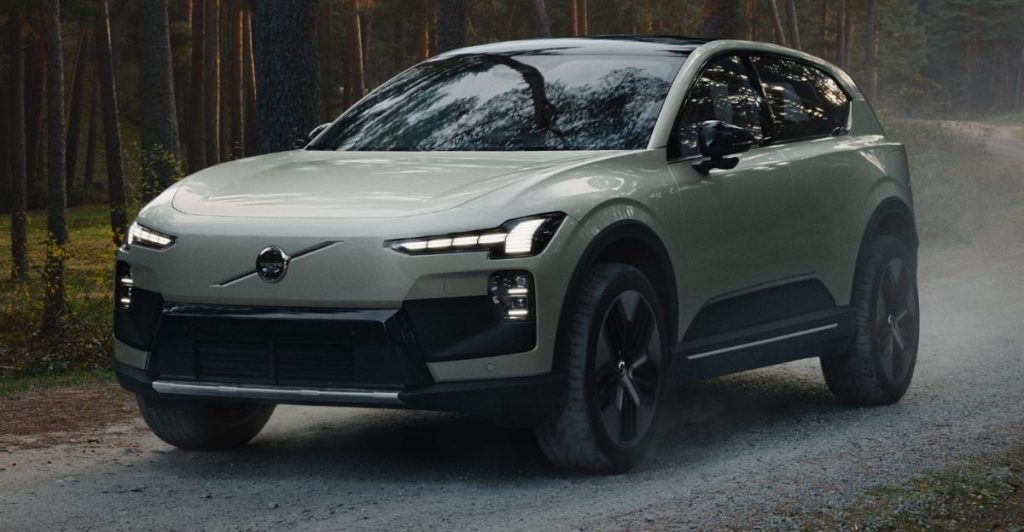
Volvo’s suppliers will face demands for lower component pricing as margins compress downstream. Dealers on commission-based pay face layoffs if revenue keeps falling. Swedish manufacturing workers face production-shift risk as the EX60 ramp begins in early 2026 at the worst possible cash moment. Meanwhile, Geely, Volvo’s Chinese parent, owns the lifeline. A capital injection could stabilize the stock but would confirm Volvo as a permanent subsidiary, not an independent automaker. The irony: tariffs meant to protect American jobs are threatening Swedish ones first.
Not Over
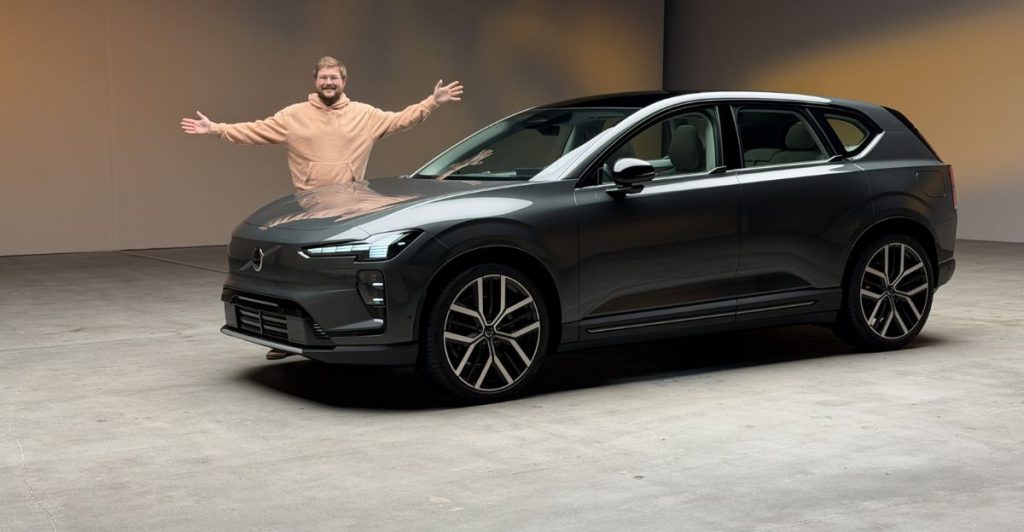
Q1 earnings land on April 29. That report will reveal whether the 68% profit collapse continued into 2026 or whether the tariff cut and EV ramp stabilized anything. Peter Tirschwell of S&P Global put it plainly: “This is going to be huge and it’s going to define 2026… the idea that this was going to be a calmer year, that freight rates were going to settle down, that supply chains might begin to return to normal, that ships might return through the Suez — all that is totally off the table now.” Tariff policy, geopolitical shipping chaos, and margin destruction through timing. Three forces, one squeeze, no exit built yet. The cascade keeps moving.
Sources:
“Volvo Cars Reports Rolling Three-Month Sales for the Period Ending February 2026.” Volvo Cars, 3 Mar. 2026.
“Volvo Cars Q4 2025: Turnaround Plan on Track, but Challenging External Environment.” Volvo Cars, 5 Feb. 2026.
“US Drops Tariffs on EU Cars to 15%.” Euronews, 25 Sep. 2025.
“EU to Suspend 93 Billion Euro Retaliatory Trade Package Against US for 6 Months.” Reuters, 23 Jan. 2026.