High Gas Prices In The U.S. Push EV Search Interest Higher
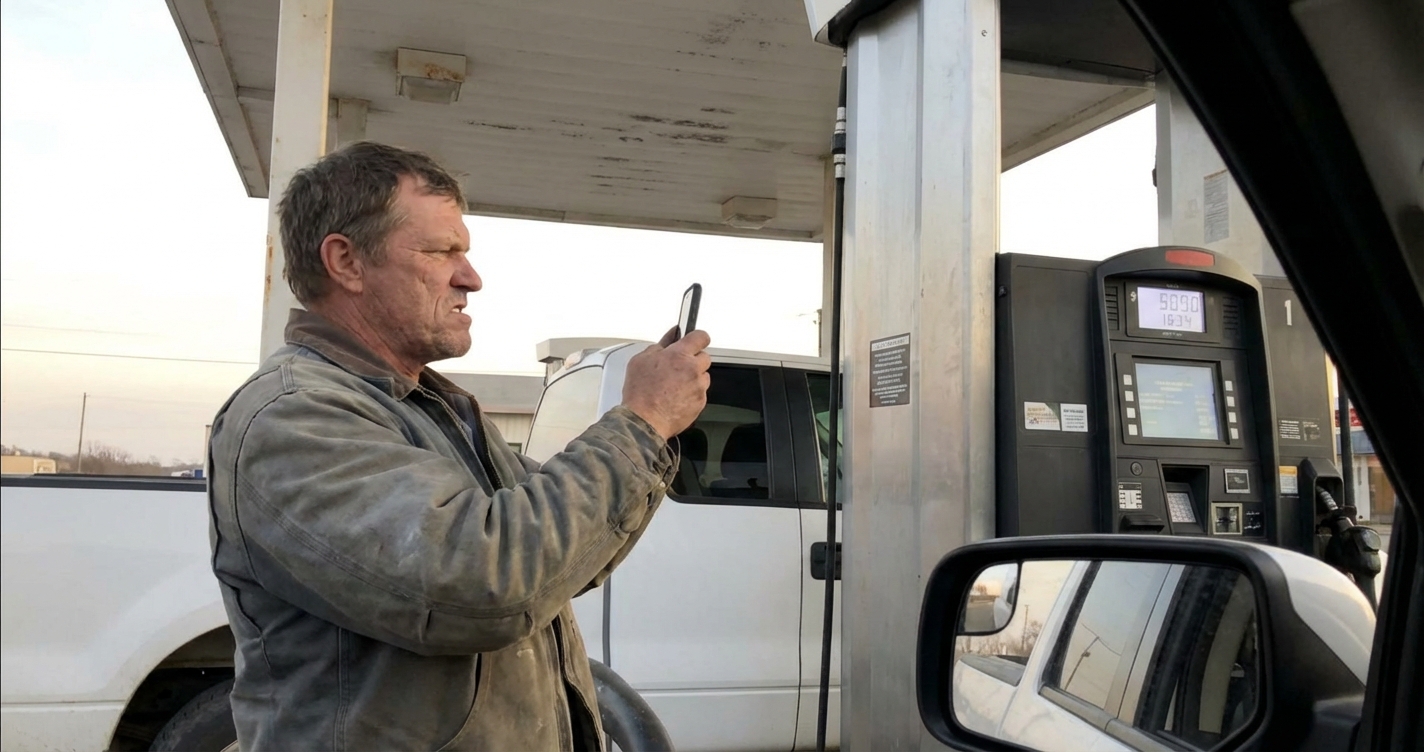
The number on the pump kept climbing, higher than anyone wanted to see. All across the country this week, drivers watched the price per gallon edge upward.
Quick calculations ran through commuters’ minds: how much extra would it cost to get to work, run errands, keep up with everyday life? No news alert was necessary to signal the shift. Wallets already felt it. Before trips to the dealership, the next move was clear: search online for answers.
Online Curiosity Ignites
As gas prices rose, online searches and research activity about electric vehicles and other electrified options increased, according to early March data from Edmunds and other car-shopping platforms, alongside Google search trends and AAA and EIA fuel-price data.
Reporters tracking Google Trends, EIA, and AAA data found the same general pattern: when fuel costs spiked, interest in EVs and other electrified vehicles ticked higher. Dealership ads and news segments did not drive the first wave of interest. The search bar and research sites served as the first stop for alternatives. Gas prices may change overnight and curiosity follows quickly. Purchasing a car takes longer. The gap between the first search and the actual purchase is where the future car market begins to take shape.
Motivation Beyond Politics
Many assume EV buyers are motivated by big ideas: saving the planet, embracing new technology, or making a statement. That narrative is easy to promote and fits many debates. The recent shopping and search data point strongly to cost concerns as a major driver when prices jump.
States and regions with higher gas prices often see larger bumps in EV consideration, regardless of politics, according to AAA price snapshots and car-shopping site data. In these cases, a painful trip to the gas station appears to be a major trigger for looking at alternatives.
Rising Prices Spark Action
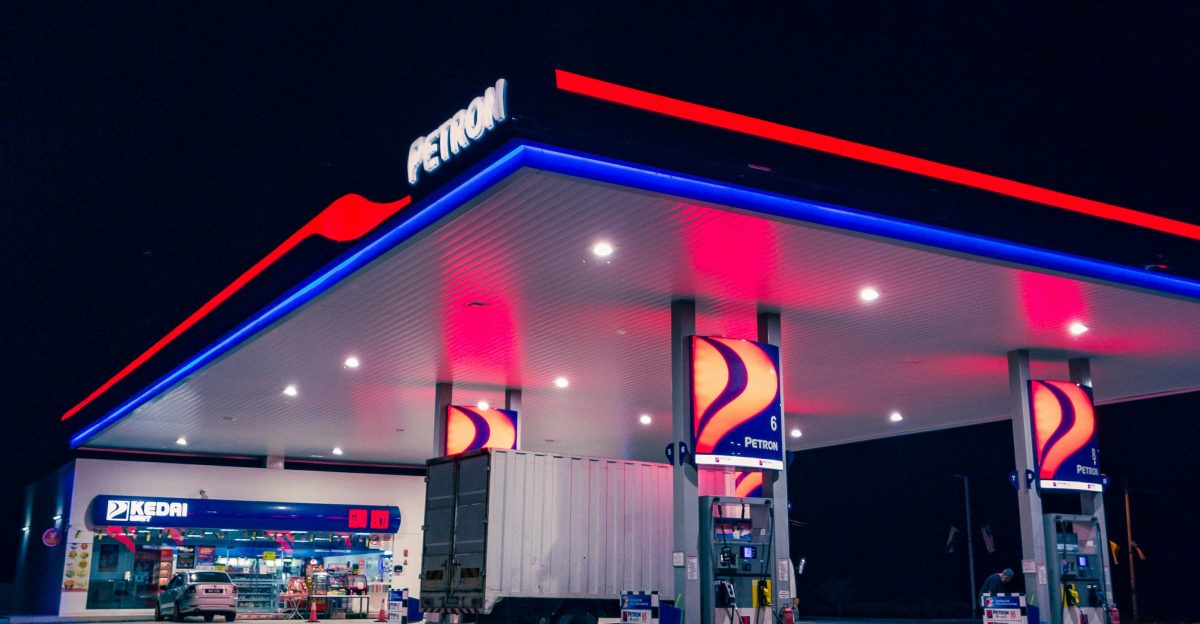
Money worries cut across political lines. That is one of the themes in the recent data and industry commentary. When gas becomes more expensive, families compare options, and EVs and hybrids move up the list. The price at the pump acts as a trigger. When it crosses a threshold for a household, people start looking for alternatives.
Prices increase, search and research interest rises, car dealers see more leads and inquiries, and some of those eventually turn into sales. The gas pump now serves as a powerful promoter for electric and electrified cars, without a dedicated ad budget.
From Search to Sale

The system is similar to refinancing a mortgage. Rate shopping only begins when monthly payments become uncomfortable. When costs pinch, people go online. EIA and AAA publish gas prices frequently, creating a public scoreboard for commuting costs.
Google Trends and site analytics from marketplaces like Edmunds and CarGurus turn these individual concerns into visible signals of interest. Car companies and dealerships increasingly treat spikes in this digital activity as early indicators to adjust promotions and inventory, even before buyers arrive at the showroom.
State Lines, Different Stories
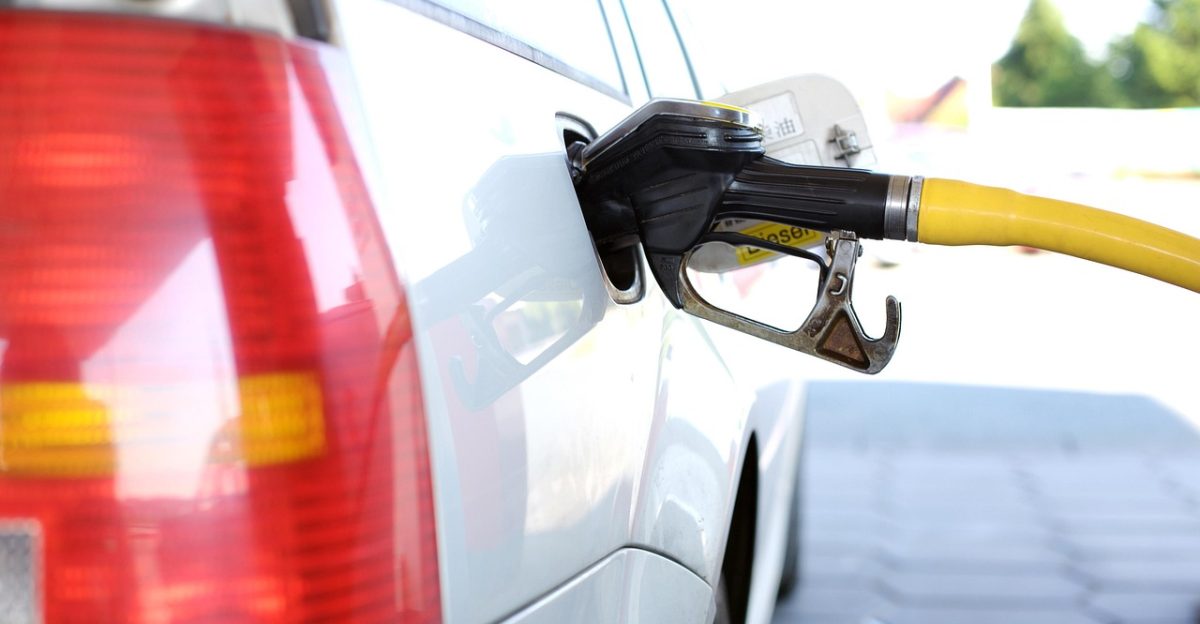
National averages do not reveal the true story. A single national price, such as a $3.50 headline number, can hide wide differences. In some high-cost states, average prices have recently exceeded $4, and during past spikes, have gone above $5. In lower-cost states, they can remain closer to the high $2 to low $3 range. AAA tracks state-by-state prices daily, and the highest-price regions tend to see the greatest concern about fuel costs and rising interest in fuel-efficient and electrified vehicles.
When gas spikes show up in inflation statistics and headlines, the topic enters dinner table conversations and group messages. One expensive fill-up can quickly lead to a discussion about switching vehicles. The journey from pump frustration to car shopping can be short.
Waves Through the Market

This ripple effect extends beyond a few late-night Google searches. Dealers and automakers now treat these search and research surges as early warning signs, adjusting inventory and promotions where they see sustained interest. The hardest-hit group often includes drivers with long commutes and low-MPG vehicles. They feel the squeeze every time they fill up, with no simple immediate solution.
Rising gas prices can also appear in inflation data, shape consumer outlook, and influence who decides to apply for car loans. Often, the people least able to buy a new car spend the most time searching for a better solution.
Pattern Becomes Playbook
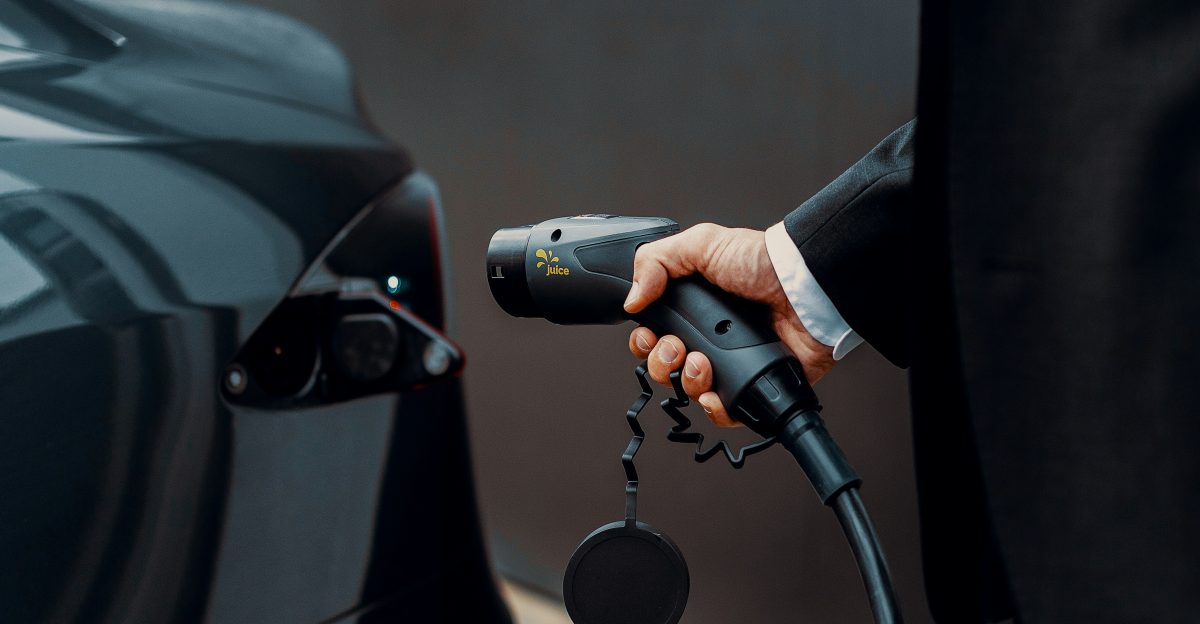
A version of this pattern has appeared during multiple fuel-price spikes, including the 2022 run-up and the latest increases. IEA analysis and long-term gas price and adoption data suggest that higher and more persistent fuel prices are one of several factors that can drive increased interest in and adoption of EVs over time, especially when combined with policy support and improving technology.
The shift is structural. Digital search and research data now give automakers and dealers an early view of demand trends months before sales reports fully reflect them. Every noticeable price increase at the pump acts as free advertising for electric and electrified vehicles. Gas station signs now serve as silent billboards for change.
Motivation Meets Roadblocks
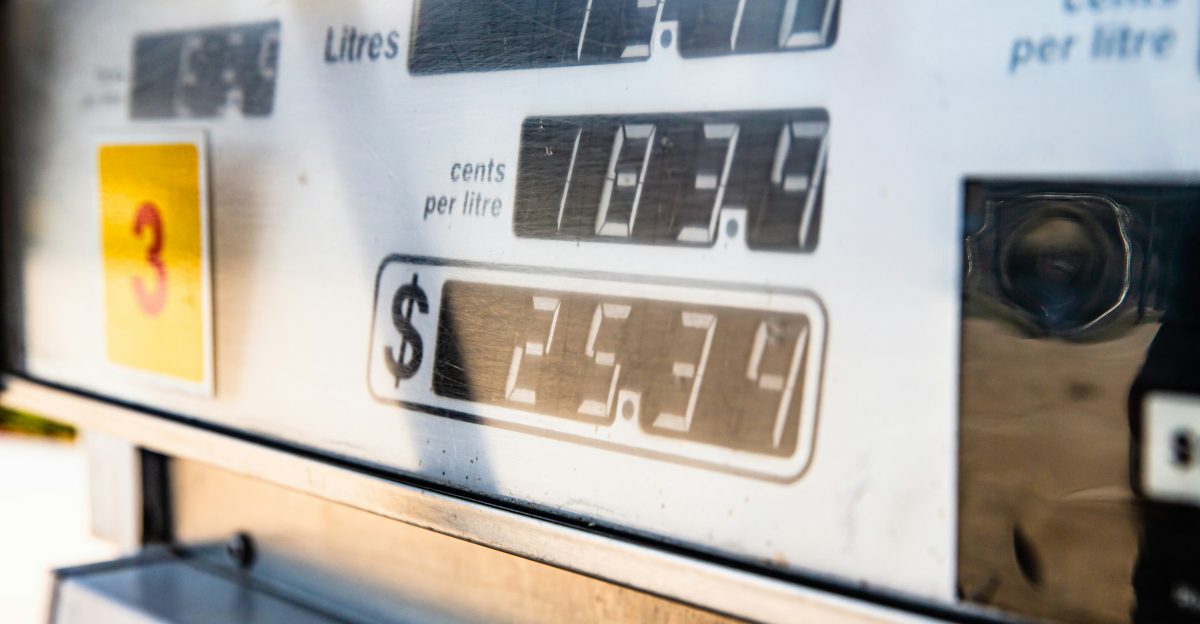
When high gas prices persist, casual interest can turn into more serious intent. Shoppers move from browsing to contacting dealers and scheduling test drives, a pattern seen in previous episodes of elevated fuel prices. A problem remains for long-distance commuters in rural areas with limited charging infrastructure.
These drivers often have some of the strongest financial motivation to cut fuel costs but fewer practical EV options in their area today. The mismatch between interest and access is likely to define an important part of the next phase of the market.
Reading the Signals
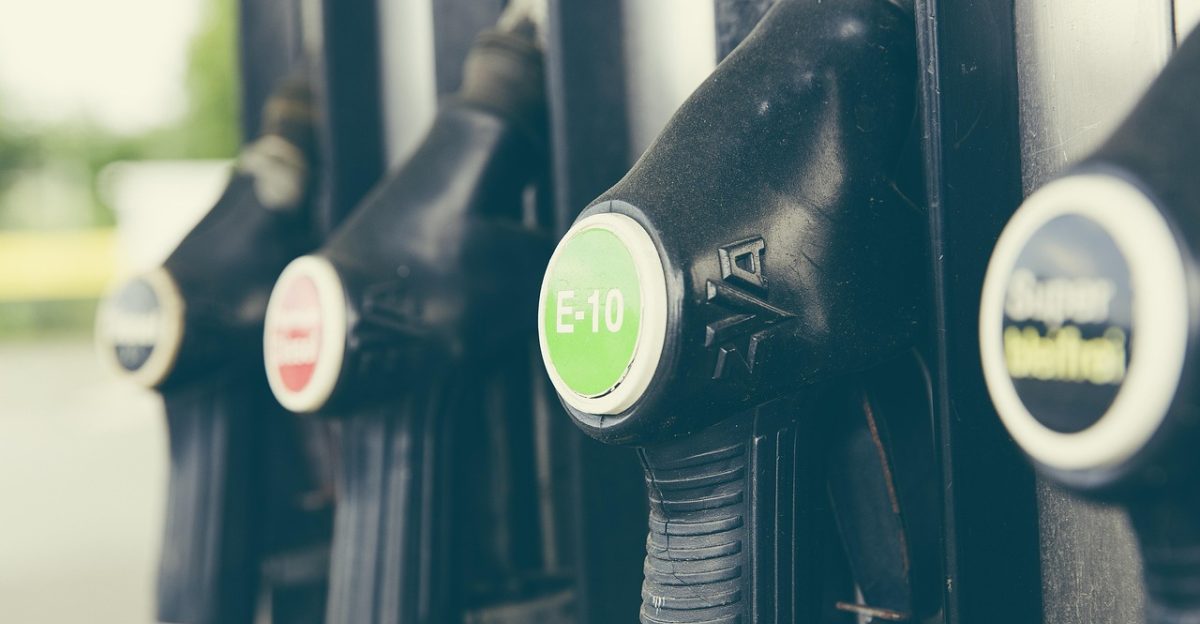
The gas pump now serves as one of the country’s largest and most visible lead generators for electric and electrified cars. Each price increase brings a new wave of interest in EVs and other high-efficiency options, with no traditional marketing budget required.
Car makers and dealers who respond quickly with compelling offers, financing solutions, and clear information about charging and ownership costs are best positioned to capture these customers. Others risk missing the opportunity. Recognizing this trend means watching the market shift in real time using search, research, and pricing data, instead of waiting for it to show up months later in official sales reports.
Sources:
Edmunds – Car Shoppers Paying More Attention to EVs as Gas Prices Rise, Edmunds Data Shows – 2026-03-10
AAA – State Gas Price Averages – updated daily, March 2026 snapshot
Bureau of Labor Statistics – Consumer Price Index: 2025 in review – 2026-01-20
International Energy Agency – Global EV Outlook 2025 – 2025-04-00 (report year 2025)
Business Insider – Higher gas prices spark a surge of search interest in EVs – 2026-03-15
U.S. DriveElectric / DOE resources – Technical Assistance and Resources for States (EV charging and alternative fuels infrastructure) – 2023-02-27